
Paul Is Dead

The theory that Paul McCartney died in a car crash on November 9, 1966, is perhaps the most famous urban legend in music history. Proponents of this “clue-hunting” craze argued that the Beatles replaced Paul with a look-alike named William Campbell to keep the band’s massive success going. The rumour didn’t just stay in the UK; it exploded in the United States in October 1969 after a caller to a Detroit radio station prompted DJ Russ Gibb to discuss the “evidence” on air. Fans began obsessively scouring album covers, noting that on the Abbey Road sleeve, Paul is the only Beatle walking out of step and barefoot, which many interpreted as a symbol of a corpse in certain cultures.
To add fuel to the fire, conspiracy theorists claimed that playing the song “Revolution 9” from the 1968 White Album backward revealed the phrase “turn me on, dead man.” Despite the intensity of the frenzy, Paul was actually alive and well, resting at his farm in Scotland with his wife Linda. He eventually appeared on the cover of Life magazine in November 1969 with the headline “Paul is still with us” to debunk the claims. Even decades later, the “Paul is Dead” phenomenon serves as a fascinating study in how collective imagination can turn simple artistic choices into a complex, worldwide mystery.
Richard Gere And The Gerbil

In the early 1990s, a bizarre and rather graphic rumour began to circulate about Pretty Woman star Richard Gere. The story alleged that the actor had been admitted to Cedars-Sinai Medical Center in Los Angeles to have a live gerbil removed from his body following a private accident. It was claimed that the hospital staff was forced to sign non-disclosure agreements to protect his reputation. This story spread like wildfire through fax machines and word-of-mouth, reaching such a peak that it became one of the first “viral” legends of the pre-internet era, despite having zero factual basis.
The truth is that no medical records, eyewitness accounts, or hospital entries have ever supported this claim. In fact, many cultural experts believe the story was a malicious fabrication intended to target Gere’s public image during the height of his fame. Gere himself has largely ignored the nonsense, though he did mention in a 2002 interview that he stopped reading the press to avoid such negativity. The “gerbil legend” is now frequently cited by sociologists as a classic example of an urban myth that relies on shock value rather than any shred of reality to stay alive in the public consciousness.
Elvis Is Still Alive

When the “King of Rock and Roll” passed away at his Graceland estate on August 16, 1977, the world was truly shaken. However, because the circumstances of his death were kept somewhat private, many fans refused to accept he was gone. Within months, reports surfaced of Elvis being seen at a grocery store in Vicksburg, Mississippi, or boarding a plane to Argentina. The “Elvis Lives” movement gained massive momentum in the 1980s, fueled by tabloids like the Weekly World News, which frequently published grainy photos of “The King” hiding in plain sight.
Some theorists went as far as to suggest that Elvis faked his death to escape the pressures of fame or to enter the witness protection program after helping the FBI. They pointed to a supposed typo on his tombstone, which spells his middle name as “Aaron” instead of his usual “Aron”, as a secret signal that the man buried there was a decoy. While medical examiners and his family have confirmed his passing multiple times, the legend persists. Even today, “Elvis sightings” remain a staple of American pop culture, proving that for many, the legend of the King is simply too big to ever truly die.
Rod Stewart’s Stomach Pump
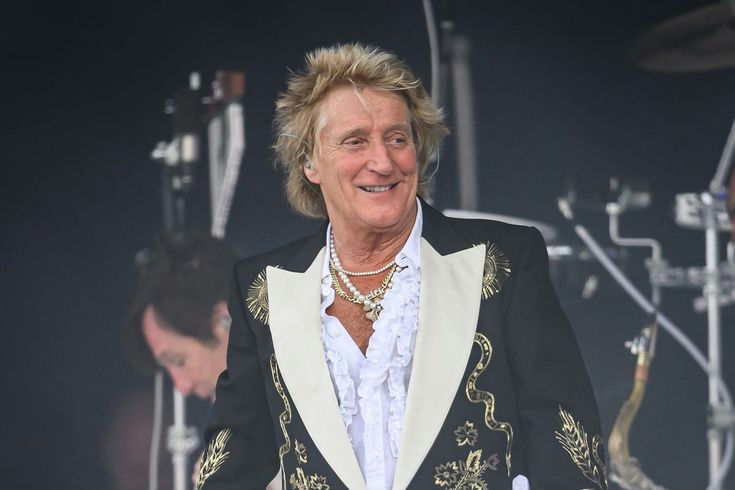
During the late 1970s, a particularly gross rumour began to follow British rock icon Rod Stewart. The story claimed that Stewart had been rushed to an emergency room to have his stomach pumped after a wild night out, allegedly discovering a massive amount of “biological fluid” in his system. It was a story told in hushed tones in school hallways and locker rooms across the globe, becoming one of the most enduring and scandalous “rock star excess” myths of the 20th century. Because Rod had a “playboy” reputation, many people found the story believable despite its biological impossibility.
In his 2012 autobiography, Rod: The Autobiography, Stewart finally set the record straight and revealed the likely source of the lie. He explained that his former publicist, Tony Toon, had invented the story as a form of revenge after being fired. Toon allegedly planted the story in the press to embarrass the singer in the most humiliating way possible. Stewart noted that the rumour was physically impossible and deeply hurtful, but it took decades for the public to move on. This entry serves as a reminder of how a single vindictive lie can stain a celebrity’s reputation for a lifetime.
Jennifer Lopez’s Insured Curves

As Jennifer Lopez transitioned from a “Fly Girl” dancer to a global superstar in the late 1990s, her physical appearance became a constant topic of media discussion. Around 1999, a rumour took hold that she had insured her most famous assets, her curves, for an astronomical sum ranging from $27 million to $1 billion. The story suggested that if anything were to happen to her body, Lloyds of London would be on the hook for a massive payout. This helped solidify her image as a “diva” and contributed to the obsession with celebrity body parts in the early 2000s.
During an appearance on The Late Late Show in 2016, Lopez finally addressed the long-standing myth, laughing it off and confirming that no such insurance policy ever existed. She pointed out the absurdity of the “billion-dollar” figure, asking where that money would even go if something happened. While it is true that some performers, like Bruce Springsteen or Keith Richards, have insured their voices or hands for professional reasons, J.Lo’s supposed policy was nothing more than tabloid fiction. The rumour highlights how the media often commodifies female celebrities by focusing on their physical value over their actual talent and hard work.
Mister Rogers The Sniper
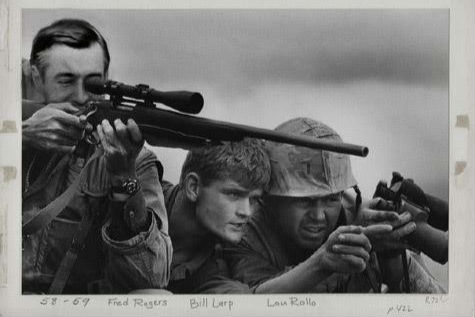
Fred Rogers, the beloved creator and host of Mister Rogers’ Neighborhood, is remembered as the gold standard of kindness and patience. However, a dark urban legend began to spread in the 1990s claiming that his gentle persona was actually a cover for a violent past. The rumour alleged that Rogers was a former Navy SEAL or Marine sniper during the Vietnam War with numerous confirmed kills. It was said he wore his iconic cardigans to hide “Born to Kill” tattoos on his arms. This contrast between a children’s hero and a deadly soldier made the story incredibly popular.
In reality, Fred Rogers never served in the military. He moved straight from college at Rollins College in 1951 into a career in broadcasting and later attended seminary to become an ordained Presbyterian minister. His sweaters were actually hand-knitted by his mother, Nancy, as a gesture of love. Rogers was a lifelong pacifist who dedicated his life to the emotional well-being of children. The sniper myth likely grew because people find it hard to believe someone could be as genuinely kind as Mr. Rogers, searching for a “tough” hidden layer that simply wasn’t there.
Marilyn Monroe And JFK
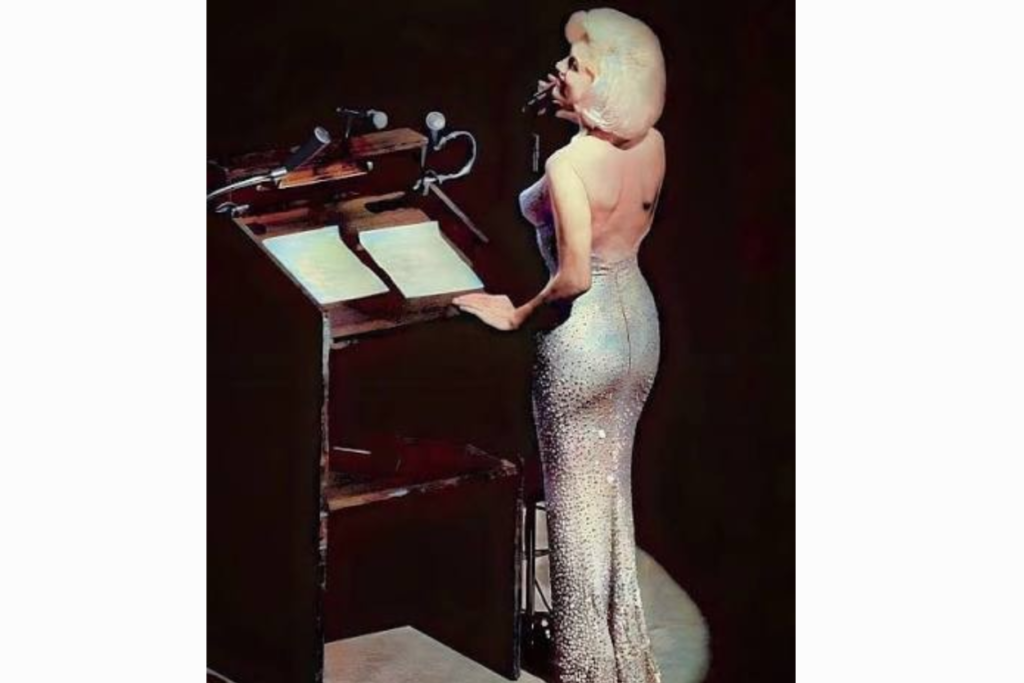
The intersection of Hollywood royalty and political power reached its peak with the rumours surrounding Marilyn Monroe and President John F. Kennedy. The speculation reached a fever pitch after Monroe’s breathless performance of “Happy Birthday” at the President’s 45th birthday celebration on May 19, 1962. Dressed in a sheer, crystal-encrusted gown, her appearance fueled whispers that she was having a secret affair with both the President and his brother, Robert Kennedy. Following her tragic death just months later in August 1962, conspiracy theorists claimed she was silenced to keep political secrets.
While it is widely accepted by historians that Monroe and JFK had at least one encounter at Bing Crosby’s home in March 1962, the idea of a long-term, deep-seated affair is largely unsupported by hard evidence. Most of the more scandalous claims come from books published years later by authors seeking to capitalize on the tragedy. The mystery remains a central part of American folklore because it involves two of the most charismatic figures of the 20th century. Their connection continues to be explored in countless films and documentaries, ensuring the rumour stays alive in our collective memory.
Walt Disney Frozen

When Walt Disney passed away from lung cancer on December 15, 1966, a strange story began to circulate almost immediately. The rumour suggested that the visionary creator had been cryogenically preserved and placed in a high-tech chamber beneath the “Pirates of the Caribbean” ride at Disneyland. The idea was that Disney wanted to be “thawed out” once medical science found a cure for his illness. This story was so pervasive that even today, many visitors to the theme park wonder if the man who started it all is resting right beneath their feet.
The truth is much more grounded in reality. Walt Disney was cremated on December 17, 1966, and his remains were interred at Forest Lawn Memorial Park in Glendale, California. The rumour likely started because the first human was cryogenically frozen just weeks after Disney’s death in early 1967, and the public associated the cutting-edge technology with the forward-thinking animator. His daughter, Diane Disney Miller, later stated that her father likely didn’t even know what cryogenics was. Despite the facts, the “frozen Walt” myth remains a testament to his reputation as a man who lived in the future.
Munchkin Hanging Scene
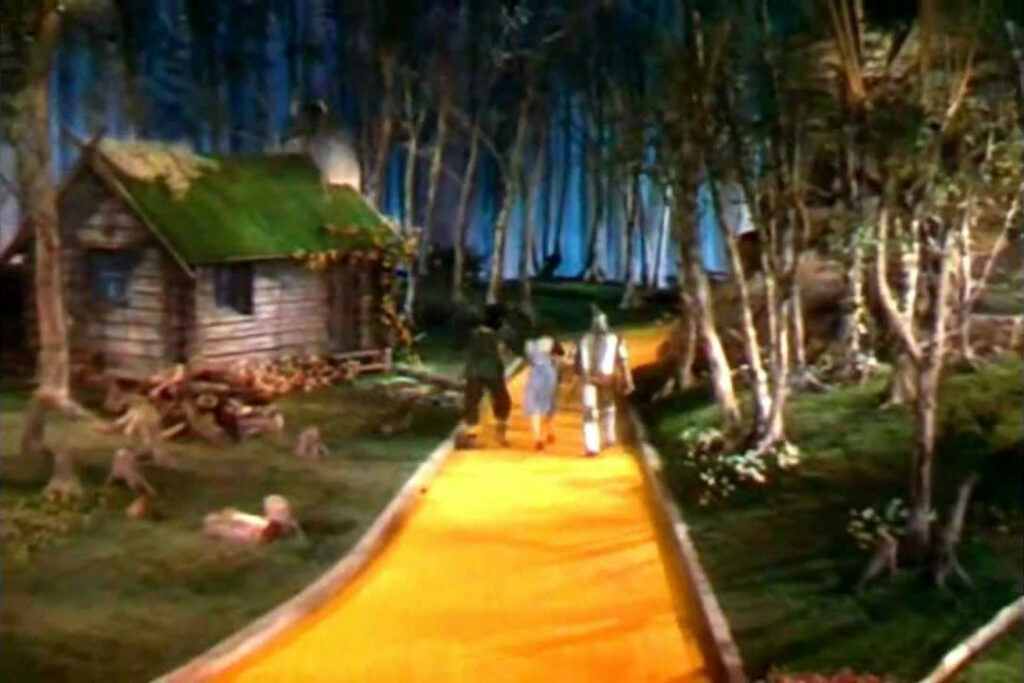
For decades, families watching the 1939 classic The Wizard of Oz on television or VHS believed they had spotted a gruesome secret. During the scene where Dorothy, the Scarecrow, and the Tin Man are singing “We’re Off to See the Wizard,” a dark shape can be seen moving in the background trees. The rumour claimed that a disgruntled actor playing a Munchkin had ended his life on set and that the film crew failed to notice the body during editing. This became one of the most “watched-for” moments in cinematic history.
When the film was remastered for its 60th anniversary and released on DVD and Blu-ray, the mystery was finally solved with high-definition clarity. The “body” was actually a large bird, specifically a sarus crane, borrowed from the Los Angeles Zoo to add a sense of wildlife to the indoor forest set. In the lower-resolution versions of the film, the bird’s flapping wings looked like a swinging figure, but the HD footage clearly shows the bird moving its head. This myth shows how poor image quality and a vivid imagination can turn a harmless prop into a haunting legend.
Cher’s Missing Ribs

In the late 1980s, as Cher enjoyed a major career comeback with hits like “If I Could Turn Back Time,” her age-defying looks became a major talking point. A rumour surfaced claiming that she had undergone a surgical procedure to remove two of her lower ribs to achieve a smaller, “wasp-like” waistline. This was during a time when plastic surgery was becoming more common in Hollywood, and Cher was one of the few stars who was open about having work done, which made the public more willing to believe the rib-removal claim.
Cher has addressed this specific rumour many times with her trademark wit, even offering to let journalists feel her sides to prove her ribs are all still there. In a 1990 interview, she pointed out that she has always been thin and that her silhouette was the result of intense exercise and healthy eating, not a dangerous bone-removal surgery. Medical professionals also note that such a procedure is extremely rare and carries massive risks for very little aesthetic gain. The story remains a classic example of how the public often invents “secret shortcuts” to explain the hard-earned fitness of famous women.
Three Men And A Baby Ghost
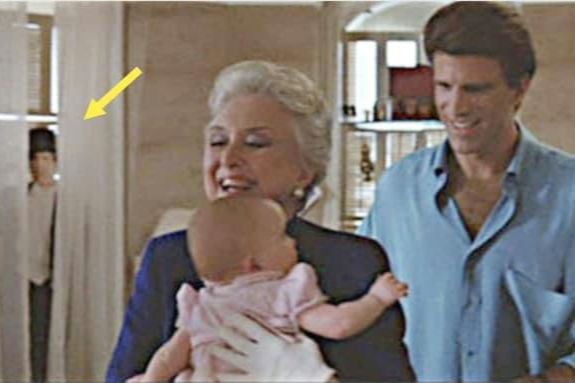
When the hit comedy Three Men and a Baby was released in 1987, it became a massive box office success, but its legacy was soon tied to a chilling urban legend. In the early 1990s, as the movie became a staple on VHS, viewers began noticing a dark, human-like figure standing behind a curtain in the background of a scene featuring Jack Holden and his mother. Rumours quickly spread that the figure was the ghost of a young boy who had tragically passed away in the apartment where the film was shot. Some even claimed the boy’s grieving mother had committed suicide, adding a dark layer to the lighthearted film.
In reality, the movie was filmed on a controlled soundstage at Toronto’s Pinewood Studios, not in a real residential apartment. The “ghost” was actually a life-sized cardboard cutout of actor Ted Danson, who played Jack in the film. The prop was part of a deleted subplot involving a dog food commercial his character was supposed to film. Because the low resolution of 1980s television sets and VHS tapes blurred the details, the cutout appeared to be a translucent, standing figure. Despite the logical explanation, the story remains one of the most famous “haunted movie” myths of all time.
Jamie Lee Curtis Mystery

For several decades, a particularly persistent and invasive rumour followed actress Jamie Lee Curtis, suggesting she was born with an intersex condition. The claim, which gained traction in the 1980s and 1990s, suggested that the Halloween star had been born with both male and female biological traits and had undergone surgery as an infant. This story was often repeated as “common knowledge” in medical schools and Hollywood gossip circles, despite a complete lack of evidence. It became a classic example of how the public often invents complex backstories for celebrities who possess a unique or striking physical presence.
The truth is that there has never been any medical record, family confirmation, or credible testimony to support this theory. Curtis herself has largely ignored the gossip, choosing not to dignify the personal intrusion with a response for many years. Medical experts point out that the rumour likely originated from a misunderstanding of her name, Jamie Lee is a gender-neutral name, combined with her athletic build and short hair during her early career. Today, the story is viewed by social historians as a reflection of the era’s discomfort with women who didn’t fit traditional Hollywood beauty standards.
Stevie Nicks’ Cocaine Assistant

Stevie Nicks, the legendary frontwoman of Fleetwood Mac, lived a life that was often as dramatic as her music. During the peak of her fame in the late 1970s and early 1980s, her struggles with substance abuse were well-known, leading to a truly bizarre urban legend. The rumour claimed that Nicks’ cocaine habit was so severe that she had destroyed her nasal passages and required a personal assistant to “blow” the drug into her system via an alternative physical route. It was a shocking tale that highlighted the perceived decadence and danger of the rock and roll lifestyle during that era.
Nicks finally addressed this specific rumour in a 2001 interview with Rolling Stone, calling it completely absurd and physically impossible. She was candid about her actual addiction, admitting that she spent millions of dollars on cocaine and eventually had a hole the size of a coin in her nasal septum. However, she clarified that the “assistant” story was a total fabrication that misunderstood how the human body functions. Nicks’ recovery in the late 1980s after a stay at the Betty Ford Center became an inspirational story of survival, eventually overshadowing the strange myths of her past.
Collins’ Drowning Story
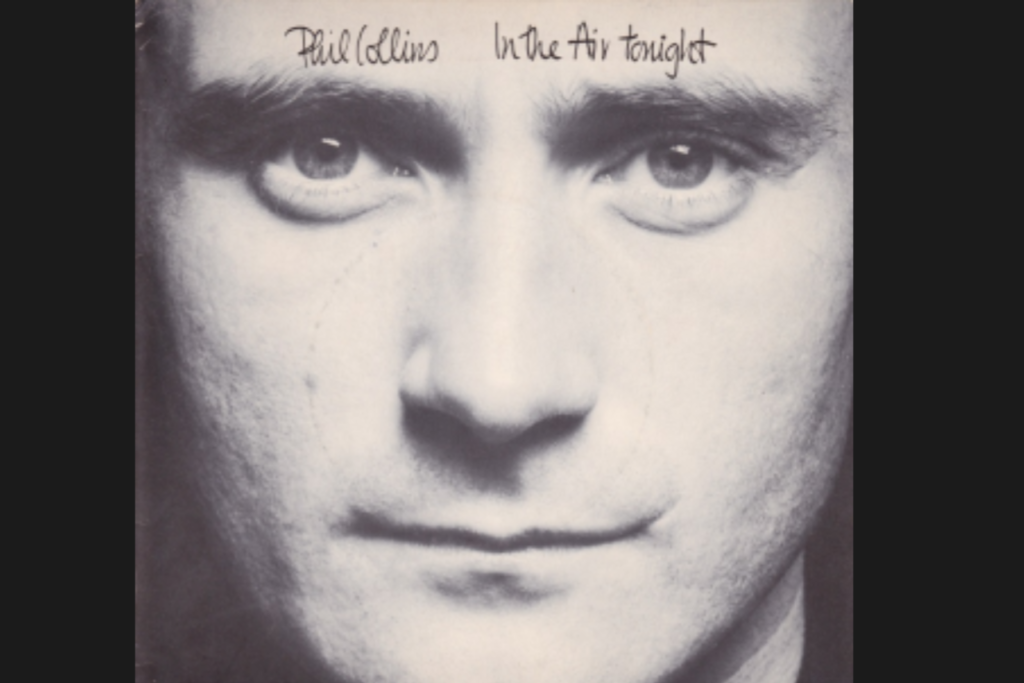
When Phil Collins released the brooding track “In the Air Tonight” in 1981, it became an instant classic, but it also birthed one of the most elaborate rumours in music history. The story claimed that Collins had witnessed a man refuse to help someone who was drowning. Years later, as the legend goes, Collins supposedly tracked the man down, gave him a front-row ticket to a concert, and sang the song directly to him while a spotlight revealed his identity to the crowd. This “revenge” narrative was so popular that it was even referenced by Eminem in his 2000 hit song “Stan.”
Collins has spent decades debunking this cinematic tale, explaining that the lyrics were actually an emotional outpouring following his painful divorce from his first wife, Andrea Bertorelli. In a 2016 interview, he noted that he doesn’t even know what the song is truly “about” because the lyrics were improvised during a studio session. There was never a drowning victim, a mysterious witness, or a dramatic spotlight moment at a concert. The rumour endured because the song’s intensity and famous drum break create a dark atmosphere that makes a “true crime” backstory feel almost believable to the listener.
Tupac’s Hidden Survival
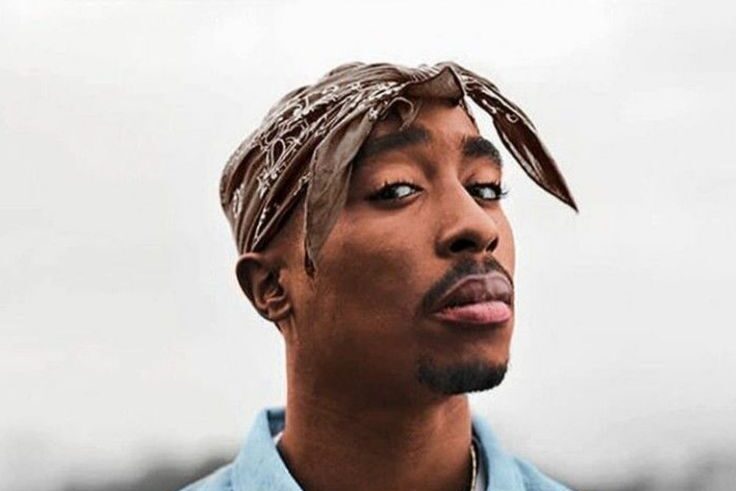
The death of Tupac Shakur on September 13, 1996, following a drive-by shooting in Las Vegas, remains one of the most debated events in hip-hop. Almost immediately after he was pronounced dead, fans began theorizing that the rapper had staged his own demise. Many believed he had fled to Cuba, where his aunt, Assata Shakur, was living in political asylum. The “Tupac is Alive” theory was fueled by the numerous posthumous albums released after his death, which contained lyrics that seemed to predict his own “resurrection” under the new stage name Makaveli.
Followers of the theory pointed to the “Seven Day Theory,” noting that Tupac was shot on September 7th and survived for six days before passing on the 13th. However, despite thousands of “sightings” in locations ranging from Belize to New Orleans, law enforcement and the hospital staff who treated him have confirmed the timeline of his passing. The mystery persists because Tupac was a revolutionary figure whose influence only grew after he was gone. For many fans, the idea that he is living a peaceful life in hiding is a more comforting thought than the reality of a life cut tragically short at age 25.
You’re So Vain Mystery
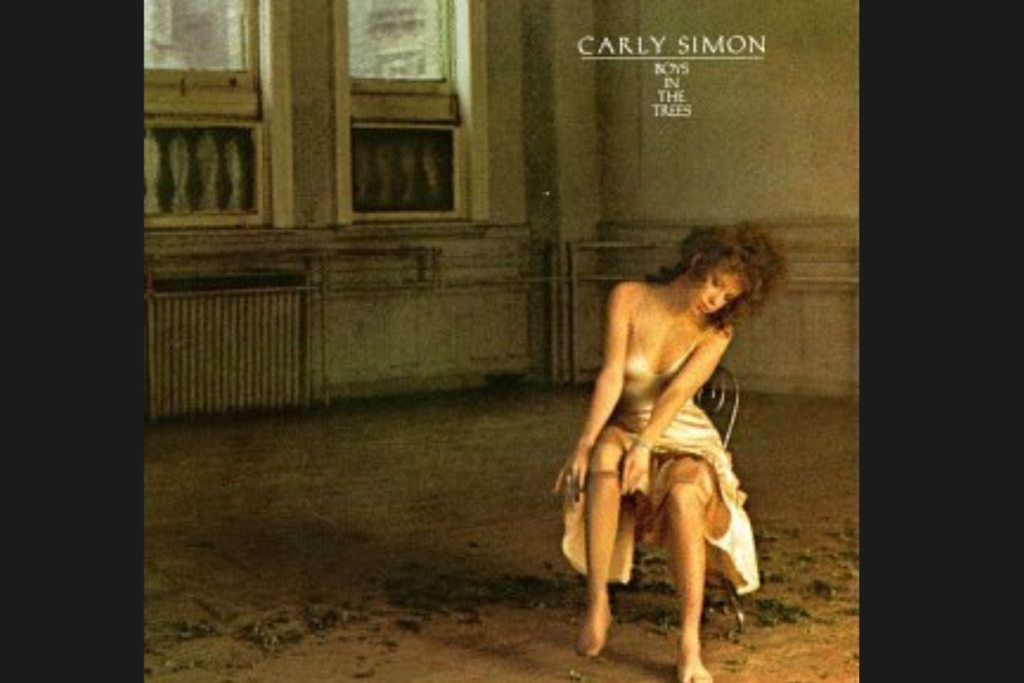
For over forty years, the biggest “whodunit” in music was the identity of the man who inspired Carly Simon’s 1972 hit, “You’re So Vain.” The song describes a self-absorbed lover who “walked into the party like he was walking onto a yacht.” For decades, fans and journalists speculated that the subject was one of Simon’s famous exes or friends, such as Mick Jagger, David Bowie, or James Taylor. Simon kept the secret closely guarded, occasionally auctioning off the answer for charity under strict non-disclosure agreements, which only increased the public’s curiosity.
In 2015, Simon finally gave fans a partial answer during a book promotion for her memoir, Boys in the Trees. She confirmed that the second verse of the song was indeed written about actor Warren Beatty. However, she added a twist by stating that the song is actually a composite of three different men from her past, and she still hasn’t revealed the names of the other two. This clever bit of mystery-management allowed the song to remain a topic of conversation for nearly half a century, proving that sometimes the unknown is more interesting than the truth.
Courtney Love Conspiracy
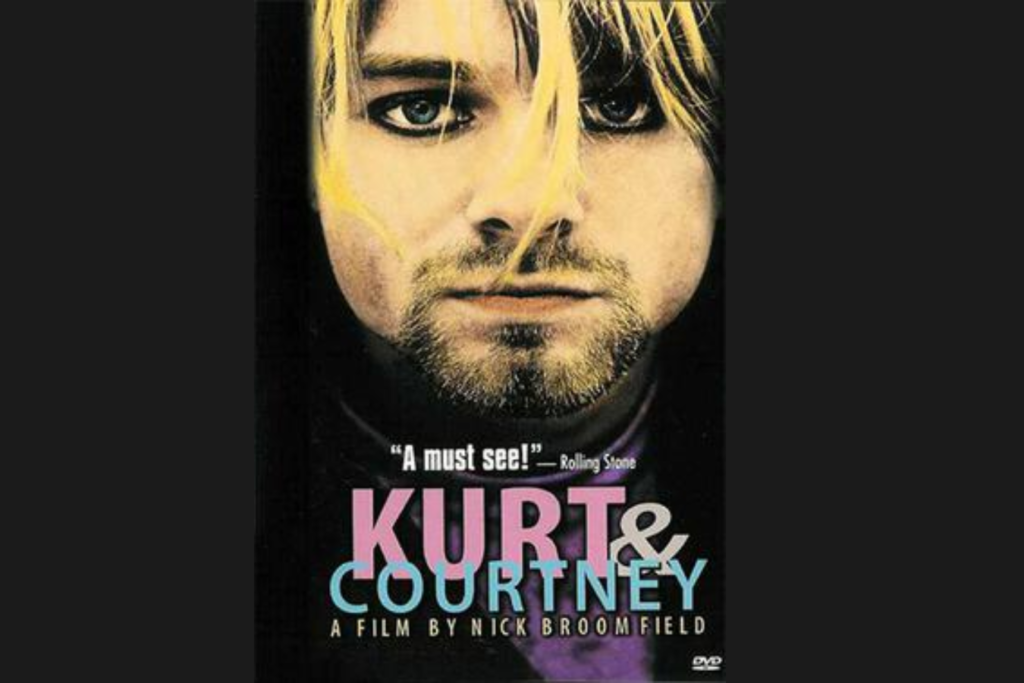
The April 1994 death of Kurt Cobain, the voice of the grunge generation, sent shockwaves through the world. While the Seattle Police Department ruled his death a suicide, a vocal group of theorists began pointing the finger at his wife, Courtney Love. The rumour suggested that Love, fearing a looming divorce and the loss of Cobain’s estate, had hired someone to end his life. This theory was heavily promoted in the 1998 documentary Kurt & Courtney, which featured interviews with individuals claiming they were offered money to harm the Nirvana frontman.
Despite the intensity of these claims, multiple investigations and forensic experts have stood by the original suicide ruling. Authorities noted that Cobain had a long history of mental health struggles and addiction, which were documented well before his death. Love has faced decades of public scrutiny and harassment due to these theories, which many critics argue are rooted in unfair biases against her. The conspiracy remains a staple of rock history discussions, highlighting how fans often struggle to process the tragic loss of an idol and look for someone to blame for the pain.
Sinatra And Ronan
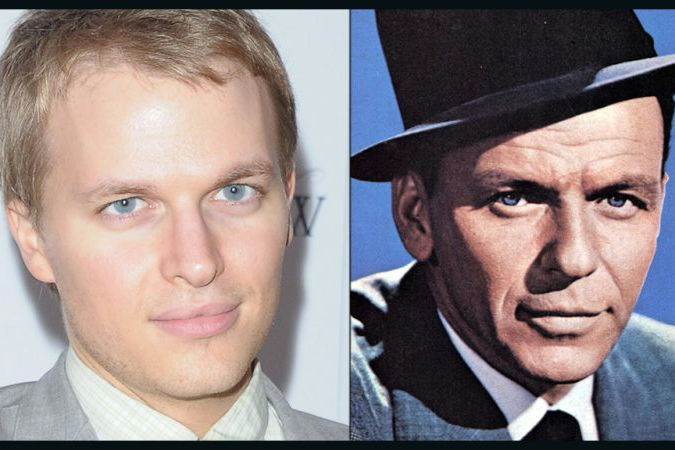
The striking blue eyes and sharp features of journalist Ronan Farrow have long sparked one of Hollywood’s most persistent paternity rumours. Born in 1987 to Mia Farrow and Woody Allen, Ronan’s appearance led many to speculate that his true father was actually Mia’s first husband, Frank Sinatra. The rumour gained massive traction in 2013 when Mia Farrow herself told Vanity Fair that Sinatra was “possibly” Ronan’s father. Because Sinatra and Mia remained close friends long after their 1968 divorce, the timeline of a secret reunion felt plausible to many gossip enthusiasts.
While the physical resemblance is undeniable, no DNA evidence has ever been publicly shared to confirm or deny the claim. Sinatra would have been 71 years old at the time of Ronan’s conception, and those close to the family have given conflicting accounts over the years. Woody Allen has addressed the rumour with his typical dry wit, stating that while he believes he is the father, he wouldn’t bet his life on it. Regardless of the biological truth, the story continues to fascinate the public because it links three of the most famous and complicated families in American entertainment history.
Captain Kangaroo’s Secret Son
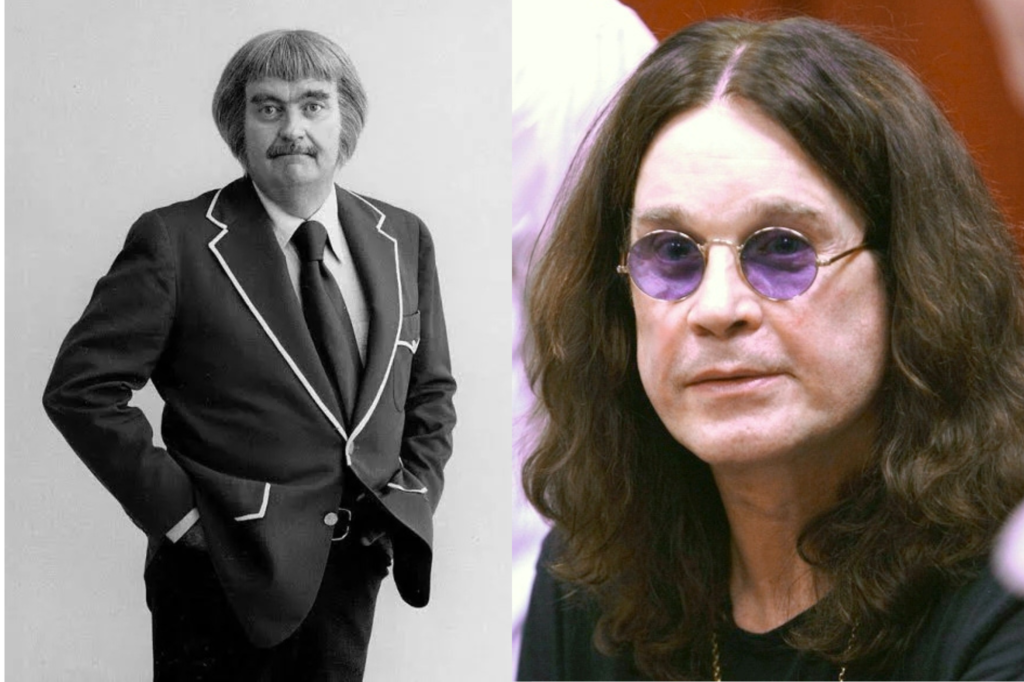
One of the more lighthearted yet completely baffling rumours of the late 20th century involved the wholesome children’s TV host Bob Keeshan, better known as Captain Kangaroo. For years, a story circulated that Keeshan was the father of heavy metal pioneer Ozzy Osbourne. Another variation of the myth claimed that Keeshan was a war hero who had saved the life of fellow TV host Mr. Rogers. These stories were often told as “fun facts” at parties, despite there being no biological or professional connection between the gentle TV captain and the Prince of Darkness.
The truth is that Bob Keeshan and Ozzy Osbourne were born on different continents, Keeshan in New York in 1927 and Osbourne in Birmingham, England, in 1948, and had no family ties whatsoever. The rumour likely gained steam because people enjoyed the absurd contrast between Keeshan’s “grandfatherly” persona and Ozzy’s “wild” reputation. It was a classic example of an urban legend created for the sheer irony of the situation. Keeshan, who was actually a former page for NBC and a dedicated advocate for children, lived a quiet life far removed from the world of heavy metal.
Marilyn Manson’s Missing Ribs
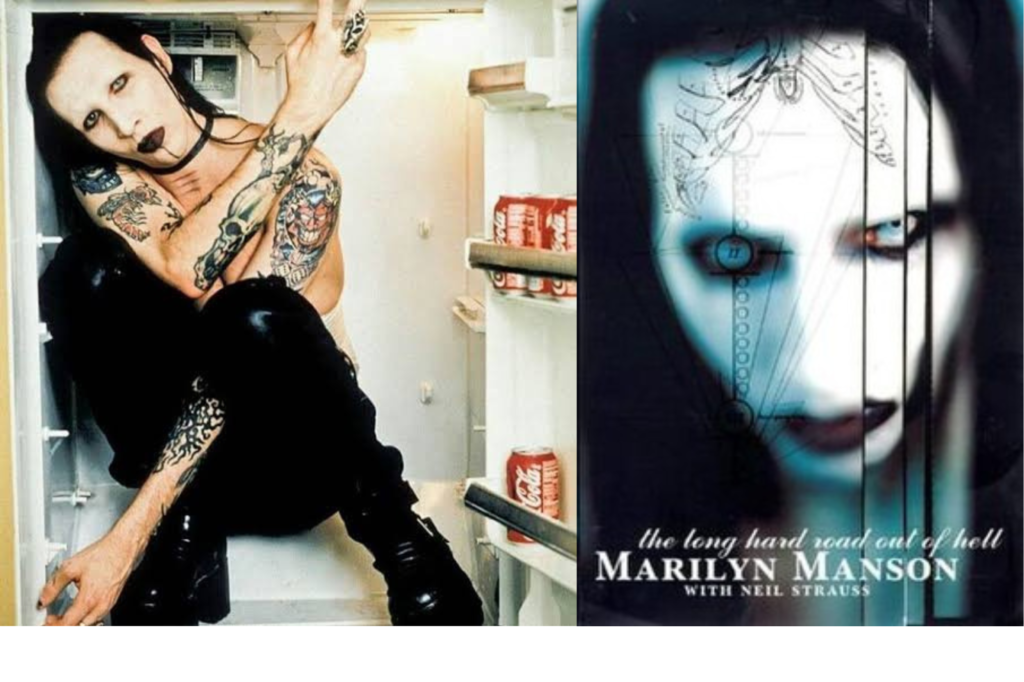
In the late 1990s, Marilyn Manson was the ultimate “moral panic” figure for parents and a hero to rebellious teens. This environment was perfect for the growth of one of the most famous playground rumours of all time: that Manson had several ribs surgically removed to perform an impossible physical act on himself. This story was told in middle schools across the globe, often cited as “proof” of Manson’s extreme and eccentric lifestyle. It was the digital age’s version of the Rod Stewart rumour, updated for a new generation of shock-rock fans.
Manson addressed the rib rumour in his 1998 autobiography, The Long Hard Road Out of Hell, clarifying that it was a complete fabrication. He noted that if he had actually undergone all the surgeries he was accused of, he would be a “Frankenstein’s monster” of plastic and scars. The myth survived because Manson’s public image was built on being “the boogeyman,” and the idea of him altering his body for self-gratification fit the dark, transgressive brand he cultivated. Today, the story is remembered as a nostalgic piece of 90s lore, showing how every generation invents its own shocking celebrity myths.


