
1. City Survivors: Rats
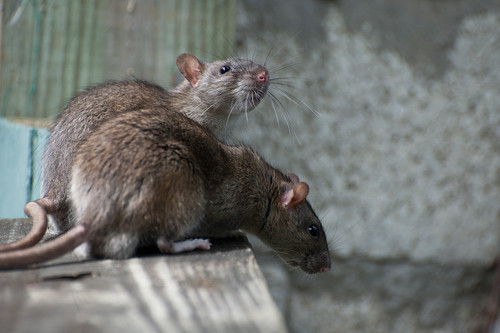
Sometimes scientists ask a simple question that feels almost like a thought experiment during a quiet conversation. If humans suddenly disappeared from Earth, which animals would quietly step forward and fill the space we left behind? Many researchers believe the first answer would not be dramatic predators but creatures already living beside us every day. Rats are a perfect example. They already thrive in cities, farms, forests, and coastlines across much of the world. Their ability to eat almost anything and reproduce quickly makes them incredibly resilient. Without garbage control, pest management, or constant human disturbance, their populations would likely grow rapidly in abandoned neighborhoods and towns. Empty buildings, subway tunnels, and overgrown parks would become ideal shelter for them. They would move easily between changing environments as nature slowly reclaimed human spaces around the planet.
Over time, rats would likely spread outward from cities into the returning wilderness. Former highways would crack and fill with grass, abandoned houses would slowly collapse, and forests would reclaim farmland. Rats are extremely adaptable and would follow these changes wherever food and shelter appear. Their ability to survive in almost any environment means they would remain one of the most common mammals across the recovering landscape. They would not dominate in a dramatic way, but their quiet persistence would make them hard to miss. In many ways, their story reflects a simple truth scientists often mention when discussing survival in nature. The animals that endure are rarely the largest or strongest. More often, they are the ones that quietly adapt to whatever the world becomes next.
2. Rooftop Regulars: Pigeons
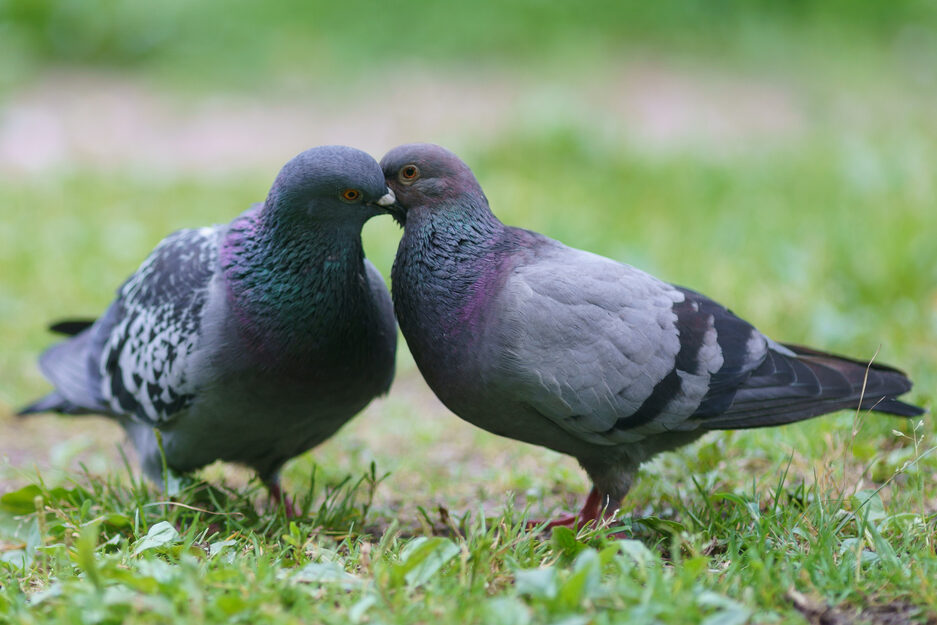
When people think about animals that succeed in cities, pigeons often come to mind almost immediately. These birds seem perfectly comfortable living alongside human activity, perched on rooftops and gathering in public squares. What many people do not realize is that pigeons originally evolved as cliff dwelling birds. Tall buildings simply mimic the rocky cliffs where their ancestors once nested. If humans disappeared, pigeons would not struggle to adjust because they already possess the instincts needed to survive without us. Empty skyscrapers, bridges, and crumbling towers would still offer the ledges and shelter they prefer. As vegetation slowly spreads through abandoned streets and parks, pigeons would also find new food sources among seeds, grains, and wild plants returning to the landscape.
Their adaptability would allow them to move easily between natural cliffs and the remains of cities. Over time, the skies above recovering towns and fields might fill with large flocks of pigeons moving between feeding areas and nesting sites. Without traffic, construction noise, or human disturbance, their populations could grow steadily. Grasslands replacing farmland would produce plenty of seeds, while shrubs and small trees would provide additional shelter. What looks like an ordinary bird today could quietly become one of the most familiar sights in the skies again. Their presence would remind us that sometimes the creatures we overlook in daily life are the very ones best prepared to thrive when the world changes.
3. Quiet Rebuilders: Beavers
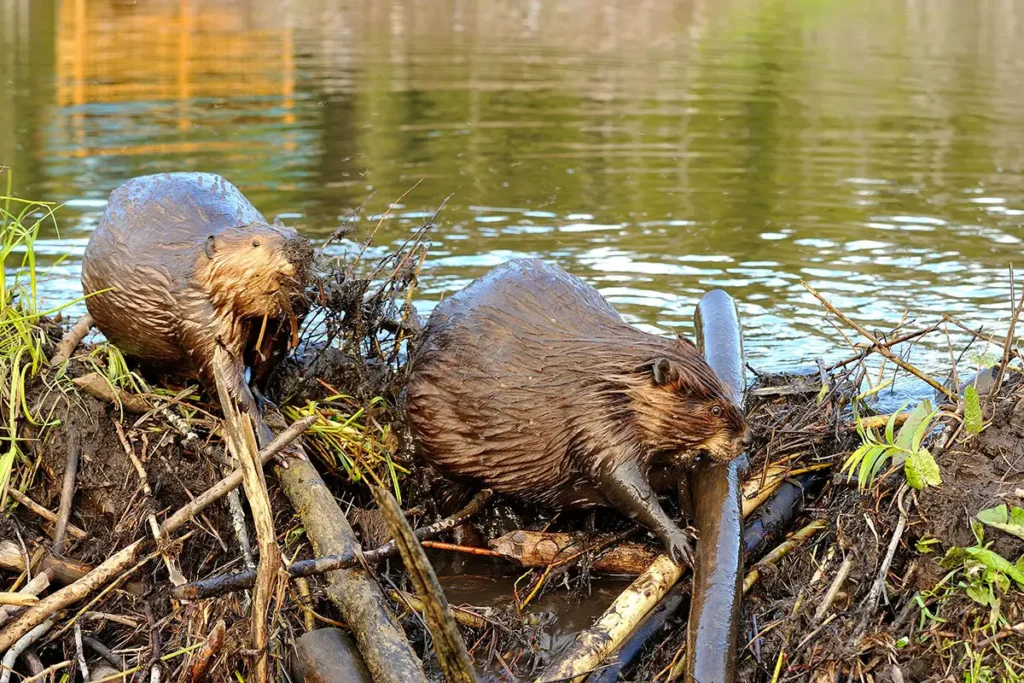
Beavers rarely receive the same attention as large predators or dramatic wildlife stories, yet scientists often describe them as one of nature’s most influential builders. Their ability to construct dams across streams can completely transform local ecosystems. When beavers build these dams, they slow down flowing water and create ponds that attract fish, amphibians, insects, birds, and mammals. If humans disappeared and stopped draining wetlands or removing beaver dams, these animals would likely expand across many river systems again. Forests returning to abandoned farmland would provide plenty of trees for them to use as building material. Over time, their dams would appear along streams that have been empty for generations.
Small ponds would form behind each dam, creating rich habitats for many other species. The influence of beavers would grow slowly but steadily. As wetlands expand, they would support growing populations of birds, frogs, fish, and aquatic plants. These ponds also help store water during dry seasons and reduce flooding during heavy rains. In a world without human interference, beavers would quietly reshape rivers and valleys across large regions. Their work would remind us that some of the most powerful ecological changes come not from large predators but from patient animals simply following their natural instincts and quietly rebuilding the landscape around them.
4. Ocean Opportunists: Jellyfish
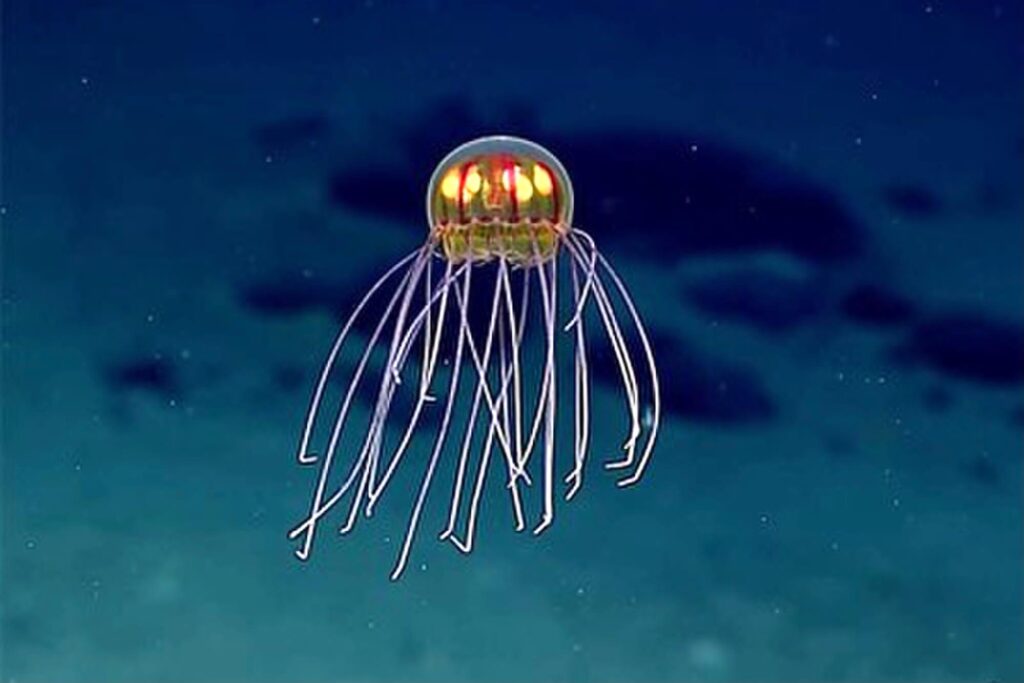
The oceans would change dramatically if humans vanished, and some of the creatures most likely to thrive are the soft drifting animals we often overlook. Jellyfish have existed for hundreds of millions of years and are known for surviving in conditions where other marine life struggles. They can tolerate warmer water and lower oxygen levels better than many fish species. Because of this resilience, scientists sometimes point to jellyfish as possible winners in changing ocean environments. Without commercial fishing removing predators or competitors, certain jellyfish populations could increase rapidly in some coastal areas. These creatures do not need complex habitats to survive. They drift with currents and feed on plankton, small fish, and tiny marine organisms.
As the oceans gradually rebalance without human pressure, jellyfish blooms might become more common in certain regions. Coastal waters near abandoned ports and cities would slowly recover, allowing marine ecosystems to evolve in new ways. Some fish populations would grow again, while jellyfish would continue thriving in open waters. Their simple structure and flexible survival strategies allow them to persist where many other species cannot. In a quieter ocean without heavy shipping traffic or industrial fishing, these drifting creatures could become one of the most visible reminders of how adaptable marine life can be when natural systems are allowed to find their balance again.
5. Underground Empires: Ants
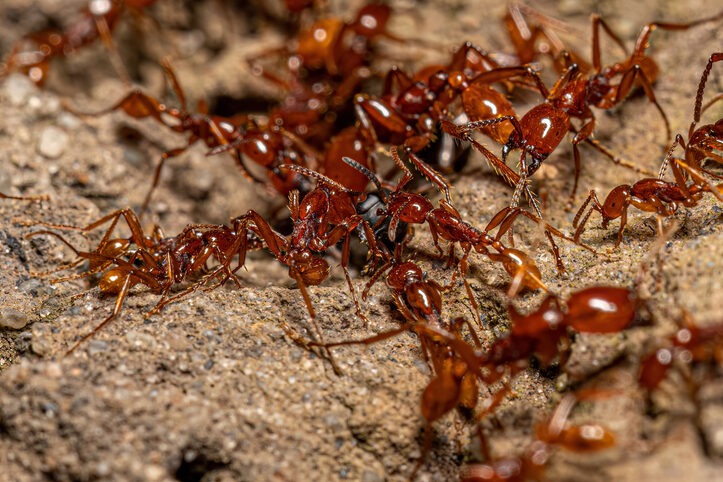
Ants are so small that people rarely think about their influence on the planet, yet scientists often point out how powerful their collective presence really is. Across forests, grasslands, deserts, and cities, ants form colonies that work together with remarkable organization. Each colony gathers food, protects its territory, and builds complex tunnel systems beneath the ground. If human activity disappeared and landscapes slowly returned to natural conditions, ant populations would likely expand even further. Soil would recover from construction and heavy development, giving ants more space to dig and build their underground networks. As forests and grasslands spread across former urban areas, ants would play an important role in recycling organic material and improving soil health.
Their activities help break down plant matter and move nutrients through the ground. Over long periods, the influence of ants could shape entire ecosystems in subtle ways. Their tunnels aerate soil and allow water to move more easily through the ground. Plants benefit from these changes, which supports insects and animals that depend on those plants. Though they are tiny, ants work collectively in such enormous numbers that their presence can shape landscapes across entire regions. Much of this work happens quietly beneath the surface, reminding us that even the smallest creatures can have an enormous influence on the health of the natural world.
6. Clever Urban Foragers: Raccoons
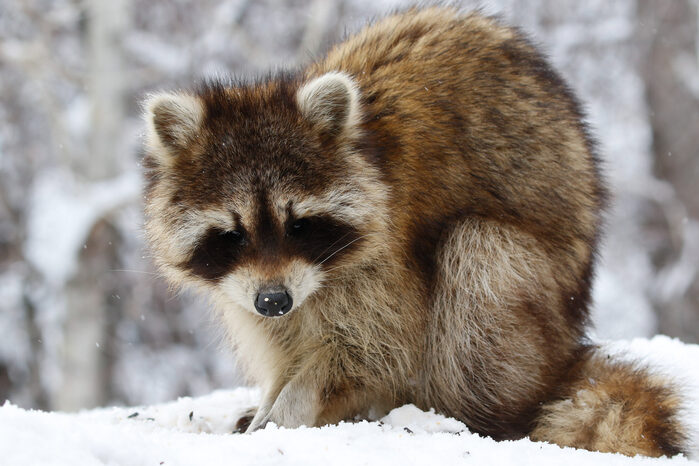
Raccoons have long been known for their curiosity and intelligence, especially in places where they share space with humans. Many people have watched raccoons open containers, climb fences, or explore backyards with surprising skill. These animals are extremely adaptable and can live comfortably in forests, wetlands, farmland, and cities. If humans disappeared, raccoons would likely continue thriving because they already know how to take advantage of changing environments. As buildings slowly crumble and vegetation spreads through empty neighborhoods, raccoons would gain access to new food sources and shelter. Rivers and streams would gradually become cleaner as industrial activity stops, creating better habitats for fish and aquatic life that raccoons sometimes eat.
Their flexible diet allows them to feed on fruits, insects, fish, eggs, and small animals. This adaptability would help them survive in many different landscapes. Over time raccoons would likely move easily between forests, rivers, and the remains of urban areas. Their nimble paws and curious nature help them explore almost anything they encounter. As ecosystems recover and wildlife returns to abandoned spaces, raccoons could become one of the most familiar mid sized mammals living across large parts of the recovering world. Their success would come from simple traits that often help animals endure changing environments curiosity, flexibility, and the ability to learn quickly.
7. The Return Of Wild Horses
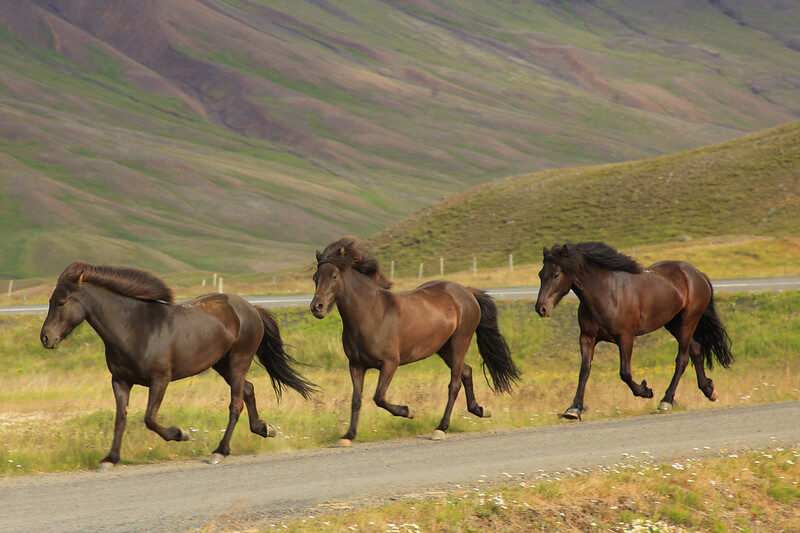
Some animals that once lived closely with humans might rediscover their independence if people suddenly disappeared. Horses are a strong example of this possibility. Many wild horse populations today actually descend from domesticated animals that escaped or were released long ago. Without fences, highways, or large settlements limiting their movement, horses could spread widely across open landscapes again. Abandoned farmland would slowly return to grasslands, creating ideal grazing areas for large herds. Horses move constantly as they search for fresh grass and water, which helps distribute seeds across wide distances. Their grazing also keeps grasses trimmed and encourages new plant growth.
Over generations these herds could play an important role in shaping vegetation patterns across plains and valleys. The presence of large grazing animals often supports a wide range of insects, birds, and predators that depend on open grassland ecosystems. Horses would not dominate through sheer numbers alone but through their movement across the land. Their return would feel less like a sudden takeover and more like a gradual restoration of natural rhythms that once shaped many landscapes around the world. Watching herds move across open plains again would be a reminder that nature often finds its balance when given enough time.
8. Masters Of The Canopy: Monkeys
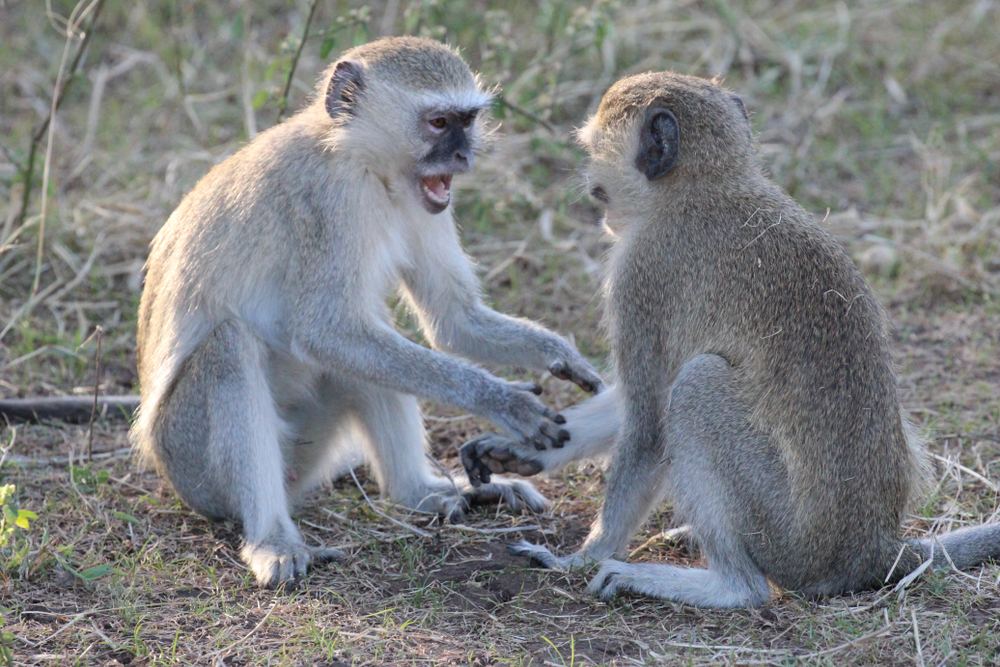
In tropical forests around the world, monkeys already play an important role in maintaining the health of their ecosystems. Many species spend most of their lives in the canopy, moving between branches in search of fruit, leaves, and insects. Unfortunately, human activity such as logging and expanding agriculture has reduced many of the forests they depend on. If humans disappeared, those forests would slowly regenerate across large regions of Africa, Asia, and South America. As trees return and habitats reconnect, monkey populations could gradually increase again. Larger forest areas would provide more food and safe places for troops to live and raise their young.
Monkeys also help forests grow because they disperse seeds while traveling through the canopy. Fruits they eat often pass through their digestive systems and are deposited in new locations where fresh trees can grow. This natural process helps forests expand and diversify over time. In a human free world, monkeys would likely continue moving through thick forests that become richer and more connected each decade. Their presence high in the canopy would quietly support the long term health of tropical ecosystems and remind us how deeply animals and forests depend on each other to survive.
9. Ocean Giants Rebounding: Whales
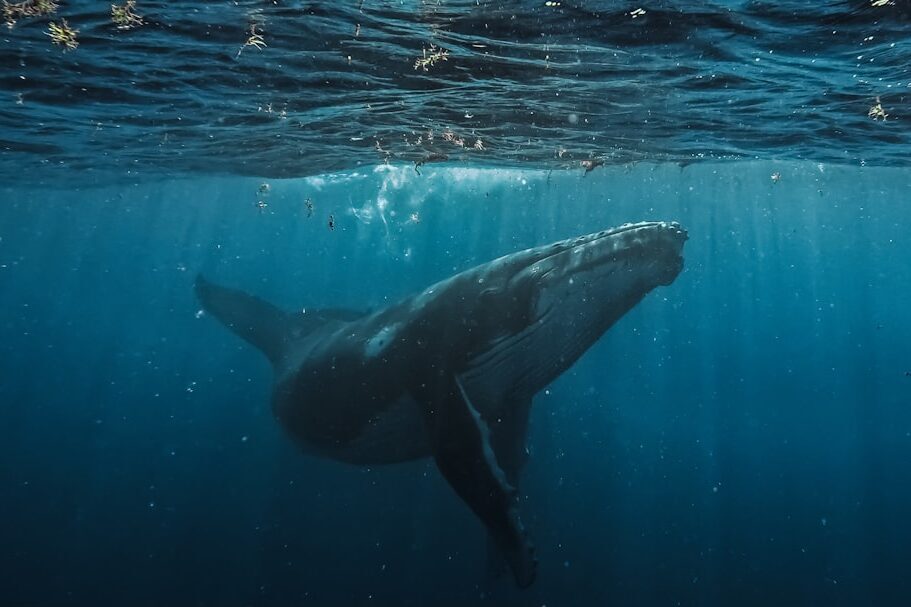
Among the animals most affected by human activity in the oceans are whales. For centuries many whale species were heavily hunted, which dramatically reduced their populations. Modern threats such as shipping traffic, underwater noise, and fishing gear still affect them today. If humans disappeared, the oceans would gradually become quieter and less crowded. Without commercial whaling or industrial fishing, whale populations could slowly recover across many ocean regions. This recovery would take decades or even centuries because whales reproduce slowly and raise their young carefully over long periods.
As their numbers grow, whales would once again play an important ecological role. When whales feed in deep water and return to the surface, they help move nutrients through the ocean. These nutrients support plankton growth, which forms the foundation of many marine food chains. Larger whale populations could strengthen entire marine ecosystems over time. The sight of whales traveling across open seas might become far more common again. In a calmer ocean environment, these enormous animals would continue their long migrations through waters that gradually return to a more natural balance.
10. Nature’s Patient Survivors: Cockroaches
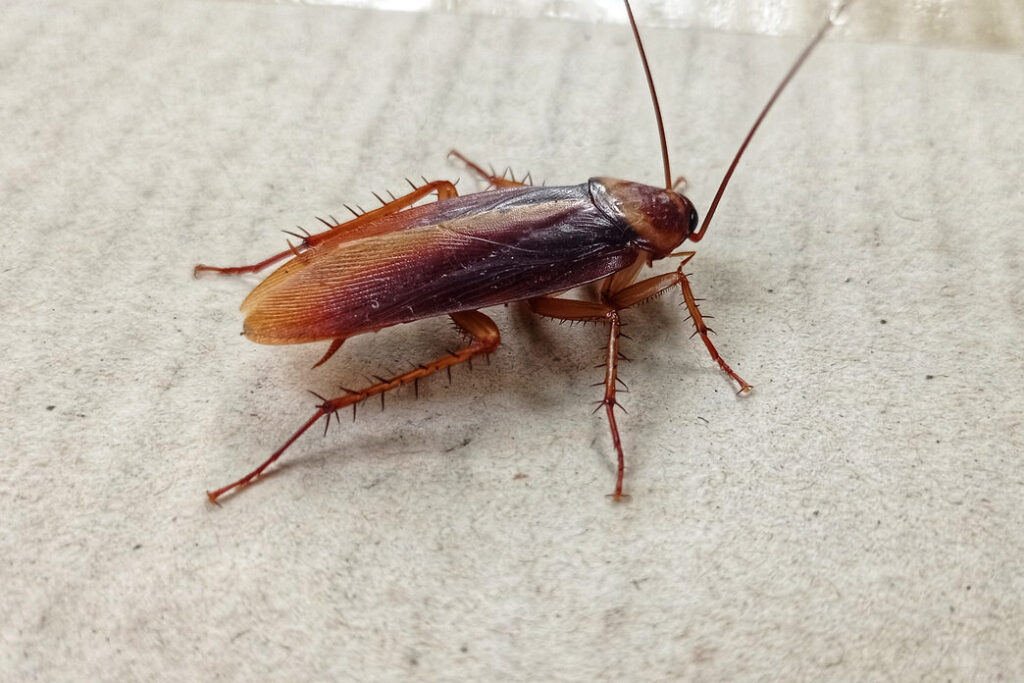
Cockroaches rarely receive much admiration, yet their survival story is one of the most remarkable in the natural world. Fossil evidence shows that cockroaches have existed for more than three hundred million years. During that time they survived major changes in climate and several mass extinction events that wiped out many other species. Their success comes from their ability to adapt to almost any environment. Cockroaches can eat a wide variety of materials and live in warm or cool climates. If humans disappeared and cities slowly decayed, cockroaches would simply adjust to the changing conditions.
Some species would continue living inside crumbling buildings while others would thrive outdoors among forests and grasslands returning to abandoned spaces. Their resilience means they can survive situations that many animals cannot tolerate. While they may not dominate the planet in a dramatic sense, cockroaches would likely remain part of the living world long after many species rise and fall. Their quiet persistence brings the conversation back to the simple idea that runs through this whole story. The creatures that endure are often the ones that adapt patiently as the world around them keeps changing.


