
1. Alan Alda: From Hawkeye To A Lifelong Creative Voice
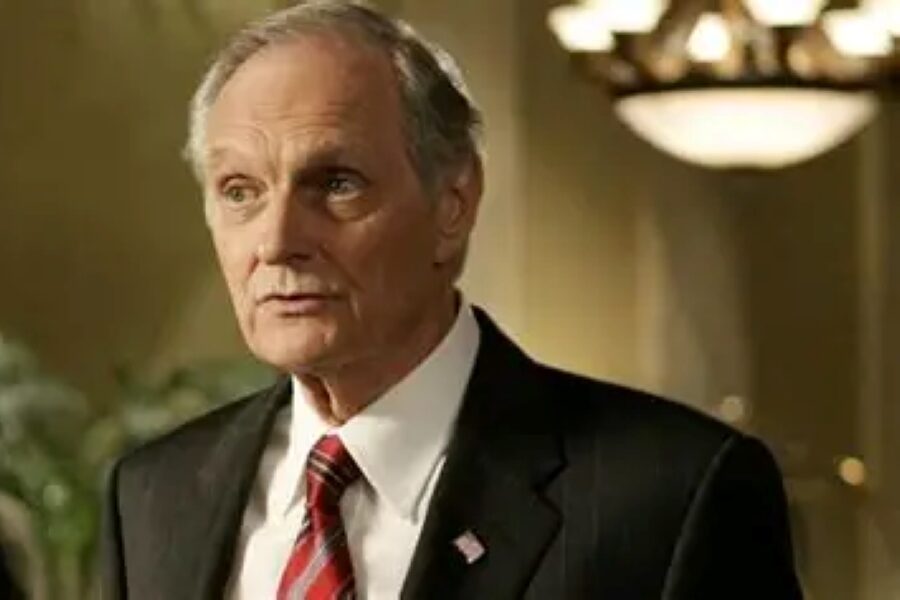
When MAS*H ended in 1983, it felt like saying goodbye to people who had quietly become part of our weekly routine, and right at the center of that goodbye was Alan Alda. For eleven seasons, he gave us Hawkeye Pierce, equal parts humor and heart, never letting the jokes hide the deeper ache of war. After the final episode drew record breaking viewership, many wondered whether Alda would always be Hawkeye in the public eye. Instead of stepping away, he leaned further into his craft, taking on film roles that stretched him in new directions and reminding audiences that his talent had always extended beyond one uniform and one setting.
In the years that followed, Alda appeared in acclaimed films such as The Aviator and took on thoughtful television roles including The West Wing, introducing himself to younger viewers who had never visited the 4077th. He also directed, wrote several books, and became deeply involved in science communication, founding the Alan Alda Center for Communicating Science. Even after sharing his Parkinson’s diagnosis publicly, he remained active, curious, and engaged. His journey after MAS*H feels steady and intentional, shaped by creativity, intellect, and the same grounded warmth that first drew viewers to Hawkeye.
2. Loretta Swit: Strength Beyond The Uniform
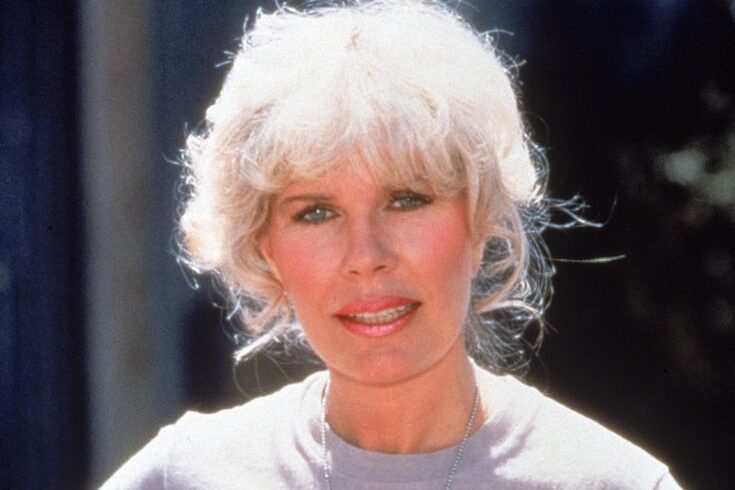
After years of portraying Major Margaret Houlihan with steel, poise, and surprising vulnerability, Loretta Swit stepped away from MAS*H carrying more than just a memorable role. Viewers had watched Margaret evolve from rigid authority figure to a fully realized woman with compassion and depth, and that transformation left a lasting impression. When the series ended, Swit did not rush to replicate that success in another long running sitcom. Instead, she chose television films and stage work that allowed her to explore different shades of character, often gravitating toward roles that reflected resilience and independence.
Beyond acting, Swit devoted much of her energy to animal welfare advocacy, founding SwitHeart Animal Alliance to support rescue efforts and promote humane treatment. That cause became central to her identity in the decades that followed. While she declined to continue Margaret’s story in the short lived spin off, she has consistently spoken with gratitude about her time on the original series. Her post show life feels thoughtful and purpose driven, shaped by compassion, creativity, and a steady appreciation for the role that made her a household name.
3. Mike Farrell: Acting With Heart And Conviction
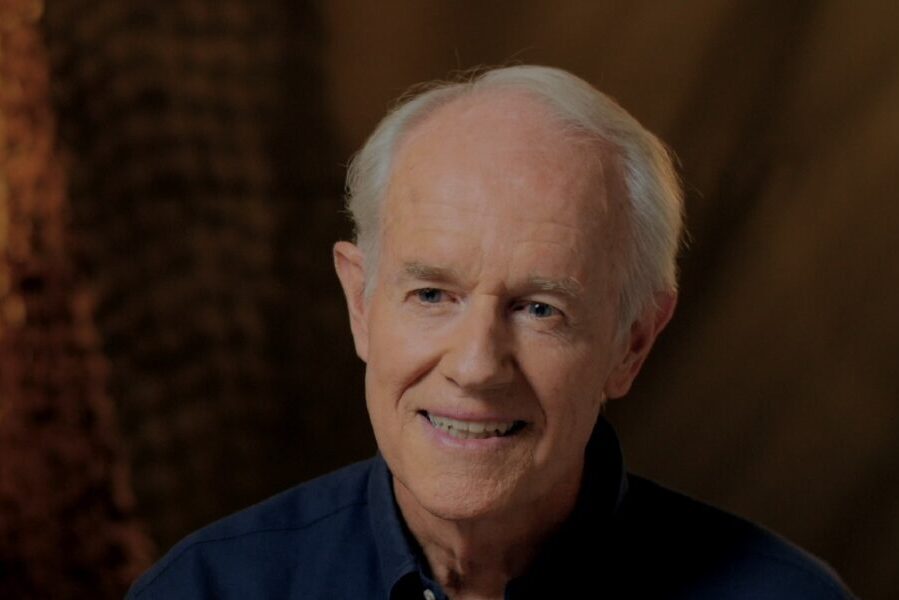
When Mike Farrell joined the series as B J Hunnicutt, he brought an easy warmth that balanced Hawkeye’s sharper edges, and audiences quickly embraced his grounded presence. After MAS*H concluded, Farrell continued acting, taking on television roles that highlighted his approachable, sincere style. His most notable post series work included a long run on Providence, where he once again portrayed a character rooted in family and principle. Rather than chasing flashy reinvention, he built a steady career that reflected consistency and care.
At the same time, Farrell deepened his involvement in social activism, particularly in the area of human rights and justice reform. He served as president of Death Penalty Focus and became a vocal advocate for change, using his public platform thoughtfully. He also wrote books and participated in public discussions about the responsibility of storytelling. His journey after the 4077th feels aligned with the loyal surgeon he once played, guided not only by professional ambition but by personal values and a clear sense of conscience.
4. Jamie Farr: Humor That Never Left Home
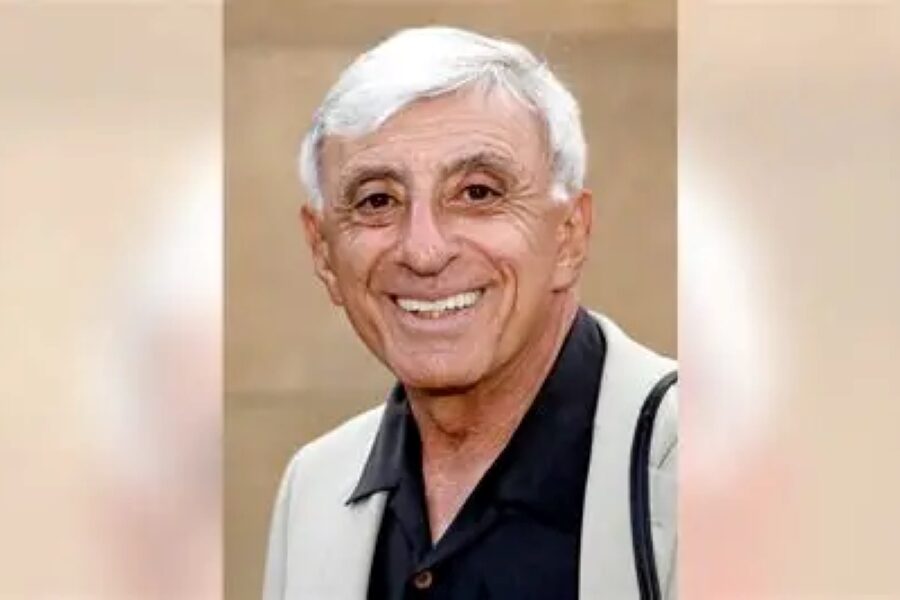
Jamie Farr’s portrayal of Corporal Klinger added comic relief to even the tensest moments of the series, and that humor remained central to his life after the show. When MAS*H ended, Farr continued working steadily, appearing in television guest spots, game shows, and touring theater productions. He embraced opportunities that kept him connected to audiences without straying too far from the approachable image viewers loved. His comedic timing and unmistakable voice ensured he was always warmly received.
Farr also maintained a deep connection to his hometown of Toledo, Ohio, proudly supporting community initiatives and lending his name to the LPGA Jamie Farr Toledo Classic for many years. That hometown loyalty reflected the grounded personality colleagues often describe. Rather than chasing dramatic transformation, he built a career rooted in gratitude and familiarity. His life after MAS*H feels steady and genuine, shaped by appreciation for the opportunity that changed his path and by a commitment to staying true to himself.
5. Gary Burghoff: Choosing A Quieter Path
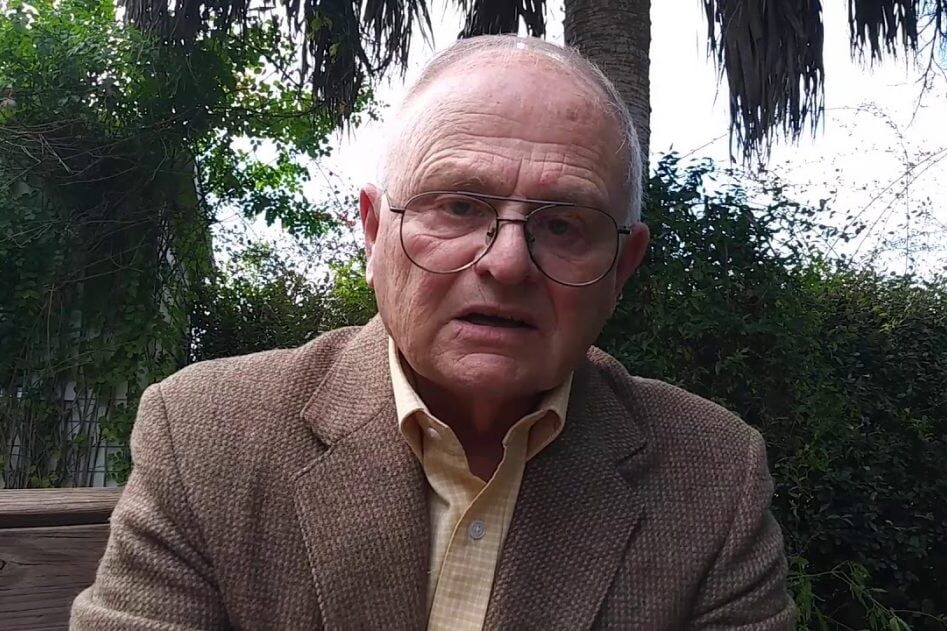
Gary Burghoff’s Radar O’Reilly was the emotional heartbeat of the early seasons, gentle and intuitive in a camp often filled with chaos. When he left the series before its conclusion, many fans felt the absence immediately. After stepping away from MAS*H, Burghoff chose a different pace of life, prioritizing family and personal interests over constant public visibility. He made occasional television appearances but largely stepped back from the intense demands of Hollywood production.
Outside acting, Burghoff explored creative passions such as wildlife painting and worked on inventive projects that reflected his curiosity. His decision to embrace privacy resonated with many who understood the toll long running series can take. While he never returned as a regular in the spin off, his portrayal of Radar remains one of the most cherished aspects of the show. His quieter life after fame feels intentional, grounded in balance, creativity, and the desire for personal peace.
6. Harry Morgan: Steady Leadership On And Off Screen
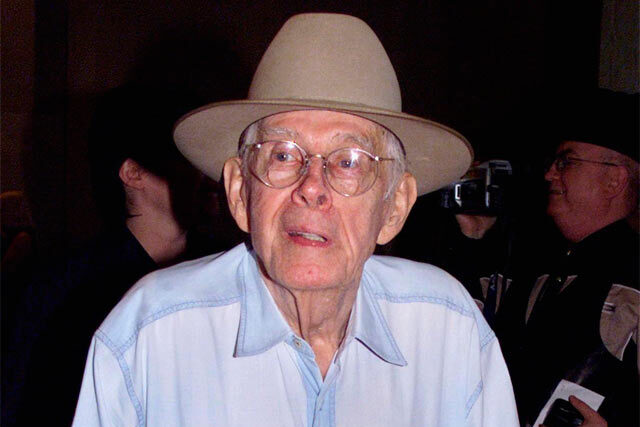
When Harry Morgan joined the cast as Colonel Potter, he brought seasoned authority that anchored the later seasons with calm assurance. By the time MAS*H ended, Morgan was already a respected veteran of film and television, and he continued working steadily afterward. He appeared in television movies and guest roles, including popular mystery series, bringing his familiar steadiness to each performance. His career reflected reliability rather than reinvention.
Morgan often expressed gratitude for the opportunity to portray Potter, a character defined by fairness and quiet strength. He carried that same professionalism into his later projects, working well into his later years. When he passed away in 2011, tributes highlighted both his extensive body of work and the warmth he brought to the 4077th. His post show years reinforced the impression he left on screen, steady, dependable, and deeply respected within the industry he served for decades.
7. William Christopher: A Gentle Presence Beyond The Camp
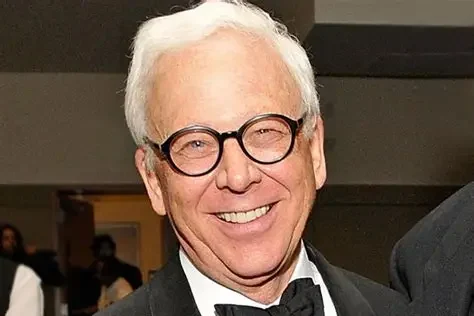
Father Mulcahy offered comfort and moral clarity amid wartime tension, and William Christopher’s life after MAS*H reflected that same gentle spirit. Following the series finale, he reprised his role in the spin off and continued appearing in guest roles across television. He often portrayed characters defined by kindness and steady wisdom, reinforcing the image audiences already associated with him. His presence remained calming and familiar.
Off screen, Christopher became a dedicated advocate for children with autism, inspired by his own family experience. He co wrote a book about raising a child with special needs, offering encouragement and practical insight to other parents. His openness added a deeply personal dimension to his public life. When he passed away in 2016, many remembered not only his performances but also his compassion. His journey after the series felt consistent with the character he portrayed, rooted in empathy and quiet strength.
8. David Ogden Stiers: Expanding His Creative Range
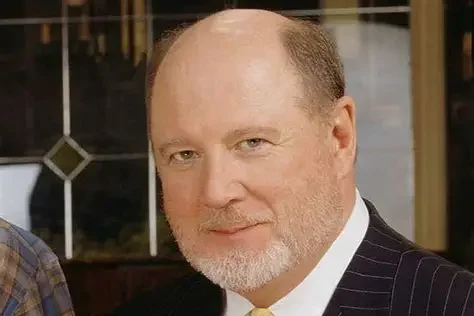
David Ogden Stiers joined the series in its later seasons as Charles Winchester, bringing refinement and complexity that reshaped the camp’s dynamic. After MAS*H, he built a diverse career that showcased his wide artistic range. Many recognize his distinctive voice in animated films such as Beauty and the Beast and Pocahontas, where his tone added richness to memorable characters. His voice work introduced him to an entirely new generation of viewers.
Beyond animation, Stiers remained active in theater and music, conducting orchestras and returning to his classical training. He embraced opportunities that allowed him to move fluidly between mediums, refusing to be defined by a single role. His post series years reflected curiosity and discipline, qualities that kept his work engaging. When he passed away in 2018, fans remembered not only Winchester’s layered evolution but also Stiers’ broader contributions to stage, screen, and music.
9. Larry Linville: Embracing New Characters
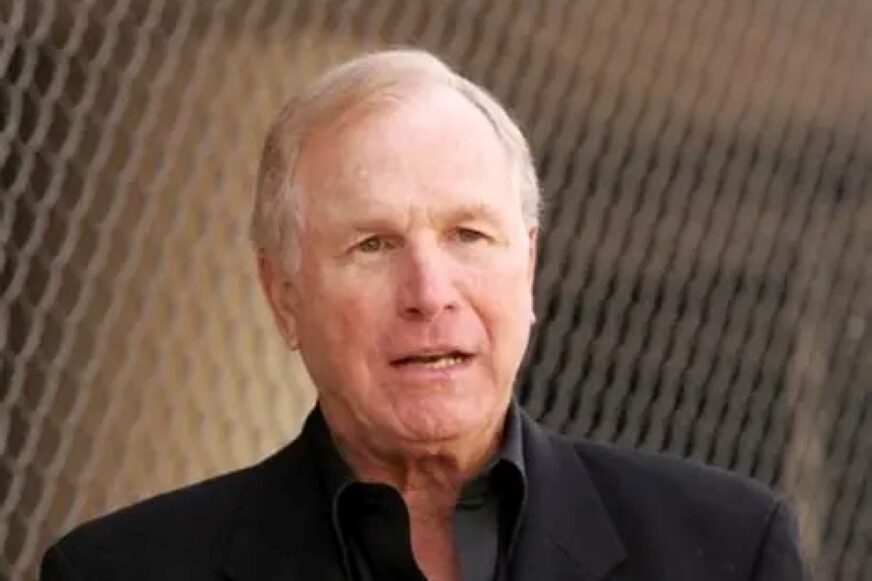
Larry Linville’s Frank Burns was unforgettable, often frustrating yet essential to the early seasons’ chemistry. After leaving MAS*H, Linville worked deliberately to avoid being permanently typecast. He pursued a range of guest roles on television and devoted significant energy to theater, where he could explore more nuanced material. That shift allowed him to demonstrate depth beyond the bluster of Burns.
Though he never experienced the same level of mainstream recognition again, Linville built a respectable career grounded in craft. Colleagues often noted his professionalism and commitment to performance. When he passed away in 2000, reflections on his career emphasized how convincingly he had embodied a difficult character. His life after the show illustrates the challenge many actors face when stepping away from a defining role, and the quiet determination required to shape a new path.
10. McLean Stevenson: Finding Life After Henry Blake
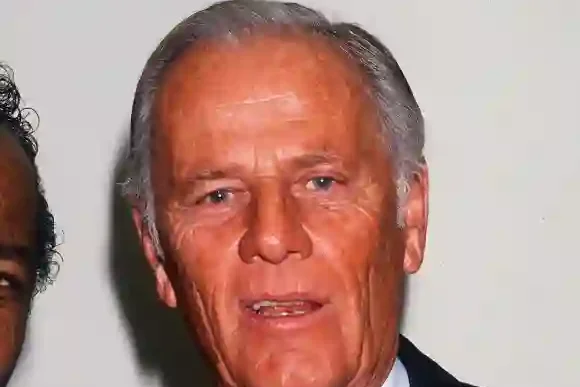
McLean Stevenson’s departure as Henry Blake remains one of television’s most shocking moments, and his decision to leave the series reflected a desire to lead his own projects. After MAS*H, Stevenson starred in several sitcoms, including The McLean Stevenson Show and Hello Larry. While these series did not achieve the same enduring success, they highlighted his willingness to take risks and step into center stage.
He also became a familiar presence on talk shows and game shows, where his quick humor and natural charm felt effortless. Though his post MAS*H career included ups and downs, Stevenson remained a recognizable face in television until his passing in 1996. Looking back at the full cast, it becomes clear that each actor found a different rhythm once the camp closed. Their paths feel human and varied, reminding us that life after a defining chapter unfolds in many steady, meaningful ways. If this revisit stirred old memories, pass it along to someone who once gathered around the screen with you.


