
A Story Of Comfort, Community And Unexpected Connections
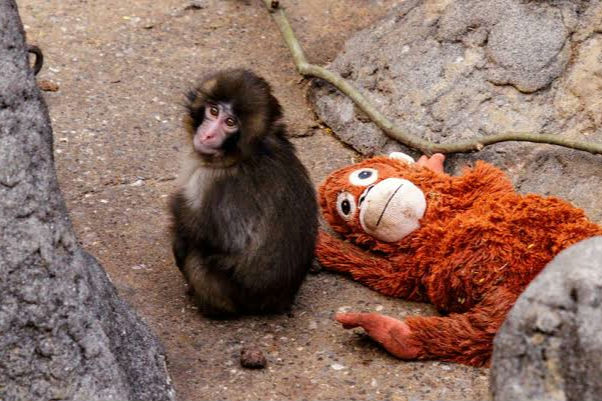
A tiny Japanese macaque named Punch has become an unexpected global icon, proving that a little bit of comfort goes a long way. Born on July 26, 2025, at the Ichikawa City Zoo in Chiba Prefecture, Punch’s early days were marked by hardship when his mother unfortunately abandoned him. To help the infant cope with the lack of maternal warmth, zookeepers introduced a soft, oversized plush orangutan from IKEA to act as a surrogate companion. This heart-melting image of a baby monkey clinging to his stuffed toy struck a chord with millions, turning a local zoo resident into a worldwide symbol of resilience and hope.
The story quickly evolved from a cute photo into a massive movement centered around the hashtag #HangInTherePunch. By early 2026, the little macaque’s journey was being discussed by news outlets from Asia to Europe, highlighting the deep emotional bond humans feel with animals in need. People found his search for belonging incredibly relatable, especially during times when many are looking for their own sources of comfort. The zoo became a popular destination for travelers eager to see the famous duo in person, showing how a simple story of a monkey and his toy could create a genuine sense of community across the globe.
Viral Beginnings
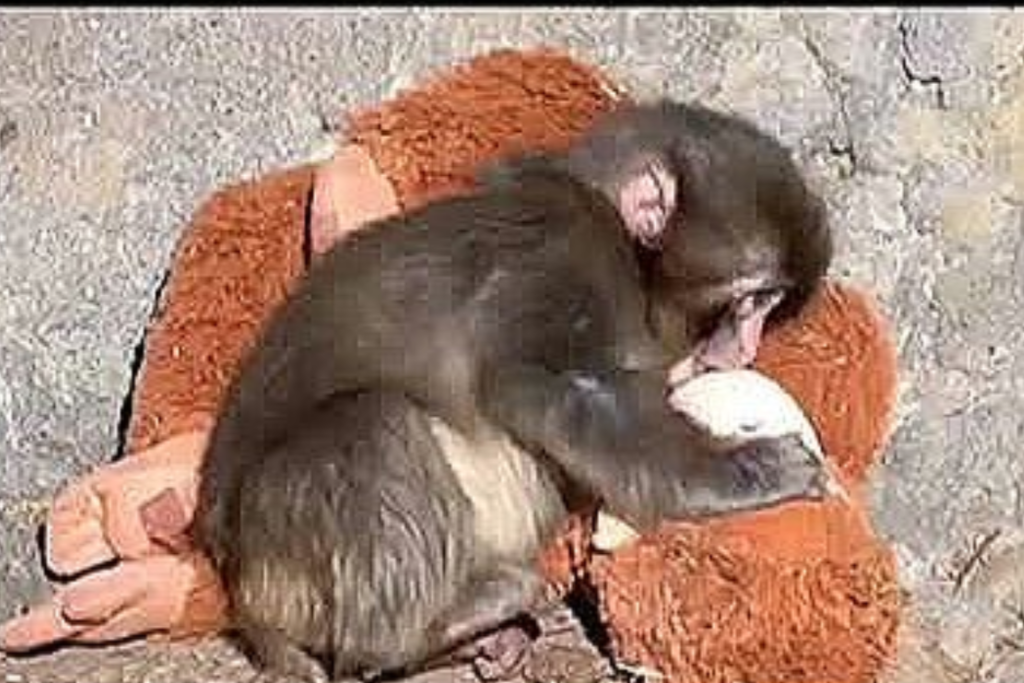
Punch’s path to superstardom didn’t involve any fancy PR teams; it happened organically through the power of the internet. In February 2026, a few simple video clips showing the young macaque tightly hugging his plush orangutan began to circulate on social media. The raw vulnerability of the tiny primate facing life’s initial hurdles resonated deeply with viewers, who immediately began sharing the footage. Within just a few days, these posts racked up millions of views, as people were captivated by the sight of the small creature seeking solace in something soft and familiar.
The emotional weight of the scene sparked a wave of empathy that transcended language barriers. Many social media users commented on how Punch’s attachment to his toy reminded them of their own childhood comforts or moments of loneliness. As the footage moved from TikTok and X to major international news broadcasts, the “Punch phenomenon” was officially born. What started as a routine update from a zoo in Japan quickly turned into a landmark viral moment, reminding everyone that compassion is a universal language that can connect people from all walks of life through a single, touching image.
Hashtag Fame
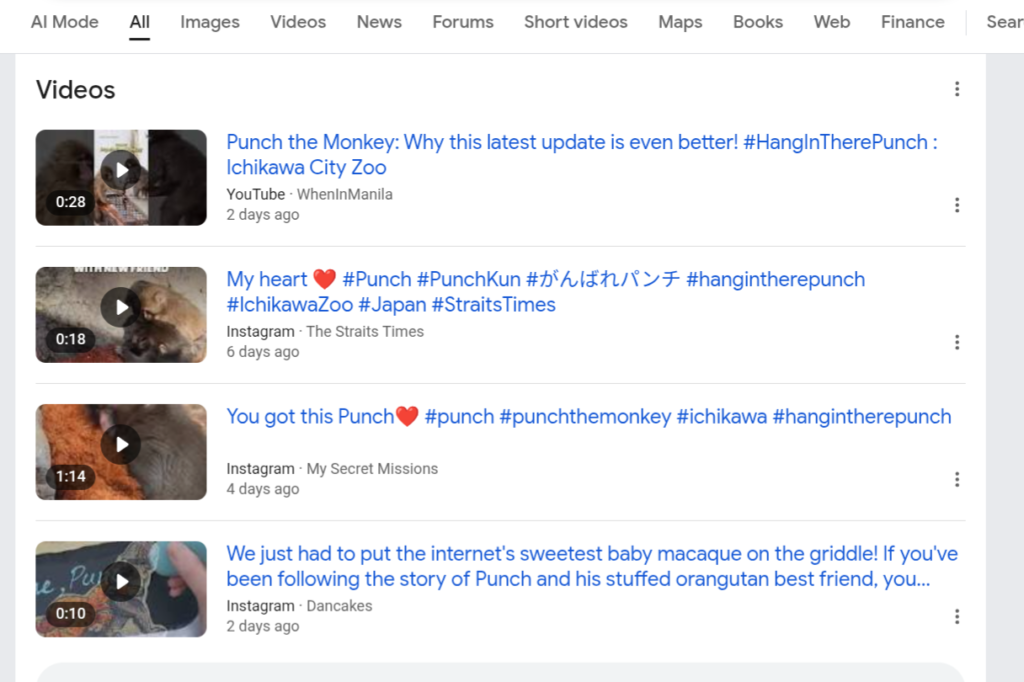
The rise of the #HangInTherePunch hashtag serves as a perfect example of how digital communities can rally behind a positive cause. Almost immediately after the first videos went viral in February 2026, the phrase became a beacon of support for the motherless macaque. From Tokyo to New York, internet users adopted the tag to share fan art, words of encouragement, and personal stories of overcoming adversity. This digital solidarity turned a local animal update into a massive cultural event, with thousands of daily posts keeping Punch’s story at the forefront of global social media trends.
This wave of affection proved that Punch was much more than just another “cute animal” video. For many followers, his story represented the universal struggle for survival and the importance of finding a companion when things get tough. The hashtag eventually became a symbol of hope, appearing in mainstream news headlines and major media reports as a testament to the power of collective empathy. The online community has showed that even in a fast-paced digital world, there is always room for a story that focuses on kindness and the strength found in unlikely friendships.
Toy That Touched Millions
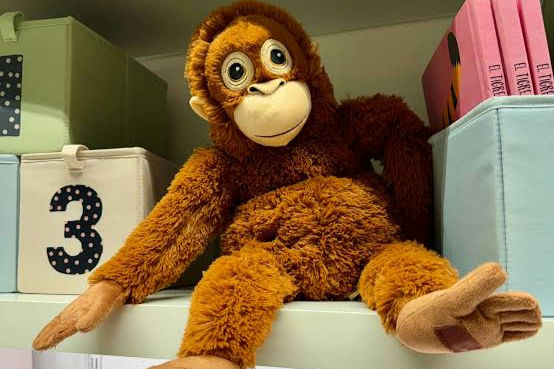
The connection between Punch and his plush orangutan did more than just provide him with comfort; it sparked an international shopping frenzy. Once people realized that Punch’s favorite companion was actually a Djungelskog toy from IKEA, demand for the stuffed animal skyrocketed. By the spring of 2026, the toy had become a cultural icon in its own right, symbolizing the support and resilience associated with the baby macaque. Fans around the world rushed to buy their own versions, hoping to capture a piece of the magic that made Punch’s story so special.
This surge in popularity led to massive shortages, with the toy selling out in major markets like South Korea, Japan, and the United States. On secondary resale websites, prices for the plush orangutan climbed significantly as collectors and fans scrambled to find one. Recognizing the impact of the story, IKEA stepped up by restocking their inventory and even donating extra toys to the Ichikawa City Zoo to ensure Punch would always have a clean “best friend.” This unique situation demonstrated how a single viral story could bridge the gap between internet trends and real-world consumer behavior in a truly massive way.
Zoo Posts Fuel Interest
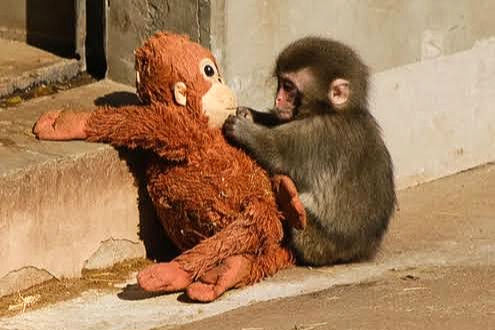
While fans played a huge role in his fame, the official updates from the Ichikawa City Zoo were the true backbone of Punch’s journey. Throughout late 2025 and into early 2026, the zoo’s staff used their social media platforms to provide transparent, educational updates on Punch’s growth and health. These posts gave the public a look at the hard work that goes into hand-raising a primate, including the challenges of eventually socialising him with other macaques. This behind-the-scenes access allowed followers to feel like they were part of Punch’s support system, rather than just passive observers.
By sharing the specific details of his care, viewers learned about animal welfare and the creative methods keepers use to mimic maternal care, such as the use of soft textures to reduce stress in infant animals. This approach kept the audience engaged for months, fostering a deep sense of investment in Punch’s future. The zoo’s dedication to storytelling ensured that the public remained focused on his well-being and progress, proving that meaningful content can sustain interest far longer than a typical internet meme.
Media Coverage Explosion
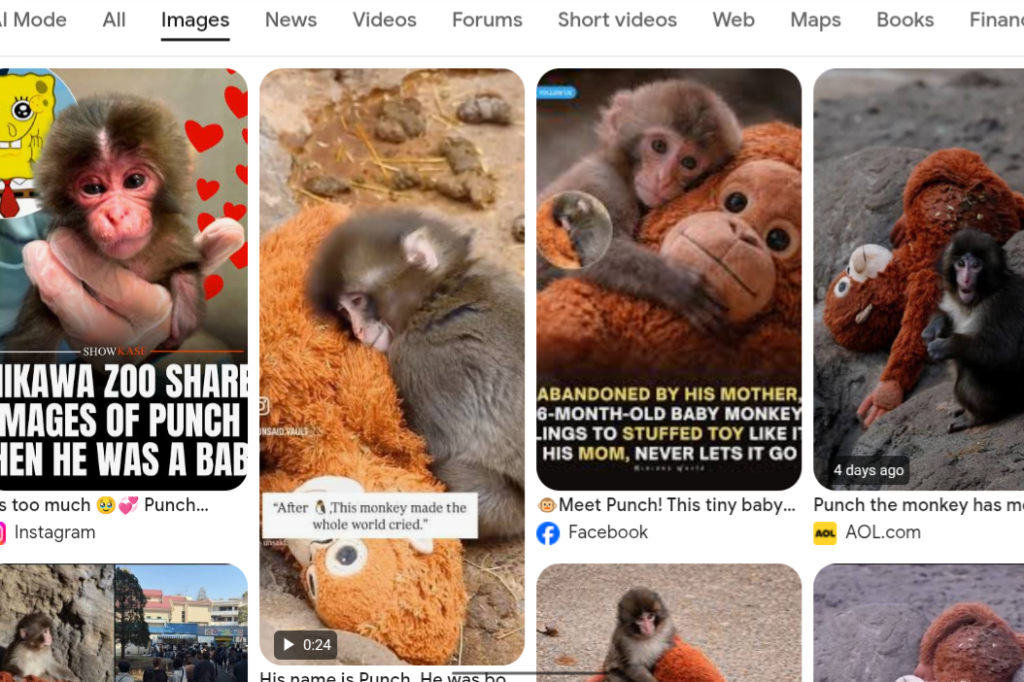
The explosion of media interest in Punch was nothing short of spectacular, spreading far beyond the borders of Japan. Once the story gained momentum in early 2026, it wasn’t just being shared by individuals; it was being featured by some of the biggest news organizations in the world. Journalists moved past the “cute factor” to write thoughtful pieces on why this specific story resonated so deeply with a global audience. These reports explored themes of loneliness, the healing power of objects, and the emotional lives of animals, giving the viral sensation a much more serious and intellectual tone.
This widespread reporting ensured that Punch’s story reached people who might not spend much time on social media. From morning talk shows to prestigious newspapers, the narrative of the resilient baby macaque was everywhere, offering a much-needed break from the often-stressful daily news cycle. For many readers, Punch became a symbol of a shared human experience, the need for comfort and the joy of seeing a vulnerable being thrive. The international media’s focus on the story helped solidify Punch’s place in 2026 pop culture, making him one of the most recognized animals of the decade.
Global Toy Craze
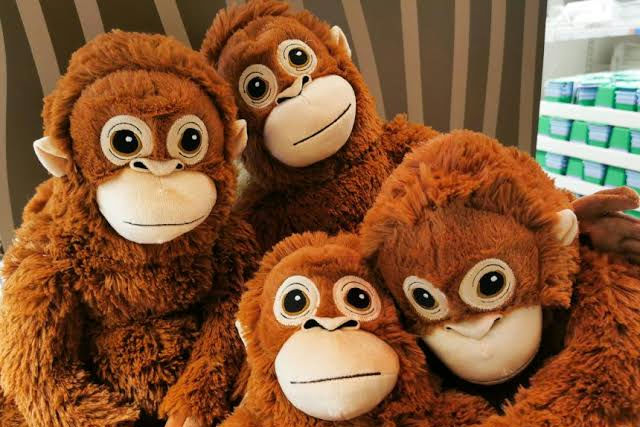
The “Punch effect” created a retail phenomenon that few could have predicted when he was first born in July 2025. As his story dominated headlines throughout early 2026, the specific IKEA orangutan plush he hugged became a “must-have” item for people of all ages. This wasn’t just a trend for children; adults worldwide bought the toy as a reminder of the resilience Punch showed. Stores in major cities reported record-breaking sales, and the toy became a frequent sight in homes and offices across several continents, serving as a silent tribute to the little macaque’s journey.
The economic impact was significant, as the toy became one of the most sought-after items on the market. In several countries, the demand was so high that it created a temporary “toy economy,” where the plush was traded and sold at premium prices on the internet. IKEA’s decision to support the zoo and restock the item quickly helped maintain the positive momentum of the story. This global craze highlighted the incredible power of a heartfelt narrative to drive commerce, showing that when the world falls in love with a story, they often want a tangible way to stay connected to it.
Search Engine Celebrations
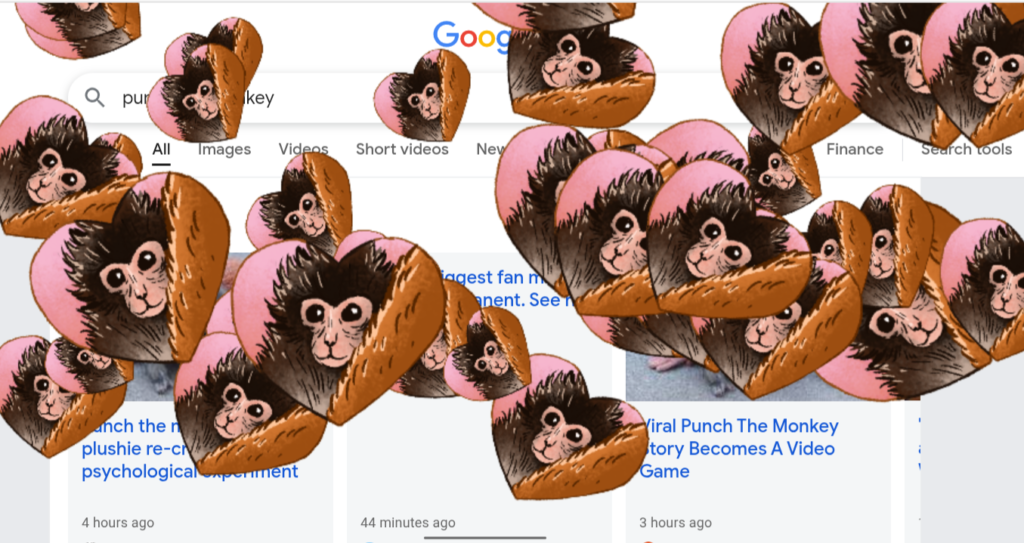
In a truly modern nod to his fame, even the world’s biggest technology platforms joined the celebration of Punch. By the peak of his popularity in 2026, search engines like Google introduced special “Easter eggs” for users looking up his name. When people searched for “Punch the Monkey” or “Ichikawa City Zoo,” their screens would often fill with colorful animations, such as floating hearts or digital confetti. This rare tribute is usually reserved for major holidays or historical figures, which speaks volumes about how deeply Punch’s story touched the collective digital consciousness.
These animations were more than just a fun gimmick; they represented the cultural importance of Punch’s story. It showed that his impact had reached the highest levels of the tech world, acknowledging him as a figure who brought happiness to millions of users. For many, seeing these playful visuals while searching for updates on the macaque’s progress was a reminder of the joy that can be found in the simplest places. This digital recognition helped cement Punch’s status as a 2026 icon, proving that even a tiny monkey can leave a huge footprint on the internet.
Fan Art And Communities
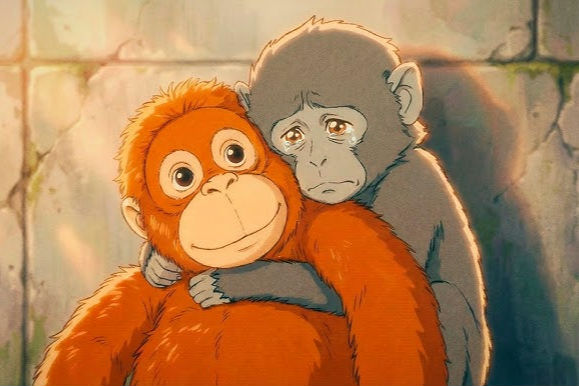
The creativity of the public was one of the most beautiful parts of Punch’s rise to fame. As his story spread across the internet in early 2026, talented artists began creating thousands of illustrations, paintings, and even digital animations of Punch and his toy. These pieces of art were shared in dedicated online groups where fans could gather to discuss their favorite moments from the zoo’s updates. This grassroots creativity gave the story a life of its own, turning a viral video into a collaborative art project that spanned the entire globe.
These fan communities became a safe space for people to express their own feelings about belonging and comfort. Some saw Punch as a hero who overcame the odds, while others used his image to advocate for better animal welfare and conservation efforts. He has indirectly become a mascot for empathy, inspiring people to reach out to one another and share their own stories of finding light in the middle of a difficult situation.
Zoo Attendance Surge
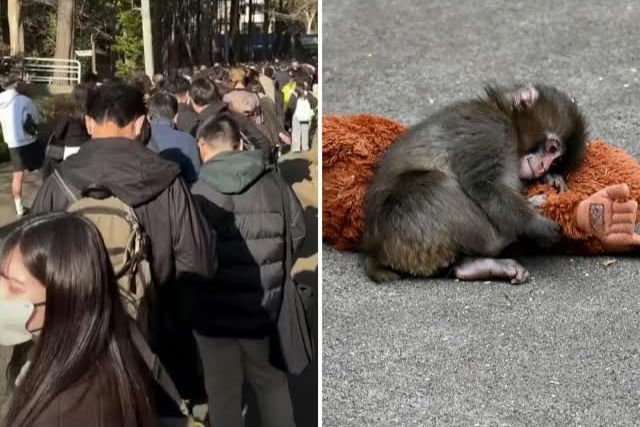
The real-world impact of Punch’s fame was most visible at the Ichikawa City Zoo itself. Following his viral explosion in early 2026, the zoo saw a massive spike in visitors, with attendance numbers reaching all-time highs for the spring season. People traveled from all over Japan and even from overseas just to catch a glimpse of the famous macaque and his plush companion. This surge in tourism provided a significant boost to the local economy in Chiba Prefecture, as hotels, restaurants, and shops benefited from the influx of “Punch fans” visiting the area.
Managing such large crowds was a challenge for the zoo staff, who worked tirelessly to ensure that the increased attention didn’t stress Punch or the other animals. They set up special viewing areas and shared educational information about macaque conservation to capitalize on the public’s interest. This transition from an online sensation to a physical attraction showed the incredible power of social media to change people’s real-life habits. For many visitors, seeing Punch in person was a deeply emotional experience, fulfilling a connection that had started months earlier on a small digital screen.
Emotional Resonance
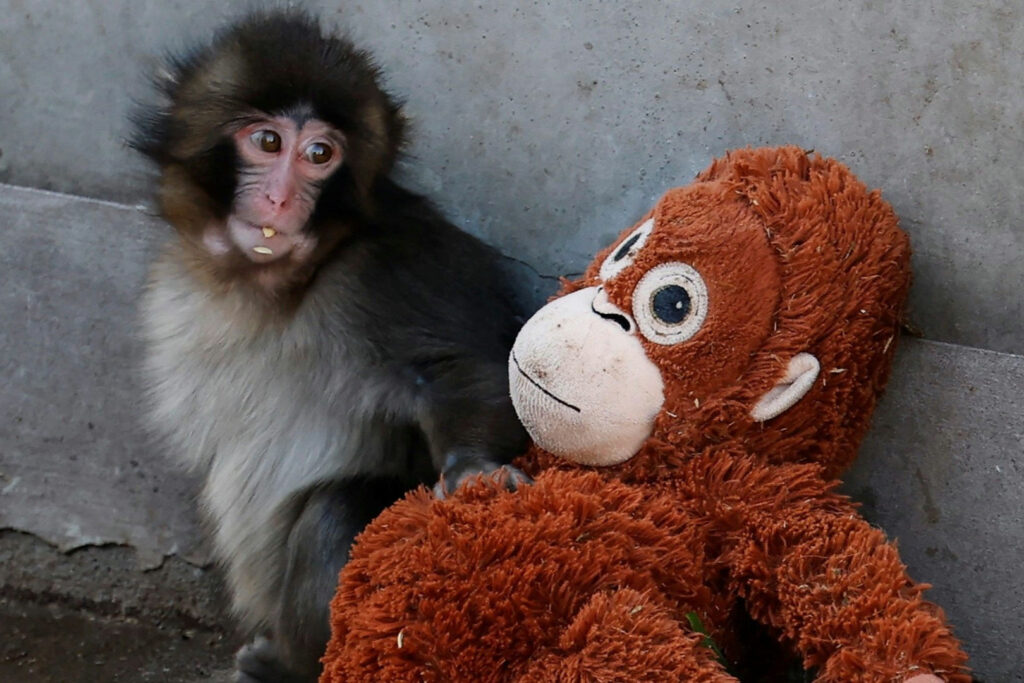
At its core, the story of Punch resonated so strongly because it touched on themes that every human understands. While the images of a baby monkey with a toy are undeniably cute, the underlying narrative of overcoming abandonment and finding comfort in a difficult world is what truly captured the public’s heart. In 2026, as people looked for more reasons to be optimistic, Punch’s journey provided a perfect example of resilience. He wasn’t just a monkey in a zoo; he was a reminder that even when we feel alone, there is always a way to find a sense of peace and security.
Experts and social commentators noted that Punch’s story highlighted our deep-seated need for connection and the importance of kindness, even across species. The fact that a simple plush toy could make such a difference in an animal’s life prompted many to reflect on the small acts of compassion they could perform in their own lives. Punch became a symbol of the “better side” of the internet, a place where millions of people could come together to celebrate a single, small life.


