
1. Robin Williams And The Smile That Hid So Much
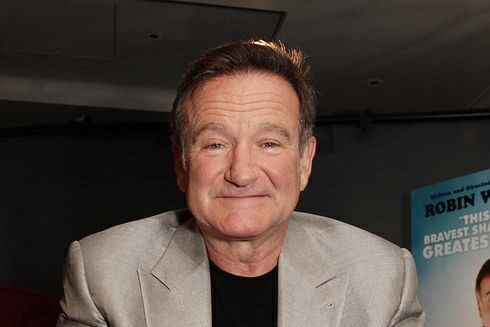
It always feels strange to speak softly about someone who made the world laugh so loudly, and Robin Williams is where that feeling begins. For many of us, he was part of growing up, whether through Mrs. Doubtfire, Aladdin, or Good Will Hunting. He could be wildly funny one moment and deeply tender the next, like someone who understood both sides of the human heart. When he died in 2014 at 63, the news felt personal in a way few celebrity deaths do. Later, it was shared that he had been living with Lewy body dementia while also struggling with depression, and that knowledge reshaped how people saw his final years and added new layers to the smile we all recognized on screen.
Looking back now, what stands out most is how generous he seemed with his talent and his time. He gave everything to a scene, to an audience, to a character, often improvising in ways that left others amazed. Friends described him as kind and thoughtful, someone who checked in on people quietly even while fighting private battles of his own. His passing opened wider conversations about mental health, especially among performers who feel pressure to appear joyful at all times. When people revisit his films today, it is not only for laughter but also for comfort and connection.
2. John Belushi’s Sudden Silence
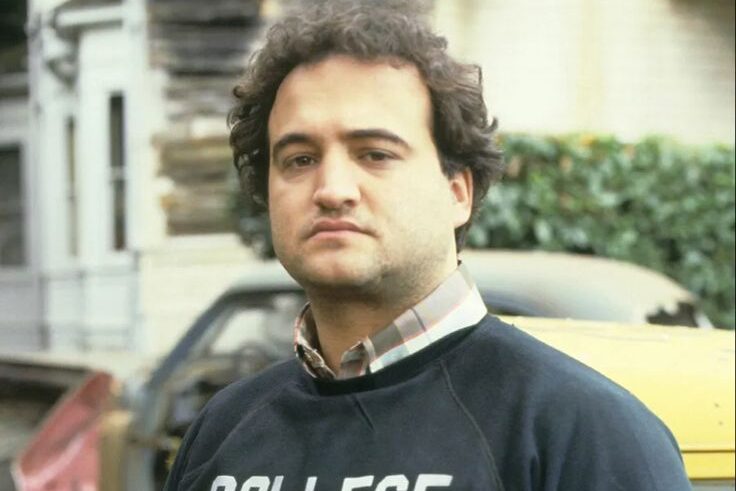
John Belushi had a kind of energy that felt impossible to ignore. On Saturday Night Live and in Animal House, he did not just perform, he erupted. There was something electric about the way he moved, like he was daring the audience not to laugh. By the early 1980s, he was at the center of American comedy, admired for his fearlessness and physicality. Then in 1982, at 33 years old, he died from a drug overdose in Los Angeles. The speed of it all was difficult to grasp. One day he was a force of nature on screen, the next he was gone, leaving people stunned and searching for explanations.
Those close to him later spoke about the pressures that came with sudden fame and constant expectation. Comedy often rewards intensity, and Belushi had plenty of it. Yet the lifestyle surrounding that success moved fast and offered little room to slow down. His death became one of the first major reminders that talent does not protect anyone from excess or vulnerability. For many fans, revisiting his work brings both laughter and a quiet question about what might have been if he had been given more time.
3. Chris Farley’s Echo Of History
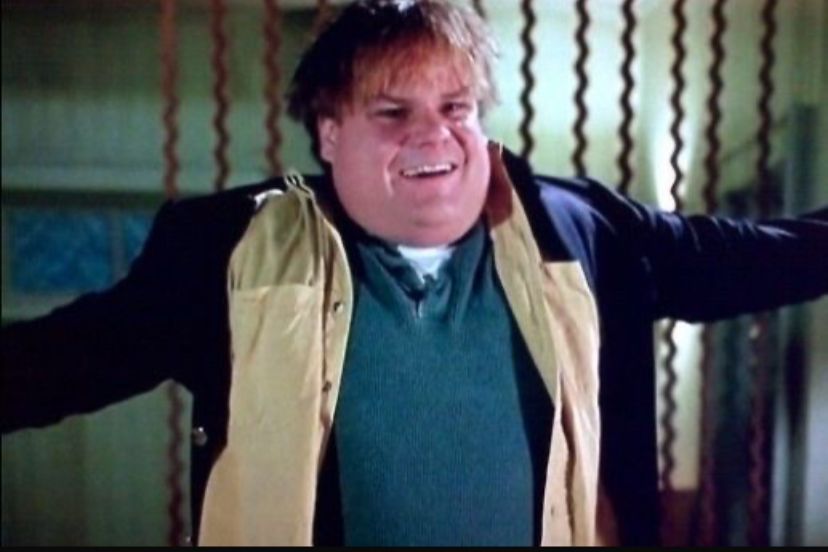
Chris Farley threw himself into comedy with a kind of wholehearted abandon that made audiences feel every fall and every shout. On Saturday Night Live, he became known for sketches that were loud, physical, and unforgettable. There was something deeply human in the way he chased laughter, almost as if he needed to make sure everyone in the room was happy. When he died in 1997 at 33 from a drug overdose, the parallels to John Belushi’s story felt painfully familiar. It was not just a loss of talent, but a reminder of patterns that had not yet been broken.
Friends often described Farley as sensitive and eager for approval beneath the big personality. He worried about his place in the industry and about living up to expectations. Watching his old performances now, you can sense that desire to connect. The laughter he created was genuine, but so were the struggles he carried privately. His death left a lingering sadness in comedy circles, not only for the roles he would never play, but for the personal peace he never quite seemed to find.
4. Gilda Radner’s Brave Battle
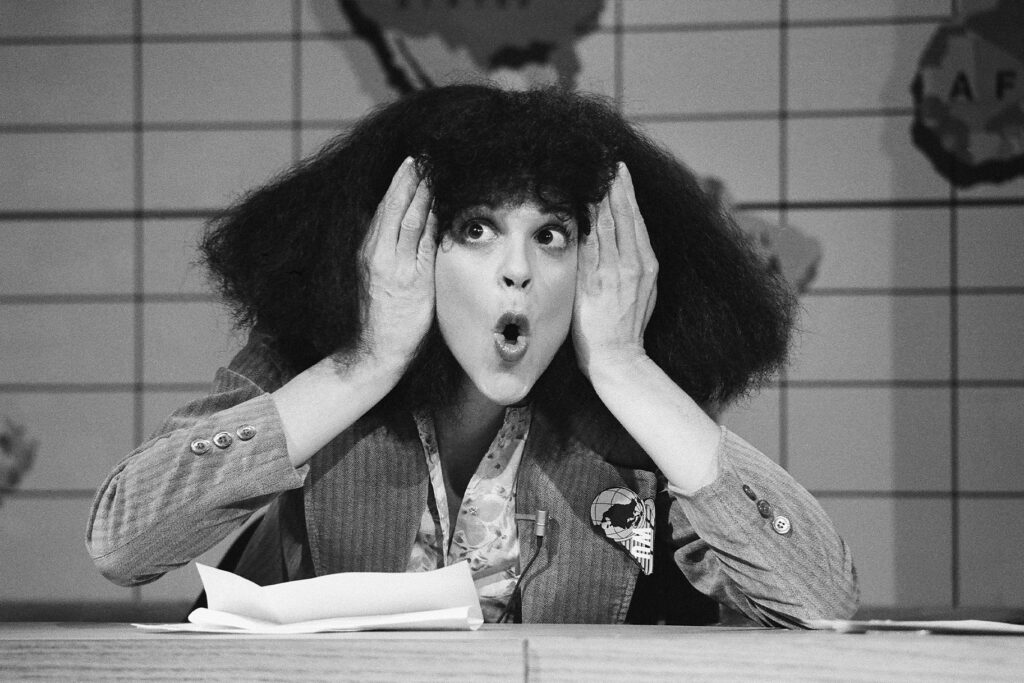
Gilda Radner brought a bright and playful spirit to early Saturday Night Live. Her characters were exaggerated and silly, yet always grounded in something relatable. She had a gift for making audiences feel included in the joke rather than targeted by it. When she was diagnosed with ovarian cancer, she chose to speak openly about her experience. In 1989, at 42 years old, she died from the disease. The news felt especially heavy because she had approached her illness with the same honesty she brought to her comedy.
Her openness helped many women feel less alone during a time when conversations about cancer were often hushed. She wrote about her journey and allowed the public to see not just the performer, but the person. Colleagues remembered her as warm and generous, someone who carried joy into rehearsal rooms and quiet moments alike. Losing her meant losing a voice that balanced humor with vulnerability so naturally. Even now, when her sketches resurface, there is a sense of gratitude for the light she shared and the courage she showed.
5. Phil Hartman’s Unthinkable End
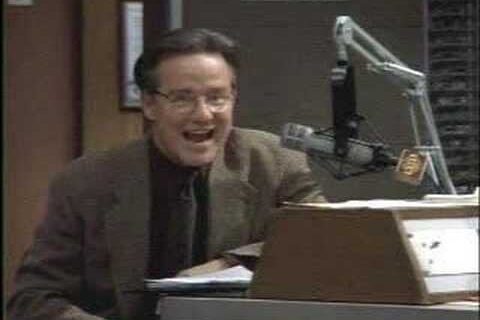
Phil Hartman had a calm steadiness that anchored every show he touched. On Saturday Night Live, he moved between characters with ease, giving each one just enough nuance to make them memorable. Later, his voice work on The Simpsons introduced him to an even broader audience. In 1998, at 49 years old, he was killed in a domestic tragedy that shocked both fans and fellow performers. The abruptness of it made the loss feel surreal, as though something solid had suddenly vanished.
Those who worked with him often described him as supportive and deeply professional. He was known for encouraging younger comedians and for arriving prepared, without needing the spotlight. That quiet reliability made the circumstances of his death even harder to accept. There were projects still unfolding and ideas still forming. His absence created not only emotional grief but creative gaps in shows that relied on his balance and restraint. For many viewers, his performances remain a comfort, even as the memory of how he was lost continues to sting.
6. Richard Pryor’s Long Health Struggles
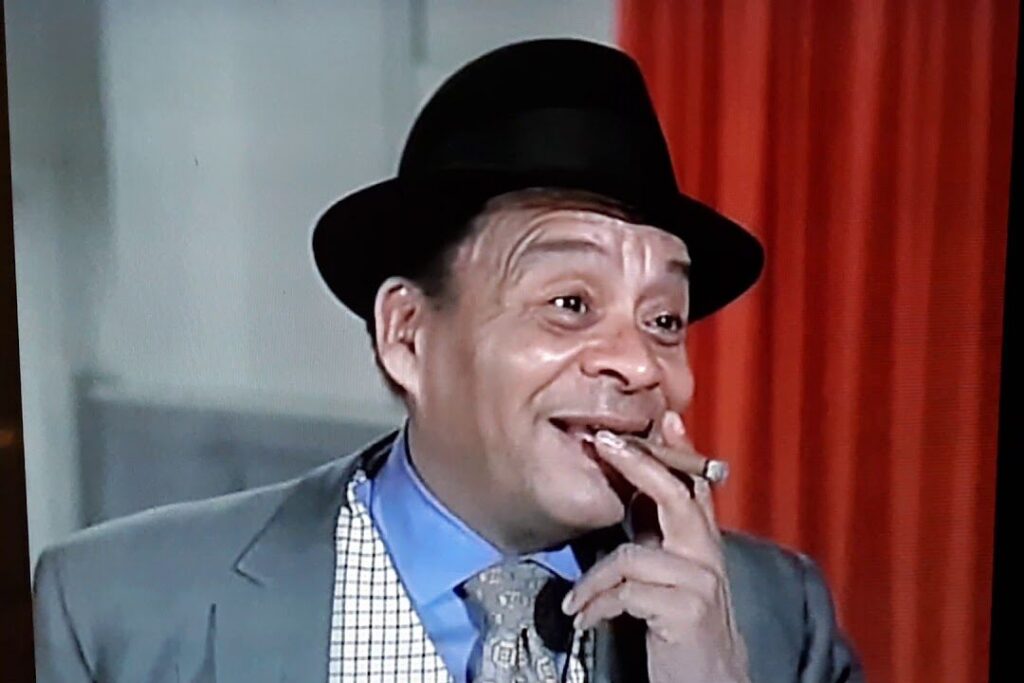
Richard Pryor transformed stand up comedy by speaking openly about race, addiction, poverty, and his own flaws. His storytelling felt fearless because it was rooted in personal truth. Audiences did not just laugh at his jokes, they recognized pieces of real life within them. Over time, he faced significant health challenges, including multiple sclerosis, which gradually limited his mobility and public appearances. When he died in 2005 at 65, it felt like the closing of an important chapter in American comedy.
Even as his health declined, his earlier performances continued to influence new generations of comedians. He did not shy away from difficult topics, and that courage shifted what audiences expected from stand up. Those who admired him often point to the honesty in his work as his greatest strength. His passing carried the weight of history because his voice had reshaped the craft itself. Though he endured many struggles, his legacy remains deeply woven into the fabric of modern comedy, reminding performers that vulnerability can be powerful.
7. Bernie Mac’s Unexpected Goodbye
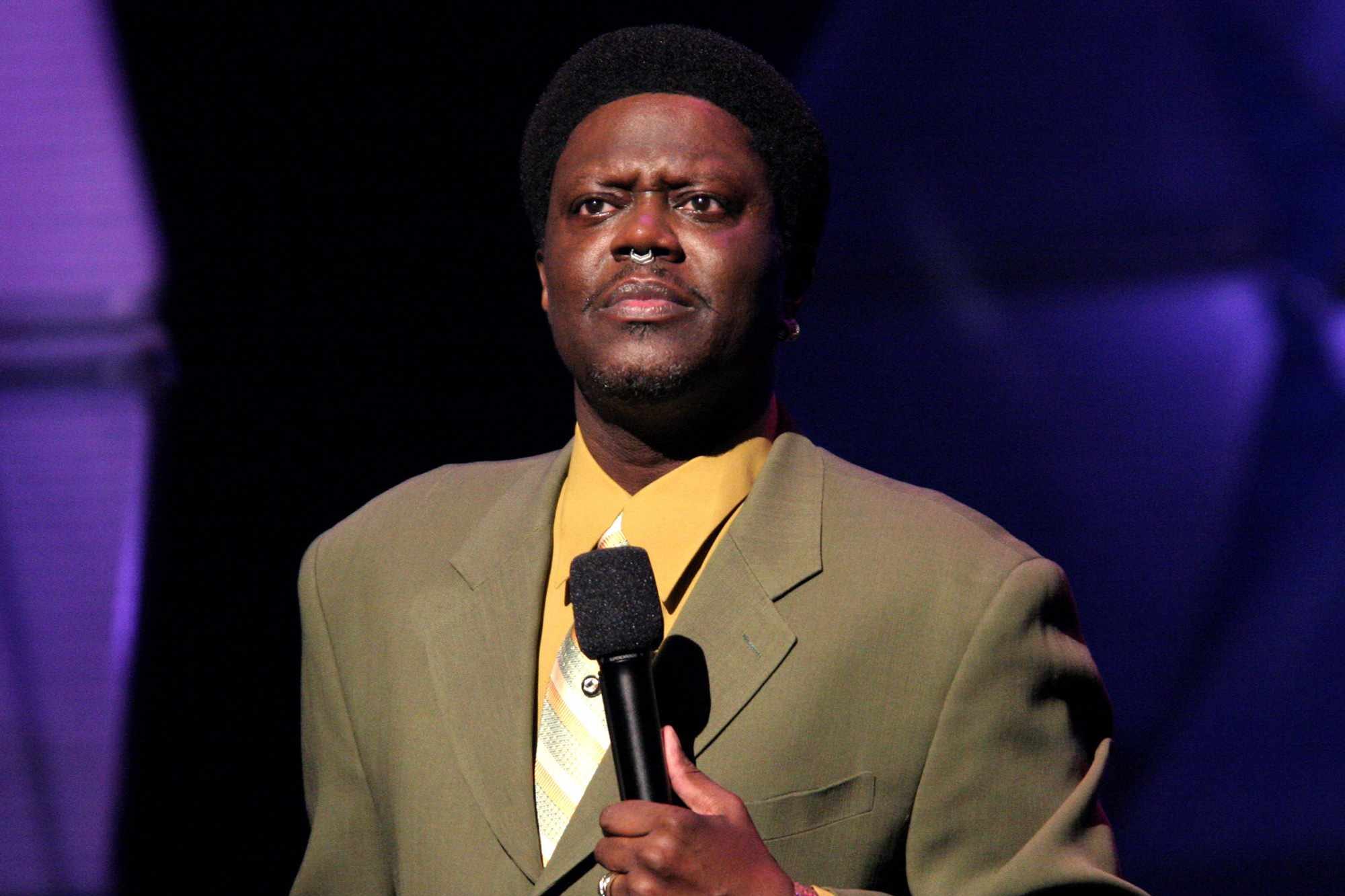
Bernie Mac had a presence that filled the stage before he even delivered a punchline. His voice carried authority, warmth, and a playful sharpness that made everyday family stories feel larger than life. Through The Bernie Mac Show and The Original Kings of Comedy, he built a reputation as someone who could command attention without losing relatability. In 2008, at 50 years old, he died from complications related to pneumonia, worsened by sarcoidosis, a condition he had been managing privately. The news felt sudden to many who had seen him performing not long before.
Friends later spoke about how he kept much of his health struggle out of public view. On stage, he seemed strong and energetic, rarely hinting at vulnerability. That contrast made his passing even harder to process. Fans who revisit his work often remember the rhythm of his delivery and the confidence he brought to every line. His absence left a quiet space in comedy, especially among performers who admired his ability to balance toughness with heart.
8. Joan Rivers And A Complicated Procedure
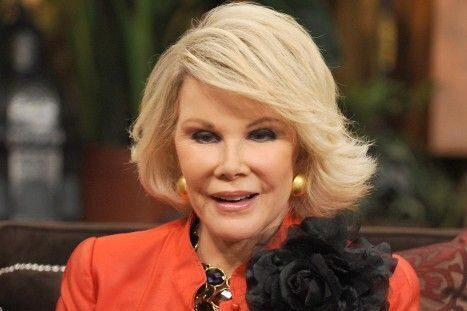
Joan Rivers built a career on saying what others hesitated to say. She broke barriers for women in stand up and late night television, carving out space through sheer persistence and sharp timing. Even into her 80s, she was touring and hosting with the same determination that marked her early years. In 2014, at 81 years old, she died after complications from what was expected to be a routine medical procedure. The circumstances raised serious questions and left fans grappling with the unexpected nature of her passing.
Rivers had always seemed fearless, almost indestructible in her wit and stamina. That made the fragility of the moment even more striking. Colleagues described her as hardworking and relentlessly driven, someone who refused to fade quietly. She had spent decades challenging norms and opening doors for others. When she was gone, it felt like losing a pioneer who had insisted on being heard. Her legacy lives on in the many performers who now stand on stages she helped make possible.
9. Greg Giraldo’s Quiet Struggle
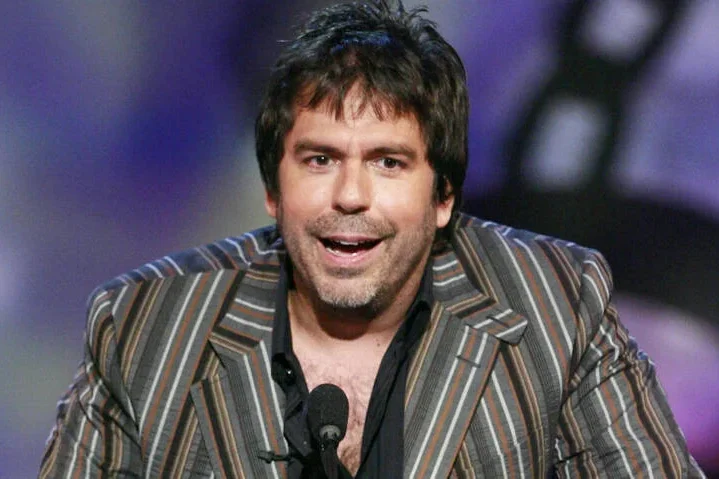
Greg Giraldo became widely recognized for his razor sharp performances on televised roasts. With a background as a lawyer, his humor carried a precision that cut quickly and cleanly. On stage, he appeared confident and in control, delivering jokes with speed and intelligence. In 2010, at 44 years old, he died from a drug overdose after a long struggle with addiction. The contrast between his composed public image and his private battle made the loss especially sobering.
Friends and fellow comedians later spoke openly about how hard he had worked to confront his addiction. Recovery can be a winding path, and Giraldo’s journey was not simple. His death reminded many that wit and education do not shield anyone from personal demons. For fans, his absence is still felt when roast specials air and his name surfaces in conversations about sharp modern comedy. His humor remains memorable, but so does the quiet reality that he was fighting more than audiences ever saw.
10. Mitch Hedberg’s Unique Voice
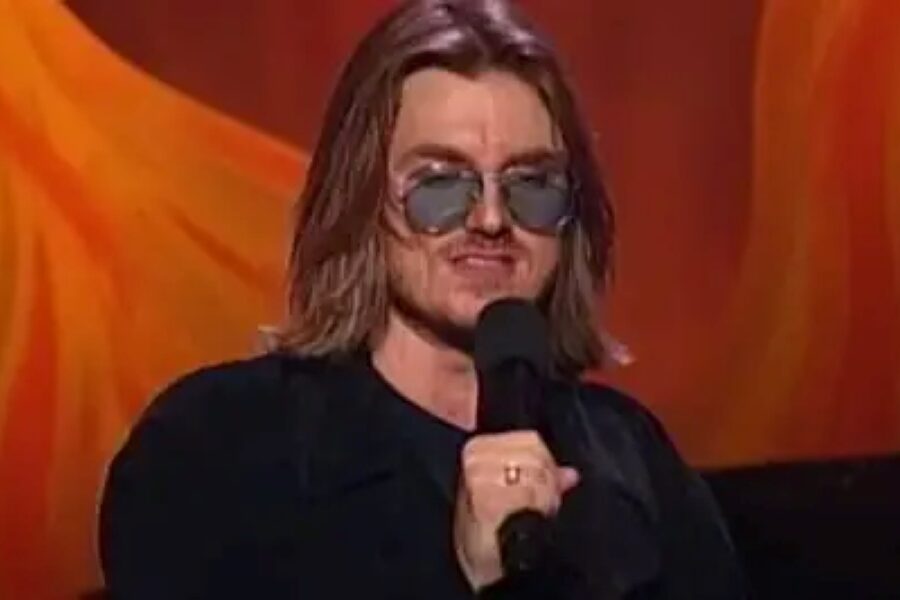
Mitch Hedberg had a way of telling a joke that felt almost shy, like he was letting you in on something small and oddly brilliant. His one liners were simple on the surface but clever enough to linger in your mind long after the laughter faded. Audiences loved his relaxed delivery and the slightly surreal way he saw everyday life. In 2005, at 37 years old, he died from a drug overdose. The news traveled quickly through comedy circles, leaving many stunned that such a distinct voice could fall silent so soon.
What made Hedberg special was how effortless he made humor seem. He did not rely on volume or spectacle. Instead, he leaned into understatement, creating moments that felt intimate even in large venues. Fellow comedians often spoke about how original his timing was and how difficult it would be to replicate. His passing left a noticeable gap in alternative comedy, where his style had found a comfortable home. When people quote his jokes today, there is still that familiar smile, followed by a quiet wish that there had been more years to hear from him.
11. Andy Kaufman’s Early Farewell
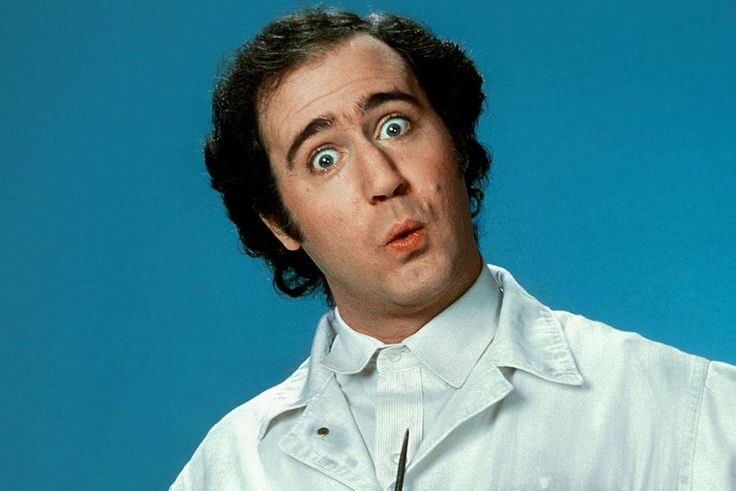
Andy Kaufman never fit neatly into the word comedian. He preferred to call himself an entertainer, someone who blurred the line between performance and reality. On Taxi, he gained mainstream attention, but his live acts were often stranger and more experimental. He would challenge audiences, sometimes leaving them unsure whether they were in on the joke. In 1984, at 35 years old, he died from a rare form of lung cancer. Because of his history of elaborate bits, some fans even wondered if his death was part of a long performance.
That reaction speaks to how fully he committed to his craft. Kaufman enjoyed disrupting expectations, and he did it with complete seriousness. Those close to him described him as thoughtful and deeply invested in the art of performance. His death cut short a career that seemed to be heading into even more unusual territory. Over time, appreciation for his originality has only grown. He is often remembered as someone who reshaped what comedy could look like, even if not everyone understood it in the moment.
12. Sam Kinison’s Violent Accident
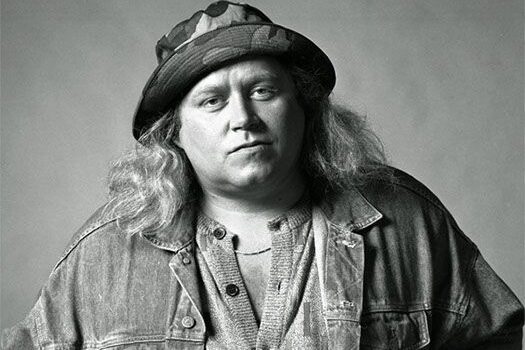
Sam Kinison’s comedy was impossible to ignore. His voice, loud and raspy, became his signature, and his stage presence felt explosive. In the late 1980s, he built a strong following by combining sharp observations with intense delivery. Then in 1992, at 38 years old, he died in a car crash caused by a drunk driver. The suddenness of the accident left fans reeling. It felt abrupt, especially for someone whose energy seemed larger than life.
Off stage, those who knew him often described a more reflective side. Like many performers, he carried personal struggles alongside professional success. His death also brought renewed attention to the devastating consequences of impaired driving. For fans, the loss was not just about the absence of future specials, but about a voice that had carved out its own space in comedy. When old clips resurface, they capture a performer fully committed to his style, reminding people how quickly even the loudest voices can fall silent.
13. Freddie Prinze’s Deep Despair
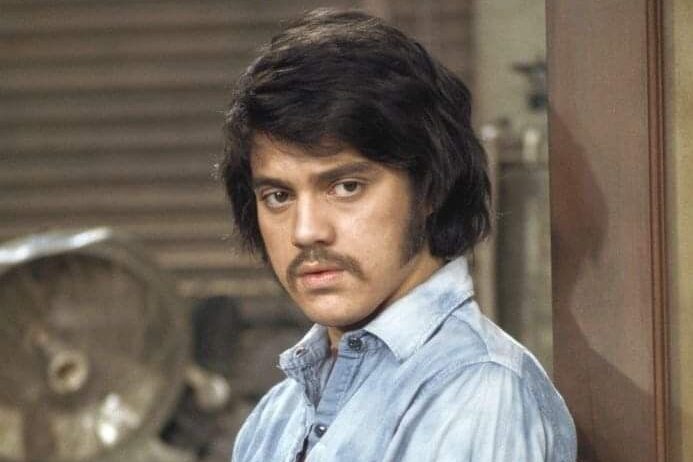
Freddie Prinze rose to fame quickly with his starring role in Chico and the Man. At just 22 years old, he was already a household name, navigating the pressures of television success at an age when most people are still finding themselves. In 1977, he died by suicide, and the news stunned fans across the country. His youth made the tragedy especially difficult to process. It forced many to confront the reality that outward success does not always reflect inner peace.
Those close to him later spoke about the intense pressure that came with sudden fame. Balancing expectations, career demands, and personal struggles can be overwhelming, particularly at such a young age. His death sparked conversations about mental health in entertainment, long before those discussions were common. Though his career was brief, his impact was lasting, and his legacy continues through his family. His story remains a sobering reminder that talent and visibility do not erase vulnerability.
14. Bob Saget’s Sudden Loss
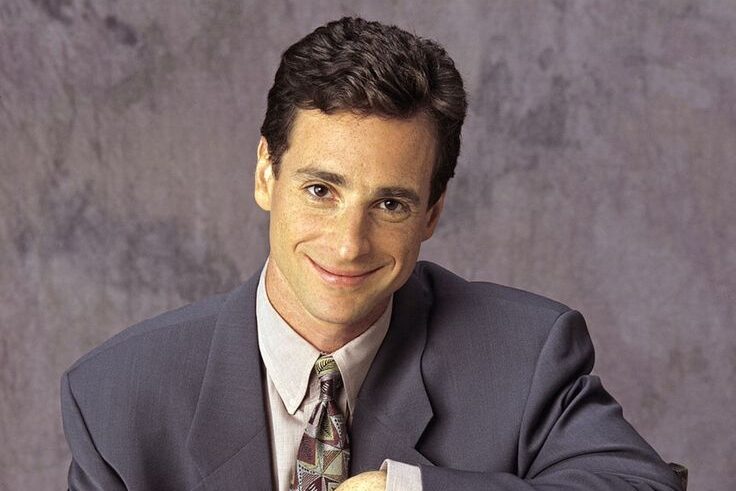
Bob Saget felt like a familiar presence for decades. Many first knew him as the gentle father on Full House, while others appreciated his sharper, more adult stand up comedy. He had a way of maintaining both sides of his persona without losing authenticity. In 2022, at 65 years old, he died from accidental head trauma while on tour. The fact that he had performed the night before made the news feel surreal and immediate.
Tributes from fellow comedians highlighted his kindness and loyalty. He was known for maintaining long friendships and for supporting others behind the scenes. Fans often describe growing up with him, seeing him as part of their television family. His passing carried a quiet weight because it felt so unexpected. Watching reruns now brings comfort, but also a gentle reminder of how fragile life can be. His warmth, both on stage and off, is what many remember most.
15. Norm Macdonald’s Private Battle
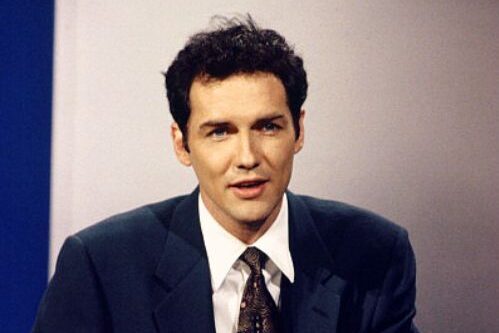
Norm Macdonald’s humor relied on timing and restraint. He would stretch a punchline just long enough to make the audience lean forward, unsure of where he was going. As a cast member on Saturday Night Live and later in stand up, he developed a style that was dry and unmistakably his own. In 2021, at 61 years old, he died after quietly battling cancer for nine years. He chose not to make his illness public, continuing to work without drawing attention to his condition.
That decision reflected his personality. He often avoided sentimentality and preferred understatement over drama. When news of his illness emerged after his death, many were surprised by how private he had been. Colleagues spoke about his dedication to comedy and his commitment to doing things on his own terms. His passing left a subtle but significant absence in the industry. His jokes still circulate widely, carrying that familiar rhythm that made him stand out.
16. Patrice O’Neal’s Health Crisis
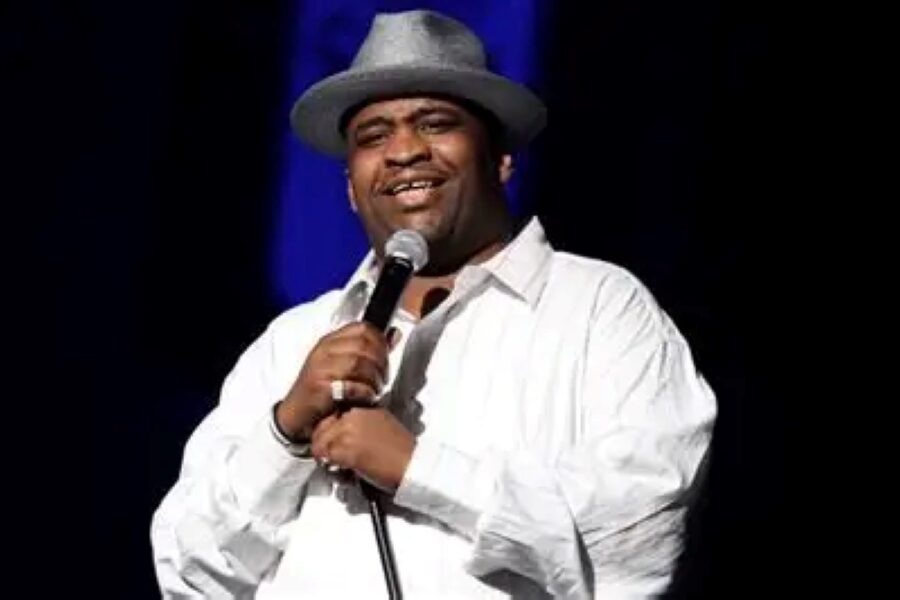
Patrice O’Neal built a reputation for honesty that sometimes made audiences uncomfortable, but always made them listen. His conversational style felt less like a performance and more like a bold discussion unfolding in real time. In 2011, at 41 years old, he died following complications from a stroke linked to diabetes. The loss felt especially sharp because he had been gaining wider recognition, appearing more frequently on television and radio.
Friends often described him as thoughtful and intelligent beneath his blunt exterior. He was not interested in easy approval, preferring instead to explore ideas fully, even when they were controversial. His death highlighted the serious health risks associated with unmanaged medical conditions, something he had openly discussed. For fans, his absence created a noticeable silence in spaces where his perspective once challenged and entertained. His influence remains visible in comedians who value authenticity over comfort.
17. Trevor Moore’s Accidental Fall
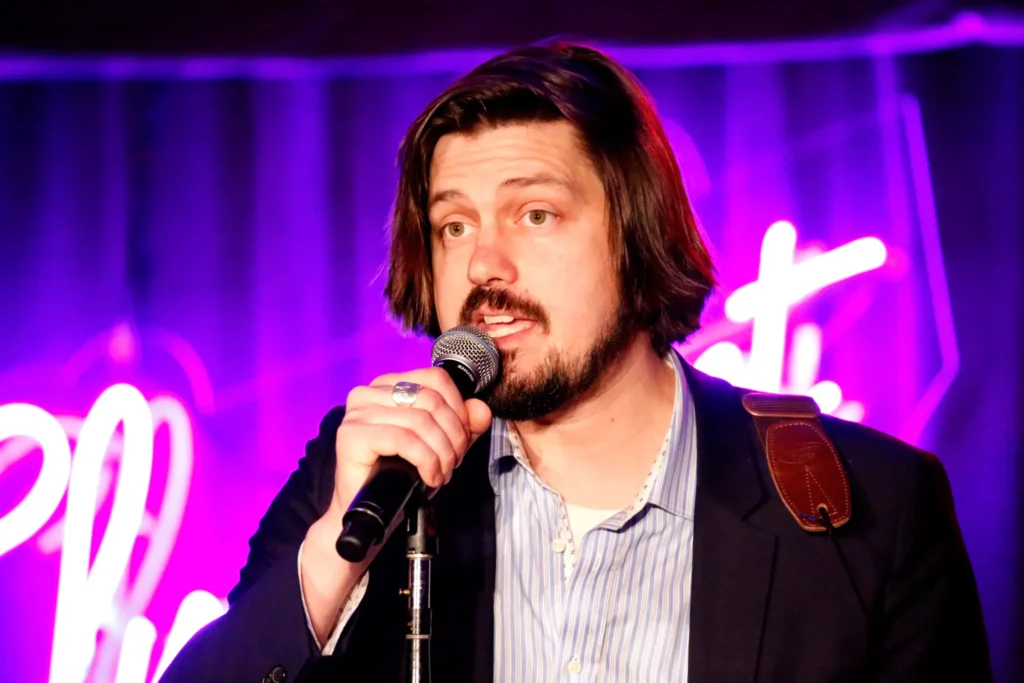
Trevor Moore helped redefine sketch comedy for the internet age. As a co founder of The Whitest Kids U Know, he created sketches that spread quickly online, reaching audiences far beyond traditional television. His humor was clever, absurd, and often sharply observant. In 2021, at 41 years old, he died after a fatal accident at home. The news was confirmed by his comedy partners, who spoke openly about their grief.
Moore represented a generation of performers who built their careers in digital spaces. He understood how to connect with audiences who consumed comedy differently than previous generations. His sudden death felt deeply personal to fans who had followed his work from early online clips to larger projects. Revisiting his sketches now carries a mix of laughter and reflection. His creativity showed how comedy evolves with technology, and his absence reminds us how unexpected loss can interrupt even the most forward moving careers.
18. Ralphie May’s Ongoing Health Struggles
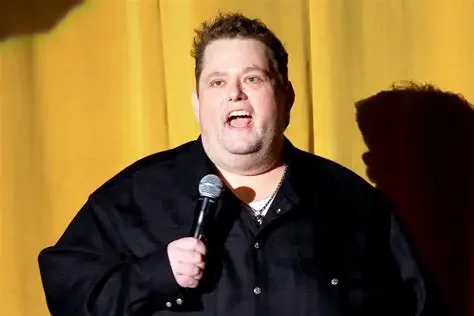
Ralphie May had a stage presence that felt familiar and approachable. He often drew from everyday experiences, weaving them into stories that audiences recognized in their own lives. After appearing on Last Comic Standing, he built a loyal following and continued touring steadily. In 2017, at 45 years old, he died from cardiac arrest after years of health challenges. He had spoken publicly about working to improve his health, making his passing feel especially sobering.
Despite ongoing struggles, he remained committed to performing. That dedication reflected how deeply he valued his connection with audiences. Colleagues described him as hardworking and persistent, someone who kept showing up even when circumstances were difficult. Looking across all these lives, there is a common thread of passion for making others laugh, even while facing private battles. Remembering them is not only about the way they left, but about the joy they created.


