
1. Nicolas Cage’s Real Estate Spiral
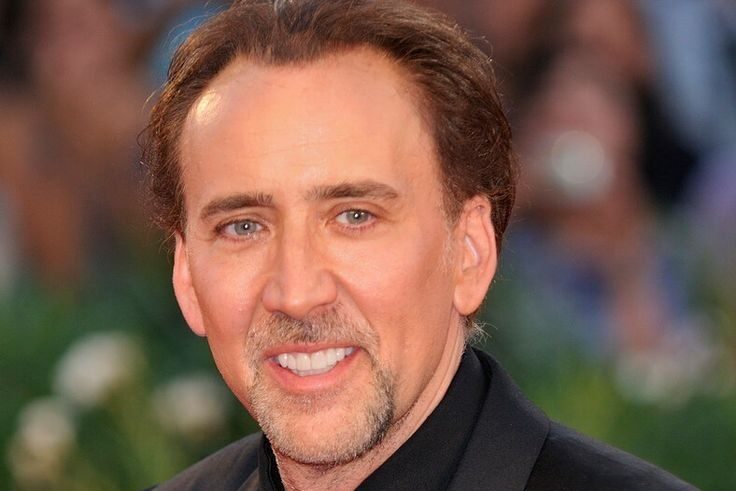
Money can feel endless when the checks keep coming in, and that is how this whole story really begins. Hollywood has a way of making success look permanent, like the applause will never fade. Nicolas Cage once stood at the top of that mountain, reportedly earning around twenty million dollars per film at his peak. With that kind of income, it probably felt natural to think the flow would continue forever. So he bought boldly. Castles in Europe, rare collectibles, multiple luxury homes across different states. It was not subtle spending, it was expansive living, the kind that matches blockbuster status. Then the housing market shifted, and the weight of property taxes and loans became impossible to ignore. Suddenly, the empire felt heavier than it looked from the outside.
When financial trouble surfaced, it was not a quiet whisper. Tax debts piled up, properties were foreclosed, and the headlines grew louder. What stands out, though, is what happened next. Cage did not disappear. He worked constantly, taking on role after role, sometimes in smaller productions that surprised audiences. There was something steady about that effort. Instead of pretending nothing happened, he leaned into the work. His story feels like a reminder that earning big and managing big are two very different skills. Fame gave him wealth, but discipline determined whether he could rebuild it. In many ways, the comeback became just as defining as the fall itself.
2. Johnny Depp’s Costly Lifestyle

There was a time when Johnny Depp’s career felt almost untouchable. The Pirates films alone turned him into one of the highest paid actors in the world. With enormous earnings came an enormous lifestyle. Multiple homes across continents, private jets on standby, fine art, rare guitars, and a payroll that supported a large inner circle. When reports later described monthly expenses in the millions, people were stunned, but the pattern had been forming for years. Success had grown, and so had the spending. It did not happen overnight. It built gradually, one luxury at a time, until the structure required constant blockbuster income to sustain itself.
Legal disputes with former business managers pulled private finances into public view, and court filings revealed just how fragile even massive wealth can be. Lawsuits, settlements, and career interruptions added strain. Beyond the numbers, there was a deeper lesson. When lifestyle becomes identity, scaling back feels like losing more than money. Depp’s story became less about blame and more about visibility. It showed how quickly fixed costs can swallow fluctuating income. Even someone at the top of Hollywood can find themselves recalculating. The spotlight that once highlighted movie premieres began illuminating spreadsheets instead.
3. Kim Basinger’s Risky Investment

Kim Basinger did something few actors would attempt. At the height of her fame, she invested millions into purchasing much of a small town in Georgia. The dream was ambitious and almost romantic. She envisioned turning it into a thriving tourist and film destination, a place with long term cultural and economic potential. It was not about flashy cars or extravagant parties. It was about building something tangible. For a moment, it probably felt visionary, like stepping beyond Hollywood into lasting legacy. But large scale investments carry large scale risks, and when financial pressures mounted, the plan began to crack under its own weight.
Eventually, bankruptcy followed, and the headlines reduced a complicated gamble into a single cautionary phrase. What makes her story compelling is that it was rooted in belief. She did not spend recklessly for image. She invested boldly in a concept she trusted. When the project stalled, the financial burden became too heavy to sustain. It is easy to critique decisions in hindsight, but at the time it likely felt like planting seeds for the future. Her experience underscores how even thoughtful investments can unravel when timing and economics do not cooperate. Vision alone is not always enough.
4. Burt Reynolds’ Overspending Years

Burt Reynolds once embodied Hollywood confidence. In the late seventies and early eighties, he was among the highest paid actors in the business. Success seemed constant, and with it came a lifestyle that matched his star power. Expensive homes, business ventures, and the expectations that follow celebrity all shaped his spending habits. Add to that a costly divorce and projects that did not perform as expected, and the financial picture began to shift. What once felt secure started to look stretched. Income slowed, but obligations remained firmly in place.
When he filed for bankruptcy in the mid nineteen nineties, it surprised many who remembered his box office dominance. Yet Reynolds later spoke openly about his missteps. There was no dramatic denial, just acknowledgment that he had not managed his peak wisely. He continued acting, sometimes in smaller roles, proving that pride did not prevent him from working. His story carries a quiet humility. Being number one at the box office does not guarantee lifelong stability. Careers evolve, audiences change, and earnings fluctuate. What remains is the need for foresight, even during the brightest moments.
5. Toni Braxton’s Medical And Financial Strain

Toni Braxton’s voice defined an era, and her crossover into television expanded her reach. From the outside, it looked like steady success. Yet behind the scenes, complex contracts and health challenges created pressure. Filing for bankruptcy more than once revealed how layered celebrity finances can be. Medical expenses from living with lupus added strain, and restrictive recording agreements limited the profits she actually saw from hit songs. It is one thing to sell millions of records. It is another to own the revenue in full.
Her openness about these struggles shifted the tone of the conversation. Instead of hiding the setback, she discussed how overwhelming it felt and how little control she had early in her career. That honesty made her situation relatable. Many people assume fame equals financial clarity, but contracts and health realities can quietly reshape outcomes. Braxton’s journey shows that rebuilding is possible, even after public setbacks. It also reminds aspiring artists to understand the fine print before signing it. Talent can open doors, but knowledge often keeps them open long term.
6. Wesley Snipes And Tax Trouble
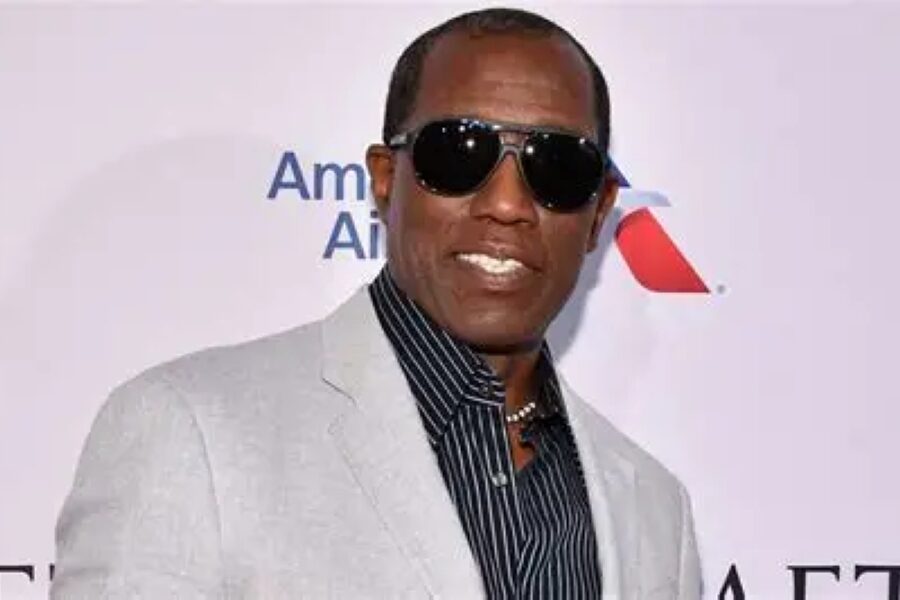
Wesley Snipes was a defining action star of the nineteen nineties. Films like Blade cemented his place in pop culture and generated substantial income. With that level of success, financial management becomes complex. In his case, disputes over tax filings escalated into federal charges. What might have begun as reliance on questionable advice turned into a serious legal matter. When the case concluded with prison time, the shift from red carpet premieres to courtroom headlines was stark.
The financial impact extended beyond unpaid taxes. Legal fees, lost projects, and time away from the industry compounded the damage. His experience highlights how delegation does not remove responsibility. Even when advisers are involved, the consequences ultimately land on the individual. After serving his sentence, Snipes returned to acting, but the chapter remained a defining moment. The lesson feels straightforward. Understanding your own financial obligations matters, no matter how busy or successful you become. Fame does not exempt anyone from accountability, and the cost of ignoring that truth can be lasting.
7. Pamela Anderson’s Tax Liens

Pamela Anderson became a household name during the height of Baywatch. Steady television work, endorsements, and appearances created consistent income. Yet over time, unpaid taxes surfaced repeatedly, placing her on public lists of delinquent taxpayers. It was not a single extravagant purchase that caused the issue. It was accumulated obligations that were not fully addressed. When work is constant and life moves quickly, financial details can fall behind.
Her situation feels familiar in a quieter way. Many people underestimate how fast penalties and interest grow. For celebrities, the amounts are simply larger and more visible. Anderson has acknowledged that financial management was not always her focus during her busiest years. That admission adds a human layer to the headlines. Wealth can create comfort, but it can also create complacency. Without consistent oversight, even steady earnings can erode. Her story underscores the importance of routine financial attention, not just during lean years but especially during prosperous ones.
8. MC Hammer’s Mansion Mortgage

MC Hammer’s fame expanded beyond music into broader entertainment. At his peak, earnings reportedly reached tens of millions. Success brought generosity and grand living. A sprawling mansion, a large entourage, and significant payroll commitments reflected loyalty and ambition. Supporting friends and community felt meaningful at the time. The challenge was sustainability. When album sales declined, the fixed expenses remained.
Filing for bankruptcy in the mid nineteen nineties marked a sharp contrast from earlier triumphs. The numbers were large, and the lesson was visible. Hammer later spoke about financial literacy and the importance of scaling lifestyle to match consistent income rather than peak income. His story often appears in discussions about wealth management because it illustrates how quickly cash flow can reverse. It is not only about spending on luxury. It is about committing to ongoing costs that require constant high revenue. When that revenue slows, reality sets in fast.
9. Lindsay Lohan’s Legal Costs

Lindsay Lohan entered Hollywood young and quickly became a bankable star. Early success brought substantial paychecks and intense public attention. As legal troubles mounted, court appearances and rehabilitation programs disrupted her career momentum. When tax liens surfaced, they added financial strain to an already unstable period. Income slowed, but expenses and legal fees continued. Growing up in the spotlight magnified every misstep.
Her story reflects the fragility of early fame. When personal challenges intersect with professional obligations, rebuilding becomes complicated. Lohan has spoken about taking responsibility and working toward stability. The financial setbacks were not solely about spending. They were tied to interruptions in earning power and the high cost of public legal battles. Reestablishing credibility in the industry takes time, and during that time bills do not pause. Her journey highlights how quickly circumstances can change when career momentum is interrupted.
10. Gary Busey’s Bankruptcy Filing
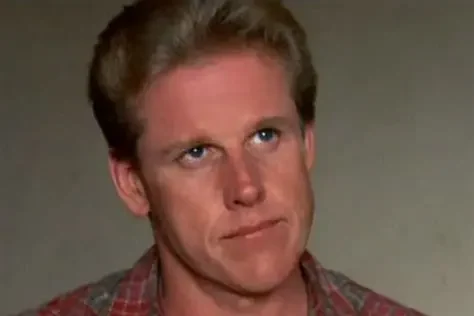
Gary Busey worked steadily for decades, appearing in films and television projects that spanned generations. Unlike some stories driven by lavish excess, his financial decline seemed gradual. Reduced acting roles, medical expenses, and long term mismanagement created mounting pressure. When he filed for bankruptcy, the listed debts were significant but not extravagant by celebrity standards. It felt less like spectacle and more like erosion.
There is something sobering about that kind of decline. Not every financial collapse is dramatic. Sometimes it is a slow accumulation of missed planning and inconsistent income. Busey’s case quietly closes this list with a grounded truth. Earnings, no matter how large, require structure and foresight. Without it, even decades of work can thin out over time. These stories, taken together, are less about judgment and more about perspective. Success can open doors, but stewardship keeps them open. If stories like these resonate, explore more journeys behind the spotlight and reflect on the lessons they leave behind.


