
Ron Popeil
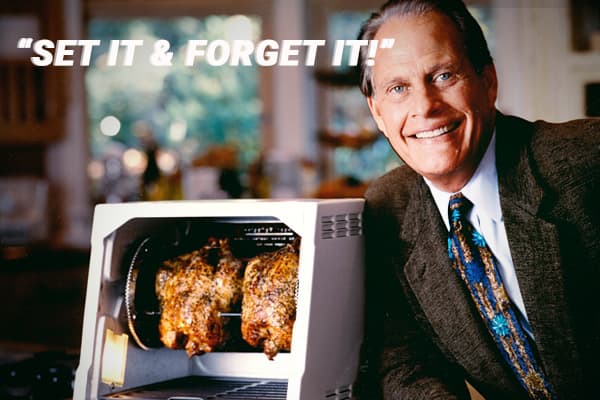
Ron Popeil was undeniably the definitive face of the infomercial era, possessing a sales pedigree that spanned generations. Born in New York in 1935, he mastered the art of the “pitch” by watching his father sell kitchen gadgets before eventually founding his own company, Ronco, in 1964. Popeil’s genius lay in his ability to turn mundane household tasks into exciting spectacles. His enthusiastic demonstrations turned simple devices like the Veg-O-Matic into household names, and his catchy slogans, most notably “Set it and forget it,” became permanent fixtures in the American lexicon. By the time he introduced the Showtime Rotisserie & BBQ, he had perfected a formula that generated over $1 billion in total product sales, proving that viewers valued live, unscripted demonstrations over polished, traditional celebrity endorsements.
The later years of Popeil’s life saw him transition from an active salesman to a respected elder statesman of the retail world. In August 2005, he sold the Ronco brand for roughly $55 million, though he remained a prolific inventor well into his eighties. His contributions to the industry were officially recognized when he received a lifetime achievement award from the Electronic Retail Association, cementing his status as a marketing legend. Sadly, the world lost this innovative pitchman on July 28, 2021, when he passed away at the age of 86 following a sudden medical emergency at Cedars-Sinai Medical Center. Today, his legacy lives on through the countless digital marketing videos and “as seen on TV” products that still utilize his straightforward, conversational, and highly effective demonstration style.
Susan Powter

Susan Powter exploded onto the television scene in the early 1990s, instantly recognizable by her shock of white-blonde buzzed hair and an almost predatory level of energy. Her signature weight-loss program, titled “Stop the Insanity!”, became a massive cultural phenomenon that bridged the gap between the 1980s fitness craze and modern wellness movements. Through a series of best-selling books, high-intensity fitness tapes, and sold-out live seminars across the United States and Australia, Powter built a multimillion-dollar empire. She was a rare female star in a field dominated by men, and audiences were deeply drawn to her loud rejection of “starvation diets.” Her message focused on high-volume eating and practical exercise, which resonated with millions of viewers who felt alienated by the elitist fitness industry of the time.
Unfortunately, the rapid expansion of the Powter brand proved impossible to sustain under the weight of legal and financial mismanagement. By the late 1990s, bitter business disputes led her to file for personal bankruptcy, and the woman who was once a household name largely vanished from the public eye. For nearly two decades, she lived a quiet life away from the cameras, only occasionally connecting with a small but loyal group of followers online. In a surprising turn of events in early 2025, Powter reappeared in the headlines, revealing that she had spent time working as an Uber Eats delivery driver to make ends meet.
Tony Little
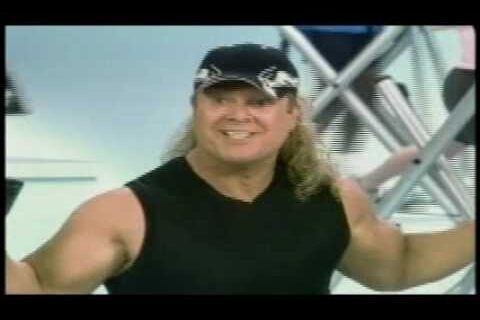
Tony Little became a staple of 1990s television as the relentlessly cheerful trainer behind the Gazelle glider exercise machine. Known for his signature long blonde ponytail, baseball cap, and booming “You can do it!” catchphrase, Little’s appeal was rooted in his incredible personal survival story. After a devastating car accident in the mid-1980s derailed his bodybuilding career, he used fitness as a tool for his own physical and mental rehabilitation. His infomercials weren’t just about selling equipment; they were about selling the hope of recovery and vitality to beginners and seniors. The Gazelle became a massive success, eventually surpassing $1 billion in sales across home-shopping channels like HSN, where Little’s high-energy personality felt perfectly at home in a live broadcast environment.
Unlike many of his contemporaries who struggled to maintain their wealth, Tony Little successfully transitioned his 1980s and 90s fame into a lasting business career. Now in his late sixties, he remains an active and influential figure in the health and wellness industry, frequently appearing on television and social media to promote a wide range of products. He has diversified his portfolio significantly, moving beyond exercise machines into nutritional supplements, specialized footwear, and modern fitness tools like the FitBody Hoop. By maintaining a consistent personal brand and a genuine connection with his audience, Little has managed to outlast the era of the traditional infomercial.
Matthew Lesko
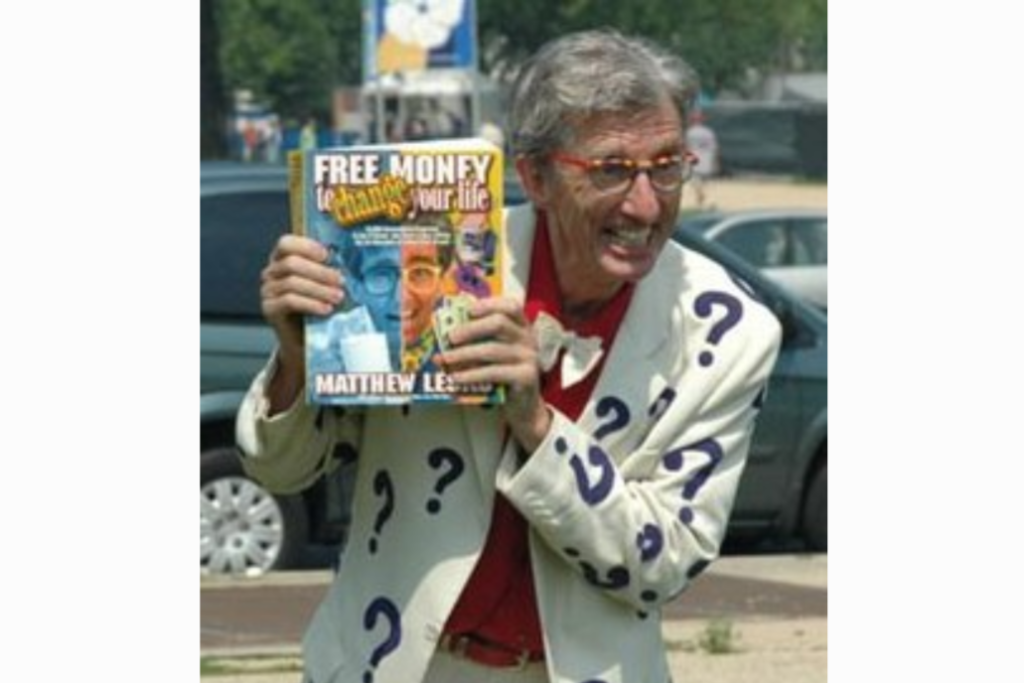
Matthew Lesko became one of the most unforgettable figures in television history thanks to his eccentric wardrobe of brightly colored suits adorned with large question marks. His high-pitched delivery and frantic energy made his infomercials feel like a fever dream, yet his core message was surprisingly practical. Lesko promised viewers that he could help them access thousands of little-known government grants and assistance programs that were essentially “free money” for education, business, or housing. While his critics often dismissed him as a gimmick, Lesko’s books became New York Times bestsellers because he provided actual federal resources rather than get-rich-quick schemes. He tapped into the American dream of finding hidden opportunities, making him a fixture of the late-night airwaves for over two decades.
Now in his early eighties, Lesko has proven to be remarkably adept at navigating the shift from traditional television to the digital age. He has largely traded his expensive infomercial slots for a thriving presence on YouTube and TikTok, where he continues to educate a younger generation on how to navigate the complexities of public funding. Embracing modern technology, he recently launched an AI-assisted service called “LeskoLovesAI” to help users filter through massive databases of government grants more efficiently. While he may have retired the most flamboyant of his question-mark suits, his passion for helping people find financial support remains unchanged.
Billy Mays
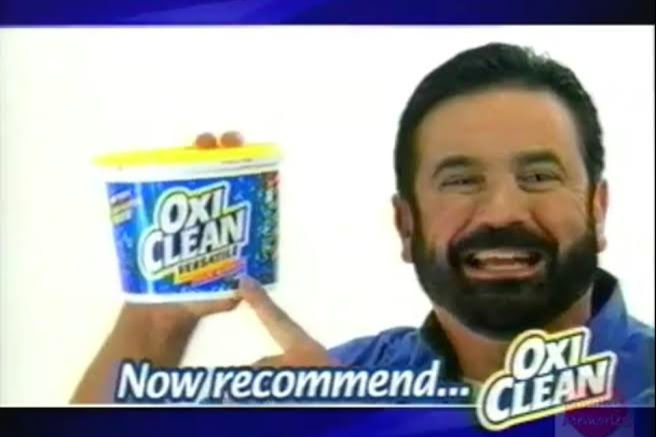
Billy Mays was a force of nature who began his career in the late 1980s, honing his craft by selling products at state fairs and Atlantic City boardwalks. His transition to national television in the 1990s changed the industry forever, as his booming baritone voice and “larger-than-life” presence made OxiClean an essential household item. Unlike the niche kitchen gadgets of the past, Mays brought the intensity of a late-night pitch to mainstream daytime television, reaching a much broader demographic of stay-at-home parents and retirees. His ability to demonstrate the power of a cleaning agent in just a few seconds of screen time was unparalleled, and his signature blue shirt became a symbol of reliability for millions of consumers who trusted his high-energy endorsements.
The peak of Billy Mays’ career came in the mid-2000s, when he was arguably the most famous salesman in the world, even starring in his own reality show, Pitchmen. However, his incredible run came to a tragic and sudden end in June 2009, when he was found dead in his Florida home at the age of 50. His passing was a significant shock to the public and highlighted the grueling, high-pressure lifestyle that many top-tier pitchmen endured to keep their brands alive. Even decades after his death, the “Billy Mays style” of advertising; characterized by extreme enthusiasm and rapid-fire benefits, remains the gold standard for direct-response marketing. He didn’t just sell products; he created a blueprint for modern salesmanship that continues to be studied and imitated by influencers today.
Richard Simmons
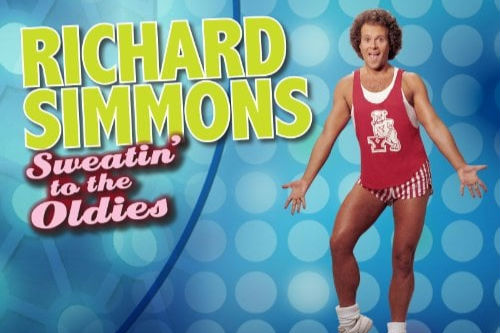
Richard Simmons was a beloved household name long before the infomercial boom, but his iconic Sweatin’ to the Oldies video series truly flourished within the direct-response retail environment of the 1980s. Unlike the intimidating, muscular trainers of the era, Simmons offered a warm, compassionate, and often flamboyant approach to health. His message was centered on self-love and inclusivity, specifically targeting individuals who felt out of place in traditional gym settings. By combining classic pop music with simple aerobic movements, he transformed home fitness into a joyful, non-judgmental experience. His videos sold tens of millions of copies, and his late-night television appearances often felt more like motivational therapy sessions than standard sales pitches for exercise equipment.
In a move that stunned the world, Richard Simmons unexpectedly withdrew from public life in early 2014, sparking a decade of intense media speculation and concern from his fans. He chose to live a deeply private life in his Los Angeles home, completely avoiding the cameras and interviews that had defined his career for forty years. Sadly, Simmons passed away in July 2024 at the age of 76, just one day after his birthday, bringing an end to one of the most unique and impactful careers in television history. Despite his long absence from the spotlight, his legacy of kindness and body positivity continues to resonate through his archived programs. He remains a cherished figure for millions of people who credit his gentle encouragement with helping them take the first steps toward a healthier lifestyle.
Kevin Trudeau
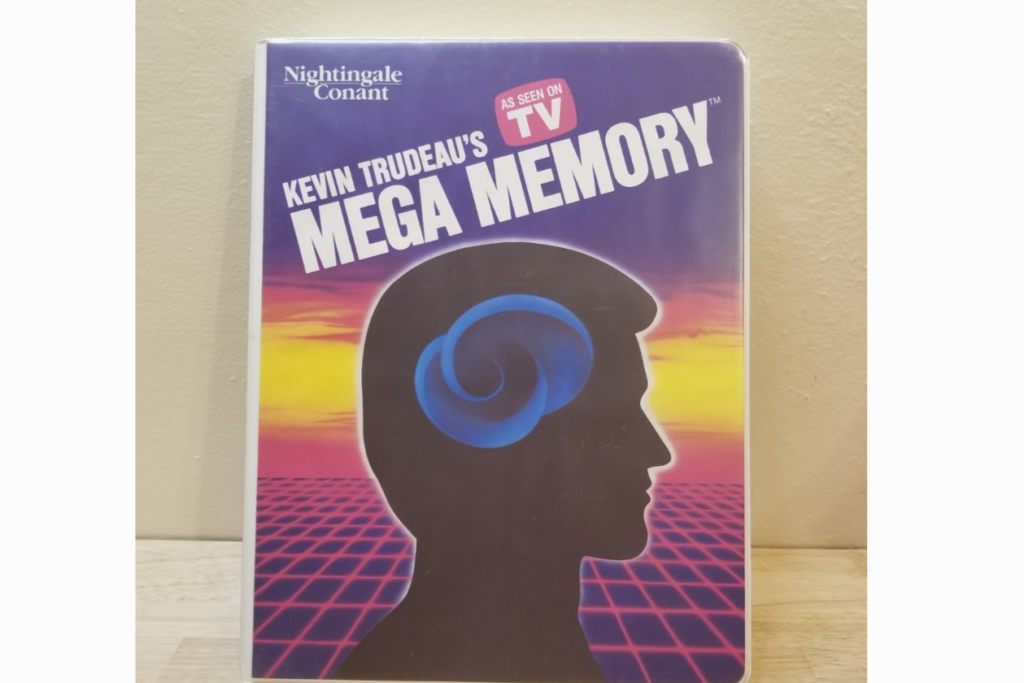
Kevin Trudeau rose to massive fame in the late 1980s and 1990s by promoting a series of self-help programs, most notably “Mega Memory.” His smooth, persuasive speaking style convinced millions of viewers that he possessed “insider secrets” for everything from photographic memory to weight loss and financial success. Trudeau often framed his pitches as a battle against “the establishment,” claiming that pharmaceutical companies and government agencies were hiding cures and wealth-building techniques from the general public. This “us versus them” narrative was incredibly effective, propelling his books to the top of the New York Times bestseller list and filling massive hotel ballrooms with eager students willing to pay thousands of dollars for his various seminars and memberships.
However, Trudeau’s career was eventually derailed by a series of high-profile legal battles that became a cautionary tale for the infomercial industry. Federal authorities accused him of making blatantly false and deceptive claims in his marketing materials, leading to numerous fines and bans on his ability to appear in infomercials. The situation reached a breaking point in 2014 when he was sentenced to ten years in federal prison for criminal contempt of court. After serving the majority of his sentence, Trudeau was transferred to a halfway house in early 2022 and eventually released. His story serves as one of the most prominent examples of how the “Wild West” era of late-night television marketing eventually collided with strict government regulations designed to protect vulnerable consumers from exaggerated promises.
Don Lapre

Don Lapre became a staple of early 1990s television with a series of deceptively simple infomercials that featured him sitting behind a tiny, cluttered desk in a nondescript apartment. He pitched a “work-from-home” system that involved placing small classified advertisements in newspapers to sell various products or services. His relatable, “everyman” persona appealed to millions of Americans who were struggling through economic uncertainty and looking for a path toward financial independence without needing a traditional office job. Lapre’s kits, which promised to teach anyone how to generate thousands of dollars in passive income, sold in massive quantities via late-night broadcasts and mail-order catalogs, making him a multimillionaire while still in his twenties.
The dream Lapre sold eventually turned into a legal nightmare as federal investigators began looking into the legitimacy of his business opportunities. By the late 2000s, he faced a massive federal indictment involving multiple charges of fraud related to the sale of vitamins and “internet-based” business schemes that authorities claimed were nothing more than sophisticated scams. In a tragic conclusion to his story, Don Lapre died in federal custody in October 2011 at the age of 47 while awaiting trial for his alleged crimes. His dramatic downfall illustrated the inherent risks of the infomercial industry, where the line between a clever marketing pitch and a fraudulent financial scheme could often become dangerously blurred, leading to catastrophic consequences for both the promoter and the public.
Jack LaLanne

Jack LaLanne was a pioneer who essentially invented the fitness television genre long before the 1980s infomercial boom arrived. Often called the “Godfather of Fitness,” he began broadcasting his exercise program in the 1950s, teaching housewives how to stay fit using only a chair and a towel. When the long-form infomercial format became popular, LaLanne successfully transitioned into it, most notably as the face of the “Jack LaLanne Power Juicer.” His credibility was unmatched because he lived exactly what he preached; even in his eighties and nineties, he was famous for performing incredible feats of strength, such as towing boats while swimming in handcuffs. He wasn’t just a salesman; he was a living testament to the benefits of the healthy lifestyle he promoted.
LaLanne’s career was a masterclass in longevity and personal integrity, as he remained a respected figure in the wellness world until his very last days. He continued to film commercials and make public appearances well into his nineties, always emphasizing the importance of “raw foods and regular exercise.” On January 23, 2011, LaLanne passed away at the age of 96, leaving behind a legacy that paved the way for every fitness influencer and health-based infomercial that followed. Unlike the “get-fit-quick” gurus of the 1980s, LaLanne’s reputation remained untarnished by scandal or controversy. He proved that a mixture of genuine passion, scientific common sense, and a consistent message could build a brand that would last for over half a century in the public eye.
Cherie Calbom

Cherie Calbom, widely known as “The Juice Lady,” became a staple of 1990s health television through her highly successful partnership with fitness legend Jack LaLanne. Unlike many of the high-energy, aggressive pitchmen of the era, Calbom took a much more measured and educational approach to her on-screen segments. She focused heavily on the nutritional science behind whole foods, explaining the specific systemic benefits of fresh vegetable juices and plant-based diets. Her calm demeanor and clear instructions made the concept of “juicing” accessible to mainstream audiences who were looking for gentle ways to improve their chronic health issues. Throughout the late 1980s and 1990s, she authored numerous best-selling cookbooks and appeared in long-form infomercials that helped turn the household juicer into a mandatory kitchen appliance for health-conscious families.
While many of her television contemporaries faded into obscurity once the infomercial boom subsided, Calbom successfully transitioned into a respected career as a nutritionist and wellness author. She has spent the last three decades expanding her “Juice Lady” brand into a comprehensive health empire that includes online coaching, specialized detox programs, and over 35 published books on topics ranging from sugar addiction to anti-inflammatory diets. She remains a frequent guest on contemporary health podcasts and Christian television networks, where she continues to advocate for the healing power of natural foods.
Jim Varney

Jim Varney was a classically trained stage actor from Kentucky who never originally intended to become a face of late-night television. After years of working in professional theater and small regional productions, his life changed forever in 1980 when he collaborated with an advertising agency to create the character Ernest P. Worrell. Clad in a denim vest and a baseball cap, Ernest was the quintessential “lovable but dim-witted” neighbor who spoke directly into the camera as if chatting with an old friend. The commercials were uniquely scripted to work for hundreds of different local businesses, from car dealerships to dairies, making Varney one of the most frequently seen faces on American television throughout the 1980s. His rubber-faced expressions and the catchphrase “Knowhutimean, Vern?” quickly entered the national pop-culture lexicon.
The overwhelming success of the Ernest character eventually allowed Varney to transition from 60-second commercials into a massive film franchise and an Emmy-winning children’s television series. Between 1987 and 1998, he starred in nearly a dozen movies, including favorites like Ernest Goes to Camp and Ernest Saves Christmas. He also showcased his incredible vocal range as the original voice of Slinky Dog in Disney-Pixar’s Toy Story (1995) and Toy Story 2 (1999). Sadly, Varney was a heavy smoker for most of his adult life, which led to a diagnosis of lung cancer in the late 1990s. He passed away on February 10, 2000, at the age of 50. Despite his early death, he remains a nostalgic icon for an entire generation who grew up watching his goofy, high-energy antics during commercial breaks.
Dave Del Dotto
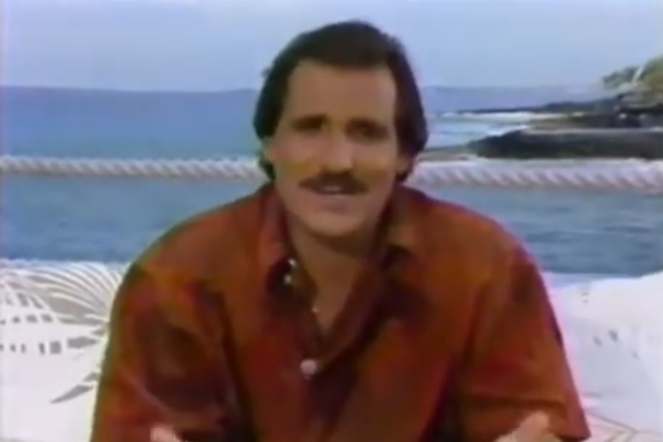
Dave Del Dotto was a pioneer of the “get-rich-quick” real estate infomercial, famously filming his segments from the lush, tropical backdrops of Hawaii. During the mid-to-late 1980s, his programs were impossible to miss, featuring Del Dotto as a wealthy mentor who promised to teach viewers how to buy property with “no money down.” He sold expensive “financial starter kits” and seminar packages that claimed to reveal the insider secrets of the real estate market, often showcasing his own luxurious lifestyle as proof of his methods. For millions of viewers watching late at night, his message of easy wealth and financial independence felt like a reachable dream, especially during the economic shifts of the Reagan era when property investment was becoming a national obsession.
However, the glitz and glamour of Del Dotto’s Hawaiian empire eventually drew the unwanted attention of federal regulators. In 1995, the Federal Trade Commission (FTC) filed a significant complaint against him, alleging that his advertisements made misleading representations regarding the success rates of his students. The legal battle and subsequent settlement, which involved millions of dollars in consumer redress, severely damaged his public credibility and effectively ended his reign as the king of real estate television. Following the collapse of his seminar business, Del Dotto largely retreated from the public eye and moved into the winery business in the Napa Valley region.
John Davidson
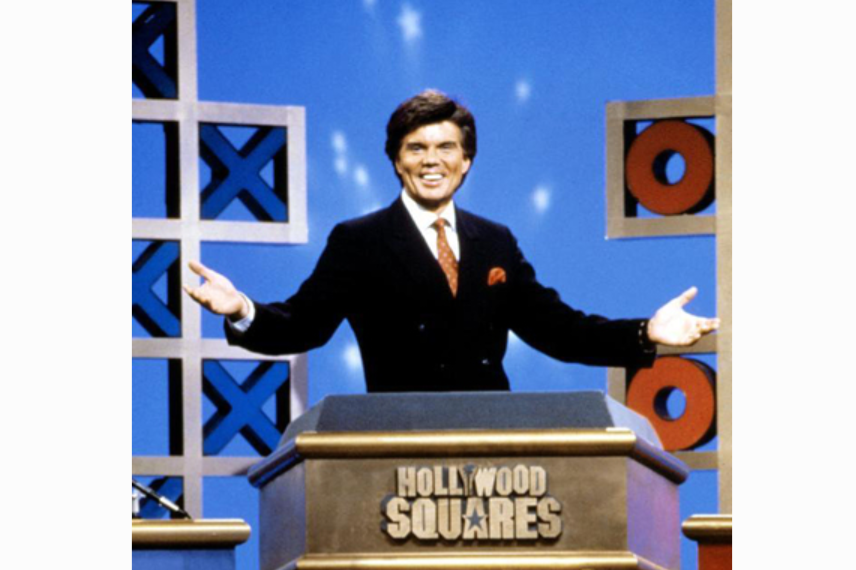
John Davidson was already a well-established star of variety shows and daytime television before he became a familiar face in the world of long-form infomercials. In the early 1990s, he was frequently hired to co-host real estate and financial seminars, most notably appearing alongside Dave Del Dotto. Davidson’s role was to act as the “everyman” interviewer, asking the questions that the audience at home might have while providing a sense of professional legitimacy to the products being sold. His smooth, reassuring demeanor and history as a host of That’s Incredible! and The Hollywood Squares made him a trusted figure for older viewers who might have been skeptical of more aggressive, high-energy salesmen. For Davidson, these programs were simply another professional hosting gig in a long and varied career.
Once the era of the high-budget real estate infomercial began to wane in the mid-1990s, Davidson returned to his roots in traditional entertainment. He enjoyed a successful second act as a theater performer, starring in major Broadway and touring productions such as Wicked and Finding Neverland. Rather than chasing the fading light of television stardom, he eventually chose a more peaceful life, relocating to New Hampshire where he continues to perform intimate musical shows and connect with fans through social media. Unlike many of the pitchmen he shared the screen with, Davidson avoided the scandals and bankruptcies that plagued the industry. He represents a specific group of professional entertainers who lent their talents to the infomercial world as a job, while maintaining their dignity and career longevity long after the cameras stopped rolling.
Mike Levey
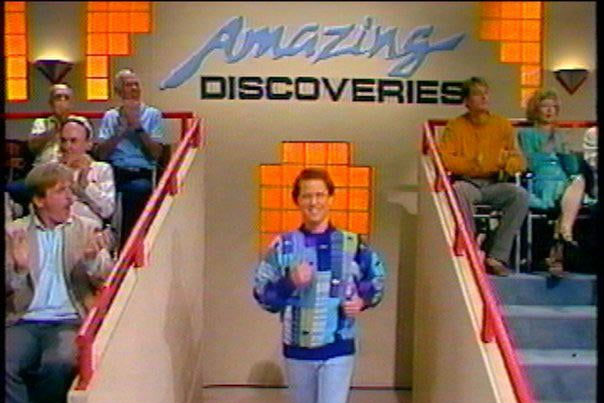
Mike Levey was the creative force and friendly face behind Amazing Discoveries, a program that fundamentally changed how infomercials were produced. Debuting in 1989, the show was cleverly designed to mimic the format of a daytime talk show, complete with a studio audience, enthusiastic “guests,” and Levey’s signature collection of colorful, patterned sweaters. By presenting products like the “Auri” car wax or other infomercials within a conversational interview setting, Levey made viewers feel as though they were watching a legitimate program rather than a 30-minute sales pitch. This “edutainment” style was highly effective at building consumer trust and helped Amazing Discoveries become one of the most-watched and parodied programs in the history of direct-response television, airing in over 50 countries.
Behind the scenes, Levey was much more than just a host; he was a savvy businessman who understood the psychology of the home shopper better than almost anyone else in the industry. He continued to produce and host various shopping segments throughout the 1990s, helping to pave the way for modern networks like QVC and HSN. Sadly, Levey’s career was cut short when he was diagnosed with cancer in the early 2000s. He passed away on August 2, 2003, at the age of 55. While he is often remembered for his eccentric sweaters and his “I can’t believe it!” reactions, his true legacy is the polished, talk-show-style infomercial format that remains the blueprint for home shopping segments today.
Tom Vu

Tom Vu became a cult icon of late 1980s television through some of the most outrageous and visually striking infomercials ever produced. He was typically seen surrounded by massive mansions, high-end yachts, and bikini-clad models, all while promising to teach viewers his “secrets” for making millions in the real estate market. Vu’s delivery was incredibly confident and often blunt, telling audiences that they were “lazy” if they weren’t following his path to extreme wealth. His rags-to-riches story; arriving in the United States as a Vietnamese immigrant with nothing, resonated deeply with those looking for a piece of the American dream. During the height of his fame, his seminars were packed with thousands of people who paid significant sums to hear his advice on property investment.
By the late 1990s, however, the “Tom Vu” empire began to crumble under the weight of mounting legal challenges and investigations into his business practices. Various regulatory agencies and former students filed lawsuits alleging that the seminars failed to deliver on the promises made in his glossy television advertisements. Following these legal setbacks, Vu completely walked away from the infomercial world and reinvented himself in a surprising new arena: professional poker. He became a successful player on the tournament circuit, even winning a World Series of Poker (WSOP) bracelet in 2007.
Cathy Mitchell
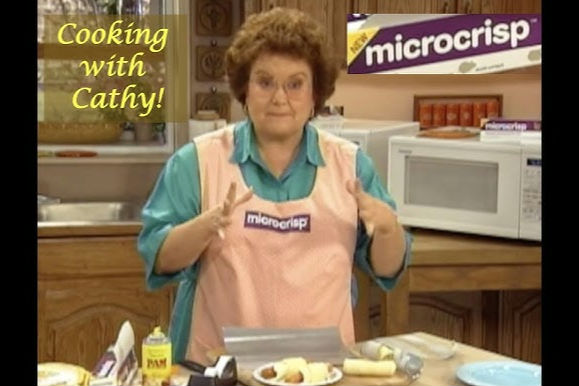
Cathy Mitchell became the comforting, reliable face of a massive variety of kitchen products, from the “Snackmaster” sandwich maker to the “Micro-Go-Round.” Unlike the aggressive pitchmen who promised to make you rich, Mitchell’s appeal was rooted entirely in domestic practicality. Starting in the late 1980s and continuing through the 1990s, she demonstrated how busy, everyday households could prepare delicious meals with minimal effort and inexpensive gadgets. Her calm, maternal presence and genuine enthusiasm for “dump cakes” and quick countertop meals made her a favorite among suburban families and seniors. She wasn’t just selling a product; she was selling a way to make family life a little bit easier, which earned her a level of trust that few other infomercial stars could match.
Remarkably, Cathy Mitchell is one of the few icons of the original infomercial era who has successfully managed to stay relevant in the age of social media. She has embraced modern platforms like YouTube and TikTok, where she continues to share recipe videos and kitchen tips with a whole new generation of viewers who find her nostalgic charm endearing. She frequently appears in “update” videos for “As Seen on TV” brands, proving that her brand of straightforward, honest demonstration still works in the 21st century.
Vince Offer
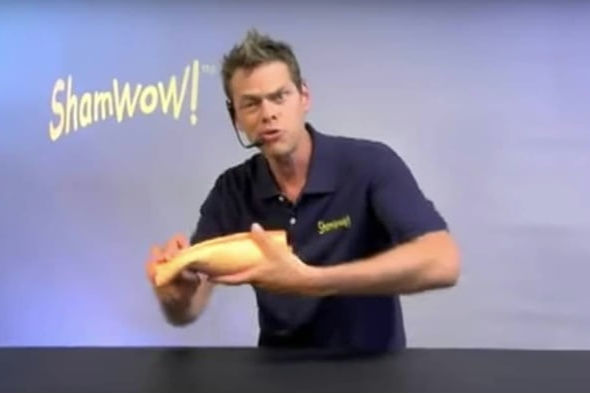
Vince Offer, born Offer Shlomi, initially struggled to find success in the film industry before discovering his true calling as a modern-day pitchman. In the late 2000s, he became a household name with his high-speed, direct-to-camera advertisements for the ShamWow, a highly absorbent cleaning cloth. His style was a deliberate throwback to the classic pitchmen of the 1980s, characterized by rapid-fire delivery, a touch of sarcasm, and a focus on “seeing is believing” demonstrations. The ShamWow commercials became a viral sensation, leading to countless parodies on late-night talk shows and across the early internet. Offer quickly followed up this success with the “Slap Chop” kitchen tool, which further cemented his status as the new face of the “As Seen on TV” industry for a digital-native audience.
While his career was occasionally sidelined by public controversies and legal incidents, Offer proved to be remarkably resilient in the marketing world. He understood that in the internet age, being “meme-able” was just as important as being persuasive. He continued to release new products and revamped versions of his classic hits, maintaining a consistent presence on cable television and social media well into the 2020s. Offer represents the bridge between the traditional 1980s infomercial and the modern world of viral marketing.
Anthony Notaro
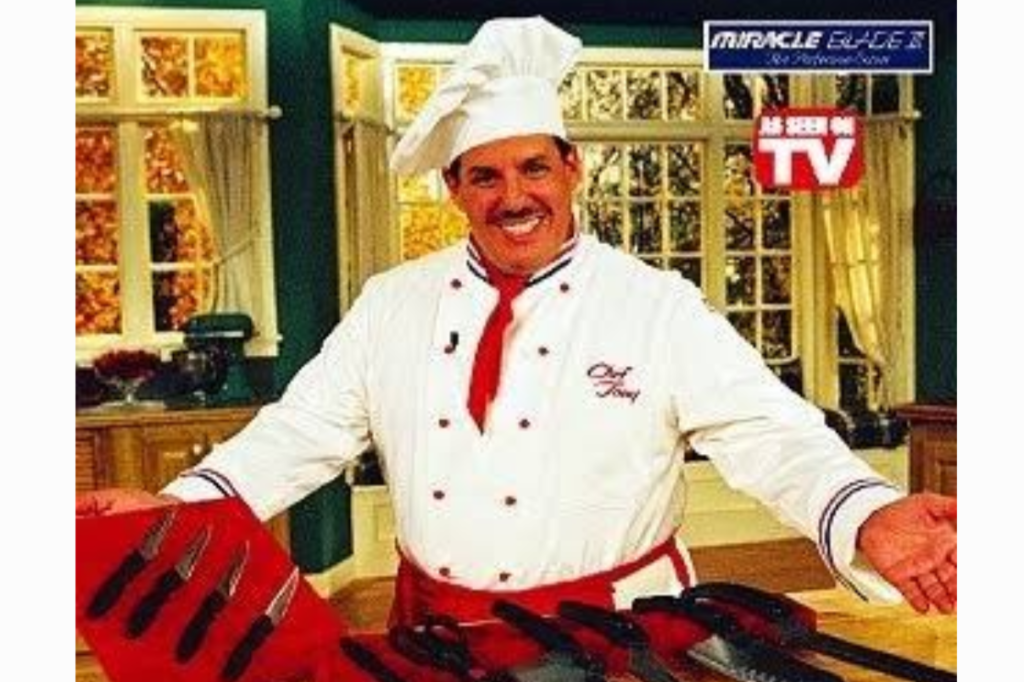
Anthony Notaro, famously known as “Chef Tony,” became a television legend through his incredibly long-running infomercials for the Miracle Blade knife set. Throughout the 1990s and early 2000s, viewers were mesmerized by his ability to slice through lead pipes, hammer handles, and metal cans, only to immediately turn around and cut a tomato into paper-thin slices. Notaro possessed a natural, easygoing charisma that made him feel like a professional chef you’d want to grab a meal with. He focused on the idea that high-quality tools should be affordable for the average home cook, a message that resonated with millions of viewers. The Miracle Blade commercials became one of the most successful direct-response campaigns in history, selling millions of sets worldwide.
As the traditional infomercial landscape shifted toward digital retail, Notaro transitioned away from being the “face” of the brand and moved into the more technical side of the industry. He became a highly sought-after consultant for product development and marketing strategy, helping new brands design demonstrations that would capture the public’s attention just as he had done for decades. While he no longer appears on television every night, he remains active behind the scenes in the “As Seen on TV” world, often appearing at industry trade shows and culinary events. His career path illustrates a more stable, professional outcome where a famous pitchman uses his expertise to become an industry insider.
Carlton Sheets

Carlton Sheets was one of the true pioneers of the real estate investment infomercial, predating many of the more flamboyant gurus who arrived in the late 1980s. His “No Down Payment” program became a cornerstone of late-night television, promising to teach ordinary people how to build a massive property portfolio using creative financing techniques. Sheets’ approach was relatively low-key compared to his competitors; he often sat in a library-like setting, speaking calmly about the mechanics of real estate. This academic tone gave his program an air of authority that appealed to serious-minded viewers who were looking for a way to secure their financial future during the inflationary periods of the early 80s. His home-study courses were among the best-selling educational products of the decade.
In his later years, Sheets chose to step away from the grueling schedule of television appearances and public speaking engagements, effectively retiring into a more private life. However, his influence on the world of real estate education didn’t fade; his courses continued to be marketed through licensing agreements, and many of today’s top property gurus cite his original programs as their primary inspiration. He successfully avoided the massive legal scandals that brought down many of his successors by maintaining a more conservative approach to his marketing claims. Today, Carlton Sheets is remembered as the man who brought real estate investing to the masses.


