
A Quiet Beginning Before Fame
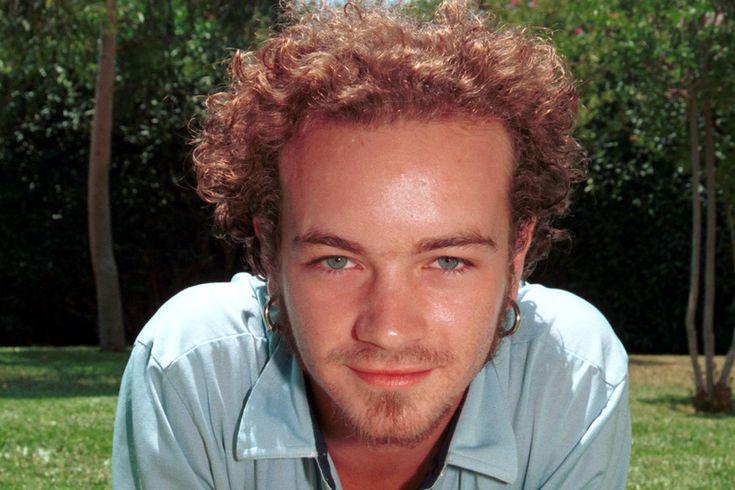
Long before the flashbulbs of Hollywood and the intense scrutiny of the courtroom defined his public identity, Danny Masterson’s life started quite modestly. Born on March 13, 1976, in Long Island, New York, he was raised in an environment that prioritized early exposure to the entertainment business. By the tender age of four, Danny was already working as a child model, appearing in various print advertisements and dozens of television commercials. His parents, Carol and Peter Masterson, encouraged this path, leading him to accumulate a surprisingly professional resume before he even reached high school. By the time he was a teenager, he had moved to Los Angeles, landing guest spots on popular 1990s shows like Roseanne and NYPD Blue.
During these formative years, there were no signs of the scandals or controversies that would later dominate his life. Instead, his story followed the typical trajectory of a young performer learning the mechanical inner workings of a competitive industry. He spent his youth attending auditions and securing minor television roles, building a foundation of steady work rather than instant stardom. This period was defined by a quiet persistence and the hope of a breakthrough. He was simply a working actor navigating the complexities of Hollywood, long before the public would associate his name with a high-profile downfall or the legal battles that eventually led to his 2023 conviction.
The Height of Fame and Career Success
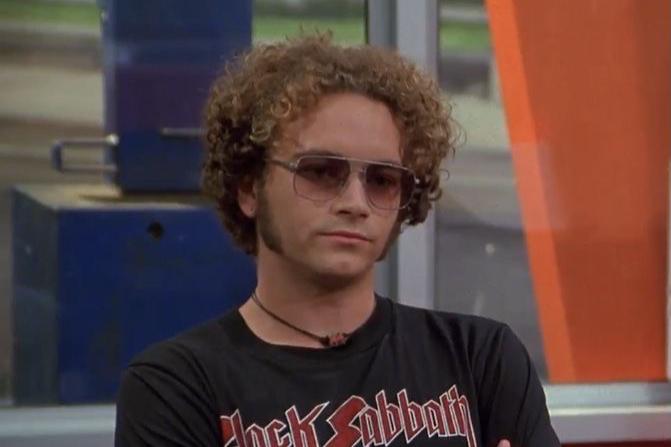
Masterson’s life changed forever in 1998 when he landed the role of Steven Hyde on the Fox sitcom That ’70s Show. The series quickly became a massive cultural hit, defining the television landscape for the next eight years. His portrayal of the cynical, leather-jacket-wearing Hyde resonated with millions of viewers, turning him into a household name. Between the show’s premiere and its final episode in May 2006, Masterson was at the center of a television phenomenon. He worked alongside a talented young ensemble, including Ashton Kutcher and Mila Kunis, who would all go on to become major industry powerhouses while Masterson enjoyed the peak of his professional visibility.
At the height of his career, Masterson’s daily life was a whirlwind of red-carpet events, lucrative syndication deals, and high-profile magazine interviews. Even after the sitcom ended, he maintained his presence in the industry, eventually reuniting with Kutcher for the Netflix series The Ranch in 2016. For nearly two decades, his career was characterized by consistent financial success and a high status within the Hollywood social circle. He was seen as a reliable comedic actor and a savvy businessman, frequently performing as “DJ Mom Jeans” at exclusive clubs. This era of prosperity stood in stark contrast to the institutional structure and prison uniform that would eventually define his later years.
Life Inside After a Public Fall
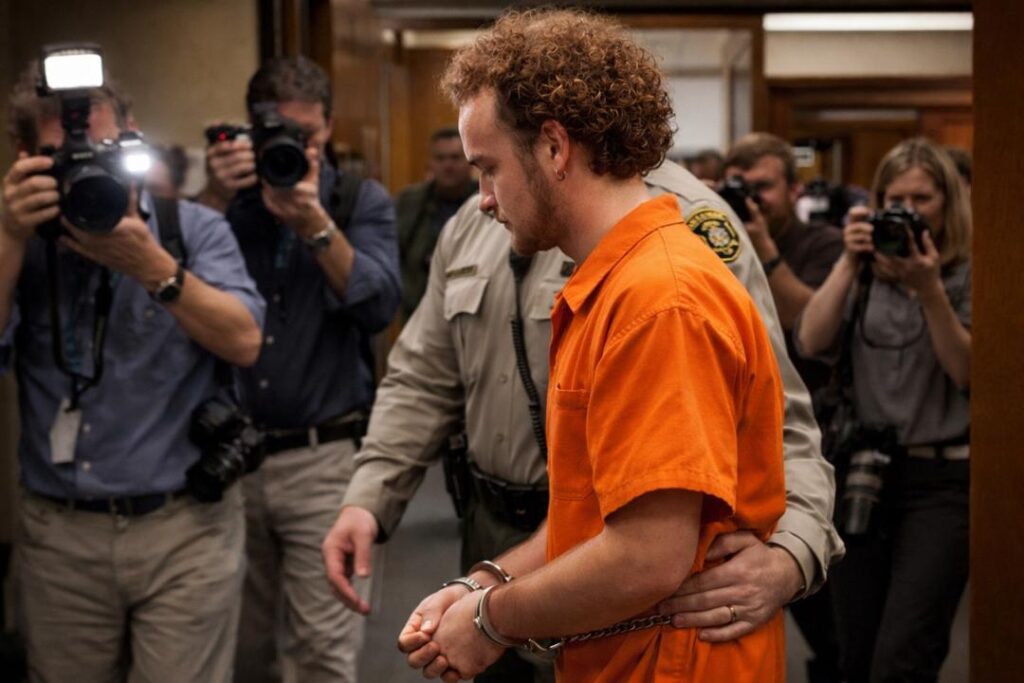
When someone falls from public grace, the headlines come fast and loud. For a while, the story feels everywhere at once; on television panels, across social media, in conversations between strangers. But after the courtroom verdict is delivered and the sentencing becomes official, the noise slowly fades. What remains is something much quieter and far more personal. Life continues, just not in the way it once did. And that is where curiosity often shifts. People stop asking what happened and begin wondering what daily life looks like now.
For Danny Masterson, once known to millions for his role on That ’70s Show, that shift became permanent in 2023 when he was sentenced to 30 years to life in prison. The red carpets and studio lights are no longer part of his routine. Instead, life is defined by structure, limits, and long stretches of time. Inside a correctional facility, the days move differently. They are shaped by scheduled meals, monitored communication, and strict rules that apply the same way to everyone. Fame does not carry weight in that setting. What remains is the reality of consequence, adjustment, and the slow rhythm of prison life that follows a very public fall.
From Red Carpets to a Prison Cell
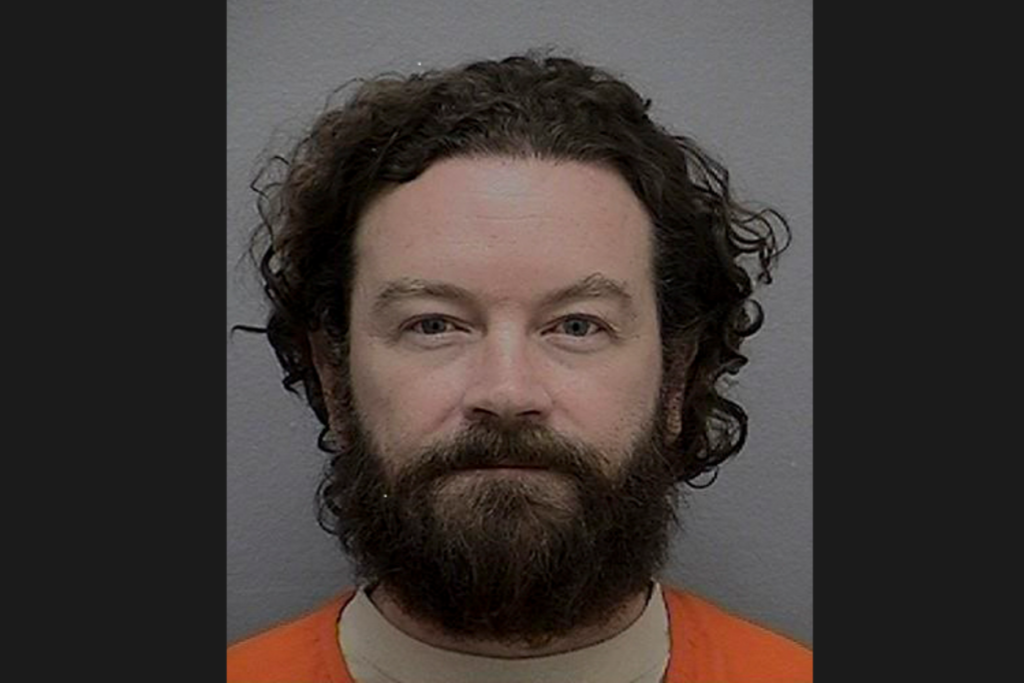
It still feels jarring to remember that Danny Masterson was once best known as Steven Hyde on That ’70s Show. Courtrooms replaced studios in 2023, and after his conviction in Los Angeles, he was sentenced to 30 years to life and transferred into California’s state prison system, eventually housed at California State Prison, Corcoran. During sentencing, Judge Charlaine Olmedo told him directly, “You are not the victim here. Your actions 20 years ago took away someone else’s voice and choice.” Those words marked the final break from his former life in entertainment.
Inside prison, the routine is strict and predictable. Days are structured around head counts, assigned housing, scheduled meals, and regulated movement. There are no premieres, no scripts to memorize, no late-night industry gatherings. Just concrete walls, institutional timing, and rules that apply evenly to everyone. Fame does not shorten the sentence or soften the schedule. The shift from celebrity identity to inmate number is perhaps the most dramatic change of all, and it is one that settles in quietly, day by day.
Relationships Under the Spotlight
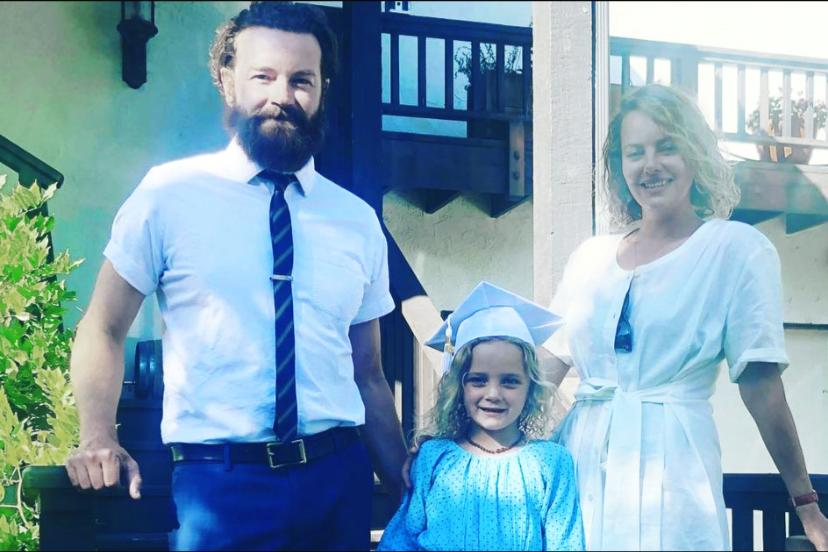
Away from the bright lights of the television studio, Masterson’s personal life was frequently a topic of public interest. After dating several high-profile actresses in the early 2000s, he began a long-term relationship with actress and model Bijou Phillips. The couple married in a private ceremony in Ireland in October 2011 and later welcomed a daughter, Fiona, in 2014. For many years, the pair appeared to be a devoted and stable Hollywood couple, often seen together at charity events and industry parties. Their life seemed grounded in shared professional experiences and a mutual commitment to their family, maintaining a relatively private domestic life compared to their peers.
However, the foundation of their marriage was shattered by the legal accusations and his eventual conviction for two counts of forcible rape. In September 2023, shortly after Masterson was sentenced to 30 years to life in prison, Phillips officially filed for divorce after nearly 12 years of marriage. This decision marked a painful and permanent shift in his personal world, as the legal system effectively dismantled his family unit. Today, his once-vibrant family life has been replaced by the harsh realities of incarceration. Relationships that were once built on shared homes and travel are now limited to strictly monitored phone calls, legal correspondence, and the sterile environment of scheduled prison visitation rooms.
How Former Co-stars Responded
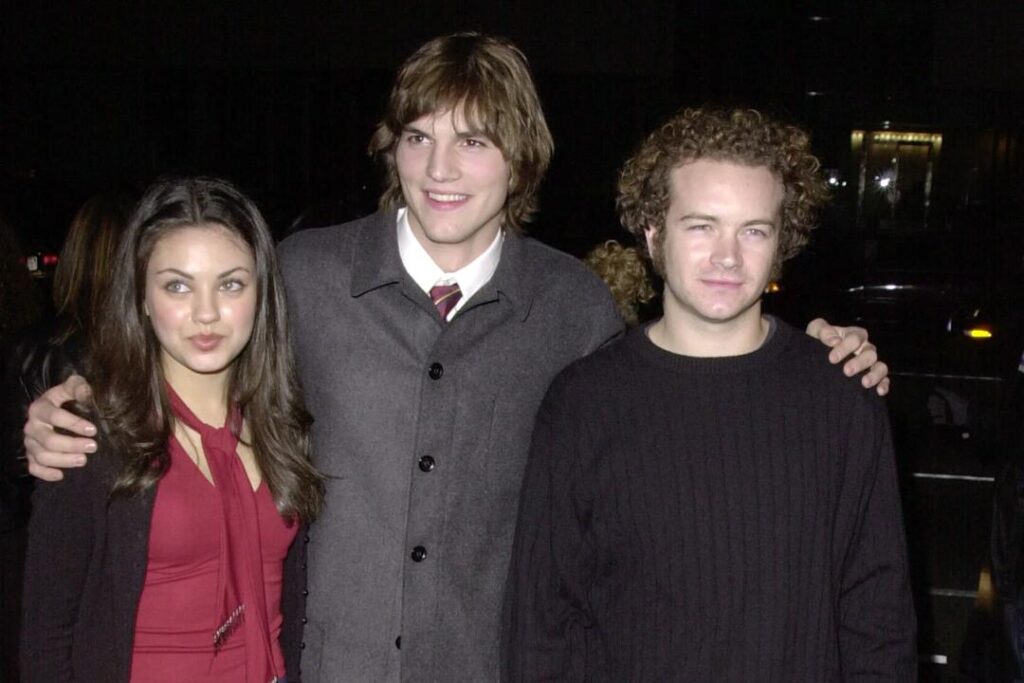
The public narrative surrounding Masterson became even more complex when his former castmates from That ’70s Show became involved in the legal proceedings. Prior to his sentencing in late 2023, it was revealed that long-time friends Ashton Kutcher and Mila Kunis had written letters to the judge. In these documents, they vouched for Masterson’s character, describing him as a positive influence and a person of integrity. When these letters were made public, they triggered a massive wave of backlash across social media. Critics and victim advocates argued that providing such glowing character references risked minimizing the gravity of the crimes and the pain of those who had come forward.
In response to the intense public outcry, Kutcher and Kunis released a video statement to clarify their intentions. They explained that their letters were written at the request of Masterson’s family for the judge’s consideration and were never intended to question the validity of the legal system or the experiences of the victims. This entire episode highlighted the messy intersection of long-standing loyalty, friendship, and the demand for public accountability. It served as a stark reminder of how a single person’s legal downfall can create a ripple effect, damaging the reputations of those around them. The situation demonstrated that in the modern era, personal history cannot easily shield someone from the consequences of their actions.
Learning the Rhythm of Prison Life
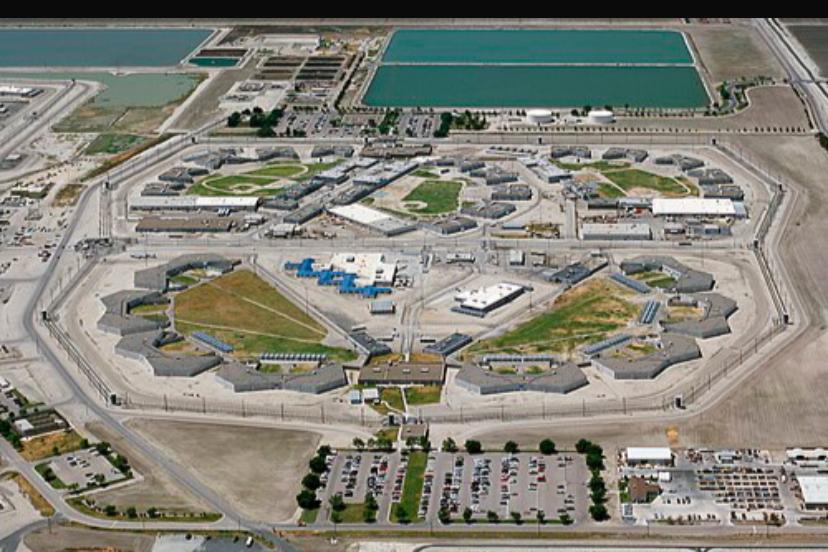
For someone who once worked on television sets, prison life runs on an entirely different kind of script. Reports from outlets like CNN describe California State Prison, Corcoran as a facility that houses inmates serving long sentences, many measured in decades. The environment is controlled and structured. Inmates follow daily schedules that may include work assignments, limited recreation, and tightly monitored communication with the outside world.
Former federal prosecutor Neama Rahmani told media that high profile inmates often face curiosity at first but eventually “blend into the general population.” Over time, routine becomes the anchor. Early mornings, cafeteria meals, restricted phone calls, and regular security checks replace the unpredictability of public life. It is not dramatic in the way films often portray incarceration. It is repetitive, quiet, and heavily regulated. Adjustment, in that sense, is less about spectacle and more about learning how to live within the limits of a system that does not revolve around you.
Family, Distance, and the Long View
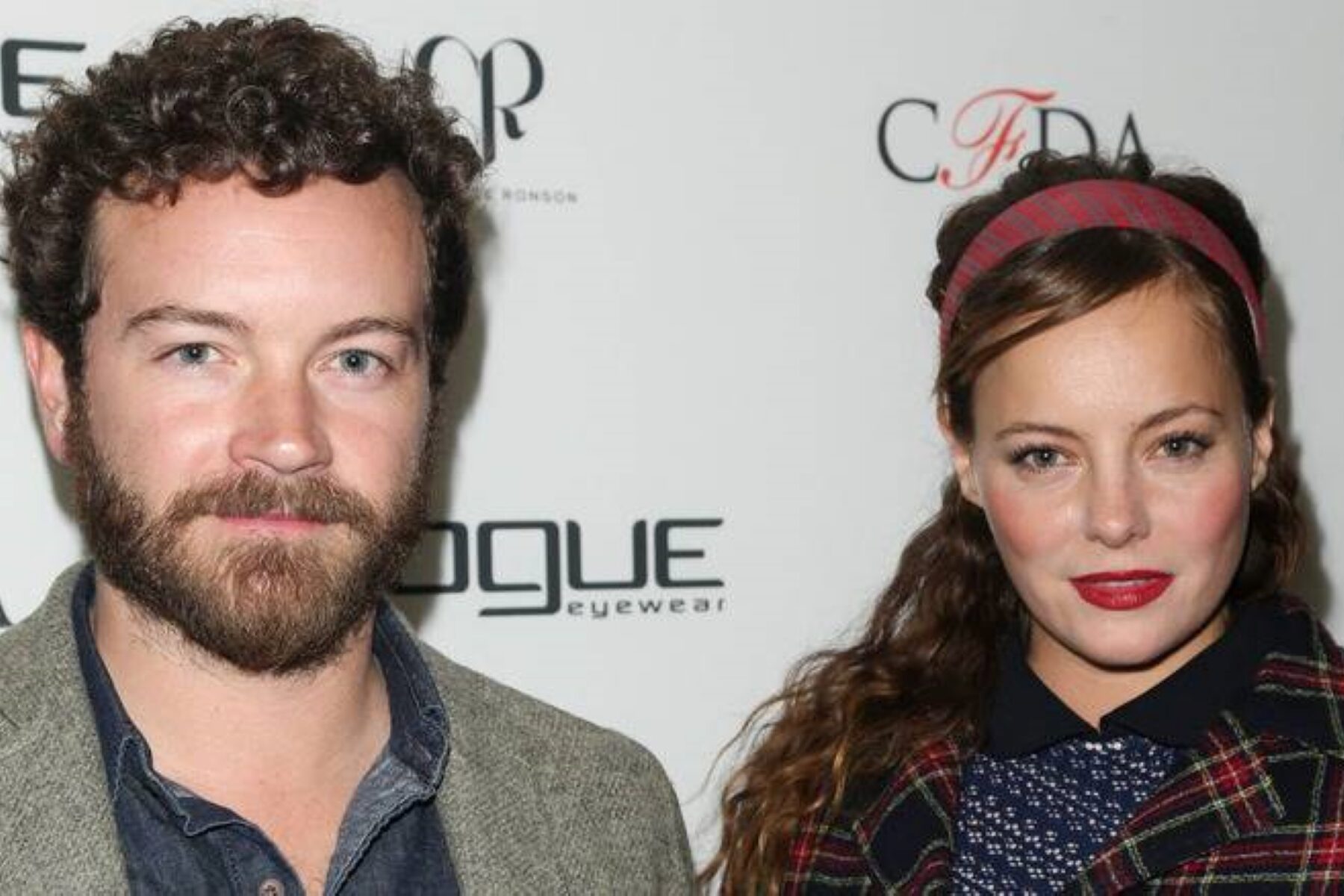
The downfall of Danny Masterson’s public life reached its final personal conclusion when his long-term partner took legal steps to distance herself and their child from his name. Just weeks after he was sentenced to 30 years to life in September 2023, Bijou Phillips filed for divorce, citing irreconcilable differences. While she had initially stood by him during the trial, even writing a letter to the judge praising his role as a father, the reality of his permanent incarceration forced a radical change in her approach. By October 2023, Masterson had agreed to grant Phillips full legal and physical custody of their daughter, Fianna, effectively ending his role as a daily presence in her life.
In a move to further protect their child’s future and reputation, Phillips filed additional court documents on October 24, 2025, to legally change their daughter’s surname. She requested that the 11-year-old’s name be changed from Fianna Francis Masterson to Fianna Francis Phillips, removing the disgraced actor’s name entirely from the child’s legal identity. On the same day, a judge officially restored both Masterson and Phillips to the status of single persons, finalizing their legal separation. This decisive action was viewed by many as a necessary step to give their daughter a fresh start, free from the heavy shadow of her father’s criminal convictions and the intense public scrutiny that followed.
The Slow Process of Appeal
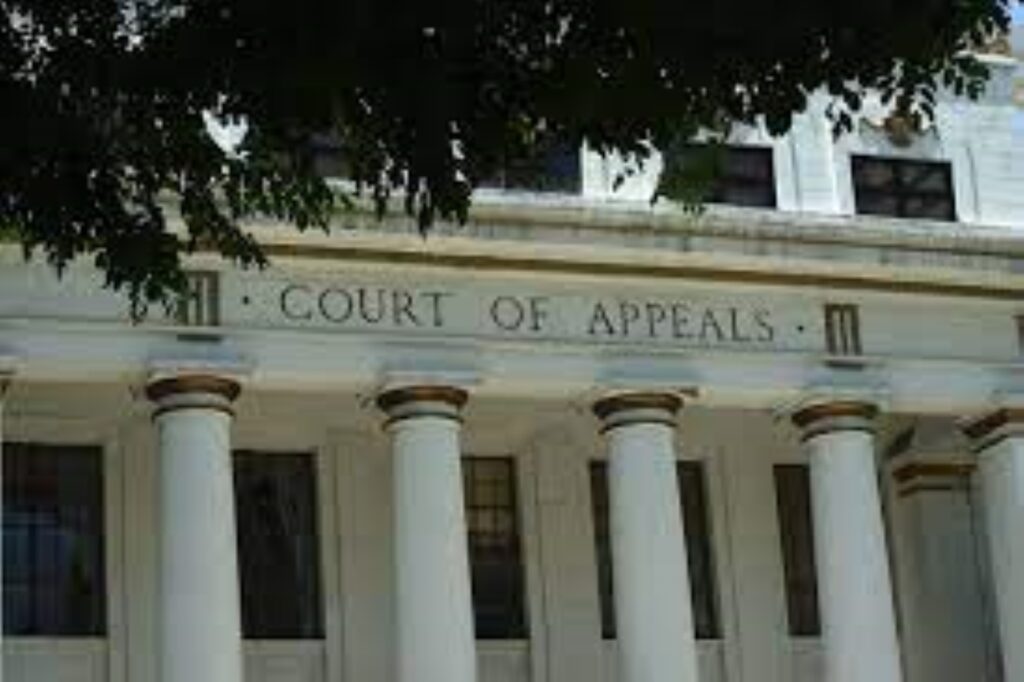
Following his sentencing to 30 years to life, Masterson’s legal defense team immediately began the arduous process of filing appeals. They have argued that various procedural errors and issues with the admission of evidence occurred during the trial, suggesting that his conviction should be reconsidered. In the American legal system, appeals for serious felony cases can take several years to move through the higher courts. During this lengthy period, the inmate remains behind bars while appellate judges review thousands of pages of court transcripts and legal arguments. It is a slow, methodical process that offers no guarantees and requires an immense amount of patience from all parties involved.
For an individual facing a sentence that could potentially span several decades, the appeals process represents a psychological lifeline. Every legal filing provides a small glimmer of hope for a different outcome or a reduced sentence. However, it also serves as a constant reminder of the finality of a criminal conviction once the courtroom doors are locked. While his lawyers continue to challenge the 2023 ruling, the reality of daily life in a maximum-security facility remains unchanged. The transition from a life of total freedom to one of strict institutional control is a permanent weight, highlighting the vast distance between his former life of luxury and his current legal reality.
Reputation and Legacy After Conviction
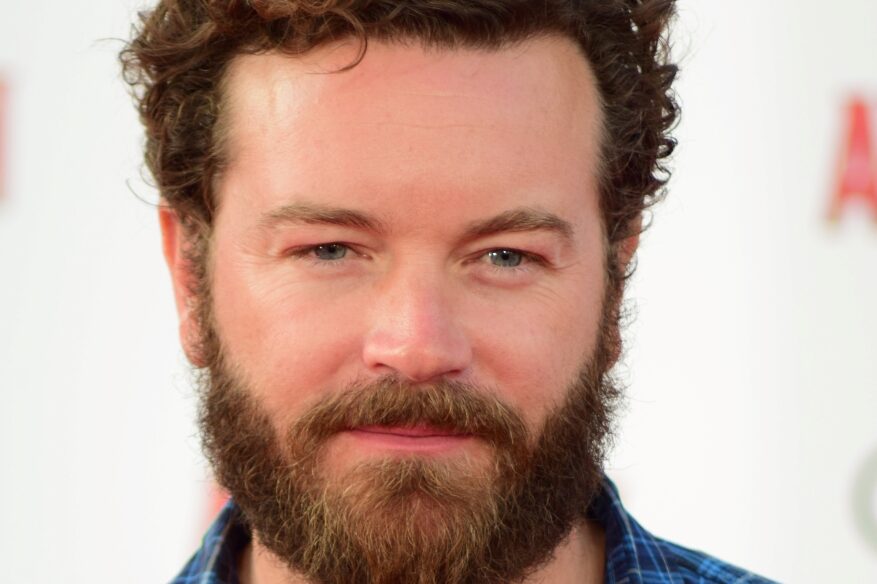
Perhaps the most permanent and devastating consequence of a public fall is the total destruction of one’s professional legacy. For the majority of his adult life, Masterson was known as a talented actor who portrayed a beloved character in one of the most successful sitcoms in television history. However, following his conviction, that identity has been completely overshadowed. Today, his name is no longer synonymous with comedy or entertainment; instead, it is linked to a serious criminal conviction and a life sentence. Streaming platforms have largely distanced themselves from his work, and any talk of future acting projects or industry involvement has vanished entirely from the conversation.
Ultimately, a life after such a public downfall is not just defined by the physical walls of a prison cell. It is defined by the way history and the general public choose to remember a person. Careers in the entertainment industry can be built over decades of hard work, yet they can collapse in a matter of months when serious allegations are proven in court. What remains after the headlines stop being front-page news is the sobering reality of accountability and the passage of time. As the years go by, the public memory of his television success continues to fade, replaced by a legacy defined by legal consequences and the enduring impact of his actions on others.


