
MC Hammer — Too Big, Too Fast
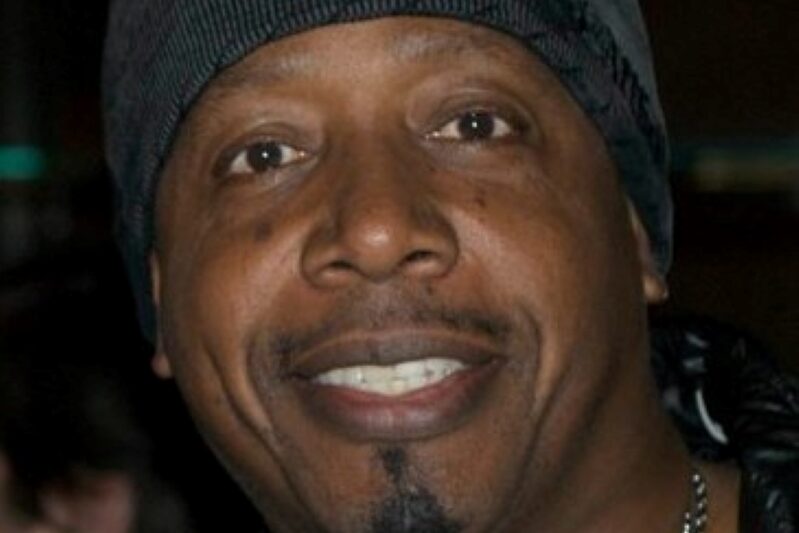
MC Hammer was everywhere in the early 1990s. With “U Can’t Touch This” topping charts and tours selling out arenas, he reportedly earned tens of millions at his peak. Success came quickly, and he spent just as boldly. Hammer bought a massive estate in California, employed a large entourage, and lived generously, sometimes beyond what steady income could support. When album sales slowed, the expenses didn’t. By the mid-1990s, he filed for bankruptcy, a headline that surprised fans who had seen him at the very top.
What makes his story human is what followed. Hammer didn’t disappear. He spoke openly about financial mistakes, rebuilt his life, and pivoted into tech investments and ministry work. In interviews, he has reflected candidly on learning that income and wealth are not the same thing. His journey reads less like a fall from grace and more like a crash course in financial literacy under bright lights. If there’s a takeaway here, it’s simple: sudden success needs steady stewardship. If stories like this interest you, share your thoughts below and tell us which comeback surprised you more.
Toni Braxton — A Voice, A Fortune, A Reset

Toni Braxton rose to fame in the 1990s with a voice that felt both powerful and fragile. Hits like “Un-Break My Heart” made her a global star, and awards followed. On the outside, it looked like a perfect ascent. But behind the scenes, complicated record contracts and high spending created financial strain. She filed for bankruptcy more than once, explaining publicly that medical bills and contractual obligations played a major role.
Rather than retreating, Braxton kept working. She toured, released new music, and expanded into television and Broadway. Over time, she regained financial footing and reshaped her career on her own terms. In interviews, she has spoken honestly about how fame does not automatically translate into financial control. Her openness made her relatable to fans who had only seen the glamour. What stands out is not the bankruptcy headline, but the resilience that followed. She adjusted, realigned, and moved forward without bitterness. It’s a reminder that talent can open doors, but knowledge keeps them open. If you appreciate stories of quiet perseverance, keep reading and share this with someone who loves music history.
Mike Tyson — Fortune, Fallout, and Focus
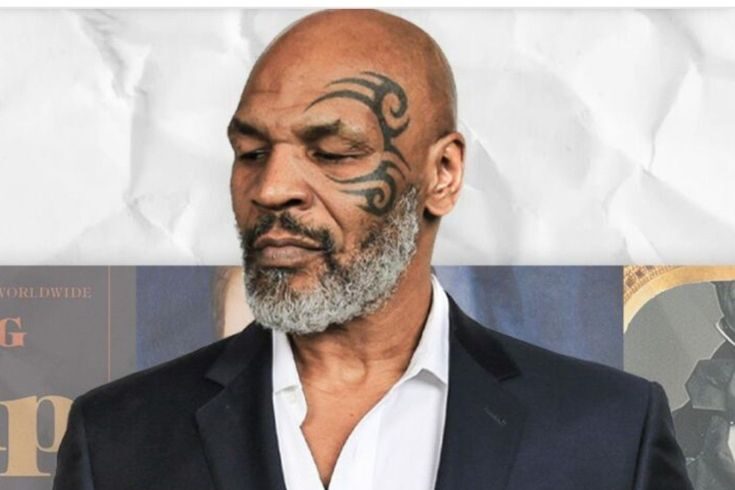
Mike Tyson became one of the highest-paid athletes of his era, earning hundreds of millions during the peak of his boxing career. Though not a rock musician, he moved in similar celebrity circles where fame, money, and excess often blurred together. At a young age, Tyson went from Brooklyn streets to global superstardom. Championship belts, pay-per-view megafights, luxury cars, sprawling mansions, even pet tigers his lifestyle reflected the kind of sudden wealth that few people are prepared to manage. But massive earnings came with massive spending, legal troubles, and advisers who didn’t always protect his interests. By 2003, despite having earned extraordinary sums, Tyson filed for bankruptcy. The headlines were sharp, but the story behind them was more complicated than numbers on paper.
What followed has been quieter, and in many ways, more revealing. Tyson has spoken openly about immaturity, misplaced trust, and living without financial discipline. Over time, he rebuilt through exhibition fights, media appearances, podcasting, and business ventures. He didn’t return to his original peak, but he found stability and perspective. Today, he often reflects on his past with surprising candor, acknowledging both the mistakes and the lessons. His journey isn’t just about losing money. It’s about growing up in public, stumbling hard, and learning how to stand again.
David Crosby — Talent, Trouble, and a Second Wind
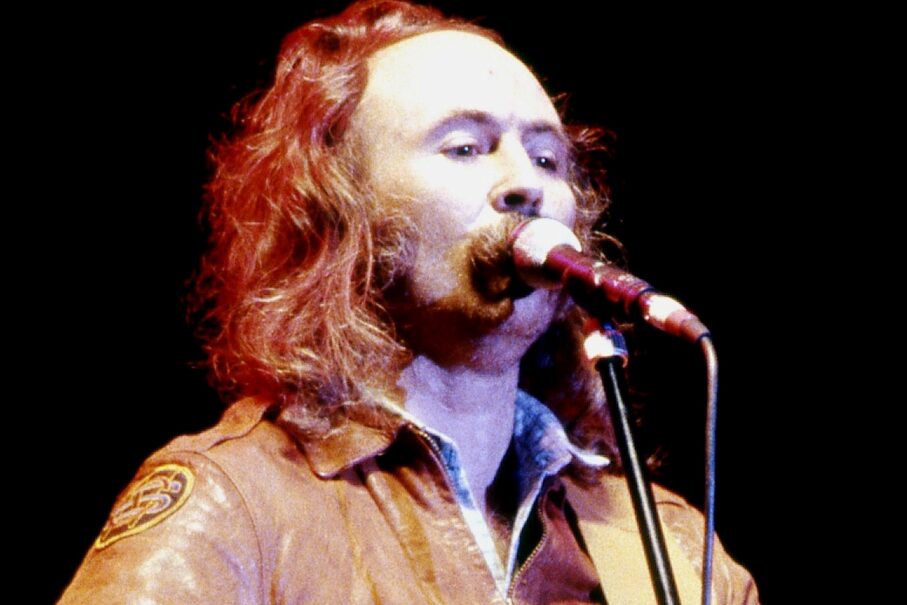
David Crosby became a defining voice of classic rock as a founding member of Crosby, Stills & Nash. In the 1960s and 70s, he enjoyed fame, critical acclaim, and financial success, living a lifestyle that reflected both the highs and the pressures of the rock-and-roll era. Touring constantly, creating influential albums, and collaborating with some of the greatest musicians of the time brought wealth and attention. Yet, like many artists of his generation, personal struggles with substance abuse and mismanagement of money eventually took a toll. At various points, Crosby admitted to selling valuable song catalogs and assets just to stay afloat, showing how even immense talent and earnings can be complicated by human challenges.
Later in life, Crosby experienced something of a renaissance. He returned to solo work, releasing albums that were both critically praised and financially stabilizing, and continued touring well into his seventies. His reflections on that journey are candid: mistakes, missteps, and setbacks were part of the learning curve. What stands out is not a perfect recovery, but resilience continuing to create, perform, and engage with fans despite past losses. Crosby’s story reminds us that financial troubles can touch anyone, but dedication to craft and the willingness to start again can redefine success, even decades later.
Billy Joel — Lessons from the Piano Man
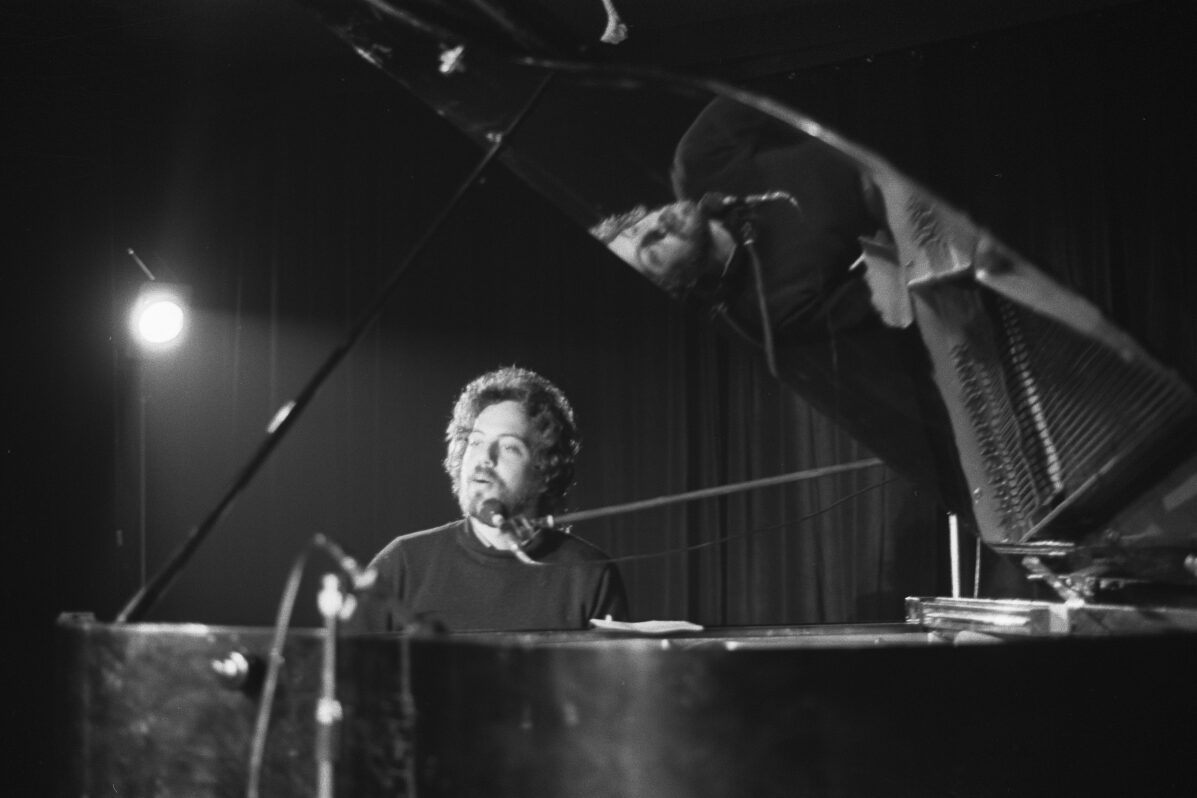
Billy Joel built a fortune that many only dream of. With hits like “Piano Man,” “Uptown Girl,” and “We Didn’t Start the Fire,” he became a household name, selling out arenas and earning millions from album sales and tours. But even a legend isn’t immune to financial missteps. In the late 1980s, Joel discovered that a trusted manager who was also a family member had mismanaged millions of dollars. The revelation was painful, not just financially but personally. It forced him to confront the reality that fame and money don’t automatically guarantee security. Like many artists, he had to navigate the tricky combination of trust, contracts, and the relentless pace of the music industry.
Instead of letting it derail him, Joel turned the setback into a long-term strategy. He continued to tour relentlessly, performing hundreds of shows that not only reignited his connection with fans but also helped restore his financial standing. He also became more hands-on with his business affairs, learning from past mistakes. Billy Joel’s story is a reminder that wealth can be fragile, even for a superstar, but perseverance, craft, and diligence can rebuild what was lost. It’s less about the dollars and more about sustaining a life and career you value, one performance at a time.
Bret Michaels — Learning and Earning Again

As the frontman of Poison, Bret Michaels rode the glam metal wave of the late 1980s when money flowed freely and the lifestyle matched the music. Big tours, flashy visuals, and industry shifts defined the era. While Michaels did not face the kind of public bankruptcy some peers experienced, he has spoken openly about the financial recalibrations required when music sales changed and the industry evolved. The height of one decade does not always guarantee security in the next, and adaptation became necessary.
Instead of fading quietly, Michaels leaned into reinvention. Reality television introduced him to a new generation, and business ventures expanded his income beyond music alone. He toured consistently, kept writing, and diversified his brand. Over time, that steady approach rebuilt and strengthened his financial footing. His path reflects a quieter lesson: sometimes it is not about losing everything, but about adjusting before you do. In an industry that moves fast, flexibility can be as valuable as fame.
Elton John — From Overspending to Financial Clarity

It’s hard to imagine someone as iconic as Elton John ever worrying about money, but even legends can misstep. At the height of his fame in the 1970s and 80s, Elton earned staggering sums yet spent lavishly on properties, art, flowers, and an extravagant lifestyle that matched his stage persona. Court documents later revealed he was spending far more than he realized. In interviews, he admitted, “I was a spendthrift,” acknowledging that financial discipline was not his strength during those years.
Eventually, reality caught up. Lawsuits, audits, and a clearer look at his finances forced change. Elton became more structured, leaned into touring again, and rebuilt his wealth with focus and strategy. His Farewell Yellow Brick Road tour became one of the highest-grossing tours ever. What stands out isn’t just the comeback, but the honesty. He spoke openly about mistakes and growth. That transparency made his recovery feel human, not heroic, just real.
Meat Loaf — A Second Wind After the Fall
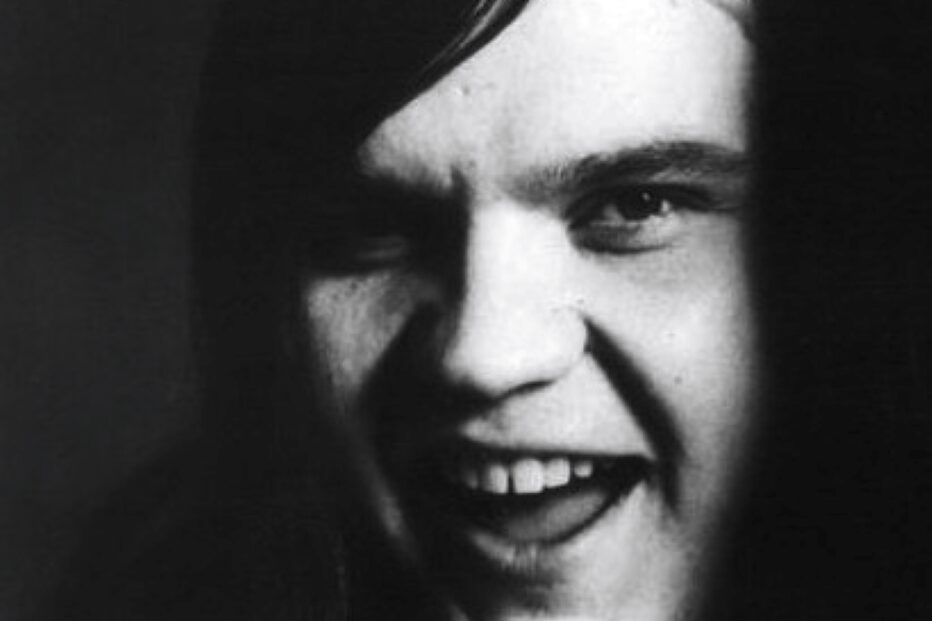
For someone whose voice filled arenas and whose album Bat Out of Hell became one of the best-selling records of all time, Meat Loaf seemed untouchable. But early success did not guarantee lifelong security. Legal disputes over royalties, management complications, and health setbacks chipped away at his finances. At one point in the 1980s, he filed for bankruptcy, a move that surprised fans who only saw the platinum plaques and theatrical performances. He later admitted that trust and business decisions played a role in the downturn, a reminder that talent and financial stability do not always move in step.
Still, the story did not end there. In the 1990s, Bat Out of Hell II: Back into Hell reignited his career and restored both commercial success and confidence. Touring became steady again, and audiences proved their loyalty. Meat Loaf’s comeback was not loud or boastful. It was earned, built on persistence and a willingness to step back into the spotlight even after setbacks. His journey shows that sometimes the encore matters just as much as the opening act.
Michael Jackson — The Price of the Kingdom
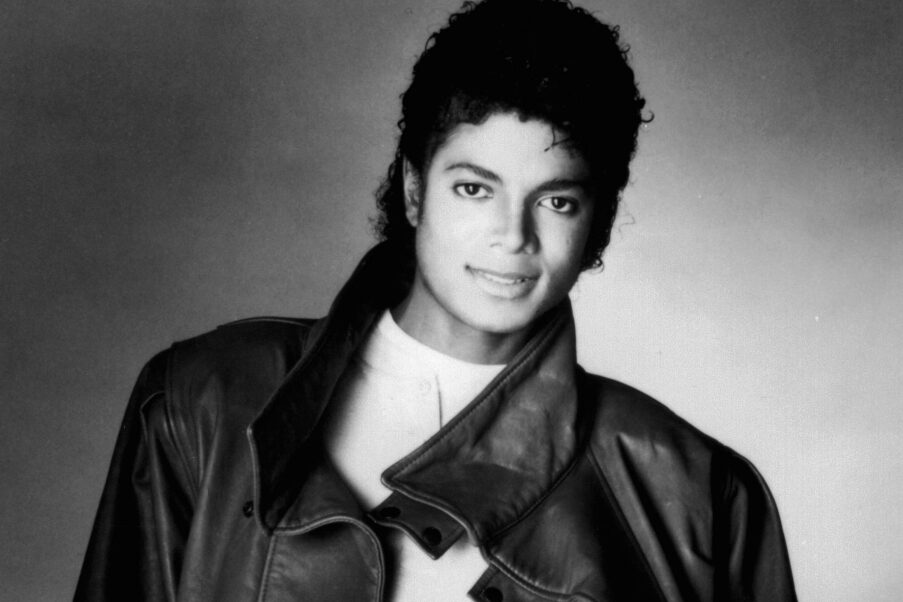
At the height of his fame, Michael Jackson was not just a pop star, he was a global institution. Thriller became the best-selling album of all time, tours shattered records, and endorsements brought in extraordinary wealth. Yet behind the spectacle of Neverland Ranch, elaborate stage productions, and a lifestyle that matched his larger-than-life image, financial strain quietly grew. Reports later revealed mounting debt tied to loans, legal battles, and the immense cost of maintaining his estate. Despite owning valuable assets, including a significant stake in the Sony/ATV music catalog, cash flow challenges followed him in his later years.
Still, even amid financial turbulence, Jackson’s earning power never truly disappeared. His music catalog remained enormously valuable, and after his passing in 2009, his estate generated billions through strategic management, licensing, and projects that honored his legacy. In life, he faced pressure that contrasted sharply with the glittering image fans saw. In death, careful stewardship restored and expanded his financial empire. His story is complex, layered with brilliance and burden, showing that even a king can wrestle with the cost of the crown, yet leave behind a legacy that continues to grow long after the final curtain call.
Mick Fleetwood — Rhythm, Ruin, and Rebuilding
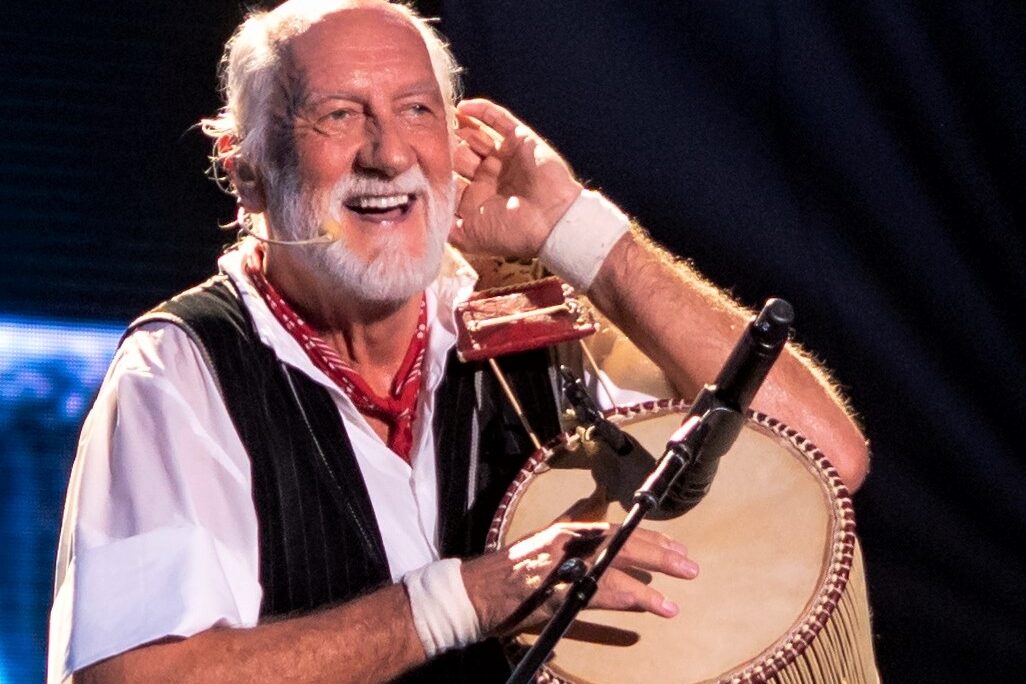
As the steady heartbeat behind Fleetwood Mac, Mick Fleetwood helped shape one of the most successful bands in rock history. Rumours alone sold over 40 million copies, and for a time, it seemed the money would never stop flowing. But the 1970s and 80s were also marked by excess, personal turmoil, and business decisions that did not always protect the future. Fleetwood later admitted that lavish spending, real estate ventures, and financial mismanagement took a toll. By the 1980s, despite global fame, he filed for bankruptcy, a humbling chapter for someone whose band defined an era.
What followed was not dramatic, just determined. Fleetwood kept touring, kept recording, and leaned back into the music that built his name. Reunions and anniversary tours brought renewed commercial success, introducing Fleetwood Mac to younger audiences while longtime fans returned in droves. Over time, stability returned. Fleetwood has spoken candidly about lessons learned, emphasizing resilience over regret. His story feels less like a crash and more like a rhythm reset, proof that even when the beat falters, it can find its tempo again. In rock and in life, sometimes the comeback is quieter, steadier, and stronger than the first rise.
Tom Petty — Holding On Through the Highs and Lows
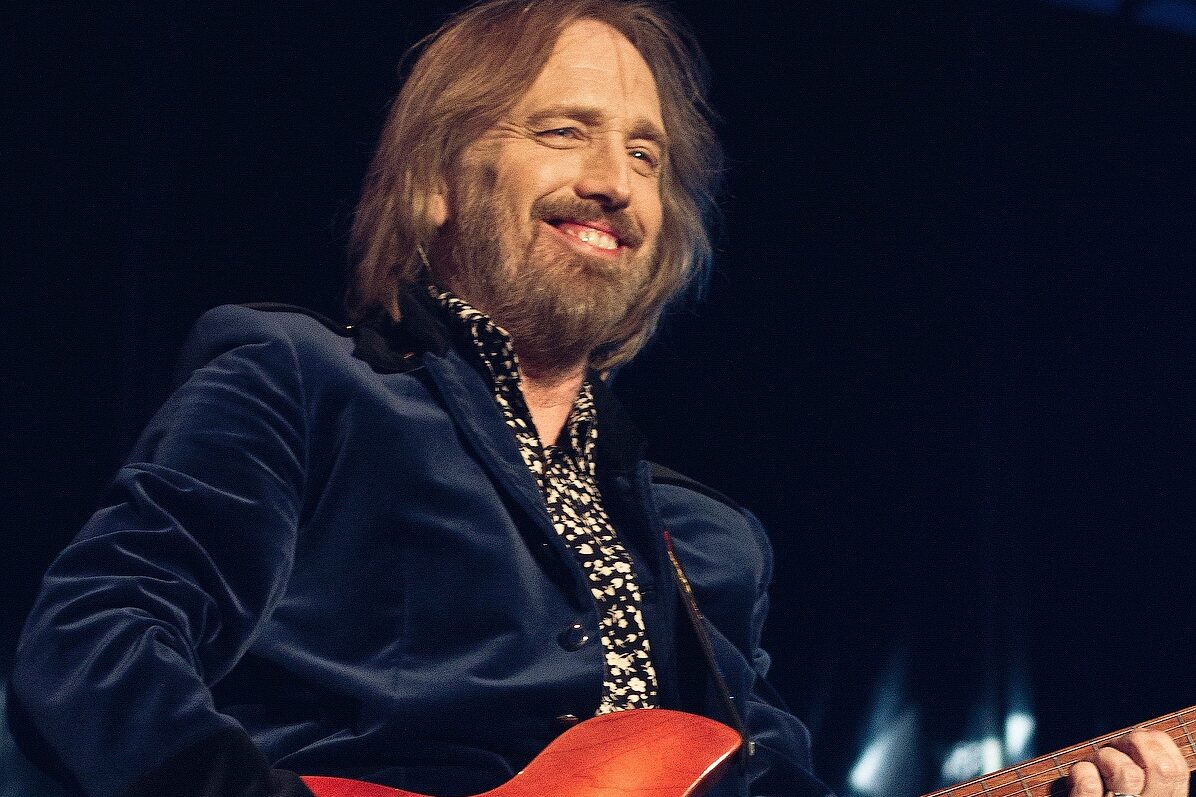
For someone who wrote songs about resilience and running down a dream, Tom Petty knew firsthand that success does not always come smoothly. In the late 1970s, just as his career with Tom Petty and the Heartbreakers was gaining momentum, his record label filed for bankruptcy. Petty found himself caught in a legal battle over contract ownership, refusing to be transferred without consent. It was a bold move at a risky time. Later in his career, a devastating house fire and costly legal disputes added further financial strain. Though he earned millions from touring and record sales, there were seasons when stability felt uncertain behind the scenes.
Still, Petty did what he always did best. He wrote, recorded, and toured relentlessly. Albums continued to sell, and his steady presence on the road kept revenue flowing. Over time, careful management and enduring popularity restored financial strength. Petty never framed his journey as dramatic collapse and comeback. Instead, it felt like perseverance in motion. He once said, “You belong somewhere you feel free,” and in many ways, music was that freedom. His story reminds us that wealth may rise and dip, but consistency and conviction can quietly carry you back to solid ground.
Willie Nelson — Paying the Debt and Playing On

When people think of Willie Nelson, they think of braids, a weathered guitar, and songs that feel like open highways at sunset. What many forget is that in 1990, the IRS handed him a tax bill reportedly totaling more than 16 million dollars. It was one of the largest individual tax cases at the time. Nelson later explained that poor investments and trusting the wrong financial advisers played a role. Suddenly, a man who had written classics like “On the Road Again” was facing the possibility of losing nearly everything. Homes, studios, and property were seized. It was a sobering chapter for someone whose music often sounded so free.
But Willie did what Willie has always done. He went back on the road. He released The IRS Tapes: Who’ll Buy My Memories?, an album whose proceeds helped chip away at the debt. He toured relentlessly, sometimes performing hundreds of shows a year, steadily paying off what he owed. Over time, the burden lifted. Today, he stands not just as a country legend but as proof that humility and hard work can rewrite a hard chapter. His story is not flashy, just steady. Sometimes the comeback is simply showing up, guitar in hand, night after night.


