
1. Crystal Champagne Flutes
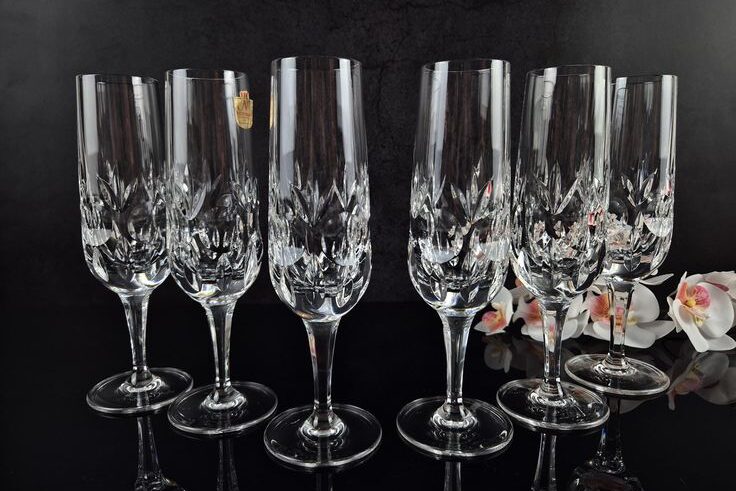
There was a time when owning a full set of crystal champagne flutes meant you had officially stepped into adulthood. They often sat in a glass cabinet at your parents’ house, untouched for months, only brought out for engagements, anniversaries, or visitors important enough to justify the risk. They were never just glasses. They were proof that you had taste, stability, and something worth protecting. Back then, paying a premium for crystal felt wise and responsible because everyone believed they would last forever and quietly increase in value as the years passed.
Today, thrift stores quietly overflow with delicate stemware that looks nearly untouched. Younger homeowners lean toward sturdy, dishwasher safe glasses that survive everyday life without ceremony or stress. Crystal still catches the light in a lovely way, but demand has softened in a way few predicted. Resale listings often sit for weeks with little interest, even at low prices. What once felt like grown up elegance and smart planning now feels more like something we inherited emotionally rather than financially, admired for memory but rarely for money.
2. Mink Fur Coats
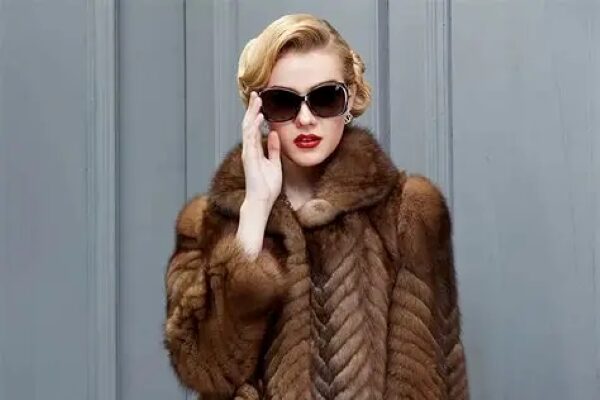
There was a period when slipping into a mink fur coat meant you had truly made it. Old photographs of celebrities stepping out of cars wrapped in fur made the garment feel untouchable and aspirational. These coats were not impulse buys. They cost serious money and were often presented as investment pieces that would appreciate over time. Owners stored them carefully in climate controlled closets, believing they would remain timeless symbols of glamour and success for generations. Wearing one to a special event was not just about warmth, it was about presence and the quiet announcement that you had arrived somewhere important.
Over the years, cultural values shifted in a way few predicted. Conversations around animal welfare grew stronger and fashion houses began stepping away from real fur entirely. Demand for mink coats dropped sharply, and resale markets followed. Many luxury consignment stores now decline to carry them at all. Owners who once viewed their coats as prized assets often struggle to find buyers willing to pay even a fraction of the original price. What once felt like a guaranteed heirloom now hangs quietly in closets, heavy with history but light on market value.
3. Beanie Baby Collections
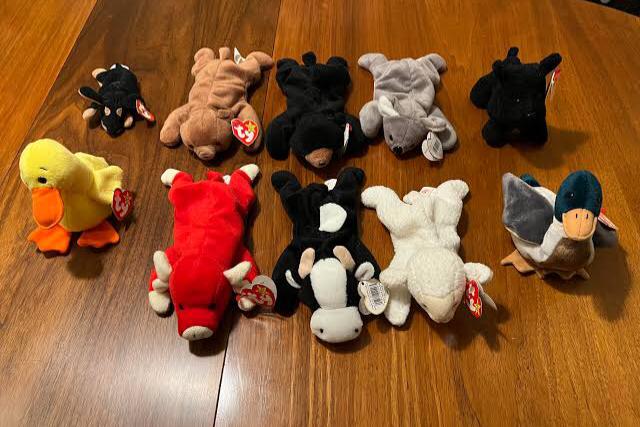
In the late nineteen nineties, Beanie Babies were treated less like toys and more like tiny treasure chests. People stored them in protective boxes with tags carefully shielded, convinced they were building serious financial security. News stories fueled the excitement, highlighting rare editions that supposedly sold for astonishing amounts. It felt safe, almost practical, to believe these plush animals would someday fund college tuition or comfortable retirements. The emotional attachment mixed easily with the promise of profit, and collectors eagerly hunted for limited releases as if they were striking gold.
Then the excitement cooled and reality settled in. Production numbers were higher than most collectors realized, and true scarcity was rare. As demand slowed, prices fell dramatically across resale platforms and collector markets. Today, most Beanie Babies sell for only a few dollars, often bundled together just to move them. They still carry nostalgia and childhood memories, but the financial promise that once surrounded them has largely disappeared. What remains is a soft reminder of how quickly hype can inflate value and how quietly it can deflate just as fast.
4. High End Home Theater Systems
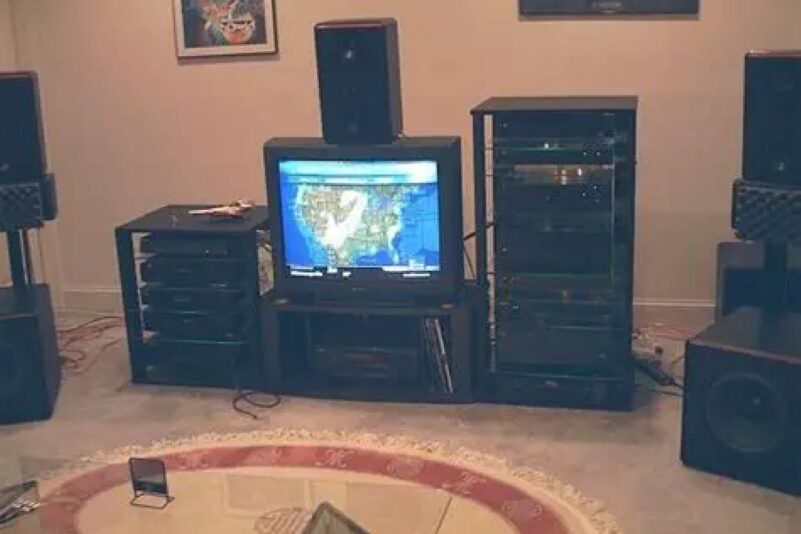
There was a stretch of time when installing a full surround sound system felt like transforming your living room into a private cinema. Large speakers filled every corner, wires were carefully tucked along walls, and subwoofers shook the entire house during action scenes. These systems were expensive and complicated, which made them feel even more impressive. Owning one suggested you valued premium entertainment and had invested in something that would stay relevant for years. Friends gathered for movie nights, admiring the setup as much as the film itself.
Technology, however, rarely pauses out of sentiment. Slim soundbars and compact streaming devices now offer powerful audio without the clutter or complexity. Modern systems are easier to install and far less intrusive in everyday spaces. Older home theater setups are heavy, difficult to move, and sometimes incompatible with new formats. Resale demand has declined significantly, and many units are offered for free just to clear space. What once felt like the pinnacle of home luxury now feels oversized in both form and expectation.
5. Formal China Sets

For many couples, registering for a formal china set once felt like a rite of passage. Delicate patterns trimmed in gold or silver symbolized tradition, celebration, and the promise of hosting elegant dinners in the future. Guests purchased full place settings believing they were contributing to something lasting and meaningful. The dishes were rarely used casually. They were saved for holidays and milestone gatherings, carefully washed by hand and wrapped with care. Owning fine china suggested readiness for adulthood and the confidence to entertain with grace.
Modern lifestyles have shifted toward practicality and simplicity. Many households host fewer formal dinners, and everyday convenience often outweighs delicate beauty. Dishwashers and busy schedules are not friendly to fragile plates that require special handling. As resale markets fill with barely used china sets, prices have dropped considerably. Even respected brands struggle to command their original value. What once felt essential to building a home now often sits boxed in storage, admired more for memory than for function.
6. Designer Logo Handbags From Specific Trend Years
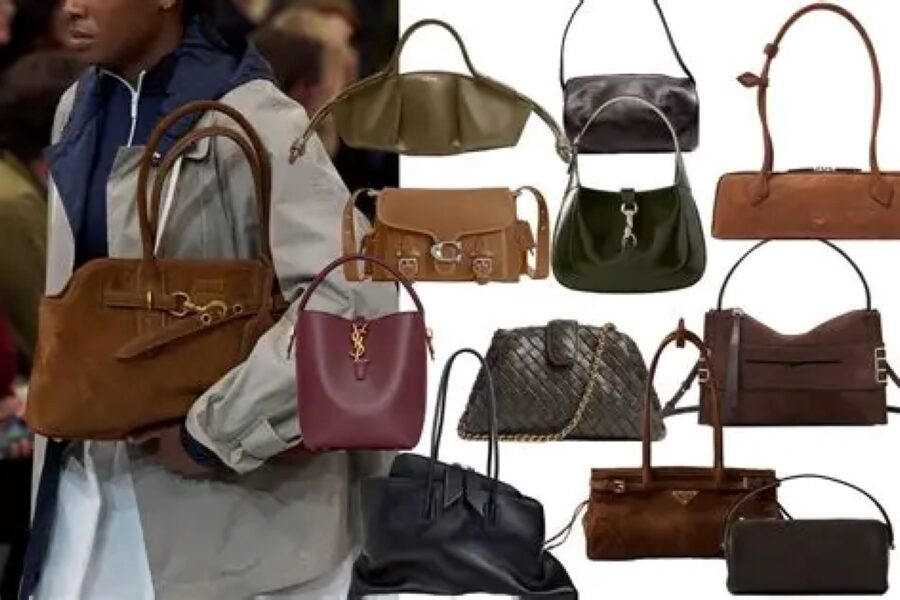
There are certain designer handbags that defined entire seasons. Large logos, bold prints, and instantly recognizable shapes made them impossible to ignore. Waiting lists formed and resale prices sometimes exceeded retail during peak popularity. Carrying one felt like holding a ticket into a very specific cultural moment. The excitement around these bags made them feel less like accessories and more like proof you were current and connected. People saved for them, lined up for them, and treated them as status symbols worth every dollar spent.
Fashion moves quickly and rarely stays sentimental. Once the trend cycle passes, heavily branded designs can feel tied to a particular era rather than timeless style. Unless a bag becomes a lasting classic, resale values often drop sharply after the hype fades. Buyers today tend to favor understated pieces with long term appeal instead of loud seasonal statements. That once coveted handbag can now linger on resale sites without serious offers, reminding us how tightly luxury can be tied to timing.
7. Satellite Phones For Personal Use

In the nineteen nineties, owning a satellite phone suggested global reach and serious importance. The devices were bulky and expensive, often associated with executives, journalists, or adventurers traveling beyond traditional coverage zones. Monthly service plans added to the exclusivity, making them feel like tools reserved for a select few. Carrying one hinted at a lifestyle filled with international deals or remote expeditions. At the time, it seemed logical that such advanced communication technology would retain value for years to come.
As cellular networks expanded and smartphones evolved, the everyday need for personal satellite phones declined dramatically. Modern devices provide global connectivity in compact forms that fit comfortably in a pocket. Older satellite units can be difficult to update and maintain, and fewer buyers seek them out for personal use. Resale values have dropped significantly as demand narrowed. What once symbolized cutting edge communication now feels like a heavy reminder of how quickly convenience and innovation can redefine what luxury looks like.
8. Gold Plated Bathroom Fixtures
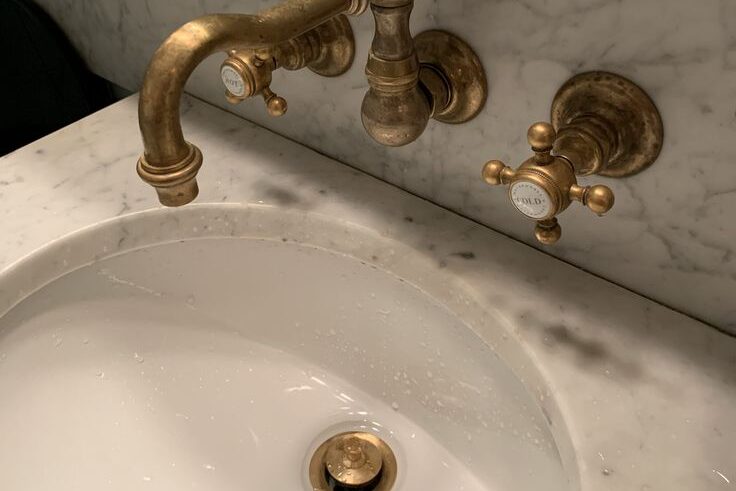
During certain decades, especially in the late nineteen eighties and early nineteen nineties, gold plated faucets and shower handles were considered the height of bathroom luxury. Homeowners invested heavily in these shimmering finishes, believing they elevated everyday routines into something elegant and refined. The warm metallic glow reflected light beautifully and suggested a level of sophistication inspired by upscale hotels. Renovations often centered around these fixtures, with matching towel bars and hardware completing the look.
Over time, design preferences shifted toward subtler finishes like brushed nickel and matte black. Gold plating can wear down or tarnish, requiring maintenance that many homeowners would rather avoid. When properties are listed for sale today, such fixtures are often replaced to modernize the space. They rarely increase resale value the way owners once expected. What once felt like a bold and luxurious design choice can now signal that a bathroom is due for an update rather than admiration.
9. Large Projection Screen Tvs
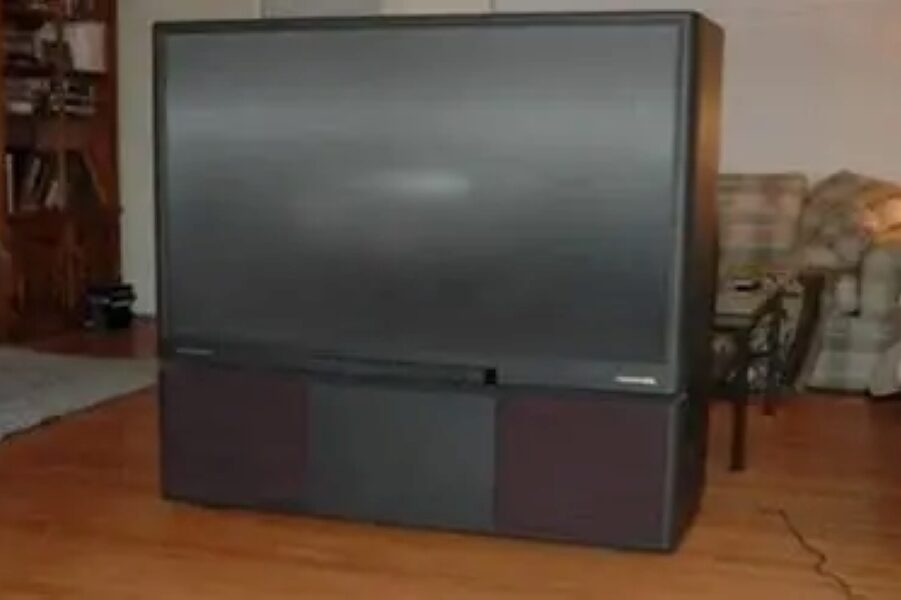
Before flat screens became common, projection screen televisions dominated living rooms as symbols of premium entertainment. They were wide, heavy, and impressively expensive, often requiring special cabinets or dedicated space. Owning one meant movie nights felt immersive and cinematic in a way standard televisions could not match. Families gathered around them proudly, aware that the purchase represented a significant financial commitment. At the time, they seemed like the future of home viewing.
Then flat panel televisions arrived with sharper images and slimmer profiles. They mounted easily on walls and consumed less space, making projection sets feel bulky almost overnight. Repairing older models can cost more than replacing them, and transporting them is inconvenient. Today, resale interest is minimal, and many are offered for free simply to avoid disposal fees. What once stood as the centerpiece of family entertainment now struggles to find a place in modern homes.
10. Laserdisc Collections
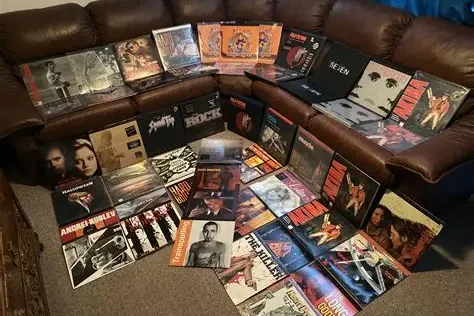
There was a season when owning a Laserdisc player felt like stepping into the future of home entertainment. The discs were large and impressive, almost theatrical in size, and collectors proudly displayed them on shelves as if they were rare art pieces. Picture quality was praised, special features felt exclusive, and movie lovers invested heavily in building curated libraries. Buying into the format was not cheap, which made it feel premium and forward thinking. At the time, it seemed reasonable to believe this was the pinnacle of at home viewing technology.
Then DVDs arrived, smaller and more convenient, followed by Blu ray and eventually streaming services that required no physical storage at all. Laserdisc players became harder to repair, and fewer households kept the equipment needed to play them. While a small niche of collectors remains, most discs now sell for very little compared to their original cost. What once felt cutting edge now feels oversized and outdated, a reminder of how quickly formats can rise and quietly disappear.
11. Limited Edition Franklin Mint Collectibles
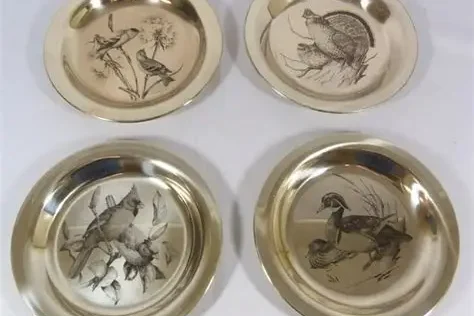
For years, Franklin Mint collectibles were marketed with confidence and polish. Limited edition plates, figurines, and commemorative coins came with certificates of authenticity and promises of long term value. Buyers were often assured they were purchasing items that would appreciate steadily over time. Many stored them carefully in original packaging, believing they were building something meaningful and financially wise. The craftsmanship looked refined, and the exclusivity messaging made the purchases feel smart and secure.
Over time, resale markets told a different story. Supply turned out to be far greater than demand, and secondary market prices fell well below original purchase amounts. Appraisals frequently surprised owners who expected steady growth. While the pieces may still hold sentimental or decorative appeal, their financial value rarely matches the early promises. What once felt like a thoughtful investment strategy often sits in display cabinets or storage boxes, appreciated for memory rather than for meaningful return.
12. Ivory Piano Keys
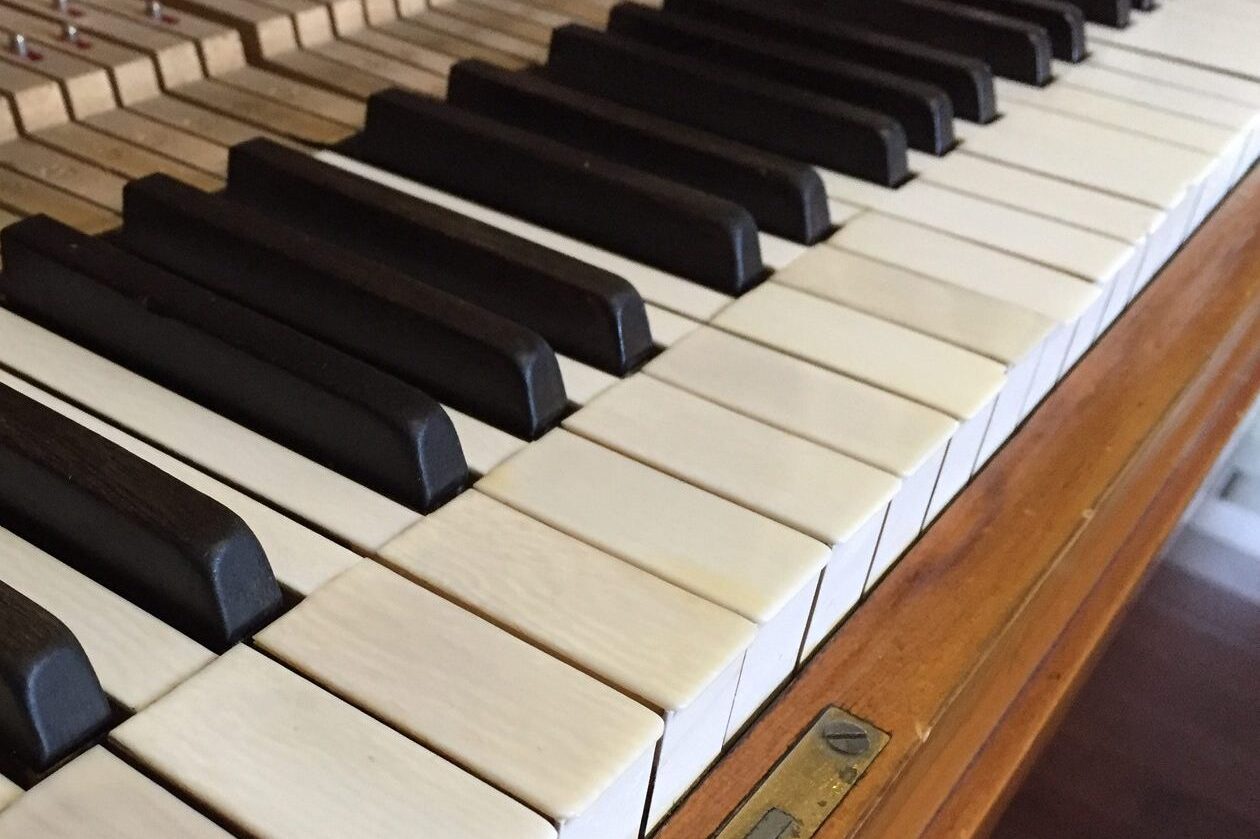
There was a time when ivory piano keys were considered a mark of superior craftsmanship. Musicians appreciated their texture and responsiveness, and owning an instrument with real ivory signaled tradition and quality. Buyers often believed such details would enhance both performance and long term value. The association between ivory and excellence was strong, and it felt natural to assume those instruments would remain highly desirable for decades.
As awareness around wildlife conservation increased and international restrictions tightened, perceptions shifted dramatically. Synthetic materials now offer similar feel and durability without ethical complications. Instruments with ivory keys can face regulatory hurdles when sold or transported, making transactions more complicated. In some cases, the presence of ivory does not increase value and may even limit buyer interest. What once symbolized refinement in music craftsmanship now carries legal and ethical considerations that reduce its appeal in modern markets.
13. Heavy Oak Entertainment Centers
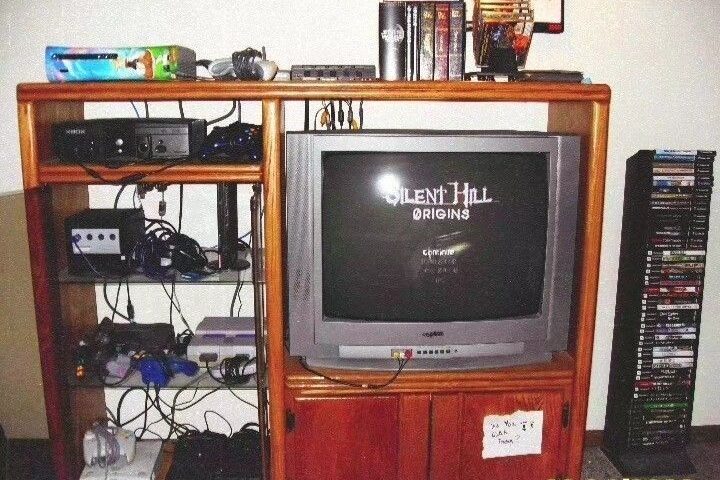
In the nineteen nineties, heavy oak entertainment centers were centerpieces of family living rooms. Solid wood construction and intricate detailing gave them a sense of permanence and importance. They framed bulky televisions, housed stereo systems, and displayed family photos and decorative pieces. Purchasing one often meant making a serious financial commitment, with the expectation that it would last for decades and perhaps even be passed down.
As television designs became slimmer and wall mounted screens grew popular, these large units began to feel impractical. Modern homes favor lighter, more flexible furniture arrangements that can adapt easily to changing technology. Moving a heavy oak unit is costly and physically demanding, and resale demand has dropped sharply. Many are listed online for little or no cost simply to clear space. What once anchored family gatherings now often feels oversized in both scale and expectation.
14. Answering Machines
Before voicemail became automatic on mobile phones, personalized answering machines were thoughtful household upgrades. Some models featured digital displays, message counters, and customizable greetings that families recorded together. Having one felt organized and modern, especially when landlines were the primary form of communication. They sat proudly on hallway tables or kitchen counters, quietly capturing missed calls and important updates.
As smartphones absorbed the function seamlessly, standalone answering machines lost their purpose almost overnight. Built in voicemail systems eliminated the need for separate devices, and landline usage declined steadily. Today, resale value for these machines is minimal because demand has nearly disappeared. The devices still work in many cases, but their relevance has faded. What once felt like an essential communication tool now rests in drawers and storage bins, replaced by features that require no extra hardware at all.
15. Fine Silver Tea Sets
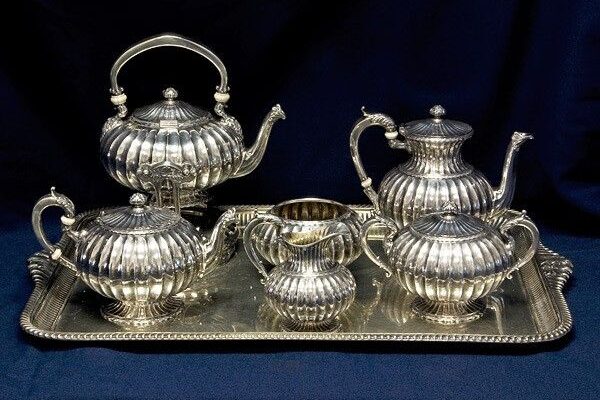
Owning a fine silver tea set once symbolized grace, refinement, and careful hospitality. These sets were often wedding gifts or family heirlooms, polished until they gleamed during special gatherings. The weight and craftsmanship suggested lasting value, and many believed the combination of artistry and precious metal would ensure appreciation over time. Serving tea from such a set felt ceremonial, even when the gathering was small and intimate.
In modern households, formal tea service is far less common, and the upkeep required to maintain silver can feel burdensome. Polishing takes time, and many people prefer simpler, low maintenance serveware. On resale markets, numerous sets are valued close to their melt or scrap silver price rather than as luxury antiques. While they remain beautiful, demand has softened significantly. What once represented cultivated elegance now often waits in cabinets, admired occasionally but rarely used as intended.
16. Early Luxury Smartwatches
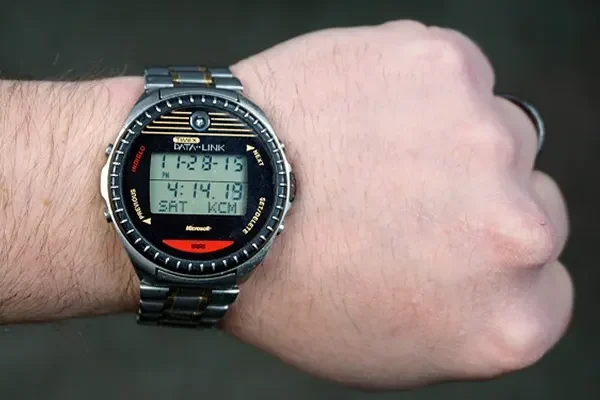
When the first wave of luxury smartwatches entered the market, they were positioned as the perfect marriage of fashion and innovation. Premium materials, sleek designs, and impressive price tags suggested they would become lasting status symbols. Buyers believed they were investing in devices that would age alongside their wardrobes while keeping them technologically ahead. The excitement around wearable technology made early adoption feel bold and forward thinking.
Technology, however, evolves faster than most accessories can keep up. Within a few years, newer models offered better battery life, faster processors, and improved compatibility. Software updates eventually stopped supporting older versions, reducing their practicality. Unlike traditional mechanical watches that often appreciate over time, early smartwatches depreciated quickly. Resale prices dropped sharply as demand shifted toward updated models. What once felt like a stylish glimpse into the future now reflects how quickly innovation can outpace luxury pricing.
17. Timeshare Properties

Timeshares were once marketed as savvy lifestyle investments that combined vacation enjoyment with long term financial growth. Buyers were promised guaranteed stays in desirable destinations and the comfort of returning to familiar surroundings each year. Sales presentations emphasized exclusivity and rising property values, making ownership feel both practical and indulgent. Many families signed contracts believing they were securing affordable luxury for decades to come.
Over time, ongoing maintenance fees and limited flexibility became clearer realities. Resale markets grew crowded with owners looking to exit their contracts, often at significant losses. In some cases, timeshares are sold for nominal amounts simply to transfer responsibility. While some owners continue to enjoy their vacations, the financial appreciation many expected did not materialize. What once sounded like a clever investment strategy often became a long term obligation that proved harder to leave than to enter.
18. Oversized Designer Sunglasses From Flash Trends
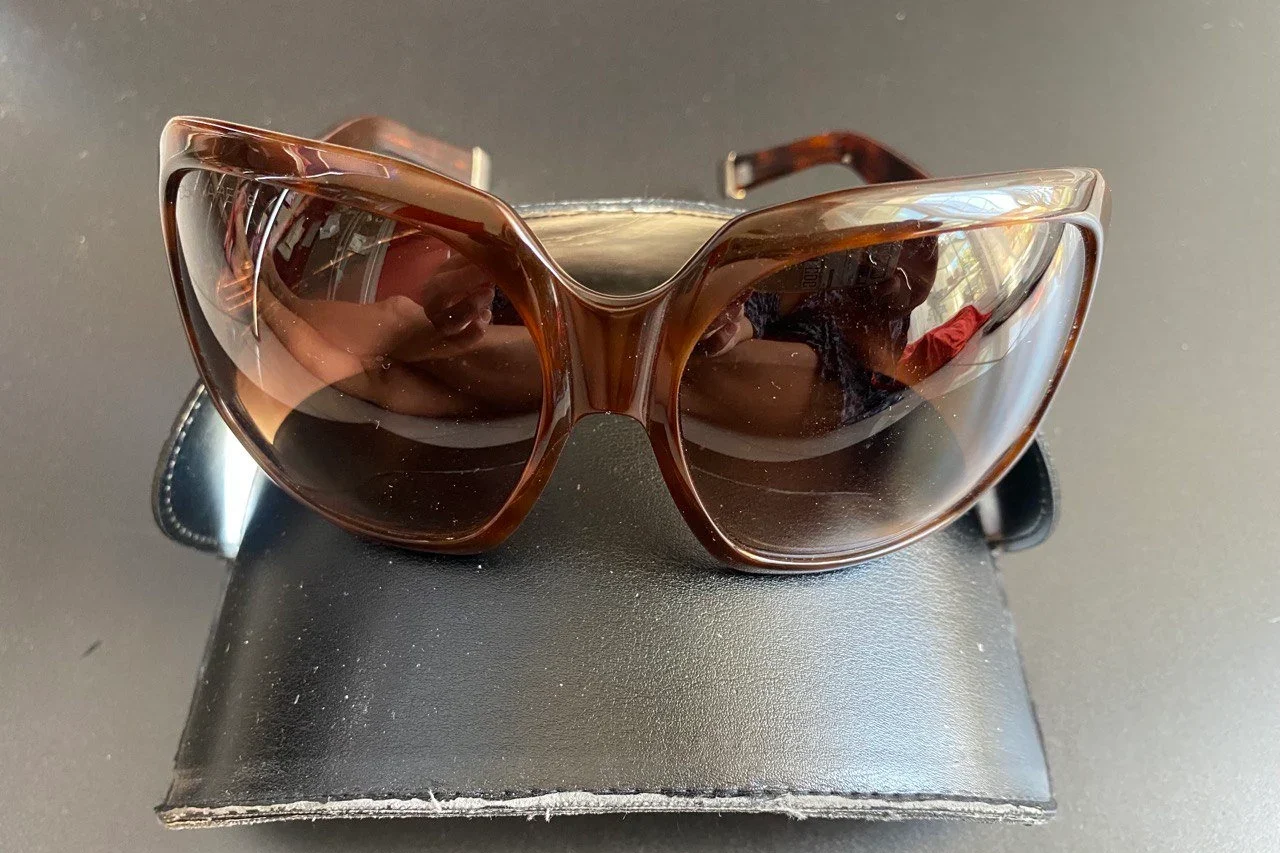
There was a moment when oversized designer sunglasses defined celebrity style and street fashion alike. Large frames, bold logos, and dramatic shapes made them instantly recognizable. Paying a premium for them felt justified because they appeared everywhere, from magazines to red carpets. Owning a pair signaled that you were tuned into the moment and willing to invest in statement pieces that commanded attention.
As fashion cycles turned, those specific shapes and heavy branding began to feel tied to a particular season rather than timeless design. Buyers shifted toward more classic silhouettes with subtle detailing. On resale platforms, many once coveted pairs now sell for a fraction of their original cost. They still serve their practical purpose, but the exclusivity that once surrounded them has faded. In the end, they quietly close the circle on how often luxury depends on timing more than permanence.


