
1. James Buchanan
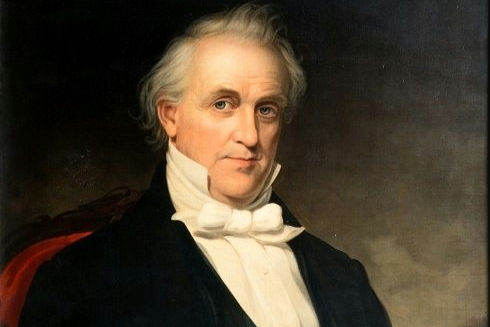
James Buchanan served as the 15th U.S. President from 1857 to 1861. Born in Pennsylvania in 1791, he is famous for being the only president who never got married. Before he reached the White House, he had a long career as a diplomat and Secretary of State. During his time in Washington, he shared a very close bond with William Rufus King, a Senator from Alabama. For over 10 years, the two men lived together in local boarding houses. This was common for politicians at the time to save money, but their friendship was so intense that others noticed. Even Andrew Jackson joked about their relationship, calling King “Mrs. Buchanan” or the President’s “better half.”
While modern historians avoid labeling Buchanan without proof, his personal life remains a major topic of debate. His presidency was a difficult time for America, as he struggled to stop the country from splitting apart before the Civil War. Interestingly, despite the rumors about his private life, Buchanan held very traditional and conservative views. He often supported the rights of Southern states and did not push for social changes. Because he left no wife or children behind when he died in 1868, people still wonder if his private identity influenced his quiet, cautious approach to leadership during one of America’s most chaotic eras.
2. Abraham Lincoln
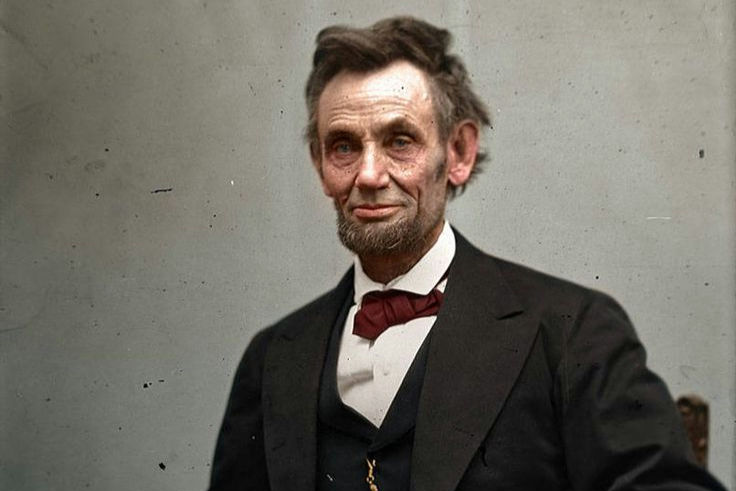
Abraham Lincoln is perhaps the most famous American leader, serving as the 16th President during the Civil War from 1861 to 1865. While he is celebrated for ending slavery, his private life has also faced modern scrutiny. In the 1830s, while living in Illinois, Lincoln shared a bed with his close friend Joshua Speed for several years. Back then, sharing a bed was a normal way for men to save money in crowded towns. However, the letters they wrote to each other were filled with deep emotion and affection. This has led some researchers to suggest that Lincoln might have had romantic feelings for men, even though he later married Mary Todd in 1842.
Most experts remind us that “friendship” meant something different in the 1800s than it does today. Lincoln and Mary had four sons, and there is no record of him identifying as anything other than a heterosexual man. During his presidency, the topic of gay rights simply didn’t exist in politics, so his voting record doesn’t mention it. Instead, he focused on the Emancipation Proclamation in 1863 and keeping the United States together. Even so, the mystery of his relationship with Speed continues to fascinate people. It shows how we often look at historical figures through a modern lens to try and understand their private hearts.
3. J. Edgar Hoover
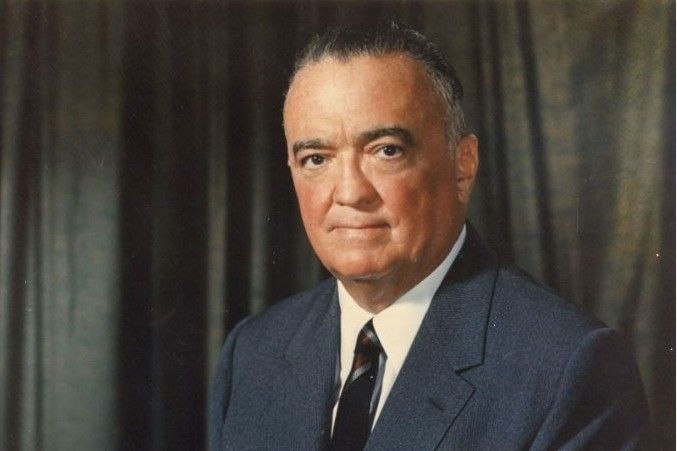
J. Edgar Hoover was the powerful leader of the FBI for nearly 50 years, from 1924 until he died in 1972. Throughout his long career, he was almost always seen with his top deputy, Clyde Tolson. The two men were inseparable; they ate lunch together every day, went on vacations together, and Tolson even inherited Hoover’s estate. Because Hoover never married, many people in Washington whispered that the two were more than just colleagues. Despite these rumors, no letters or photos ever proved a romantic link. Their bond was so strong that they were eventually buried just a few yards away from each other in the same cemetery.
What makes this story complicated is Hoover’s public behavior. During the 1950s, he helped lead the “Lavender Scare,” a government movement that fired workers suspected of being gay. At the time, the government claimed that gay employees were a security risk because they could be blackmailed by enemies. Hoover’s FBI was responsible for investigating these people and ruining many careers. This creates a strange contrast: the man in charge of punishing people for their private lives was himself the subject of the same rumors. Whether the stories were true or not, Hoover’s legacy is defined by this tension between his immense public power and his mysterious, guarded private world.
4. Larry Craig
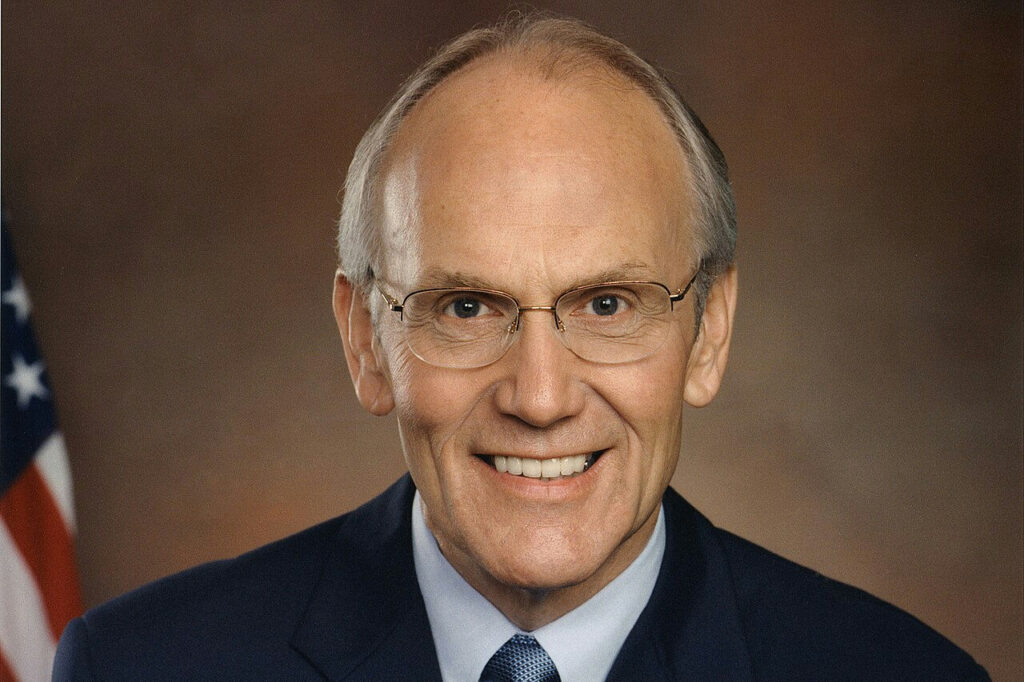
Larry Craig was a Republican Senator from Idaho who served from 1991 to 2009. He was known for being a very traditional politician who often voted against LGBTQ+ rights. For example, he supported the Defense of Marriage Act in 1996, which defined marriage as only between a man and a woman. However, his political career ended suddenly because of a scandal in June 2007. Craig was arrested by an undercover officer in a men’s restroom at the Minneapolis-St. Paul International Airport. The officer claimed Craig was looking for a sexual encounter. Although he initially pleaded guilty to a minor charge, he later tried to take it back.
The incident was a massive news story because it seemed to contradict everything Craig stood for in public. He held a press conference where he famously stated, “I am not gay,” and claimed he simply had a “wide stance” when using the restroom. Even though he stayed in office until his term ended in early 2009, his reputation never recovered. He chose not to run for re-election, and the scandal became a textbook example of the “closet” in politics. For many, the Larry Craig story highlighted the pressure some politicians feel to vote against their own private lives to please a conservative home state or political party.
5. Mark Foley
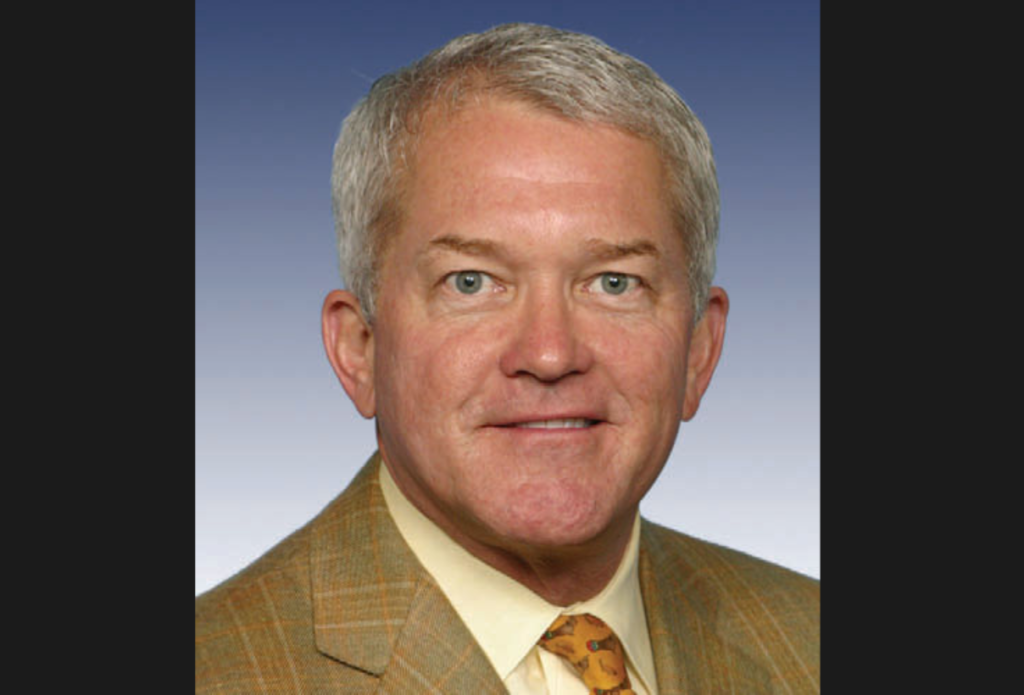
Mark Foley was a popular Republican Congressman from Florida who first took office in 1995. He was highly respected for his work on child safety laws and was even a chairman of a caucus focused on missing and exploited children. But in September 2006, just before a major election, a huge scandal broke. It was discovered that Foley had been sending suggestive and explicit emails to young men working as “pages” in Congress. The backlash was so fast and intense that he resigned from his position within 24 hours. This event shocked his supporters and became a turning point in the 2006 midterm elections.
After the scandal, Foley went into a treatment center for alcohol issues and eventually shared that he was gay. He explained that he had kept his identity a secret for many years because he feared it would end his career in the Republican Party. His story is often cited because of the irony involved; he spent years passing laws to protect minors online while privately engaging in inappropriate digital behavior with young adults. While investigations found he didn’t break laws regarding physical contact, his resignation marked the end of his political life. It served as a reminder of how difficult it was for many politicians to be honest about themselves during the early 2000s.
6. Aaron Schock
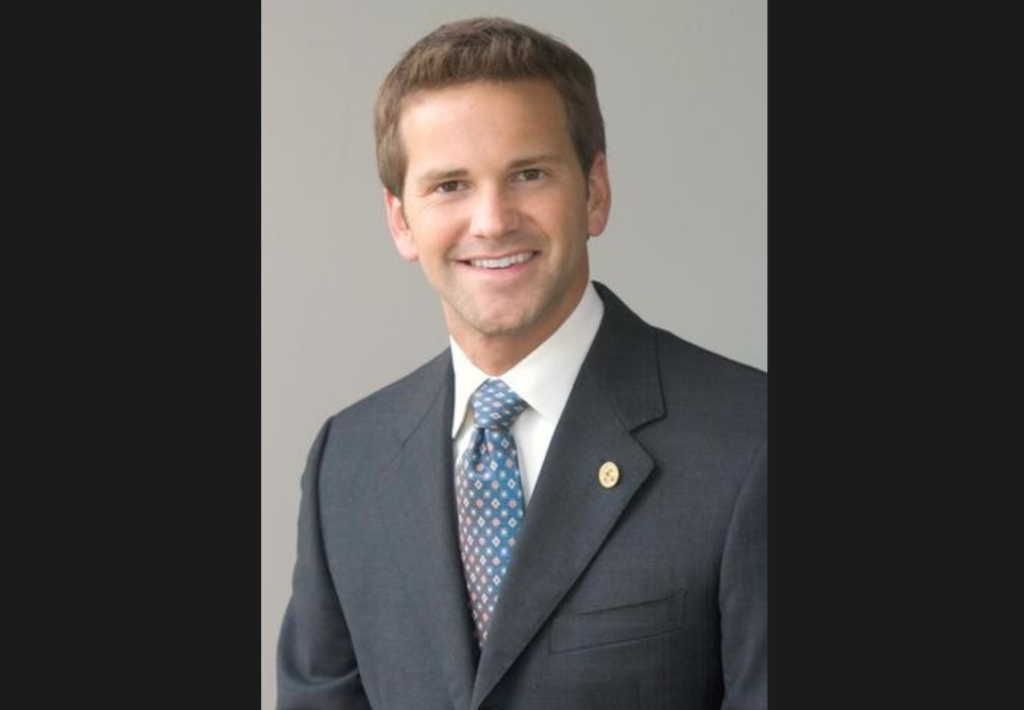
Aaron Schock made history in 2008 when he was elected to Congress from Illinois at the age of 27. He was young, athletic, and quickly became a rising star in the Republican Party. However, while he was in office, he voted strictly against gay rights, earning a failing grade from advocacy groups. He famously opposed the repeal of “Don’t Ask, Don’t Tell” and didn’t support marriage equality. In 2015, he resigned from office after a scandal involving his use of government money, including a story about him spending thousands of dollars to decorate his office like a set from a TV show.
For a long time, people on social media guessed about Schock’s personal life, but he always stayed quiet about it. That changed in March 2020 when he posted a long message online coming out as gay. He admitted that his religious upbringing and his political environment made it feel impossible to be himself while he was in power. Many people criticized him, arguing that he had hurt the LGBTQ+ community with his votes while he was secretly one of them. His story shows how much the world changed in just a decade. By 2020, being an openly gay politician was much more accepted than it was when Schock first started his career in 2008.
7. Ed Koch
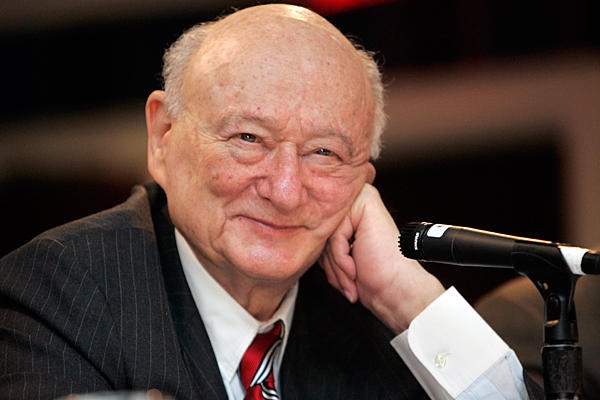
Ed Koch was the legendary and loud-talking Mayor of New York City from 1978 to 1989. He was famous for walking the streets and asking residents, “How’m I doing?” Koch was a lifelong bachelor, which led to constant questions about his private life during his three terms in office. At the time, Koch always insisted that his personal business was nobody’s concern and denied being gay. During the 1980s, he faced heavy criticism from activists who felt he wasn’t doing enough to help during the AIDS crisis. They believed a more personal connection to the community might have made him act faster to save lives.
It wasn’t until 2022, nearly ten years after he died in 2013, that his close friends finally confirmed the truth to the media. They revealed that Koch was indeed gay but felt he had to hide it to survive in the tough world of New York politics. During the 1970s and 80s, coming out would likely have ended his chances of being elected. Koch chose to focus on the city’s money problems and crime instead. Today, historians view his life as a tragedy of the era. He was a man who loved his city but felt he had to keep his true self a secret just to be allowed to lead it.
8. Lindsey Graham
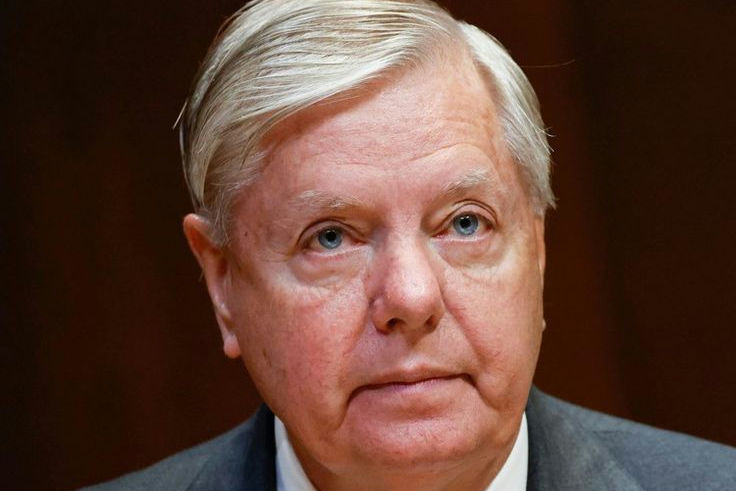
Lindsey Graham is a well-known Republican Senator from South Carolina who has been in the Senate since 2003. Because he has never been married and keeps his private life very quiet, he has been the target of internet rumors for decades. These rumors often spike during election years or when he makes major headlines. Graham has always been very direct in his response, calling the speculation “dumb” and insisting that he is simply a bachelor who is focused on his job. He has never provided any reason for people to believe the gossip is based on reality.
Despite his denials, critics often point to his voting record. Over his long career, Graham has generally supported traditional views on marriage and has voted against many protections for LGBTQ+ individuals. However, as public opinion in America has shifted, he has occasionally shown a more moderate side, such as acknowledging that court rulings on marriage are the law of the land. His situation highlights a modern political problem: in the age of the internet, anyone can start a rumor, and it can follow a politician forever. Whether there is any truth to the claims or not, Graham continues to focus on foreign policy and remains a powerful voice in Washington.
9. George Santos
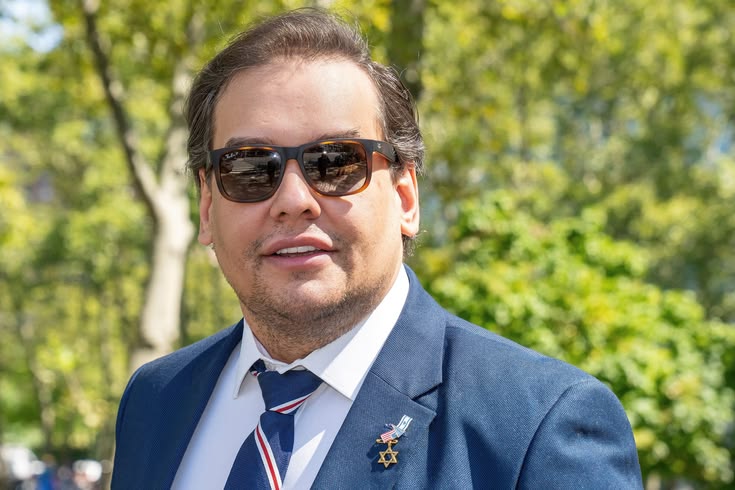
George Santos entered Congress in 2022 as a Republican representative from New York. He was unique because he was the first non-incumbent Republican to be elected while being openly gay. However, his time in Washington was short and filled with trouble. Almost immediately after he won, reporters found out that he had lied about almost everything in his life. He lied about where he went to school, where he worked, and even claimed his family had survived historical tragedies that they didn’t. Because of these constant lies and various financial charges, his fellow lawmakers voted to kick him out of Congress in December 2023.
Unlike many others who were rumored to be gay, Santos was very public about his husband and his identity. The drama surrounding him wasn’t about his sexuality, but about his honesty. Even so, his story is interesting because he supported many conservative policies that some felt didn’t match his identity as a gay man. He showed that being part of a minority group doesn’t mean you will always vote a certain way. In the end, Santos is remembered more for his wild fabrications and his historic expulsion from the House of Representatives than for any of the laws he tried to pass during his brief time in office.
10. Marco Rubio
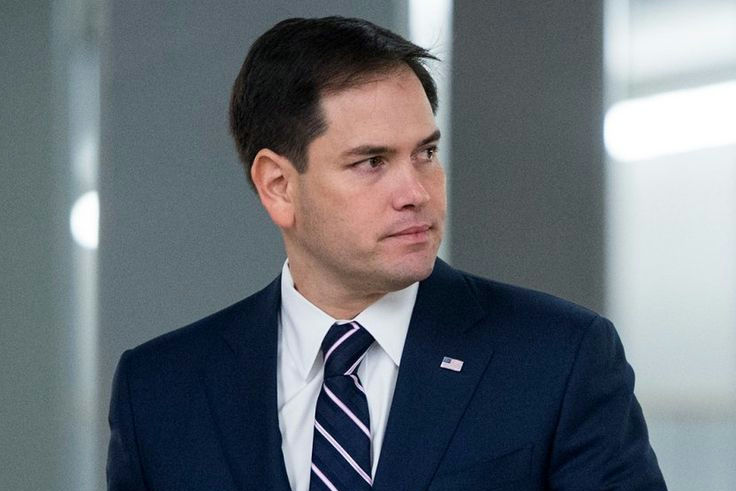
Marco Rubio is a Senator from Florida who first took office in 2011. He is a high-profile Republican who even ran for president in 2016. Rubio is a family man, married to his wife Jeanette since 1998, and they have four children together. Despite his very traditional family life, he has occasionally been the subject of strange and baseless internet rumors about his sexuality. These claims usually pop up on social media blogs and have never been backed up by any facts or credible sources. Most political experts dismiss these stories as nothing more than mean-spirited gossip meant to distract from his work.
The reason these rumors sometimes get attention is because of Rubio’s strong stance on social issues. He has consistently voted for traditional marriage and has supported the rights of religious groups to follow their beliefs. In the world of modern politics, when a leader takes a firm stand on a controversial topic, opponents often try to find personal “hypocrisy,” even if they have to make it up. Rubio has mostly ignored the noise and stayed focused on his duties in the Senate, dealing with issues like the economy and relations with other countries. His experience shows how even a married politician with kids can’t escape the reach of internet speculation.
11. Hillary Clinton
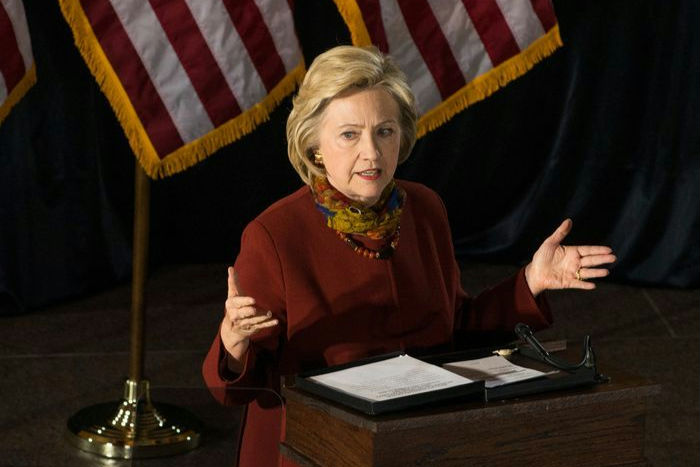
Hillary Rodham Clinton is one of the most recognizable figures in American politics, born in Chicago in 1947. Her career has spanned decades, serving as First Lady from 1993 to 2001, a U.S. Senator from New York, and the Secretary of State under President Obama from 2009 to 2013. In 2016, she made history as the first woman to be nominated for president by a major party. Throughout her time in the public eye, she has been a constant target of personal attacks. Among the most persistent were tabloid rumors regarding her sexuality, which were often pushed by political rivals to undermine her traditional image and her marriage to Bill Clinton.
These claims were largely viewed by historians as political “smear campaigns” rather than facts, as no credible evidence ever supported them. Interestingly, while she faced these rumors, her actual voting record and public positions evolved significantly. Early in her career, she held more conservative views on marriage, but by 2013, she officially endorsed same-sex marriage. As Secretary of State, she famously declared in a 2011 speech that “gay rights are human rights.” Her story shows how personal rumors are often used as weapons in politics, even when a leader’s public actions are focused on expanding legal protections and equality for the very community the rumors discuss.


