
1. Milli Vanilli
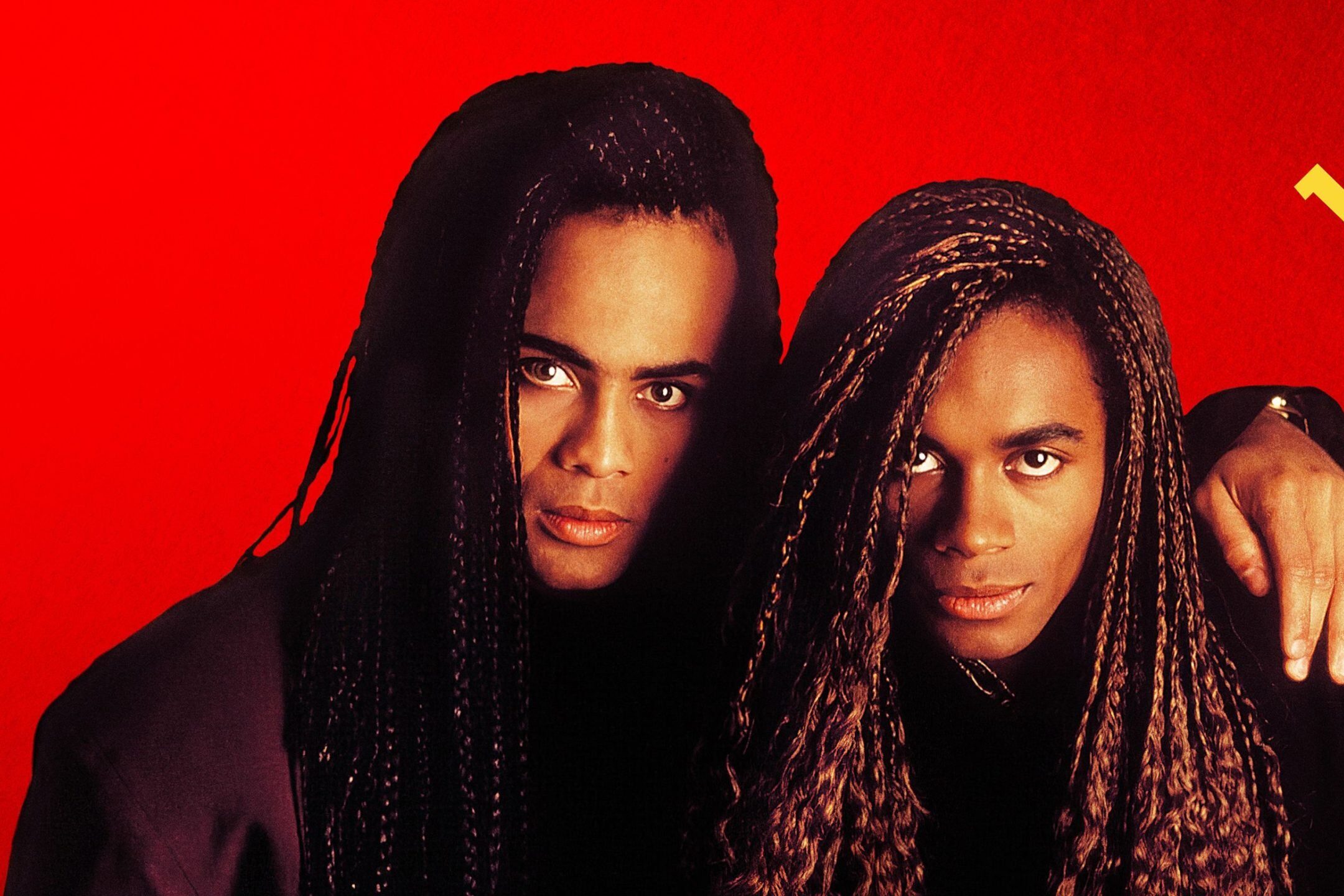
Sometimes fame feels solid until one tiny crack runs through it, and that is how this whole conversation begins. We have all watched celebrities rise so high it feels like nothing can touch them, then one moment changes the air in the room. For Milli Vanilli, that moment came during a live performance in 1990 when their backing track skipped and repeated the same line over and over. The crowd looked confused. They looked panicked. It was awkward in a way that felt bigger than a simple technical glitch.
What followed moved quickly. It was revealed that they had not sung on their own album, and the Grammy they had proudly accepted was taken back. Fans felt embarrassed and betrayed. The industry did not hesitate to distance itself. Radio stations pulled songs, interviews turned tense, and the spotlight that once felt warm became harsh. One performance exposed a secret that unraveled everything they had built. It was not just about lip syncing. It was about trust, and once that trust slipped, their career slipped with it.
2. Amanda Bynes
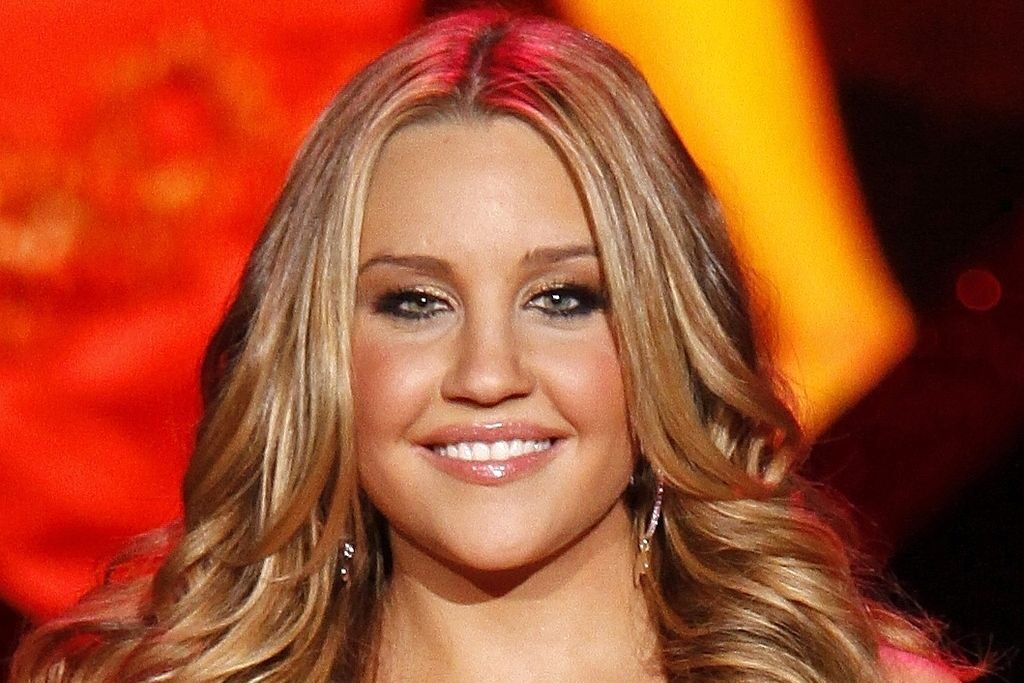
Amanda Bynes once felt like the easy laugh we could always count on. From Nickelodeon sketches to teen comedies, she carried a natural spark that made her feel relatable and safe. Then, slowly, headlines began to replace movie trailers. Strange tweets, minor car incidents, and public behavior that felt confusing started stacking up. In 2013, after setting a small fire in a driveway, she was placed under psychiatric hold. The story shifted from celebrity gossip to genuine concern, and people who once quoted her lines were now reading court updates instead.
What made it harder was how public it all felt. Every post was screenshotted. Every appearance outside a courthouse became a photo opportunity. Studios stepped back quietly, unsure of what would happen next. The roles stopped coming. The laughter that once defined her image faded into silence. It did not happen because of one bad film or one harsh review. It happened in the middle of a personal struggle that unfolded in front of everyone, and Hollywood rarely waits patiently when uncertainty becomes the headline.
3. Katherine Heigl
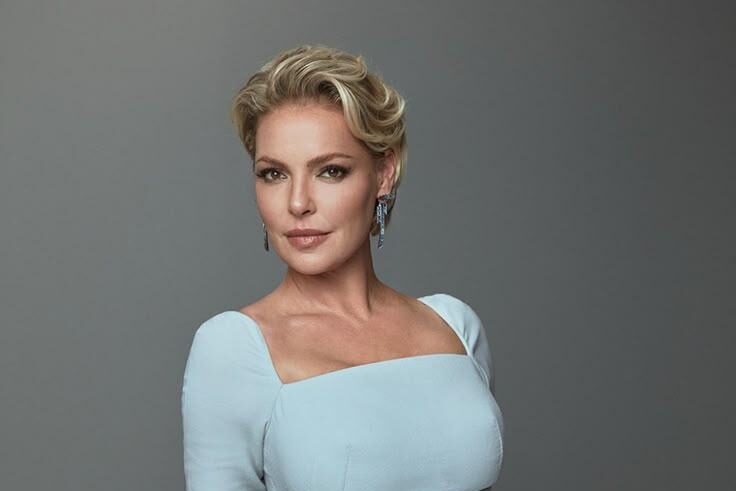
Katherine Heigl had that warm romantic comedy presence that studios love. After Grey’s Anatomy and a string of box office hits, she seemed positioned for a long and steady run. Then came a few interviews that lingered longer than anyone expected. She withdrew herself from Emmy consideration, saying she did not feel she had been given material worthy of a nomination. Around the same time, she described one of her hit films as a little sexist. The comments were honest, maybe even thoughtful, but they traveled fast.
In Hollywood, perception often moves quieter than scandal but just as powerfully. Stories began to circulate that she was difficult. Casting conversations shifted. The energy around her name cooled in a way that felt subtle at first, then obvious. She later spoke about feeling misunderstood during that period, yet the narrative had already formed. It is surprising how a few candid sentences can outweigh years of dependable performances. Her talent remained, but the momentum changed. Sometimes it is not an explosive mistake that alters a career, just a reputation that turns slightly and never quite turns back.
4. Will Smith
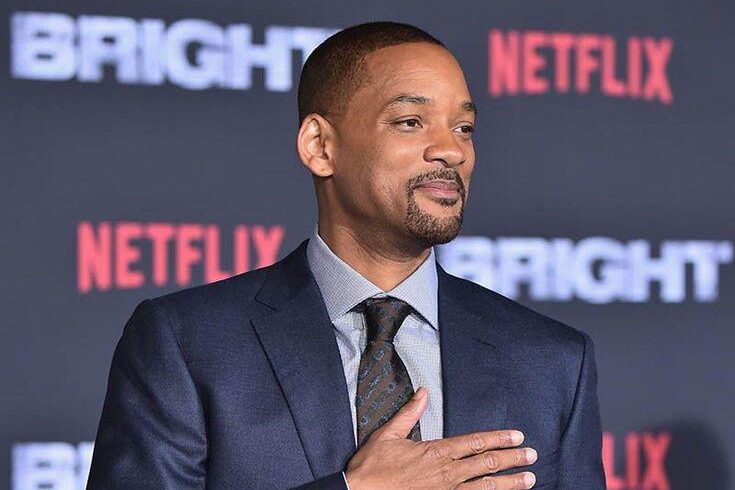
Will Smith built his career carefully, moving from sitcom charm to blockbuster lead to respected dramatic actor. For decades he felt steady, almost dependable in the way he handled fame. Then during the 2022 Academy Awards, everything shifted in seconds. After a joke was made about Jada Pinkett Smith, he walked on stage and slapped Chris Rock. The room fell into a silence that felt heavy and unfamiliar. Viewers at home replayed it instantly, unsure of what they had just seen.
Later that night he accepted his Oscar, but the earlier moment lingered longer than the win. The Academy banned him from attending future ceremonies for ten years. Some projects were paused or quietly reconsidered. Conversations about impulse and anger replaced praise about performance. He remains accomplished, yet that single act reshaped how many people view him. It was not about fading relevance or lack of talent. It was about a brief emotional reaction broadcast live, and once seen, it could not be unseen.
5. Roseanne Barr
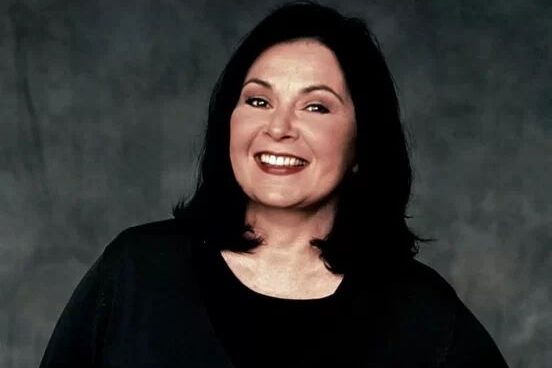
Roseanne Barr managed something rare when her sitcom returned to television with strong ratings. It felt like a comeback that worked, a revival that tapped into nostalgia while finding a new audience. Viewers tuned in in large numbers, and the excitement felt real. Then she posted a tweet about Valerie Jarrett that many condemned as racist. The reaction was immediate and sharp. Within hours, the network announced the show’s cancellation, stunning even longtime observers of television drama.
There was no slow fade. Advertisers distanced themselves. Statements were issued quickly. The reboot continued under a different name, but without her. It was a clear example of how social media can compress consequences into a single news cycle. Years of work and a successful return were overshadowed by one post. It was not a gradual decline built over seasons of poor ratings. It was one message that shifted the tone entirely. In that moment, the comeback story turned into something else.
6. Kanye West
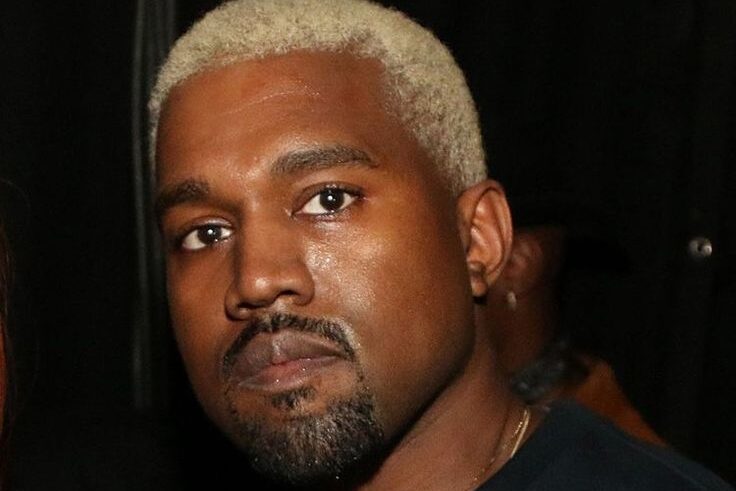
Award shows tend to blend together over time, but the 2009 MTV Video Music Awards remain fixed in memory. Taylor Swift was giving her acceptance speech when Kanye West walked on stage, took the microphone, and insisted another artist deserved the award. The interruption lasted only seconds, yet it felt longer. The audience reaction was immediate. The clip circulated online before the night was even over.
Kanye continued releasing influential music, but something shifted in how he was discussed publicly. The moment became shorthand for unpredictability. Brands grew cautious. Interviews carried a different tone. Even comments from public figures criticizing the interruption gained traction. It was not the first controversial thing he had done, but it was the most visible at that point in his career. That brief act became part of his identity in the media. It proved how a few seconds on stage can echo for years beyond the applause.
7. Lance Armstrong
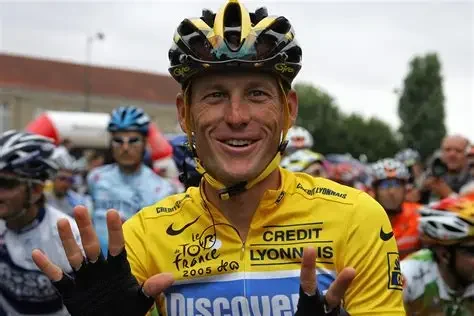
For years, Lance Armstrong denied allegations of using performance enhancing drugs. He was not just a cyclist. He was a symbol of resilience after surviving cancer and returning to dominate the Tour de France. Supporters defended him passionately. Then in 2013, during a televised interview with Oprah Winfrey, he admitted to doping. The simplicity of his yes carried enormous weight. It confirmed what many suspected but had never heard directly from him.
The fallout felt both immediate and final. His titles had already been stripped, but the confession cemented the story in the public mind. Sponsors cut ties. The foundation that once symbolized hope distanced itself. Fans who had worn yellow bracelets felt conflicted. It was not only about breaking sports rules. It was about years of firm denial followed by a public reversal. In one conversation, the narrative shifted from triumph to caution. His legacy did not disappear, but it was permanently rewritten.
8. Ashlee Simpson
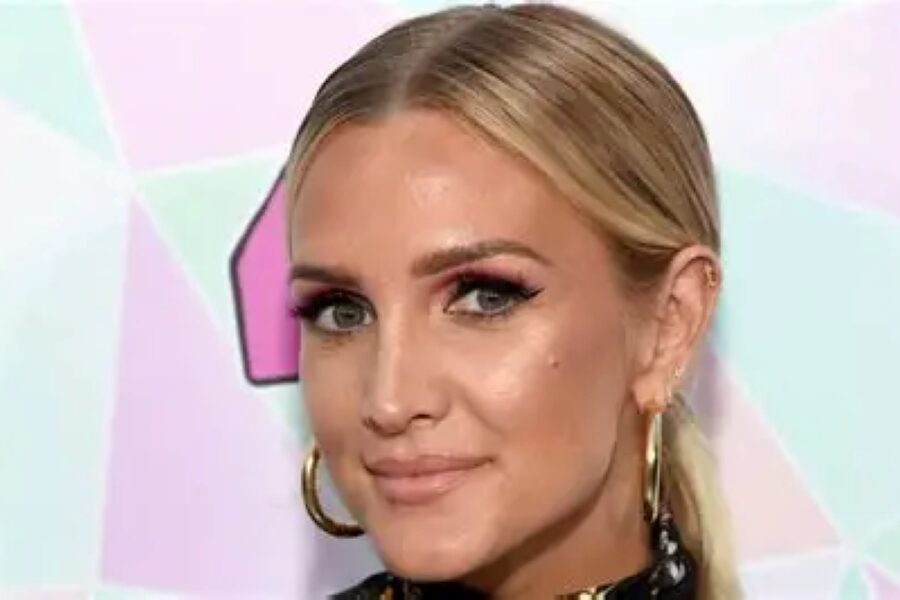
Ashlee Simpson was building a promising pop career in the early 2000s, stepping out from her sister’s shadow and carving her own space. When she performed on Saturday Night Live in 2004, it seemed like another step forward. Then the wrong vocal track began playing, revealing she had been lip syncing. She did a small, unsure dance and left the stage. The moment felt uncomfortable in a way that was hard to watch.
Afterward, she explained that her band had played the wrong song, but the explanation did not settle the criticism. The clip replayed across television and online platforms for days. Album sales dipped. The incident followed her into interviews and late night jokes. Lip syncing was not unheard of in pop music, yet being exposed live carried a different sting. It was not a scandal rooted in crime or cruelty. It was embarrassment amplified. That brief mistake became the headline that overshadowed her growing career.
9. Lori Loughlin
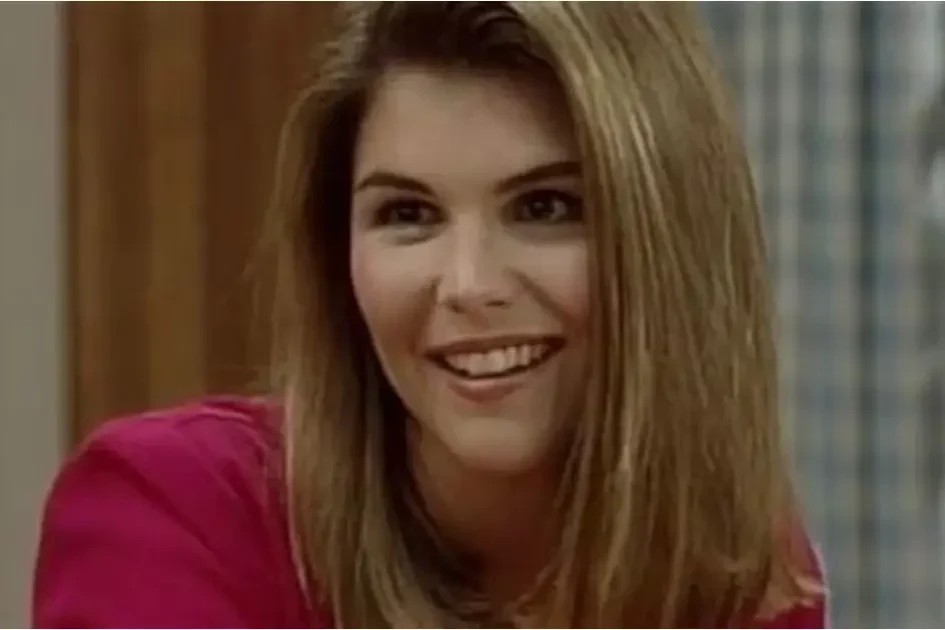
For many viewers, Lori Loughlin was forever linked to the warm, dependable image she built on family television. She felt familiar, steady, almost untouchable in that wholesome way. Then in 2019, news broke that she and her husband were involved in a college admissions scheme, accused of paying to have their daughters presented as athletic recruits. At first, she fought the charges, and the case stretched on in headlines that felt increasingly serious.
Eventually, she pleaded guilty and admitted she had made a terrible decision. She served prison time, paid fines, and watched long standing partnerships dissolve almost overnight. The contrast between her screen persona and the courtroom reality made the story feel heavier. It was not a heated outburst or a viral clip. It was paperwork, court dates, and consequences that unfolded step by step. One choice reshaped a career built over decades, reminding everyone that reputation can shift quietly but permanently.
10. Logan Paul
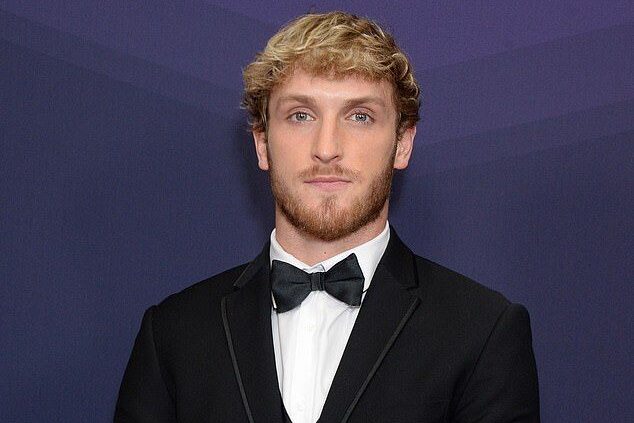
Logan Paul rose quickly in the world of online entertainment, building a massive audience through pranks, daily vlogs, and high energy content. His brand thrived on shock value and constant attention. In 2017, he uploaded a video filmed in Japan’s Aokigahara forest that showed the body of a suicide victim. The backlash was immediate and global. Viewers, fellow creators, and mental health advocates criticized the decision to film and publish such footage.
He issued an apology, acknowledging a serious lapse in judgment, but the damage was already done. YouTube temporarily suspended advertising revenue and removed him from certain premium programs. Sponsors stepped back. The incident became a defining reference point in discussions about responsibility in digital media. Although he later rebuilt his image through boxing and podcasting, that upload remains part of his story. It showed how quickly online fame can turn, and how one choice made for views can carry consequences that last far beyond the original post.
11. Matt Lauer
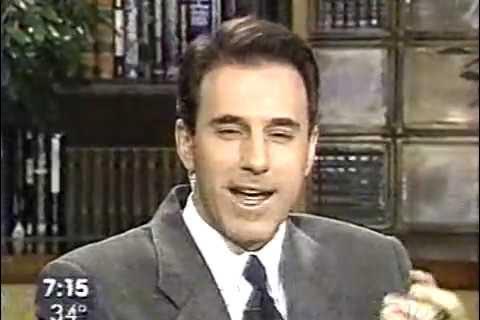
Matt Lauer had been a steady presence on morning television for years, greeting viewers with an easy smile and familiar tone. His role felt routine in the best sense, part of many people’s daily habits. In 2017, NBC announced his termination following allegations of inappropriate sexual behavior. The news was delivered on air by his co anchors, and the shock was visible. It felt abrupt, like a door closing without warning.
Lauer released a statement acknowledging that some of the allegations were true while disputing others. Still, the network moved forward without him. Sponsorships and public appearances vanished quickly. The familiarity that once defined his image was replaced by uncertainty and disappointment. It was a stark reminder that trust is central to public roles, especially those built on daily presence. When that trust is broken, the silence that follows can be louder than years of broadcasts.
12. Alex Rodriguez
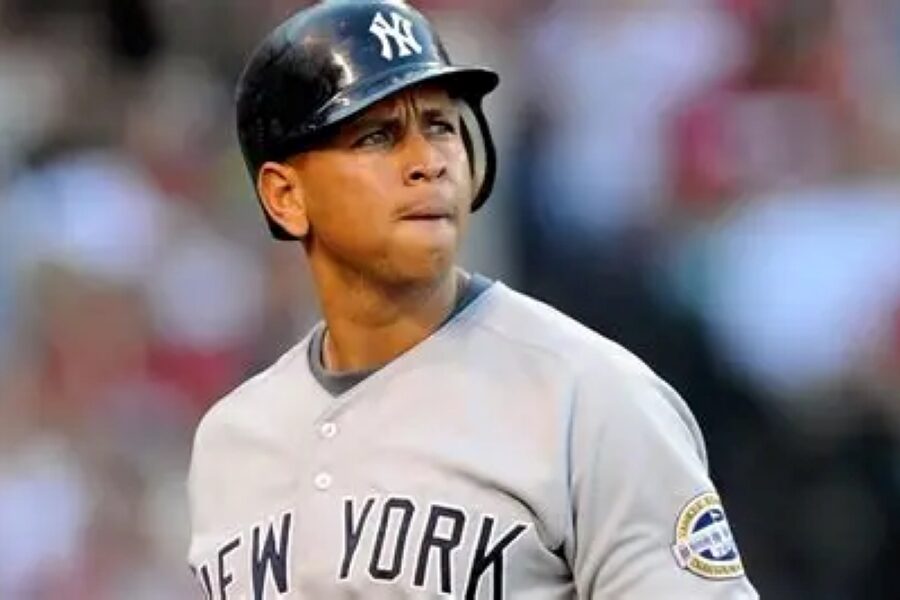
Alex Rodriguez was one of baseball’s most recognizable stars, known for record breaking contracts and towering home runs. For years, his name was synonymous with talent and headlines. Then came the Biogenesis scandal, which linked him to performance enhancing drugs. In 2014, Major League Baseball suspended him for an entire season. The decision dominated sports coverage and shifted conversations from statistics to integrity.
Rodriguez eventually admitted to mistakes and served the suspension, later attempting to rebuild his image through broadcasting and business ventures. Still, the suspension marked a turning point. Fans debated his legacy. Sponsors reconsidered partnerships. In professional sports, numbers tell part of the story, but character fills in the rest. The ban did not erase his achievements, yet it permanently colored how they were viewed. One disciplinary decision reframed a career that once seemed destined to be discussed only in terms of greatness.
13. Sinead O’Connor
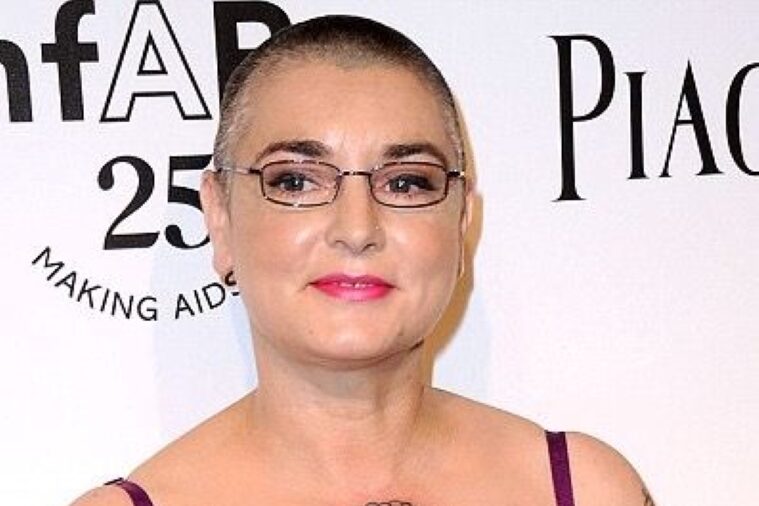
Sinead O’Connor was known for her powerful voice and emotional honesty. In 1992, during a performance on Saturday Night Live, she tore up a photo of Pope John Paul II and urged viewers to fight what she called the real enemy. The act was intended as a protest against abuse within the Catholic Church, but at the time many did not understand the context. The reaction was immediate and intense.
Radio stations pulled her music. Concerts were canceled. She was booed at public appearances. The moment overshadowed her artistry in ways that proved difficult to reverse. Years later, as wider conversations about abuse in religious institutions became more public, some reconsidered her protest. Yet in that era, the backlash was swift and unforgiving. It showed how timing and public readiness can shape a response. One live television act changed the trajectory of a career that had been defined by talent and conviction.
14. Paula Deen

Paula Deen built an empire around comfort food, hospitality, and a warm Southern persona that felt inviting to millions of viewers. Her cooking shows and cookbooks leaned into tradition and family. In 2013, during a lawsuit deposition, she admitted to having used racial slurs in the past. The transcript became public, and the reaction was immediate. Networks and sponsors began cutting ties within days.
She issued apologies and attempted to address the controversy, but the image she had carefully cultivated was shaken. Partnerships with major retailers and television platforms ended. The story moved beyond recipes and into broader discussions about accountability and language. It was not a viral outburst but a legal document that altered everything. One moment in a courtroom shifted a brand built over decades. It underscored how personal history, once public, can redefine a career in ways that are difficult to undo.
15. Christian Bale
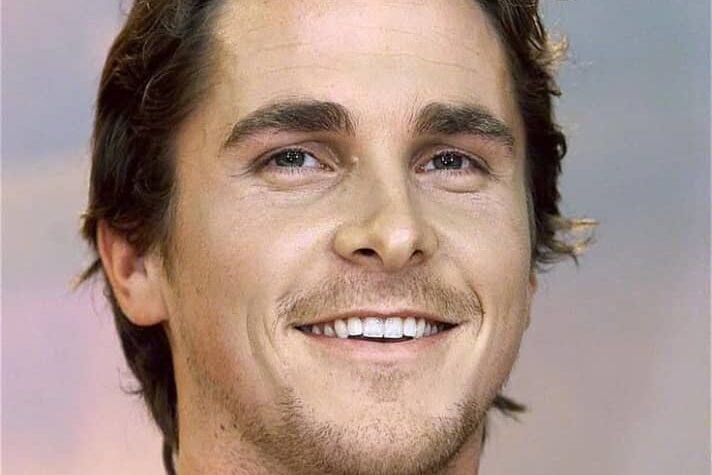
Christian Bale was widely respected for his intense performances and commitment to roles. In 2009, an audio recording leaked of him yelling at a crew member on the set of a film. The rant was loud, emotional, and circulated rapidly online. For fans used to seeing him as disciplined and focused, the clip felt jarring. It was a reminder that even admired actors can lose their temper under pressure.
Bale later apologized publicly, acknowledging that his behavior had been out of line. While he continued to land major roles, the incident added a different layer to his public image. It was not career ending, but it was reputation altering. The audio lived online long after the film’s release, replayed as an example of on set tension. Sometimes it is not a crime or scandal that shifts perception, but a private moment made public at the wrong time.
16. Kevin Spacey
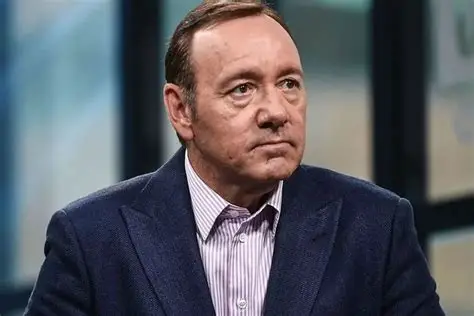
Kevin Spacey was considered one of the most respected actors of his generation, known for complex roles on screen and stage. In 2017, multiple allegations of sexual misconduct surfaced against him. The accusations spread quickly, prompting investigations and strong public reaction. Projects were reevaluated almost immediately. He was removed from a television series and replaced in a completed film before its release.
Spacey issued statements responding to the allegations, but the professional consequences were swift. Awards recognition faded. Industry support thinned. Regardless of legal outcomes in specific cases, the momentum of his career stopped abruptly. It was not a single performance or comment that changed everything, but the emergence of serious claims that reshaped how he was viewed. In Hollywood, public trust is central, and once it fractures under allegations of misconduct, rebuilding it becomes an uphill task few manage to complete.
17. Ellen DeGeneres
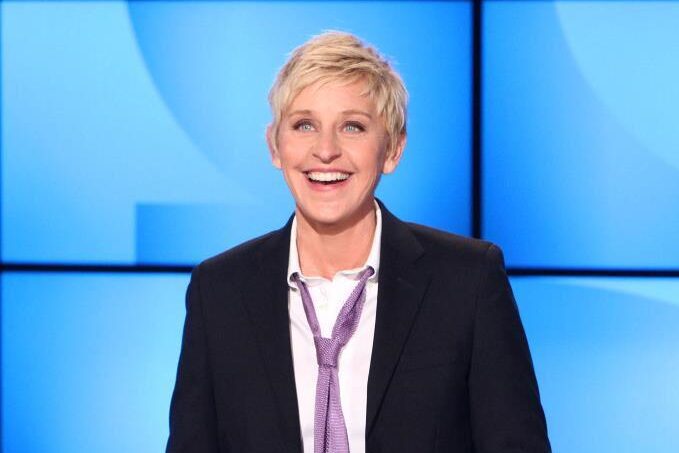
For years, Ellen DeGeneres built her daytime empire on kindness. Her show was bright, generous, and full of dancing audiences and surprise giveaways. “Be kind to one another” became more than a sign off. It felt like a personal brand. Then in 2020, reports surfaced alleging a toxic workplace environment behind the scenes of her talk show. Former employees described intimidation and misconduct that clashed sharply with the cheerful image on screen. The contrast was hard to ignore, and the story gained momentum quickly.
Ellen issued an on air apology, telling viewers, “I learned that things happened here that never should have happened.” An internal investigation followed. Ratings dipped. Longtime viewers began drifting away. Although the show continued for a while, it eventually came to an end in 2022. It was not one joke or one bad episode that shifted her career. It was the gap between brand and reality that proved difficult to close.


