
1. Elon Musk — Betting on the Future Before It Was Comfortable
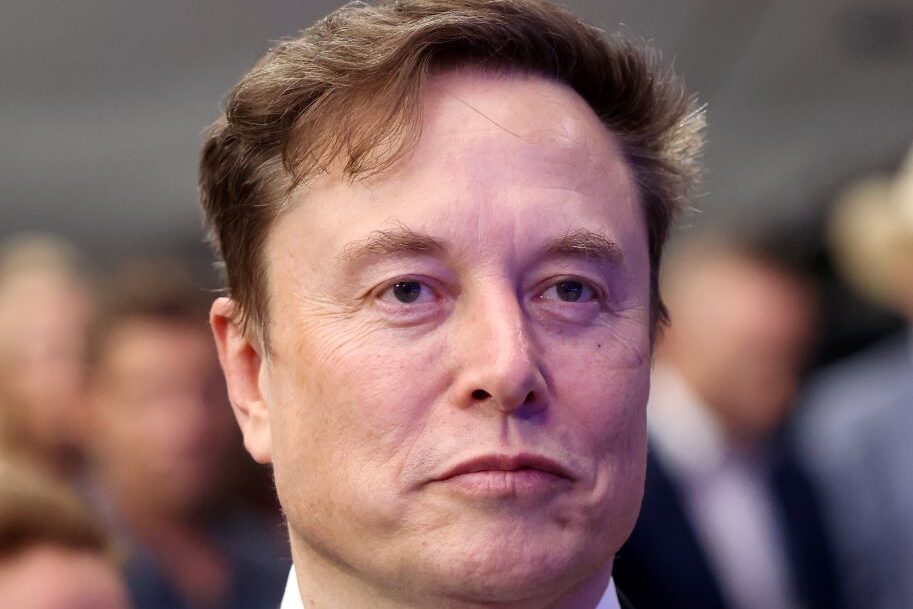
Elon Musk’s journey toward becoming the richest person in America is far from a straight line. it’s a winding path built on big dreams, even bigger risks, and an appetite for tackling problems that most people wouldn’t touch. As of early 2026, his net worth is estimated in the hundreds of billions, largely thanks to his ownership stakes in electric vehicle maker Tesla, rocket and space firm SpaceX, and his work in artificial intelligence with ventures like xAI. His rise wasn’t a quiet one: early wins with PayPal set the stage, but it was his relentless push into clean energy, space exploration, and tech that captured mainstream imagination and investor capital alike. That boldness; betting on electric vehicles when they were niche, reusable rockets when space was monopolized by governments, and AI when it was still emerging has been both praised and criticized, but undeniably reshaped entire industries.
What’s striking about Musk’s story is how personal it feels despite the massive scale of his companies. He’s famous for sleeping at factories, pressing teams on impossible deadlines, and embracing a kind of leadership that doesn’t shy away from controversy. People see him as part innovator, part showman, and part relentless executor, and that blend has made him a central figure of 21st-century wealth. Whether driving Tesla’s vision of sustainable transport or pushing SpaceX toward a future where humans live on multiple planets, Musk’s wealth is tied to ideas about the next frontier, not just the status quo.
2. Jeff Bezos — Turning a Bookstore Into a Global Machine
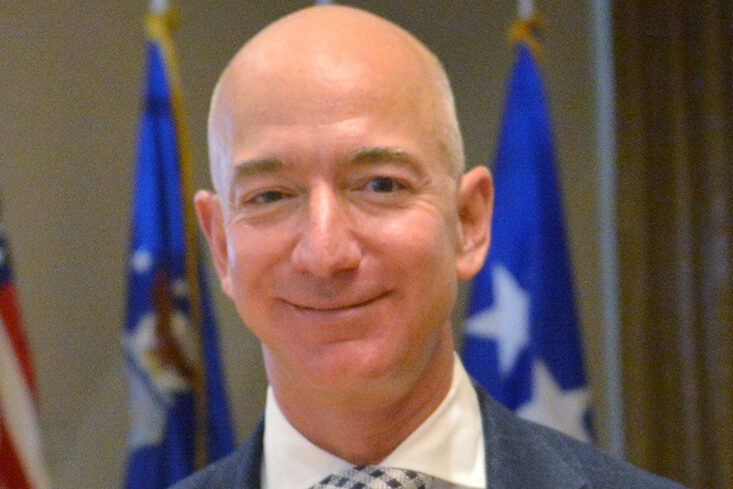
Jeff Bezos’s rise to billionaire status began with a simple itch: the internet was growing fast, and he wanted to sell something online. That idea became Amazon, a company that started selling books and eventually revolutionized how the world shops, reads, and accesses media. Bezos’s relentless focus on customer experience; from faster delivery to broader product selection — helped Amazon expand into cloud computing, entertainment, logistics, and more, turning it into one of the most influential businesses of the modern era. By 2026, Bezos remains one of America’s wealthiest people, thanks to Amazon’s continued success and his investments in space exploration and technology ventures.
Bezos is often described as strategic and patient; someone who makes long-term bets rather than chasing quick wins. mindset helped Amazon sustain growth even when critics questioned its profitaThat bility or strategy. Outside of Amazon, Bezos also funded Blue Origin, a company focused on making space more accessible. His story resonates because it blends curiosity with long-term thinking: he saw opportunity where others saw inconvenience, and through steady execution, he helped build a brand that millions depend on every day.
3. Larry Ellison — Building the Corporate Backbone

Larry Ellison built his fortune not on flashy consumer apps or viral trends. He focused on something far less glamorous but far more essential: enterprise databases. In 1977, he co-founded Oracle Corporation with the belief that businesses would one day depend entirely on digital data systems. Then, it sounded ambitious. But as corporations began shifting from paper files to computer systems, Oracle’s software became the quiet engine running payrolls, logistics, inventory, and financial reporting around the world. Ellison understood that if a company’s data lives in your system, it’s not easy for them to leave. That stickiness translated into recurring contracts, steady revenue, and long-term dominance in a niche most consumers never think about.
Ellison proved he wasn’t just a software founder but a sharp tactician. He aggressively acquired competitors, expanded into cloud computing when the market shifted and kept Oracle relevant long after many early tech firms faded away. His fortune grew steadily because he built infrastructure rather than chasing trends. While others competed for headlines, Ellison focused on control, scalability, and long-term contracts. It’s a reminder that sometimes the biggest fortunes are built behind the scenes and in the systems that quietly hold the business world together.
4. Warren Buffett — Letting Time Multiply Value
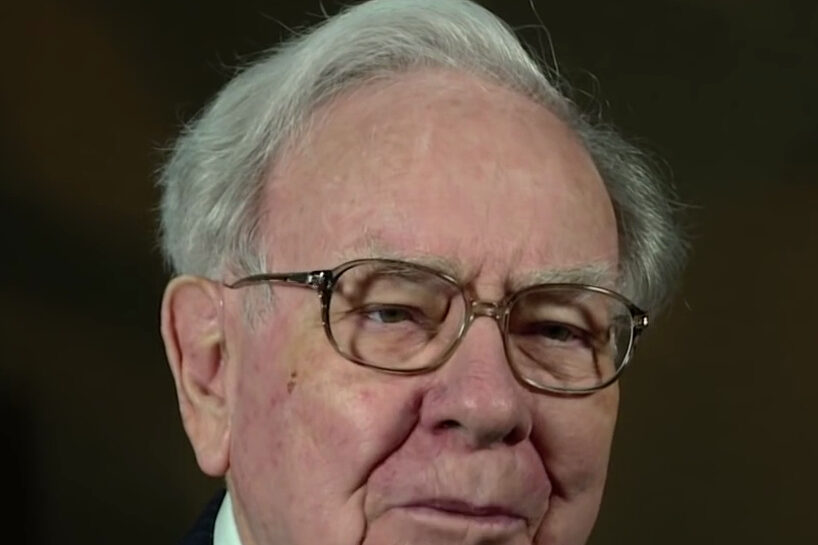
Warren Buffett is often called the “Oracle of Omaha,” but his wealth didn’t come from predicting the future with magic. It came from discipline. Through Berkshire Hathaway, Buffett steadily acquired companies and stock positions in businesses he believed were fundamentally strong. Insurance companies, railroads, and consumer brands. He chose enterprises with reliable earnings and trustworthy leadership. His philosophy was remarkably simple: buy great businesses at reasonable prices and hold them for a very long time. Instead of chasing hot trends, he trusted compound growth. Over decades, that patience transformed Berkshire from a struggling textile manufacturer into one of the most valuable holding companies in the world.
What makes Buffett’s story feel human is how grounded he has remained despite staggering wealth. He still speaks plainly about money, avoids unnecessary flash, and emphasizes integrity over quick profits. His fortune rose not because he moved fast, but because he stayed steady. In a world where markets swing wildly and headlines shift daily, Buffett’s calm consistency feels almost radical. His wealth story teaches that sometimes success isn’t about brilliance in a single moment, it’s about showing up year after year, trusting the math of patience, and allowing time to quietly multiply what you’ve planted.
5. Bill Gates — Writing the Software Standard

Bill Gates saw the future of computing long before it became obvious. When he co-founded Microsoft in the 1970s, personal computers were still experimental tools for hobbyists. Gates believed they would become household necessities. His crucial insight was licensing Microsoft’s operating system to hardware manufacturers instead of building computers himself. That decision placed Windows software at the center of the PC revolution. As computers spread across offices, schools, and homes, Microsoft became nearly unavoidable, and Gates’ ownership stake grew into one of the largest fortunes in modern history.
Even after stepping away from daily leadership, Gates’ wealth remained tied to Microsoft’s global reach. But his later years reshaped his public identity. Through the Bill & Melinda Gates Foundation, he directed billions toward global health, education, and poverty reduction. His fortune reflects both timing and foresight ; he entered the computing industry at exactly the right moment and positioned his company as its backbone. Gates didn’t just build software; he helped define the operating system of modern work and communication. That foundational role is what continues to anchor his place among America’s richest.
6. Steve Ballmer — Loyalty That Paid Off

Steve ballmer joined Microsoft in its early days and never left until decades later. While he wasn’t a founder, he believed deeply in the company’s trajectory and accumulated a substantial equity stake. When he eventually became CEO, he focused on expanding Microsoft’s enterprise dominance, strengthening its presence in corporate software and global markets. During his tenure, revenue soared and the company entrenched itself as a pillar of business technology. Ballmer’s wealth grew primarily from holding onto his shares as Microsoft’s valuation climbed over the years.
After stepping down, Ballmer made headlines by purchasing the Los Angeles Clippers, bringing the same energy and enthusiasm he showed in tech into professional sports ownership. What makes his wealth story compelling is its simplicity: he stayed loyal, worked relentlessly, and kept his stake. There’s no dramatic pivot or sudden invention, just belief in a growing company and the discipline to hold on. Sometimes immense fortune isn’t about founding the next big thing. Sometimes it’s about recognizing one early, contributing to its growth, and trusting its long-term power.
7. Larry Page — Engineering Simplicity at Scale
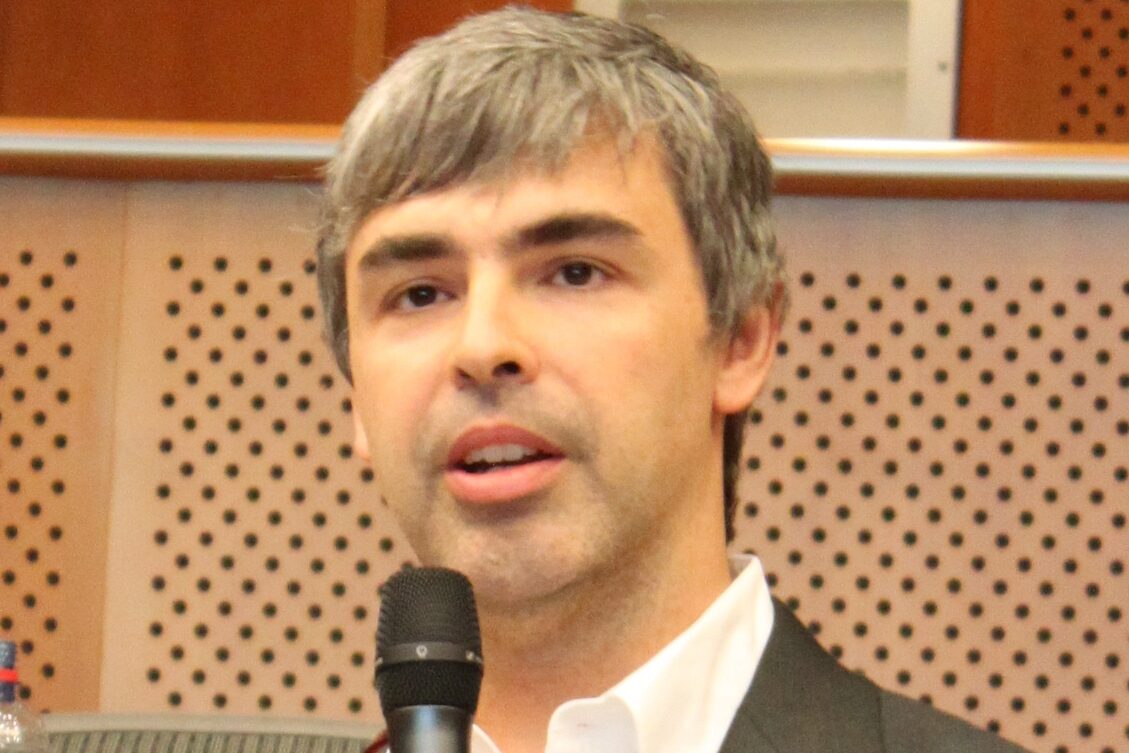
Larry Page began with a research question: how can we rank web pages more effectively? That academic curiosity led to the creation of Google and eventually Alphabet Inc. The company’s dominance in online search and advertising became one of the most profitable business models in history. Page’s early ownership stake ensured that as Alphabet expanded into YouTube, Android, cloud computing, and artificial intelligence, his wealth grew alongside it.
The money followed because the product worked and worked incredibly well. As millions, then billions, of people began using Google daily, the company discovered a powerful business model: targeted advertising tied directly to search intent. Businesses were willing to pay to appear when users were already looking for what they offered. That steady stream of advertising revenue fueled explosive growth. When Google later reorganized under Alphabet Inc. and expanded into mobile software, cloud computing, and artificial intelligence, Page’s early ownership stake multiplied in value. He didn’t just build a website; he built a system people depend on every day. His wealth is the outcome of solving one problem so effectively that the entire world kept coming back for answers
8. Sergey Brin — Turning Algorithms Into Influence
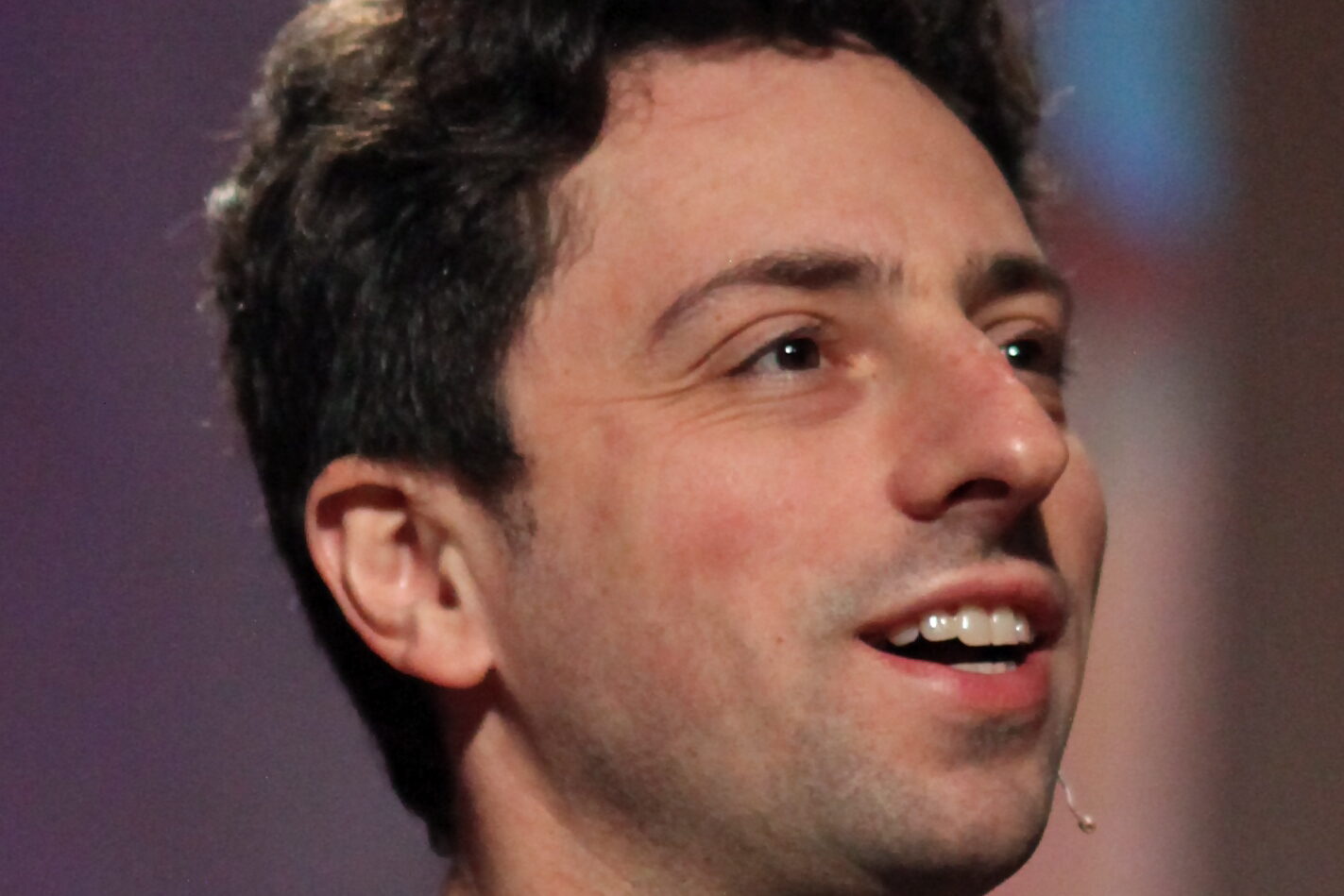
Sergey Brin’s path to immense wealth runs parallel to Larry Page’s whom he built Google with. But while many headlines focus on Page, Brin’s role was equally foundational: he brought mathematical brilliance and engineering intuition to the early search engine, helping refine algorithms that would become the backbone of modern internet search. As Google grew into Alphabet, Brin’s leadership expanded into ambitious projects like autonomous vehicles and wearable tech, always pushing at the edges of what technology could do. Currently, his net worth keeps him among the richest in America, a testament to both his early ownership and his ongoing role in advancing tech.
What’s compelling is how grounded he has stayed despite the scale of his success. Colleagues describe him as curious and playful, someone who sees code and data as puzzles to be solved, not just assets to be monetized. This mindset helped cultivate Google’s culture of experimentation, where even quirky ideas could take flight if they showed promise. His personal story reflects a kind of joy in creation, the kind you see when someone truly loves what they do. While not always in the limelight, Brin’s contributions helped define the digital landscape we navigate daily; his legacy is inseparable from the wealth he holds today
9. Mark Zuckerberg — Scaling Human Connection
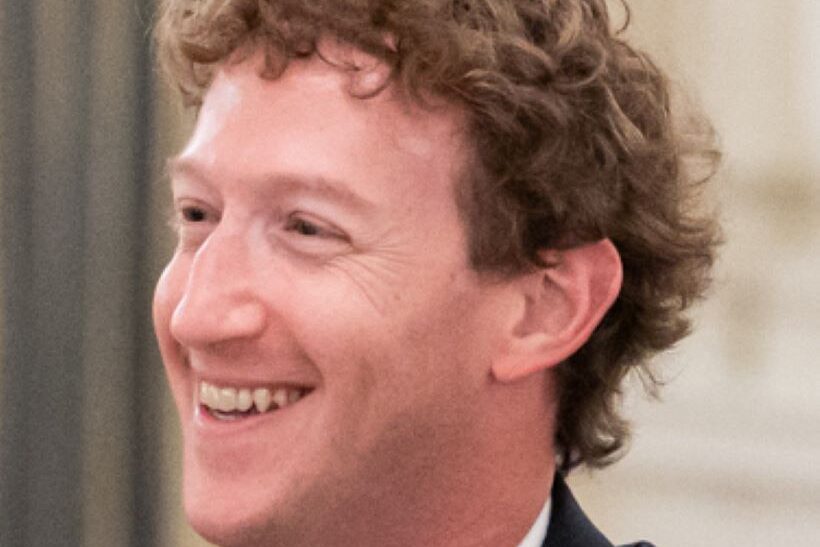
Mark Zukerberg built his fortune by tapping into something deeply human: the desire to connect. What started in a Harvard dorm room as a campus networking site evolved into Facebook, and eventually into Meta Platforms. As the platform expanded globally, advertising revenue became its financial engine. Strategic acquisitions like Instagram and WhatsApp strengthened the ecosystem, keeping Meta central to digital communication. Over time, billions of users made Meta’s platforms part of their daily routines, and that scale translated into immense market value.
Zuckerberg’s journey hasn’t been simple or free of controversy. As Meta grew, so did debates around privacy, content moderation, and social influence. Yet he continued steering the company toward long-term bets, particularly in virtual and augmented reality. His belief in immersive digital spaces reflects his pattern of thinking years ahead rather than reacting to the present. His wealth grew because he scaled connection itself, something as old as humanity but newly amplified by technology. Whether admired or criticized, his role in reshaping communication is undeniable, and that transformation lies at the core of his extraordinary fortune.
10. Jensen Huang — Powering Artificial Intelligence
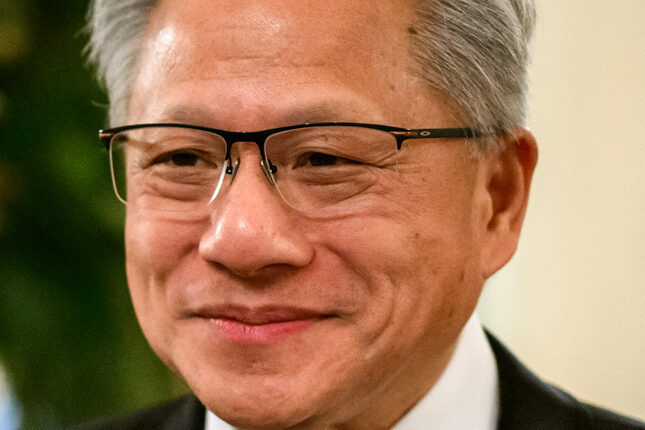
Jensen Huang co-founded NVIDIA in 1993 to build graphics chips for video games. For years, the company thrived in the gaming world, producing powerful GPUs that made virtual environments richer and more realistic. But what truly transformed Huang’s fortune was an unexpected second act. As artificial intelligence research accelerated, Nvidia’s chips proved uniquely suited for training complex AI models. Suddenly, the same technology powering games became the backbone of machine learning, data centers, and generative AI systems.
Huang’s wealth soared because he had built adaptable technology. He didn’t pivot away from graphics; he expanded their potential. By investing heavily in research and positioning Nvidia at the center of AI infrastructure, he ensured the company became essential to a new technological wave. Huang is known for his intense focus and hands-on leadership style, often presenting complex innovations in simple, accessible ways. His story feels timely, a reminder that sometimes you build something for one purpose and, years later, it becomes critical to something much bigger. Preparation met opportunity, and the result reshaped his net worth dramatically.
11. Michael Dell — Reinventing the Direct Model
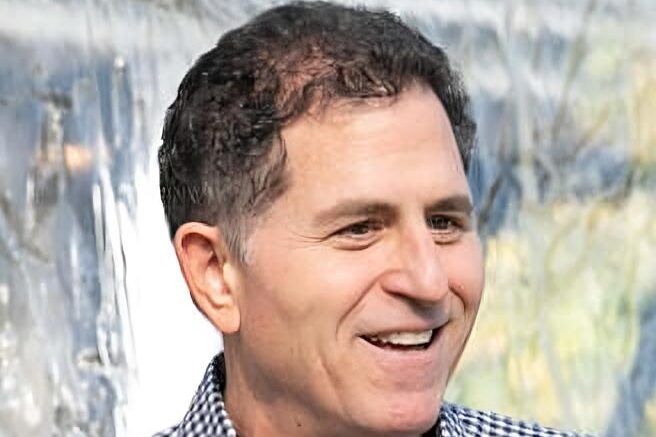
Michael Dell started building computers in his college dorm room, selling directly to customers who wanted customized machines. That direct-to-consumer model became the foundation of Dell Technologies. By cutting out retail middlemen and focusing on efficiency, Dell grew rapidly during the personal computing boom. His company became synonymous with practical, reliable machines for businesses and households alike. The steady growth of PC adoption in the 1990s and early 2000s built a strong financial base.
What sets Dell apart is his willingness to evolve. When the PC market matured, he took the company private in a bold move, restructuring it away from public market pressures. Later, he expanded aggressively into enterprise infrastructure and cloud services, transforming Dell Technologies into a broader technology solutions provider. His fortune reflects resilience and adaptability. He didn’t cling to yesterday’s formula; he reshaped his company to fit tomorrow’s demand. That steady reinvention kept both the business and his wealth relevant in an industry that rarely stands still.
12. Rob Walton — Guarding a Retail Empire
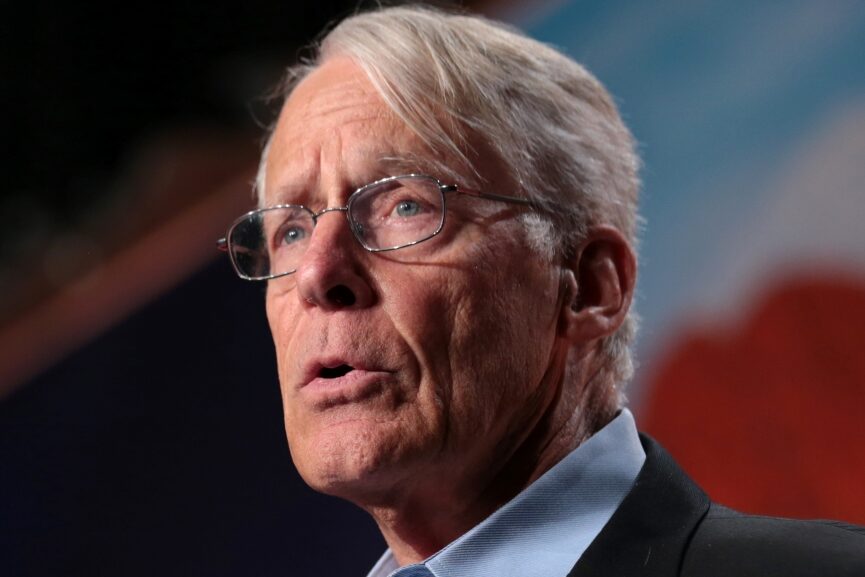
Rob Walton inherited beyond a name; he inherited a responsibility. As one of the heirs of Sam Walton, the founder of Walmart, Rob didn’t have to start a business from scratch, but growing and sustaining a company that spanned thousands of stores across the U.S. and the world was no small feat. Under his guidance as chairman, Walmart expanded its footprint, modernized operations, and embraced technology to keep pace with changing shopping habits. He helped steer the company through competitive pressures and economic ups and downs, ensuring that the Walton legacy not only endured but flourished. His wealth comes from ownership in the company, which has remained one of the largest retailers globally for decades.
Rob Walton’s story feels human because it combines legacy with stewardship. He worked to protect his inheritance. Decisions about supply chains, international expansion, and employee management weren’t abstract, they affected communities, jobs, and millions of customers every day. By maintaining a long-term focus and respecting the values his father instilled, Rob ensured that Walmart remained a consistent force in retail. His fortune is the product of thoughtful leadership, steady hands on the wheel, and the ability to evolve a family enterprise into a modern powerhouse while staying true to its roots.
13. Alice Walton — Ownership and Cultural Investment

Alice Walton inherited a significant part of the Walton family fortune, tied to Walmart, one of the largest retailers in the world. While she didn’t build Walmart from the ground up, maintaining and growing her wealth required careful stewardship of her stake. Walmart’s massive scale, thousands of stores across the U.S. and globally, combined with decades of consistent growth, turned that ownership into one of the largest fortunes in America. Her wealth is rooted in the enduring power of the family business, which continues to thrive in an ever-changing retail landscape by adapting to online shopping, supply chain innovations, and global expansion.
Alice Walton chose to use her wealth beyond retail. Passionate about art, she founded the Crystal Bridges Museum of American Art in her home state of Arkansas, creating public access to a world-class collection. Her fortune allows her to merge financial influence with cultural impact, turning inherited wealth into opportunities for community enrichment. While many billionaires focus solely on business, Alice demonstrates that legacy can also mean supporting creativity, education, and culture. Her story shows that fortune isn’t just about money, it’s about the choices you make with it and the mark you leave on the
14. Jim Walton — Diversifying the Family Base

Jim Walton fortunate as part of the Walton family, the founders of Walmart, one of the largest and most influential retail businesses in the world. While inheritance gave him a foundation, building and maintaining wealth required strategy and vision. Jim focused not only on his stake in Walmart but also on diversifying into other ventures, including regional banking, which allowed him to grow his portfolio beyond retail. Walmart’s enormous scale, consistent revenue, and adaptability to shifting consumer habits, from expanding physical stores to embracing e-commerce, ensured that the family’s fortune remained robust across generations. His wealth reflects both the strength of the family business and his role in safeguarding and expanding it.
Jim strikes between legacy and initiative. He didn’t simply rest on what was passed down; he looked for ways to keep the fortune growing and relevant in a changing world. From investing in community banking to supporting strategic growth at Walmart, his approach combines prudence with opportunity. His story highlights how wealth isn’t just inherited; it’s cultivated, protected, and expanded through thoughtful decisions that respect the past while preparing for the future. Jim’s fortune is as much about stewardship as it is about family legacy.
15. MacKenzie Scott — Equity and Rapid Philanthropy

MacKenzie Scott became one of America’s wealthiest individuals through a significant ownership stake in Amazon, acquired as part of her divorce settlement from Jeff Bezos. That equity alone placed her among the richest people in the world, but what makes her story stand out isn’t just the wealth itself; it’s what she chose to do with it. While many billionaires grow richer by reinvesting or expanding businesses, Scott has focused on redistributing her fortune to create meaningful change. She has given away billions of dollars to organizations across the United States in education, healthcare, social justice, and economic development, often with remarkable speed and minimal bureaucracy.
Scott’s journey is deeply human because it reflects intention and empathy. She didn’t need to build a company or chase financial gain; she inherited a vast opportunity and decided to use it in ways that directly impact people’s lives. Her wealth comes from Amazon’s growth and the foresight to retain that equity, but her influence extends far beyond numbers. She has reshaped philanthropy by demonstrating how wealth can be deployed thoughtfully and urgently, turning fortune into action. Her story shows that financial power can become a force for good when paired with deliberate generosity and a commitment to making a tangible difference in the world.
16. Charles Koch — Expanding Private Industry
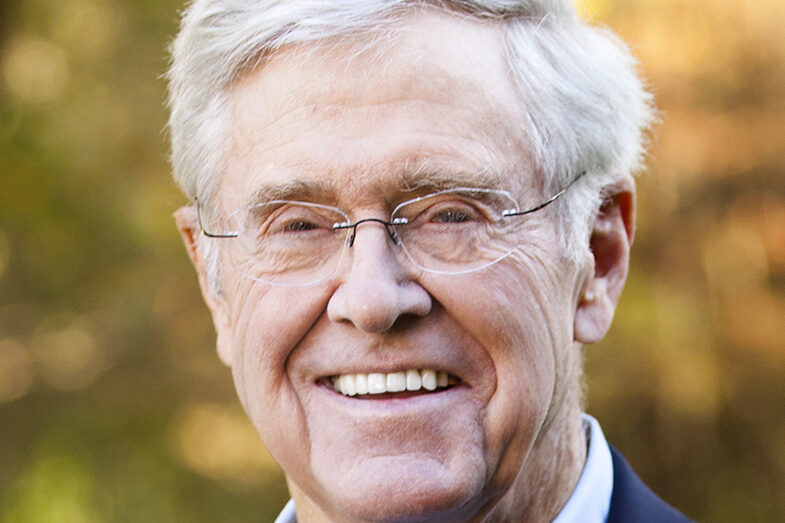
Charles Koch didn’t chase headlines or tech trends. He built his fortune by leading and expanding Koch Industries, one of the largest privately held companies in America. The company started in oil refining and chemicals but gradually expanded into manufacturing, energy, and a wide range of industrial products. Koch focused on efficiency, long-term planning, and diversification, reinvesting profits strategically to grow the business steadily over decades. Unlike public companies, Koch Industries operates largely out of the spotlight, which allows Charles to focus on building a private empire that could withstand market fluctuations and political shifts.
What makes Charles Koch’s story feel human is the combination of vision and patience. He recognized that sustainable wealth comes not from chasing fads but from creating systems that work reliably year after year. He invested in processes, people, and infrastructure, ensuring the company could adapt as industries evolved. His fortune is the product of decades of careful stewardship, hands-on leadership, and the ability to see opportunities others might overlook.
17. Julia Koch — Sustaining Industrial Scale
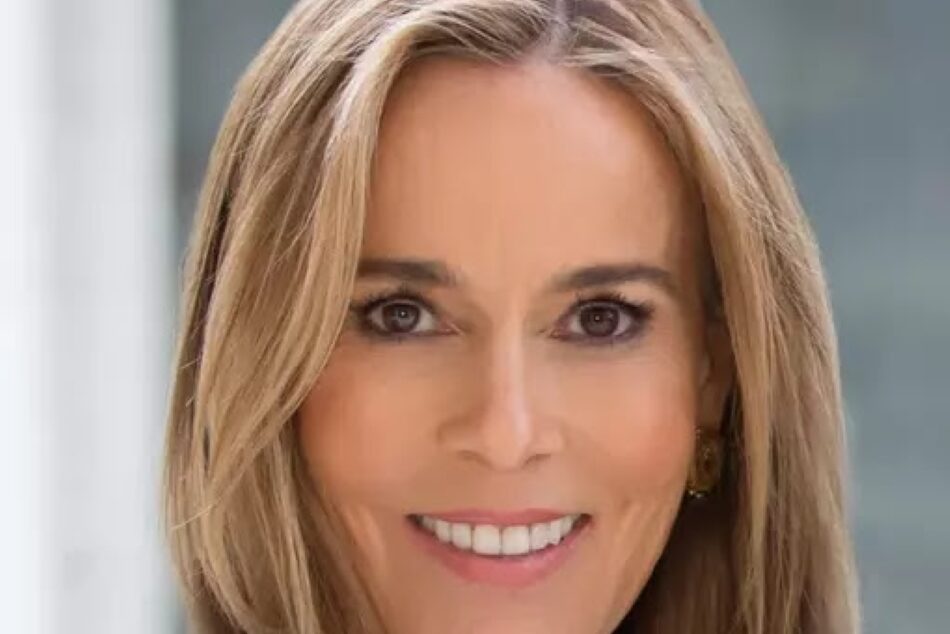
Julia Koch became one of America’s wealthiest individuals through her ownership stake in Koch Industries, which she inherited following the passing of her husband, David Koch. Koch Industries is one of the largest privately held companies in the U.S., spanning energy, chemicals, manufacturing, and consumer goods. While Julia did not build the company herself, her fortune reflects decades of growth, diversification, and careful management that turned the enterprise into a global powerhouse. Her ownership stake represents a share of the massive revenues generated by these industries, making her one of the richest women in the world.
What makes Julia Koch’s story feel human is how she has approached that wealth. She has chosen to use her fortune thoughtfully, focusing on philanthropy that supports education, medical research, and cultural institutions. She maintains a low public profile but embraces the responsibility that comes with enormous financial resources. Julia’s story shows that wealth is not only about how it is acquired, but also how it is preserved, nurtured, and directed toward impact. In her case, inheritance became an opportunity to sustain a legacy and make choices that affect communities, industries, and causes for generations.
18. Stephen Schwarzman — Building Private Equity Power
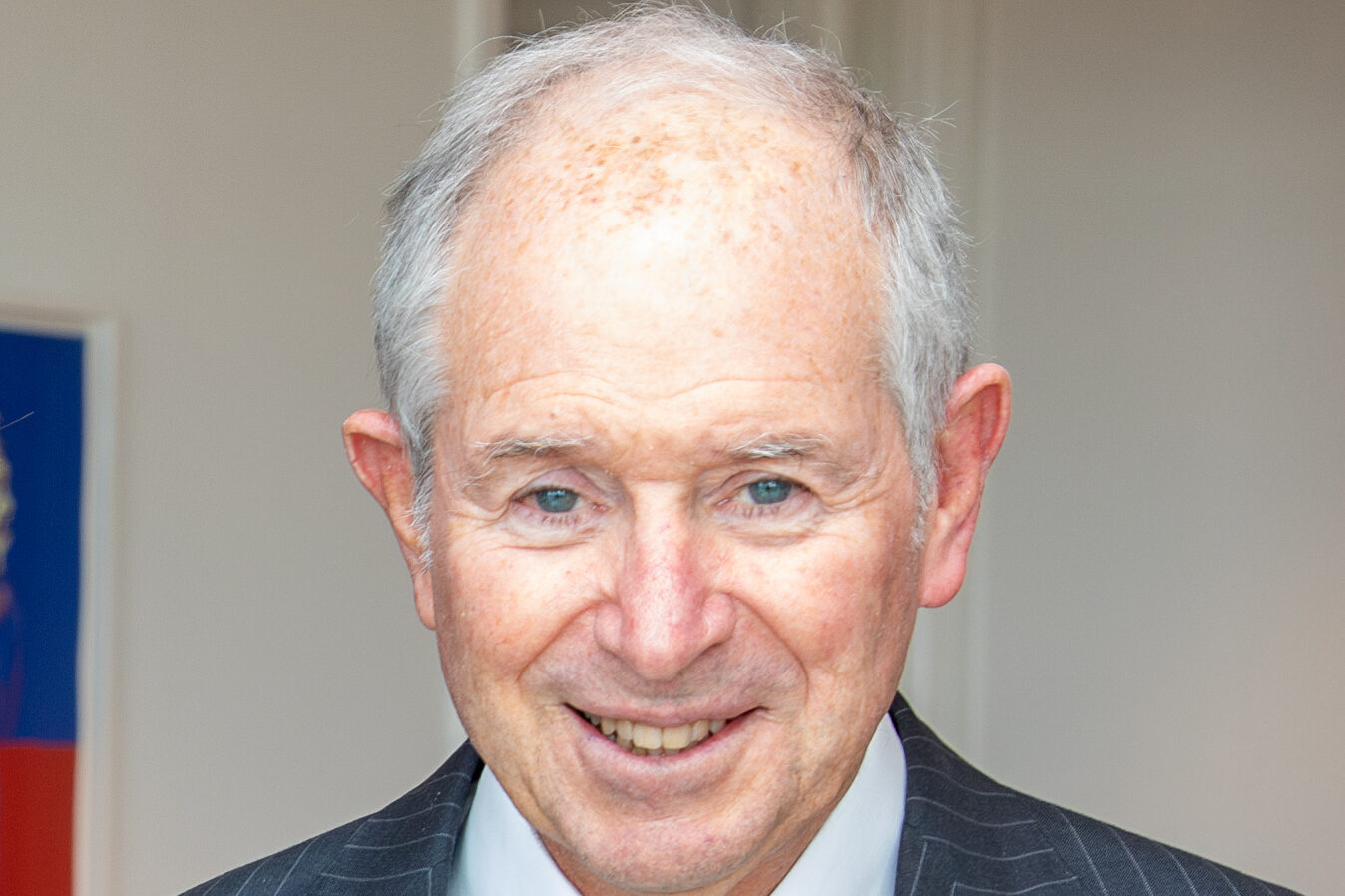
Stephen Schwarzman built wealth through vision, strategy, and relentless determination. In 1985, he co-founded Blackstone Inc., a private equity firm that would go on to become one of the world’s most powerful investment organizations. Schwarzman’s approach was to buy companies, improve their operations, and then sell them at a profit — a model that was ambitious at the time and required both confidence and foresight. Over the decades, Blackstone expanded into real estate, credit, and alternative investments, creating multiple streams of income and enormous growth in assets under management. His personal fortune grew in tandem with the firm, fueled by his significant equity stake and the firm’s consistent performance.
What makes Schwarzman’s story feel human is how it reflects hard work, risk-taking, and the ability to see opportunities where others see complexity. He built Blackstone by cultivating relationships, making thoughtful strategic decisions, and focusing on long-term value rather than short-term gains. While many of his deals happened behind closed doors, their impact is tangible: jobs preserved, companies revitalized, and markets shaped. His wealth is a product of intellect, timing, and persistence — a reminder that building fortune often comes from solving complicated problems with patience and ingenuity.
19. Ken Griffin — Trading Precision at Scale

Ken Griffin started with a simple but powerful idea: use skill, information, and timing to make financial markets work for him. As a college student at Harvard, he began trading convertible bonds from his dorm room, testing strategies, and learning how to interpret market signals. That curiosity and discipline laid the foundation for Citadel LLC, which he founded in 1990. Citadel grew into one of the world’s most successful hedge funds, managing billions of dollars in assets across stocks, bonds, derivatives, and other financial instruments. Griffin’s personal wealth largely comes from his stake in the firm, which has consistently delivered returns that few others in the industry could match.
What makes Ken Griffin’s story human is the combination of relentless focus and calculated risk. He didn’t inherit a fortune or stumble into success; he studied, tested, failed, and adapted over decades. His work is high-pressure and fast-paced, yet it reflects a methodical understanding of markets and human behavior. Beyond investing, he has also contributed to philanthropy, arts, and education, showing that even in the high-stakes world of finance, wealth can be used to create a broader impact.
20. Jacqueline Mars — A Sweet but Strategic Empire
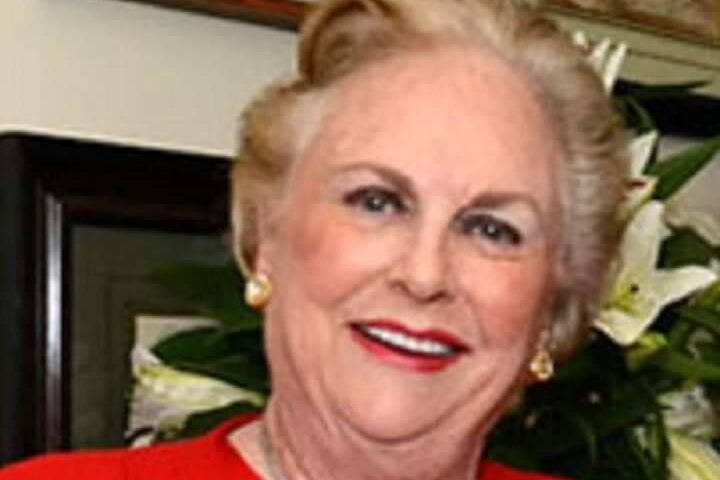
Jacqueline Mars inherited her fortune as part of the Mars family, whose company, Mars Inc., is a household name around the world. While she did not start the company herself, her wealth is tied to the growth and diversification that her family cultivated over decades. Mars Inc. is known not just for candy like M&Ms and Snickers, but also for pet food and other consumer goods, making it one of the largest privately held companies globally. Her fortune comes from sustained ownership and the company’s ability to maintain market dominance across generations. The scale and consistency of the business turned what began as a small candy operation into an empire, and Jacqueline’s stake represents a share of that ongoing success.
What makes Jacqueline Mars’ story feel human is the way she balances private life with the responsibility of wealth. She is known for being low-profile, focused on stewardship rather than the spotlight, and thoughtful about how her fortune impacts her family and society. While her wealth is rooted in inheritance, it is sustained through careful governance and the enduring value of a company built on quality products and strong branding. Jacqueline’s journey shows that wealth isn’t always about founding something new; it can also be about maintaining, nurturing, and respecting a legacy that has lasted for generations, quietly shaping industries and lives alike.


