
The Endless Echo Of The Fab Four
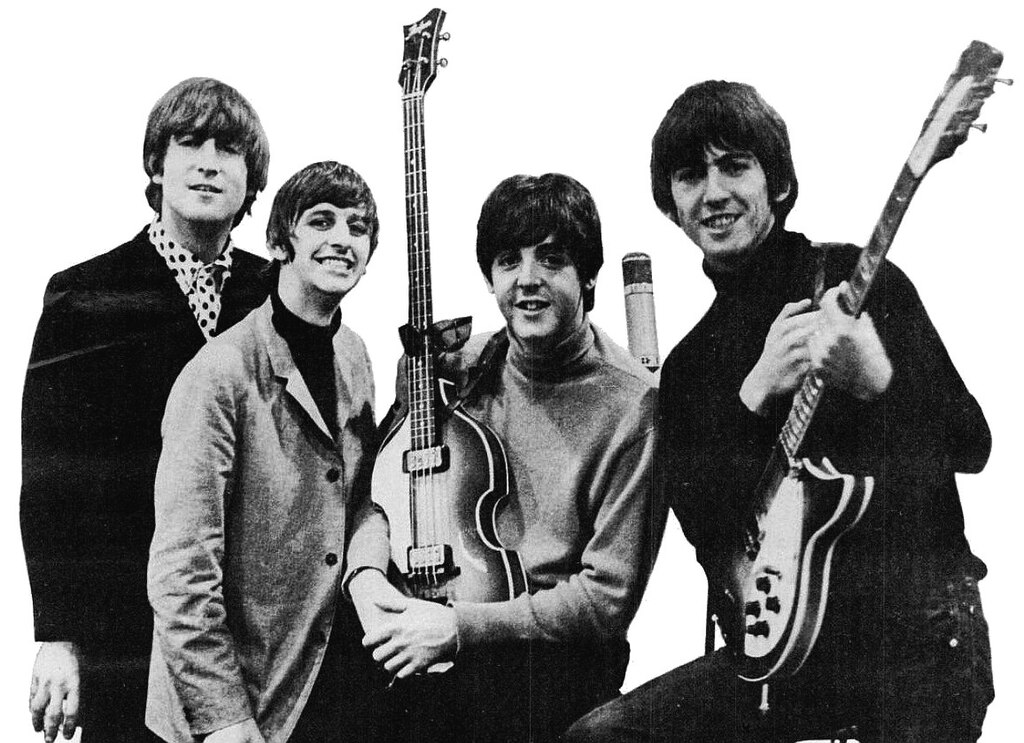
This is a question that has sparked countless debates in rainy London pubs and sunny Liverpool cafes alike for over half a century now. We often find ourselves wondering what might have happened if that famous creative friction had turned into a permanent fuel rather than a reason to part ways in 1970. The Beatles were never just a band because they acted as a cultural compass that pointed toward the future of sound and art. Their collective curiosity was so vast that it is almost impossible to imagine them sticking to a single lane when there were always new horizons to explore together.
By looking at the solo paths of John, Paul, George, and Ringo, we can begin to piece together a sonic puzzle of what a modern-day Beatles record might actually sound like in the digital age. They were pioneers who embraced every bit of new technology that came their way from tape loops to synthesizers so it is only natural to assume they would be leading the charge with artificial intelligence and spatial audio. This journey into an alternative history is not just about nostalgia but rather an appreciation for a creative spirit that was far too big to be contained by a single decade or a single genre.
Embracing The Indie Aesthetic
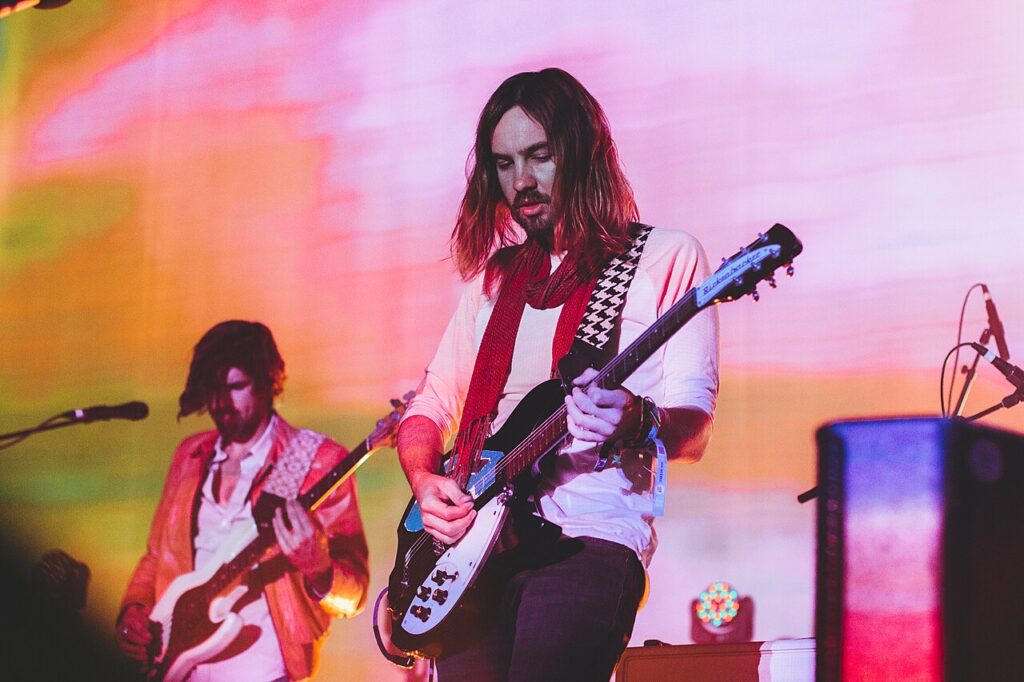
If the lads were still recording today they would almost certainly find a natural home within the modern indie and alternative scenes. You can easily imagine them sharing a festival stage with bands like Tame Impala or Vampire Weekend because their knack for blending catchy melodies with trippy production has become the blueprint for high-end indie-pop. Instead of trying to compete with the latest teenage chart-toppers they would likely lean into a more sophisticated and experimental sound that prioritises atmosphere and texture over simple radio hooks.
This move toward an indie-pop sensibility would allow them to maintain their status as innovators without feeling like they were chasing trends for the sake of staying relevant. They would likely use vintage analogue gear alongside the latest digital software to create a sound that feels both timeless and cutting edge at the same time. John Lennon would probably have pushed for a rawer and more stripped-back approach while Paul McCartney would have added those lush and multi-layered arrangements that he is so famous for creating. This balance of grit and polish is exactly what defines the most successful indie acts of the modern era which means the Beatles would fit right in.
Diving Into Progressive Rock
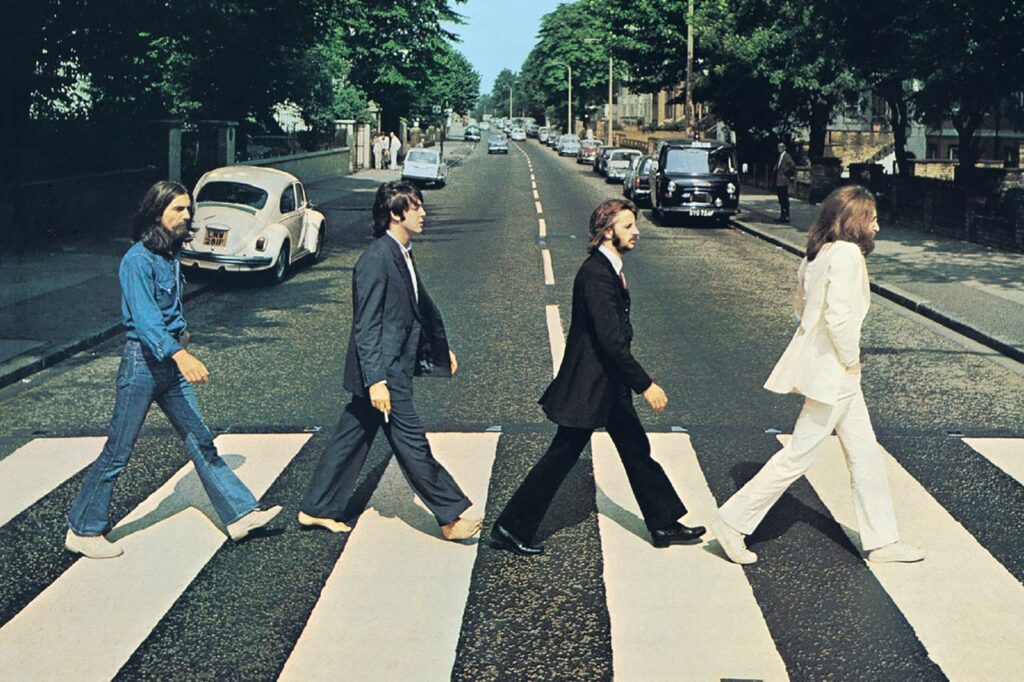
During the early seventies many fans and critics believe the band would have naturally gravitated toward the rising tide of progressive rock. Given that they had already experimented with long-form medleys on the second side of Abbey Road in 1969, it is a very short leap to imagine them crafting twenty-minute epics filled with shifting time signatures. George Harrison’s interest in complex Indian classical structures would have paired perfectly with the virtuosic ambitions of the prog-rock movement which was all about expanding the limits of the standard three-minute pop song. They would have likely traded in their simple chord progressions for something much more intricate and demanding while still keeping that essential Beatles soul at the heart of the music.
As they moved through this progressive phase they probably would have embraced the concept album format more than any other band in history. We might have seen them creating sprawling double LPs that told complex stories or explored deep philosophical themes about the nature of existence and the universe. This period would have allowed Ringo Starr to showcase his unique and steady drumming style within more challenging frameworks while John and Paul pushed each other to write more daring and intellectual lyrics. It would have been a fascinating evolution to witness as they transformed from the world’s biggest pop stars into the most respected musical thinkers of their generation.
Mastering Electronic Soundscapes
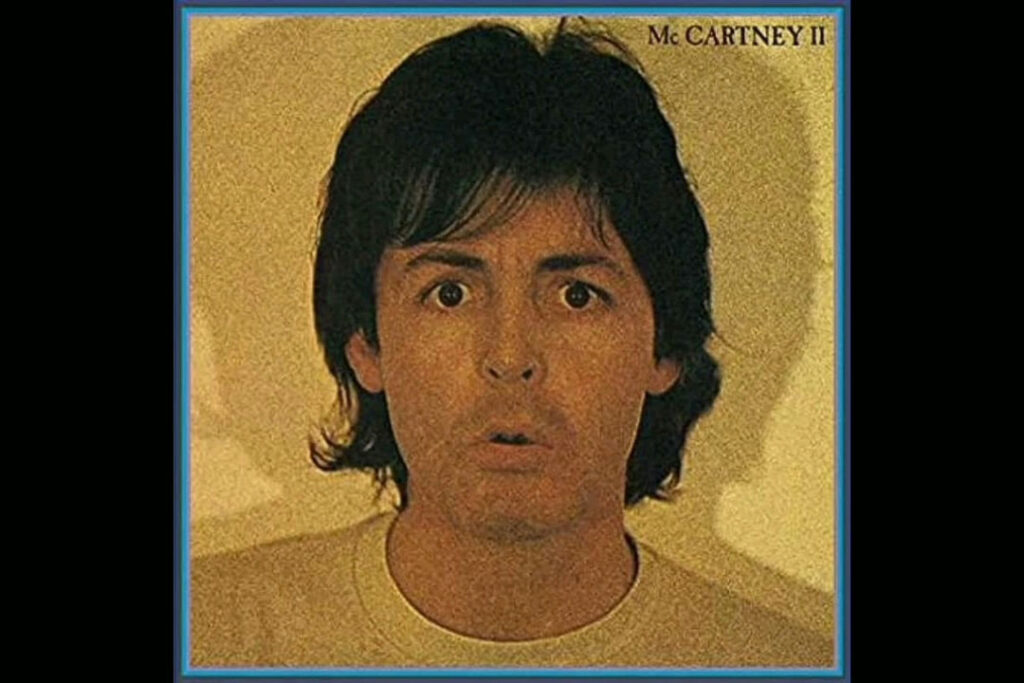
By the time the eighties arrived the Beatles would have almost certainly started playing with the new toys of the era like synthesizers and drum machines. We know from Paul McCartney’s solo work on albums like McCartney II that he was fascinated by early electronic music and the possibilities of home recording. If the whole band had been involved they likely would have created a more polished and commercially successful version of this electronic experimentation. They would have integrated these new digital sounds into their traditional rock setup, to create something that felt fresh and exciting for a new generation of listeners who grew up with MTV.
They might have collaborated with famous producers like Brian Eno or perhaps even modern electronic artists to keep their sound evolving and vibrant. This wouldn’t have meant abandoning their instruments but rather finding new ways to process their guitars and drums to create sounds that had never been heard before. John Lennon’s love for avant-garde noise would have found a perfect outlet in the world of electronic sampling and sound design. This willingness to adapt is what would have kept them at the forefront of the industry for so long because they never would have been afraid to break their own mold.
Sophisticated Adult Contemporary Style
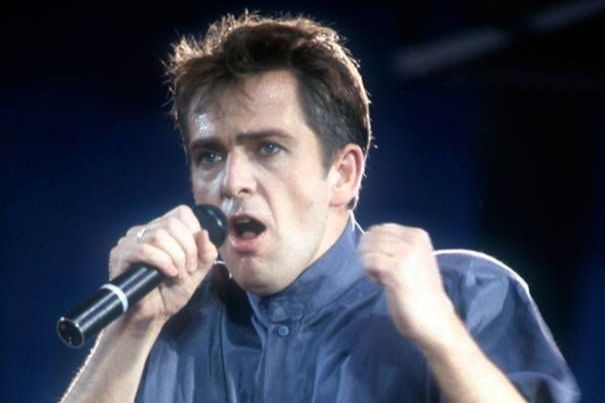
As the members reached middle age in the late eighties and nineties they likely would have settled into a very high-quality and sophisticated version of adult contemporary rock. Think of the smooth and expertly produced sounds of artists like Sting or Peter Gabriel who managed to stay relevant by focusing on great songwriting and impeccable musicianship. This period would have seen the Beatles embracing their maturity with lyrics that dealt with family and legacy and the passage of time. The music would have been less about shocking the audience and more about providing a warm and comforting experience for their massive global fan base. It would have been a golden era of refined and elegant pop-rock excellence.
This transition into a more mature sound would have allowed George Harrison’s slide guitar work to really shine within the context of melodic and mid-tempo ballads. Ringo’s drumming would have provided the perfect and understated heartbeat for these sophisticated arrangements while Paul and John shared lead vocals on tracks that explored the complexities of long-term friendship. They would have likely moved away from the frantic energy of their youth and toward a sound that was more atmospheric and contemplative. This wouldn’t have been “boring” music by any means but rather a masterclass in how to age gracefully in the public eye. They would have set the standard for what a long-term musical career should look like, and It would have been a beautiful and peaceful chapter in their long and storied history together.
Exploring Global World Music
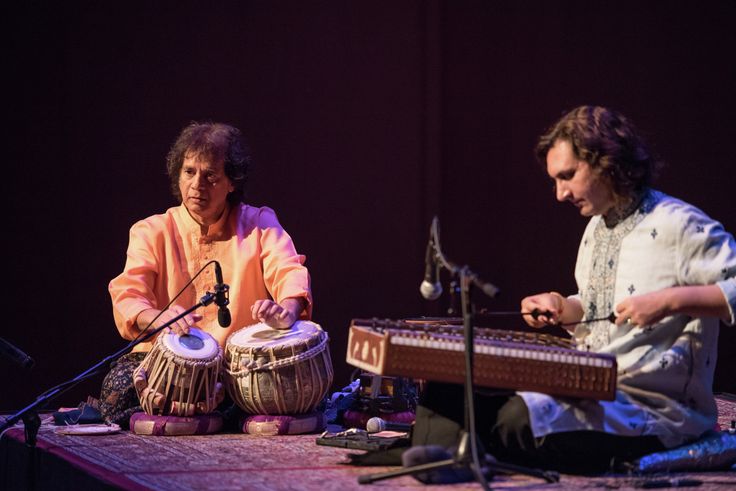
George Harrison’s lifelong passion for Indian music and culture would have almost certainly led the band toward deeper explorations of world music genres. In a modern context they probably would have collaborated with musicians from across Africa and South America and Asia to create a truly global sound. They were already doing this in the sixties with tracks like Within You Without You but with modern travel and recording technology they could have taken it much further. This would have made them pioneers of the “World Music” movement long before it became a popular category in record stores. It would have been a continuation of their mission to bring the world closer together through the power of song.
This global approach would have added an incredible amount of variety to their albums and kept the creative process exciting for all four members. You can imagine John Lennon being drawn to the political and social power of global folk music while Paul McCartney found new melodic inspirations in non-Western scales. They would have likely recorded in studios all over the world to capture the authentic feel of different musical traditions. This wouldn’t have been a superficial “tourist” approach but a deep and respectful engagement with other cultures that reflected their own personal growth. It would have been a powerful testament to their belief that music is a universal language that transcends borders and brings people of all backgrounds into a shared space.
Socially Conscious Lyricism Returns
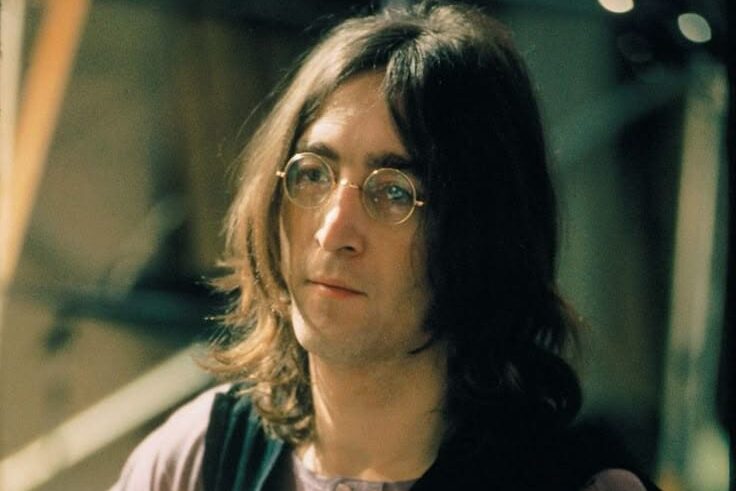
John Lennon was always the political heart of the band and if they were still together today his lyrics would likely be more pointed and relevant than ever. In a world of social media and constant political upheaval he would have had plenty of material to work with for new Beatles songs. The band would have probably used their influence to highlight important global issues like climate change and social justice and the search for peace. While Paul provided the melodies and George provided the spirituality, John would have provided the “edge” that kept the band grounded in the real world. Their music would have functioned as both an escape from reality and a direct commentary on the challenges of the modern age.
This commitment to socially conscious songwriting would have likely inspired a new generation of fans who were looking for music with meaning and purpose. They wouldn’t have just been singing about love and flowers anymore but about the hard truths of human existence in the twenty-first century. This might have led to some controversy at times but the Beatles were never afraid of a little bit of friction if it meant speaking their truth. Their ability to wrap a difficult or challenging message inside a beautiful melody is what made them so effective in the first place and that wouldn’t have changed. It would have been a powerful reminder that pop music can be a force for good.
Utilizing Modern Production Tools

The Beatles were always studio rats who loved to push the limits of what was possible with the technology of their time. If they were working today they would be absolute masters of Digital Audio Workstations like Pro Tools or Ableton Live. They would have been the first to embrace things like AI-assisted audio restoration as we recently saw with the release of their “final” song Now and Then. In a modern studio they would have used these tools to create incredibly complex layers of sound that would have been impossible back in the 1960s.
You can imagine them using AI to help blend their voices in new ways or to recreate the specific acoustic environments of their early recording sessions at Abbey Road. This blend of the old and the new would have been their trademark and made their music feel both nostalgic and incredibly fresh. They would have shown the world that you don’t have to be afraid of technology as long as you have a clear creative vision and a strong musical foundation. It would have been a masterclass in modern production that set the bar for every other producer and artist in the industry.
Surprise Releases And Streaming

In the modern music industry the Beatles would have likely moved away from the traditional album cycle and embraced more modern ways of sharing their work. We might have seen them dropping surprise albums on streaming services like Spotify in the middle of the night just to watch the internet explode with excitement. They were always a band that liked to control their own narrative so they probably would have avoided long and exhausting world tours in favour of massive and one-off stadium events. They would have used social media and video content to connect directly with their fans and bypass the traditional gatekeepers of the media.
This approach to the business side of music would have been just as innovative as their songwriting. They likely would have been early adopters of high-quality streaming formats and perhaps even created their own platform for sharing exclusive content with their most dedicated followers. By staying independent and in control of their own master recordings they would have set an example for other artists to follow. They wouldn’t have been a legacy act playing the hits for a paycheck but a living and breathing creative force that was always looking for the next big thing. Their ability to adapt to the digital landscape would have ensured that their music was accessible to everyone from the oldest fan to the youngest kid with a smartphone. It would have been a brilliant way to maintain their legacy while still moving forward.
Returning To The Roots
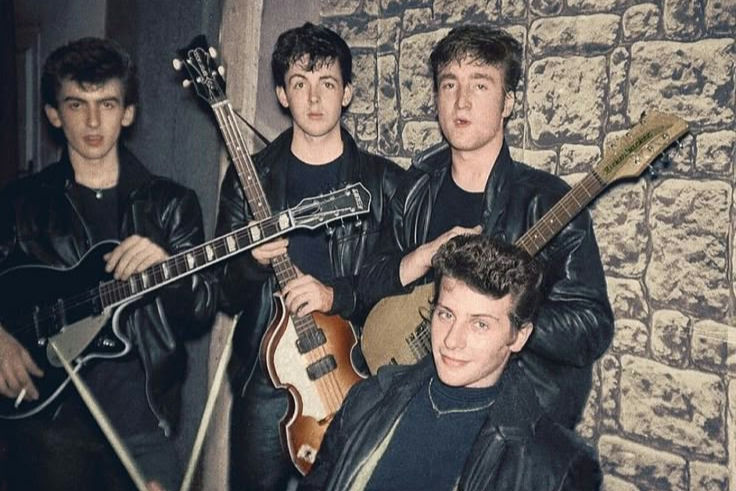
After decades of experimenting with synths and global sounds and high-tech production there would have likely been a point where the band decided to “get back” to their roots. This would have probably happened in the 1990s or early 2000s during the rise of the “unplugged” movement. We can imagine an album that was just the four of them in a room with their original instruments playing raw and honest rock and roll. This would have been a powerful way to remind the world that at their core they were just a great band from Liverpool who knew how to play together perfectly. It would have been a full-circle moment that celebrated their incredible journey and their enduring friendship.
This raw sound would have focused on the pure chemistry between the four members which is something that can never be faked or manufactured. Ringo’s steady beat and George’s tasteful guitar licks and the legendary vocal blend of John and Paul would have been front and centre. It would have been a reminder that while technology is great nothing beats the sound of four people who truly understand each other making music in a room. This era would have probably produced some of their most heartfelt and personal songs as they looked back on their lives and their shared history.
A Genre Unto Themselves
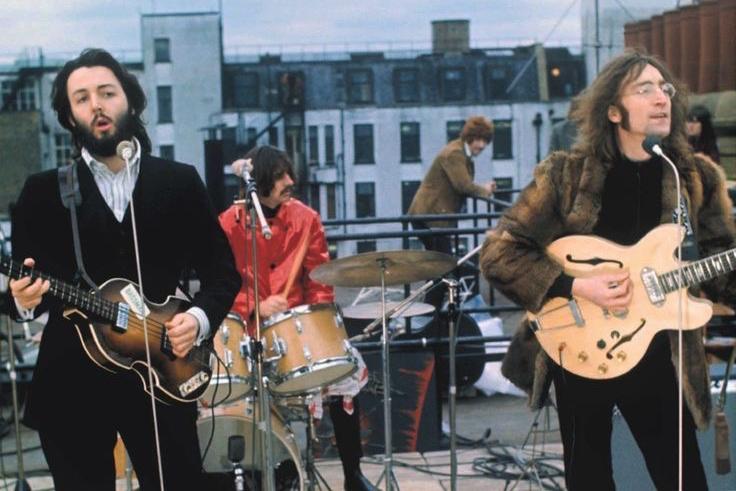
Ultimately if the Beatles were still around today they would likely defy any specific classification or genre label. They would have become a “genre unto themselves” where the only rule was that the music had to be high-quality and melodic and interesting. Critics would struggle to put them in a box because their sound would be a mix of everything they had learned and experienced over more than sixty years. This unpredictability is what would have kept them at the top of the mountain for so long.
Their music would be a living history of the last century and a bridge into the next one. Even as they grew older their music would have remained young at heart because it was built on a foundation of curiosity and love. They would have been the ultimate proof that great music is timeless and that the Beatles were truly a once-in-a-lifetime occurrence that changed the world forever. The idea of the Beatles staying together reminds us that while creative friction can lead to great art the true magic lies in the ability to evolve as a collective rather than as a factory line of solo outputs.
Like this story? Add your thoughts in the comments, thank you.


