
Jerry Seinfeld’s Billion-Dollar Sitcom
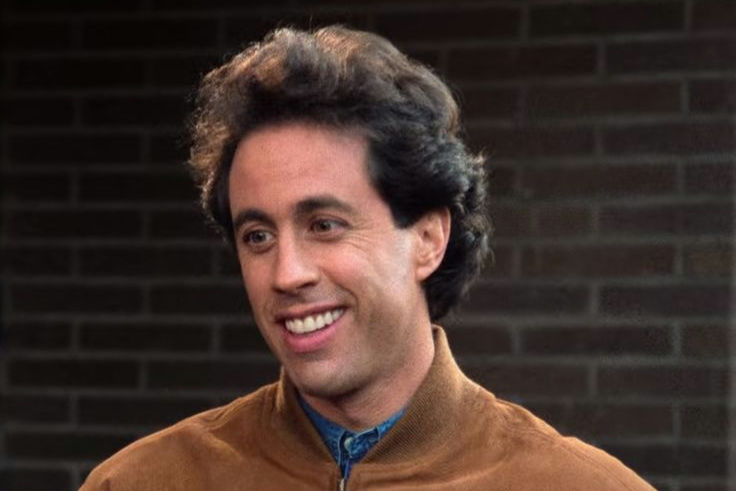
When Jerry Seinfeld co-created and starred in his namesake show in 1989, very few critics predicted it would eventually redefine the landscape of television comedy. By the middle of the 1990s, however, the NBC sitcom had become an absolute juggernaut and ranked as one of the highest-rated programmes in America. Its unique observational humour and meticulously crafted scripts attracted millions of loyal viewers each week while the cultural impact became impossible to ignore. Catchphrases from the show entered everyday speech almost immediately and the massive 1998 series finale drew more than 76 million viewers in the United States alone.
By the time the final season arrived, Seinfeld was earning a reported 1 million dollars for every single episode which was an entirely unprecedented figure at that point in history. In a move that stunned the industry in 1998, he famously declined an eye-watering offer from NBC of roughly 5 million dollars per episode to continue for just one more season because he chose to end the show while it was still at its creative peak. Beyond his massive base salary, his significant ownership stakes and lucrative syndication deals turned his sitcom success into generational wealth and firmly cemented his place as the most financially successful television star of the entire decade.
Tim Allen’s Home Improvement Payday
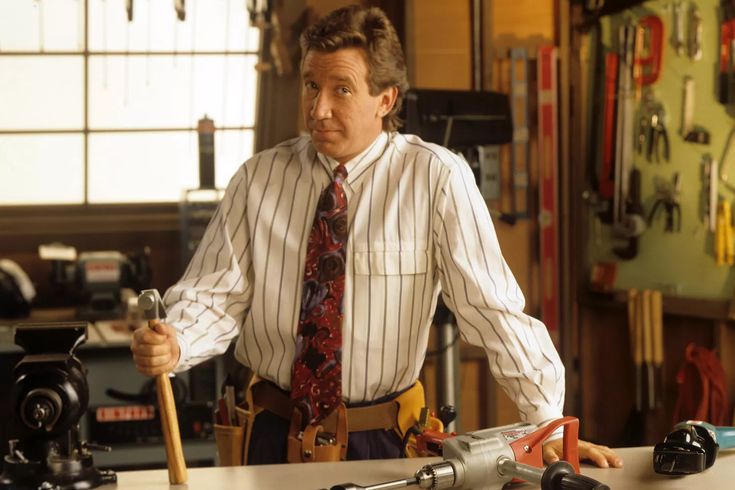
Tim Allen became one of the most defining faces of 1990s American television through the hit ABC sitcom Home Improvement which premiered back in 1991. Playing the character of Tim “The Toolman” Taylor, Allen successfully tapped into a massive audience by using family-friendly humour and a very relatable suburban setting. At its absolute height during the early to mid-1990s, the series consistently ranked among the top-rated programmes in the country and made Allen a global star. His transition from stand-up comedian to a leading man was seamless and he quickly became the face of the network’s comedy lineup.
As the popularity of the show grew throughout the decade, Allen’s earnings increased to reflect his status as a top-tier performer. By the time the final season aired between 1998 and 1999, he was reportedly earning around 1.25 million dollars per episode which placed him at the very top of the industry pay scale. The series eventually ran for eight successful seasons and produced more than 200 episodes while also boosting Allen’s wider career in major films. His massive salary reflected both the incredible ratings success and the significant bargaining power that leading sitcom stars had finally begun to command during that prosperous era of network television.
Kelsey Grammer’s Frasier Fortune
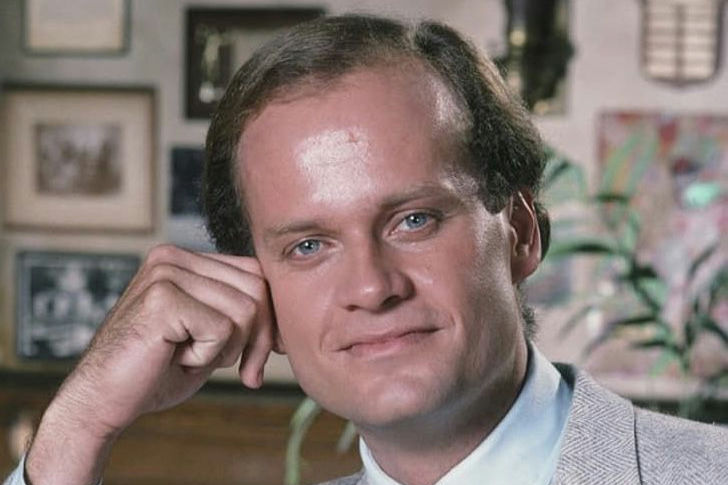
Before he ever headlined his own legendary show, Kelsey Grammer had already found immense fame playing the character of Frasier Crane on the hit series Cheers. In 1993, the highly anticipated spin-off Frasier made its debut on NBC and it quickly became both a critical darling and a commercial powerhouse. The series went on to win dozens of Emmy Awards during its long run and its sophisticated, character-driven humour appealed to a wide range of audiences throughout the 1990s. Grammer managed to take a supporting character and turn him into the lead of one of the most successful sitcoms in history.
As Frasier matured into one of the flagship comedies for the NBC network, the salary Grammer received began to reflect the immense prestige of the show. By the later seasons of the decade, he was reportedly earning well over 1 million dollars for each episode he filmed. Although the show would eventually continue running until 2004, its financial peak truly began in the late 1990s when Grammer successfully renegotiated his contract. His massive earnings demonstrated how a well-loved character who was sustained across multiple series could translate into immense long-term financial success within an increasingly competitive and lucrative television landscape that rewarded consistency and talent.
Paul Reiser’s Mad Millions
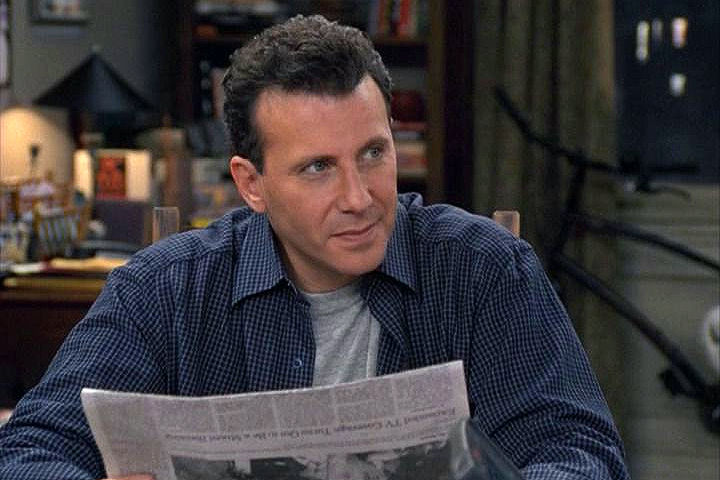
Paul Reiser was a central figure in the 1990s comedy boom as he co-created and starred in the hit series Mad About You which premiered on NBC in 1992. The romantic sitcom followed the everyday lives of a married couple living in New York City and it resonated deeply with viewers who appreciated its grounded and honest storytelling. Throughout the mid-1990s, the show remained a very steady performer in the ratings and was a frequent contender during awards season. Reiser’s ability to portray the nuances of a modern relationship made the show a staple for millions of households.
By the time the final season arrived in 1998 and 1999, Reiser was reportedly earning close to 1 million dollars per episode for his work. His dual role as both the lead actor and a co-creator significantly strengthened his negotiating position during contract talks and it highlighted a broader trend of performers taking on creative control to secure much higher pay. The series eventually ran for seven successful seasons and its financial achievements reflected the absolute confidence NBC had in character-driven comedies. These shows balanced lighthearted humour with emotional realism and Reiser was at the very forefront of that successful movement during the decade.
Helen Hunt’s Record Deal
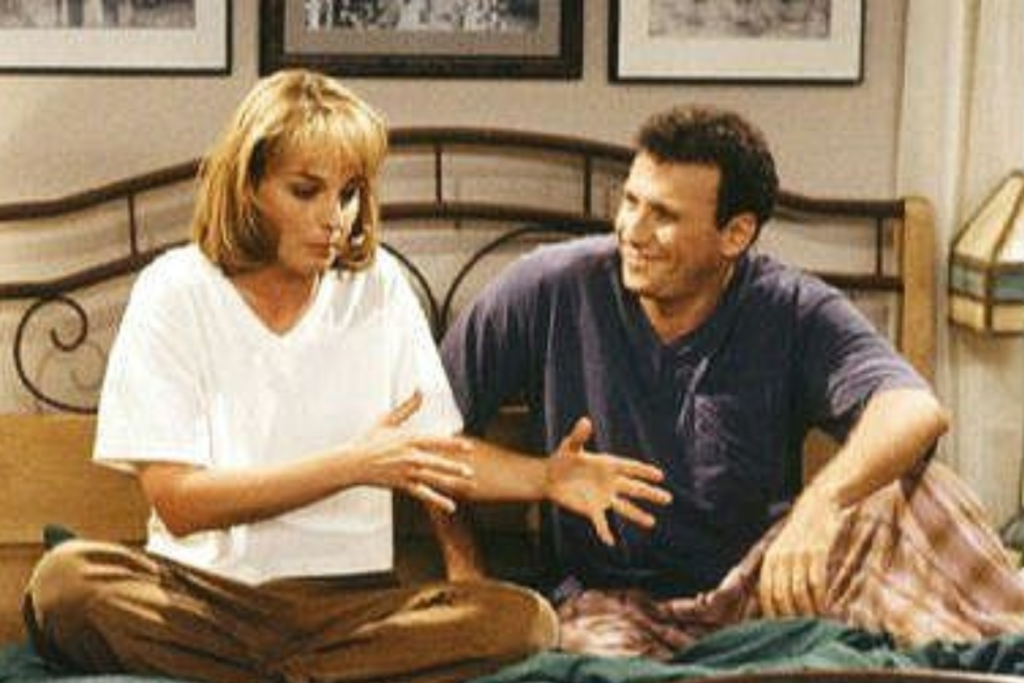
Alongside her co-star Paul Reiser, Helen Hunt became one of the highest-paid women in the history of television through her work on Mad About You. Her portrayal of Jamie Buchman earned her multiple Emmy Awards during the 1990s and she became one of the most recognisable and respected sitcom actresses of the entire era. The show’s perfect blend of humour and heartfelt moments relied very heavily on her performance and her chemistry with Reiser. She was a vital component of the show’s identity and her talent was a primary reason for its enduring popularity with both critics and fans.
In 1998, Hunt famously secured a landmark deal worth around 1 million dollars per episode for the final season of the show which finally matched the top-tier salaries of her male counterparts. At the exact same time, she was enjoying massive success in the world of film and won an Academy Award for her role in As Good as It Gets in 1998. Her television contract illustrated a growing and necessary recognition of female leads as major commercial draws in their own right. This was especially true when they anchored long-running and critically acclaimed series that defined a network’s brand and generated millions in advertising revenue.
Bill Cosby’s Late-Career Windfall
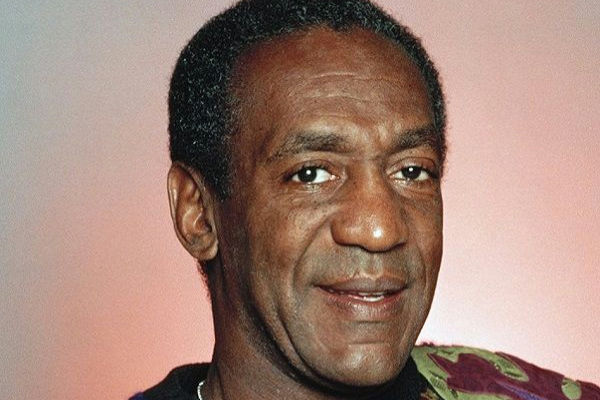
By the start of the 1990s, Bill Cosby was already an incredibly established figure in the world of television thanks to the massive success of The Cosby Show which had debuted back in 1984. Although that specific series came to an end in 1992, it continued to generate a truly substantial income for him through global syndication deals. At its absolute peak, Cosby had been earning significant sums for every episode and his ownership stake in the programme proved to be especially lucrative over the long term. He was a pioneer in terms of performers owning the rights to their creative output.
Reports during the early 1990s indicated that his total earnings from the series including syndication and various production deals placed him among the highest-paid figures in the history of the medium. He later launched a new series titled Cosby in 1996 which further extended his presence on network television for several more years. While public opinion surrounding his legacy changed quite dramatically in later decades, his financial standing during the 1990s reflected the enormous commercial power of a hit family sitcom. It also highlighted the massive benefits of having creative control and a stake in the backend profits of a global television phenomenon.
Ray Romano’s Rising Salary
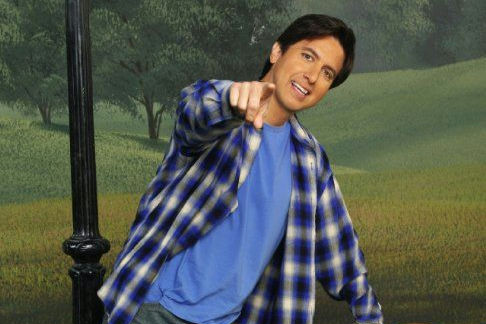
Ray Romano first entered the prime-time spotlight with his sitcom Everybody Loves Raymond which premiered on the CBS network in 1996. Although the show actually took a bit of time to build its momentum and find its footing with the audience, by the end of the decade it had become one of the strongest and most reliable comedies on television. Its focus on domestic humour and very relatable family tensions struck a deep chord with viewers across the country. Romano’s deadpan delivery and his portrayal of a stressed-out father made him an instant favourite for millions of fans.
As the ratings for the show improved year after year, Romano’s salary increased accordingly to match his rising profile. By the late 1990s, he was reportedly earning several hundred thousand dollars per episode and this figure would eventually rise even further during the early 2000s. His rapidly growing pay reflected the expanding popularity of the show and the vital importance of anchoring a successful network sitcom for CBS. The trajectory of his earnings demonstrated exactly how quickly fortunes could change in the industry when a series finally found its dedicated audience at just the right cultural moment in time.
Ted Danson’s Becker Deal
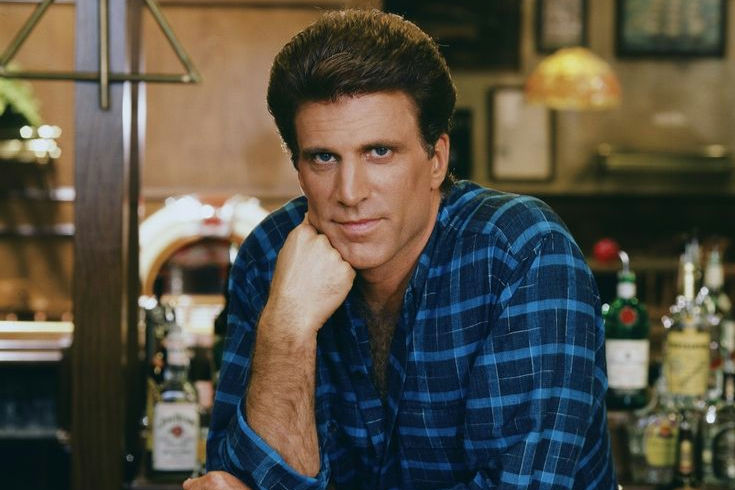
After spending many years achieving massive success on the legendary show Cheers, Ted Danson made a triumphant return to the world of television with the sitcom Becker in 1998. This CBS series centred on a cynical and often grumpy doctor navigating the everyday frustrations of life and it offered Danson another leading role in a prime-time comedy. His established reputation as a reliable and talented performer made him one of the most bankable actors of the entire era. Networks knew that his name alone was enough to draw in a significant audience from the very first episode.
By the end of the 1990s, Danson was reportedly earning close to 1 million dollars for every episode of Becker that was produced. His earlier success on Cheers which had run until 1993 significantly strengthened his negotiating position when he returned to the small screen. Networks clearly recognised that audiences associated him with high-quality sitcoms and they were prepared to pay him a premium because of that history. His impressive salary underlined how proven television stars could maintain incredibly high earnings across multiple different series within the same decade while remaining relevant to a changing audience.
Roseanne Barr’s Sitcom Power
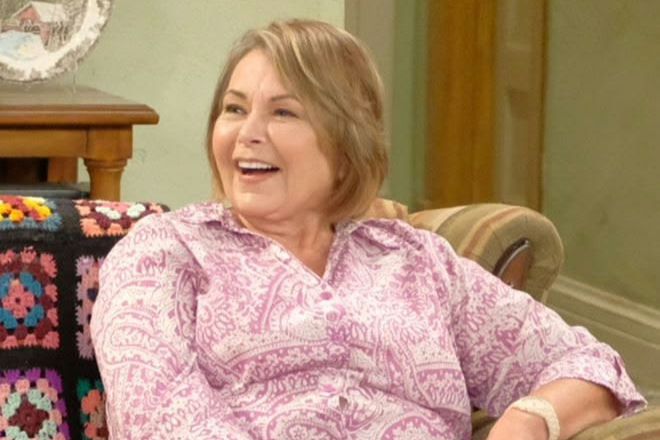
Roseanne Barr was the headline star of the groundbreaking sitcom Roseanne which premiered on ABC in 1988 and ran until 1997. The show was famous for its portrayal of a working-class American family and it earned widespread praise for its honest and sometimes gritty storytelling. During the early part of the 1990s, it was consistently one of the highest-rated shows on all of television because it offered something different from the polished sitcoms of the past. Barr’s bold personality and sharp wit were at the very heart of the show’s massive success and cultural relevance.
As both the star and the primary creative force behind the series, Barr reportedly earned hundreds of thousands of dollars per episode with those figures rising significantly as the show progressed through the decade. Her immense influence behind the scenes strengthened her earning power and she became one of the most prominent and powerful female television figures of the era. The show’s impressive longevity and its ability to spark national conversations helped to secure her place among the highest-paid stars of 1990s network television. She proved that a working-class perspective could be a massive commercial success for major networks.
John Goodman’s Steady Earnings

Playing the character of Dan Conner on the hit show Roseanne, John Goodman became one of the most recognisable and beloved sitcom fathers of the 1990s. His warm and yet grounded performance helped to perfectly balance the show’s unique mix of humour and domestic drama. Audiences responded very strongly to his character’s authenticity and he was often seen as the emotional anchor of the Conner family. Goodman’s chemistry with Roseanne Barr was a cornerstone of the series and his ability to handle both comedy and serious moments made him an invaluable asset to the production.
Although his salary did not always strictly match that of his co-star, Goodman still reportedly earned very substantial sums per episode during the show’s peak years in the early and mid-1990s. The programme’s incredible ratings success and its long run ensured that he remained one of the most dependable leading men in the industry. His earnings reflected the broader economic boom occurring in network television at the time when hit sitcoms generated massive advertising revenue. This financial success justified the increasingly generous contracts for the principal cast members who kept millions of viewers tuning in every single week.
The Friends Cast Collective Bargaining
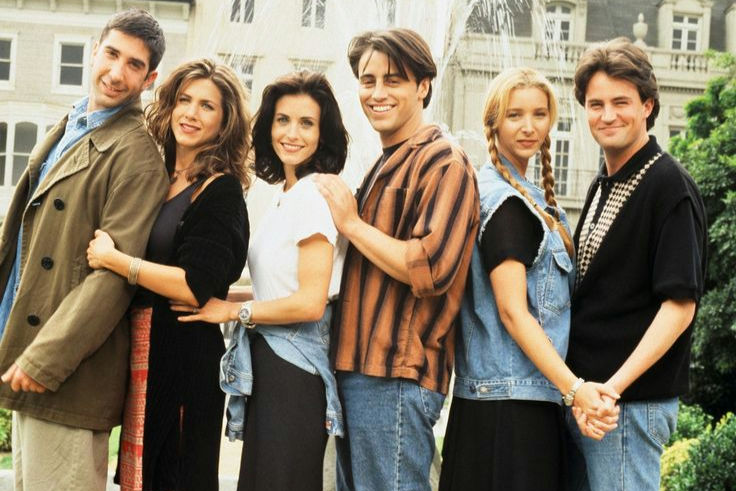
When the hit series Friends premiered on the NBC network in September 1994, the six young leads were considered relative newcomers to the industry. Within just two years, however, the series had transformed into a genuine global phenomenon and it absolutely dominated the Thursday night television ratings throughout much of the decade. Viewers from all over the world connected deeply with the themes of friendship and romance while the Central Perk coffee shop quickly became one of the most recognisable sets in television history. The chemistry between the actors was the secret ingredient that made the show an essential part of the cultural conversation during the mid-to-late nineties.
By 1997, the principal cast members including Jennifer Aniston and Courteney Cox made the historic decision to negotiate their contracts as a single group rather than as individuals. This clever strategy of collective bargaining changed television contracts permanently because it prevented the network from playing the stars against one another. While each star earned about 75,000 dollars per episode in the early seasons, their pay had famously risen to around 750,000 dollars per episode by the end of the 1990s. The final agreement also included significant profit participation which later generated enormous syndication revenue for the group and demonstrated how unity could dramatically shift the balance of power between performers and massive networks.
David Duchovny’s X-Files Pay
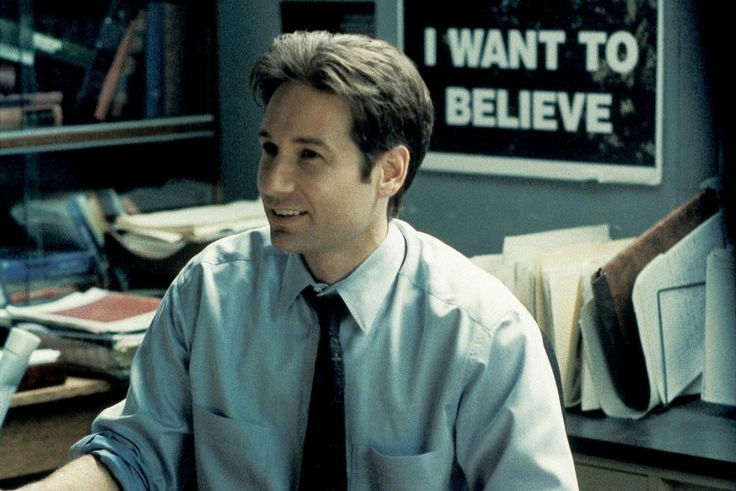
Science fiction television found a massive new mainstream audience when The X-Files premiered on the Fox network back in 1993. The series followed two dedicated FBI agents investigating various paranormal cases and its dark and cinematic tone stood completely apart from the traditional network dramas of the time. Ratings for the programme grew steadily throughout the decade and the show eventually became one of the defining cultural hits of late-1990s television. Fans became obsessed with the overarching conspiracy theories and the mysterious tagline that “the truth is out there,” which helped the show achieve a level of cult status that was rarely seen on network TV.
As the iconic Agent Fox Mulder, David Duchovny became the recognisable face of the series and a major heartthrob of the era. By 1998, intense contract disputes over his compensation frequently made national headlines and these negotiations eventually pushed his salary into the high hundreds of thousands per episode. He also pursued legal action regarding the backend syndication revenue which highlighted just how valuable reruns had become in a global market. The international popularity of the programme meant that the financial stakes were absolutely enormous and his earnings reflected a significant shift in television economics as genre dramas began competing with sitcoms for advertising dominance and worldwide distribution.
Gillian Anderson’s Landmark Raise

Gillian Anderson initially earned significantly less than her male co-star when The X-Files first began its run on television. Network executives were reportedly so focused on the male lead that they even insisted she stand slightly behind her partner in many of the early promotional materials and photo shoots. However, as her character Agent Dana Scully grew into one of the most admired and influential figures on television, the massive pay imbalance became increasingly difficult for the studio to justify. Her portrayal of a skeptical and brilliant scientist inspired a generation of viewers and made her an indispensable part of the show’s incredible success.
By the late 1990s, Anderson successfully renegotiated her contract and finally secured the pay equality she deserved with Duchovny. Her per-episode earnings rose into the same high six-figure range and the deal became a very important milestone in industry discussions about equal pay for women. The immense popularity of her character also influenced wider popular culture which inspired many young women to pursue their own careers in the fields of science and medicine. Her significant contract victory showed that deep audience loyalty could be translated into real negotiating leverage and it marked a wider recognition of women as essential leads in prime-time drama.
Anthony Edwards’ ER Success
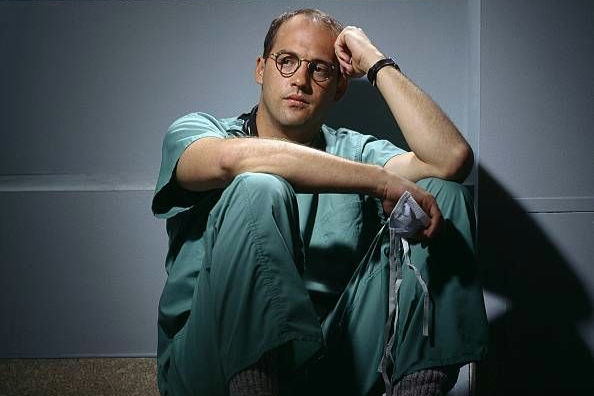
The medical drama ER premiered on NBC in 1994 and it quickly became the most watched and talked-about drama on American television. The series offered a very fast-paced style of storytelling and high cinematic production values that felt entirely different from the slower hospital shows of previous decades. It served as a massive platform that launched the careers of several actors who would later go on to dominate both film and television. The show’s ability to blend intense medical emergencies with the personal lives of the staff made it a massive hit that consistently stayed at the top of the ratings charts.
As the dependable Dr Mark Greene, Anthony Edwards served as the emotional centre and the moral compass of the entire series. During the late 1990s, as the ratings for the show soared to record levels worldwide, his salary rose quite dramatically and eventually reached several hundred thousand dollars for every single episode. The international syndication of the show increased its financial importance to the network and retaining leading cast members like Edwards became essential for maintaining the show’s identity. His impressive earnings reflected how prestige dramas had begun matching sitcoms in terms of overall profitability because audiences supported serious storytelling just as strongly as comedy.
George Clooney’s Breakout Salary

Before he became one of the biggest film stars in the world, George Clooney gained widespread fame as the charming Dr Doug Ross on the hit series ER. His natural charisma and his effortless on-screen confidence made him an immediate fan favourite and his popularity helped to expand the show’s audience far beyond typical medical drama viewers. Clooney became the breakout star of the ensemble and his presence on the screen every week was a major factor in why the show became such a cultural phenomenon. He proved that television could produce a leading man with the same magnetism as the icons of the silver screen.
By the latter half of the 1990s, Clooney’s per-episode salary had climbed into the high six-figure range to reflect his massive value to the NBC network. His rising earnings on television coincided with several growing film opportunities including his high-profile 1997 role as Batman. Although he eventually left the series in 1999 to focus entirely on his career in cinema, his television success had already changed the trajectory of his life permanently. The significant pay he commanded during his final years on the show demonstrated how television could serve as a powerful launchpad for international celebrity and gave networks every reason to invest heavily in their stars.
Like this story? Add your thoughts in the comments, thank you.


