
1. Blowin’ In The Wind
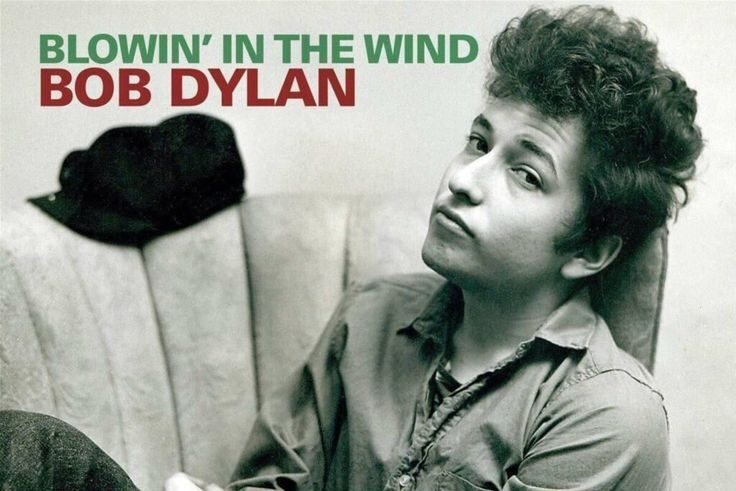
Some songs never really leave us, and Blowin’ In The Wind is one of them. When Bob Dylan began asking, “How many roads must a man walk down before you call him a man?” he was not just writing for the 1960s. He was putting words to questions that still circle around us in 2026. You hear it today and it does not feel dusty or distant. It feels current, almost uncomfortably so. The idea that the answers are “blowin’ in the wind” suggests they are right in front of us, if only we would stop and look. It is almost frustrating how simple the song sounds compared to how heavy the questions are. That contrast is part of its quiet strength.
There is something disarming about how gentle the melody feels. It does not shout or demand applause. It simply lingers. In conversations about justice, dignity, and equality, those same questions resurface again and again. The song fits into classrooms, protests, documentaries, and private reflections without losing meaning. Every generation seems to rediscover it at the exact moment it needs to pause and think. Somehow, after all these years, it still feels less like a relic and more like a mirror held up to the present.
2. A Change Is Gonna Come
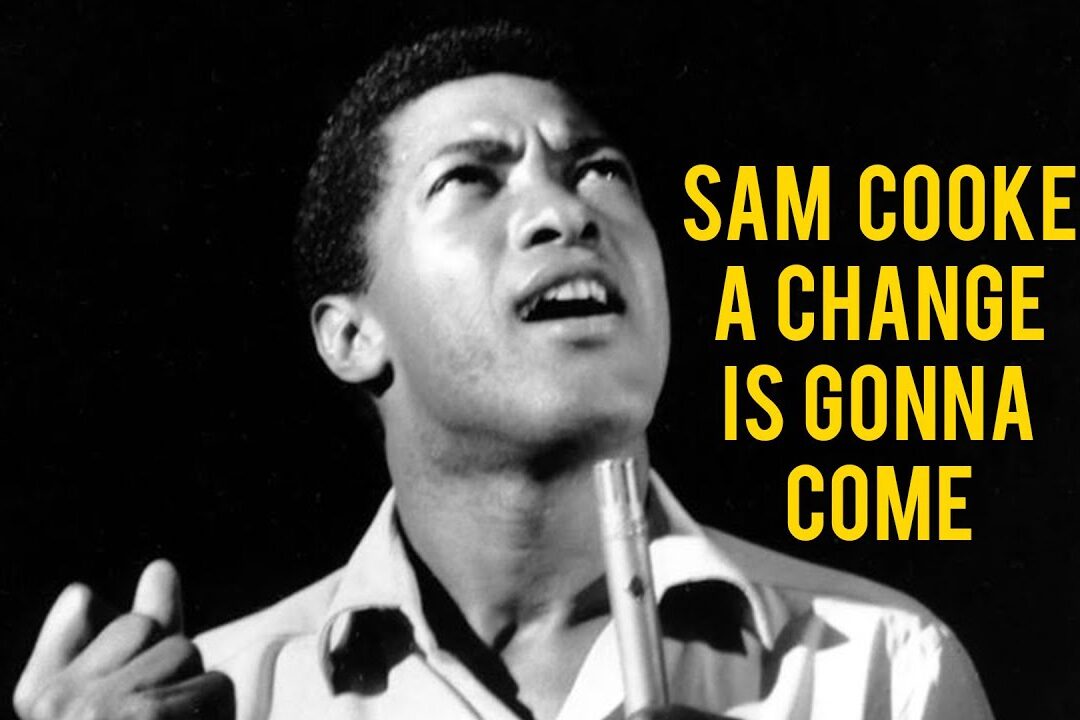
When Sam Cooke sings, “It’s been a long, a long time coming,” it does not sound like a slogan. It sounds like a man telling the truth about what he has lived through. A Change Is Gonna Come carries that kind of honesty. Even in 2026, the song feels deeply personal before it feels historical. It speaks to long waits, closed doors, and moments of quiet doubt. You can hear both weariness and hope woven together in his voice. That tension makes it feel real. It is not blind optimism. It is belief that survives disappointment.
The song still resonates because the journey toward fairness has never been straight or simple. People today continue to hold onto change the way Cooke did, with patience and quiet determination. The melody rises and falls like someone gathering strength after being knocked down. It fits into modern conversations about equality without feeling forced. Each time it plays, it feels less like nostalgia and more like reassurance that movement, however slow, is still possible.
3. What’s Going On
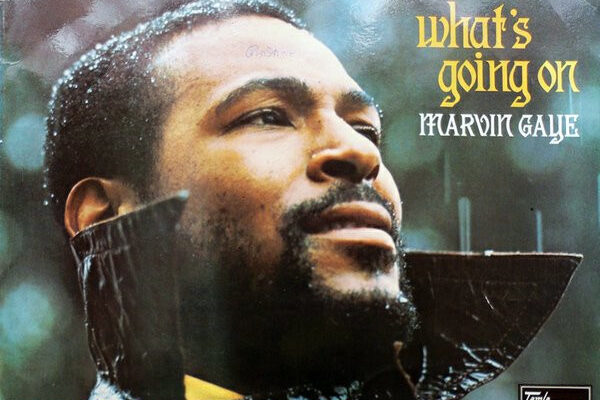
What’s Going On begins softly, almost like someone pulling you aside to talk. “Mother, mother, there’s too many of you crying.” Marvin Gaye did not approach protest with anger alone. He approached it with concern. Even now, in 2026, that opening line feels uncomfortably current. The song captures confusion, heartbreak, and the search for understanding in a complicated world. It does not rush. It allows space for reflection. That restraint makes it powerful.
The warmth in Gaye’s voice gives the message depth. Instead of pointing fingers, he invites listeners to look inward and outward at the same time. The questions he raises about war, poverty, and division still echo today. The song feels like a conversation we keep returning to because we never fully answer it. It reminds us that caring deeply is not weakness. It is the beginning of accountability.
4. Imagine
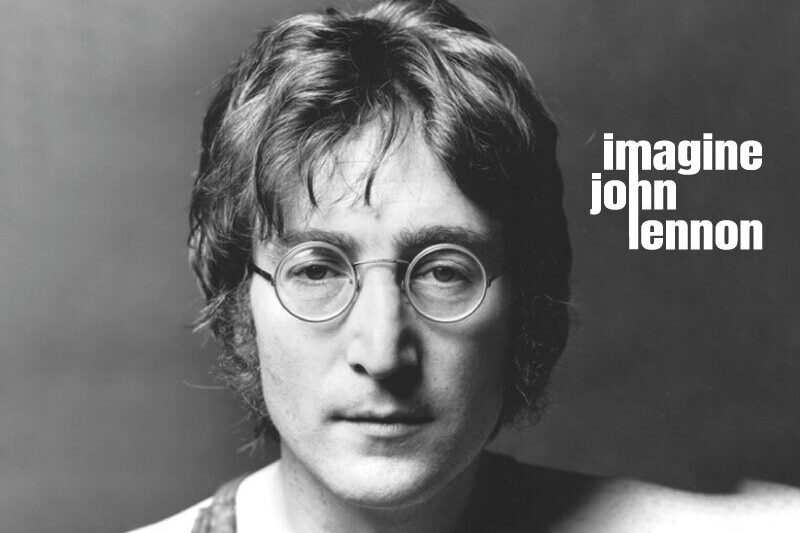
Imagine feels like a quiet thought spoken into a noisy world. When John Lennon asks us to picture a life without divisions, it lands gently but firmly. In 2026, the song still feels relevant because disagreements about identity, faith, and nationality remain strong. The beauty of Imagine is its simplicity. It does not overwhelm with complicated arguments. It simply asks you to pause and consider another possibility.
The piano is calm, almost meditative, which makes the message easier to absorb. You may agree with every line or question parts of it, but the longing for peace feels universal. That longing keeps the song alive. It is often played at global events and memorials because it captures a shared desire for harmony. Even decades later, the act of imagining together feels quietly radical.
5. Fight The Power
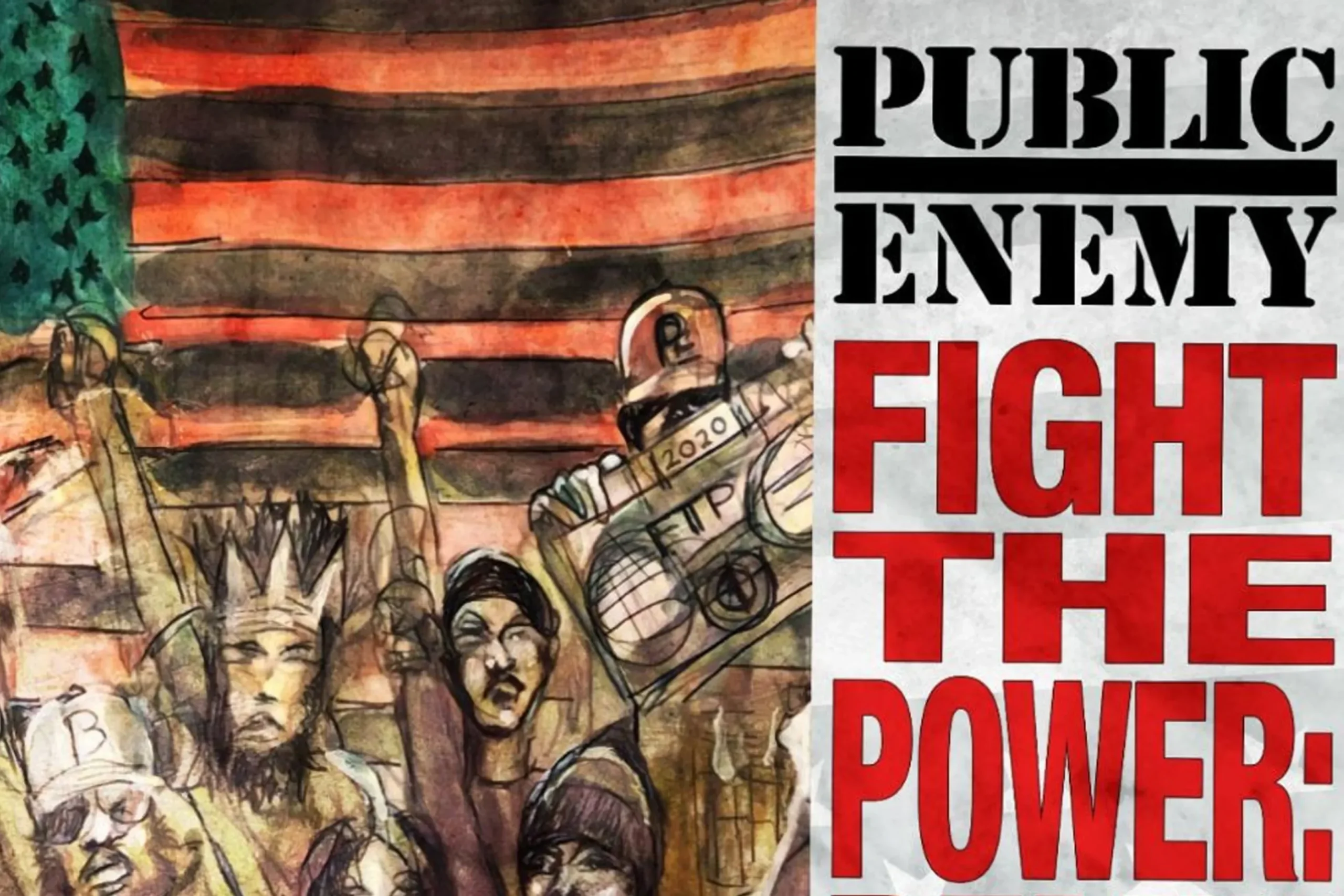
Fight The Power does not ease you in gently. From the first beat, it feels urgent and intentional. Public Enemy created something that refuses to sit quietly in the background. Even in 2026, the frustration woven into the lyrics feels current rather than dated. The song speaks directly to systemic inequality and challenges structures that many people still question today. It is bold without being careless. The message is clear and focused. That clarity is part of why it still resonates whenever conversations about power and fairness rise to the surface again.
What makes it endure is not just its energy, but its conviction. It captures a moment yet continues to reflect ongoing realities. When it plays at rallies or appears in documentaries, it does not feel nostalgic. It feels active. The rhythm pushes forward while the lyrics demand awareness. That combination keeps it grounded in both history and the present. Fight The Power remains powerful because it reminds listeners that questioning authority is sometimes necessary for real change to begin.
6. Alright
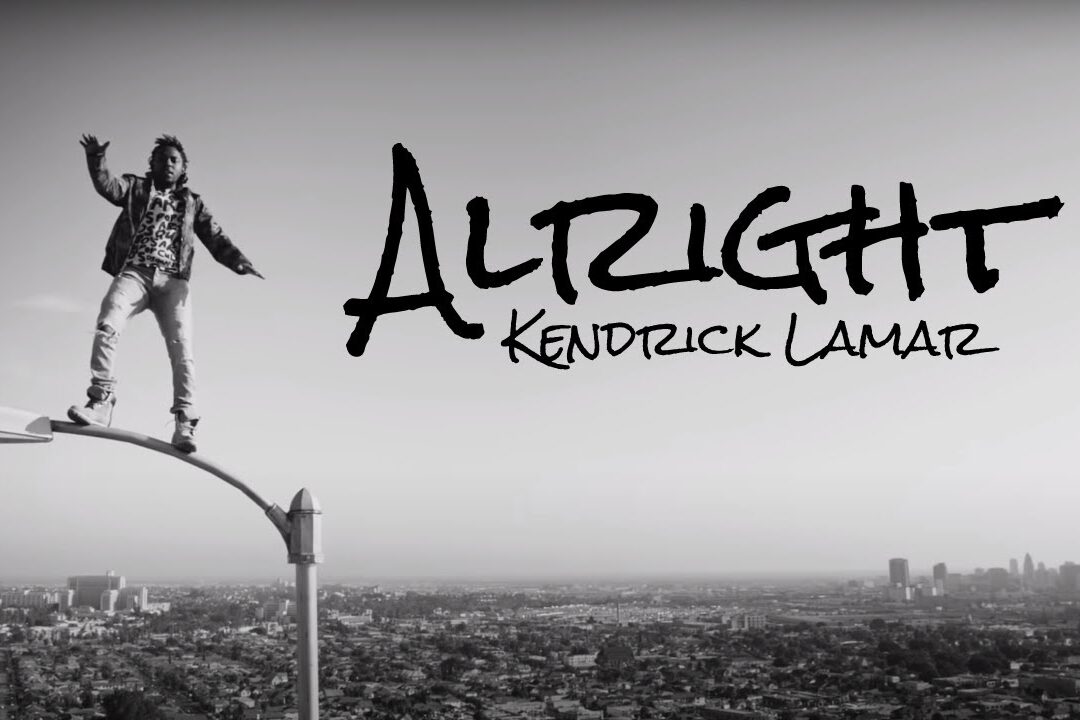
Alright carries resilience in a way that feels personal. When Kendrick Lamar repeats, “We gon’ be alright,” it sounds like someone reassuring both himself and the crowd around him. In 2026, that chorus still echoes at gatherings where hope feels necessary. The verses acknowledge struggle openly, which makes the optimism believable. It does not pretend pain is absent. It simply refuses to let pain define the final word.
The communal power of the song is what gives it staying strength. When groups chant the chorus together, it transforms into something larger than music. It becomes affirmation. The balance between vulnerability and confidence makes it relatable. In uncertain times, people return to it because it offers steady reassurance without ignoring reality. That grounded hope keeps it relevant year after year.
7. This Is America
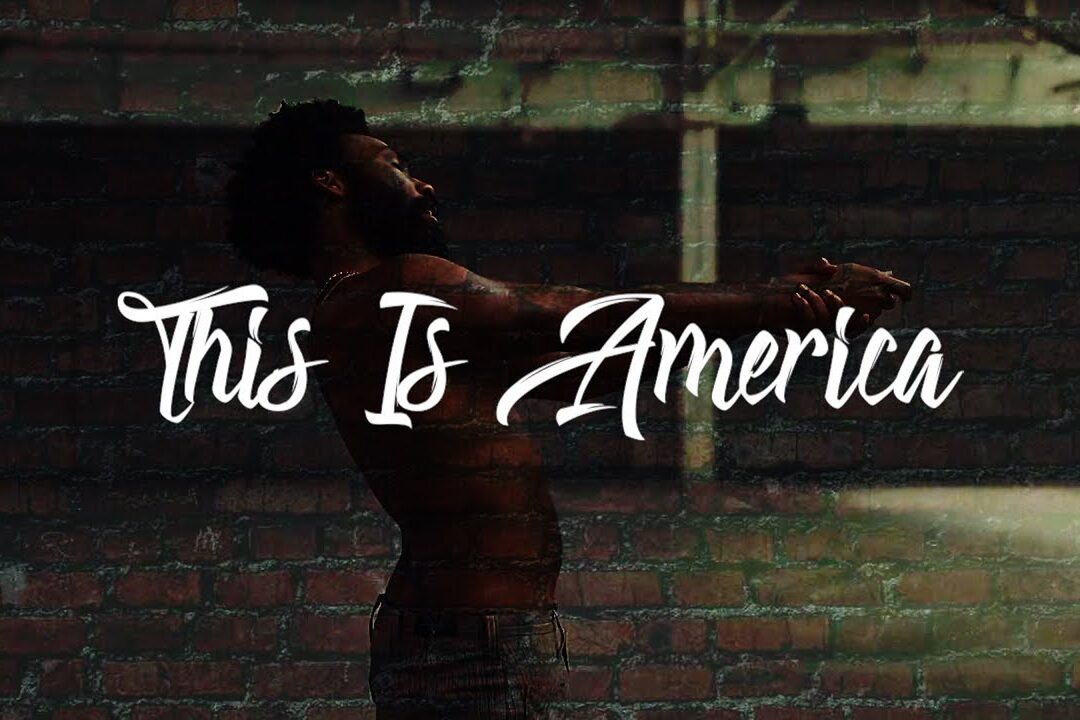
This Is America unsettles by design. Its shifting tones and repeated refrain create tension that mirrors real life. When the line “This is America” repeats, it feels like a statement that carries layers of meaning. Even in 2026, the song sparks conversation about race, violence, and the distractions that shape public attention. It does not hand out simple answers. It forces reflection.
The contrast between catchy rhythms and heavier themes makes the message hit harder. It reflects how entertainment and harsh realities often coexist uncomfortably. Each listen reveals something new, which keeps the song from fading into the background. It feels less like a moment tied to one year and more like an ongoing commentary. That layered honesty is what keeps it powerful today.
8. Fortunate Son

Fortunate Son still hits with a kind of blunt honesty that feels refreshing. When the chorus pushes back against privilege and power, it captures a frustration that has never fully disappeared. Even though it was written during the Vietnam era, the idea that not everyone carries the same burden still rings true in 2026. The song feels grounded and direct. It does not dress its message up in complicated language. It simply points at imbalance and lets the listener sit with it.
What keeps it alive is how easily it connects to modern conversations about fairness and accountability. The energy feels raw but controlled, like someone speaking plainly after holding something in for too long. You can hear it in films, at protests, or even in everyday playlists, and it still feels relevant. The simplicity of the message is its strength. It reminds us that inequality often hides in plain sight, and sometimes the clearest protest is the one that refuses to look away.
9. Respect
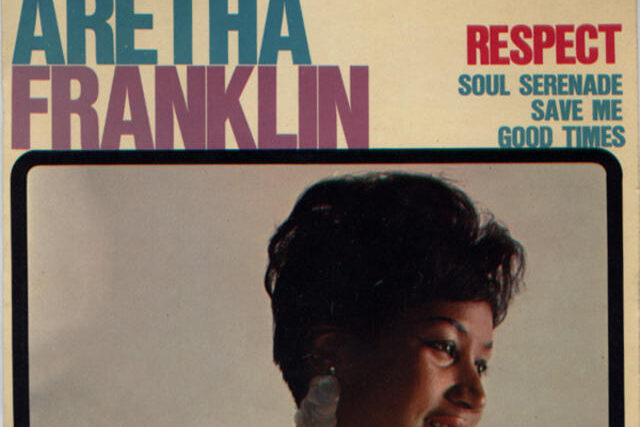
Respect carries a confidence that still feels refreshing decades later. When Aretha Franklin turned the song into a declaration, she gave it new life and sharper meaning. In 2026, the demand for dignity in relationships, workplaces, and public life remains deeply relevant. The song does not ask for permission. It asks for recognition. That shift in tone transforms it from a simple hit into something lasting. The rhythm is upbeat, almost joyful, but the message underneath is serious and grounded in self worth.
What keeps Respect powerful is how relatable it feels. The need to be seen and valued does not fade with time. Each time the chorus spells out the word, it reinforces a simple truth about equality. The song feels celebratory without losing its edge. It invites people to sing along while also reflecting on how respect shapes everyday interactions. That balance between warmth and firmness is why it continues to resonate across generations.
10. Born This Way
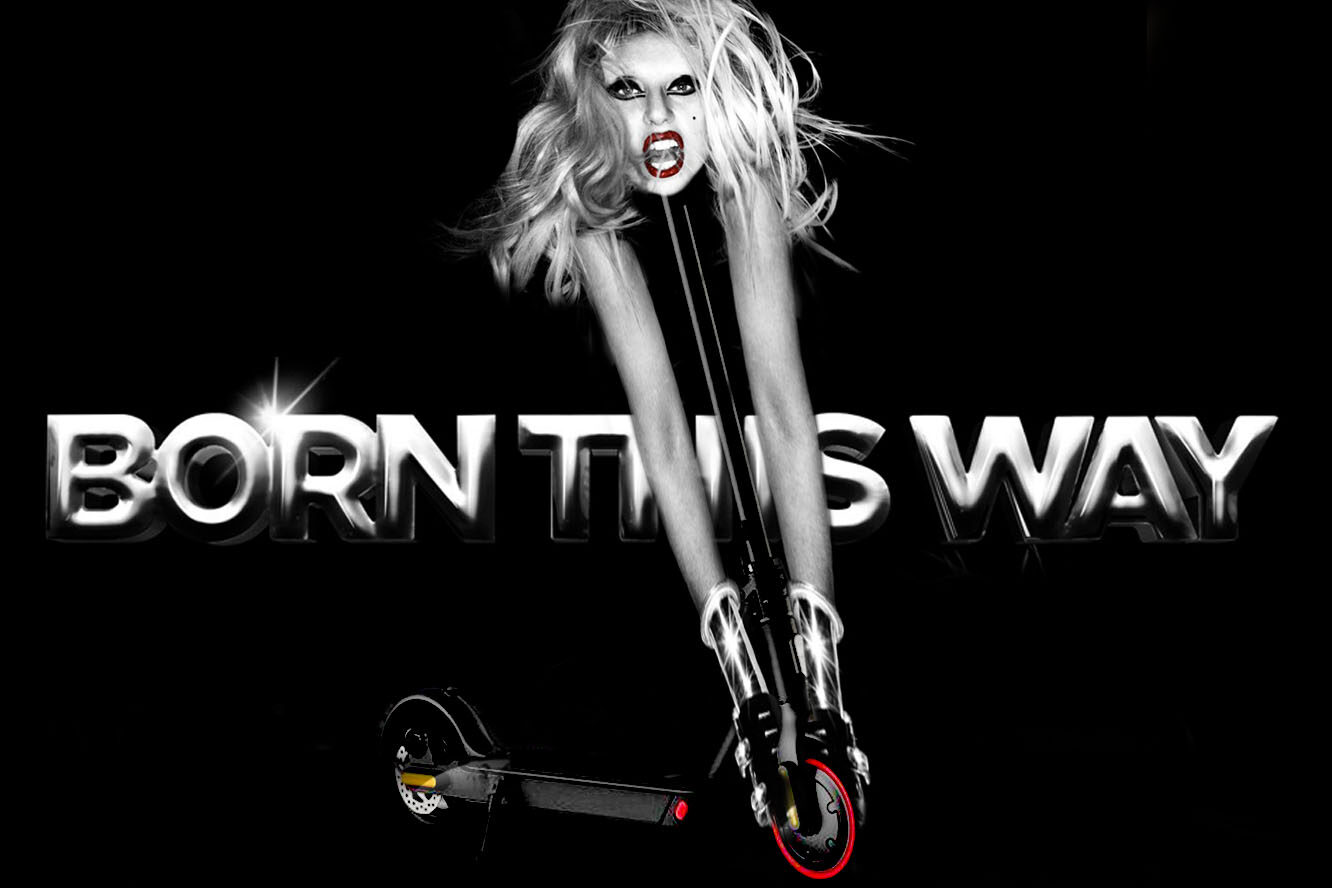
Born This Way carries confidence that feels intentional. From the opening lines, the message is clear about identity and self acceptance. In 2026, conversations about belonging and individuality remain central in public discourse. The song fits easily into those conversations because it frames acceptance as something simple and necessary. It does not overcomplicate the idea of loving who you are.
Its bright production contrasts with the seriousness of its theme, which makes the message accessible without feeling heavy. People return to it during celebrations and moments of reflection alike. The chorus feels like affirmation spoken out loud. That kind of encouragement continues to resonate. In a world where identity is still debated and defined in many ways, the reminder that worth is not conditional keeps this song firmly rooted in the present.
11. Redemption Song
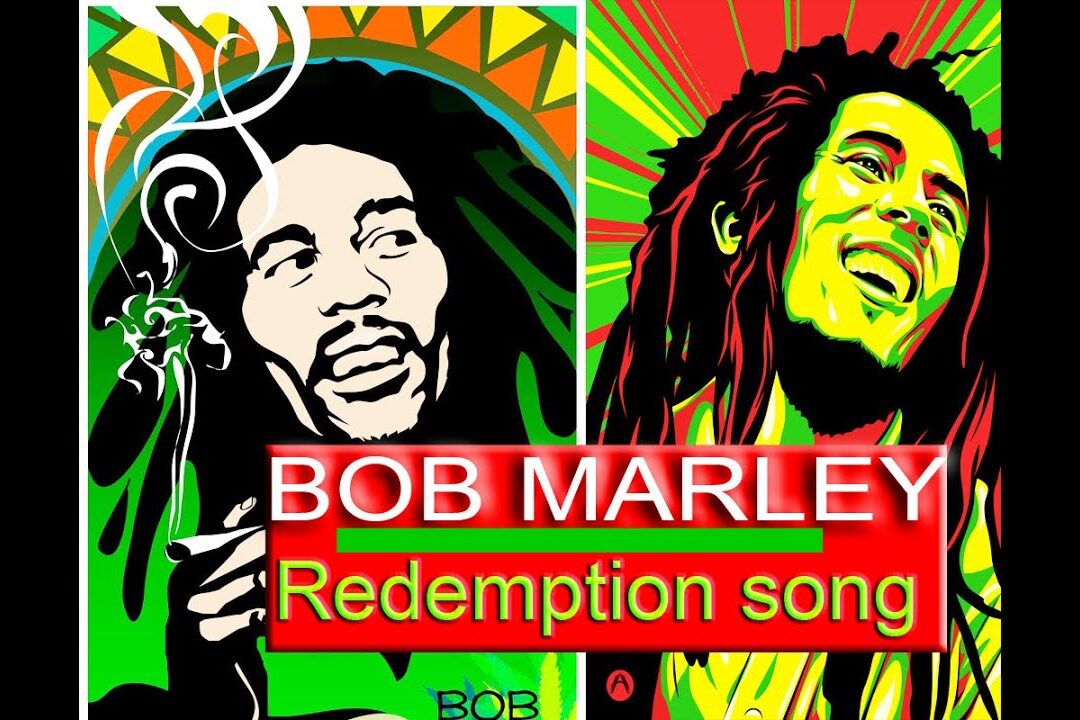
Redemption Song feels intimate from the very first note. Stripped back to voice and guitar, it carries a message that feels personal rather than performative. In 2026, the line about freeing ourselves mentally still resonates in conversations about empowerment and self determination. The simplicity of the arrangement allows the words to stand on their own without distraction.
The song feels reflective, almost like advice shared quietly. It reminds listeners that protest is not always loud or public. Sometimes it begins with internal change. That idea gives the song lasting relevance. People return to it during moments of transition or uncertainty because it feels steady and grounded. Its message about reclaiming freedom continues to echo in a world where many are still seeking autonomy in different forms.
12. The Times They Are A-Changin’
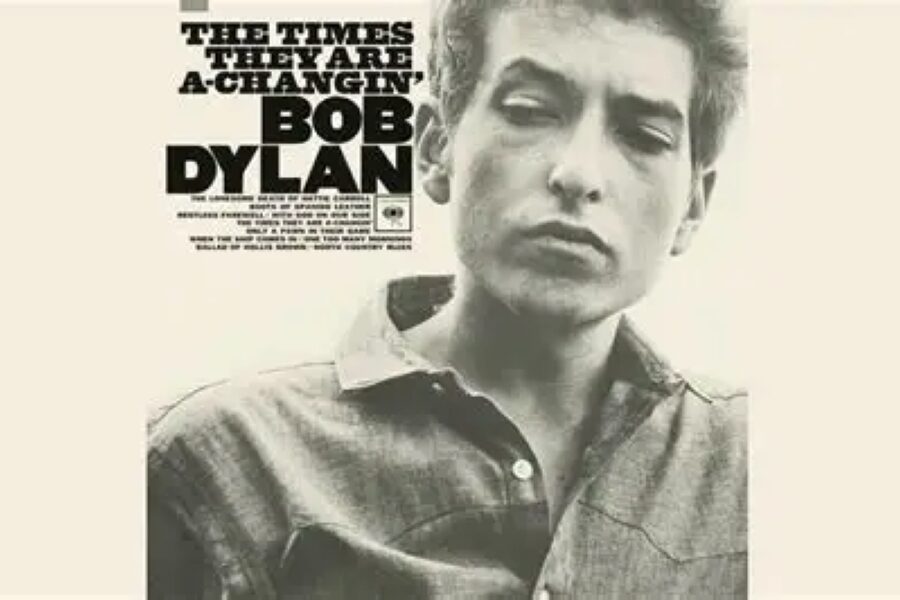
The Times They Are A-Changin’ captures the feeling of momentum. Even in 2026, when change feels constant and fast moving, the song sounds surprisingly current. Its message about adapting or being left behind mirrors the pace of cultural and technological shifts today. The lyrics do not plead for approval. They announce transformation as something inevitable.
That sense of inevitability keeps it relevant. Each generation faces moments when long standing systems are challenged. The song speaks directly to that turning point. It encourages awareness rather than resistance. Listening to it now feels less like revisiting history and more like recognizing a pattern. Change rarely asks permission, and this song reminds us that growth often comes from acknowledging that truth.
13. Rise Up

Rise Up feels personal even before it feels political. The promise in its chorus sounds like someone quietly deciding not to give up. In 2026, resilience remains something many people lean on, whether facing personal struggles or broader social challenges. The song does not exaggerate hardship, but it does not ignore it either. It acknowledges difficulty and then gently insists on standing again. That balance gives it emotional weight without turning it into spectacle.
The steady build of the music mirrors the idea of strength returning step by step. People have embraced it in many different spaces because the message is universal. It does not limit itself to one cause or one moment. Instead, it focuses on endurance itself. That universality keeps it relevant. Rise Up remains meaningful because it reminds listeners that persistence, even when quiet, can be a powerful form of resistance.
14. American Skin

American Skin carries a reflective tone that asks listeners to slow down and pay attention. Its focus on identity and vulnerability still feels urgent in 2026. The song centers on lived experience rather than abstract debate, which gives it emotional weight. It does not shout its message. It lets repetition and atmosphere do the work. That approach creates space for listeners to sit with what is being said instead of rushing toward conclusions.
The strength of the song lies in its willingness to stay with discomfort. It raises questions about fairness and safety without offering easy answers. That lack of resolution makes it feel honest. Each time it is revisited, it sparks renewed conversation about justice and belonging. American Skin continues to resonate because it reflects realities that many people still grapple with today. Its quiet intensity keeps it present in ongoing dialogue.
15. We Shall Overcome
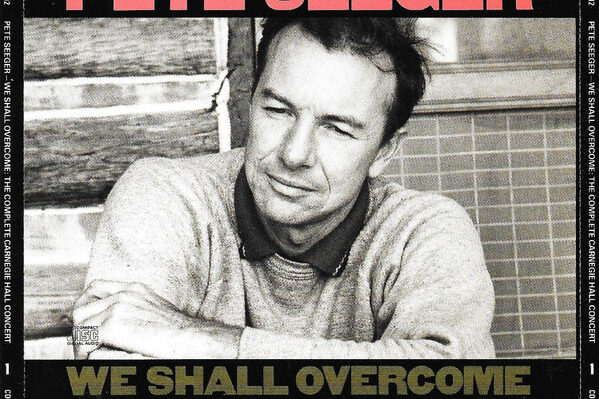
We Shall Overcome feels less like a performance and more like a shared moment. Its simplicity is what makes it powerful. In 2026, it still appears wherever people gather around hope and collective belief. The repetition of its central promise creates unity without elaborate language. It is easy to sing, easy to remember, and easy to pass on. That accessibility has helped it endure across generations.
What connects it to every other song on this list is the thread of shared humanity. While styles and sounds have evolved, the desire for fairness and dignity remains constant. We Shall Overcome continues to surface in moments of uncertainty because it carries reassurance through repetition. It reminds listeners that progress often grows from community. If these songs still move you, revisit them, share them, and let them continue shaping conversations that matter today.


