
The Girl We All Grew Up Watching
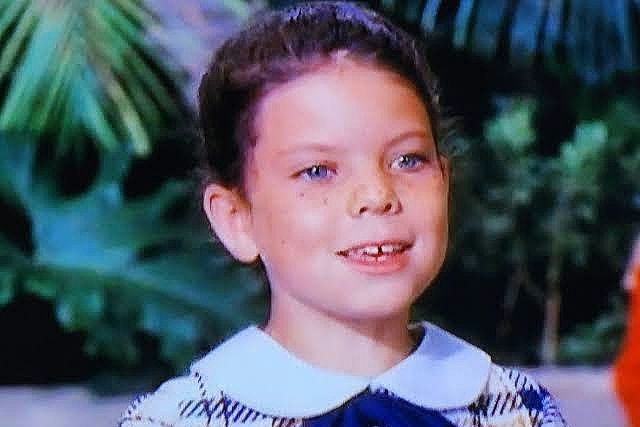
When people think back to Erin Moran, most memories begin with a living room television and the easy comfort of Happy Days playing in the background. She was still very young when the role of Joanie made her feel like part of every American household, and that early fame shaped her whole sense of normal. On set she found routine, adult guidance, and a creative family that made long workdays feel safe and familiar while she was still growing up.
What nobody really prepares a child actor for is what happens when that steady world slowly disappears. Erin spent her formative years surrounded by scripts, laughter, and production schedules, so adulthood without that structure felt uncertain and strangely quiet. Like many young performers stepping into real life after early success, she had to discover who she was outside the character audiences loved, and that transition would quietly influence the next chapters of her life.
When Steady Work Slowly Faded
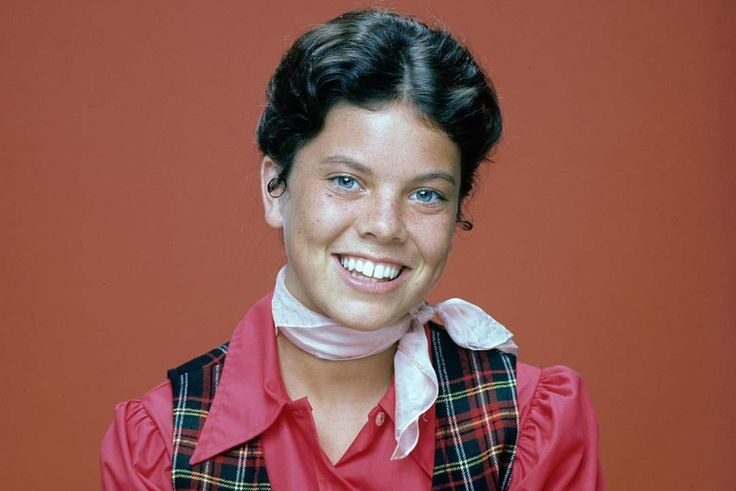
After Happy Days and its spin off ended, Erin stepped into a reality many former television teens know too well. The calls for auditions came less often, and the entertainment industry began focusing on new younger faces. For someone who had worked consistently through childhood, the sudden slowdown must have felt confusing and deeply unsettling, almost like waking up in a career she no longer fully recognized or understood.
She continued trying to build momentum, accepting smaller appearances and searching for new opportunities, but nothing recreated the dependable rhythm she once had. Public recognition still followed her in everyday spaces, yet professional stability did not match that visibility. Living in that in between space where people remember your past but your present feels uncertain can quietly wear on a person’s confidence and sense of direction over time.
The Money Pressures Became Real

From the outside, people often assume a successful sitcom automatically guarantees lifelong financial comfort. Erin’s later years revealed a more complicated truth about television earnings and how quickly income can shrink once regular work disappears. Without the steady paychecks of a long running show, everyday responsibilities like housing, bills, and health costs became part of her daily concerns just like they are for millions of other adults.
Financial uncertainty also brings emotional stress that rarely shows in public photographs. Instead of premieres and studio call sheets, life became about budgeting, planning, and trying to maintain stability with fewer resources than before. That shift from childhood celebrity to ordinary financial survival can feel especially heavy for someone whose early success made the future once seem completely secure and permanently settled.
Hoping For A Quiet Normal Life
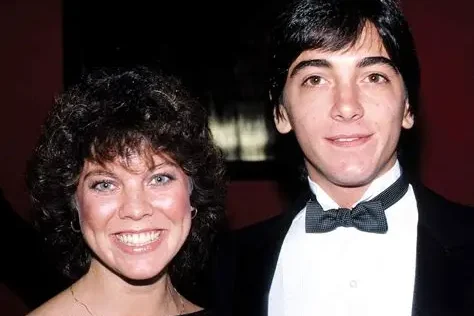
At her core, Erin seemed to long for something much simpler than Hollywood success. After marrying Steven Fleischmann, she focused on building a calm home life away from constant industry pressure. Friends often described her as someone who genuinely enjoyed everyday routines, familiar surroundings, and the comfort of a stable relationship rather than chasing attention or returning constantly to the spotlight.
Still, trying to live quietly after growing up famous is rarely simple. Recognition from strangers can follow you into grocery stores, restaurants, and small towns, reminding you of a past you might be trying to move beyond. Erin appeared to want peace and emotional safety more than renewed celebrity, yet the memory of her television years remained a permanent companion in ways that probably made full privacy difficult.
A Brief Return To Public Television
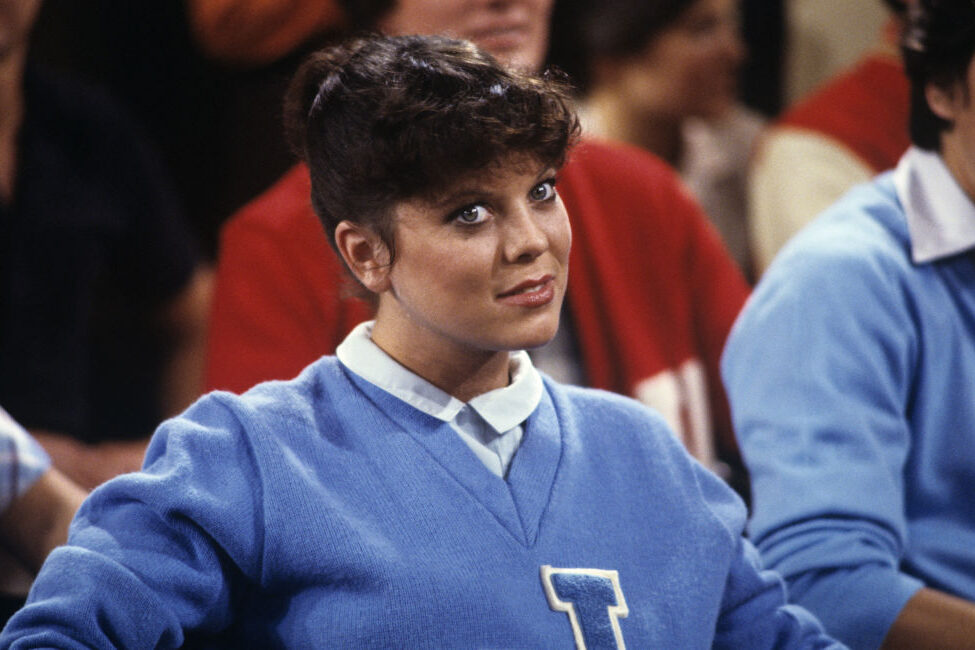
Years later, Erin agreed to appear on reality television, including Celebrity Fit Club, which briefly placed her back into national view. Programs like this often promise renewed opportunity and a chance for audiences to reconnect with familiar faces. For viewers, it stirred warm nostalgia, reminding them of the teenager they once watched weekly during family television nights.
For Erin personally, stepping into that environment may have felt emotionally complicated. Reality shows tend to expose personal struggles while presenting them as entertainment, and that kind of visibility can reopen insecurities a person thought were already behind them. Instead of relaunching her acting career in a lasting way, the experience mostly reminded the public how much time had passed since her early sitcom success.
Painful Stories Spread In The Media
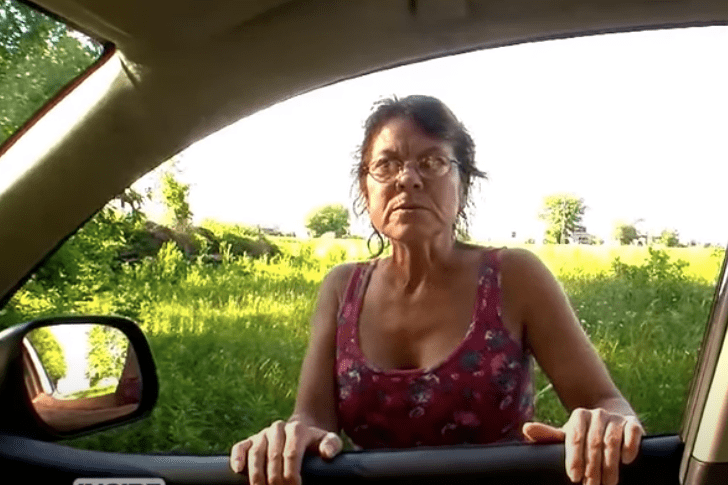
At one difficult point, stories began circulating that Erin had become homeless, and the headlines traveled quickly through entertainment news and online discussion. She later clarified that she and her husband were staying temporarily with relatives while navigating financial challenges. The correction mattered, but public rumors often grow faster than the truth and linger long after facts are explained.
For someone once seen as the cheerful younger sister of television America, those exaggerated reports likely felt deeply personal. Public life can turn ordinary hardship into dramatic spectacle, especially for former child stars whose adult struggles attract curiosity. Erin’s situation reflected how easily a complicated life chapter can be simplified into a harsh label that never fully captures the real human circumstances behind it.
Health Problems Changed Everything
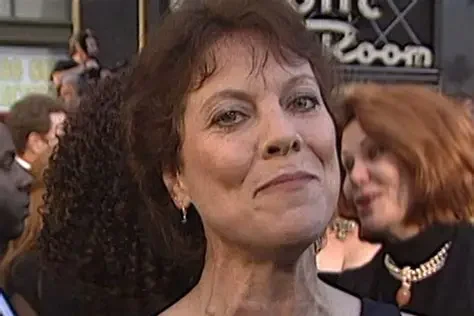
Later in life, Erin began experiencing ongoing physical symptoms that at first seemed manageable and easy to dismiss. Like many people balancing financial stress and daily responsibilities, she reportedly did not immediately assume something serious was developing. As time passed, doctors eventually diagnosed cancer, and that news shifted her world from long term planning into immediate medical reality.
Serious illness has a way of removing every public label and leaving only the person and their support system. At that stage, Erin was not a former television celebrity in headlines but simply a woman facing a frightening diagnosis while leaning on family and loved ones. Her health struggle became the most human chapter of all, one defined by resilience, uncertainty, and the quiet strength required to confront life threatening illness.
Former Co Stars Spoke With Kindness
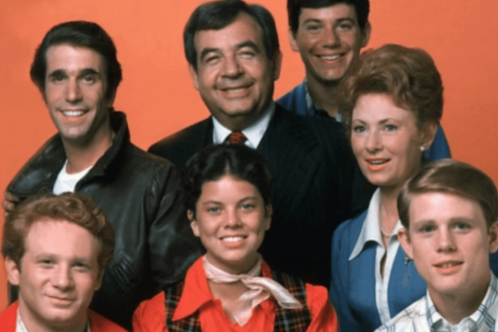
As news about her health circulated, several former Happy Days cast members shared heartfelt memories about working with Erin during their younger years. Their reflections focused less on her celebrity and more on her personality, remembering her energy, humor, and the warmth she brought into long filming days that shaped the show’s friendly atmosphere.
Those messages reminded audiences that television sets often build genuine lifelong bonds between performers who grow up together. Hearing old colleagues speak with affection decades later painted a softer and more personal picture of Erin’s legacy. It suggested that beyond scripts and ratings, she left behind meaningful friendships and positive memories that stayed alive long after production wrapped.
Fans Held Onto Childhood Memories
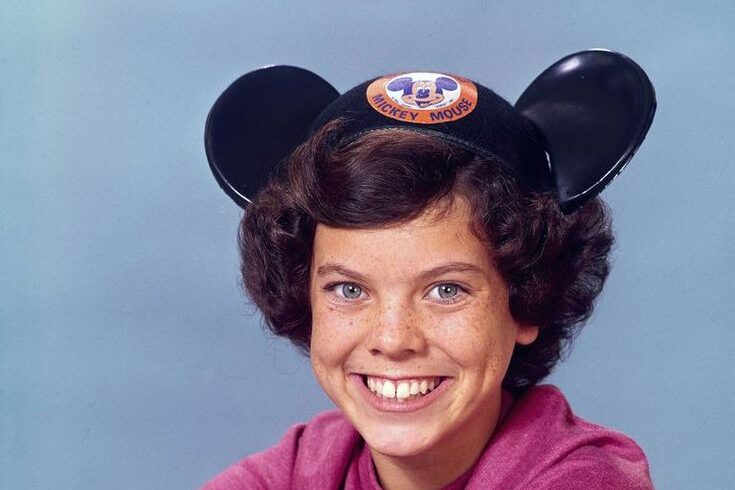
When Erin passed away in 2017, the response from fans felt deeply personal rather than distant or formal. Many people shared memories of watching her character while growing up, recalling family evenings, after school reruns, and the sense that Joanie felt like someone they actually knew. That emotional connection showed how television performances can quietly become part of everyday life.
Even during years when she lived far from the spotlight, those audience memories never truly faded. The affection people expressed revealed that her work continued living in nostalgia, comfort, and shared cultural history. For Erin, whose adult years included real challenges, that enduring appreciation showed her presence on screen had created something lasting that went far beyond temporary ratings or entertainment trends.
The Kind Of Story People Quietly Remember Later
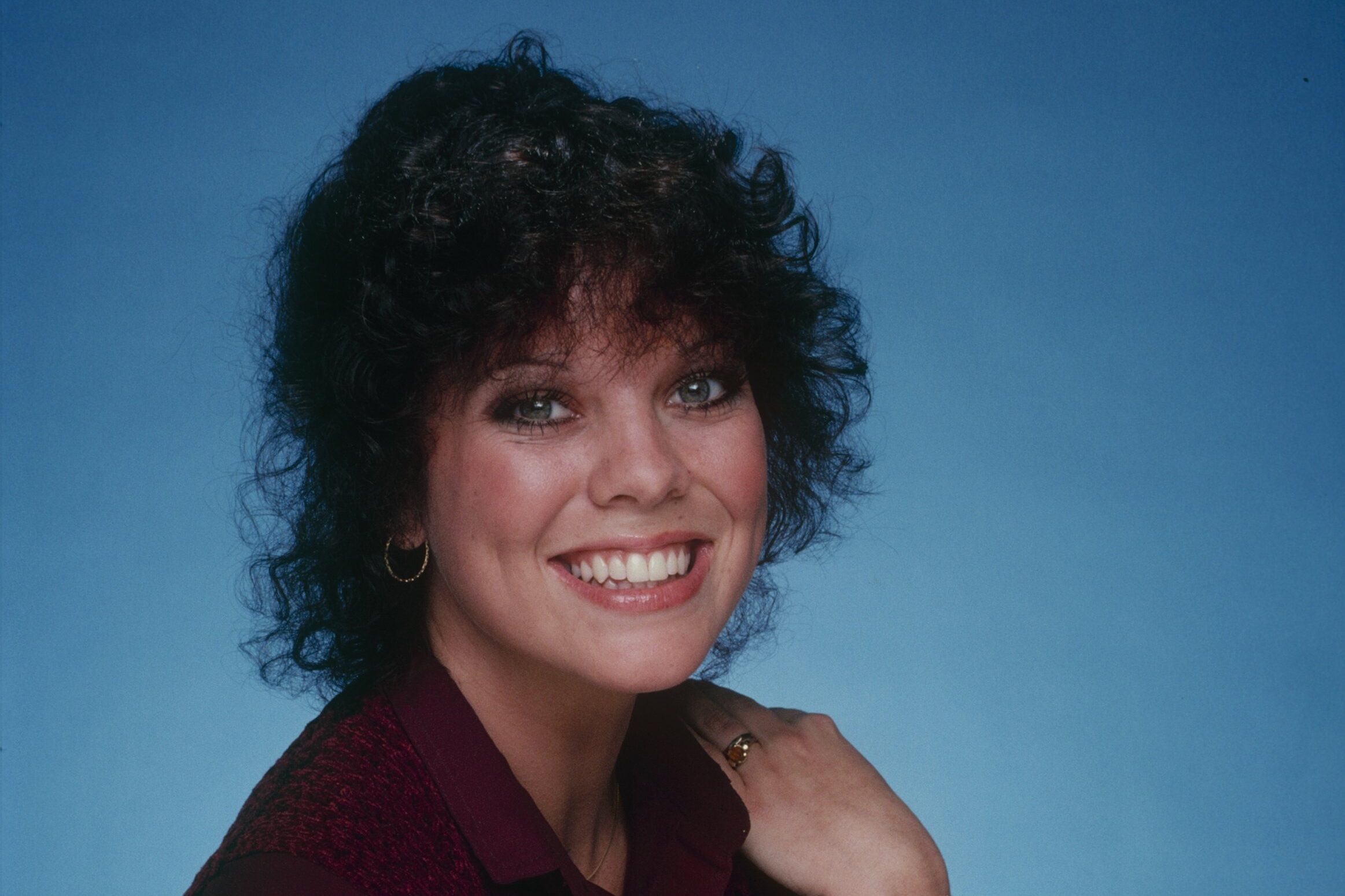
In the years after her busiest television days, Erin’s life moved at a much slower, more private pace than most viewers probably imagined. There were ordinary routines, familiar places, and long stretches where the spotlight barely touched her at all. People who crossed paths with her often described someone far less interested in celebrity than in simply getting through the week peacefully. For someone who had spent childhood working on one of the most watched shows in America, that quieter rhythm may not have looked impressive from the outside, but it was real life, the kind most people understand.
Even now, when old episodes replay and younger audiences stumble onto the show for the first time, her scenes still feel warm and natural in a way that does not age much. Viewers still smile at Joanie, families still recognize the face, and somewhere in the background of television history her presence keeps turning up in small, familiar moments. Not loudly, not dramatically, just there, like an old show playing on a channel you forgot you still loved.


