
Childhood Celebrity, Adult Reality
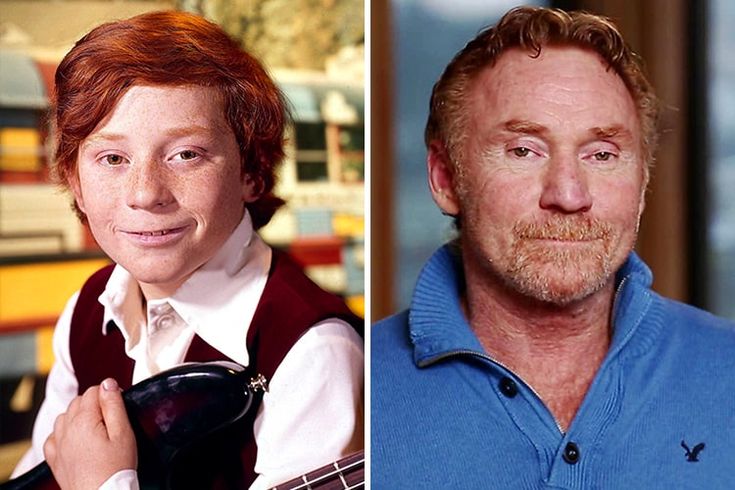
For many television viewers, the 1970s felt a bit brighter thanks to a cheerful musical sitcom that played in living rooms every week. At the center of that warmth stood Danny Bonaduce, a child actor whose quick wit and freckled face made him an instant household name. However, his story remains relevant today because it highlights how achieving massive fame at a very young age can shape an entire life, both in positive and painful ways. Behind the laughter and the catchy pop songs was a young boy essentially learning how to grow up while the entire world watched.
Modern audiences are now much more aware of the intense pressures faced by child performers, and Bonaduce’s journey helps explain why those safeguards are so necessary. His career has spanned decades, stretching from classic network television to gritty reality shows and professional radio broadcasting. Along the way, his life touched on family strain, public struggles with addiction, constant reinvention, and recent serious health battles. When we look back at nostalgic television, we often remember only the comfort it provided us. His life reminds us that entertainment history is, at its heart, a very human and often difficult history.
Early Family Shadows
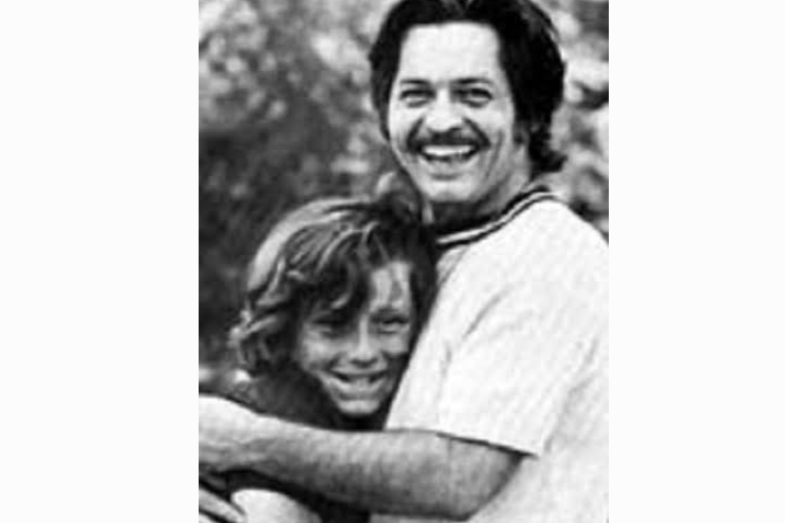
Danny Bonaduce was born Dante Daniel Bonaduce on August 13, 1959, in Broomall, Pennsylvania. To the public, his life seemed destined for Hollywood greatness; his father, Joseph Bonaduce, was a highly respected television writer and producer for hit series like The Dick Van Dyke Show and That Girl. From the outside, the household appeared perfectly connected to the glitz of the industry, but Danny later painted a much darker picture of his home life. He has openly recounted facing significant emotional and physical mistreatment during his childhood, experiences that deeply influenced how he handled the spotlight once it arrived.
The stability of his home life fractured further when his parents separated in 1972, precisely as his acting career was reaching its peak. This timing was critical because a young child earning significant money and international recognition often lacks the emotional foundation needed to stay grounded. Bonaduce has explained in various interviews that television sets actually became “safer” places for him than his own home. Instead of enjoying normal playground friendships or school routines, he spent his formative years mastering scripts and studio discipline. This unusual start would later fuel his adult struggles with trust, relationships, and self-confidence.
Partridge Breakthrough
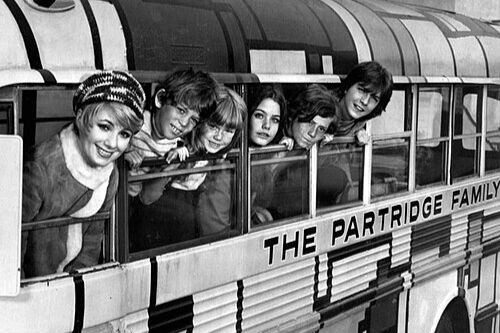
Bonaduce’s life changed forever in 1970 when he was cast in the massive hit The Partridge Family. The musical sitcom focused on a widowed mother and her five children who traveled across America as a family pop band. Playing the wisecracking bass player Danny Partridge, he delivered comedic lines with a natural sense of timing that frequently stole the show from his older co-stars. The series ran for four successful seasons on ABC from 1970 to 1974, quickly evolving into a genuine cultural phenomenon that resonated across the United States and overseas.
During the height of the show’s popularity, the cast traveled constantly for publicity tours, graced the covers of teen magazines, and recorded music that actually climbed the commercial charts. For a boy who was barely in middle school, this level of exposure was incredibly overwhelming. He later noted that total strangers recognized him everywhere he went, and adults often treated him as if he were much older than his chronological age. In 2003, decades after the show ended, he was presented with a Young Artist Foundation Lifetime Achievement Award. This honor confirmed that his contribution was not just nostalgic fluff, but a lasting piece of television history.
Life After Applause
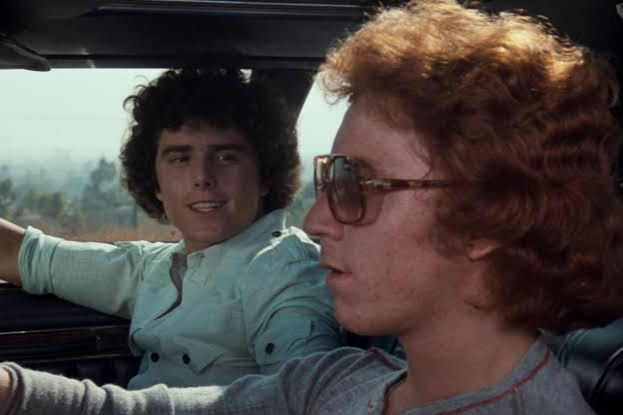
When The Partridge Family was canceled in 1974, Bonaduce hit a wall common to many child stars: “typecasting.” Audiences absolutely loved the character of Danny Partridge but found it very difficult to accept the actor as anyone else. During the late 1970s, he attempted to branch out by appearing in the 1978 film Corvette Summer and taking guest roles on popular dramas like CHiPs. However, as the 1980s began, the acting offers started to dry up. The sudden silence of a fading career stood in sharp, painful contrast to the deafening adoration he had experienced just a few years prior.
This transition from superstar to struggling actor affected him on a deep level. While the public still recognized his face, he no longer had the steady employment or the structured environment of a television studio to keep him focused. Without a daily schedule to follow, he entered his early twenties feeling lost and without a clear sense of direction. He later admitted that he found this adjustment period both confusing and incredibly lonely. Many former child performers have described similar “post-fame” depressions, and Bonaduce became a primary example often cited by entertainment journalists discussing the risks of early stardom.
Public Troubles
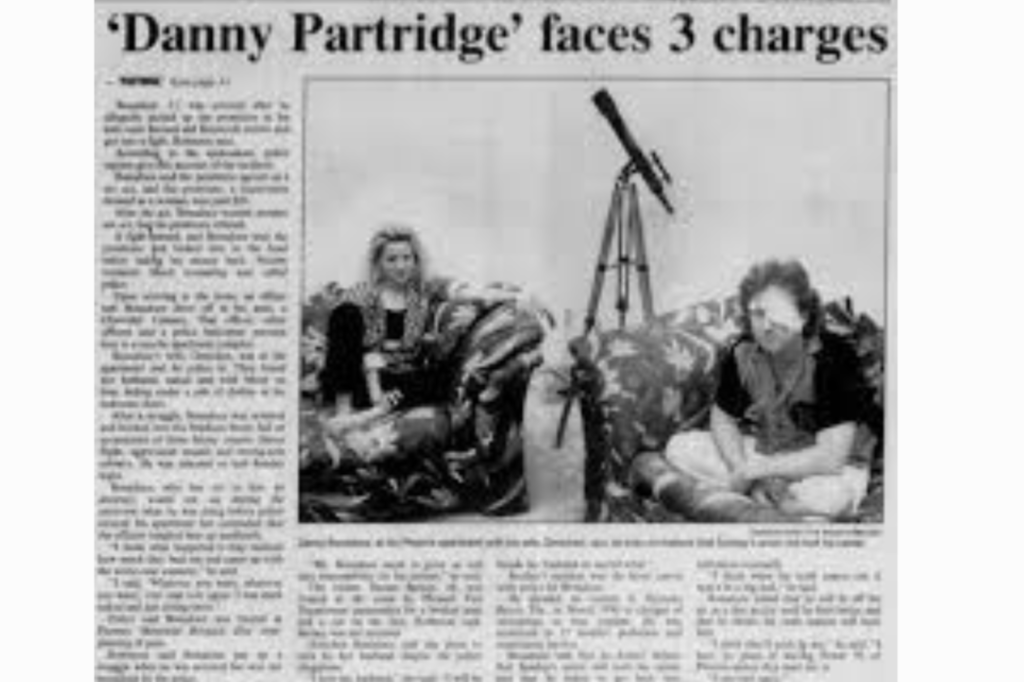
Throughout the 1980s and the early 1990s, Bonaduce’s personal life began making headlines for all the wrong reasons. A string of high-profile arrests involving public altercations and disorderly conduct made him a staple of the tabloid circuit. This media attention was particularly harsh because the public still held an image of him as a freckle-faced, friendly TV child, making his struggles as a navigating adult seem even more shocking. He later candidly acknowledged that a battle with substance misuse played a major role in many of these legal and personal incidents.
However, a key part of his story is that he refused to hide from his mistakes. Instead of retreating, he started speaking openly and honestly about his journey toward recovery and the importance of taking personal responsibility. This transparency began to shift his public image from a “troubled star” to a person working hard to improve his life. Fans who had grown up alongside him started to view his difficulties as part of a larger, more relatable story about the pitfalls of early celebrity. His willingness to be vulnerable eventually made him a popular guest on talk shows where he shared his hard-earned wisdom.
Celebrity Boxing Nights
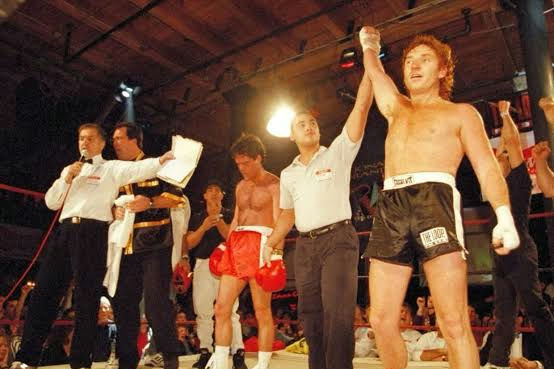
In the 1990s, Bonaduce discovered a surprising way to channel his competitive energy and physical frustration: the boxing ring. In 1994, he took part in a highly publicized exhibition match against former teen idol Donny Osmond. The event was a strange mix of entertainment spectacle and personal test, and Bonaduce took the challenge seriously, training with an intensity that surprised his critics. He wanted to prove to the world, and perhaps to himself, that he was much more than just a former sitcom kid with a funny personality.
He stepped back into the ring again in 2002, this time facing off against The Brady Bunch star Barry Williams. While these matches were certainly theatrical, they highlighted Bonaduce’s grit and his desire to reinvent himself as a tough, physically dedicated performer. These bouts were also significant because they occurred just as the media landscape was shifting toward reality-style competition. By participating in these events, he helped pioneer the trend of celebrities using non-traditional platforms to stay relevant and connect with audiences in a more raw, unscripted, and occasionally bruised fashion.
Radio Reinvention
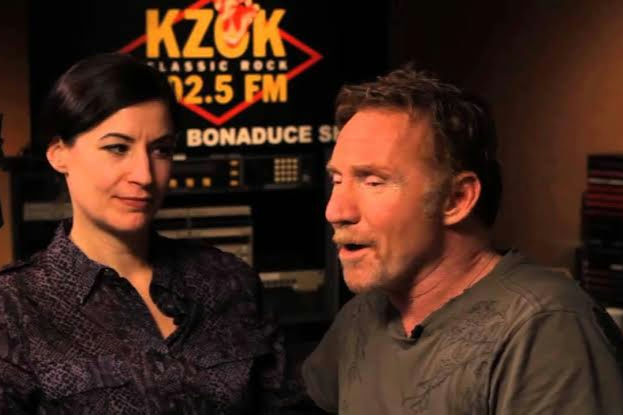
Bonaduce found his most successful and stable “second act” in the world of professional broadcasting. After honing his skills on radio programs in major markets like Los Angeles and Philadelphia, he eventually moved to the Pacific Northwest. In Seattle, he became a beloved fixture as the host of a morning talk and music show on KZOK-FM, a position he held from 2011 until his retirement in late 2023. This format was a perfect match for his quick wit because it prioritized spontaneous conversation over a rigid, pre-written script.
His listeners deeply appreciated his “no-nonsense” honesty and his ability to find humor in life’s challenges. On air, he frequently discussed his family life, his ongoing sobriety, and the mundane experiences of middle age. Radio also provided him with something he had lacked since his childhood days on a TV set: a consistent daily routine. Instead of chasing sporadic acting gigs, he had a steady connection with a loyal audience that grew to know his real voice. This chapter of his life proved that it is entirely possible to find a meaningful career after child stardom.
Reality Television Years

In 2005, Bonaduce took a bold risk by inviting cameras into his private life for the VH1 reality series Breaking Bonaduce. The show was an unfiltered look at his marriage and his intense personal struggles, documenting everything from marriage counseling to his efforts to manage his temper and addiction. At the time, reality television was still a relatively new genre, and many viewers were genuinely startled by the raw level of transparency he provided. He didn’t try to look perfect; he showed the world his flaws in real-time.
This show once again transformed how the public perceived him. Rather than seeing him as a relic of the 70s or a tabloid headline, viewers saw a human being actively wrestling with deep-seated emotional issues. While some critics found the show’s intensity uncomfortable, many fans felt a deep sense of sympathy and support for his journey. It remains a landmark example of how reality TV can sometimes serve as a platform for public self-reflection. By showing his lowest moments, Bonaduce ironically helped many viewers feel less alone in their own personal battles.
Writing His Story

In 2001, Bonaduce decided to put his experiences into words with the release of his memoir, Random Acts of Badness. The book was a deep dive into his childhood, his dizzying career highs, and the many mistakes he made along the way. Unlike typical celebrity autobiographies that often act as “glossy” highlight reels of success, his book focused heavily on the consequences of his actions and the lessons he had to learn the hard way. He used the pages to explain the “why” behind his most infamous public moments.
The memoir was a success because it gave the public the context they had been missing for years. By describing the specific pressures of being a child star and the lack of support he felt growing up, he was able to provide an explanation for his behavior without making excuses. Readers were introduced to a much more thoughtful and self-aware man than the one they saw in the news. Writing the book also seemed to be a form of therapy for him, allowing him to finally take full ownership of his personal narrative and history.
Marriage and Relationships

Bonaduce’s romantic life has often been a topic of public discussion, starting with his first marriage to Setsuko Hattori in 1985, which ended three years later. In 1990, he married Gretchen Hillmer, and the couple had two children together. Their long relationship became very public during his stint on reality television, and the immense pressure of living under a microscope eventually took its toll. After nearly twenty years of marriage, the couple divorced in 2007, a transition that was covered extensively by the entertainment media at the time.
In 2010, he found lasting stability when he married Amy Railsback, a former substitute teacher who eventually transitioned into a role as his professional manager. Those close to the couple have often noted that Amy’s influence brought a sense of peace and organization to his life that had been missing for a long time. Throughout all his relationships, Bonaduce’s willingness to speak openly about his domestic life reflected his belief in transparency. He understood that growing up in the spotlight meant his personal life would always be part of his public identity.
Health and Hiatus

In 2022, Bonaduce shared some concerning news with his fans, announcing that he was dealing with a serious health issue that was affecting his speech and physical balance. Because the cause wasn’t immediately clear, he had to take a temporary leave of absence from his radio hosting duties while medical experts conducted tests. His loyal listeners, many of whom had tuned in every morning for over a decade, flooded his social media with messages of concern and well-wishes as he navigated the diagnostic process.
In 2023, he revealed the source of his struggles: he was diagnosed with hydrocephalus and required major brain surgery to drain excess fluid. The procedure was a success, but the recovery process required significant time and rehabilitation. Ultimately, these health challenges led to his decision to officially retire from his long-running radio show in Seattle. After more than fifty years in the entertainment industry, the announcement marked a quiet, dignified transition into a more private lifestyle. The outpouring of love he received showed just how many lives he had touched.
Advocacy and Speaking
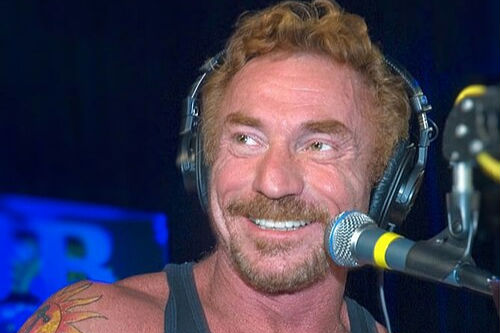
In his later years, Danny Bonaduce became a powerful advocate for mental health and addiction recovery. He used his platform to speak at various charity events, podcasts, and talk shows, sharing a message of hope and the possibility of “second chances.” His approach resonated with people because he never pretended to be a saint; he presented recovery as a difficult, daily job that requires constant honesty and a strong support system. This grounded perspective was especially meaningful to adults who had also experienced unstable upbringings.
By the 2010s, he was a regular participant in national discussions regarding industry responsibility toward child actors. He visited schools and community centers to explain that fame is never a shield against emotional pain. He consistently emphasized that asking for help is a sign of immense strength, not a sign of weakness. These public appearances helped cement his legacy as a man of great perseverance. While he never claimed to have all the answers, he successfully demonstrated how a public figure can own their past while building a helpful and constructive future.
Looking back, his story reminds us that overreliance on a single structure can leave people unprepared when circumstances change.
Like this story? Add your thoughts in the comments, thank you.


