
1. A Future That Almost Was
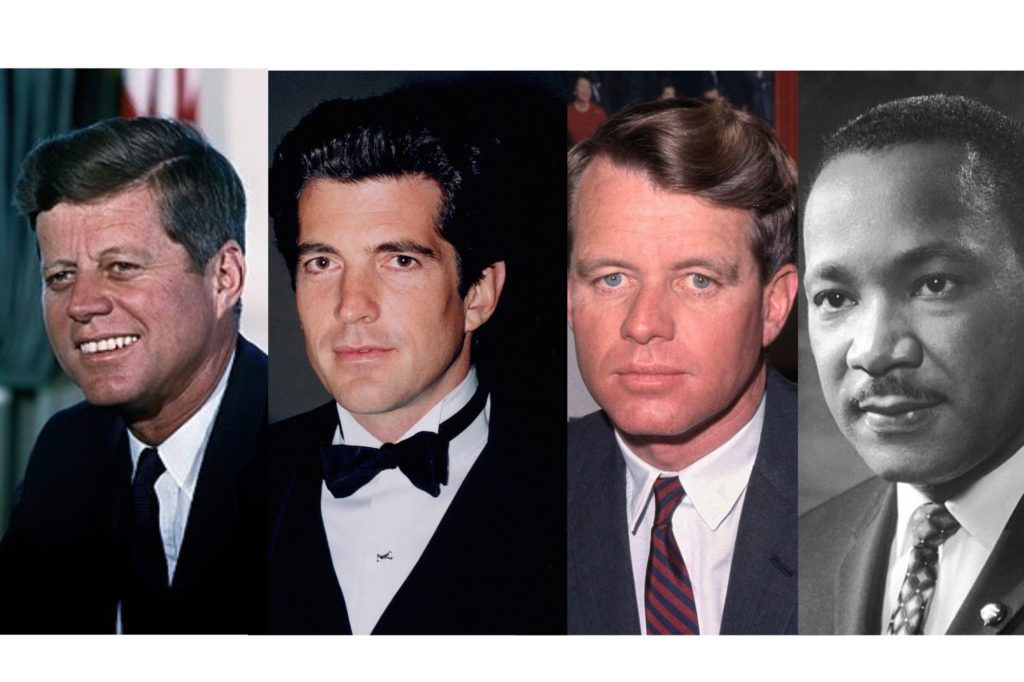
History is often shaped by big elections or new laws, but sometimes it truly changes because of a single, tragic afternoon. The late 1960s was a period that redefined the United States forever. In just a few short years, the country suffered the loss of a charismatic young president, his hardworking brother who hoped to lead from the White House, and the most powerful civil rights leader of the 1900s. Decades later, on July 16, 1999, the next generation of that famous family was also lost in a plane crash before he could ever run for high office. These events left many Americans with a heavy, lingering feeling that the story of the country had been cut off right in the middle of a sentence.
Even today, people can’t help but wonder “what if” because these men were all standing on the doorstep of their most important years. They weren’t retired leaders looking back on their old trophies; they were active, vibrant figures moving toward their greatest work. Looking at what might have happened next isn’t just about being sad for the past. It helps us understand why 1968 felt like such a massive breaking point for the soul of the nation. If these men had been allowed one more chapter, the way we handle politics, our social disagreements, and even our general sense of hope today might look completely different than they do now. This is all speculation, a “What-if” that never happened. If you have a different idea of what might have happened had these men lived longer, please contribute in the comments.
2. New Frontier Continued
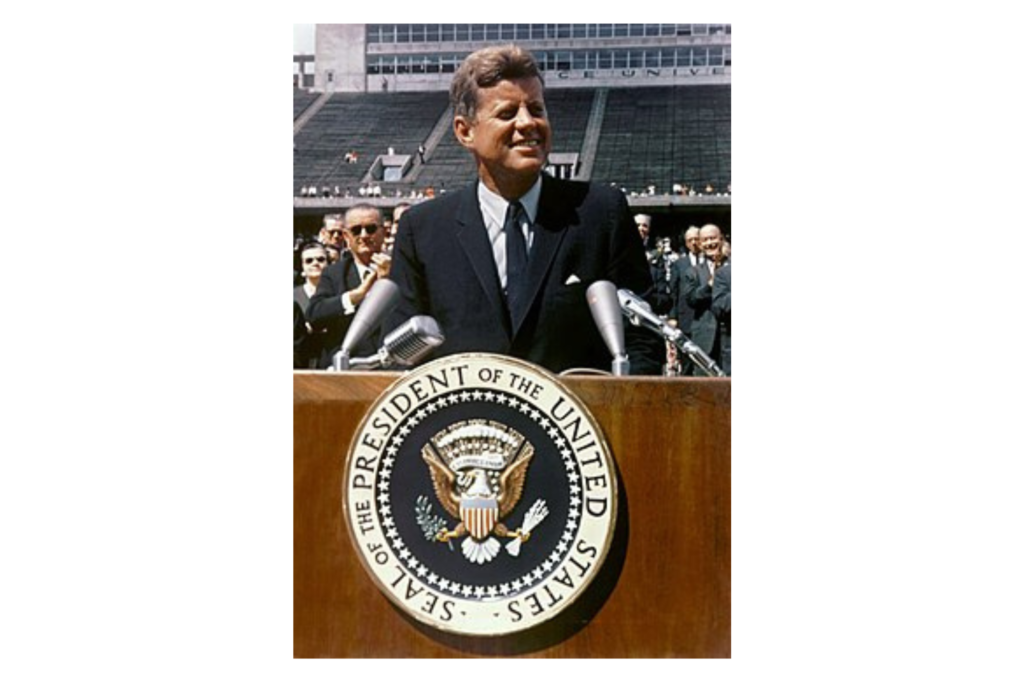
John F. Kennedy (JFK), was sworn in as the 35th President on January 20, 1961. At just 43 years old, he was the youngest person ever elected to the office, bringing a sense of energy to the White House. His time in power happened during the scariest parts of the Cold War. He navigated the failed Bay of Pigs invasion in April 1961 and the terrifying Cuban Missile Crisis in October 1962, which nearly started a nuclear war. After surviving that close call with the Soviet Union, he began pushing for peace, eventually signing a treaty to ban nuclear testing in August 1963. He also started championing civil rights, proposing the bold laws that would eventually become the Civil Rights Act of 1964.
If JFK had survived his trip to Dallas on November 22, 1963, and won the 1964 election, experts believe his second term would have been about making friends with enemies and fixing things at home. By 1963, he was already talking about working with Moscow on a joint mission to the Moon. While he had sent military advisers to Vietnam, many believe he would have avoided the massive, bloody war that followed. A second term likely would have seen him using his massive popularity to pass civil rights laws himself, rather than leaving it as a tribute to his memory. He had the political skill to unite a divided Congress during a very shaky time.
3. A Different Vietnam
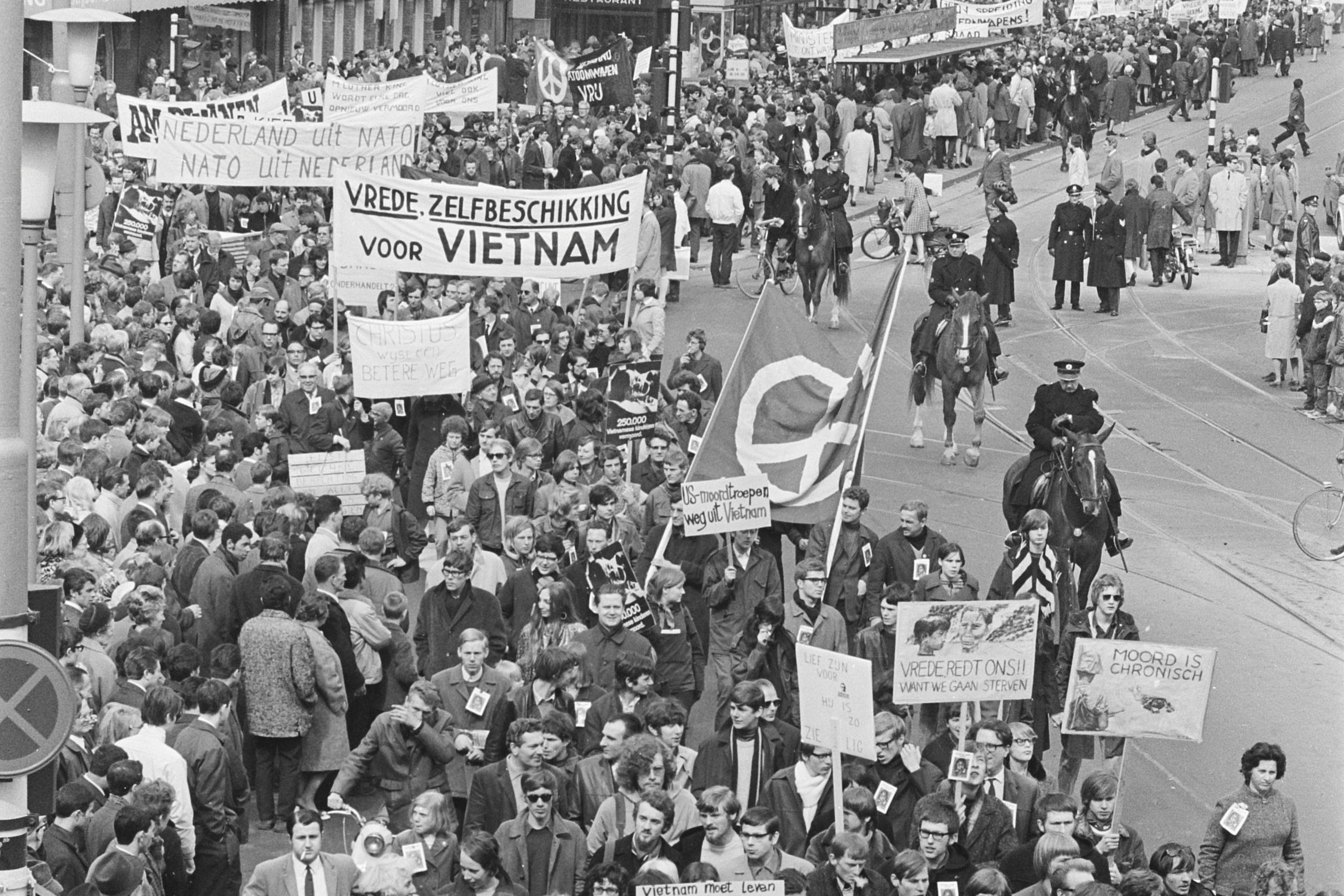
By the end of 1963, the United States had about 16,000 military advisers helping out in South Vietnam. President Kennedy had sent equipment and special trainers, but he was always very nervous about sending thousands of regular American soldiers into a full-scale ground war. In October 1963, his team actually approved a plan to bring 1,000 of those advisers back home by the end of the year. It was a small move, but it showed he wanted to limit how much the U.S. got involved. Sadly, after his death, the war exploded under President Lyndon Johnson. By 1968, over 500,000 American troops were fighting overseas, causing massive protests and anger back home.
If Kennedy had stayed in office, the entire map of the Vietnam War might have been redrawn. After the Cuban Missile Crisis, he leaned much more toward talking through problems rather than fighting over them. In a famous speech at American University in June 1963, he called for “peaceful coexistence” with our rivals. Choosing to negotiate early could have saved tens of thousands of lives and prevented the huge protests that tore American cities and colleges apart in the late 60s. Without that intense fighting at home, the huge “trust gap” between the government and the people might never have opened up, leaving the country much more united and less cynical.
4. Civil Rights Momentum
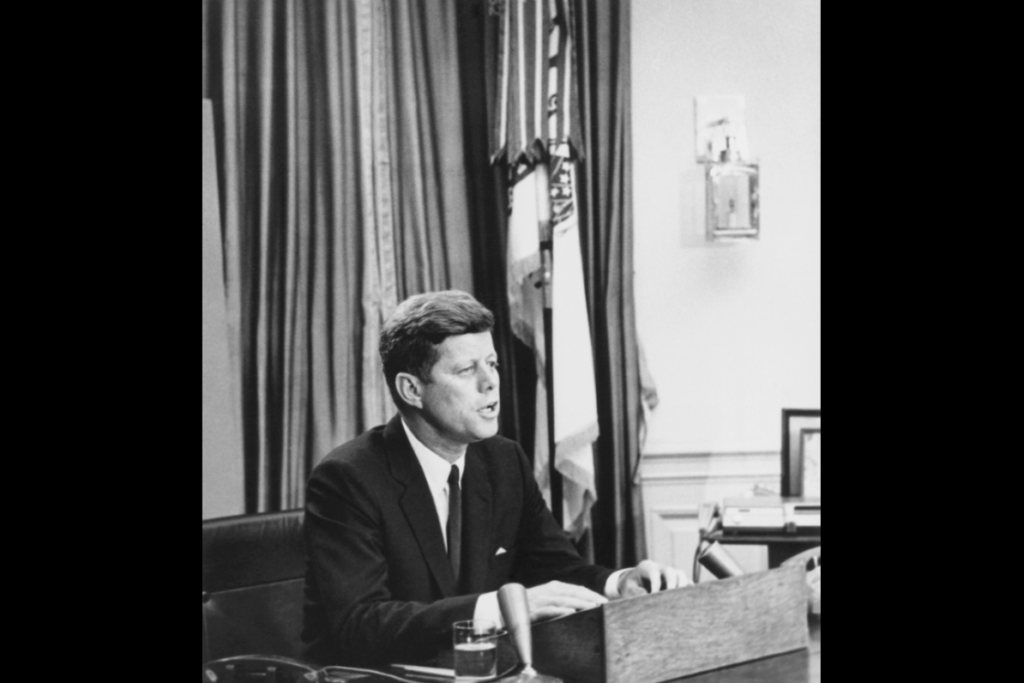
In June 1963, JFK went on national television to tell the country that civil rights was a “moral issue” as old as the scriptures. He introduced a plan to stop segregation in public places and to make sure every Black American had the right to vote without being harassed. This speech was a response to the intense pressure from protests across the South and a tense standoff at the University of Alabama. Before this, the White House had been a bit quiet and cautious, but JFK’s words officially moved the government into the corner of the civil rights movement, changing the course of American justice forever.
Had he lived to see 1964 and beyond, Kennedy would have been the one to push these laws through the finish line. He was a master at making deals and had strong friendships with moderate Republicans whose votes were needed to stop Southern politicians from blocking the bill. With his leadership, the law might have passed sooner and with even more support from both sides of the aisle. Protecting voting rights earlier might have prevented the brutal violence seen during the Selma marches in March 1965. While the fight for equality would never be easy, having a sitting president lead the charge personally might have kept the country calmer during its most difficult struggles.
5. Robert Kennedy’s Presidency
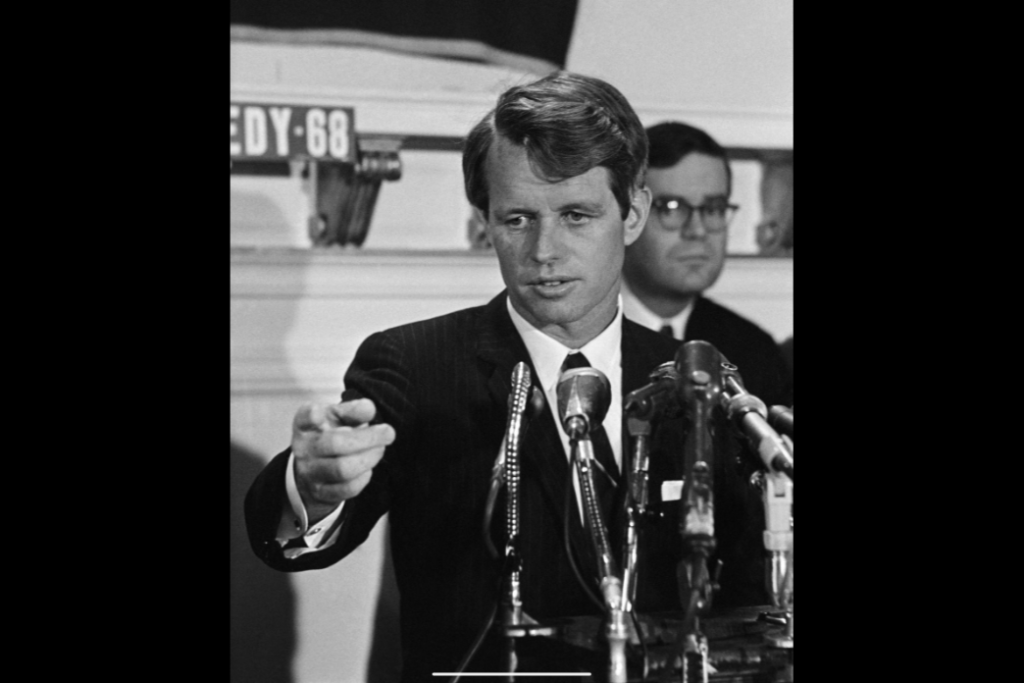
Robert “Bobby” Kennedy (RFK) served as the U.S. Attorney General under his brother from 1961 to 1964 before becoming a Senator for New York in 1965. As the years went by, he became a powerful voice against the Vietnam War. On March 16, 1968, he announced he was running for president, promising to help the poor and bring different races together. He was a beacon of hope for many who felt forgotten. However, on June 5, 1968, right after winning a major victory in the California primary, he was shot at the Ambassador Hotel in Los Angeles. He died the next day at the age of only 42.
Most people who watched politics back then believed Bobby was on his way to winning the Democratic nomination and possibly the presidency in November 1968. He was a unique candidate because he spent his time in poor rural towns, Native American reservations, and crowded inner cities, places most politicians ignored. If he had become president, his first goal would likely have been ending the Vietnam War through peace talks starting in 1969. By avoiding the extra years of fighting and the bitter anger of the early 70s, he might have prevented the dark political mood that eventually led to the Watergate scandal and a total loss of faith in American leaders.
6. Healing Racial Divides
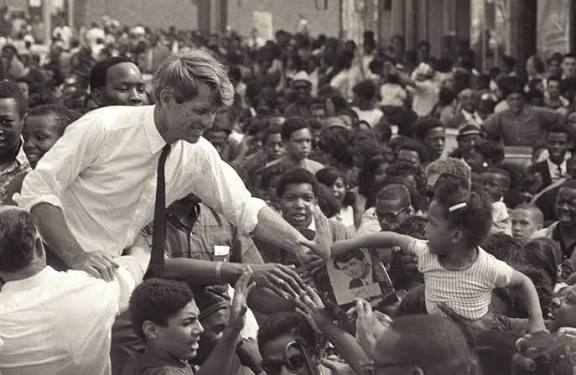
Robert Kennedy’s heart changed a lot after his brother was killed in 1963. He started traveling to the poorest parts of the country, from the Mississippi Delta to the coal mines of Appalachia, to see how people were suffering. On the night of April 4, 1968, when Martin Luther King Jr. was killed, Bobby was in a Black neighborhood in Indianapolis. He gave a famous, unscripted speech from the back of a truck, asking for love and prayer instead of anger. Because of his words, Indianapolis was one of the few major cities that didn’t experience violent riots during that terrible week in American history.
As president, Bobby Kennedy planned to unite working-class white people and African Americans by focusing on things they both needed: good jobs and fair pay. He didn’t just want new laws; he wanted “community development” where people could rebuild their own neighborhoods. He had already started a successful project like this in the Bedford-Stuyvesant area of New York. A presidency focused on “shared prosperity” could have stopped the country from splitting into the “us vs. them” groups we see in politics today. While it wouldn’t have fixed every problem, his leadership could have softened the racial and political bitterness that became so common in the 1970s.
7. King Beyond 1968
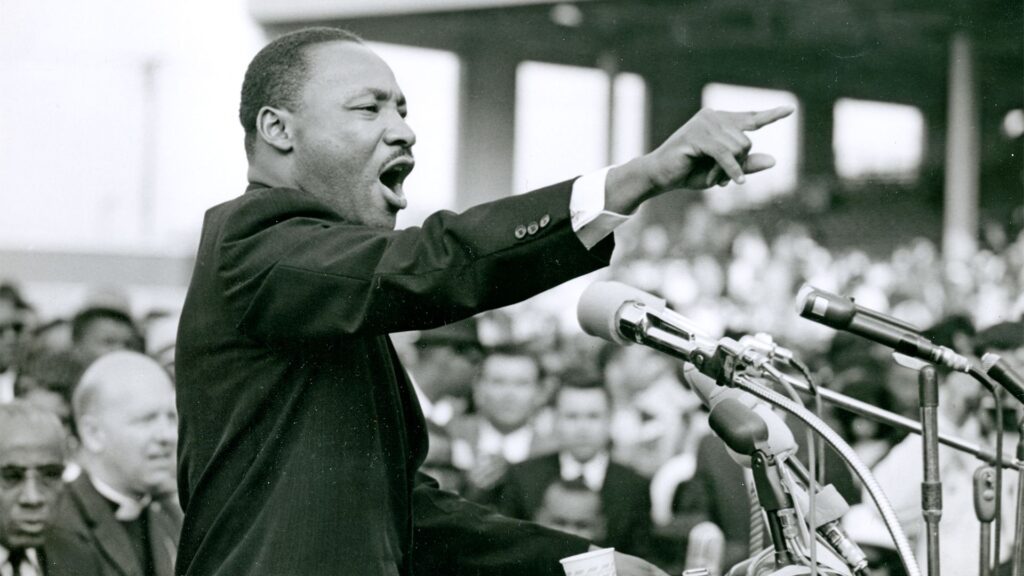
Dr. Martin Luther King Jr. became a world hero starting with the Montgomery Bus Boycott in 1955 and his famous “I Have a Dream” speech in August 1963. By 1967, he began speaking out about more than just segregation. He started calling for an end to poverty and criticized the Vietnam War in a powerful speech at Riverside Church in New York. In early 1968, he went to Memphis, Tennessee, to stand with Black sanitation workers who were treated poorly and paid very little. It was there, on the balcony of the Lorraine Motel, that he was assassinated on April 4, 1968, at the age of 39.
At the time of his death, Dr. King was working on the “Poor People’s Campaign.” He wanted to bring thousands of people of all races to Washington, D.C., to demand an “Economic Bill of Rights.” If he had lived, this movement could have changed America’s focus from just basic legal rights to making sure everyone had a house, a job, and a living wage. He probably would have stayed out of elections, acting instead as the country’s “moral conscience” to keep both parties honest. A decade of Dr. King’s non-violent leadership in the 1970s might have forced the government to deal with poverty much earlier, potentially helping millions of families escape the cycle of debt.
8. A Moral Partnership
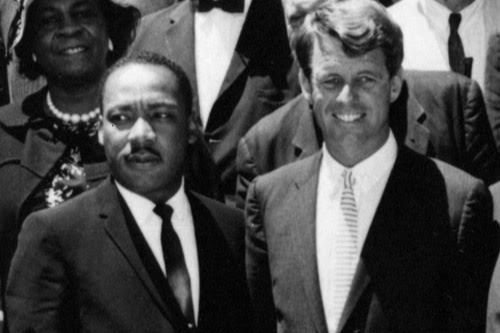
The goals of Dr. King and Robert Kennedy were starting to line up in a very special way by the late 1960s. It was a rare moment where a moral leader and a political leader were actually on the same page. Dr. King had the power to move people’s hearts and consciences, while Bobby Kennedy had the political power to actually sign those feelings into law. By 1967, both men were openly against the Vietnam War and deeply worried about the millions of Americans living in hunger. Even though they came from very different worlds, they were becoming a team that could have truly changed the country.
If Kennedy had won the White House while Dr. King continued to organize marches, the speed of change in America would have been incredible. We would have likely seen faster work on fair housing, better voting protection, and real programs to create jobs in poor areas. This “partnership” might have also lowered the amount of violence in the streets after 1968 because both men were huge believers in non-violence. It is very rare in history for the “people’s leader” and the “government leader” to work together so closely. The fact that we lost both of them in the same year is one reason why many social reforms slowed down for a long time.
9. The Cultural Climate
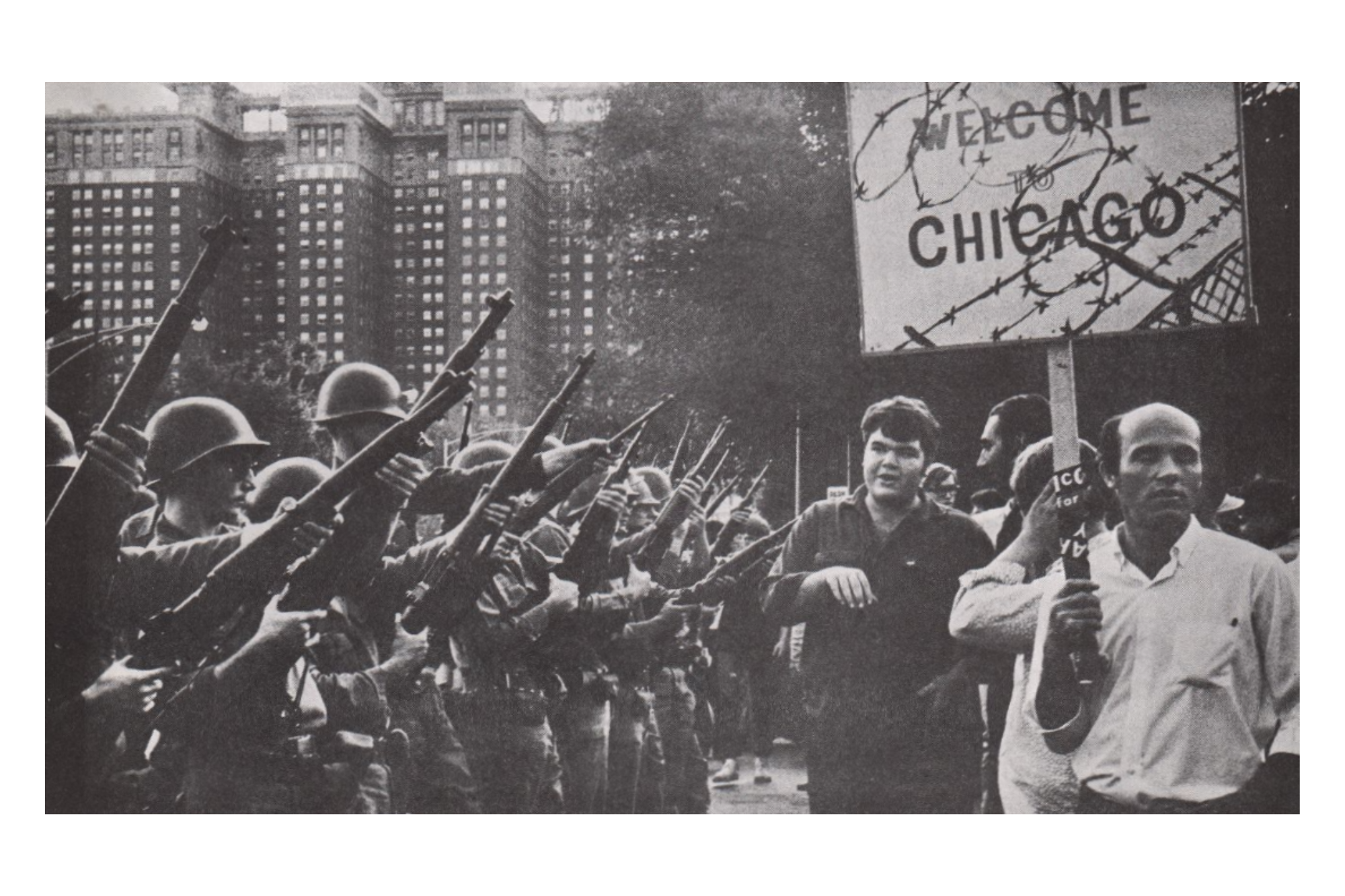
The late 1960s were a time of massive protests, city riots, and a huge “generation gap” where kids and their parents couldn’t agree on anything. The Democratic Convention in Chicago in August 1968 became a symbol of this mess, as police and young protesters fought in the streets on live TV. This chaos paved the way for a more cynical type of politics. Just a few years later, between 1972 and 1974, the Watergate scandal happened, which proved to many people that their leaders were lying to them. This era changed how we look at authority, making many Americans lose their natural trust in the government.
If these three leaders had survived, the mood of the country would likely have stayed much more positive. Having steady, familiar leaders would have made the world feel less chaotic. With peace in Vietnam happening sooner and visible progress on civil rights, the giant protests might have been smaller and less angry. While music, fashion, and culture would still have changed, the overall vibe of the country might have been about “hope” rather than “disillusionment.” Instead of a generation that felt lied to by their leaders, we might have had a generation that felt like they were part of a successful, growing mission to make America better for everyone.
10. JFK Jr. Enters Politics
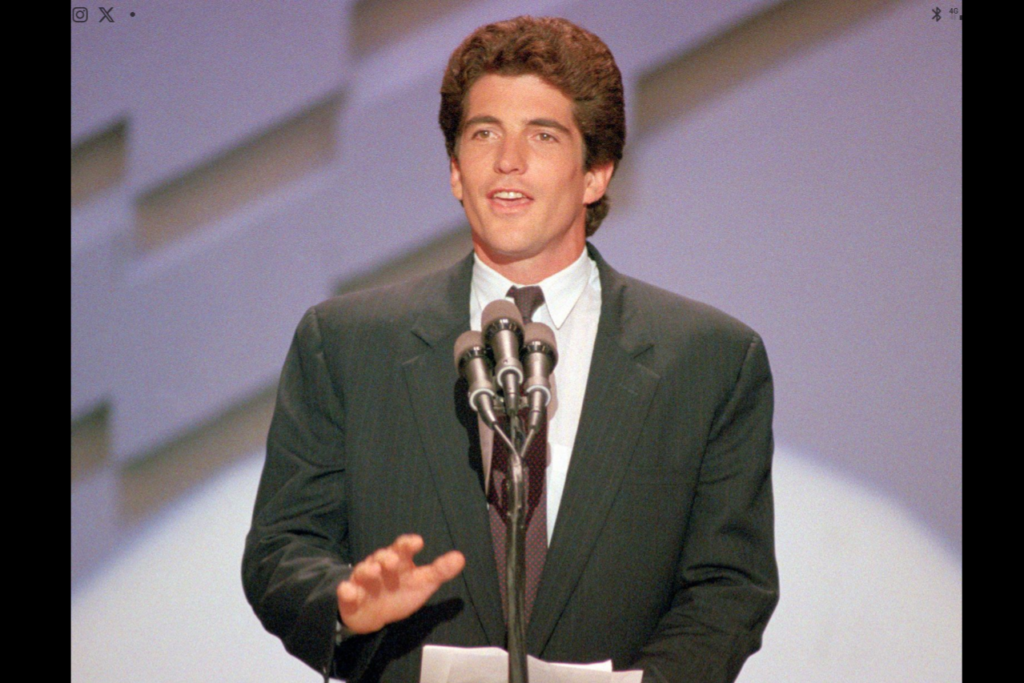
John F. Kennedy Jr. (JFK Jr) was born on November 25, 1960, just days after his father won the presidency. He was only three years old when he famously saluted his father’s casket in November 1963, a heartbreaking image the world never forgot. As an adult, he stayed out of the spotlight for a while, working as a lawyer in New York. However, in 1995, he launched George magazine. His goal was to make politics “cool” and easy to understand for young people by mixing it with pop culture and celebrities. By the late 90s, everyone was waiting to see if he would finally run for office like his father.
Before his tragic death in a plane crash on July 16, 1999, his close friends said he was getting ready to jump into the political ring. Many believed he was planning to run for Governor of New York or for a seat in the U.S. Senate. Had he lived, he would have entered politics in the early 2000s, right when the internet and 24-hour news were becoming huge. With his famous name and his natural charm, he could have been the perfect person to get younger voters excited about the government again. He had a way of speaking that didn’t sound like a typical “boring politician,” which made people of all ages actually want to listen.
11. A New Political Style
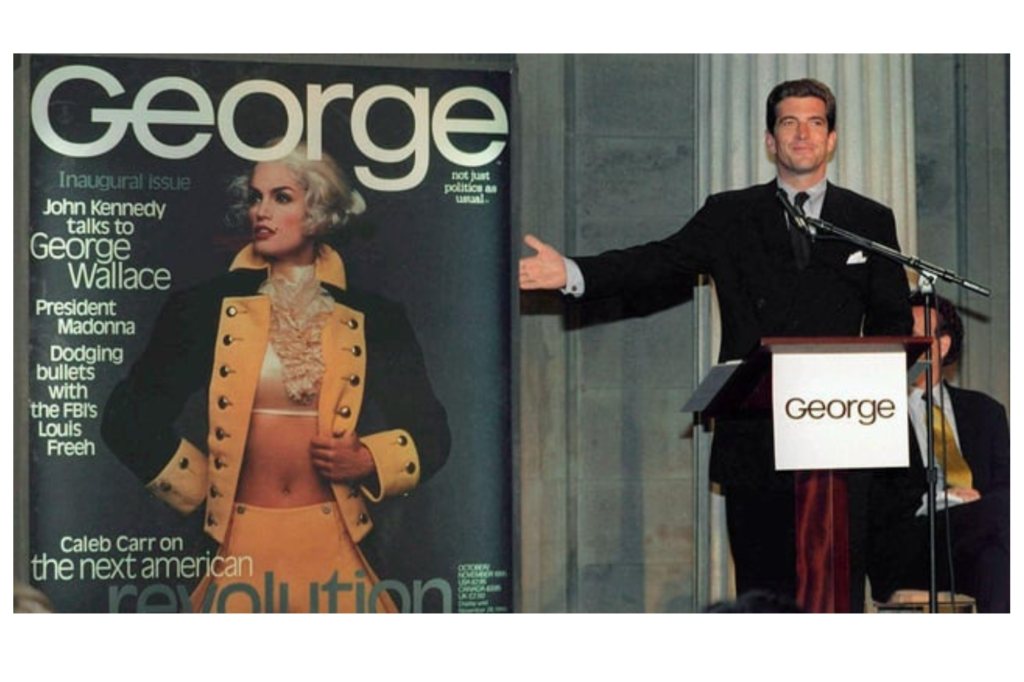
Through his magazine, George, John F. Kennedy Jr. tried to do something that had never been done before: he wanted to blend the world of Hollywood and celebrities with the world of serious government policy. He put famous actors and models on the covers of his magazine to grab people’s attention, and then he used simple, everyday language to explain how laws actually worked. Launched in September 1995, the magazine was his way of saying that politics shouldn’t be a boring topic reserved for professors and lawyers. He wanted young adults to feel like being a good citizen was just as interesting as being a movie star.
If he had actually run for a political office in the early 2000s, he likely would have used these same “media-savvy” tricks to win over voters. This was a time right before social media took over the world, and JFK Jr. seemed to understand better than anyone else how to use the camera to connect with the public. Instead of using his platform to attack his opponents with mean ads, his style was focused on being civil and bringing people together. He could have been a bridge between the old-fashioned way of doing things and the new, digital age. By making the government feel approachable, he might have helped lower the intense “team-vs-team” fighting that makes politics so stressful today.
12. The Long Shadow
Even though many years have passed, the names of these four men, JFK, Bobby, Dr. King, and JFK Jr., still carry a huge amount of weight. We build monuments for them, we name airports after them, and we still study their speeches in school. This is because their lives represent “unfinished business.” They all died at moments when they were still growing, still changing, and still pushing for a better world. When we think about them, we aren’t just thinking about the laws they passed; we are thinking about the “hope” they provided to a country that was going through a very difficult transition.
Thinking about “what might have been” isn’t just a game for history nerds. It helps us see the “turning points” where things could have gone a different way. Their absence left a giant hole in the heart of American leadership during a time when the country needed a steady hand the most. If even just one of them had lived another twenty years, our schools, our hospitals, and our neighborhoods might look very different today. Their stories remind us that while one person cannot control everything, a single leader with a clear vision can definitely nudge the world in a better direction during the moments when it matters most.
The lesson is simple: individuals do not control history alone, yet, at key moments, they can guide its direction.
Like this story? Add your thoughts in the comments, thank you.


