
1. Genelle Guzman McMillan
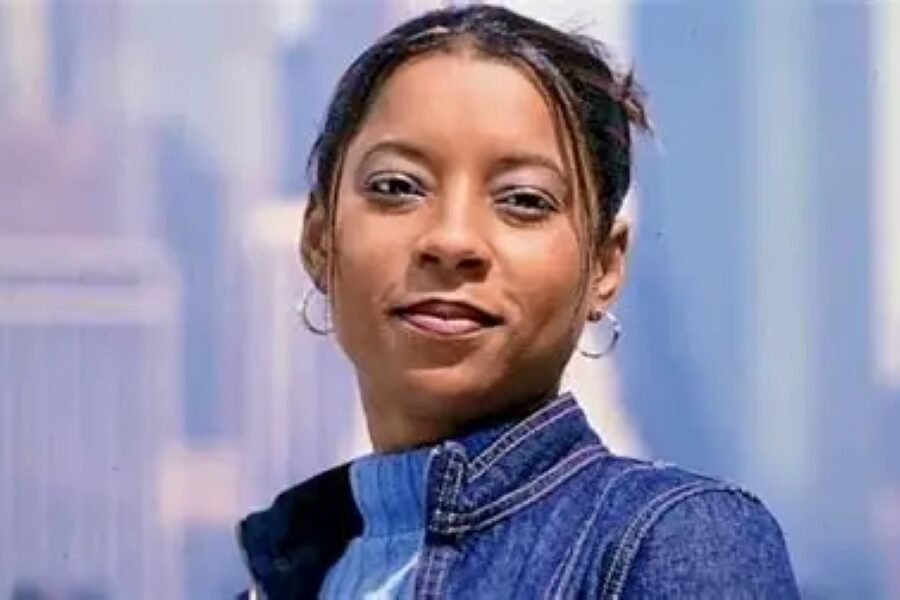
Genelle Guzman McMillan was working inside the World Trade Center when the September 11 attacks turned an ordinary morning into chaos. When the tower collapsed, she was buried under layers of steel and concrete, trapped in darkness for nearly a full day. Rescue crews searching through the ruins eventually heard faint sounds and discovered she was still alive. Firefighters later described the moment as one of the final living rescues from the disaster, and her survival quickly became a powerful symbol of hope during a week filled mostly with loss and funerals.
After months of surgeries and physical therapy, her focus shifted toward rebuilding a steady personal life rather than staying in the public spotlight. She returned to work, raised her son, and occasionally shared her story in churches and community events where her tone remained calm and deeply practical. What people remember most is how strongly she valued ordinary routines afterward. She often spoke about gratitude for simple daily moments, showing that surviving history does not always lead to public fame. Sometimes it leads to a quiet determination to live normally again.
2. Michael Hingson

Michael Hingson was on the seventy eighth floor of the North Tower when the plane struck, and as a blind worker he depended completely on his guide dog Roselle to navigate the sudden emergency. Smoke spread through the building while thousands rushed toward stairwells, yet Roselle remained calm and guided him step by step through the long descent. Hingson encouraged coworkers to stay steady and avoid panic, knowing that fear could cause deadly crowd surges. Both eventually reached safety on the street before the tower collapsed.
In the years that followed, Hingson transformed the experience into a career focused on leadership training, emergency preparedness, and disability awareness. He traveled widely giving talks about calm decision making and teamwork, often emphasizing that survival came from preparation and trust rather than dramatic heroism. His life moved forward through writing, mentoring, and public speaking, while Roselle remained remembered as one of the most famous service animals in modern history. His story resonates because it shows courage does not always look loud. Sometimes it looks like steady steps, patient guidance, and refusing to panic.
3. Amy Down
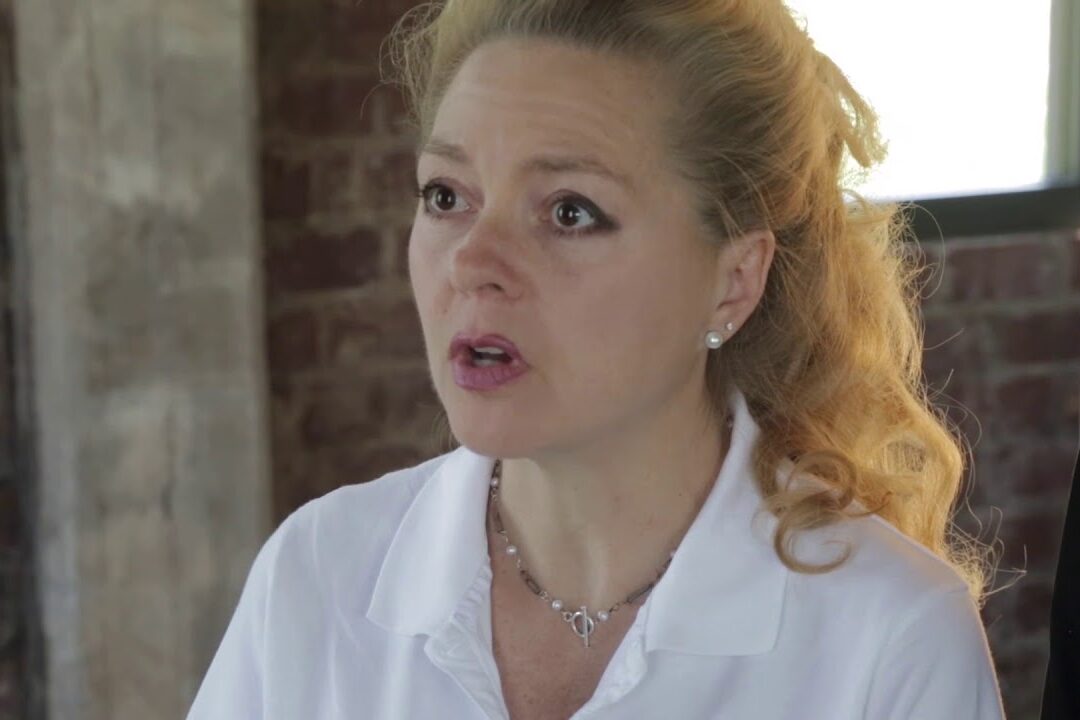
Amy Downs was inside the federal building in Oklahoma City when the truck bomb exploded in 1995, trapping her under heavy rubble for hours. Injured and pinned in darkness, she stayed conscious by listening for rescuers and focusing on staying awake. Emergency teams eventually reached her and pulled her out alive, making her one of the most widely known survivors of the attack that killed 168 people. Her survival alone was remarkable, but what followed afterward would shape her story even more strongly.
During recovery, Downs made a long term commitment to rebuilding her physical health, education, and career stability. Over the years she lost significant weight, completed a college degree, and eventually rose into executive leadership at a financial institution. She later became a speaker on discipline, resilience, and personal rebuilding after trauma. Her journey stands out because it shows survival is not only about escaping a single day of danger. It can also become the turning point that pushes someone toward years of determined personal transformation.
4. Patrick Ireland
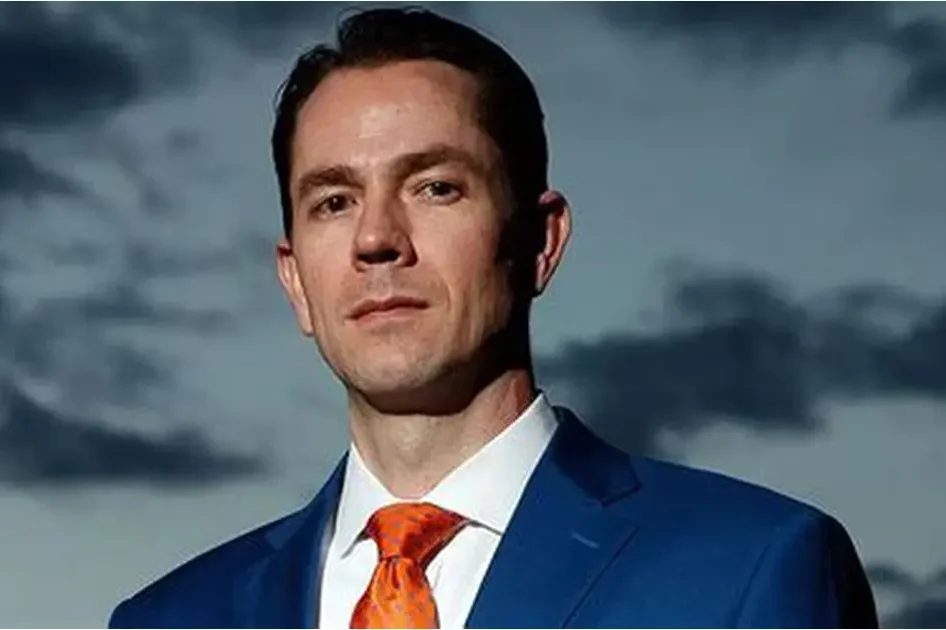
Patrick Ireland became known across the country during the Columbine High School shooting when television cameras captured him climbing out of a broken library window into the arms of rescue officers. Shot multiple times and barely conscious, he had somehow pulled himself across the destroyed room and reached the window despite severe injuries. The image of his rescue became one of the defining visual moments of the tragedy and symbolized the desperate struggle students faced inside the school.
Recovery required long hospitalization, surgeries, and months of rehabilitation while he relearned strength and coordination. Ireland later completed his education, built a professional engineering career, and chose a mostly private adult life. He occasionally participated in remembrance discussions but largely focused on family and work stability. Many people find his story meaningful because the injured teenager seen on television eventually became an adult living an ordinary life. His survival reminds readers that even after nationally traumatic events, many survivors simply want the chance to grow up and move forward quietly.
5. Jeff Bauman
Jeff Bauman was standing near the Boston Marathon finish line in 2013 waiting for his girlfriend when the bombs exploded beside him. He lost both legs instantly yet remained conscious while being rushed toward emergency treatment. While still in the hospital, he provided investigators with an early description of one attacker, helping authorities move quickly during the manhunt that followed. A widely shared photograph of Bauman in a wheelchair moments after the blast made him one of the most recognizable survivors of the event.
Recovery meant multiple surgeries, prosthetic training, and learning how to rebuild independence in daily life. Supported by family and friends, he gradually returned to public life, became a father, and worked as an advocate for amputee mobility and trauma recovery awareness. His experience later inspired a film portrayal, but beyond media attention, his life centered on parenting, relationships, and everyday stability. His story resonates because it shows how survival often means learning to live fully again within a completely changed physical reality.
6. Petra Nemcova

Petra Nemcova was vacationing in Thailand when the 2004 Indian Ocean tsunami struck and destroyed the coastal resort. Swept into violent floodwaters and seriously injured, she managed to cling to a palm tree for hours until rescuers arrived. Her fiancé did not survive, leaving her to face both physical recovery and deep emotional loss. Images from the disaster spread worldwide as one of the deadliest natural catastrophes of the century.
After long medical treatment, Nemcova gradually redirected her career toward humanitarian work. She founded a charitable organization dedicated to rebuilding schools in disaster affected regions, believing education restores stability quickly for displaced children. Over time she became known more for her ongoing relief efforts than for the original survival story. Her journey feels deeply human because it shows how surviving a global tragedy can slowly reshape personal purpose. Instead of remaining defined by the wave itself, she spent years helping communities rebuild long after the world stopped watching.
7. Brian Clark
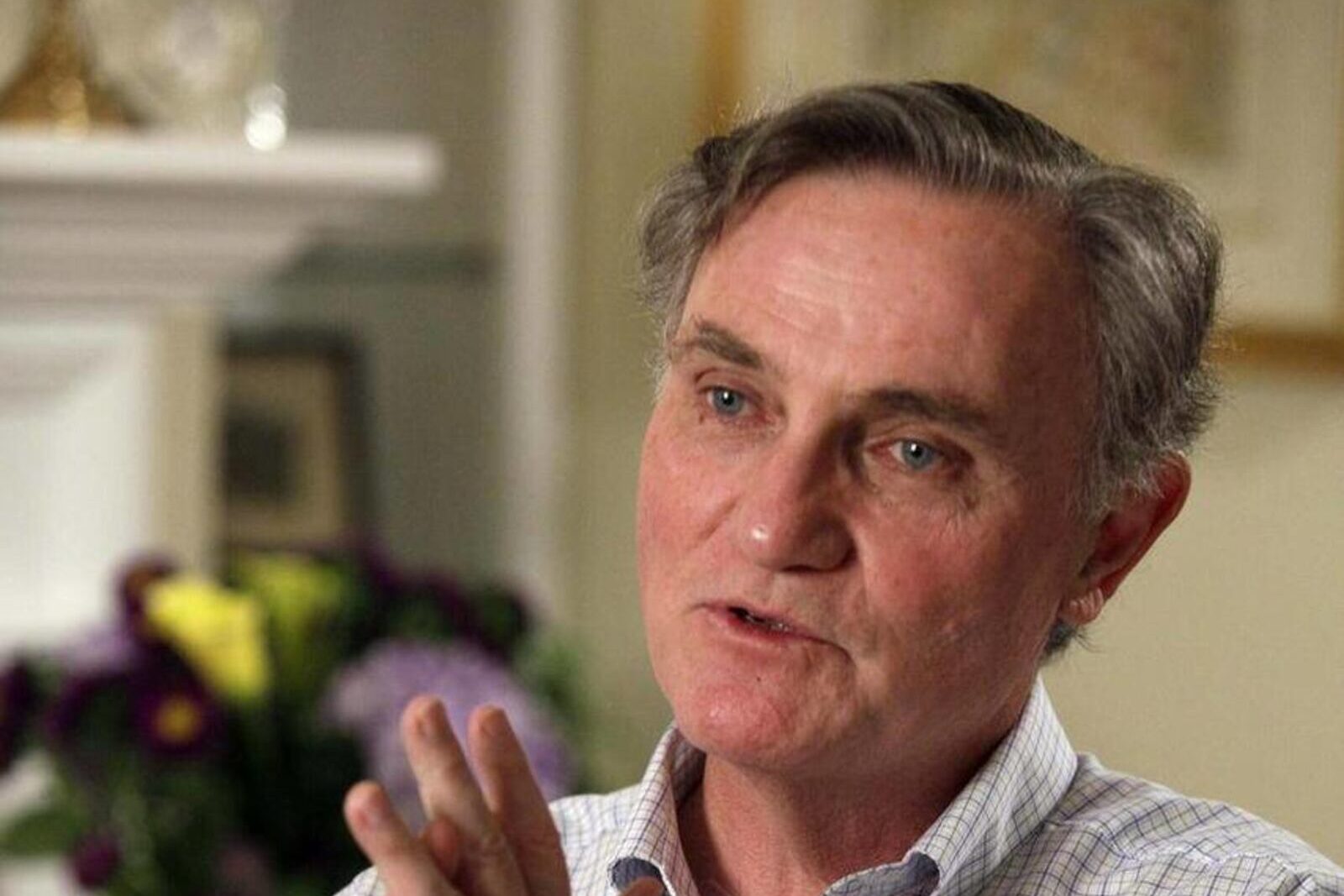
Brian Clark was descending the South Tower stairwell during the September 11 attacks when he encountered a badly injured coworker struggling to move. Instead of continuing alone, Clark chose to help guide the man downward through smoke filled corridors toward safety. Both eventually escaped the building before collapse. Clark later explained the decision simply by saying that in moments like that, you help the person in front of you.
After returning home to Canada, Clark shifted into emergency preparedness consulting and corporate safety education. His talks focus on communication, evacuation planning, and responsibility toward coworkers during crisis situations. He rebuilt a stable professional life centered on helping organizations learn practical lessons from past disasters. His story resonates strongly because it replaces dramatic hero mythology with something more relatable. Survival in national emergencies often depends on simple human cooperation and one calm decision to help someone else move forward beside you.
8. Gill Hicks
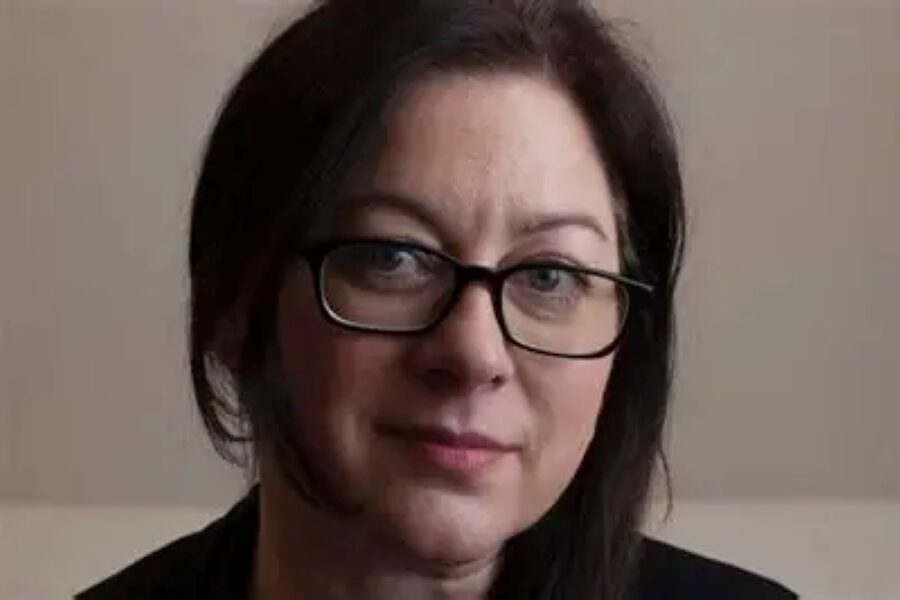
Gill Hicks was riding the London Underground during the July 2005 terrorist bombings when the explosion destroyed her train carriage. She survived catastrophic injuries that required the amputation of both legs after emergency responders reached trapped passengers underground. Hicks later spoke about drifting in and out of awareness while rescue teams worked in the smoke filled tunnel.
Years of rehabilitation followed, including prosthetic training and emotional recovery. Hicks eventually became a public speaker, writer, and international peace advocate focused on resilience and social unity. She rebuilt a professional life centered on communication work while also forming a family and continuing creative projects. Her journey demonstrates that even devastating injuries from terrorism do not prevent someone from building a meaningful future. Many audiences connect with her calm and reflective tone, which focuses less on the violence itself and more on the long process of rebuilding identity and purpose afterward.
9. Colin Goddard
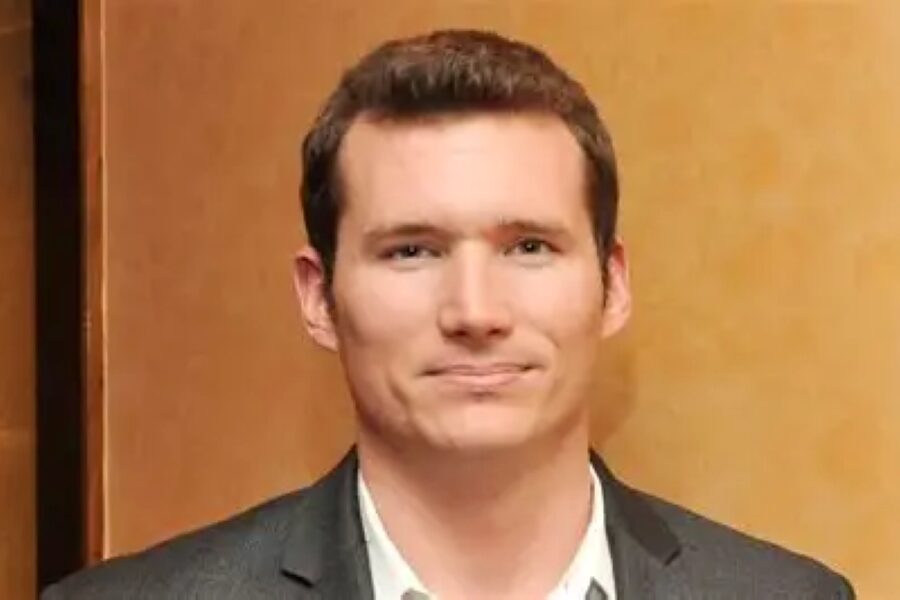
Colin Goddard was a student inside a Virginia Tech classroom during the 2007 mass shooting and survived after being shot multiple times. Emergency surgery saved his life and began a long recovery that included both physical healing and psychological support. Like many survivors, he had to process not only the attack itself but also the sudden national attention that followed.
After graduation, Goddard chose to work in public policy and education related to violence prevention and campus safety awareness. He testified publicly, helped organize national campaigns, and spoke about survivor responsibility in shaping safer systems. His story shows how some survivors respond to tragedy by stepping directly into reform work. Rather than retreat from the experience, he used it as motivation to help influence national conversations about prevention and emergency response planning across universities.
10. Keiko Ogura
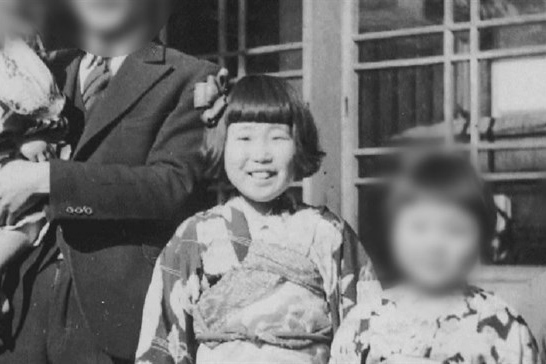
Keiko Ogura was eight years old when the atomic bomb destroyed Hiroshima, and she survived the blast along with the terrifying fires that followed. The experience stayed with her throughout adulthood, shaping her belief that younger generations needed to hear firsthand testimony about what nuclear war truly meant for civilians.
For decades she volunteered at the Hiroshima Peace Memorial Museum, guiding visitors and speaking to students about the human consequences of war. Her tone remained calm, educational, and deeply personal. Even late in life she continued answering questions from school groups and international visitors. Her survival became more than a historical memory. It became a lifelong teaching mission. Many who heard her speak felt they were listening not just to a witness of history, but to someone quietly working to prevent similar tragedies in the future through education and awareness.
11. Masao Yoshida
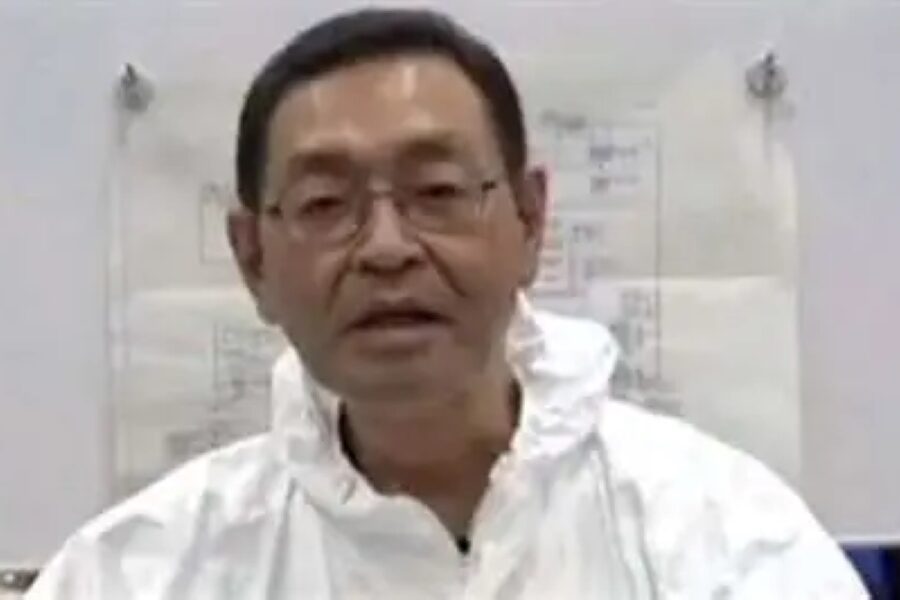
Masao Yoshida was the plant manager at Fukushima Daiichi during the 2011 earthquake and tsunami that triggered a nuclear emergency. While radiation risks rose and systems failed, Yoshida and a reduced crew remained on site working to stabilize reactors and prevent a far larger catastrophe. Their efforts helped limit what could have become an even more devastating national disaster.
Yoshida later became widely respected for calm leadership under extreme pressure. Though the crisis placed enormous strain on workers and responders, his decisions were credited with helping prevent wider radiation spread. His survival story represents a different type of national tragedy experience, one where staying in place to manage danger protected millions. His leadership remains studied as an example of technical responsibility and crisis management during one of the most serious nuclear emergencies in modern history.
12. Araceli Gonzalez

Araceli Gonzalez survived the Columbine High School shooting by hiding with classmates while the attack unfolded across the campus. She later recalled that the strongest shared thought among students was simply wanting to see their families again. Like many survivors, she spent years rebuilding a sense of safety in schools, public spaces, and daily routines.
Unlike some others, Gonzalez chose mostly private adult life rather than public activism. She occasionally attended remembrance events but focused primarily on building stable work, relationships, and personal peace. Her path reflects a reality often overlooked in national tragedy coverage. Not every survivor wants a public platform. Many simply want calm neighborhoods and dependable routines. Her story reminds readers that healing sometimes happens quietly, through ordinary life rebuilt step by step away from cameras.
13. Hikmet Cetinkaya
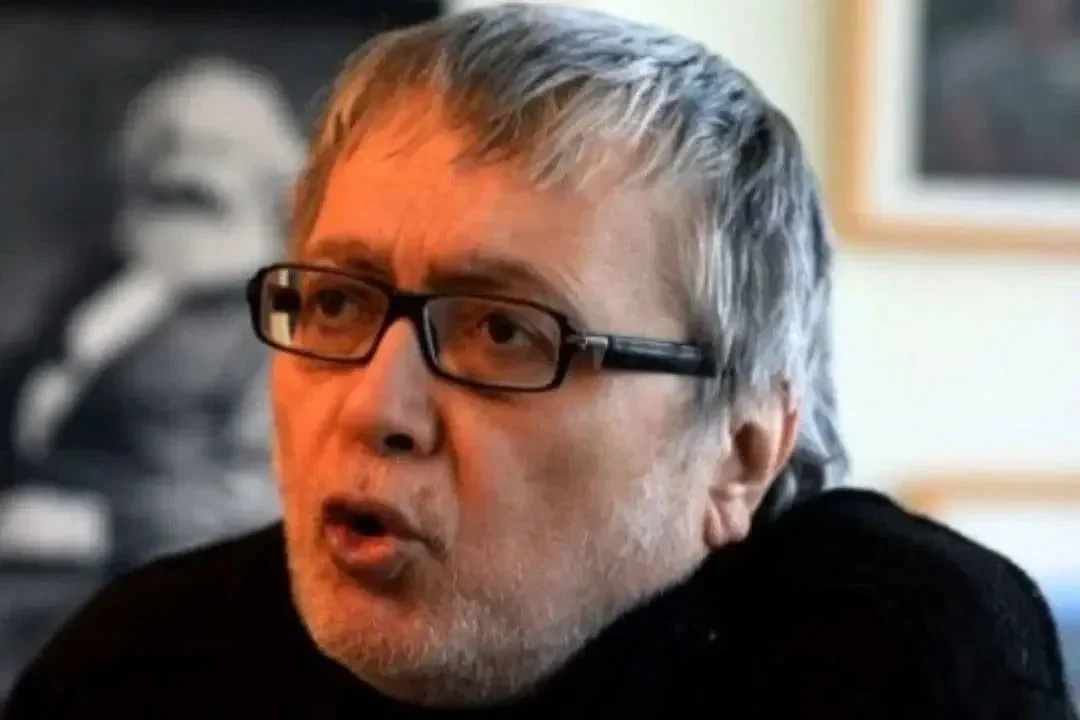
Hikmet Cetinkaya survived the London Underground bombing after being thrown across the carriage by the blast and suffering multiple injuries. In the chaotic aftermath, passengers helped one another while emergency responders worked to reach trapped commuters. Like many survivors, his physical recovery progressed faster than the emotional readiness to return to crowded transport systems.
Eventually, he made the deliberate decision to resume daily commuting, treating that first normal train ride as a personal milestone. He later spoke occasionally about preparedness and the importance of public cooperation during emergencies. His story resonates because the real victory was not simply escaping the explosion. It was reclaiming the ordinary morning routine that once felt impossible. Many survivors measure recovery not by headlines, but by the moment daily life finally feels normal again.
14. Richard Jewell
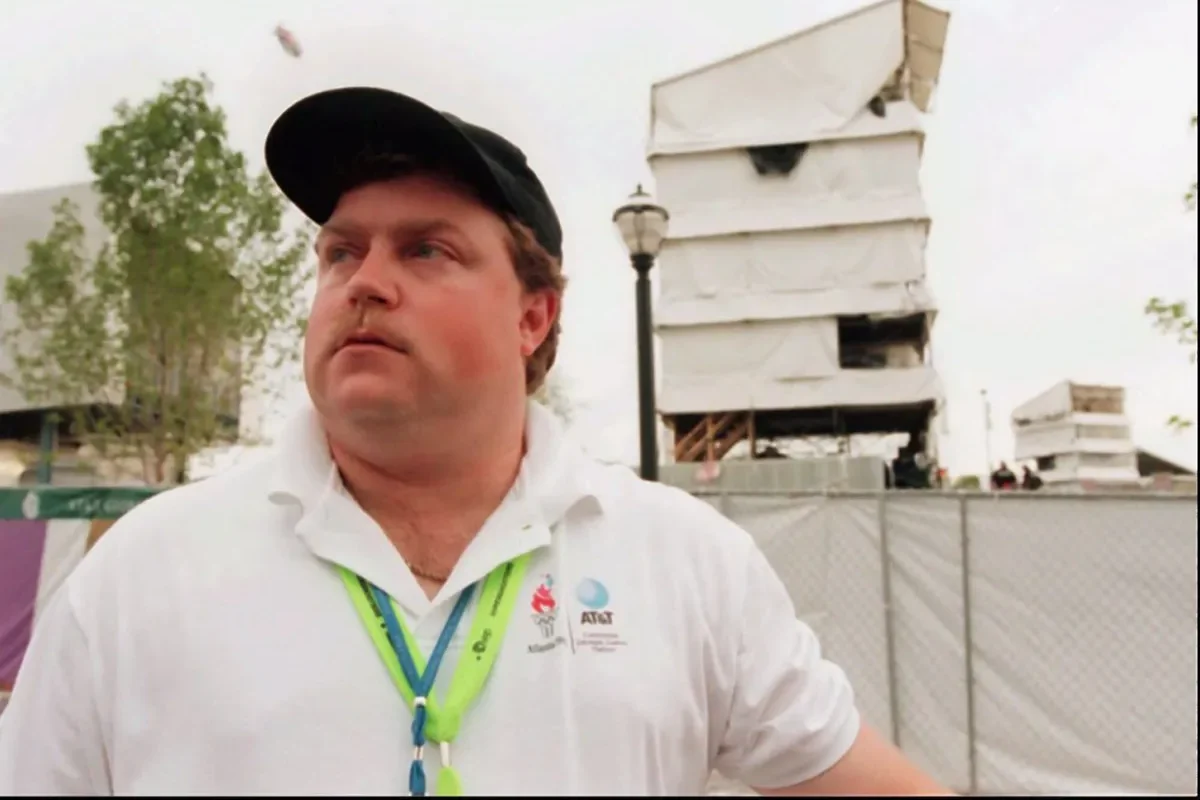
Richard Jewell was working security at the 1996 Atlanta Olympic Park when he noticed a suspicious backpack and alerted authorities, helping evacuate the area before it exploded. His quick action likely prevented many additional casualties. Although later wrongly suspected during the investigation, he was fully cleared and widely recognized for his vigilance in spotting the threat early.
Jewell continued working in law enforcement roles and lived a relatively quiet life focused on public service and family. Over time, public recognition returned to his original actions that helped save lives during a massive international event. His story illustrates how survival connected to national tragedy sometimes includes enduring public scrutiny as well as the initial danger. Despite that difficult period, his early evacuation warning remains one of the key reasons the bombing was not even more devastating.
15. Nando Parrado
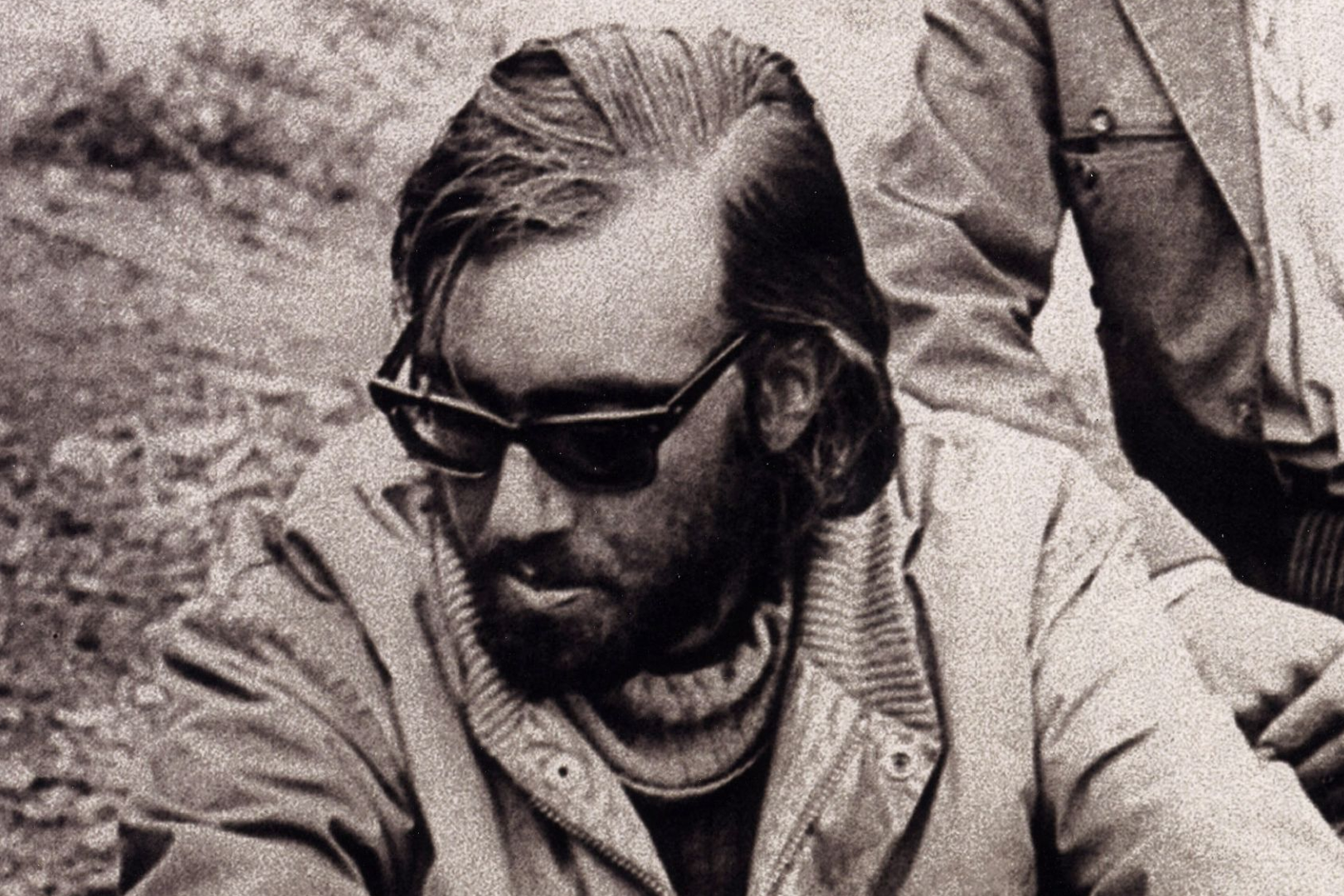
Nando Parrado survived the 1972 Andes plane crash that left passengers stranded in freezing mountains for more than two months. Facing starvation and extreme cold, Parrado and another survivor eventually made the decision to hike across the mountains in search of help. After days of exhausting travel, they reached civilization and triggered the rescue of the remaining survivors.
Returning home brought relief but also lifelong reflection on responsibility, teamwork, and endurance. Parrado later built a successful business career and became a respected speaker on decision making and resilience. His talks focus less on sensational survival details and more on preparation, leadership, and mental strength during crisis. His story closes this list naturally because it shows survival does not end with rescue. It continues through the steady rebuilding of work, family, and purpose in the years that follow.


