
Life After Being Fired In Front Of America

Losing a job is hard. Losing it while the whole country is watching is something else entirely. When a public figure is dismissed on live television or in a headline that spreads within minutes, the fallout does not end when the cameras cut away. The real story often begins afterward, in the quiet months and years that follow. Here’s what life can really look like after being fired in front of America, and how public endings turn into deeply personal second chapters.
1. The Morning Everything Changed

The announcement came suddenly in November 2017, delivered directly to viewers during the morning broadcast. NBC confirmed Matt Lauer had been terminated following a workplace misconduct complaint. There was no farewell show, no gradual transition, just a blunt statement and a stunned studio trying to continue the program.
Lauer issued a written response later, acknowledging that some accusations contained truth while disputing others, saying he felt embarrassed and ashamed. That short message became his immediate public explanation. Instead of launching interviews or a public defense tour, his long television run ended in a single day. For audiences who had watched him for decades, the speed of the exit felt almost unreal, marking one of the most abrupt endings ever seen for a dominant morning television host.
2. Silence Replaced the Spotlight

After the dismissal, Lauer stepped almost completely out of public life. No sit-down television interview appeared, no magazine profile, and no speaking circuit attempting to reshape the narrative. For someone whose voice had filled American homes each morning, the quiet felt unusually stark.
Reports suggested he spent most of his time at his Hamptons property, maintaining a small circle of trusted friends and focusing on private routines. Media watchers often noted how unusual this strategy was, since many fallen broadcasters attempt fast visibility to rebuild public standing. Instead, his absence itself became the headline. The lack of constant appearances signaled that whatever came next would not involve a quick return to the same public-facing television world he once dominated.
3. His Marriage Quietly Ends
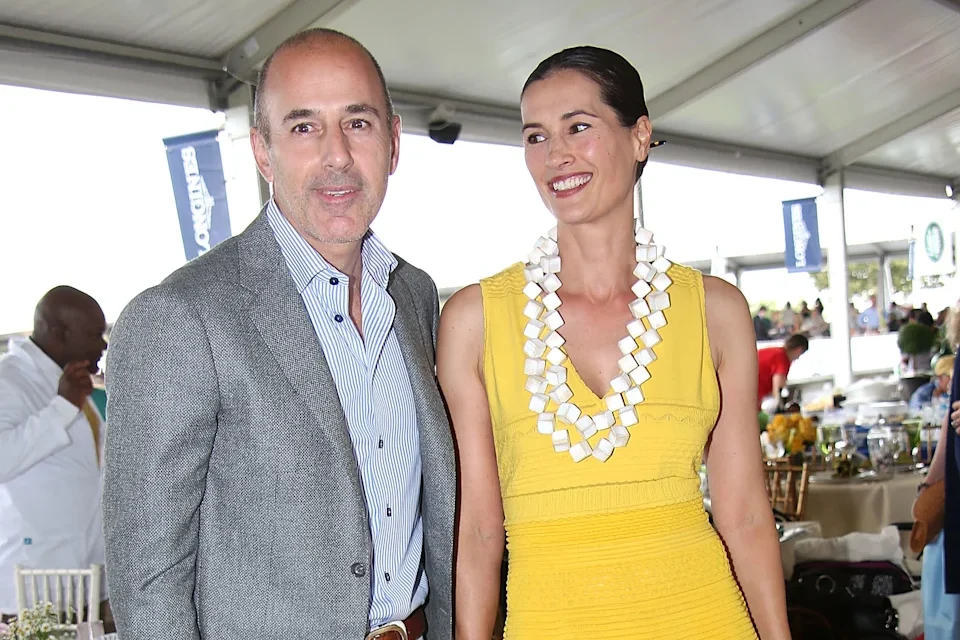
While the professional fallout dominated headlines, major changes were also unfolding in his personal life. His marriage to Annette Roque eventually ended in divorce, finalized in 2019 after a long and complicated relationship that had faced strain even before the public scandal.
Coverage described the legal process as substantial but handled mostly privately. For observers, the divorce illustrated how career collapse often overlaps with deeper family restructuring. Losing a defining job while simultaneously closing a decades-long marriage meant the transition was not simply about employment. It represented a full life reset. The combined professional and personal upheaval reinforced how dramatically daily structure can change when both public identity and private stability shift at the same time.
4. Selling the Symbols of Success

In the following years, several expensive properties associated with Lauer were reportedly sold or listed, including high-profile Hamptons estates purchased during his peak NBC earnings. These real estate moves drew attention because the homes had long symbolized his years at the top of network television.
Property experts often say such sales reflect lifestyle restructuring rather than sudden financial trouble. Still, for longtime viewers, the listings felt symbolic. The houses represented a life built around morning television dominance, celebrity interviews, and major contract renewals. Seeing those spaces change hands quietly suggested that the earlier phase was not returning. The property transitions offered one of the clearest visible signs that his post-broadcast life was being reshaped into something far more private and scaled down.
5. Living a Much Smaller Public Life

Occasional photographs later showed Lauer dining locally, boating, or attending small gatherings in the Hamptons. These appearances were striking mainly because they looked so ordinary compared with the intense media attention that once followed him everywhere.
Witness descriptions often painted a picture of polite but low-key interactions inside familiar community settings. Instead of major industry events or television premieres, the sightings involved everyday local venues. Each image sparked brief online curiosity before fading again. Over time, those quiet glimpses suggested a deliberate adjustment toward a contained lifestyle built around routine rather than national visibility. The shift from studio entrances to neighborhood restaurants highlighted just how dramatically his daily environment had changed.
6. His Case Changed Industry Conversations

Even as Lauer stayed largely private, his firing kept appearing in professional journalism discussions. Media analysts frequently cited the case when examining how networks began strengthening internal reporting systems and workplace investigation procedures.
Panels, newsroom seminars, and industry commentary often referenced the speed of NBC’s decision as part of a broader cultural shift happening across media organizations. In this way, his departure extended beyond a single personality story. It became one example used to illustrate how corporate accountability expectations were evolving. Though he was no longer appearing on television, the circumstances surrounding his removal continued influencing how broadcasters structured employee protections and handled serious complaints in the years that followed.
7. Financial Security Allowed Distance

Because Lauer had reportedly earned extremely large contracts during his peak years, observers often noted he was financially positioned to step away without urgently seeking replacement work. His salary had reportedly ranked among the highest in morning television.
That financial cushion likely removed the pressure for an immediate public comeback or rapid reinvention attempt. Coverage frequently pointed out that unlike many dismissed television personalities, he did not need to launch new projects simply for income. This reality may explain why his post-NBC life unfolded slowly and quietly. With economic security already established, the focus reportedly shifted toward personal adjustment rather than career survival, allowing him to remain largely outside the professional broadcasting world.
8. Parenting Took Priority

Several lifestyle reports suggested that after leaving television, Lauer focused heavily on maintaining stability for his children. Without the relentless early-morning broadcast schedule, his daily routine reportedly became more centered around family responsibilities and shared time.
Friends quoted in coverage described school involvement, holidays together, and efforts to create normal structure despite ongoing media attention. For someone whose adult life had revolved around studio calls, breaking news travel, and global interviews, this represented a dramatic shift in rhythm. Observers often note that when public careers collapse suddenly, family roles frequently become the most grounding constant available. In his case, parenting reportedly served as one of the central anchors during a period when nearly every other defining element of his professional identity had changed.
9. No Television Comeback Attempt

Unlike many former broadcasters who reappear through smaller networks, podcasts, or exclusive interviews, Lauer never launched a confirmed television comeback project. Years passed without any sustained hosting role or major on-camera return.
Occasional rumors surfaced suggesting potential interviews or behind-the-scenes production work, but none became permanent ventures. Media analysts often interpreted this absence as recognition that morning television relies heavily on long-term audience trust and familiarity. Once disrupted publicly, that relationship can be extremely difficult to rebuild. Over time, expectations gradually shifted. Instead of anticipating a dramatic return announcement, observers increasingly viewed his broadcasting career as effectively concluded, with his legacy tied firmly to the decades already completed rather than any future on-screen reinvention.
10. Only Carefully Written Responses

When new books or reports revived discussion about the scandal, Lauer occasionally responded through written statements released by representatives. He avoided live interviews, televised defenses, or spontaneous press conferences that might invite unpredictable questioning.
In one widely cited response, he argued some allegations had been exaggerated while still acknowledging past mistakes. Communication experts often explain that written statements allow public figures to control wording, timing, and tone with far greater precision. Each release briefly returned his name to headlines before attention faded again. This measured communication approach became a consistent pattern, allowing him to maintain a limited voice in public discussion without reentering the full media spotlight that once defined his career.
11. Morning Television Moved Forward

While Lauer stayed private, the Today show and the broader morning television landscape continued evolving. New hosts formed their own chemistry, and younger viewers increasingly consumed news through streaming clips, mobile alerts, and social feeds rather than traditional broadcast schedules.
Industry analysts often emphasize that television rarely pauses for any single personality. As seasons passed, the lineup stabilized and audiences adjusted. Anniversary specials referenced past eras but focused mostly on current programming. Gradually, his absence began to feel less like a temporary disruption and more like a completed transition. The industry itself was changing alongside the personnel shift, reinforcing that the media environment he once dominated was already moving into a different technological and cultural phase.
12. Viewers Still Remember the Old Era
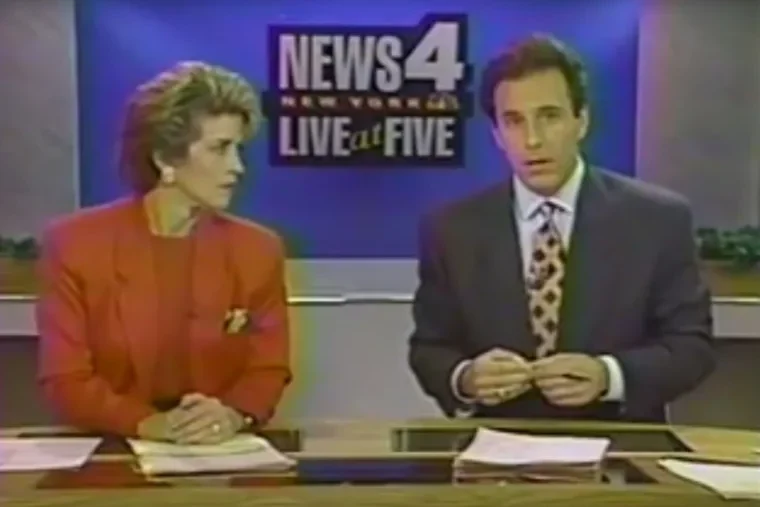
Despite the controversy, some longtime viewers still recall decades of interviews, Olympic coverage, and major breaking-news mornings he helped anchor. Nostalgia posts occasionally surface online remembering that earlier rhythm of shared morning television.
Media historians often say audience memory rarely erases earlier professional achievements entirely, even when later events reshape public perception. Retrospective articles sometimes revisit major broadcast moments from that era, typically acknowledging both influence and the circumstances of his departure. For many households, the emotional memory connects less to individual headlines and more to the simple habit of starting the day with a familiar screen presence. That lingering association shows how deeply daily television routines can embed themselves into ordinary personal life.
13. Books Kept Revisiting the Moment

Several investigative journalism books covering workplace culture shifts reconstructed the timeline surrounding the Today show leadership decisions. Each release briefly pushed Lauer’s firing back into public conversation even years after the original event.
These publications generally focused more on institutional lessons than personal biography, examining corporate responses, newsroom procedures, and reporting systems. Still, their presence ensured the story remained historically documented within media scholarship. Journalism schools and ethics programs sometimes reference these cases when teaching crisis response and organizational accountability. Even without new developments in his personal life, the continued academic and publishing interest meant the moment retained significance beyond celebrity coverage, functioning as part of a broader professional case study.
14. From Daily Fixture to Quiet History

Looking back now, the most striking part of Lauer’s post-Today life may be how ordinary it appears compared with the extraordinary visibility that came before. The dramatic comeback many predicted never truly arrived, and the public narrative slowly softened into distance.
New hosts filled the screen, morning routines continued, and television moved forward. His era became something viewers remember rather than something still unfolding. In the end, the story feels less about a return and more about how quickly public life can shift into private living once the cameras stop rolling.
If you enjoy deep dives into the real stories behind famous TV moments, stay with us for more behind-the-headlines features and television history breakdowns coming next.


