
1. Chris Evans Redefined
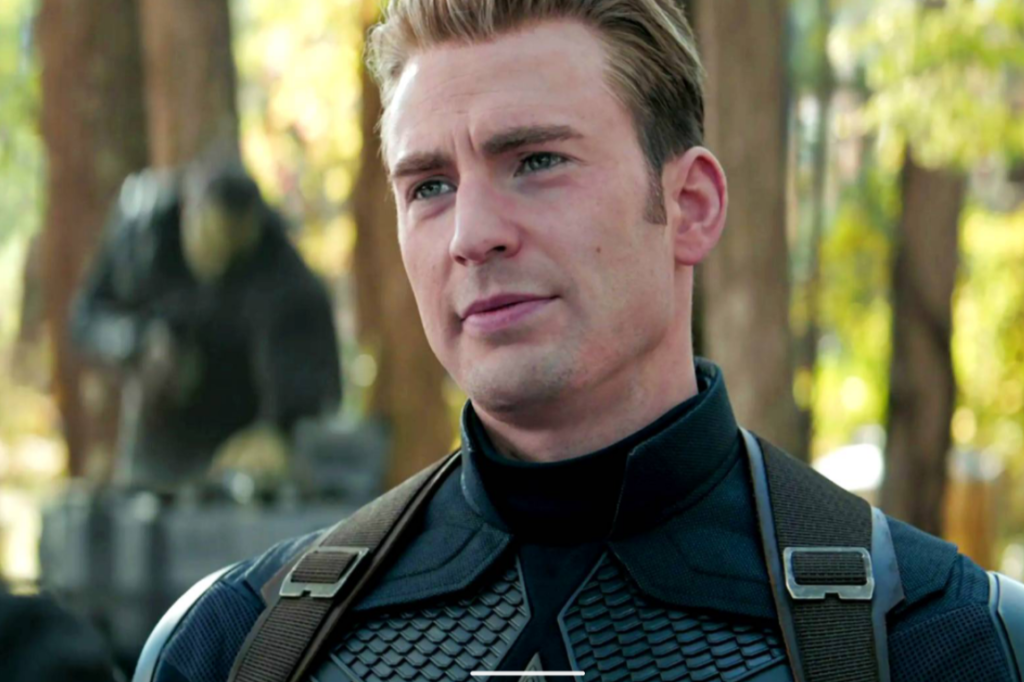
When the Marvel Cinematic Universe launched in 2008, few could have predicted how deeply it would reshape Hollywood careers. Prior to the MCU, Chris Evans was often associated with lighthearted or comedic roles, including earlier superhero attempts that failed to leave a lasting mark. Playing Steve Rogers transformed how audiences and filmmakers perceived him. Captain America highlighted Evans’ ability to convey sincerity, moral conviction, and quiet leadership, qualities that reshaped his on-screen image. After nearly a decade in the role, he deliberately stepped away from Marvel to pursue more complex and diverse projects, including Snowpiercer and Knives Out. His MCU tenure gave him the freedom to choose roles on his own terms while shedding his earlier typecasting. Evans emerged not just as a superhero, but as a respected dramatic actor with range.
2. Robert Downey Jr. Reborn
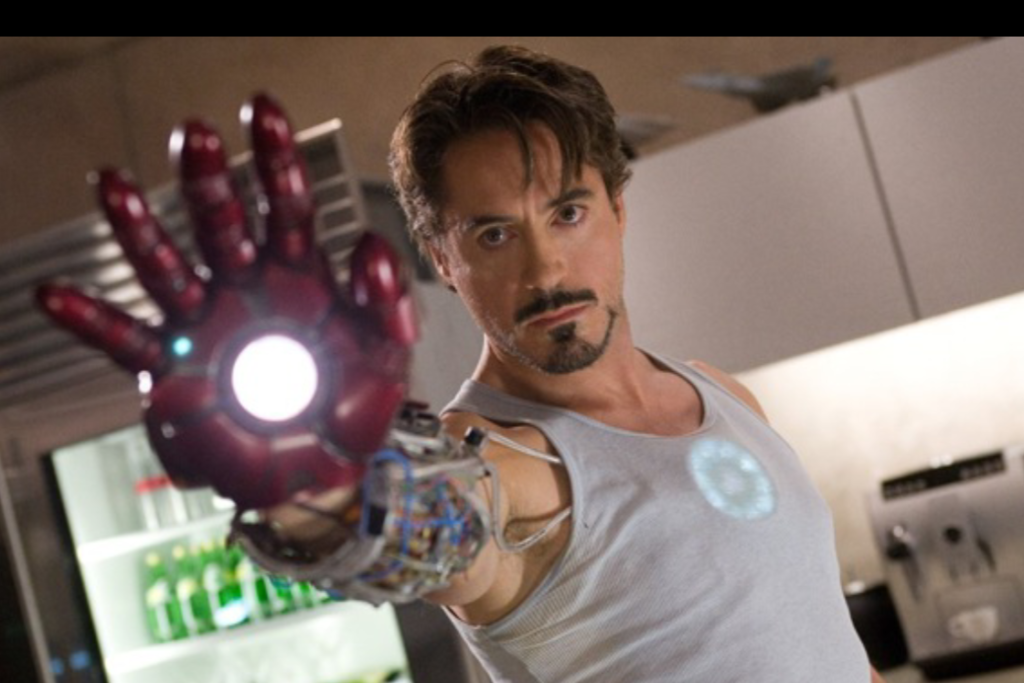
Before becoming Iron Man, Robert Downey Jr. was widely viewed as a risky casting choice due to years of personal and professional setbacks. His portrayal of Tony Stark in 2008’s Iron Man completely rewrote that narrative. The role showcased his natural charisma, sharp comedic timing, and emotional depth, turning him into the face of the MCU for over a decade. As the franchise grew, Downey became one of the highest-paid actors in Hollywood, commanding major salaries and backend deals. Beyond Marvel, his renewed credibility allowed him to explore prestige projects, produce films, and regain industry trust. Iron Man didn’t just revive Downey’s career, it cemented him as one of modern cinema’s defining leading men.
3. Scarlett Johansson Elevated
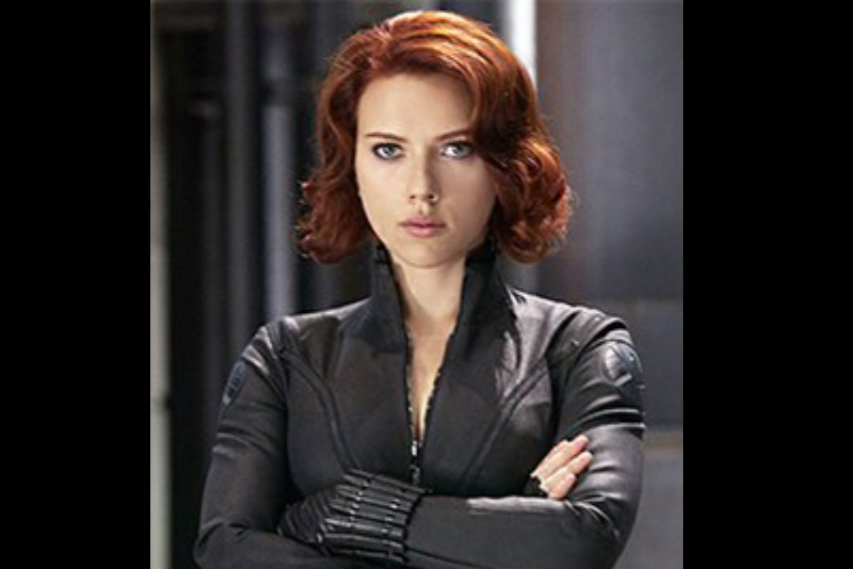
When Scarlett Johansson joined the MCU as Natasha Romanoff, she was already an established actress, but Marvel expanded her global reach significantly. Black Widow became one of the franchise’s most prominent female characters, helping Johansson transition into large-scale action stardom. The role balanced physical intensity with emotional restraint, adding a new dimension to her screen persona. During and after her Marvel run, Johansson leveraged this visibility to secure critically acclaimed roles in films like Marriage Story and Jojo Rabbit, earning multiple Academy Award nominations. Her MCU presence strengthened her box-office power while reinforcing her credibility in serious dramatic work, allowing her to move fluidly between blockbusters and prestige cinema.
4. Chris Hemsworth Reinvented
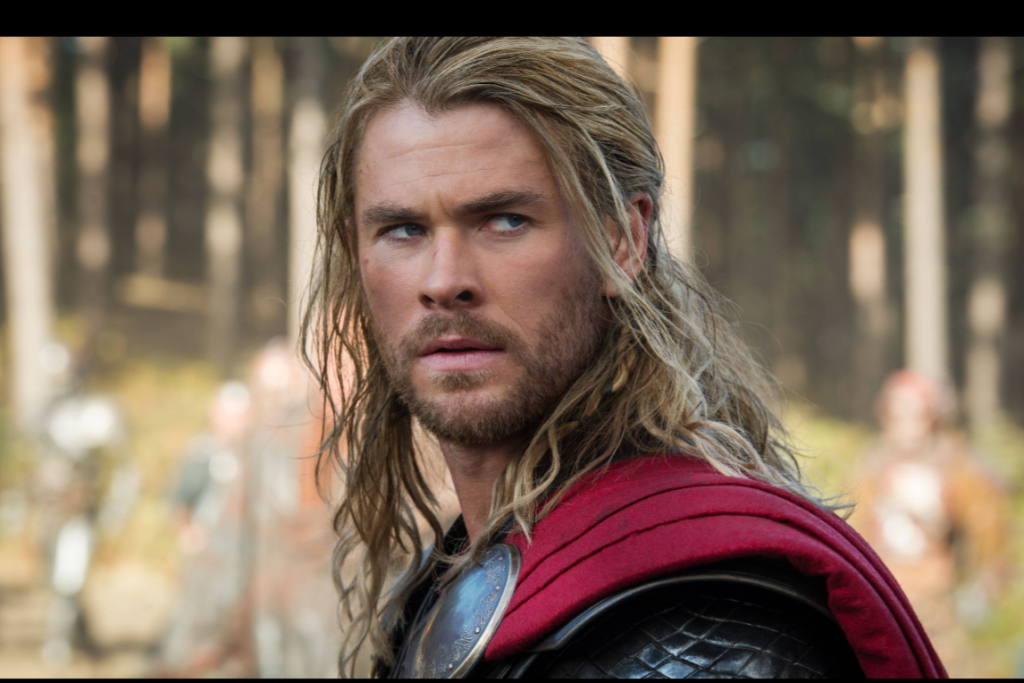
Before Thor, Chris Hemsworth was relatively unknown outside Australia. The MCU introduced him as a traditional heroic figure, but it was his comedic reinvention in later films that truly reshaped his career. Thor: Ragnarok revealed Hemsworth’s sharp comedic instincts, changing how audiences and studios viewed his range. This shift opened doors to varied roles in action, comedy, and streaming projects beyond Marvel. Rather than being confined to stoic hero roles, Hemsworth emerged as a versatile leading man capable of balancing humor and intensity. The MCU not only launched his career but also allowed him to actively redefine it over time.
5. Mark Ruffalo Expanded
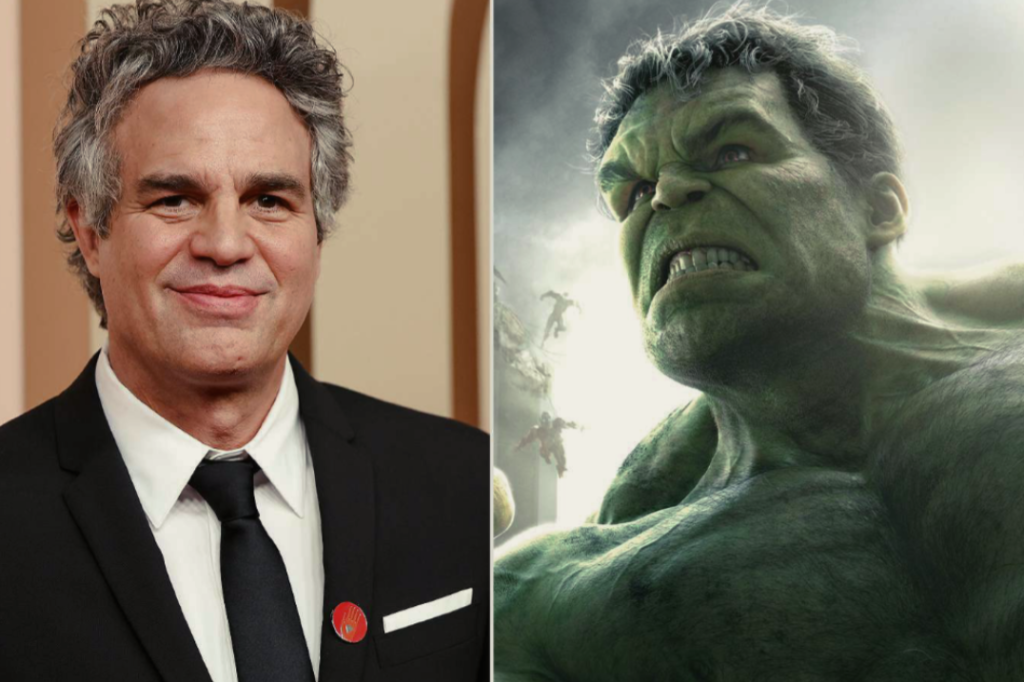
Mark Ruffalo entered the MCU with an already strong reputation as a character actor known for emotional subtlety. As Bruce Banner and the Hulk, he brought warmth and vulnerability to a role previously portrayed with a heavier edge. His Marvel visibility introduced him to a much broader audience without overshadowing his dramatic credibility. Throughout his MCU tenure, Ruffalo continued appearing in critically praised films such as Spotlight and Dark Waters, proving blockbuster success didn’t dilute his artistic choices. Instead, Marvel gave him greater leverage to pursue socially conscious and awards-focused projects while maintaining mainstream popularity.
6. Tom Holland Launched
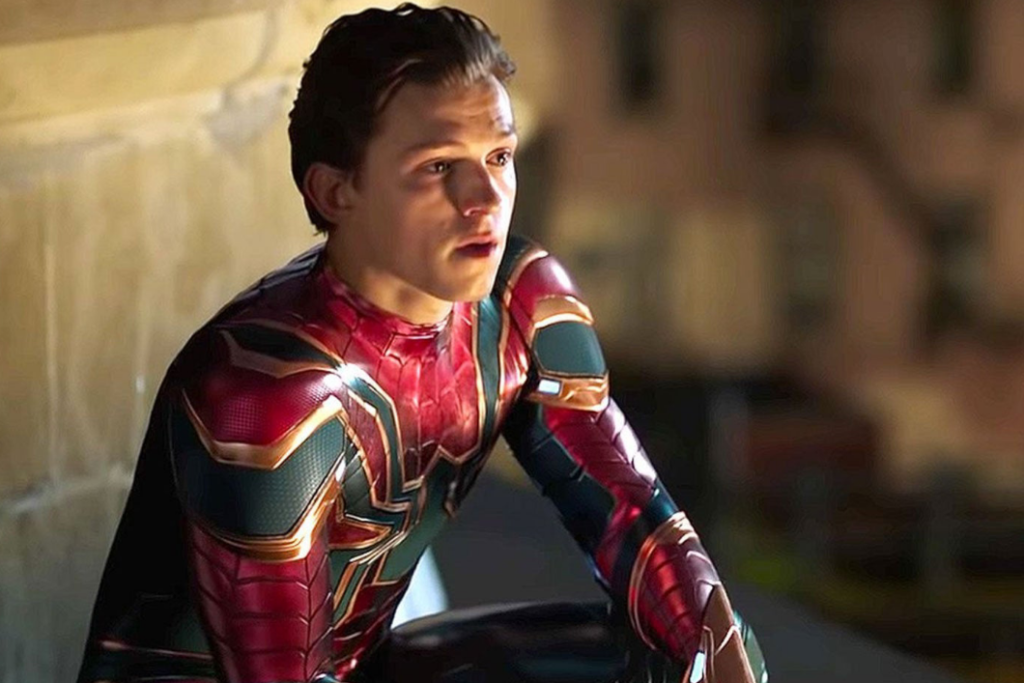
When Tom Holland debuted as Spider-Man, he was largely known for stage work and a few dramatic film roles. The MCU instantly elevated him to international stardom, positioning him as a defining face of a new generation of superheroes. Holland’s youthful energy and emotional openness resonated with audiences, helping his Spider-Man feel both modern and relatable. Since joining Marvel, he has pursued varied roles in dramas, thrillers, and adaptations, aiming to avoid being boxed into a single archetype. The MCU provided a massive platform, but Holland’s career evolution shows a conscious effort to balance franchise fame with long-term artistic growth.
7. Chadwick Boseman Breakthrough
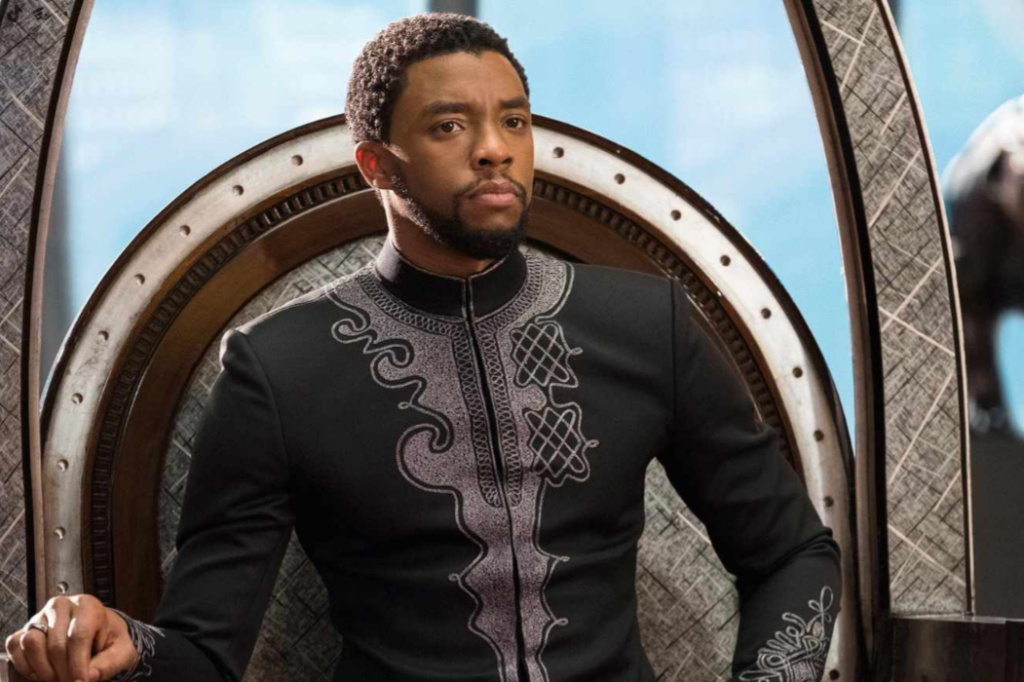
For Chadwick Boseman, Black Panther represented both a career milestone and a cultural moment. While he had already portrayed major historical figures, the MCU role elevated his visibility worldwide. Boseman’s dignified and grounded portrayal of T’Challa resonated far beyond the screen, becoming a symbol of representation and pride for many viewers. The success of Black Panther strengthened his standing as a leading man capable of carrying major films while maintaining artistic integrity. Even as he balanced blockbuster fame, Boseman continued choosing meaningful roles until his passing, leaving a legacy shaped profoundly by his time in the MCU.
8. Brie Larson Shifted

Before Captain Marvel, Brie Larson was primarily associated with indie films and award-winning performances. Joining the MCU marked a shift into blockbuster territory, expanding her audience dramatically. The role placed her at the center of Marvel’s future-facing narrative, increasing her visibility and industry influence. While the transition brought heightened scrutiny, it also solidified her status as a bankable star. Larson has since balanced big-budget projects with directing and producing efforts, using her Marvel platform to pursue creative control. The MCU didn’t replace her indie roots but broadened the scope of her career.
9. Benedict Cumberbatch Boosted
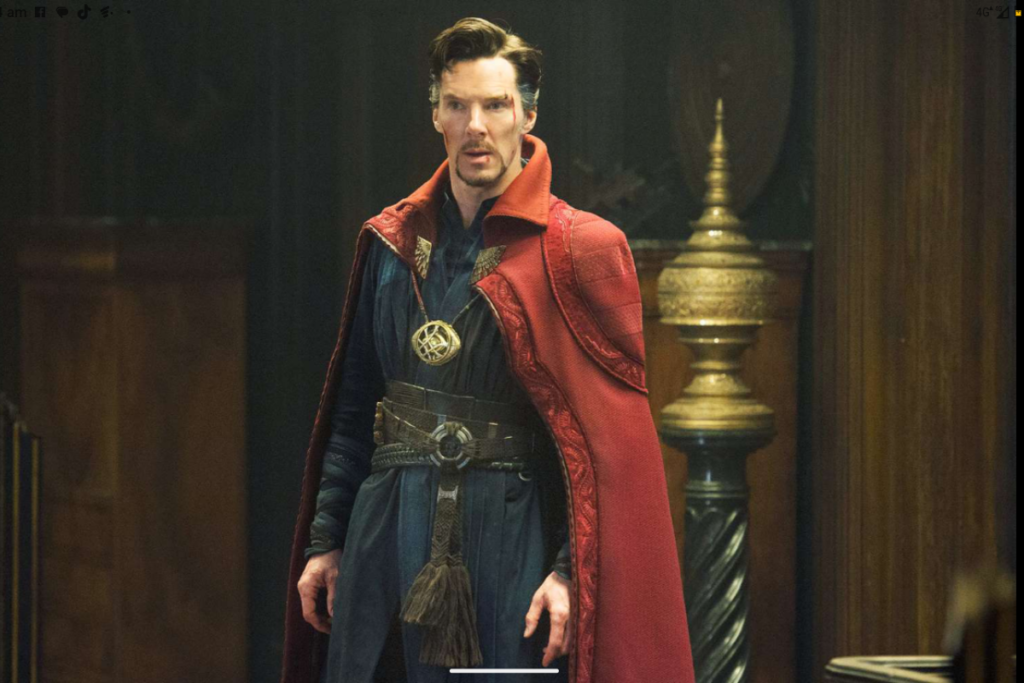
Benedict Cumberbatch was already a respected stage and television actor before Doctor Strange, but the MCU amplified his global recognition. The role combined intellectual sharpness with visual spectacle, aligning well with his established screen persona. Marvel exposure introduced him to audiences unfamiliar with his earlier work while reinforcing his leading-man status in major productions. Post-MCU, Cumberbatch continued appearing in prestige films and award-nominated performances, demonstrating that franchise success enhanced rather than diluted his reputation. The MCU served as a powerful extension of an already strong career foundation.
10. Zoe Saldana Mainstreamed
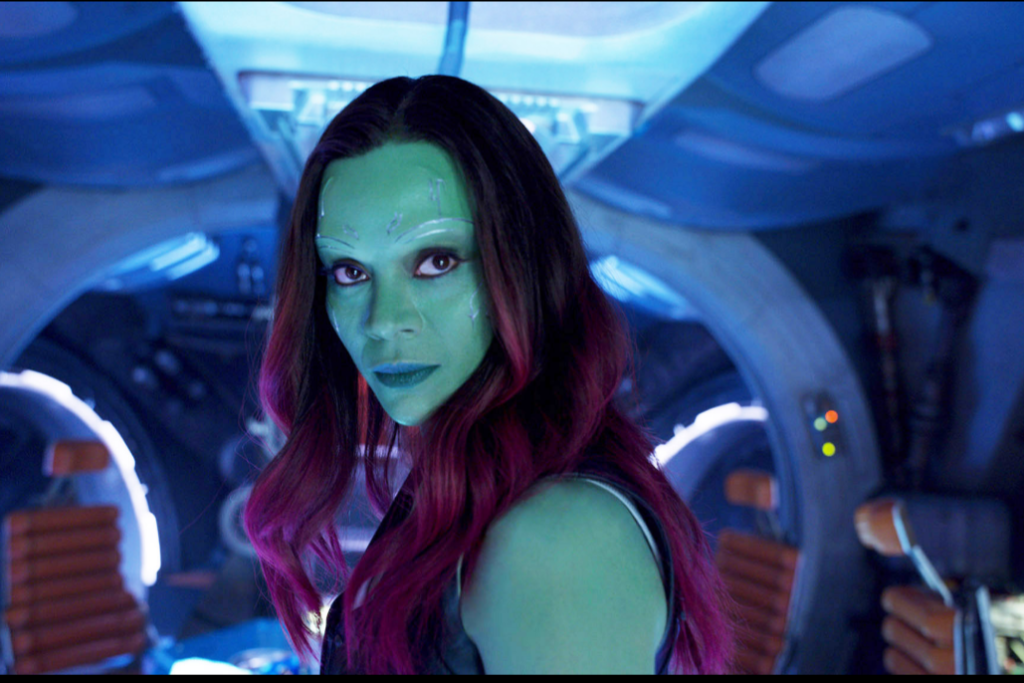
Before Gamora, Zoe Saldana was often cast in supporting or ensemble roles within major franchises. The MCU elevated her profile further, making her one of the most recognizable faces in global cinema. Despite heavy makeup and visual effects, her performance added emotional depth to Guardians of the Galaxy. Marvel success reinforced her standing as a reliable blockbuster presence while enabling continued work across genres. Saldana’s career evolution reflects how the MCU can amplify existing momentum rather than create it from scratch.
11. Paul Rudd Reinforced
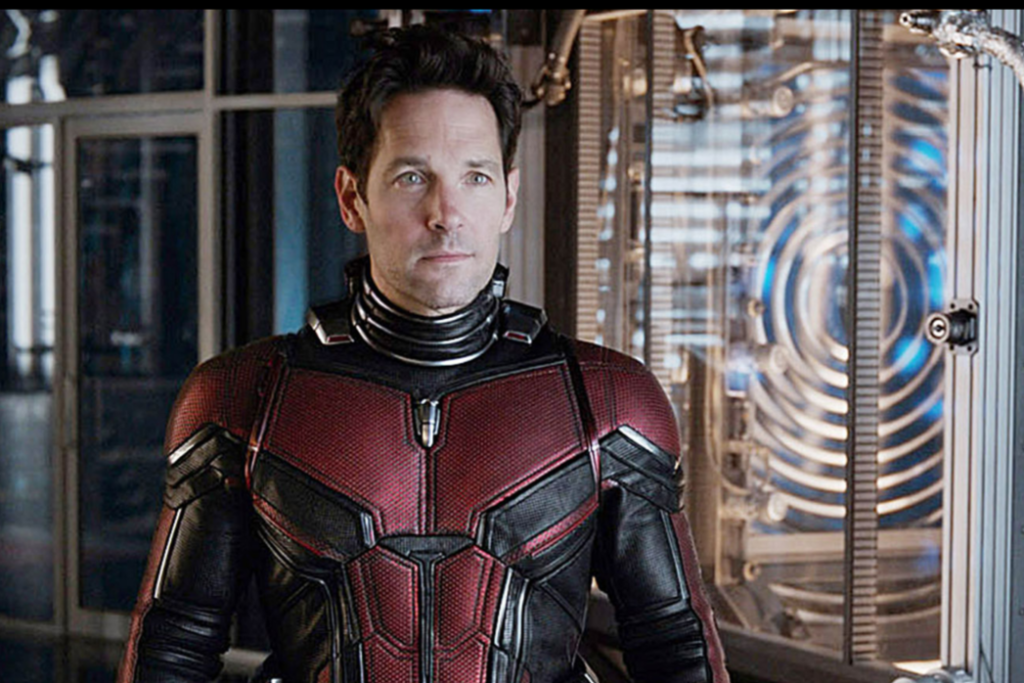
Before joining the MCU, Paul Rudd was best known for comedy roles and likable supporting performances in films and television. Ant-Man marked a notable evolution, positioning him as a full-fledged superhero while still leaning into his trademark humor and relatability. The role proved that Marvel didn’t only rely on traditionally muscular or stoic heroes, broadening the idea of what a leading superhero could look like. Rudd’s MCU presence reinforced his longevity in Hollywood, introducing him to younger audiences while reaffirming his appeal to longtime fans. Since then, he has continued balancing comedy, drama, and franchise work, with Marvel strengthening his status as a dependable and versatile leading man rather than redefining him overnight.
12. Anthony Mackie Elevated
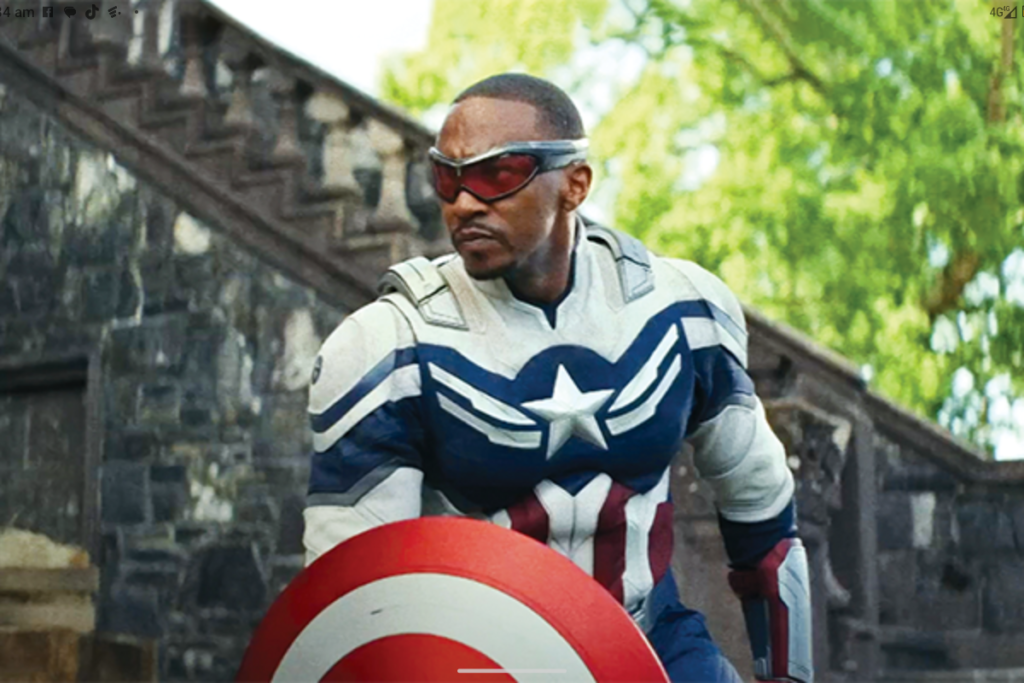
Anthony Mackie had built a solid career in supporting film roles before entering the MCU as Sam Wilson, also known as Falcon. Marvel gradually expanded his importance across multiple films, allowing audiences to watch his character grow organically over time. His transition into the role of Captain America marked a significant career milestone, elevating him from supporting player to franchise lead. The MCU gave Mackie increased visibility, broader casting opportunities, and a stronger voice within the industry. While he continues working across genres, his Marvel journey represents how long-term storytelling can steadily reshape an actor’s career trajectory without relying on sudden breakout moments.
13. Jeremy Renner Stabilized
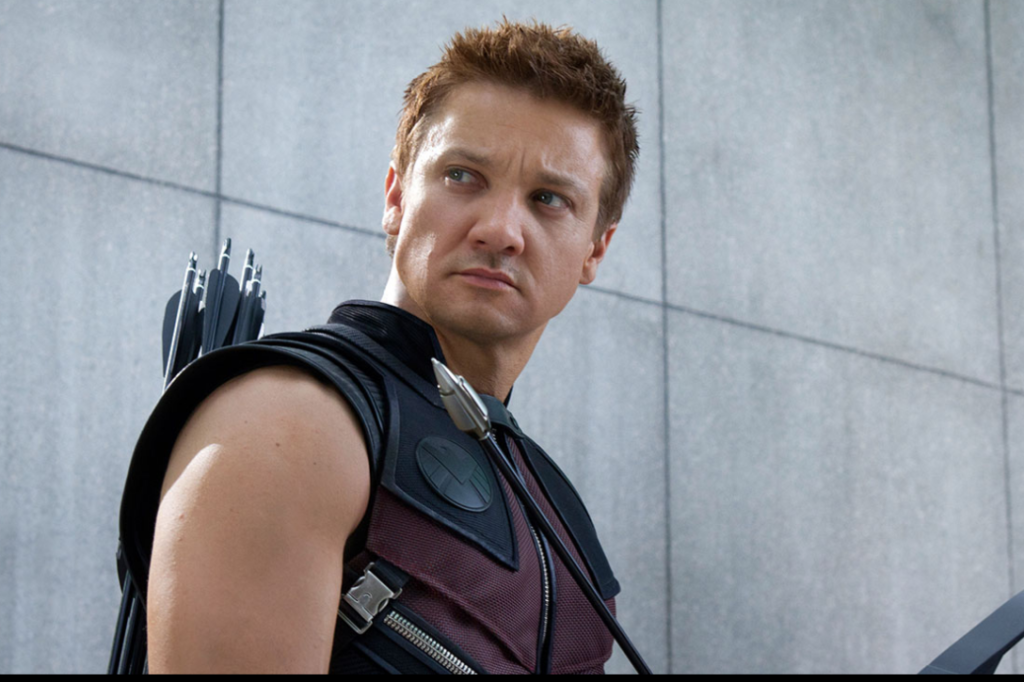
Before becoming Hawkeye, Jeremy Renner was already respected for intense dramatic performances and had earned Academy Award nominations for films like The Hurt Locker and The Town. The MCU didn’t radically reinvent his career, but it provided long-term stability and global visibility that few franchises can offer. Hawkeye allowed Renner to remain consistently present in mainstream cinema while continuing to pursue grounded, character-driven roles outside Marvel. His portrayal emphasized restraint and emotional realism rather than spectacle, which aligned closely with his existing strengths as an actor. Over time, Marvel helped Renner balance prestige projects with blockbuster reliability, reinforcing his position as a versatile performer capable of moving comfortably between critically acclaimed films and large-scale entertainment.
14. Don Cheadle Amplified
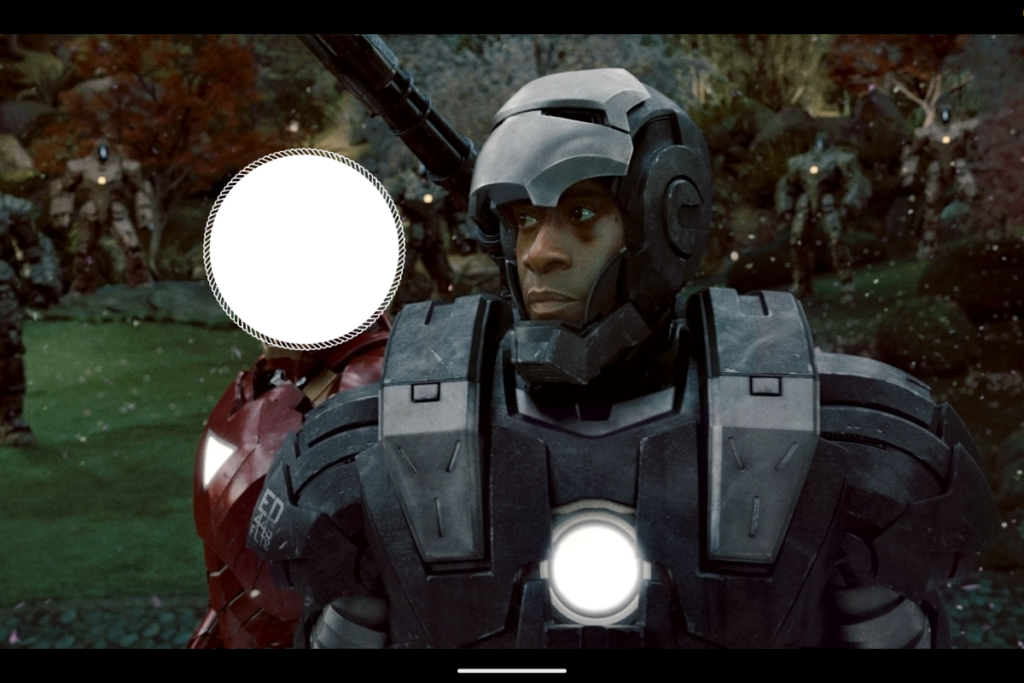
Don Cheadle entered the MCU with a long résumé of acclaimed film and television work, including award-winning dramatic performances. Taking on the role of James “Rhodey” Rhodes, also known as War Machine, expanded his mainstream recognition without overshadowing his established reputation. Marvel increased his exposure to global audiences while allowing him to maintain credibility in socially conscious and prestige-driven projects. Cheadle continued balancing blockbuster appearances with meaningful work in film and television, including producing and advocacy-related efforts. Rather than redefining him, the MCU amplified his reach, ensuring that his talent remained visible across both commercial and critical spaces.
15. Sebastian Stan Transformed

Prior to the MCU, Sebastian Stan was largely cast in smaller or supporting roles, often flying under the mainstream radar. His evolution from Bucky Barnes into the Winter Soldier marked one of Marvel’s most dramatic character arcs, showcasing his ability to handle emotional depth and physical intensity. As the character gained popularity, Stan’s profile rose steadily, leading to more prominent roles outside the franchise. He later earned critical acclaim for transformative performances in television and film, proving his range beyond superhero storytelling. The MCU served as a long-term platform that gradually elevated Stan from supporting actor to respected leading performer.
16. Tom Hiddleston Elevated
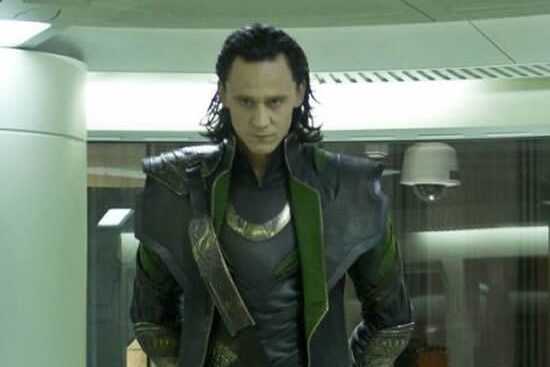
Before the MCU, Tom Hiddleston was primarily known for stage work and supporting roles in British television and film. Playing Loki transformed him into a global fan favorite, with the character’s mix of charm, vulnerability, and menace allowing Hiddleston to showcase remarkable range. Loki’s popularity steadily grew across multiple films, eventually leading to a standalone television series that further elevated his profile. The MCU expanded his reach far beyond theater audiences, while still reinforcing his classical training and dramatic credibility. Outside Marvel, Hiddleston continued working in prestige television, stage productions, and literary adaptations, demonstrating that franchise fame strengthened rather than overshadowed his artistic reputation.
17. Elizabeth Olsen Redefined
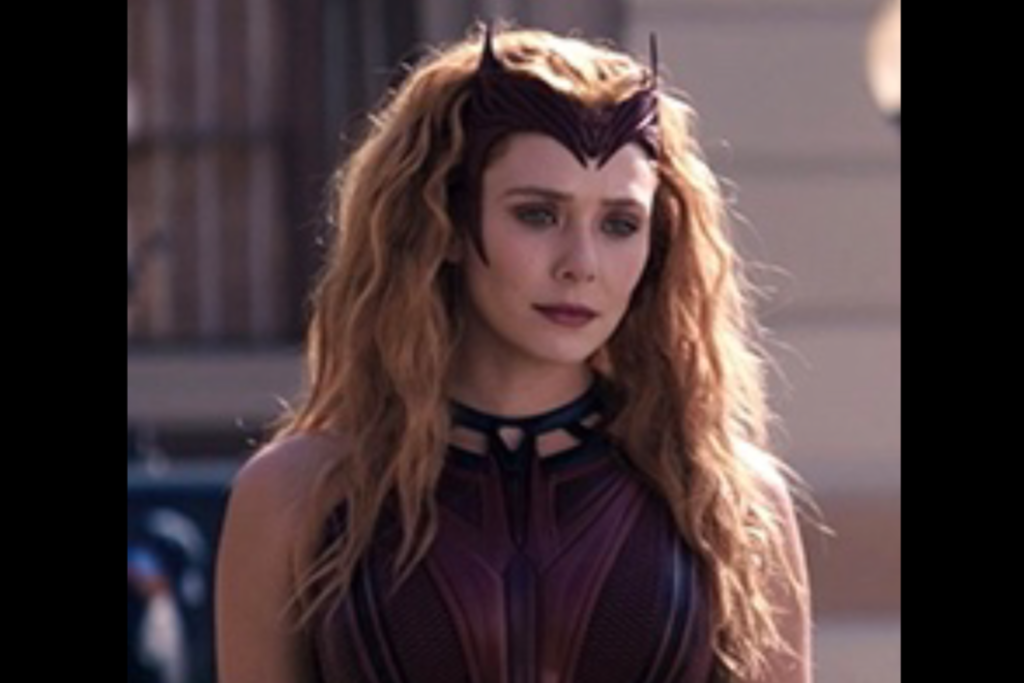
Elizabeth Olsen joined the MCU with a background rooted in independent films and critically praised dramas. Her early Marvel appearances positioned her as a supporting character, but the gradual development of Wanda Maximoff allowed her to grow into one of the franchise’s most complex figures. WandaVision marked a major turning point, earning widespread acclaim for its emotional depth and experimental storytelling. The role expanded Olsen’s public perception, highlighting her dramatic range to a mainstream audience. Since then, she has balanced Marvel commitments with smaller-scale projects, using her MCU success to secure creative freedom while maintaining her identity as a serious dramatic performer.
18. Karen Gillan Repositioned
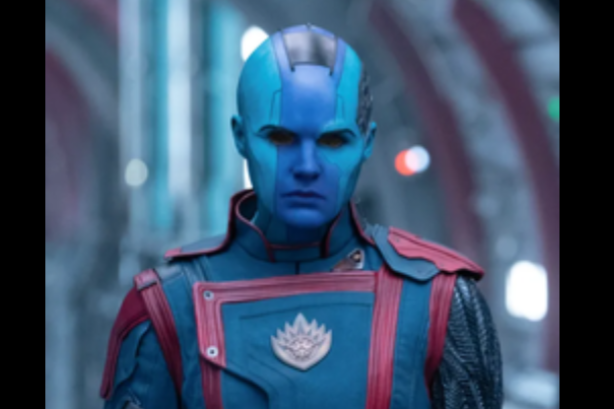
Before Marvel, Karen Gillan was best known for television work, particularly in British series. Her portrayal of Nebula in Guardians of the Galaxy marked a significant shift, introducing her to international audiences through a physically demanding and emotionally layered role. Despite heavy makeup and visual effects, Gillan’s performance stood out, helping redefine her career trajectory. The MCU opened doors to leading roles in major studio films and allowed her to step behind the camera as a director and writer. Marvel repositioned Gillan from television favorite to versatile global star with expanding creative ambitions.
While not every actor’s path looks the same, the MCU’s influence is undeniable, shaping how these performers are seen, cast, and remembered.
Like this story? Add your thoughts in the comments, thank you.


