
Montreal 1976
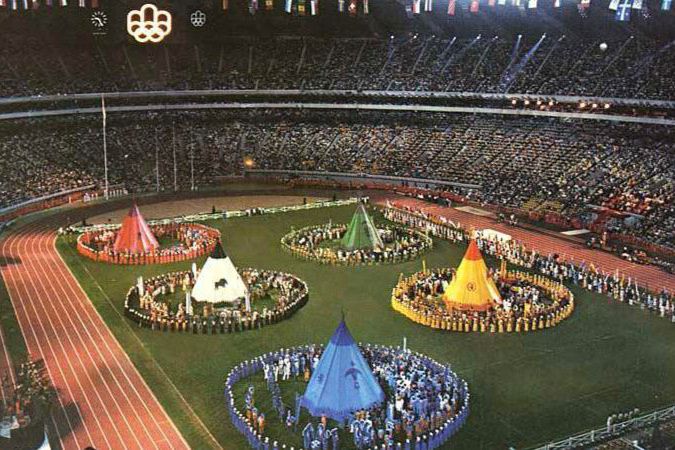
Looking back over the past 50 years, The Olympic Games have left unforgettable marks on cities around the world. The 1976 Summer Olympics marked a monumental moment for Canada as it was the first time the nation hosted the prestigious Summer Games. This particular event is etched into the history books because of the sheer brilliance of Nadia Comăneci who achieved the first-ever perfect score of 10.0 in gymnastics. While the sporting achievements were undeniable, the Games were also defined by significant political tension because more than twenty African nations chose to boycott the event in protest of sporting links with apartheid South Africa. It was a summer that showcased the incredible talent of young athletes while simultaneously highlighting the deep-seated global divisions that often spill over into the world of international sport and diplomacy.
Beyond the field of play, Montreal faced immense financial challenges that would influence Olympic planning for generations to come. The construction of the striking Olympic Stadium became a point of contention because of its astronomical cost and the massive debt that the city struggled to repay for many decades afterward. Despite these economic hurdles, the Games provided Montreal with a permanent place on the world stage and left behind an iconic skyline that remains a source of local pride. The legacy of 1976 serves as a cautionary tale about the risks of overspending but it also reminds us of the enduring magic that occurs when the world gathers to celebrate the pinnacle of human athletic achievement.
Lake Placid 1980
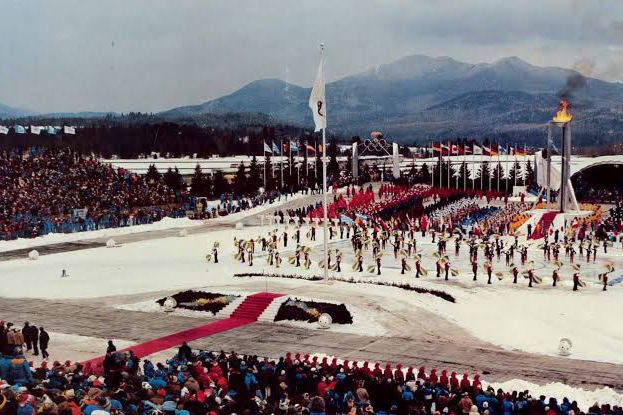
In 1980, the small American village of Lake Placid took on the monumental task of hosting the Winter Olympics for the second time in its history. This event is perhaps most famous for the legendary “Miracle on Ice” where a young American ice hockey team defeated the seasoned Soviet Union squad against all possible odds. It was a victory that transcended the rink because it provided a massive boost to national morale during a period of intense Cold War rivalry and global uncertainty. The compact nature of the village created an intimate and high-energy atmosphere for the athletes and spectators who braved the freezing New York temperatures to witness the various skiing and skating competitions throughout the month.
The success of Lake Placid proved that a relatively small community could still deliver a world-class sporting event if they possessed enough passion and dedication. Although the logistics of moving thousands of people through a small mountain town were certainly difficult, the organisers managed to create a legacy of sporting excellence that continues to this day through the active use of their training facilities. Eric Heiden also made history during these Games by winning an incredible five individual gold medals in speed skating which set a record that remains a high point of Olympic lore. It was a winter of dramatic upsets and incredible individual performances that solidified the reputation of Lake Placid as a premier destination for winter sports enthusiasts.
Moscow 1980
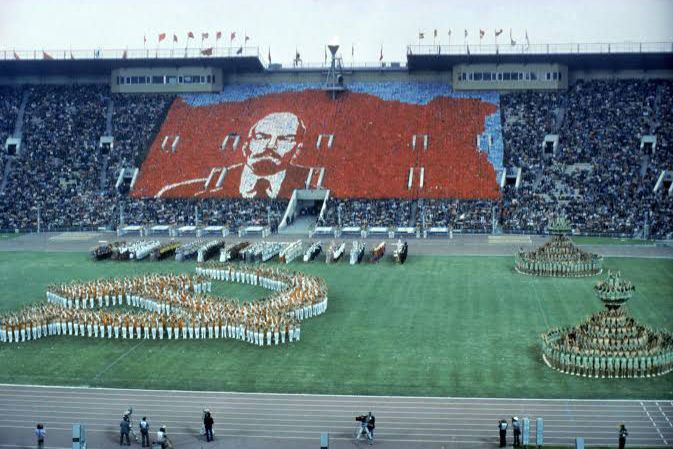
The 1980 Summer Olympics in Moscow were the first to be held in Eastern Europe and they remain one of the most politically charged events in the history of the movement. Because of the Soviet invasion of Afghanistan, the United States led a massive boycott involving more than sixty countries which significantly altered the level of competition in many traditional events. Despite the absence of so many nations, the Soviet organisers spared no expense in creating a grand spectacle that aimed to showcase the cultural and organizational prowess of the Eastern Bloc. The opening ceremony was a masterpiece of choreography and scale while the beloved mascot Misha the bear captured the hearts of viewers around the world during his emotional farewell.
While the boycott cast a long shadow over the proceedings, the athletes who did participate delivered some truly remarkable performances on the track and in the pool. The Soviet Union and East Germany dominated the medal table because they utilised their home-field advantage and intensive training programmes to achieve record-breaking results. Moscow invested heavily in new infrastructure and urban development projects that modernised the city for its residents and left behind a collection of impressive venues like the Luzhniki Stadium. These Games are often remembered as a poignant example of how international politics can disrupt the Olympic ideal yet they also demonstrated the resilience of the sporting spirit during a very fractured era of global history.
Sarajevo 1984
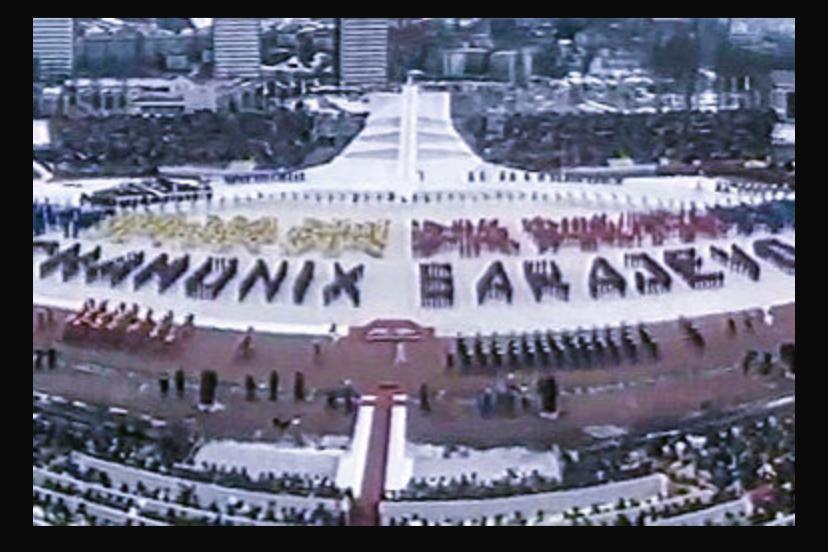
Sarajevo 1984 is often remembered as one of the most welcoming and festive Winter Olympics ever held because of the incredible warmth and hospitality shown by the local people. It was a groundbreaking event for Yugoslavia as they became the first socialist nation to host the Winter Games and they did so with a sense of unity and pride that resonated with everyone involved. The city was transformed into a snowy wonderland where the spirit of cooperation was palpable and the legendary figure skating routine of Torvill and Dean to “Boléro” became a defining moment of artistic perfection. It was a time when the world seemed to come together in the heart of the Balkans to celebrate the joy of competition and culture.
The legacy of the Sarajevo Games is particularly bittersweet because many of the beautiful venues that were built for the event were tragically destroyed or damaged during the conflicts of the 1990s. For many people, looking back at 1984 evokes a sense of nostalgia for a peaceful and vibrant city that had successfully bridged the gap between East and West through the power of sport. Despite the later hardships, the Olympic spirit remains a key part of the city’s identity and there have been significant efforts to restore the historic sites for future generations to enjoy. These Games stand as a powerful reminder of how a sporting event can briefly unite a diverse population and create memories of shared success that endure long after the final medals have been awarded.
Los Angeles 1984
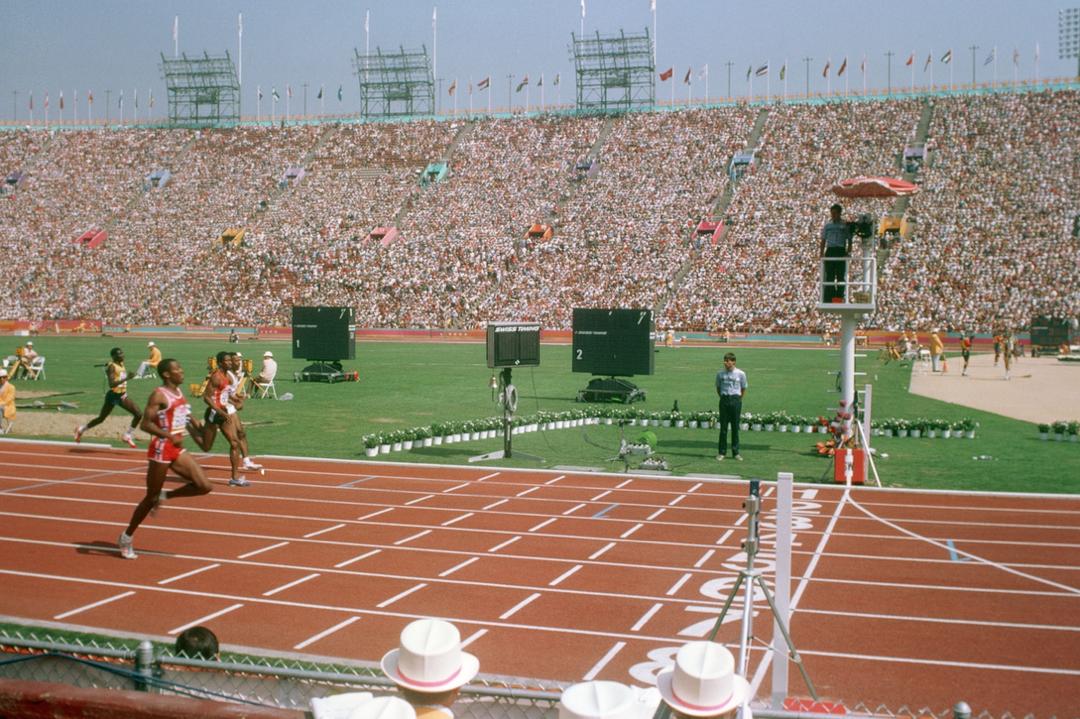
The 1984 Summer Olympics in Los Angeles changed the way the world views the Games because they proved that hosting such a massive event could actually be a profitable venture. After the financial struggles of previous hosts, the organisers in California pioneered a new model that relied heavily on private corporate sponsorship and the use of existing venues rather than building expensive new stadiums. This approach was incredibly successful and resulted in a significant financial surplus that was used to fund youth sports programmes across the region for many years afterward. Although the Soviet Union led a retaliatory boycott of these Games, the atmosphere remained electric as athletes like Carl Lewis matched the legendary feat of Jesse Owens by winning four gold medals.
The “LA 84” Games are often credited with the commercialisation of modern sport because they integrated massive branding and television deals into the fabric of the Olympic experience. This transition helped to ensure the long-term viability of the movement during a period when many cities were becoming hesitant to bid for the hosting rights due to the potential for economic ruin. The sunny weather and the Hollywood flair of the ceremonies made for a television-friendly event that captured a global audience and solidified the status of athletes as international celebrities. It was a summer of innovation and American triumph that reshaped the logistical and financial landscape of the Olympic Games for the remainder of the twentieth century and beyond.
Calgary 1988

Calgary 1988 brought the Winter Olympics back to Canada and it was a Games that focused heavily on the development of world-class facilities and the long-term growth of winter sports. The introduction of the first indoor speed skating oval changed the sport forever because it allowed athletes to compete in a controlled environment without the unpredictability of wind and extreme weather. While Canada famously failed to win a gold medal on home soil during this particular fortnight, the investment in infrastructure laid the groundwork for the nation to eventually become a dominant force in the Winter Games. The event is also fondly remembered for the “Battle of the Brians” in figure skating and the unlikely but heartwarming appearance of the Jamaican bobsleigh team.
The local community in Calgary embraced the Games with immense enthusiasm and the iconic white cowboy hats worn by the volunteers became a symbol of the friendly western spirit that defined the event. The organisers were praised for their ability to manage the logistics of a multi-site competition while ensuring that the athletes remained the central focus of every story. Even today, the venues such as the Canada Olympic Park are bustling hubs of activity for both professional athletes and the general public which proves that the legacy of 1988 was built to last. It was a winter that blended high-level competition with a sense of fun and inclusion because it proved that the Olympics could be a celebration of both elite talent and the simple courage of those who dare to participate.
Seoul 1988
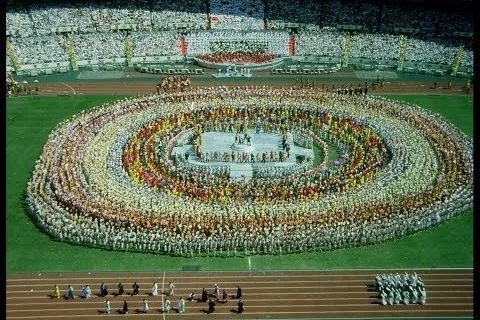
The 1988 Summer Olympics in Seoul were a transformative moment for South Korea as the nation sought to present itself as a modern and democratic global player. This event marked the end of the era of large-scale boycotts because both the United States and the Soviet Union sent full teams which resulted in a incredibly high level of competition across all sports. Seoul underwent a massive urban transformation to prepare for the visitors and the resulting improvements in transportation and public spaces continue to benefit the city today. The opening ceremony featured a stunning display of traditional Korean culture and the release of thousands of peace doves which became one of the most enduring images of the decade.
While the Games were a huge success in terms of organisation and national pride, they were also marked by significant drama such as the disqualification of Ben Johnson in the 100-meter sprint. This moment brought the issue of performance-enhancing drugs to the forefront of the global conversation and led to stricter testing protocols in the years that followed. Despite this controversy, the Seoul Games are widely regarded as a triumph that helped to bridge political gaps and foster international understanding through the medium of sport. The vibrant energy of the city and the high standards of the athletic performances ensured that 1988 would be remembered as the year that South Korea truly stepped into the international limelight with confidence and grace.
Albertville 1992

In 1992, the Winter Olympics were held in Albertville and the surrounding region of the French Alps which resulted in a uniquely decentralised and picturesque event. This was the last time that the Winter and Summer Games would be held in the same calendar year so there was a special sense of significance attached to the proceedings as the Olympic cycle prepared to shift. Events were spread across various mountain villages which allowed spectators to experience the diverse beauty of the Savoie region while watching the best athletes in the world compete on the slopes and rinks. The Games were notable for the inclusion of freestyle skiing and short track speed skating as medal sports which brought a fresh and exciting energy to the programme.
Hosting an event across such a wide area presented significant logistical challenges for the organisers but the finished product was a stunning showcase of French alpine culture and technical expertise. While the town of Albertville itself was the official host, the real stars were the towering mountains and the incredible athletes like Alberto Tomba who captivated audiences with his charismatic style and dominance in the slalom. The legacy of these Games is visible in the improved road and rail networks that were built to connect the various venues and these improvements have helped to sustain the region as a major destination for winter tourism. 1992 was a year of transition and natural beauty that reminded everyone of the incredible scale and variety that the Winter Olympics can offer to the world.
Barcelona 1992
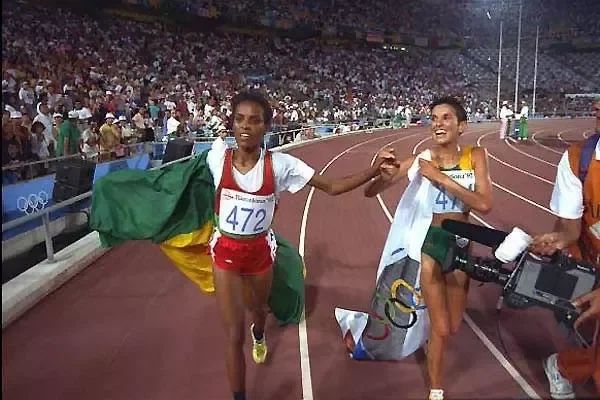
The 1992 Summer Olympics in Barcelona are frequently cited as the gold standard for how a host city can use the Games to revitalise its urban environment and global reputation. Before the Olympics, Barcelona was a somewhat industrial port city but the massive renewal projects opened up the waterfront and created beautiful public spaces that transformed it into one of the most popular tourist destinations in Europe. The Games were a celebration of Spanish creativity and the unique Catalan identity which was evident in the spectacular opening ceremony and the innovative design of the various Olympic venues. We saw the legendary “Dream Team” dominate the basketball court and the world was captivated by the archer who lit the Olympic cauldron with a perfectly aimed flaming arrow.
The success of Barcelona 1992 was built on a long-term vision that extended far beyond the seventeen days of competition because the city leaders were determined to leave a lasting positive impact on the lives of their citizens. The atmosphere in the city was one of pure joy and celebration as people from all over the world gathered to witness the return of post-apartheid South Africa and the unified team from the former Soviet republics. It was a moment of profound change and optimism that proved how the Olympics could serve as a powerful catalyst for both social and physical transformation. The legacy of these Games is still felt today in every vibrant street and sun-drenched plaza of Barcelona because it remains a city that was truly reborn under the light of the Olympic flame.
Lillehammer 1994
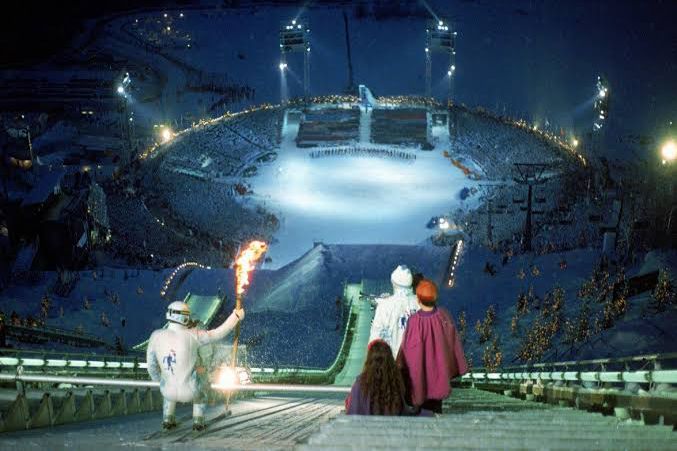
Lillehammer 1994 holds a special place in the hearts of many Olympic fans because it was the first Winter Games to be held in its own two-year cycle and it was executed with a level of charm and efficiency that was truly remarkable. The Norwegian hosts leaned into their deep-rooted winter traditions to create an event that felt authentic and sustainable while also being a world-class sporting spectacle. The venues were designed to be environmentally friendly and they were nestled within the stunning natural landscape which provided a perfect backdrop for the incredible feats of the athletes. Johann Olav Koss became a national hero by winning three gold medals in speed skating and setting world records in each race while the entire nation of Norway seemed to come out to cheer in the freezing cold.
The intimacy of Lillehammer was its greatest strength because it allowed the athletes to feel a close connection with the fans and the local community which created a uniquely supportive atmosphere. Even the dramatic and highly publicised rivalry between figure skaters Nancy Kerrigan and Tonya Harding did not overshadow the genuine sporting excellence and the spirit of “friluftsliv” or outdoor life that defined the Games. The legacy of 1994 is found in the continued use of the world-class facilities and the memories of a Games that felt like a return to the pure roots of winter competition. It was a beautiful reminder that you do not always need a massive metropolis to host a successful Olympics as long as you have a clear vision and a passionate population that is ready to welcome the world with open arms.
Atlanta 1996
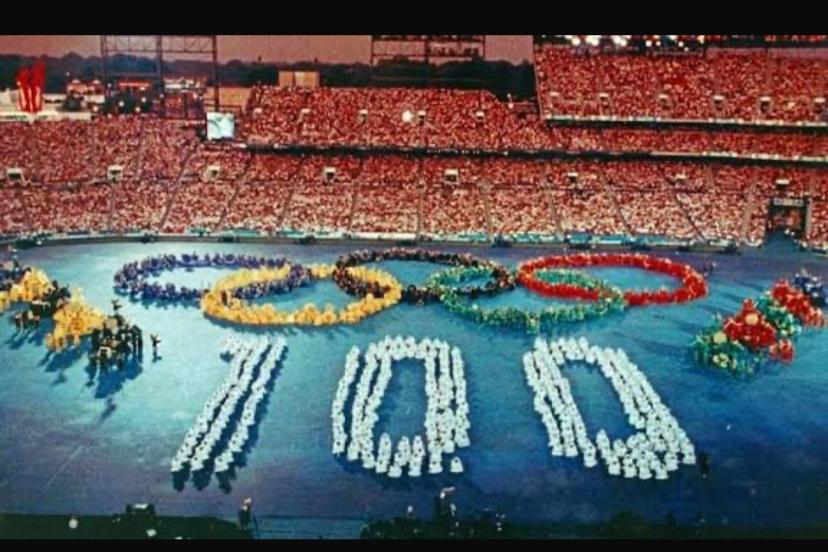
The 1996 Summer Olympics in Atlanta celebrated the centennial of the modern Olympic movement and it was an event characterised by massive scale and intense commercial activity. The city of Atlanta utilised the Games to accelerate its own development and the opening ceremony provided one of the most moving moments in sporting history as a trembling Muhammad Ali lit the Olympic cauldron. We watched in amazement as Michael Johnson sprinted to victory in his iconic golden shoes and Marie-José Pérec dominated the track with her incredible grace and speed. It was a summer of high-stakes competition and Southern hospitality that aimed to honour the hundred-year legacy of the Games while looking forward to a new millennium of sporting achievement.
However, the Atlanta Games were also marked by a tragic bombing in Centennial Olympic Park which tested the resilience of the organisers and the city alike. Despite this horrific event, the spirit of the Games continued as the park was reopened and the public returned to show their support for the athletes and the Olympic ideals. While some critics argued that the Games were overly commercialised, the resulting infrastructure and the creation of the Centennial Olympic Park provided a lasting benefit to the downtown area of Atlanta. The legacy of 1996 is a complex mix of triumph and tragedy but it remains a significant chapter in the history of the Games because it demonstrated the ability of the movement to persevere and unite people even in the face of immense adversity.
Nagano 1998
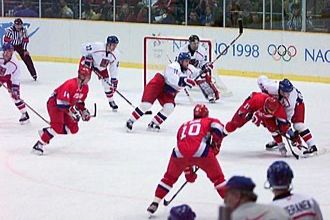
The 1998 Winter Olympics brought the world back to the stunning peaks of Japan for a Games that focused heavily on the theme of coexistence with nature. This was a significant moment for the Olympic movement because it saw the official introduction of snowboarding and women’s ice hockey which helped to modernise the programme and appeal to a much younger audience. The organisers in Nagano worked tirelessly to ensure that the event reflected traditional Japanese hospitality and cultural depth while utilizing some of the most advanced technology available at the time. We saw incredible displays of skill on the slopes and the rinks but perhaps the most memorable aspect was the way the local community embraced the athletes from all over the world with open arms and a sense of shared purpose that was truly heartwarming to witness.
Despite some of the challenges associated with the unpredictable mountain weather and the high costs of building world-class venues in a rugged environment, the Nagano Games were a resounding success. The opening ceremony featured a moving performance of Beethoven’s Ninth Symphony that was conducted simultaneously across several continents via satellite which perfectly symbolised the global reach of the Olympic spirit. While the city did face some economic pressure in the years following the event, the legacy of improved transport links and international tourism has helped Nagano remain a key destination for winter sports enthusiasts. It was a winter of precision and beauty that demonstrated how a host city could blend its ancient heritage with the high-octane energy of modern competition to create a truly unforgettable experience for everyone involved.
Sydney 2000
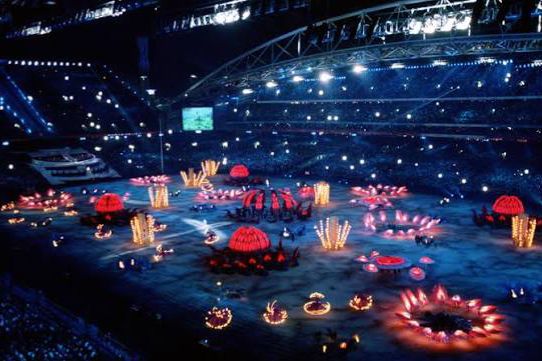
The 2000 Summer Olympics in Sydney are frequently remembered by fans and officials alike as one of the most successful and well-organised Games in the modern era. From the moment Cathy Freeman lit the Olympic cauldron during a stunning opening ceremony that celebrated both Indigenous culture and modern Australian life, there was a palpable sense of magic in the air. The city was transformed by a massive army of friendly volunteers who helped to create an atmosphere of pure joy and inclusion that resonated throughout the entire fortnight of competition. We watched in awe as world records tumbled in the pool and the atmosphere at the athletics stadium was nothing short of electric as the home crowd cheered their heroes to victory under the warm Australian sun.
The planning that went into the Sydney Games was meticulous because the organisers focused heavily on the athlete experience and the long-term sustainability of the Olympic Park precinct. By transforming a former industrial wasteland into a vibrant sporting hub, Sydney provided a blueprint for how a host city can leave a positive environmental legacy for its citizens. The efficiency of the transport system and the sheer beauty of the harbour locations for events like the triathlon and sailing made for some of the most iconic images in Olympic history. It was a summer that felt like a global party where the spirit of fair play was at the forefront and it remains a high point for the movement because it proved that with enough public support and careful planning, the Olympics can be a triumph of both sport and humanity.
Salt Lake City 2002
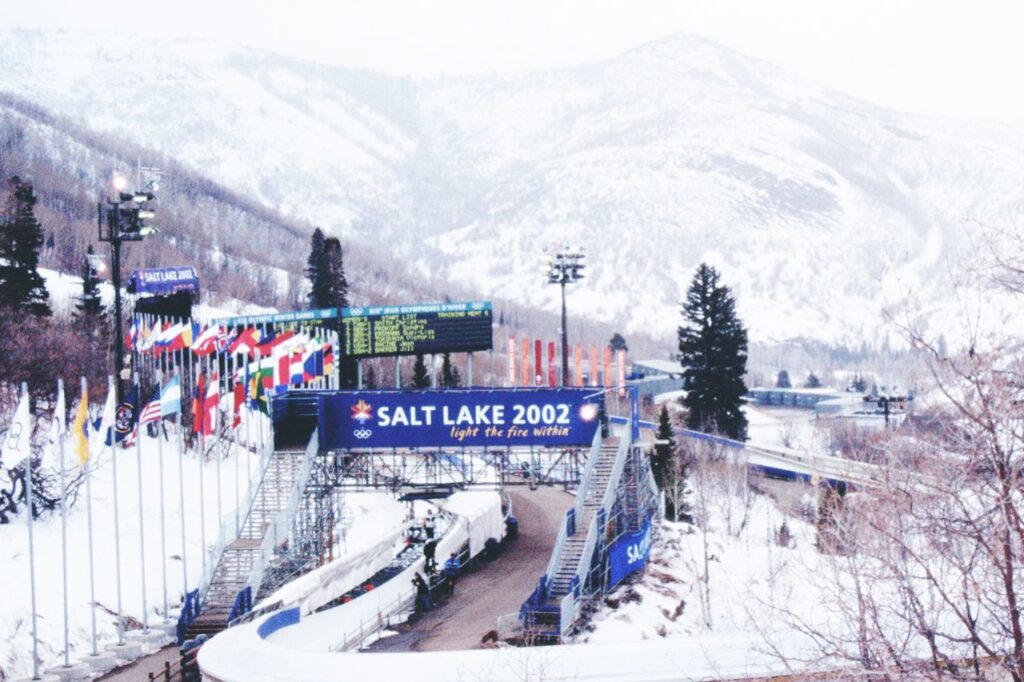
The 2002 Winter Olympics in Salt Lake City took place during a very sensitive time in global history as they were the first major international event held following the tragic events of September 11. Because of this, the Games became a powerful symbol of resilience and unity while the security measures were understandably some of the most extensive ever seen at a sporting event. The atmosphere in the city was incredibly patriotic and emotional as athletes from across the globe gathered to compete in the crisp mountain air of Utah. We saw legendary performances in figure skating and the dramatic emergence of skeleton as a fan-favourite event while the American team achieved a record-breaking medal haul that provided a significant boost to the national spirit during a period of recovery.
Beyond the emotional weight of the event, Salt Lake City proved to be an exceptional host because of its world-class infrastructure and the incredible natural beauty of the surrounding Wasatch Range. The Games were a financial success and they helped to solidify the region’s reputation as the “Winter Sports Capital of the World” with many of the venues still being used for elite training and international competitions today. While there had been some controversy surrounding the initial bidding process, the actual delivery of the Games was flawless and showed the world that the Olympic flame could still burn bright even in the face of immense global challenges. It was a winter defined by courage and community that reminded us all of the enduring power of sport to heal and bring people together when they need it the most.
Athens 2004
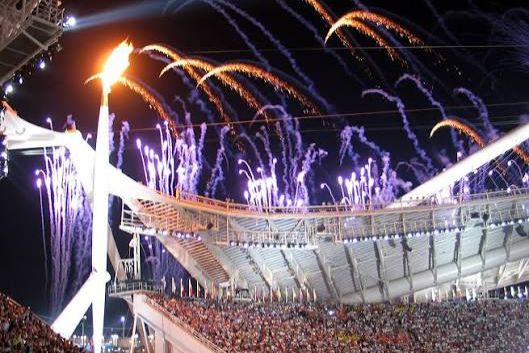
In 2004, the Olympic Games finally returned to their ancient birthplace of Athens and this homecoming was a deeply symbolic moment for the entire sporting world. The city underwent a massive transformation to prepare for the event because the organisers had to balance the preservation of priceless historical sites with the need for modern sporting infrastructure and transportation. The opening ceremony was a breathtaking artistic journey through Greek history that left the global audience in awe of the cultural legacy that the nation has given to the world. We saw athletes compete in the very same stadium that hosted the first modern Games in 1896 and the marathon followed the historic route from the town of Marathon to the heart of the city which added a layer of prestige to every performance.
While the Athens Games were a visual and emotional triumph, the long-term economic impact on the country remains a subject of significant debate because many of the specialized venues were difficult to maintain in the years that followed. However, the improvements to the city’s metro system and the new international airport provided a lasting benefit to the residents and helped to modernise the capital for the twenty-first century. The atmosphere during the Games was one of pride and celebration as the Greek people welcomed the world back to the source of the Olympic flame with open arms and a sense of historical responsibility. It was a summer that reminded us of the roots of the movement and the timeless values of excellence and respect that have guided athletes for thousands of years since the very first ancient competitions.
Turin 2006
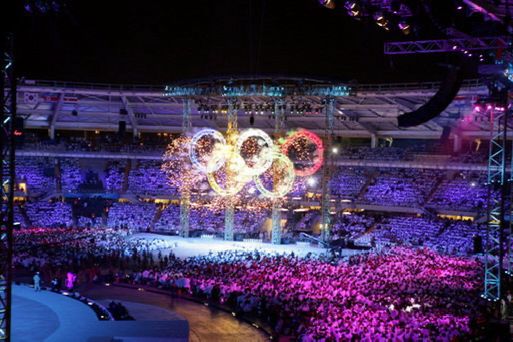
The 2006 Winter Olympics were held in Turin and this event was a fascinating example of how a historic industrial city can reinvent itself as a cultural and sporting hub. Known primarily as the home of the Italian automotive industry, Turin used the Games to showcase its elegant baroque architecture and its proximity to the stunning peaks of the Alps. The competitions were split between the urban venues and the mountain clusters which allowed visitors to experience the best of Italian city life alongside high-speed skiing and snowboarding events. We saw incredible performances from athletes like Shani Davis and the Italian fans brought a sense of passion and style to every arena which made for a very lively and fashionable atmosphere throughout the month of February.
The legacy of the Turin Games is visible in the revitalised city centre and the improved public transport links that were created to move fans between the various sites. While some of the mountain venues have faced challenges in finding a permanent use, the city itself has seen a significant boost in tourism and a renewed sense of international visibility. The organisers focused on creating a “Passion Lives Here” theme which was reflected in the vibrant nightly medal ceremonies held in the heart of the city where fans could gather to celebrate the winners under the stars. It was a winter that blended the thrill of modern sport with the timeless elegance of Italian culture and it proved that the Winter Olympics could thrive in an urban setting just as well as in a traditional mountain resort.
Beijing 2008
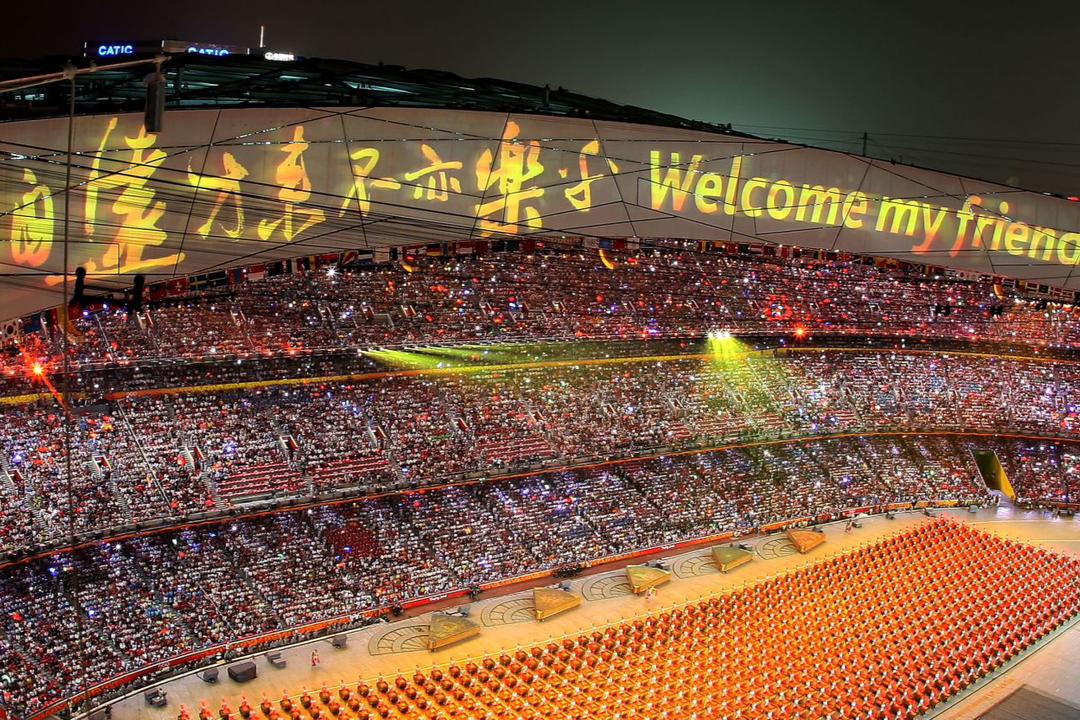
The 2008 Summer Olympics in Beijing were an exercise in sheer scale and ambition as China sought to announce its arrival as a leading global superpower. The opening ceremony remains one of the most watched and talked-about events in television history because of its incredible precision and the way it showcased thousands of years of Chinese history through ground-breaking technology. The “Bird’s Nest” stadium and the “Water Cube” became instant architectural icons that symbolised the nation’s forward-looking spirit and its desire to host the grandest Games ever seen. We watched in disbelief as Michael Phelps won an unprecedented eight gold medals in the pool and Usain Bolt shattered world records on the track with a level of ease that seemed almost superhuman to the millions of people watching around the world.
Hosting an event of this magnitude required a gargantuan effort in terms of logistics and environmental management because the city had to tackle significant air quality issues and move millions of people across a vast metropolitan area. The resulting infrastructure including new subway lines and a massive airport terminal transformed the daily lives of Beijing’s residents and set a new standard for Olympic hosting. While there were many discussions regarding the political and social implications of holding the Games in China, there was no denying the incredible quality of the sporting venues and the efficiency of the organization. 2008 was a summer of spectacle and record-breaking achievements that pushed the boundaries of what is possible when a nation commits its full resources to the pursuit of Olympic glory on a truly massive stage.
Vancouver 2010
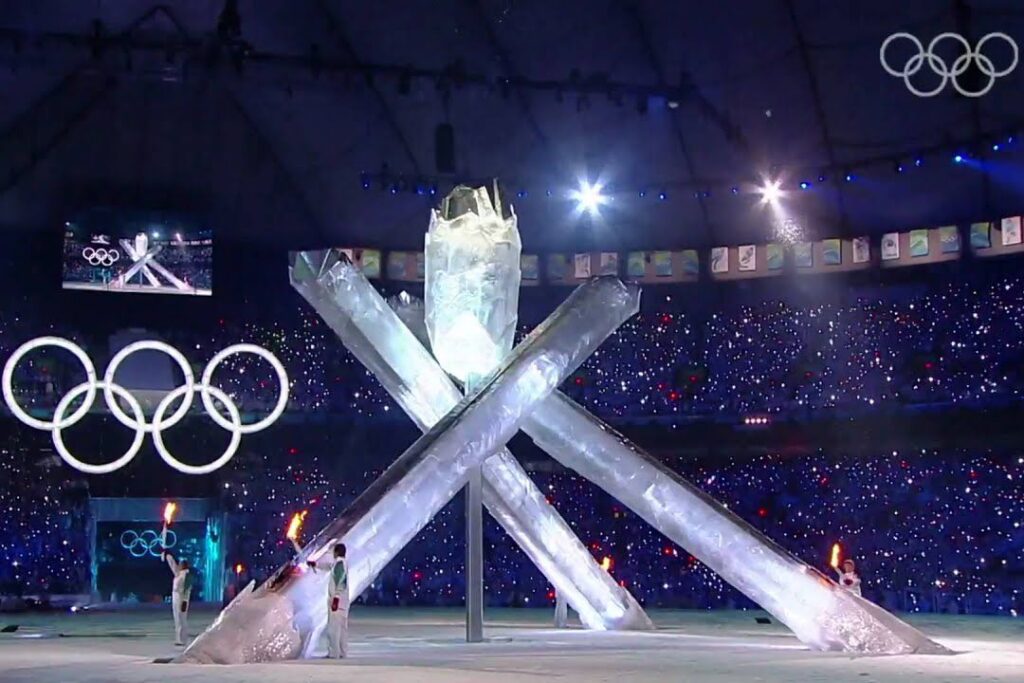
The 2010 Winter Olympics in Vancouver and the nearby resort of Whistler provided a stunning showcase of the natural beauty of the Canadian West Coast. This was a Games that focused on a “Sea to Sky” experience where fans could enjoy the vibrant urban life of Vancouver before heading into the mountains for the alpine events. The atmosphere was one of intense national pride as the “Own the Podium” programme helped Canada achieve a record-breaking fourteen gold medals which was the most ever won by a single nation at a Winter Games at that time. The emotional peak of the event was undoubtedly the men’s ice hockey final where Sidney Crosby scored the winning goal in overtime to send the entire country into a state of pure delirium and celebration.
Despite some early challenges with the weather and the tragic loss of a luger during a training run, the Vancouver Games were praised for their warm atmosphere and their commitment to including Indigenous voices in the planning and ceremonies. The organisers worked hard to ensure that the event was sustainable and that the venues would provide a lasting benefit to the local communities and today many of these sites are still thriving as centres for sport and recreation. Vancouver 2010 felt like a true celebration of winter culture because the fans were incredibly knowledgeable and the city was filled with a sense of joy and hospitality that made every visitor feel welcome. It was a winter of dramatic finishes and incredible national success that solidified Canada’s reputation as a premier destination for the greatest winter athletes on the planet.
London 2012
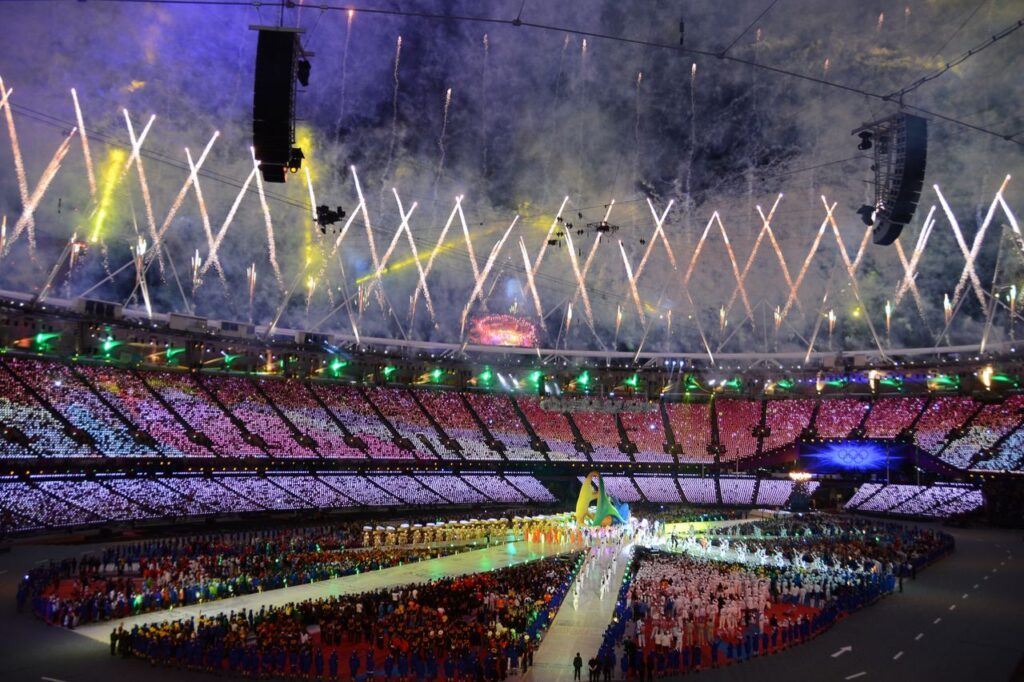
The 2012 Summer Olympics in London were a triumph of British creativity and community spirit that managed to capture the heart of the nation and the world. From the whimsical opening ceremony that featured everything from the Industrial Revolution to James Bond and the Queen, it was clear that these Games were going to be something very special. The organisers focused heavily on the concept of legacy and they chose to build the main Olympic Park in a previously neglected area of East London which sparked a massive wave of regeneration and urban development. We saw “Super Saturday” where three British athletes won gold medals within the space of an hour and the sheer noise and support from the home crowd made for some of the most moving moments in modern sporting history.
London 2012 was also notable for being the first Games where every single participating nation sent female athletes which was a significant milestone for the movement. The efficiency of the transport system and the incredible work of the “Games Maker” volunteers ensured that the event ran smoothly despite the massive numbers of visitors who flocked to the capital. The inclusion of historic landmarks as backdrops for events like beach volleyball at Horse Guards Parade and archery at Lord’s Cricket Ground provided a uniquely British feel to the proceedings. It was a summer that felt inclusive and genuinely fun because it celebrated the power of sport to bring a diverse city together and the legacy of the Queen Elizabeth Olympic Park continues to provide a fantastic space for sport and culture to this day.
Sochi 2014, Russia (Winter)
The 2014 Winter Olympics took place in the coastal city of Sochi and this event marked the first time that Russia had hosted the Winter Games since the dissolution of the Soviet Union. Nestled between the black shores of the Black Sea and the towering peaks of the Caucasus Mountains, the location offered a striking contrast between subtropical palms and icy competition venues. This particular iteration of the Games was famous for being the most expensive in history because the government invested heavily in transforming a summer resort town into a world-class winter sports hub. Athletes gathered from every corner of the globe to compete in traditional events like skiing and skating while the world watched the dramatic opening ceremony which showcased centuries of Russian history and artistic achievement through grand theatrical displays.
Beyond the sporting drama of the slopes and rinks, the Sochi Games served as a massive geopolitical statement and a test of modern logistical capabilities. The organisers faced significant pressure to deliver a secure and seamless experience but the finished infrastructure including the Fisht Olympic Stadium and the sprawling Olympic Park became a permanent fixture of the region. While some critics questioned the long-term sustainability of such a vast project, there is no denying that the atmosphere was electric as legends like Viktor Ahn dominated the short track speed skating events. It was a period of intense national pride for the hosts and a fascinating chapter in Olympic history because it pushed the boundaries of what a host city could achieve through sheer ambition and significant financial backing during a cold February.
Rio de Janeiro 2016, Brazil (Summer)
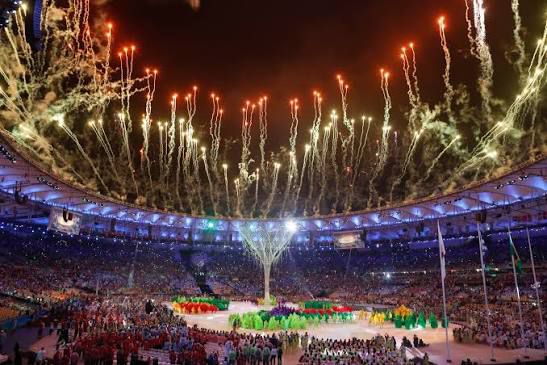
In 2016 the world turned its gaze toward South America for the very first time as Rio de Janeiro played host to the Summer Olympic Games. The city of Rio is world-renowned for its vibrant culture and iconic landmarks like Christ the Redeemer so it provided a breathtaking backdrop for the greatest athletes on the planet to showcase their skills. From the moment the flame was lit in the legendary Maracanã Stadium, the energy of the Brazilian people infused every event with a sense of joy and celebration that was truly infectious for everyone involved. We watched in awe as Usain Bolt sprinted his way into the history books once again while Michael Phelps continued to cement his status as the most decorated Olympian of all time in the swimming pool.
Despite the various challenges regarding infrastructure and public health concerns that preceded the opening ceremony, the Games were a triumph of human spirit and athletic brilliance. The beach volleyball matches on the golden sands of Copacabana offered a quintessential Rio experience because the crowd was lively and the scenery was absolutely unmatched by any previous host city. This event was not just about the medals but rather about the coming together of diverse cultures in a city that wears its heart on its sleeve every single day. The legacy of Rio 2016 remains a complex one for the local community yet the memories of that summer continue to inspire many because they proved that the Olympic movement can thrive in new and vibrant territories across the southern hemisphere.
PyeongChang 2018, South Korea (Winter)
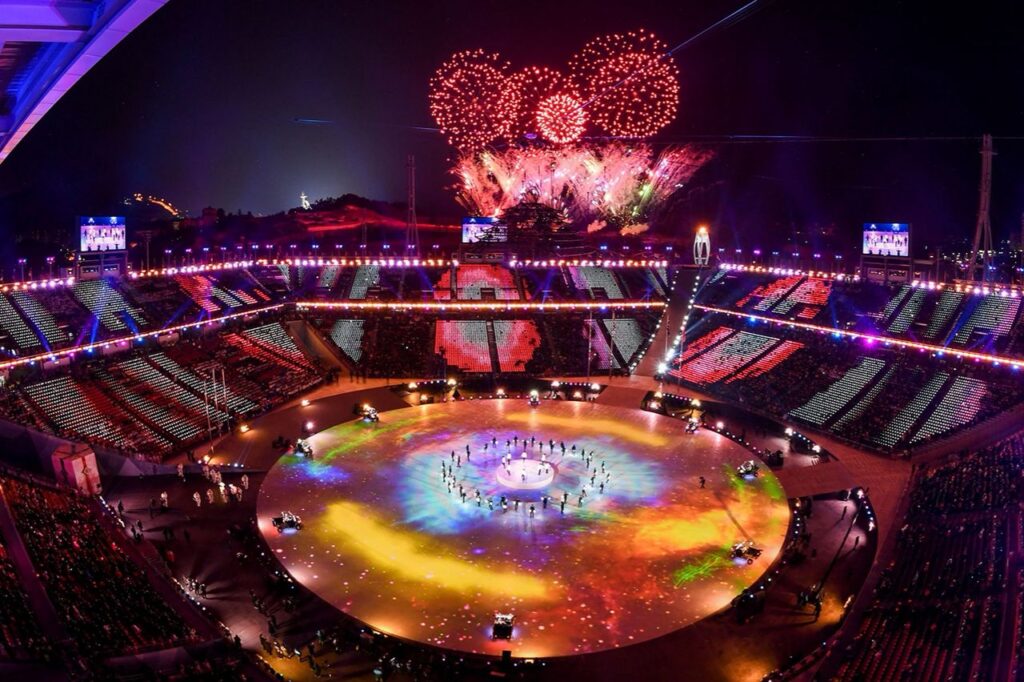
The 2018 Winter Olympics took place in the mountainous region of PyeongChang in South Korea and this event was widely praised for its incredible efficiency and the warm hospitality of the local people. It was a Games defined by technological innovation and a strong message of peace because athletes from North and South Korea marched together under a unified flag during the opening ceremony which was a truly moving sight for the international community. The venues were meticulously prepared and the crisp mountain air provided the perfect conditions for high-speed alpine skiing and the graceful movements of figure skating. Chloe Kim emerged as a global superstar during these Games as she dominated the snowboarding halfpipe with a level of skill that left spectators and commentators absolutely speechless.
There was a palpable sense of excitement throughout the region as fans flocked to the mountain clusters and coastal parks to witness history being made on the ice and snow. South Korea proved to be an exceptional host because they managed to blend traditional cultural elements with cutting-edge digital experiences for the visitors who traveled from far and wide. The success of the PyeongChang Games helped to further solidify the country’s reputation as a premier destination for major international sporting events and it left a lasting impression on everyone who tuned in. Whether it was the nail-biting finishes in the curling matches or the sheer speed of the bobsleigh runs, the 2018 Winter Games were a masterclass in organisation and a beautiful reminder of how sport can bring people together even in a divided world.
Tokyo 2020, Japan (Summer, Held In 2021)
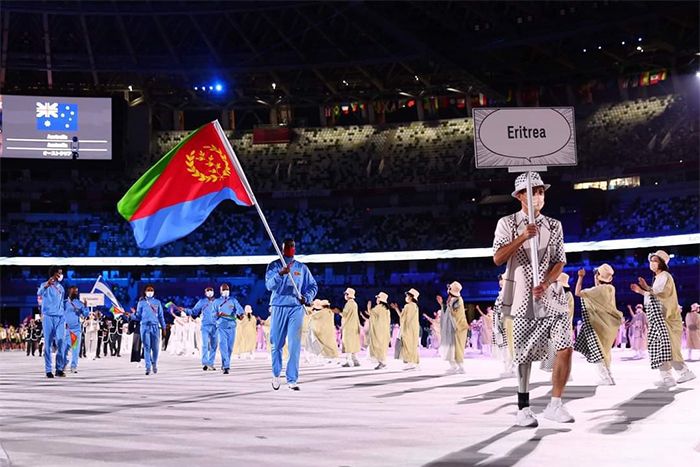
The 2020 Summer Olympics in Tokyo were unlike any other in history because they were delayed by a full year due to the global pandemic that halted international travel and public gatherings. When the Games finally took place in 2021, the stadiums were largely empty of spectators but the resilience of the Japanese organisers and the determination of the athletes shone through brighter than ever before. Tokyo is a city where tradition meets the future and this was reflected in the sleek sustainable medals and the innovative robotic assistants that were used throughout the various Olympic villages. It was a poignant moment for the world to see the flame finally lit in the Japan National Stadium because it symbolised a sense of hope and recovery after a very difficult period for humanity.
Even without the roar of a live crowd, the performances were nothing short of spectacular and the athletes seemed to find an inner strength to push themselves to new heights despite the unusual circumstances. We saw the rise of new disciplines like skateboarding and surfing which brought a fresh and youthful energy to the traditional Olympic programme and resonated with a whole new generation of viewers. The Tokyo Games will always be remembered for the incredible stoicism of the Japanese people and the way they managed to deliver a safe and high-quality event under the most intense pressure imaginable. It was a testament to the enduring power of the Olympic spirit and a reminder that even when we are physically apart, we can still be united by the pursuit of excellence and the celebration of human achievement.
Beijing 2022, China (Winter)
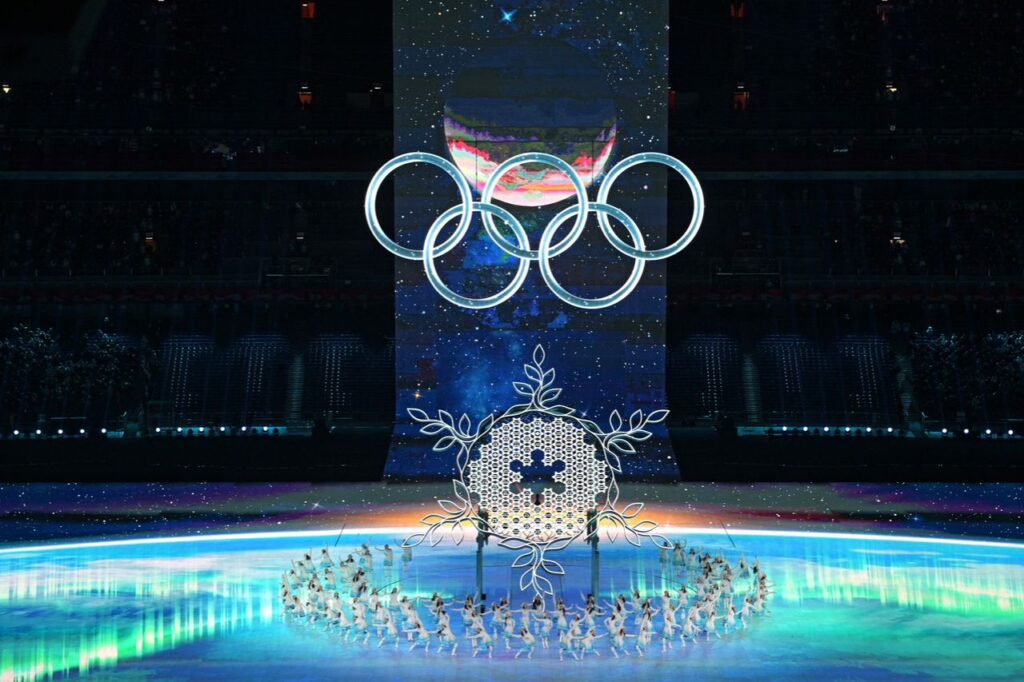
By hosting the 2022 Winter Olympics, Beijing became the first city in history to have hosted both a Summer and a Winter edition of the Games. This was a remarkable feat of urban planning and adaptation because several of the iconic venues from the 2008 Summer Games were repurposed for ice sports including the famous Water Cube which was transformed into the Ice Cube for curling. The Games were held within a strict closed-loop system to ensure the health and safety of all participants and this created a unique environment where the focus remained squarely on the incredible feats of athleticism taking place on the snow and ice. The Big Air Shougang ramp situated against the backdrop of a former steel mill became one of the most striking visual symbols of these modern Games.
The competition was fierce across all disciplines and we witnessed incredible moments of triumph as seasoned veterans and young newcomers alike vied for a place on the podium. Eileen Gu became a household name after her stunning performances in freestyle skiing while the figure skating events continued to captivate audiences with their blend of technical precision and artistic expression. Although the atmosphere was different due to the necessary restrictions, the quality of the broadcasting and the impressive scale of the opening ceremony ensured that the world felt connected to the action in Beijing. This event marked another significant milestone for China as they demonstrated their ability to host a massive international event with precision and flair while leaving a permanent mark on the history of the winter sporting calendar.
Paris 2024, France (Summer)
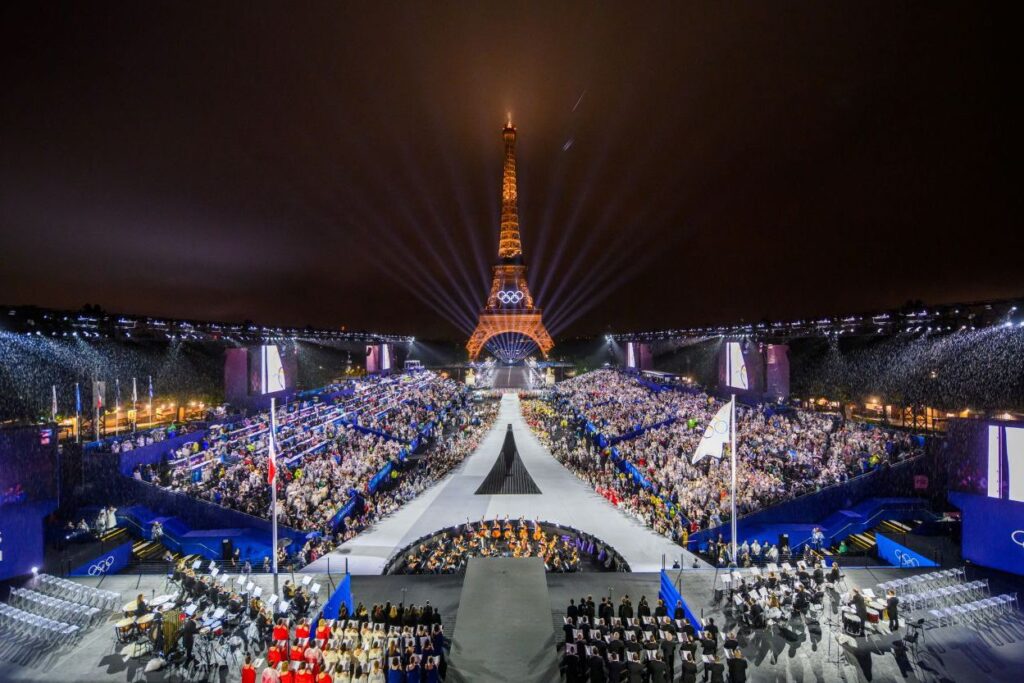
The 2024 Summer Olympics saw the Games return to the historic and romantic city of Paris exactly one hundred years after they last hosted the event in 1924. This was a celebration of French culture and heritage as many of the competitions were held in iconic locations such as the gardens of the Château de Versailles and the temporary arenas beneath the Eiffel Tower. The organisers committed to making these the most sustainable and inclusive Games yet by using existing infrastructure and focusing on public transport to move fans around the beautiful city. It was a truly spectacular sight to see the opening ceremony take place along the River Seine because it allowed thousands of people to line the banks and participate in the festivities as the athletes floated past on boats.
The sporting action was just as captivating as the scenery because the world’s best athletes gathered to compete in the heart of one of Europe’s most beloved capitals. From the fast-paced swimming races to the intense gymnastics routines, every moment was infused with a sense of history and prestige that only a city like Paris can provide. The inclusion of breaking as a new Olympic sport added a modern and urban touch to the proceedings and it was clear that the fans embraced the creative energy of the event. As the sun set over the Parisian skyline and the Olympic flame flickered in the Tuileries Garden, it was a moment of reflection on how far the movement has come and how it continues to evolve to meet the tastes and values of a modern global audience.
More cities, moments, and memories still lie ahead, each with its own story shaped by sport, politics, and culture.
Like this story? Add your thoughts in the comments, thank you.


