
1. Battlefield Earth
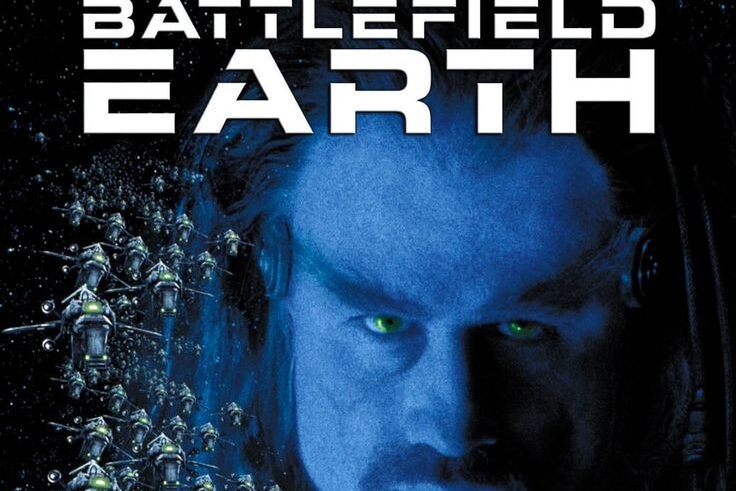
Every list like this starts the same way, with a movie that tried very hard and somehow missed everything that mattered. Battlefield Earth arrived promising epic science fiction and instead delivered confusion, awkward dialogue, and performances that felt strangely exaggerated. The story never settles, jumping between ideas without grounding the audience. Viewers struggled to take it seriously, and many left theaters baffled rather than entertained. The film quickly became known more for its failures than its ambitions. What makes it linger is the sincerity behind it. You can feel the effort in every scene, which only makes the missteps more noticeable. Over time, it became a shared reference point for movies that aimed high but lost clarity along the way.
2. Gigli
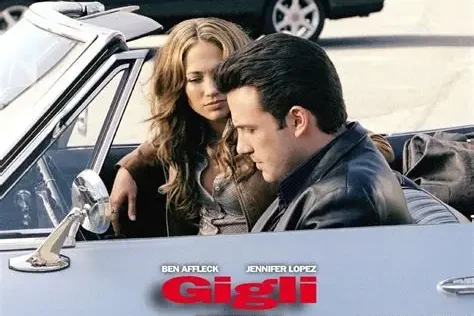
Gigli was already famous before it ever played on a screen, and that attention worked against it. The movie could not decide whether it wanted to be a romance, a crime story, or a comedy, so it drifted awkwardly between all three. Scenes felt uncomfortable instead of charming, and the emotional beats never landed. Audiences noticed immediately and stayed away, turning it into a box office embarrassment. What remains interesting is how quickly excitement vanished once people actually watched it. Gigli became less about its plot and more about the lesson it quietly taught. Publicity can open doors, but only a clear story keeps people interested long enough to care.
3. Son of the Mask
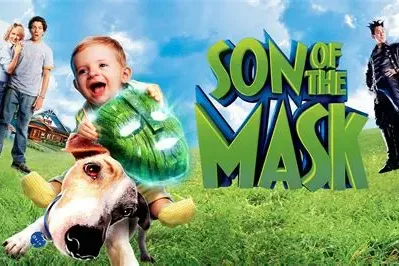
Sequels usually promise more fun, but Son of the Mask felt like it misunderstood why the first movie worked. Without the original star, the humor leaned heavily on noise and exaggerated visuals rather than charm. The jokes came fast but rarely landed, and the story felt thin even by family comedy standards. Audiences sensed that something was missing and responded with indifference. Ticket sales dropped quickly, and the film faded from conversation almost as fast as it arrived. Looking back, it feels like a reminder that energy alone is not enough. A sequel needs heart and purpose, not just familiar imagery. Without that balance, even playful ideas can feel strangely hollow and forgettable.
4. Disaster Movie
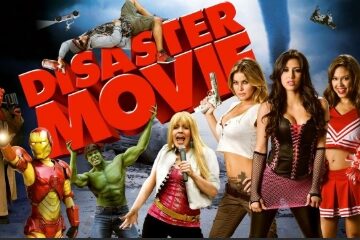
Parody works best when it understands what it is poking fun at, and Disaster Movie never quite found that understanding. Instead of clever observation, it relied on constant references and loud jokes that blended together. Scenes rushed past without rhythm, leaving little time for humor to build. Audiences quickly grew tired, and word spread that the experience felt exhausting rather than funny. The box office reflected that reaction, dropping sharply after opening weekend. What makes this movie memorable is not any single moment, but how quickly it became background noise. It quietly demonstrated that comedy needs timing and insight. Without those, even familiar pop culture jokes can feel empty and disconnected.
5. Cats
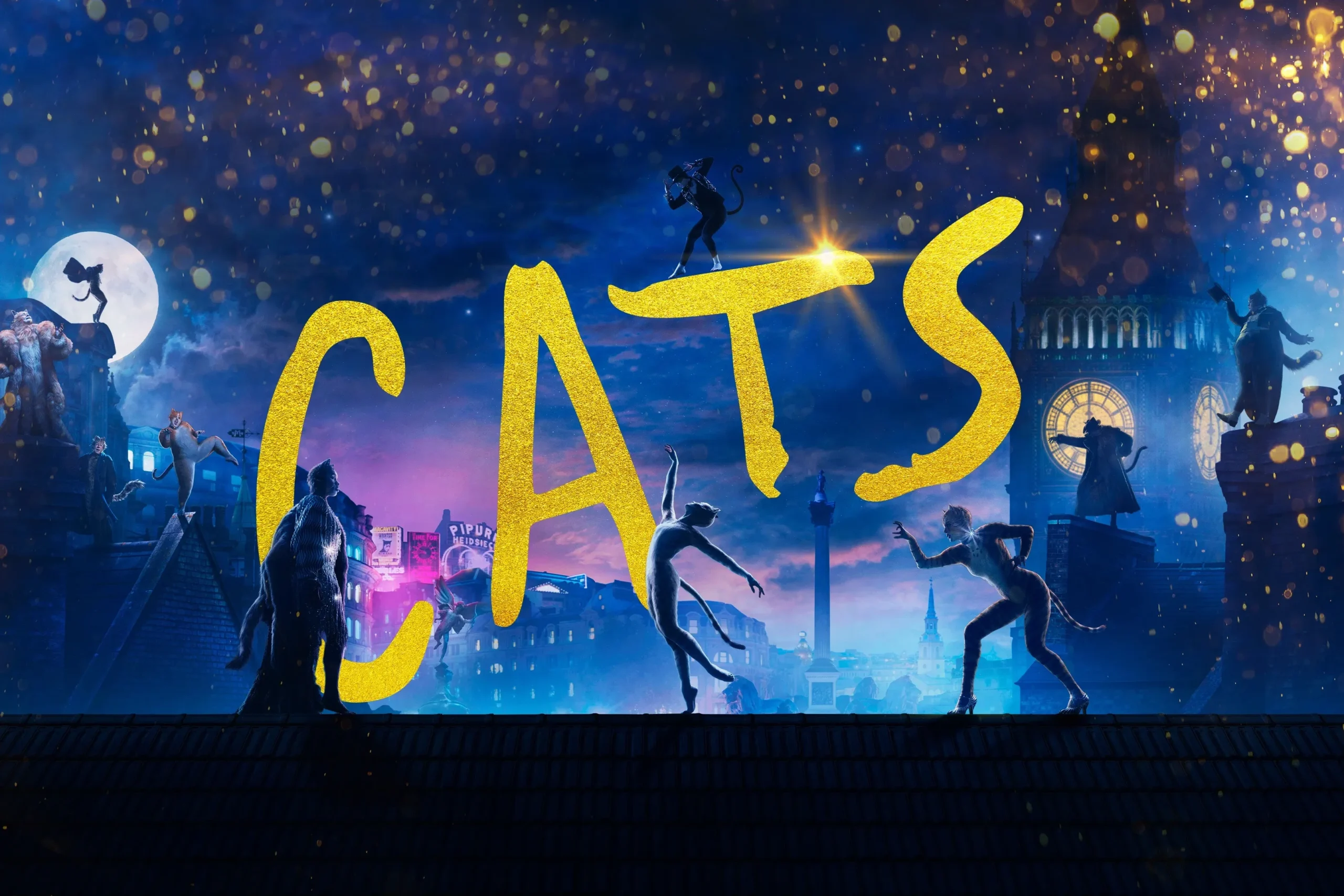
Cats arrived with curiosity swirling around it, driven by a famous stage musical and a cast full of recognizable faces. Once the movie played, that curiosity turned into confusion. The visuals felt unsettling, the tone uneven, and the emotional connection never quite formed. Audiences struggled to engage, unsure how seriously the film wanted to be taken. Many skipped it entirely, leading to a sharp box office decline. What lingers now is not the music, but the collective reaction of disbelief. Cats became a cultural moment for reasons no one expected. It serves as a quiet reminder that translating stage magic to film requires more than spectacle. It needs warmth, clarity, and trust in the audience.
6. Cutthroat Island
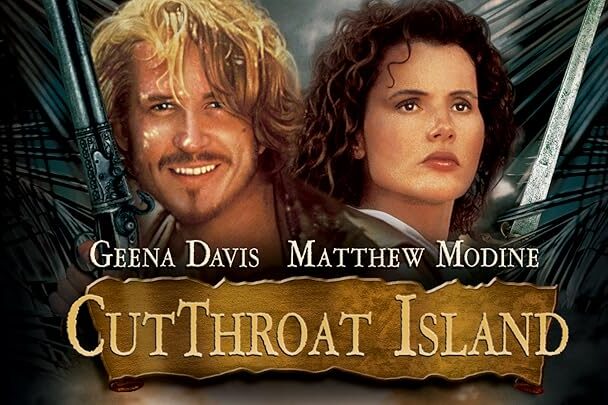
Cutthroat Island should have been a fun pirate adventure, the kind people revisit for comfort and laughs. Instead, it became known as one of the biggest financial flops ever. The film struggled with tone, bouncing between action and humor without a steady rhythm. Audiences did not show up, and the box office collapse was so severe it gained a reputation bigger than the movie itself. What makes it memorable now is how it changed the way studios viewed pirate films for years afterward. Watching it today, you can still spot moments of effort and charm, but the overall experience feels scattered. It stands as proof that even exciting genres need strong storytelling to stay afloat.
7. Batman & Robin
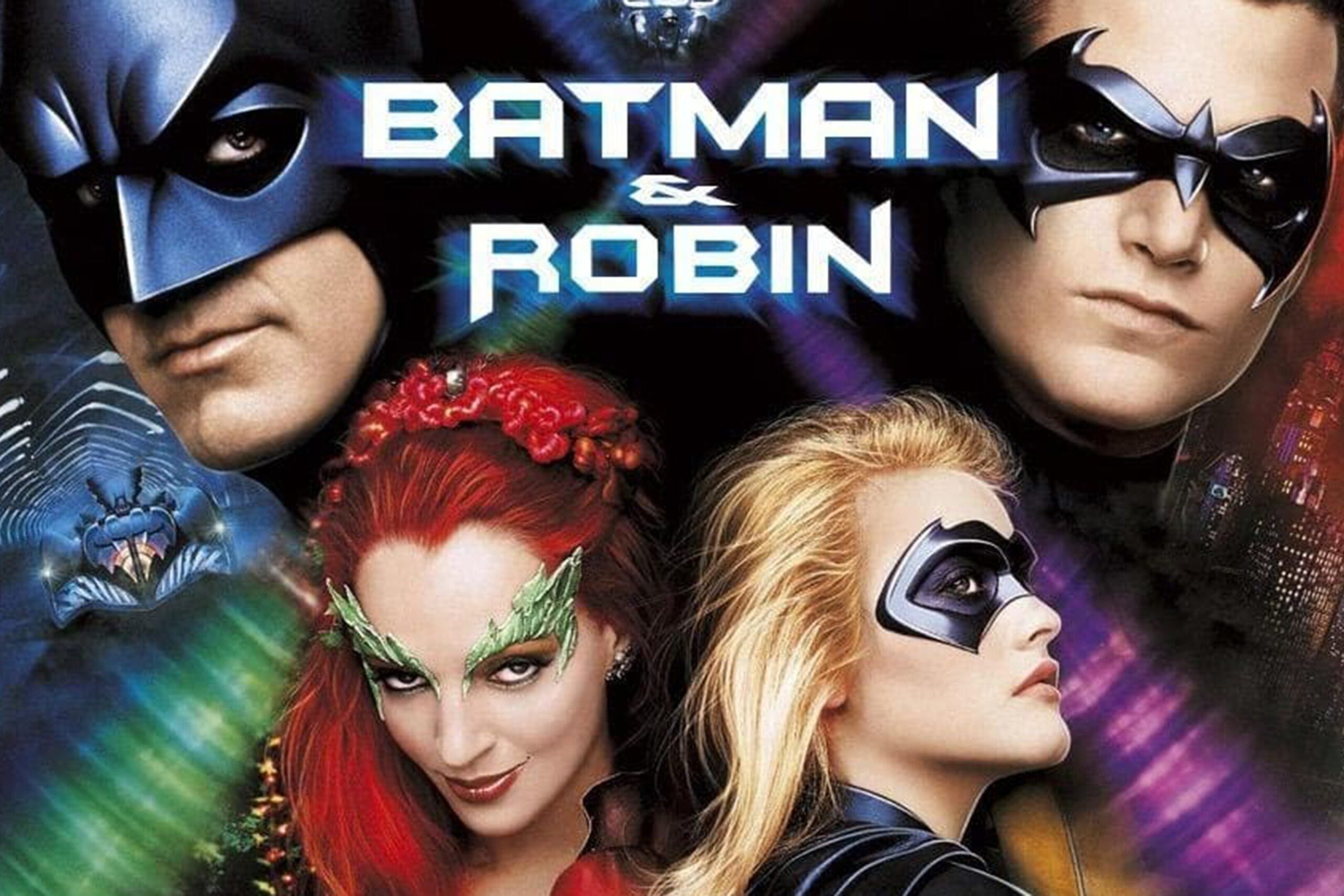
Batman and Robin arrived wrapped in bright colors and loud confidence, but something essential was missing. The jokes leaned on puns, the costumes felt exaggerated, and emotional stakes faded into the background. Fans expecting depth were met with spectacle instead. Audiences reacted with confusion rather than excitement, and enthusiasm cooled quickly. Over time, the film became a reference point for how excess can overpower storytelling. Its failure quietly influenced the genre, pushing later films toward grounded tones and stronger character focus. Batman and Robin now feels less like a mistake and more like a turning page, reminding viewers style matters.
8. Jupiter Ascending
Jupiter Ascending looked polished and ambitious, filled with elaborate worlds and cosmic ideas. The problem was not imagination but clarity. Characters explained more than they felt, and the story twisted itself into knots. Viewers admired the visuals but struggled to connect emotionally. Word of mouth cooled interest, and curiosity did not turn into loyalty. The film now sits in an odd space, remembered more for what it attempted than what it achieved. Ambition alone could not carry it. Jupiter Ascending quietly shows that spectacle needs a human anchor. Without that grounding, even images drift away, leaving audiences impressed yet distant.
9. The Love Guru
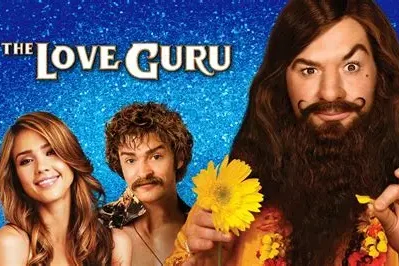
The Love Guru arrived aiming for broad laughs, but the humor landed with an uncomfortable thud. Jokes stretched too long, characters felt exaggerated, and warmth never fully arrived. Instead of inviting viewers in, the comedy created distance. Audiences reacted quickly, skipping theaters and letting the movie fade fast. What remains is a reminder of how comedy ages when it relies on shock rather than insight. Time has not softened its reputation. Looking back, the film feels like a moment when louder was mistaken for funnier. The Love Guru quietly reinforces a simple truth. Comedy works best when it understands people.
10. The Happening
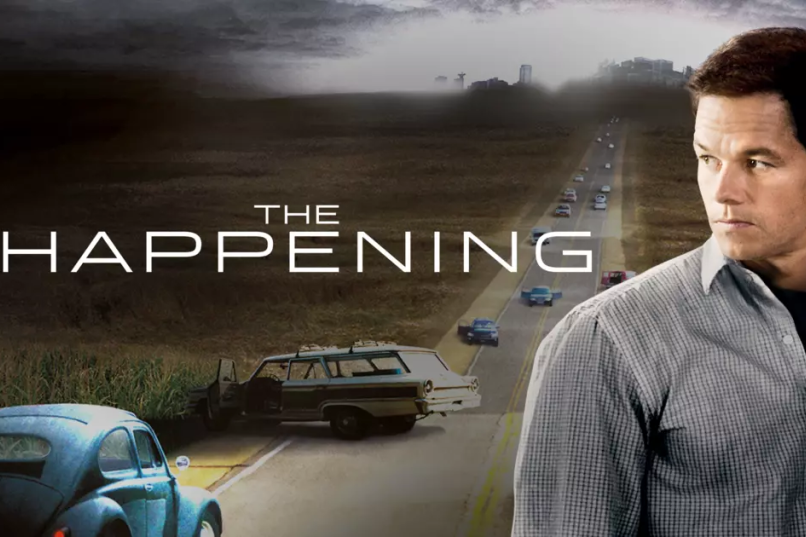
The Happening began with an eerie idea that sparked real curiosity. As the story unfolded, tension gave way to awkward moments and stiff delivery. Lines that should have chilled instead confused viewers. Audiences found themselves unsure whether to feel afraid or amused. Interest faded as quickly as it appeared, and the movie struggled to hold attention. What stands out now is the gap between concept and execution. The idea felt timely, but the tone never settled. The Happening remains a quiet example of how fragile suspense can be. Without consistency, even promising thrillers lose their grip and drift into distraction.
11. Alexander
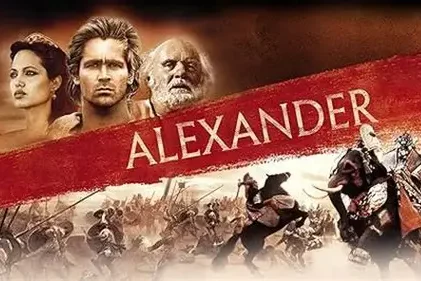
Alexander promised a sweeping look at a legendary life, complete with massive battles and grand ambition. What unfolded felt oddly distant and uneven. The pacing wandered, emotional moments passed quickly, and focus slipped away from the characters. Audiences admired the scale but struggled to stay engaged. Multiple edits later, the confusion remained. The film became known less for history and more for indecision. Looking back, Alexander feels like a story that never chose its heart. Big moments need intimacy to resonate. The movie now stands as a reminder that intimacy matters.
12. Speed 2: Cruise Control
Speed 2 Cruise Control followed a hit that thrived on urgency and tension. This time, the action slowed down, and the sense of danger faded. Set aboard a cruise ship, the story struggled to create momentum. Audiences noticed immediately and responded with indifference. What once felt sharp now felt bloated and unnecessary. The excitement that drove the original never returned. Looking back, the sequel feels like a misunderstanding of what made the first movie work. Bigger settings did not equal bigger thrills. The film quietly illustrates a familiar lesson. When pacing disappears, even action movies can feel oddly relaxed poorly.
13. Ishtar
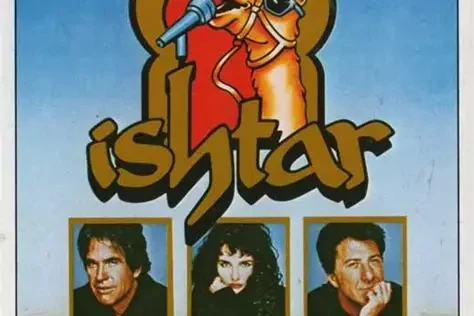
Ishtar has been talked about for decades like a warning sign, the kind of movie studios still reference when budgets spiral. On paper it looked solid, with big stars and a director coming off success. In reality, the story felt messy and the comedy never found its footing. Audiences did not connect, and critics were harsh, turning it into a long running punchline in Hollywood. What makes Ishtar stand out is how quickly it went from major release to cultural shorthand for failure. Even people who have never watched it seem to know the reputation. It sits in movie history as proof that money and talent cannot guarantee a good time.
14. The Last Airbender
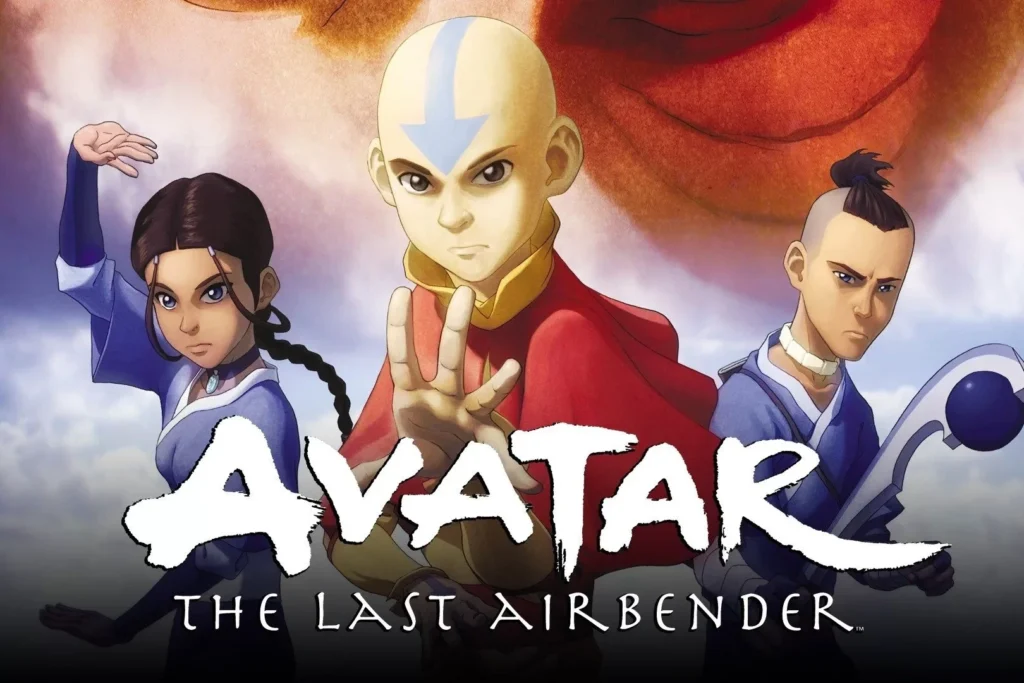
The Last Airbender carried the weight of a beloved animated series and high expectations. What reached theaters felt rushed and emotionally flat. Important moments passed without impact, and the world never fully opened up. Fans of the original felt disconnected, while new viewers felt confused. Interest dropped fast, and plans for continuation vanished. What remains is a lingering sense of missed opportunity. The story had heart, but the adaptation did not let it breathe. Looking back, the film shows how care matters more than scale. The Last Airbender stands as a reminder that honoring tone matters when adapting beloved stories.
15. Norbit
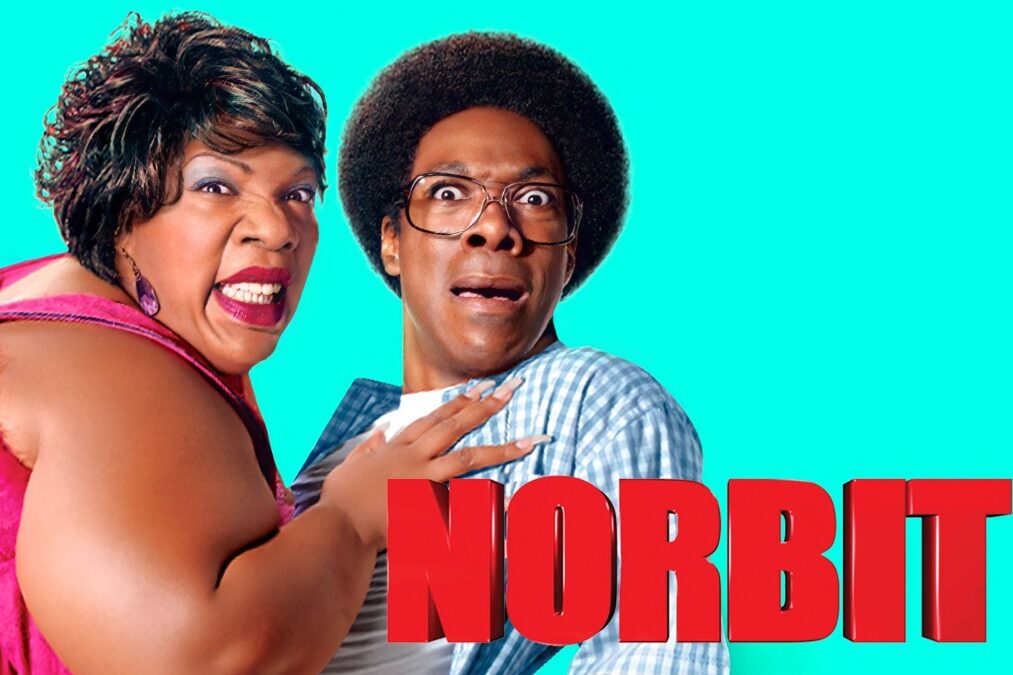
Norbit leaned heavily on exaggerated characters and loud humor, hoping repetition would equal laughs. Instead, the jokes wore thin quickly, and warmth never appeared. Viewers found the experience tiring rather than fun. Interest faded after curiosity wore off, and the movie settled into an uncomfortable reputation. Looking back, it feels like a snapshot of comedy that misunderstood its audience. The intent may have been playful, but the execution felt strained. Over time, Norbit became a reminder that comedy needs balance. Without subtlety, even energetic performances can feel exhausting. The film now lives on mainly as an example of excess culture.
16. After Earth
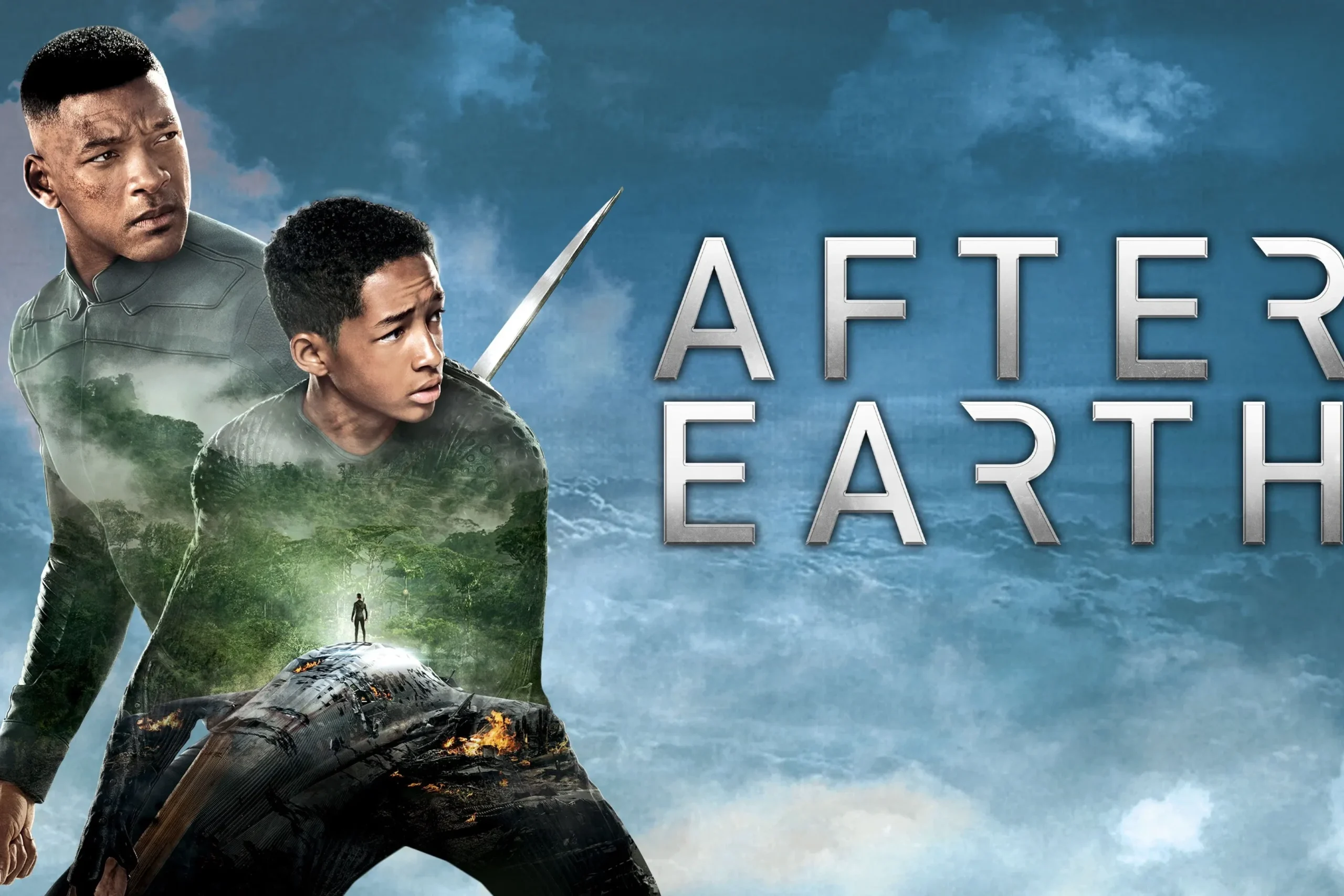
After Earth arrived with a serious tone and a survival driven premise that sounded promising. Once the story unfolded, the emotional connection never fully appeared. Performances felt restrained to the point of distance, and the relationship at the center lacked warmth. Audiences struggled to invest, sensing the film was holding back instead of drawing them in. Interest faded quickly, and box office numbers reflected that hesitation. Looking back, the movie feels polished but empty. The world looked impressive, yet the heart was missing. After Earth now stands as a reminder that science fiction still needs human feeling. Without it, even visually strong stories can feel cold and forgettable.
17. Santa Claus Conquers the Martians

Santa Claus Conquers the Martians feels like it belongs to a different universe entirely. Made with cheerful intentions, it unfolded into something oddly slow and unintentionally strange. The pacing drags, performances feel stiff, and the premise never quite settles into fun or wonder. Audiences over time responded with confusion more than delight. What keeps it remembered is not quality, but curiosity. People watch it now to experience something unusual rather than enjoyable. It quietly became part of pop culture because of how sincere it feels. The film shows that even well meaning ideas can miss their audience. Sometimes effort alone does not guarantee connection.
18. Super Mario Bros.
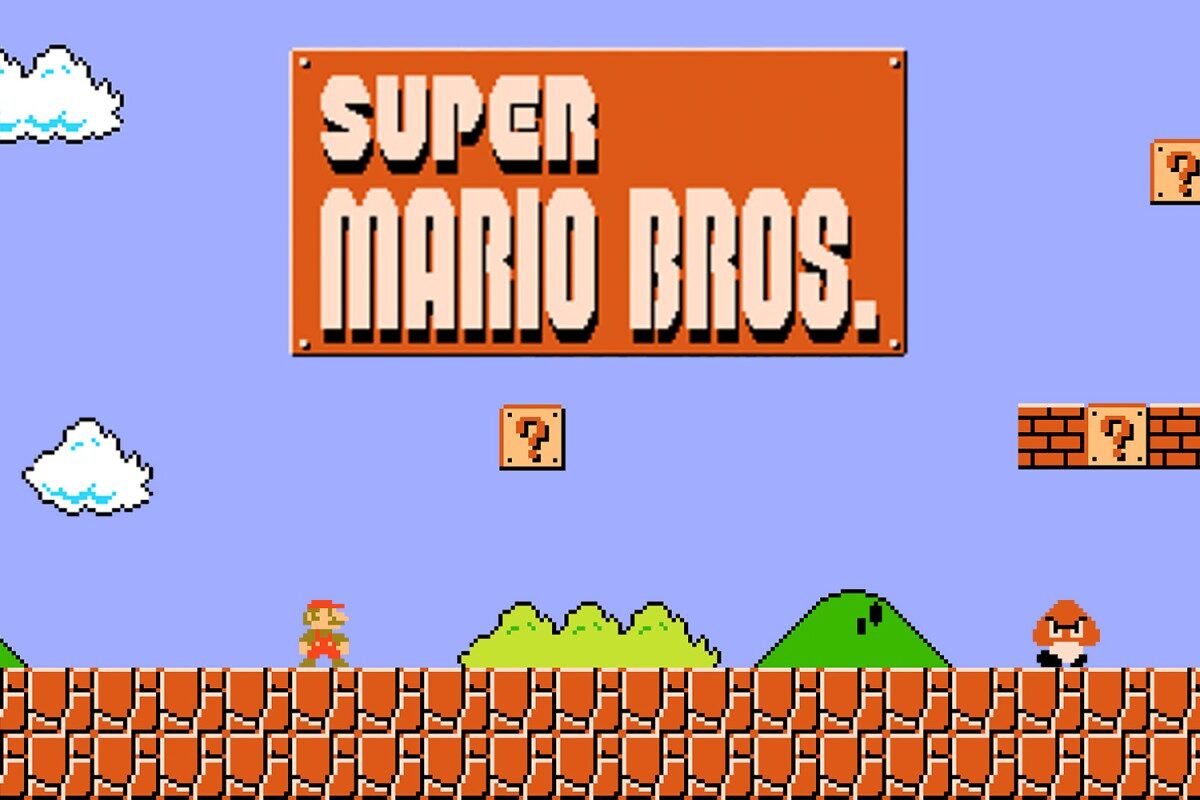
Super Mario Bros arrived carrying the excitement of a beloved video game, but the translation to film felt unfamiliar. The tone was darker, the world confusing, and the story barely resembled its source. Audiences expecting playful adventure were met with something strangely serious. Confusion replaced excitement, and interest faded fast. Over time, the movie gained curiosity value, but its flaws remain clear. It is remembered more as an experiment than an adaptation. Looking back, it serves as an early lesson in adaptation struggles. Familiar names alone are not enough. Stories need to feel recognizable to the people who love them.
19. Swept Away
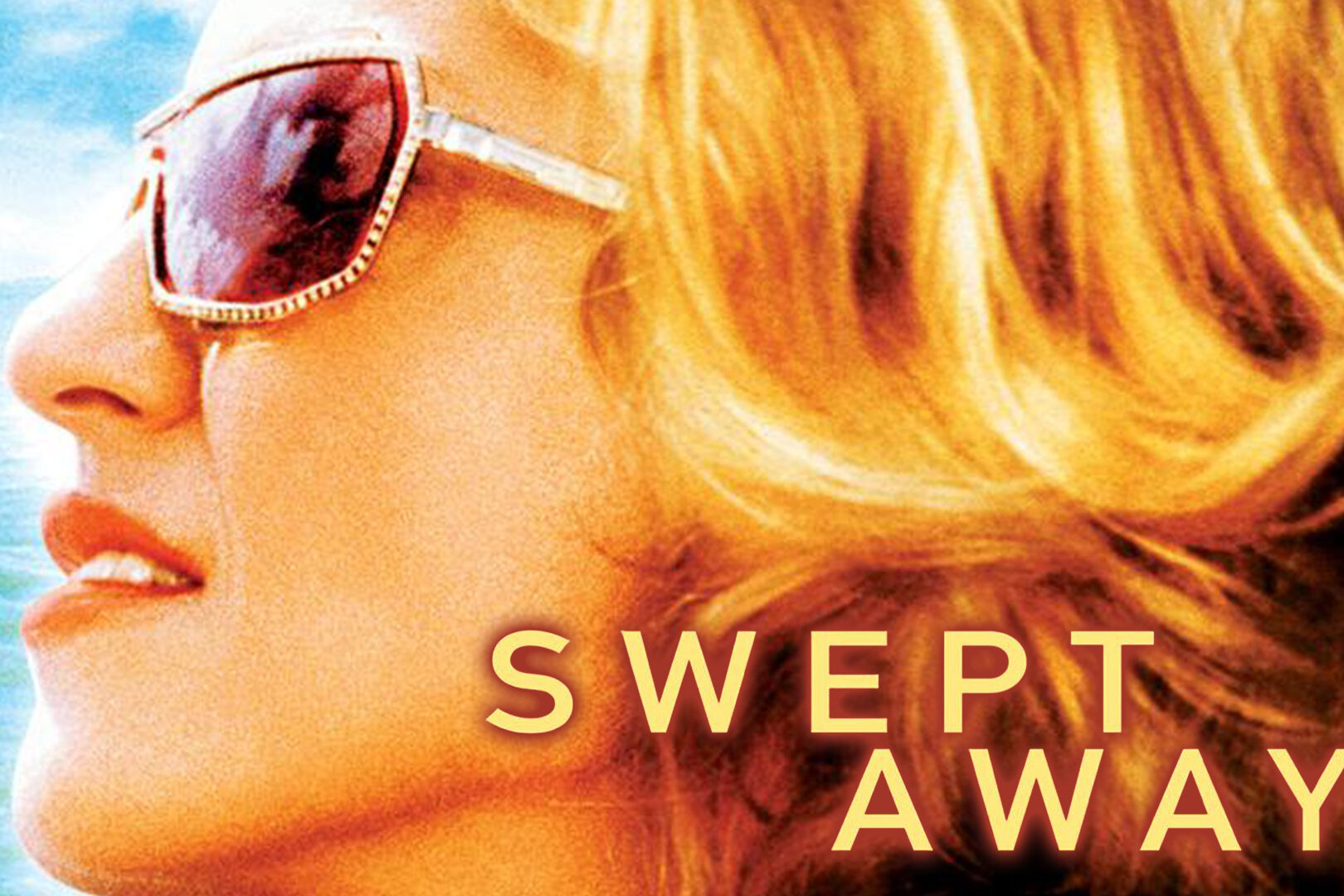
Swept Away aimed for intense romance but delivered discomfort instead. The relationship at the center felt unbalanced, making it difficult for viewers to root for either character. Emotional shifts happened without growth, leaving scenes feeling forced. Audiences reacted with unease, and interest never developed. The movie faded quickly from theaters and conversation. Looking back, it feels like a reminder that romance relies on mutual connection. Without it, tension turns into distance. Swept Away now sits quietly as an example of how tone matters. Stories about love require care, patience, and empathy to resonate with viewers.
20. Basic Instinct 2

Basic Instinct 2 arrived years after the original, hoping to recapture its intrigue. What unfolded felt unnecessary and disconnected from what made the first film compelling. The tension felt forced, and the story struggled to justify its existence. Audiences sensed this quickly and stayed away. Interest faded almost immediately, leaving little impact behind. Looking back, the film feels like a reminder about timing. Some stories belong to a specific moment. Revisiting them without purpose can drain their power. Basic Instinct 2 now exists mostly as a footnote, showing that not every successful film needs a continuation.
21. The Wicker Man
The Wicker Man remake arrived with an eerie premise but struggled to maintain atmosphere. Moments meant to unsettle instead confused viewers. Performances leaned into extremes, shifting the tone away from quiet tension. Audiences reacted with disbelief rather than fear, and the movie quickly gained an unintended reputation. Interest shifted from suspense to curiosity. Looking back, it feels like a lesson in restraint. Horror relies on balance, and when that balance slips, the effect disappears. The Wicker Man is remembered not for scares, but for how easily tone can derail a story meant to disturb.
22. Percy Jackson & the Olympians: The Lightning Thief
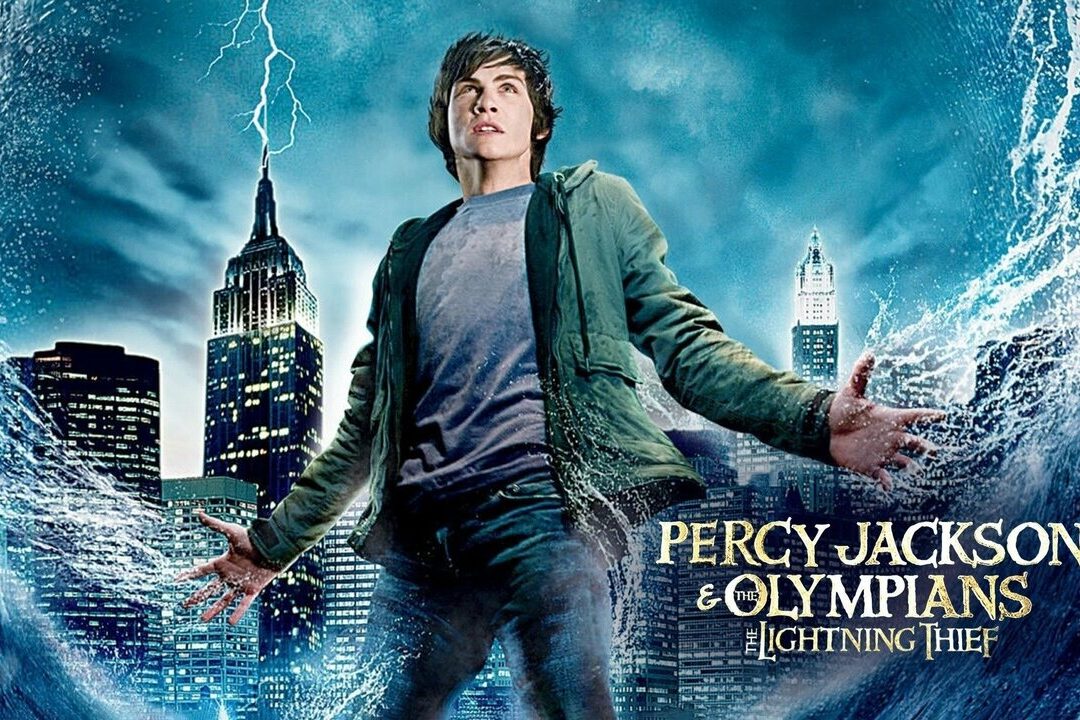
Percy Jackson and the Olympians The Lightning Thief carried the hopes of young readers eager to see the story come alive. What they received felt rushed and simplified. Character development was thin, and the emotional journey barely registered. New viewers felt overwhelmed, while fans felt disappointed. Interest cooled quickly after release. Looking back, the film feels like a missed chance rather than a failure of imagination. The world was rich, but the storytelling lacked patience. Percy Jackson now stands as a reminder that adaptations need time. Rushing through magic often makes it disappear.
23. From Justin to Kelly
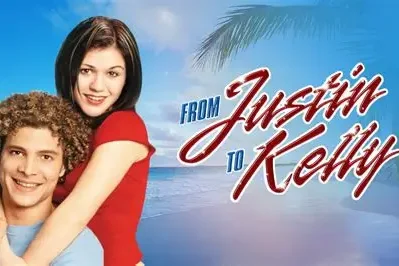
From Justin to Kelly arrived built around popularity rather than story. The plot felt thin, serving mostly as a backdrop for performances. Emotional stakes never developed, and scenes drifted without purpose. Audiences quickly lost interest, sensing the movie existed more as a moment than a narrative. Ticket sales reflected that disconnect. Looking back, it feels like a product of timing rather than passion. Fame brought attention, but it could not carry the experience. The film quietly illustrates how storytelling still matters. Without it, even well known faces struggle to hold attention for long.
24. Freddy Got Fingered
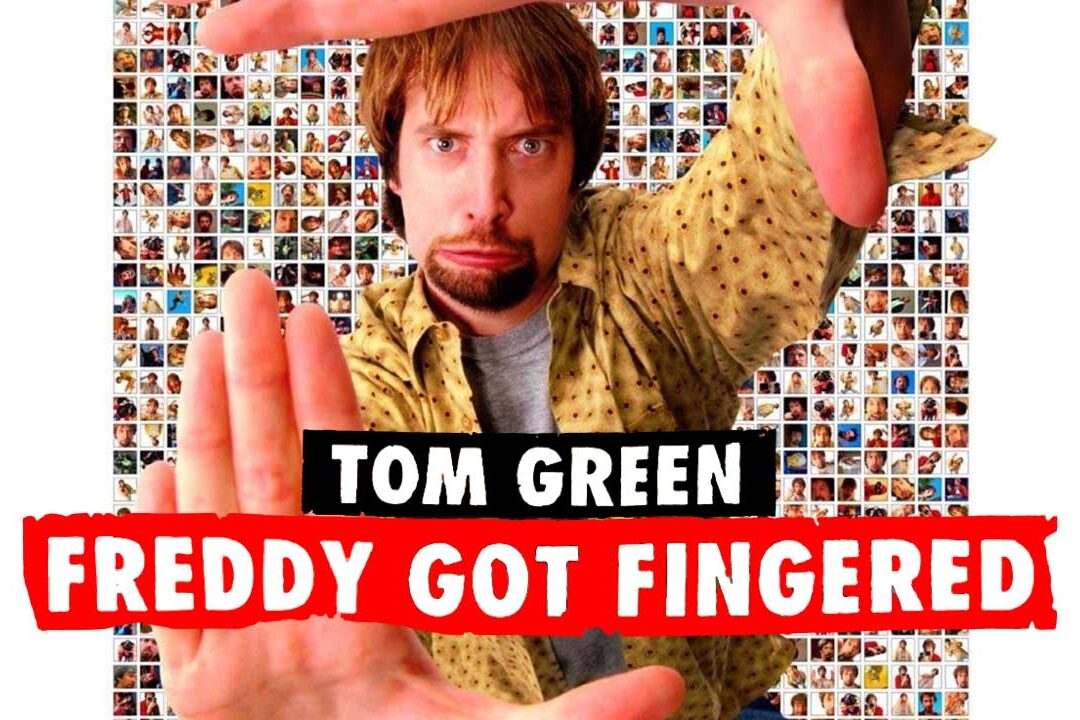
Freddy Got Fingered leaned fully into chaos, pushing boundaries without offering balance. The humor felt intentionally abrasive, leaving audiences unsure how to react. Some found it baffling, others simply tuned out. Interest dropped fast, and the movie gained a reputation that overshadowed any intent behind it. Looking back, it feels like a test of patience rather than a comedy. Shock replaced structure, and connection never formed. The film now exists as a curiosity, discussed more than enjoyed. It shows how humor still needs rhythm. Without it, even bold choices can feel exhausting.
25. The Golden Compass
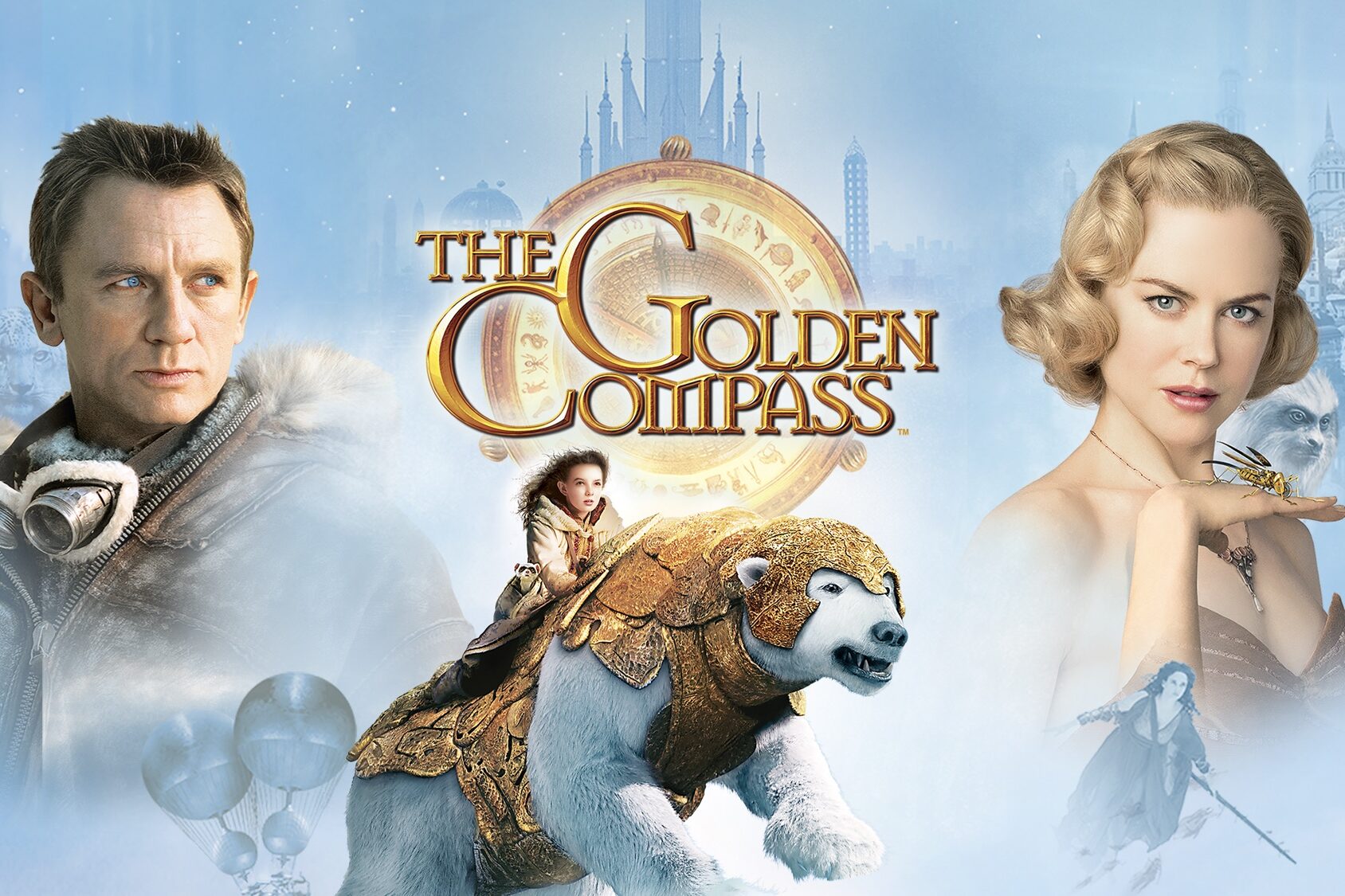
The Golden Compass arrived with impressive visuals and a promising fantasy world. The problem was what it left out. Emotional depth felt missing, and the story ended before fully beginning. Audiences sensed something incomplete and lost interest. Despite its scale, the movie failed to build lasting attachment. Plans for sequels quietly disappeared. Looking back, it feels like a beautiful introduction that never continued. The film reminds viewers that world building alone is not enough. Stories need resolution and heart. Without them, even stunning imagery fades from memory.
26. The Bonfire of the Vanities
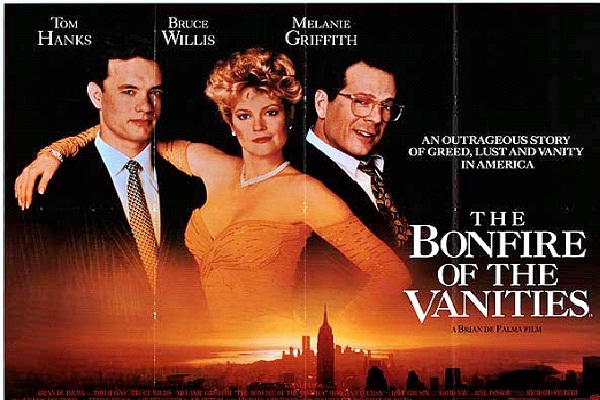
The Bonfire of the Vanities had sharp source material and strong talent behind it. What reached audiences felt softened and uncertain. Satire lost its edge, and characters never fully came alive. Viewers struggled to engage, and interest declined quickly. Looking back, the film feels cautious where it needed confidence. The story aimed to critique society but ended up diluted. It now stands as a reminder that adaptation requires bold choices. Without commitment, even powerful ideas can lose their bite and drift into obscurity.
27. Highlander II: The Quickening
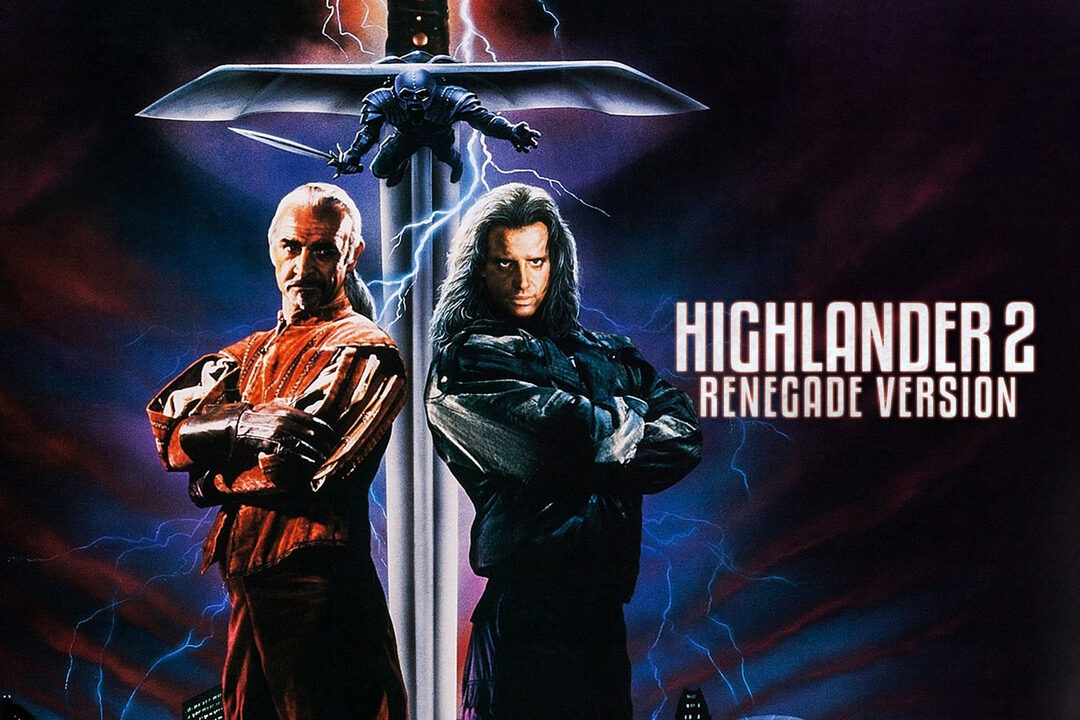
Highlander II The Quickening took a mysterious original and complicated it beyond recognition. New explanations confused rather than expanded the world. Fans felt alienated, and new viewers felt lost. Interest faded quickly, and the sequel became infamous within the franchise. Looking back, it feels like a cautionary tale about over explanation. Mystery was replaced with clutter. The film now lives on as a reminder that less can be more. Expanding a story should deepen understanding, not erase what made it compelling in the first place.
28. Jack and Jill
Jack and Jill centered itself on a single joke and stretched it thin. Performances felt forced, and humor relied on repetition rather than creativity. Audiences quickly grew tired, and interest dropped sharply. The experience felt exhausting instead of entertaining. Looking back, the movie stands as an example of how excess can overwhelm intent. Comedy needs variation and timing. Without those elements, even familiar faces cannot save it. Jack and Jill now remains a reference point for humor that missed its audience entirely.
29. Waterworld
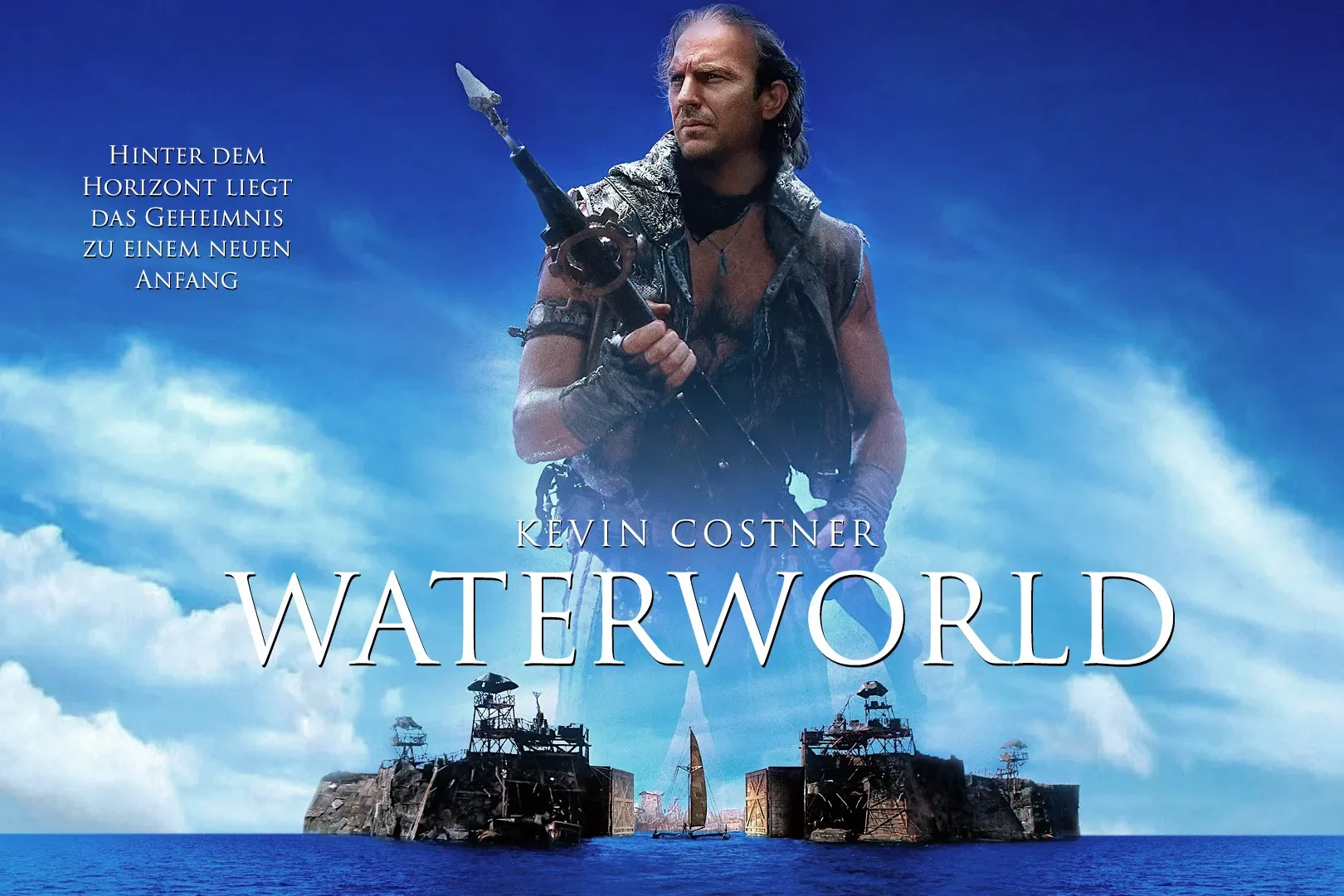
Waterworld became famous before most people even saw it, mainly because of how expensive it was. The production problems and ballooning budget shaped the conversation early, and the film could not escape that shadow. While the world building had interesting ideas, the story struggled to keep viewers emotionally invested. Audiences expected something unforgettable, but many left feeling it was simply too long and too uneven. The box office performance disappointed compared to the massive cost, locking in its reputation as a cautionary tale. Over time, some viewers have softened toward it, but its place in movie history is still tied to excess and risk.
30. Movie 43
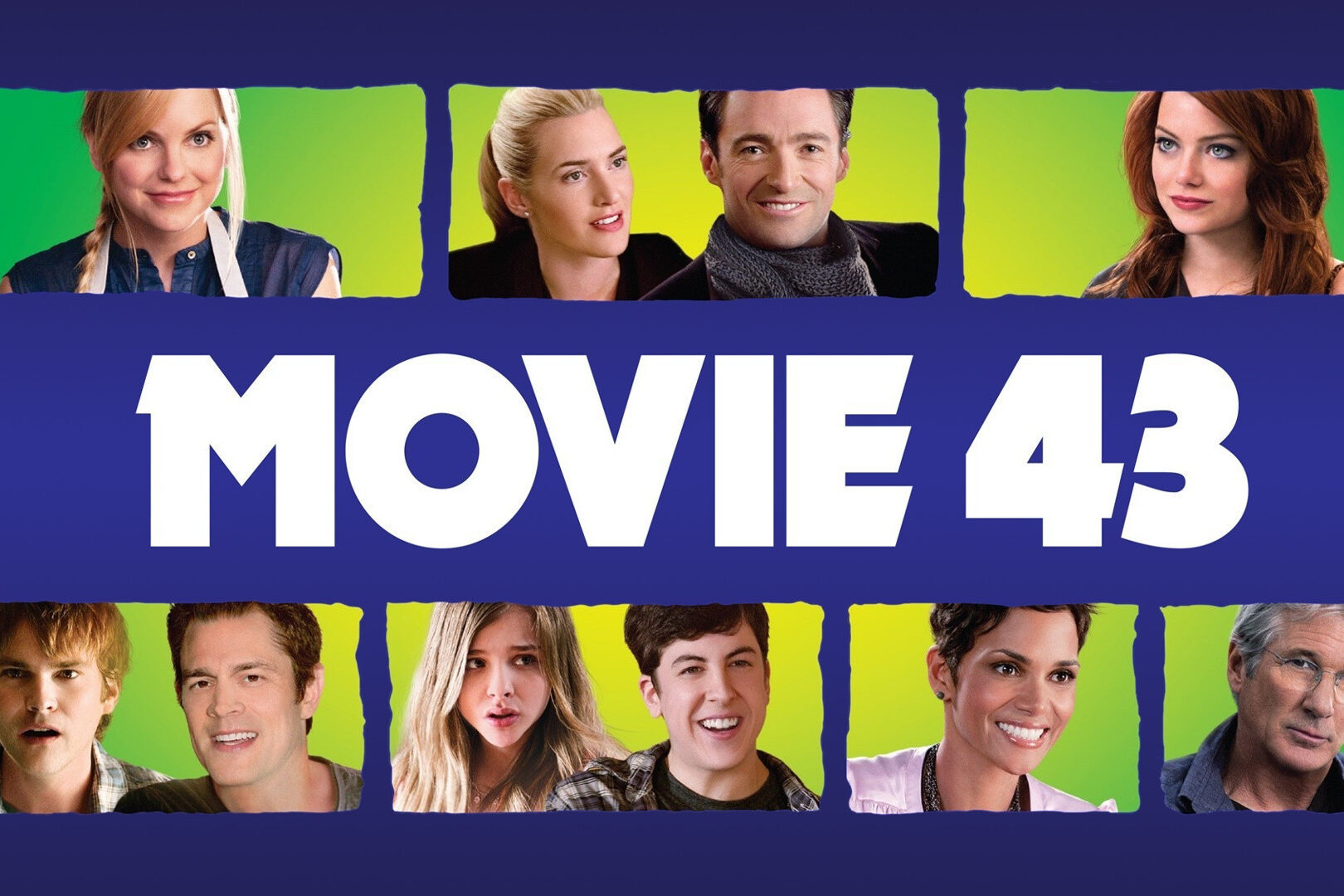
Movie 43 closed the door on expectations with a collection of uneven sketches. With so many recognizable faces, curiosity was high. What followed felt disjointed and exhausting. Audiences struggled to understand the purpose, and interest faded fast. Looking back, it quietly brings this list full circle. Not every experiment works, and that is part of storytelling. Movie 43 reminds viewers that even misfires teach something. They show what audiences value, what they reject, and why connection always matters.
31. John Carter
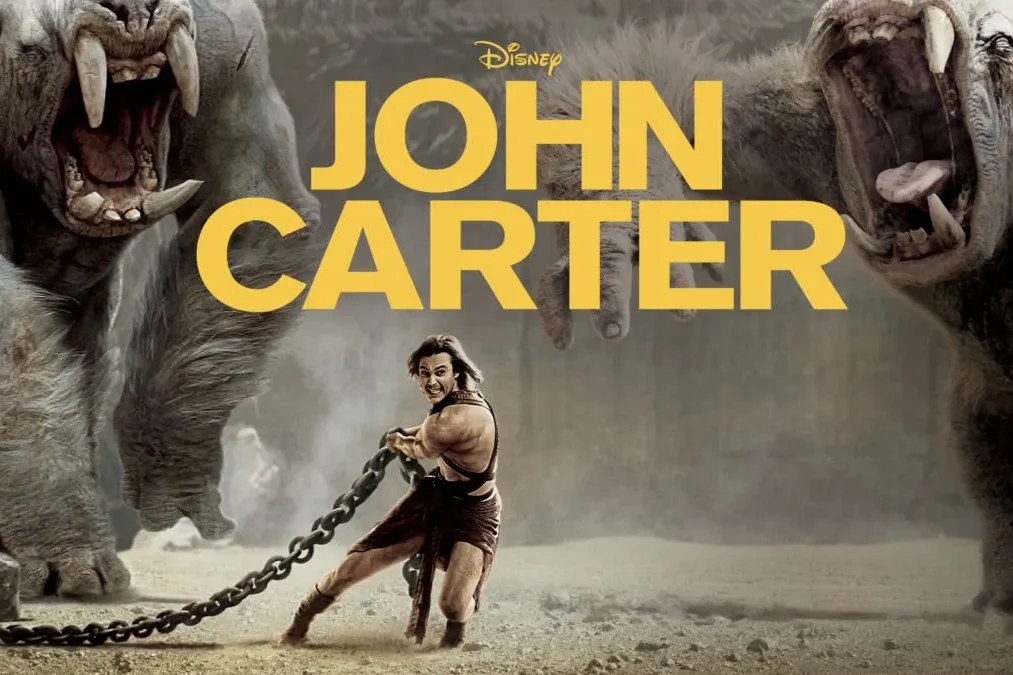
John Carter is one of those movies that makes people pause and ask how it went so wrong. It had a huge budget, big effects, and a classic adventure foundation, but the title and marketing left audiences confused about what it even was. Once it released, word spread that the story felt generic despite its scale. Many viewers skipped it, and the financial loss became the headline. What makes John Carter important for this list is how big the fallout was. It did not just disappoint critics and audiences; it shook confidence inside the studio. Today, it is remembered as a modern example of how even major companies can misjudge a release.


