
1. Knowing Cats A Little Better

Sometimes when we live with cats it feels like they quietly carry stories we are always trying to understand. Vets wish more people slowed down and noticed the tiny signals that show how cats feel. Gentle routines, clean spaces, patience and soft voices help them feel safe and open. When we watch closely, caring becomes less guessing and more understanding. That awareness shapes every moment we share and builds a quieter bond that lasts. Over time we begin to see their trust grow in simple, steady ways that make daily life feel warmer for both of us every single day.
2. Dental Care Really Matters
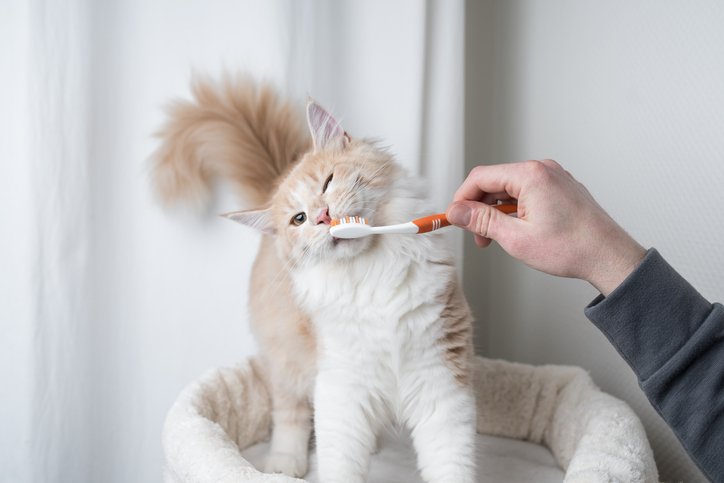
Many cats quietly develop mouth problems while still acting normal, and discomfort builds slowly without obvious signs. Tender gums, plaque and reluctant chewing can make daily life harder. Watching for bad breath, drooling, pawing at the face or avoiding certain foods helps us notice sooner. Gentle checks and timely care prevent pain before it grows. Supporting their teeth is not only about health. It is steady kindness that protects comfort, appetite, energy and the easy joy that should come from eating. When mouths stay healthy, cats relax more, play more and share quieter moments that feel peaceful in our homes.
3. Keeping Weight Under Control

A fluffy round cat may look cute, but extra weight makes movement harder and slowly stresses the body. Careful portions, fewer random treats and more playful activity protect joints, heart and energy. Choosing balance instead of overfeeding gives easier days and steadier moods. Healthy weight is not punishment or denial. It is thoughtful care that supports breathing, comfort, flexibility and long term health. When we pay attention kindly, we help them live lighter, move freely and stay with us longer. Small decisions each day add up and quietly shape a future that feels happier, safer and more comfortable together always.
4. Cats Often Hide Their Pain

Cats are very good at hiding pain, often acting normal while something quietly bothers them. They may jump less, groom differently or spend more time alone. Sometimes the only clue is a change in mood or routine. Because they try to appear strong, problems can go unseen longer than they should. When we notice shifts and ask for help early, treatment is easier and recovery feels gentler. Listening closely protects their comfort and honors how bravely they cope. With patient awareness we give them relief sooner and create a home where they feel safe trusting us with their needs daily.
5. Routine Vet Visits Truly Matter

Even when a cat looks healthy quiet problems can develop where we cannot see. Routine visits give the vet a chance to notice small changes early. They help your cat feel familiar with gentle handling and calm spaces. Prevention is easier cheaper and kinder than waiting until something becomes serious. Regular checkups also give you guidance on food behavior and comfort as your cat grows. When visits are part of normal life stress lowers and trust grows. Consistent care builds a safety net that supports longer easier years together filled with peace comfort curiosity and steady companionship for you both.
6. Indoor Cats Still Need Care
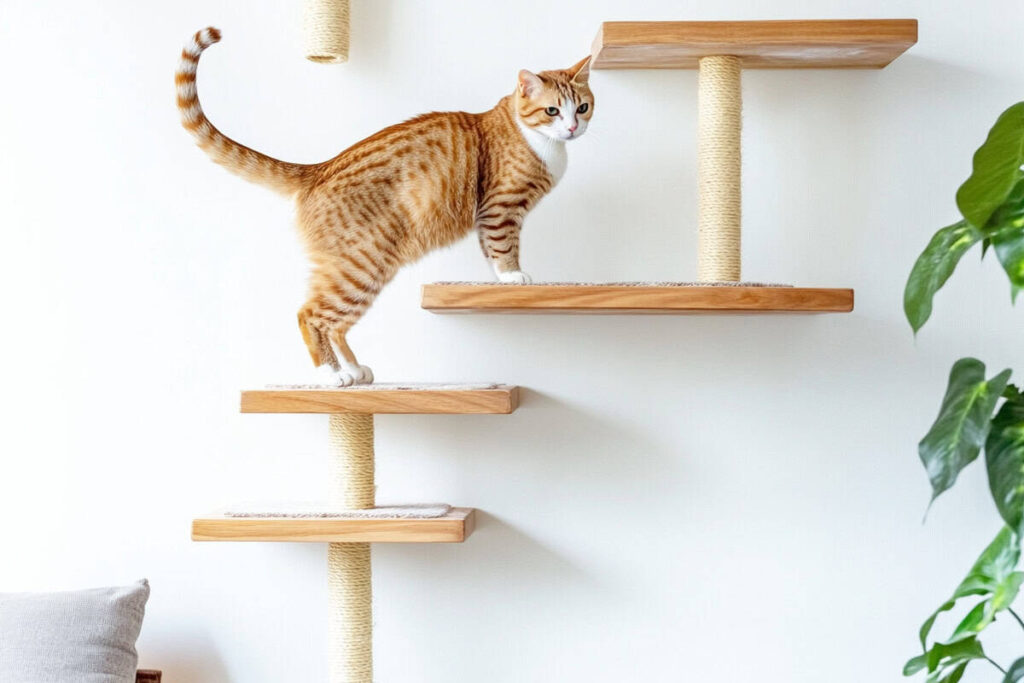
Indoor cats may seem fully protected yet they still need thoughtful care. Life inside can bring boredom stress weight gain and hidden health issues. Enrichment climbing places sunlight spots and gentle play keep bodies active and minds curious. Clean litter areas and fresh water build comfort. Regular conversations with your vet help guide food choices and routines. When we treat indoor life as a living environment instead of a cage cats feel safer and more fulfilled. Quiet stimulation patience and love turn ordinary rooms into spaces where confidence grows behavior improves and daily moments feel peaceful for everyone at home.
7. Scratching Is Natural

Scratching belongs to cats the way stretching belongs to people. It helps maintain claws exercise muscles and mark territory with scent. When we scold or punish scratching fear and confusion often follow. Providing sturdy posts cardboard pads and different textures lets them choose better places. Rewarding calm redirection teaches gently. Trimming claws regularly can also protect furniture without denying natural instincts. When scratching has safe outlets cats relax more homes stay calmer and relationships grow steadier. Respecting this simple need shows we understand who they are and want to live alongside them with patience kindness comfort and quiet cooperation daily.
8. Play Keeps Cats Balanced

Play gives cats a meaningful way to release energy and explore their world. Short sessions that mimic stalking chasing and catching support both body and mind. Regular play reduces boredom anxiety and destructive habits while building confidence. Simple toys moving strings paper balls and puzzle feeders can all help. When we join the game gently we become part of their rhythm. Play turns into communication and communication strengthens trust. Over time those shared minutes shape behavior improve sleep and create happier routines. Making time to play each day keeps life balanced light and connected for cats and people alike everywhere.
9. Behavior Changes Mean Something

When a cat suddenly acts different the shift almost always means something important. Hiding more refusing food avoiding touch or becoming clingy can signal stress or illness. Instead of assuming moodiness watch patterns and timing carefully. Small notes help you remember what changed and when. Reaching out for guidance early often prevents bigger problems later. Behavior is the clearest language many cats have. When we treat it seriously and listen with patience we protect their comfort and safety. Paying attention becomes an everyday act of care that builds trust and deepens the gentle connection we share with them each day.
10. A Clean Litter Space Matters
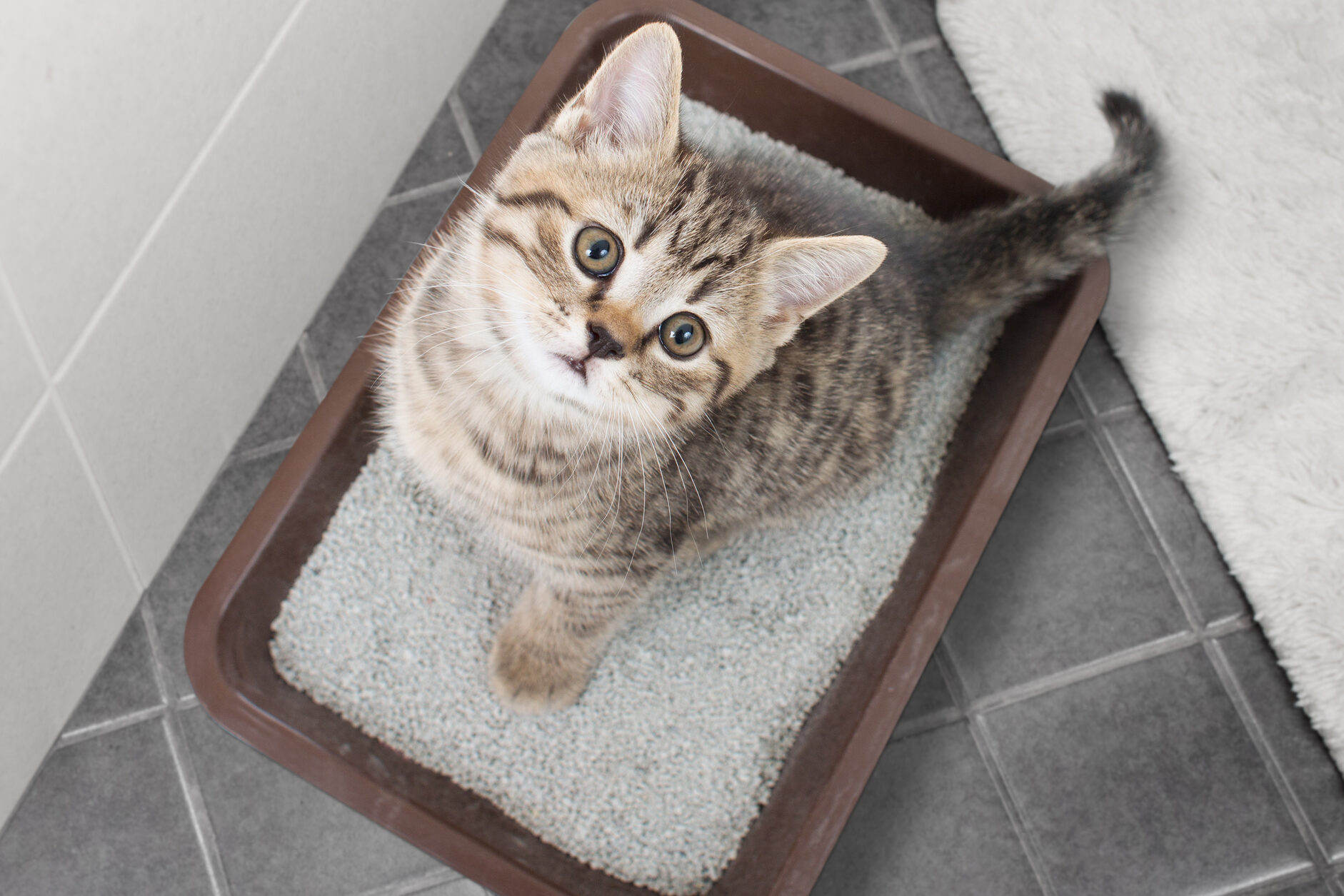
A clean quiet litter area makes cats feel respected and secure. When boxes are crowded dirty or placed in noisy spots accidents and stress become more likely. Scooping daily offering enough boxes and choosing soft litter helps them relax. Privacy and calm surroundings allow their bodies to work naturally. Clean spaces also make it easier to notice unusual changes early. When the bathroom setup is thoughtful cats feel more at ease homes smell fresher and routines stay peaceful. Something so simple becomes a steady act of care that supports health comfort confidence and trust every single day together for us.
11. Water Really Matters

Cats often drink less water than they truly need so gentle encouragement helps. Fresh bowls in quiet spots clean fountains and moist foods can support steady hydration. Good water intake protects kidneys digestion joints and energy. It also keeps skin supple and helps the body flush waste smoothly. Small daily choices build healthier habits over time. Offering water during play or after meals reminds them it is available. Hydration may seem simple yet it quietly influences almost everything inside their bodies and minds. When we notice bowls often and refresh them with care cats feel supported and drink with comfort.
12. Gentle Handling Builds Trust

Cats remember how we handle them and memories shape trust. Rough grabbing chasing or forcing contact can create fear that lingers. Slow movements soft voices and patient timing invite closeness instead. Letting them choose when to come near builds confidence. Over time everyday moments like grooming trimming and lifting become easier. Respectful handling turns care into connection. When cats know hands feel safe they relax more explore freely and stay nearby by choice. Kindness becomes the language they expect and life together grows calmer sweeter and more secure in ways that quietly support both heart and home every single day.
13. Stress Can Affect Health

Change can unsettle cats more than we realize even when it seems small to us. Loud sounds new furniture visitors or schedule shifts can create quiet tension. Stress may appear as hiding restless pacing over grooming or sudden irritability. Creating predictable routines safe resting spots and gentle reassurance helps them settle. Play and calm voices lower worry. When we notice stress early we can soften the environment and support healthier bodies and minds. Peaceful homes encourage peaceful behavior and everyone feels more at ease. With patient awareness tension fades and trust slowly returns bringing lighter moods and easier days again.
14. Aging Brings New Needs

Older cats still carry dignity but their needs shift gently with time. Softer bedding warmer spots and easier access to food and boxes make life kinder. Regular checkups help spot issues early. Paying attention to changes in sleep appetite and movement guides loving support. Offering patience instead of pressure lets seniors stay confident. Their pace may slow yet their desire for comfort and connection remains strong. When we care thoughtfully aging becomes another season we share filled with respect softness gratitude and quiet moments that remind us how long we have walked together through every ordinary day we still grow.
15. Understanding Deepens The Bond

When we truly learn a cat’s language everything changes. Slower movements careful observation and gentle responses show them they are safe. Over time trust deepens and daily life becomes calmer. Understanding makes grooming travel and vet visits easier. It also helps us notice small health changes sooner. The bond grows stronger because it is built on respect instead of control. Living with a cat becomes a shared rhythm quiet warm and steady. In learning to understand them we also learn patience softness and gratitude for the quiet companionship that fills our homes and keeps our hearts gently connected through time.
16. Belly Rubs Are Not Always Welcome
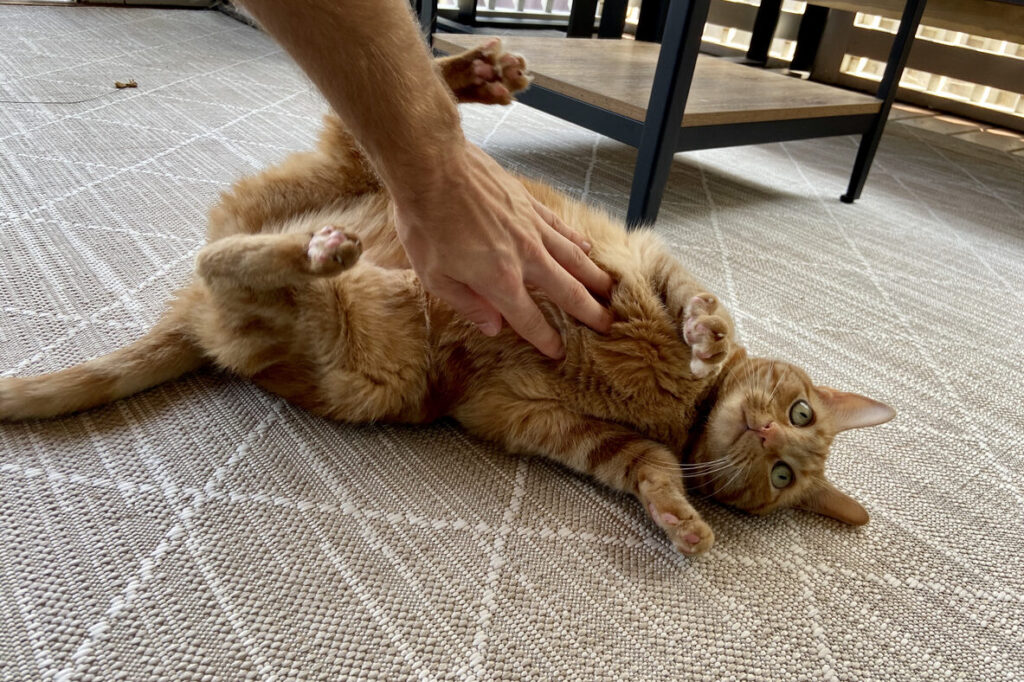
Many cats roll onto their backs because they feel relaxed and safe, not because they want their bellies touched. That soft stomach is one of the most protected places on their bodies. When hands reach there suddenly, it can feel scary or overstimulating. Watching their eyes, whiskers and paws helps you read the moment better. Respecting boundaries builds trust. Offering chin scratches or gentle head strokes instead keeps the mood calm. When cats know we listen to their signals, they relax more freely around us and choose moments of closeness with confidence, comfort and simple honest connection every single day.
17. Purring Is Not Always Happiness

Purring often feels like a clear sign of joy, but sometimes it means something else. Cats may purr when they are worried, unwell or trying to soothe themselves. It can be their way of calming their bodies while they deal with discomfort. Watching the whole picture tells the real story. Quiet behavior shifts, tense muscles or hiding may reveal more than the sound itself. When we pay attention gently, we respond with care instead of assumptions. Understanding purring as communication, not just happiness, helps us support comfort, reassurance and safety whenever our cats quietly ask for help in their own language.
18. Grooming Tells Important Stories

Cats groom to stay clean, comfortable and calm. When grooming seems normal, it often means they feel secure. But when it becomes too frequent or stops almost completely, it can signal pain, stress or sickness. Mats, fur loss or greasy patches are small clues that something has changed. Giving them quiet space, soft brushes and patient handling helps. If changes continue, paying attention protects their comfort. Grooming becomes more than tidiness. It is a gentle message from their body. When we listen with care, we catch small problems sooner and create homes where feeling safe and healthy comes naturally.
19. Overgrooming Can Signal Stress
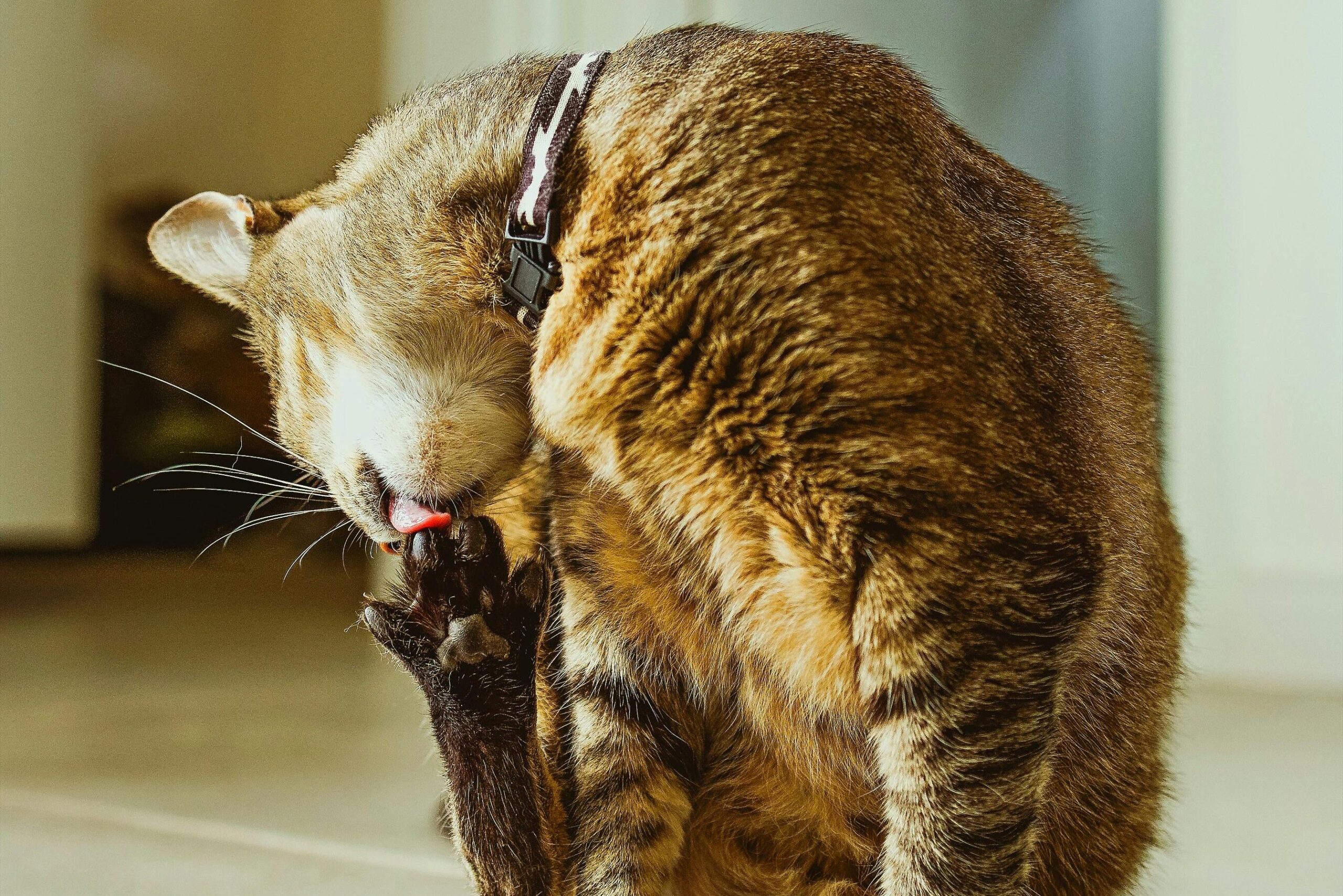
Some cats lick themselves so much that bald spots begin forming quietly over time. It can start as simple self soothing, but stress, boredom or discomfort may sit underneath. Instead of scolding, noticing where they lick and when it happens matters more. Adding enrichment, routine and peaceful spaces often lowers tension. Gentle reassurance helps them settle. When licking continues, guidance can uncover deeper reasons. Overgrooming is not about vanity. It is communication. Seeing it as a message rather than misbehavior helps protect emotional balance and physical comfort, turning worry into understanding and creating calmer daily moments that feel peaceful again.
20. Sudden Silence Deserves Attention

A talkative cat that becomes quiet overnight or a playful cat that suddenly withdraws is trying to say something. Silence can carry stress, fear, confusion or pain. Changes in sleep spots, eating habits or social time also tell small stories. When we notice and respond kindly, we show that their feelings matter. Gentle observation, patience and curiosity guide our choices. Silence becomes a signal instead of a mystery. Paying attention to quiet moments strengthens connection and helps catch problems early. Understanding shifts in personality creates a life where our cats feel safe speaking in their softest ways without worry.
21. Some Breeds Need Special Care

Different cats carry different needs. Some have thicker coats that mat easily. Others have flatter faces that breathe differently. Still others need more movement or mental challenge to stay balanced. Learning the natural tendencies of your cat’s body and temperament helps guide everyday care. It is not about worrying constantly. It is about awareness. When we understand what makes them unique, we prepare gently instead of reacting in fear later. Special care becomes thoughtful routine. That understanding creates comfort, confidence and deeper appreciation for the beautiful differences that make each cat feel individual, cherished and seen for who they are.
22. Safe Spaces Help Cats Feel Secure

Cats need places where they can retreat quietly and feel unseen for a while. A cozy corner, soft blanket or quiet shelf gives emotional safety. When life becomes noisy, that hidden space becomes steady comfort. Respecting those hideaway moments shows trust. Calling them constantly or chasing them away creates worry. Allowing quiet time lets them reset. Over time they return on their own with more confidence. Safe spaces do not spoil cats. They soothe them. Creating quiet corners in your home gently supports calm hearts and balanced behavior, turning everyday living into something peaceful, predictable, welcoming and kind.
23. Carriers Should Feel Familiar

Carriers often appear only when something stressful happens, so many cats learn to fear them. Leaving the carrier open at home with blankets and treats turns it into a cozy place instead of a trap. Letting your cat explore freely and rest inside builds comfort. When travel time arrives, the space already smells like home. Familiarity lowers worry. Moving slowly, speaking softly and staying patient through each step helps even more. Carriers are not punishment. They are safe travel rooms. When we teach that gently, trips feel calmer and every journey becomes less frightening and more manageable for everyone.
24. Gentle Preparation Makes Travel Easier

Travel feels strange for cats because territory means safety. New smells, strange sounds and movement create uncertainty. Preparing early helps. Letting them explore the carrier at home, practicing short calm rides and bringing familiar blankets all reduce tension. Planning ahead keeps the experience steady. Speaking softly and moving slowly matter more than we realize. When travel becomes predictable it becomes less scary. With thoughtful preparation, even nervous cats learn that trips end safely and home waits at the other side. Trust grows quietly each time, building confidence and turning journeys into experiences they can handle without fear or confusion.
25. Slow Introductions Prevent Conflict

Meeting new animals or people too quickly can overwhelm cats. Slow steps protect everyone. Allowing scent swapping first, then brief sight visits, then short supervised time builds comfort. Rushing leads to fear, tension and fights that take longer to heal. Patience sets the tone. When introductions respect their pace, confidence replaces panic. Relationships begin with curiosity instead of threat. Slow beginnings create peaceful futures. Teaching patience at the start leads to quieter homes, friendlier interactions and bonds that feel steady, natural and secure for every creature sharing the same loving space day after day with simple understanding.
26. Routine Brings Comfort

Cats find peace in repetition. Predictable feeding times, regular play sessions and calm evenings help them feel safe. Sudden changes can create quiet worry. Routine does not mean rigidity. It means steady rhythms they can count on. When days follow a gentle pattern, bodies relax and behavior settles. Even small anchors like using the same words at mealtime offer reassurance. Routine becomes emotional safety. With consistency, cats grow more confident, explore more freely and trust their surroundings. That trust leads to smoother days and more comfortable nights for everyone who shares the same home and peaceful everyday moments.
27. Quiet Voices Calm Anxious Cats

The tone we use matters more than we realize. Loud corrections or sudden shouting make cats tense and confused. Soft voices signal safety. Talking gently, moving slowly and offering calm presence help anxious bodies unwind. Quiet communication invites closeness instead of resistance. Over time, cats begin seeking reassurance when they feel unsure. They learn that our presence brings peace. Using quiet voices does not spoil behavior. It shapes trust. With softer communication, households feel lighter, misunderstandings fade and emotional connection deepens in quiet ways that help both people and cats feel steady supported and safe in shared spaces.
28. Respecting Boundaries Builds Confidence

Every cat has limits about touch, sound and closeness. When we push too far they feel trapped. Allowing space shows respect. Approaching slowly, letting them sniff, waiting for them to choose contact creates emotional safety. Boundaries are not rejection. They are communication. When cats feel heard, they relax more and often return on their own. Respect turns fear into comfort. Confidence grows. Over time, relationships become smoother because they are built on choice rather than pressure. Honoring boundaries teaches trust and makes every interaction softer calmer and more meaningful for both hearts sharing daily life together in gentle harmony.
29. Little Changes Can Mean A Lot

Small shifts often tell bigger stories. Drinking more, sleeping differently, climbing less or suddenly staying still may seem minor. Yet tiny patterns can reveal early clues that something is changing inside. Paying attention without panic allows careful responses. Writing notes, watching calmly and staying aware turns small details into helpful signs. Little changes invite curiosity rather than fear. When we treat them seriously but gently, support arrives sooner. That quiet awareness often protects comfort, health and peace. Listening to the small things shows love in simple practical ways that make everyday life safer and more thoughtful together.
30. Knowing Them Well Protects Their Future

Over time we begin to understand our cats like familiar music. Their habits, moods and rhythms become part of our days. That awareness helps us notice when something shifts. Knowing them deeply means responding with kindness instead of guessing in the dark. Understanding becomes quiet protection. It prevents problems, softens stress and strengthens connection. Caring grows into partnership. In learning their language, we give them safer homes, calmer hearts and longer happier lives. That is the gentle gift of paying attention and choosing love in small ordinary moments that slowly shape the way we walk through life together always.


