
1. The Night Everything Quietly Changed

For most people on board Flight MH370, March 8, 2014 likely began with small routines, sleepy goodbyes, and the simple expectation of arriving somewhere familiar, and that ordinary beginning is what makes this story linger so deeply years later. The plane took off from Kuala Lumpur bound for Beijing, carrying 239 passengers and crew who had no reason to think history would remember their flight. Shortly after takeoff, the aircraft made a calm radio sign off and then slipped into silence, disappearing from air traffic control screens without distress or warning. That moment quietly shifted the flight from routine travel into a global mystery that would pull families, investigators, and everyday readers into a long search for understanding. What unsettled people most was not just that the plane vanished, but that it did so without chaos or noise, as if it gently stepped out of sight. That stillness became the beginning of questions that have never fully settled, only softened with time.
2. When Radar Lost Its Grip

After the final radio message, Flight MH370 vanished from civilian radar, an event that immediately raised alarms but offered no explanation. In modern aviation, radar loss alone does not usually mean catastrophe, yet in this case it marked the start of a baffling trail. Military radar later suggested the aircraft changed direction, turning away from its planned route and crossing back over land before heading toward open ocean. This unexpected movement deepened confusion and reshaped the investigation almost overnight. Instead of searching along a straight flight path, authorities were forced to consider intentional deviation without knowing who controlled it or why. For observers, this detail felt unsettling because it implied decision making rather than accident. The idea that the plane was still flying, silently and deliberately, shifted the conversation from mechanical failure to human uncertainty. Each new radar detail answered one question while opening several more, making the disappearance feel less like a sudden loss and more like a slow retreat into the unknown.
3. A Flight That Kept Going

One of the most haunting elements of the MH370 story is the realization that the aircraft likely remained airborne for hours after disappearing from radar. Satellite signals exchanged between the plane and orbiting systems suggested steady movement long after communication stopped. This meant the flight did not end quickly but continued across vast stretches of ocean, unseen and unheard. For families, this detail carried heavy emotional weight because it stretched the timeline of uncertainty. Instead of a single tragic moment, there was a long window filled with unknowable experiences. For investigators, it shifted focus toward endurance and fuel calculations rather than impact analysis. The idea of a plane flying quietly until fuel exhaustion challenged assumptions about emergencies and response systems. It also reframed the disappearance as something gradual rather than abrupt. That long flight path became a symbol of unanswered time, hours that existed without record, explanation, or witness, lingering in the background of every theory that followed.
4. Searching Where Answers Were Not
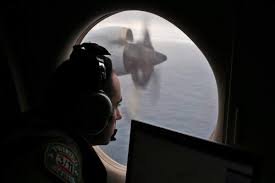
In the earliest days after the disappearance, search efforts focused on the South China Sea, the last known location based on civilian radar. Aircraft and ships scanned the area expecting to find debris, oil slicks, or signals of distress. Nothing appeared. Days passed, then weeks, and the absence of evidence slowly forced authorities to confront the possibility that the search area was wrong. This realization was difficult, not because mistakes were made, but because information was limited and decisions had to be taken quickly. As the search zone shifted thousands of miles away, time and ocean currents became silent obstacles. For families watching the effort unfold, each empty search felt like hope being carefully folded away. The early misdirection was not failure but it shaped the story by showing how fragile certainty can be in complex systems. It reminded the world that even with advanced technology, the truth does not always reveal itself where we expect it to be.
5. The Ocean That Would Not Speak
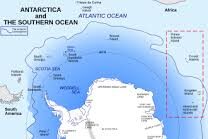
When investigators turned their attention to the southern Indian Ocean, they faced one of the most remote and hostile environments on Earth. The ocean floor there is rugged, deep, and poorly mapped, making search operations slow and uncertain. Ships dragged sonar equipment across vast underwater landscapes while aircraft scanned endless waves from above. Despite years of effort and international cooperation, the ocean offered little in return. No main wreckage field emerged, only silence beneath the surface. This refusal to give up answers turned the sea itself into part of the mystery. It became clear that the challenge was not just finding the aircraft, but navigating the limits of human reach. The scale of the search highlighted how small even the most advanced technology can feel against nature. For many observers, the ocean’s quiet resistance added a solemn tone to the story, as if some places are simply unwilling to give back what they take.
6. Fragments Without a Story

When debris believed to be from MH370 began washing ashore years later, it brought confirmation without clarity. Pieces of the aircraft were identified along distant coastlines, quietly proving that the plane ended in the ocean, yet offering no insight into how or where it met its fate. Each fragment felt like a partial sentence torn from a larger story. For families, these discoveries stirred mixed emotions, relief that evidence existed, and frustration that it did not lead to resolution. For investigators, the debris supported ocean drift models but failed to narrow the search enough to justify new operations at the time. The fragments showed that the truth was scattered, literally and figuratively. Instead of answers, they delivered reminders of how incomplete the picture remained. These pieces became symbols of proximity without understanding, proof without explanation, and closure that hovered just out of reach.
7. Living With No Ending

For the families of those on board, the disappearance of MH370 created a unique kind of grief that never fully settled. Without confirmed cause or recovered remains, loss remained open ended. Some families held onto hope for years, while others tried to move forward without answers, each coping in their own way. Daily life continued, but always with an unresolved question sitting quietly in the background. Anniversaries passed without traditional rituals, and decisions that usually follow loss were delayed or avoided altogether. This prolonged uncertainty reshaped how grief was experienced, turning it into something ongoing rather than finite. The absence of an ending made memory heavier and healing slower. While investigations focused on technical details, families lived with emotional gaps that no report could fill. Their endurance became one of the most human aspects of the story, reminding the world that unanswered questions do not fade, they simply become part of how people learn to live.
8. The Weight of Public Theories

As official answers remained elusive, public theories filled the silence. Discussions shifted across media platforms, blending technical analysis with speculation, often blurring the line between curiosity and assumption. Theories ranged widely, each offering a sense of certainty that facts could not yet provide. For many observers, choosing a theory felt easier than sitting with uncertainty. Yet this wave of speculation sometimes overlooked the human cost, particularly for families who had to hear endless explanations attached to their loved ones. The lack of definitive conclusions allowed imagination to run freely, reshaping the narrative again and again. While debate kept the story alive, it also risked distorting it. The focus slowly drifted from understanding what happened to arguing over what seemed most believable. This phase revealed something deeper about human nature, our discomfort with not knowing, and our tendency to seek closure even when the truth refuses to arrive on schedule.
9. The Focus on the Cockpit
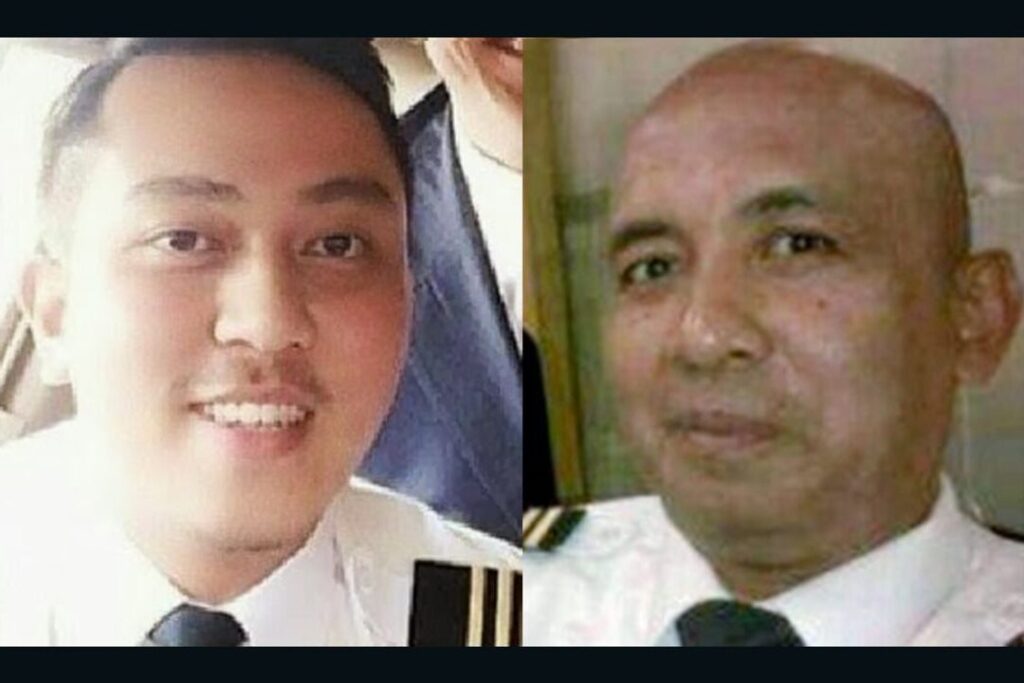
Attention eventually turned toward the flight crew, not out of accusation but because investigators must examine every possibility when answers are scarce. The captain and first officer were experienced, familiar with the aircraft, and cleared through standard background reviews, which made the lack of clear motive difficult to process. Public discussion often drifted into personal territory, even when official findings offered no evidence of wrongdoing. This created a quiet tension between investigation and speculation, one that families felt deeply. Looking closely at human behavior is necessary in aviation inquiries, yet it also carries emotional weight when conclusions remain open. The focus on the cockpit reflected how people search for intent when systems fail to explain events. Rather than providing closure, this attention highlighted how little was truly known. The absence of proof forced many to confront an uncomfortable truth that sometimes questions linger not because of secrecy, but because evidence.
10. When Machines Became the Question

As investigators weighed human factors, attention also returned to the aircraft itself and whether a technical failure could explain the disappearance. Modern commercial planes are built with layers of redundancy, making a total systems collapse rare but not impossible. Scenarios involving electrical failure, cabin depressurization, or cascading malfunctions were discussed carefully over time. Each idea offered partial explanations but failed to account for every known detail. This gap between possibility and probability kept mechanical theories in a holding pattern. For many readers, these discussions highlighted how complex aviation systems truly are, and how difficult it can be to recreate events without physical evidence. The aircraft became a puzzle missing its central piece. Rather than pointing to a single flaw, the debate revealed how multiple small failures could align without leaving a clear trail. In the end, technical explanations remained plausible but incomplete, adding another layer of uncertainty to an story.
11. How Memory Took Over
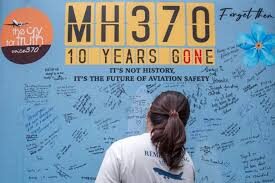
As public attention faded, MH370 settled into a quieter place in collective memory, resurfacing only when new information emerged. Documentaries, articles, and conversations revisited the disappearance with calmer voices and fewer assumptions. Time softened outrage but sharpened reflection. People no longer asked only what happened, but why the mystery still resonated. The story endured because it resisted resolution, inviting contemplation rather than conclusion. Each retelling adjusted tone, moving from urgency to understanding. This shift allowed space for empathy instead of speculation. Remembering MH370 became less about solving a puzzle and more about honoring uncertainty. The absence of final answers gave the story longevity. It lived on not as breaking news, but as a quiet reminder of limits. In a world accustomed to instant clarity, MH370 stood apart. Its persistence showed that some events remain meaningful simply because they challenge our expectations of closure and control over time together as humans.
12. A Story That Still Stays
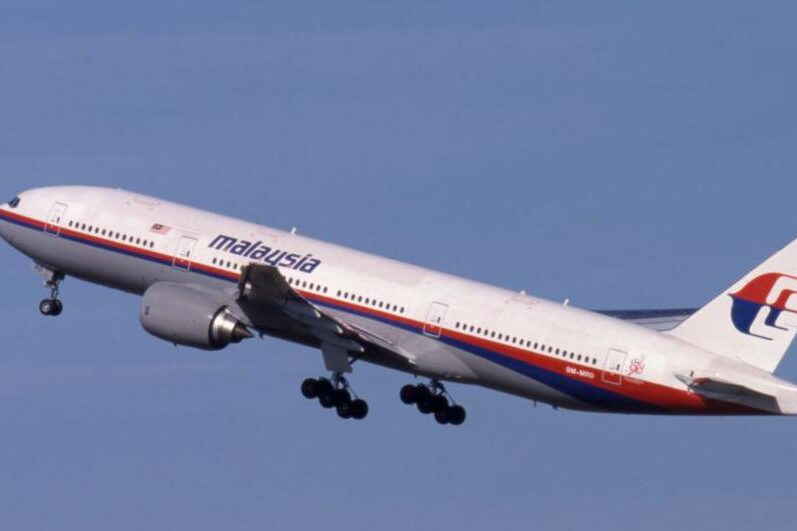
More than a decade later, Flight MH370 remains unresolved, yet its story continues to matter in quieter ways. The absence of final answers has not erased memory, only reshaped it. What endures is a collective commitment to remembering the people on board and the questions they left behind. The search for truth may pause, restart, or change form, but it does not disappear. In time, the mystery has become less about solving and more about honoring effort, patience, and care. This gentle persistence reflects how people carry unfinished stories forward. By staying curious and informed, readers keep space open for understanding, even without certainty. MH370 reminds us that attention itself has value.


