
Amy Bradley Vanished Aboard the Rhapsody of the Seas
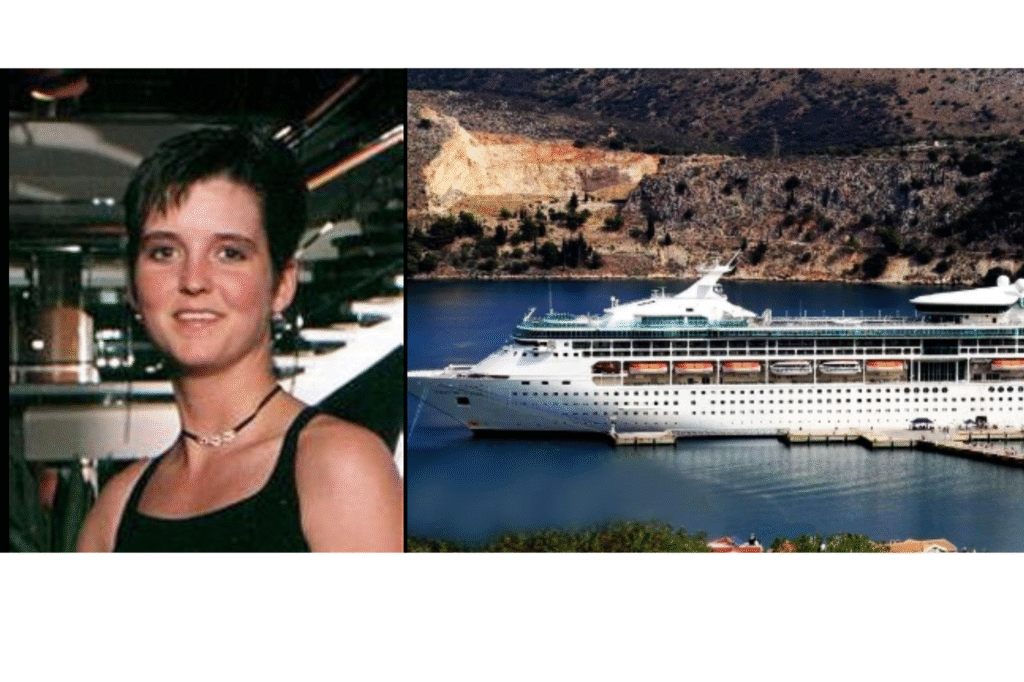
What began as a carefree family vacation in the Caribbean turned into a decades-long search filled with unanswered questions, haunting sightings, and lingering hope. Amy Lynn Bradley was a 23-year-old college graduate traveling with her parents and younger brother aboard Royal Caribbean’s Rhapsody of the Seas in March 1998. The cruise was nearing its end and had docked in Curaçao when Amy was discovered missing. She had been seen asleep on the family cabin balcony in the early morning hours after a night of dancing. When her father checked a short time later, she was gone. There was no sign of struggle, and her shoes and cigarettes were still in the cabin. The ship was searched before passengers disembarked, but no trace of Amy was found, marking the beginning of an enduring maritime mystery.
The Timeline Leaves Only a Narrow Window

Investigators believe Amy vanished sometime between approximately 5:30 a.m. and 6:00 a.m., creating a very narrow window for what could have happened. Her father reported seeing her asleep on the balcony shortly before sunrise, and by the time the family awoke later that morning, she was gone. During this period, the ship was still docked in Curaçao, meaning passengers and crew had potential access on and off the vessel. This tight timeline has fueled theories ranging from an accidental fall to intentional foul play. The absence of witnesses during this critical window remains one of the most troubling aspects of the case.
Initial Assumptions Focused on an Accidental Fall
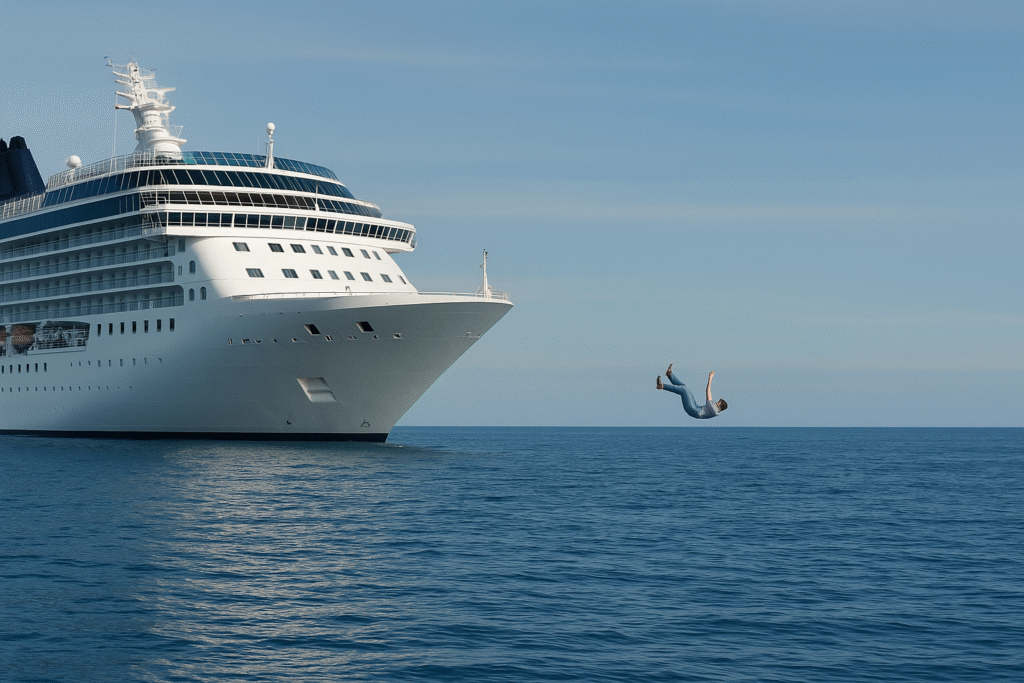
Early on, cruise officials suggested Amy may have fallen overboard, a conclusion her family strongly disputed. Amy was an experienced swimmer, and no body was ever recovered despite extensive sea and shoreline searches. The balcony railings were high and designed to prevent accidental falls, making such a scenario unlikely without deliberate action. Additionally, her personal belongings remained untouched in the cabin, which did not align with someone planning to leave voluntarily. These inconsistencies led the family to push for broader investigations, arguing that the fall theory prematurely limited the search and overlooked other credible possibilities.
Witnesses Reported Seeing Amy After Her Disappearance

Several witnesses later came forward claiming they saw Amy in Curaçao after she was reported missing. Two Canadian tourists stated they encountered a woman matching Amy’s description on a beach, noting her distinctive tattoos and distressed demeanor. Other accounts placed her in public areas accompanied by men, raising alarm about possible coercion. While none of these sightings were conclusively verified, they were specific enough to keep investigators and the family hopeful that Amy had left the ship alive. These reports significantly shaped the theory that her disappearance involved human trafficking rather than an accident at sea.
A Band Member Became a Key Person of Interest

Attention eventually turned to a member of the ship’s band who had interacted with Amy during the cruise. Witnesses recalled seeing them dancing together the night before she vanished, and he was reportedly one of the last people seen with her. The man denied involvement and was questioned, but no charges were ever filed. Still, the connection raised questions about crew access, oversight, and accountability aboard large cruise ships. For the Bradley family, this unresolved lead remains a painful reminder that potential answers may lie with individuals who were never fully scrutinized under criminal standards.
A Disturbing Sighting Was Reported Years Later

In 1999, a U.S. Navy sailor reported meeting a woman in a Caribbean brothel who claimed her name was Amy Bradley. According to his account, she said she was being held against her will and begged for help. The sailor did not report the encounter immediately, and when authorities later investigated, they could not locate the woman. While the story could not be verified, it deeply impacted the case due to its specificity and emotional detail. For Amy’s family, this account reinforced fears that she may have been trafficked and prevented from returning home.
The FBI and International Agencies Remain Involved

Amy Bradley’s case is not cold or closed. The FBI officially classifies her disappearance as a missing person investigation and continues to seek credible leads. Age-progressed images have been released to show what Amy might look like today, and her case has been shared internationally through law enforcement networks. The Bradley family has worked tirelessly to keep her story visible, collaborating with advocacy groups and media outlets. Despite the passage of time, authorities acknowledge that new information or witnesses could still emerge, making continued public awareness a critical part of the investigation.
The Case Changed How Cruise Ship Disappearances Are Viewed
Amy Bradley’s disappearance helped expose serious gaps in cruise ship security and investigative procedures during the late 1990s. At the time, ships had limited surveillance, inconsistent reporting standards, and unclear jurisdiction at sea. Her case, along with others, contributed to increased scrutiny and later reforms, including improved onboard monitoring and missing-person protocols. While these changes came too late to help Amy, her story has played a role in raising awareness about passenger safety. It also serves as a lasting reminder that disappearances at sea deserve the same urgency and transparency as those on land.
The Family’s Relentless Search Has Spanned Decades
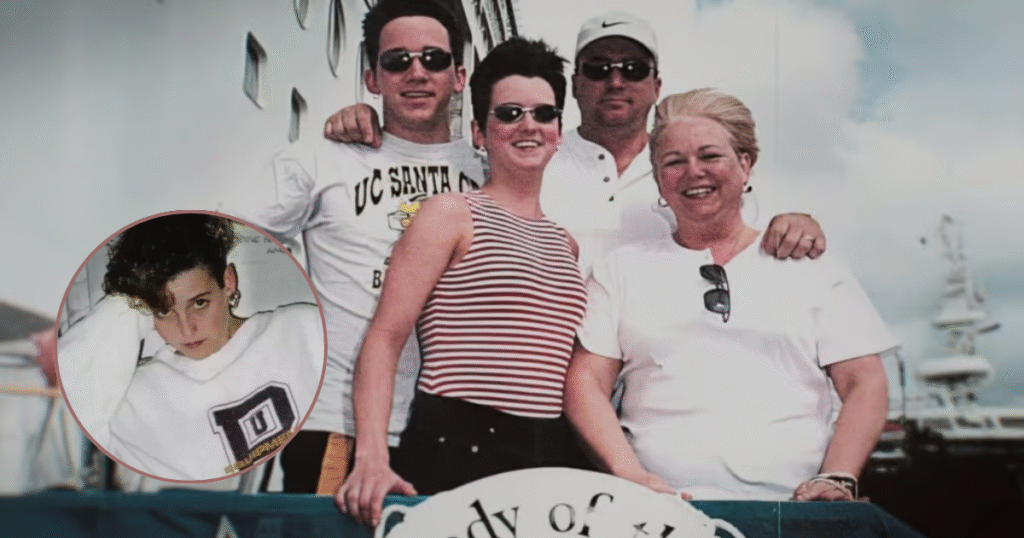
Since Amy’s disappearance, her parents, Ron and Iva Bradley, have dedicated their lives to finding answers. They have followed up on tips from around the world, worked with private investigators, and funded age-progression images to show how Amy might look as she grows older. The family has also appeared in numerous documentaries, television specials, and news interviews to keep her case in the public eye. They have consistently rejected theories that dismiss her disappearance as accidental, pointing instead to evidence that suggests she may still be alive. Their determination has kept pressure on authorities and ensured that Amy’s name has never faded from public memory.
The Mystery Endures Because No Theory Fully Explains It

What makes Amy Bradley’s case so haunting is that no single explanation accounts for all the facts. An accidental fall does not align with her swimming ability or the lack of physical evidence. Voluntary disappearance conflicts with her close family ties and belongings left behind. Witness sightings suggest survival, yet none have been conclusively proven. Each theory answers some questions while creating new ones, leaving investigators and the public caught between hope and uncertainty. More than two decades later, the case remains active precisely because it resists closure. Until definitive evidence emerges, Amy Bradley’s fate remains one of the most enduring mysteries at sea.
Her case continues to inspire awareness, reform, and compassion for missing persons everywhere. As long as her story is shared, the search for truth continues, and hope, however fragile, remains alive.


