
1. Arrival That Changed Everything

When people reflect on Shanquella Robinson’s story, it often begins with what seemed like an ordinary getaway. She traveled with people she trusted, expecting rest, laughter, and shared moments. Instead, the trip unraveled within hours, leaving behind confusion that still lingers. A vacation rarely collapses so quickly without warning signs, and that is what makes this beginning feel unsettling. Friends offered explanations, timelines shifted, and her family was left trying to understand how joy turned into loss so suddenly. This first moment quietly frames everything that follows, not dramatic, just deeply troubling.
2. The First Call That Raised Questions

The first call to Shanquella Robinson’s mother introduced confusion before facts had time to settle. She was told her daughter died from alcohol poisoning, a simple explanation that immediately felt off. Shanquella was described as healthy, responsible, and not prone to excess, which made the claim hard to absorb. Early explanations often shape perception, and this one planted doubt that never fully left. When families sense something does not align with what they know, questions naturally follow. This moment mattered because it framed the story in a way that later details struggled to support, leaving trust fragile from the beginning.
3. Different Stories From the Same Room

As more details emerged, the descriptions of what happened inside the villa did not align. One person said Shanquella was found on the floor, another said she was on the bed, and someone else recalled a chair. These differences might seem small, but they carry weight when clarity is needed most. People remember environments clearly during emergencies, even when emotions run high. When basic details change, confidence in the narrative weakens. This inconsistency became one of the earliest quiet clues that something was missing, not loudly suspicious, just unsettled enough to keep questions alive long after the trip ended.
4. Medical Advice That Was Not Followed

A doctor was reportedly called to check on Shanquella while she was still alive. The recommendation was clear that she needed hospital care. That advice was not followed. This detail lingers because it represents a moment where action could have shifted outcomes. Medical professionals rarely escalate without reason. Choosing to stay instead of seeking further care invites reflection rather than accusation. It raises natural questions about decision making during emergencies. Sometimes tragedy is not only about what happens, but about what does not. This moment quietly sits at the center of the story, difficult to ignore and impossible to undo.
5. The Video That Changed Everything

When a video surfaced showing Shanquella being physically assaulted, the tone of the conversation shifted immediately. Visual evidence carries a weight words cannot soften. People were not only disturbed by what they saw, but by what they did not see. The moments before and after the clip remain unclear. Questions emerged about who recorded it and why no one intervened. The video did not explain everything, but it challenged earlier narratives. This moment became a turning point, forcing many to reconsider previous explanations. It did not provide closure, only a deeper sense that the story was incomplete.
6. Conflicting Medical Findings

Medical findings are expected to clarify, yet here they introduced contrast. Reports differed on the extent and nature of Shanquella’s injuries, creating confusion instead of certainty. For families, conflicting medical conclusions can feel disorienting and painful. Science is trusted to explain what people cannot see. When those explanations vary, confidence weakens. This clue stands out because it highlights how even professional assessments can feel unresolved. It left observers wondering how different interpretations could exist for the same loss. The absence of one clear medical story made it harder for the case to settle into understanding.
7. Silence That Felt Loud

As public attention grew, official updates remained limited. That quiet became noticeable. Silence does not always mean nothing is happening, but it can feel heavy when questions are unanswered. Families and supporters often seek acknowledgment more than details. This lack of visible progress became a clue in itself. It suggested a gap between investigation and communication. When information pauses, speculation fills the space. This moment mattered because it showed how silence can deepen mistrust, even without intent. The absence of clear updates kept the story open ended, lingering in public consciousness without resolution.
8. Investigations Without Clear Direction

Authorities confirmed investigations were underway, yet specifics remained scarce. Multiple jurisdictions added layers of complexity that slowed visible movement. This detail matters because it shows how process can feel distant from grief. Investigations take time, but families experience waiting differently. The lack of shared direction made progress hard to measure. This was not about impatience, but about reassurance. When people do not know what is happening, they struggle to trust that something is. This clue reflects the tension between legal procedure and human need, where both exist but rarely move at the same pace.
9. Stories That Kept Changing
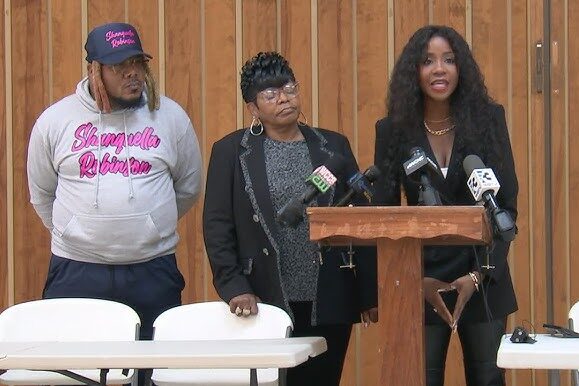
Over time, explanations shifted again, introducing new possibilities that differed from earlier accounts. Changing stories do not automatically mean dishonesty, but they do raise questions about reliability. Consistency builds trust, especially during tragedy. Each change reopened wounds for the family and reignited public concern. This pattern became part of the puzzle itself. Observers were left wondering why clarity seemed to move further away instead of closer. This clue does not accuse, it observes. When narratives evolve repeatedly, people naturally question whether memory, fear, or self protection is shaping what they hear.
10. Privacy Without Witnesses
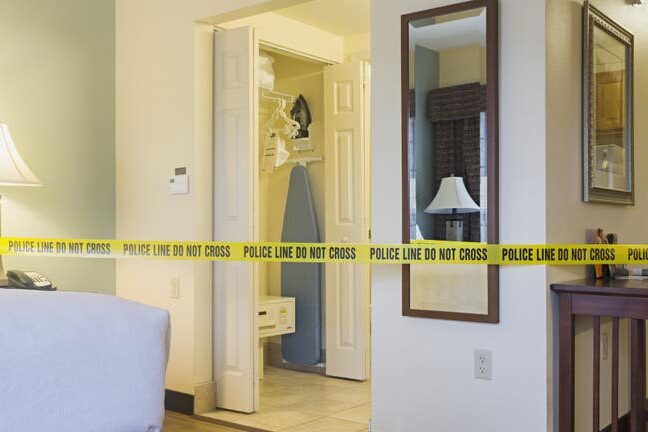
The setting of the villa played a quiet role in the confusion. Private spaces offer comfort, but they remove neutral witnesses. What happens inside depends entirely on those present. This detail matters because it explains why clarity has been difficult to achieve. Without independent observation, accounts rely on memory and honesty alone. That reliance carries heavy weight. The environment did not cause the tragedy, but it shaped how information emerged afterward. This clue reminds readers that setting influences not just events, but how those events are later understood, documented, and questioned.
11. Social Media Refusing Silence
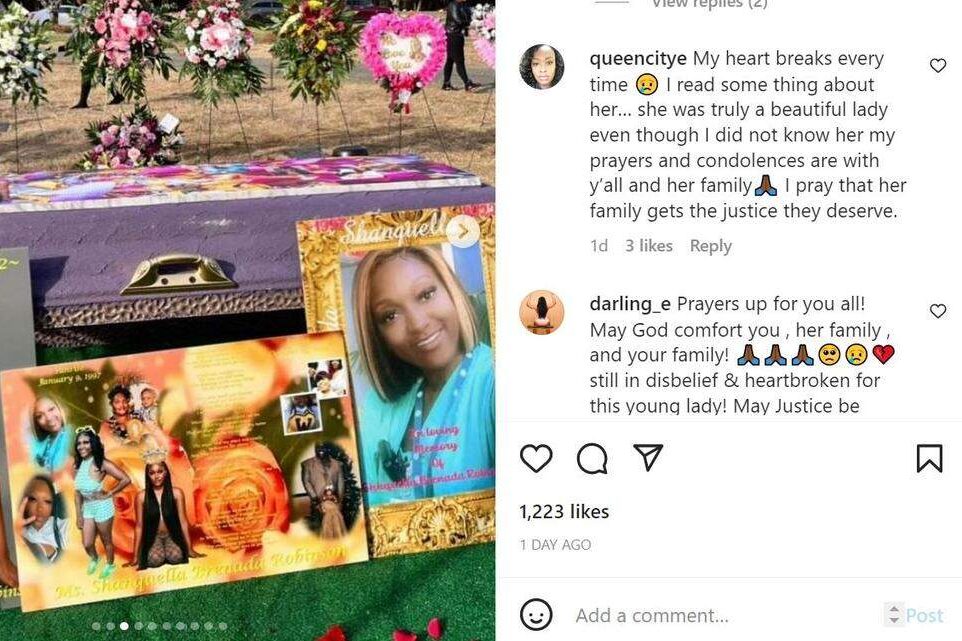
Social media became a powerful force in keeping Shanquella’s story visible. Online sharing pushed the case into wider awareness and applied pressure that traditional channels had not. This attention did not solve the case, but it prevented it from fading quietly. At the same time, it introduced speculation alongside advocacy. This clue reflects a modern reality where public memory and justice often intersect online. The internet became a place of collective concern rather than resolution. It showed how communities can demand attention when official paths feel slow, ensuring the story remained part of the conversation.
12. A Family Asking for Clarity

Throughout everything, Shanquella’s family focused on understanding rather than anger. Their requests were simple and steady, asking for honesty, transparency, and answers. This approach grounded the story in humanity. It reminded observers that behind every report is a family carrying loss daily. Their persistence became a clue itself, showing that unresolved questions do not fade with time. This mattered because it shifted the focus from speculation to compassion. The family’s voice anchored the narrative, keeping it from becoming just another headline and reminding people why clarity matters beyond public curiosity.
13. Legal Movement Without Closure

Legal steps surfaced briefly, including investigations and warrants, yet resolution remained out of reach. This created a sense of motion without arrival. For families, progress without outcome can feel exhausting. Each update raised hope, followed by quiet again. This pattern became part of the story’s weight. It showed how justice systems move carefully, sometimes slowly, especially across borders. This clue highlights the emotional toll of waiting. It is not about blame, but about endurance. The lack of finality kept the case open in both legal terms and public memory.
14. A Name That Did Not Fade

Despite time passing, Shanquella Robinson’s name continues to resurface. Stories usually fade when questions are answered. This one did not. Public memory held on because something still felt unresolved. This persistence became a clue of its own. It reflected collective discomfort rather than fleeting outrage. People remembered because clarity never arrived. This ongoing attention showed how unresolved stories linger quietly, resurfacing whenever similar situations arise. Memory became a reminder that unanswered questions do not disappear, they wait. This enduring presence speaks to the human need for understanding, not spectacle.
15. A Story Still Seeking Peace

At its core, this story remains about understanding rather than spectacle. The clues do not shout, they gently point, forming a picture that still feels unfinished. Families continue moving forward while carrying unanswered questions alongside memories that cannot be replaced. Readers follow not out of curiosity alone, but out of care and shared humanity. When explanations remain incomplete, reflection becomes necessary. Stories like this remind us that truth often arrives slowly, shaped by patience and persistence. If anything ties these moments together, it is the quiet hope that clarity brings peace.


