
1. A Trip That Changed Everything

It began as a joyful graduation trip, the kind parents approve with smiles and gentle warnings. Natalee Holloway arrived in Aruba in May 2005 with excitement, friends, and plans to celebrate a milestone. No one imagined that this island getaway would turn into one of the most talked about missing person cases in modern history. By the time her scheduled flight home arrived, Natalee was gone. That absence set off panic, hope, confusion, and relentless searching. This first fact sits heavy because it reminds us how ordinary beginnings can quietly turn into stories that never truly end.
2. The Night Everyone Replays

Natalee’s last confirmed night was spent hopping between bars with classmates, laughter filling the hours before dawn. Witnesses recalled her smiling, social, and seemingly carefree, blending into the familiar rhythm of a tourist nightlife. Nothing about the evening hinted at danger. That detail still unsettles many people because it mirrors nights countless young adults experience without consequence. When a moment feels normal, we rarely pause to imagine it becoming a final memory. This fact lingers because it reflects how quickly circumstances can shift, and how the most ordinary nights can become frozen in time forever.
3. Leaving With Strangers

Near the end of the night, Natalee was seen leaving with Joran van der Sloot and the Kalpoe brothers. To outsiders, this may seem reckless, but to many young travelers, it felt routine. The casual trust placed in new acquaintances is something many people recognize from their own youth. That familiarity is what makes this detail unsettling. It reminds readers how easily trust is extended in unfamiliar places and how often it feels harmless until hindsight rewrites the moment. This small decision became one of the most scrutinized steps in the entire timeline.
4. A Missed Flight Sparks Panic

When Natalee did not arrive at the airport for her return flight, concern quickly escalated into fear. Friends searched hotels and beaches while teachers and chaperones alerted authorities. That moment marked the shift from vacation mishap to crisis. Many parents imagine this scenario with dread because a missed flight is usually followed by a phone call or explanation. Instead, there was silence. This fact resonates deeply because it captures the exact point where hope and panic collided, creating a moment families of missing people know all too well and never forget.
5. Aruba Stops to Look

Within days, Aruba became a place of searching rather than sightseeing. Police, volunteers, tourists, and residents joined efforts to locate Natalee. Roads were blocked, beaches combed, and wooded areas explored. The island paused its normal rhythm for a young woman many locals had never met. This collective response left a lasting impression because it showed how quickly a community can rally around tragedy. It also highlighted the weight of public attention when an entire place becomes part of a global mystery, carrying both compassion and pressure at the same time.
6. Early Arrests Raise Hope
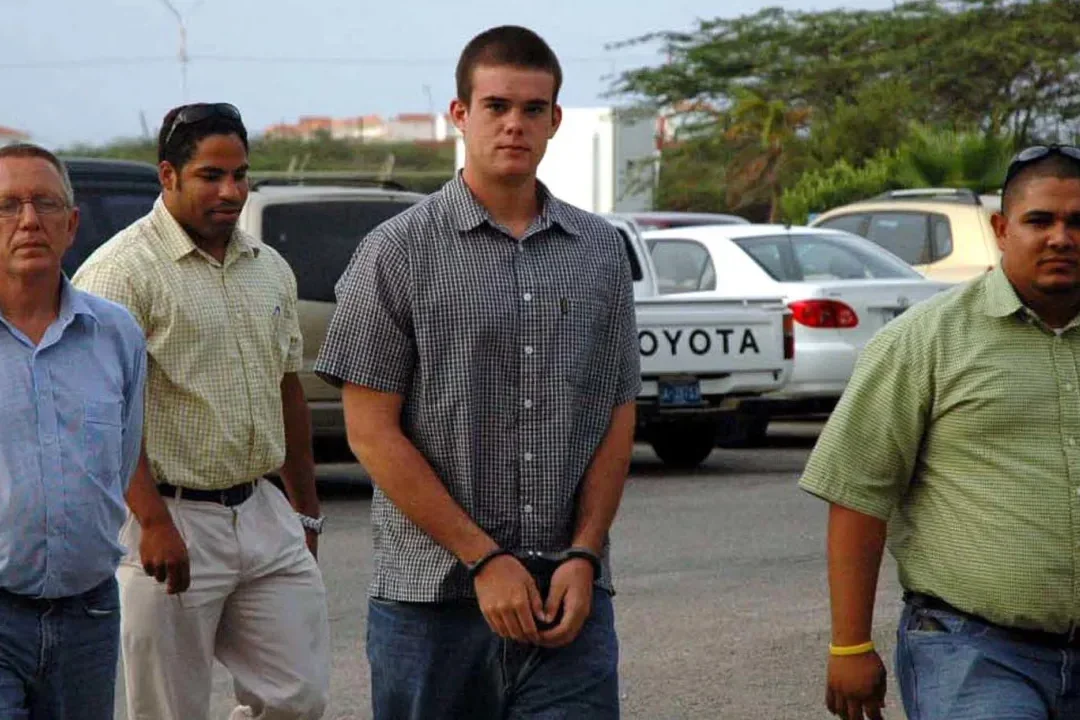
When authorities arrested van der Sloot and the Kalpoe brothers, hope surged. Many believed answers were finally coming. For families following the case, arrests often feel like the first step toward truth. Yet this moment proved fragile. With limited evidence, the suspects were released. That emotional rise and fall became a defining pattern in the case. This fact stands out because it illustrates how justice can feel close yet remain unreachable, leaving families suspended between relief and heartbreak as each development promises more than it can deliver.
7. Stories That Did Not Match
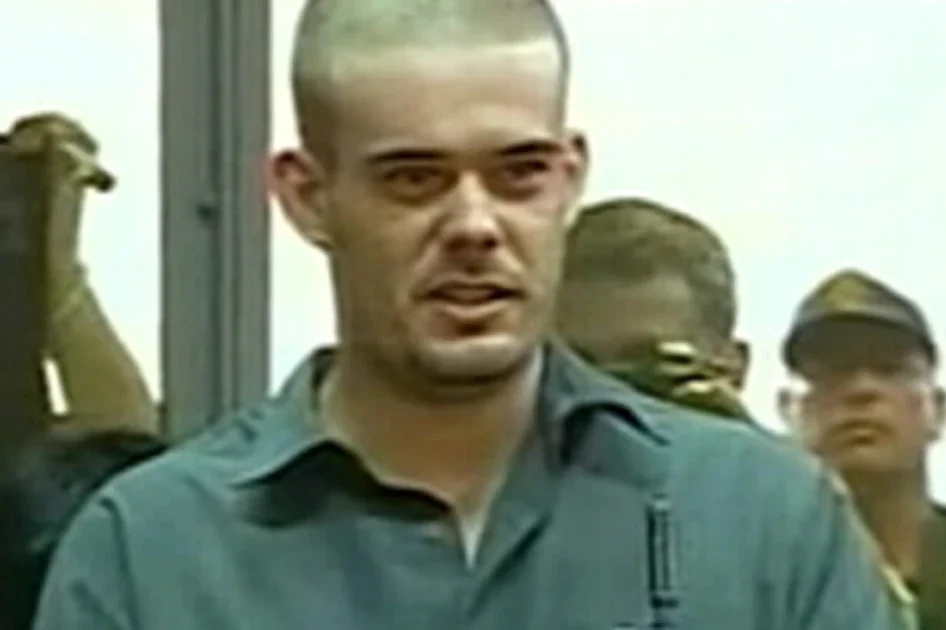
As investigators questioned those last seen with Natalee, inconsistencies surfaced. Timelines shifted. Details changed. Explanations evolved. These contradictions became a focal point for public suspicion and frustration. People listening from afar struggled to understand how stories could unravel so quickly. This fact feels haunting because it reflects how truth can become distorted under pressure, fear, or deception. When accounts fail to align, uncertainty grows. It leaves everyone wondering where honesty ends and self protection begins, especially when clarity could mean closure for a grieving family.
8. Searches Without Answers
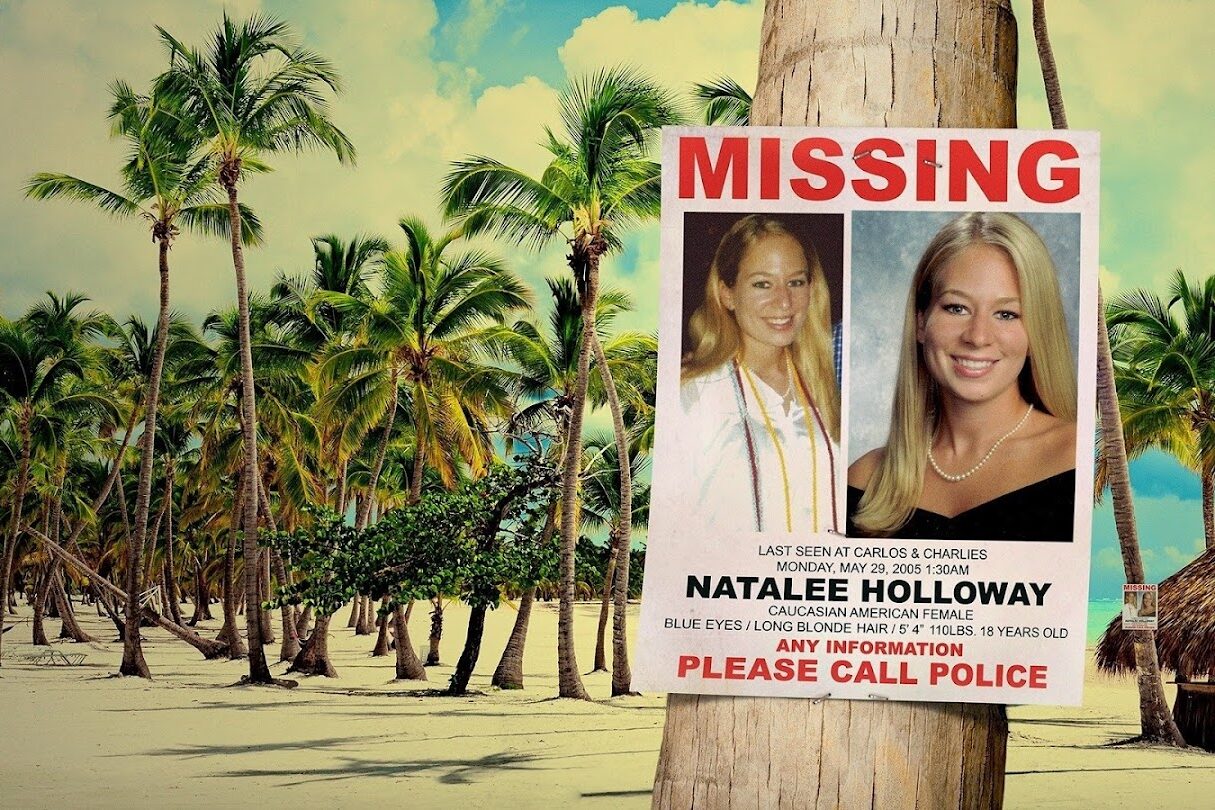
Extensive searches uncovered clothing, debris, and fragments of hope, but nothing confirmed Natalee’s fate. Each discovery carried anticipation that quickly faded. The absence of physical proof became one of the case’s most painful aspects. Without remains or clear evidence, questions multiplied instead of settling. This fact stays with readers because it highlights how unresolved loss lingers differently than confirmed tragedy. When there is no final proof, grief stretches on, reshaping itself into a constant waiting that never fully releases those left behind.
9. A Case the World Watched
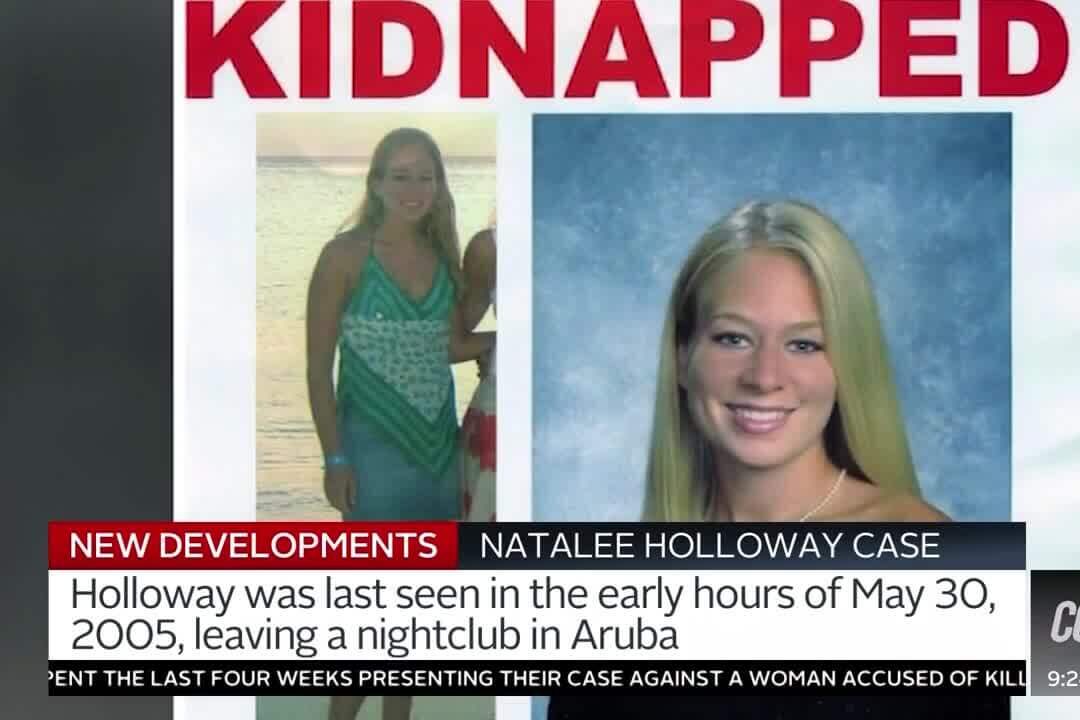
Media coverage exploded almost immediately. News outlets followed every development, interview, and rumor. Natalee’s face appeared on screens across the world, turning her disappearance into a shared global concern. While attention helped maintain pressure on investigators, it also amplified speculation. This fact remains significant because it changed how missing persons cases were discussed publicly. It showed how constant coverage can keep a story alive while also complicating the search for truth, blurring lines between reporting, commentary, and emotional involvement from millions of strangers.
10. Hope in the Smallest Details

Investigators examined phone records, hotel logs, and surveillance footage, hoping small clues would form a clearer picture. Each detail mattered. A timestamp. A witness statement. A passing vehicle. These fragments fueled optimism that the puzzle could still come together. This fact resonates because it reflects how persistence often rests on the smallest things. Families of missing loved ones learn to cling to minor details, believing that answers sometimes hide in overlooked moments. It is a reminder that even when progress feels slow, every piece still carries weight.
11. A Confession That Fell Apart
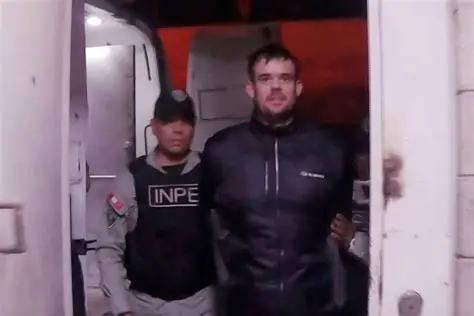
Years later, an undercover recording appeared to capture van der Sloot describing Natalee’s death. For many, it felt like a breakthrough. Yet inconsistencies and lack of corroborating evidence prevented legal action. This moment stands out because it offered emotional validation without legal resolution. Hearing someone speak about a loved one’s final moments can feel both relieving and devastating. This fact underscores how truth and justice do not always arrive together. Sometimes information surfaces without the power to change outcomes, leaving families to process knowledge without closure.
12. Legal Lines Across Borders
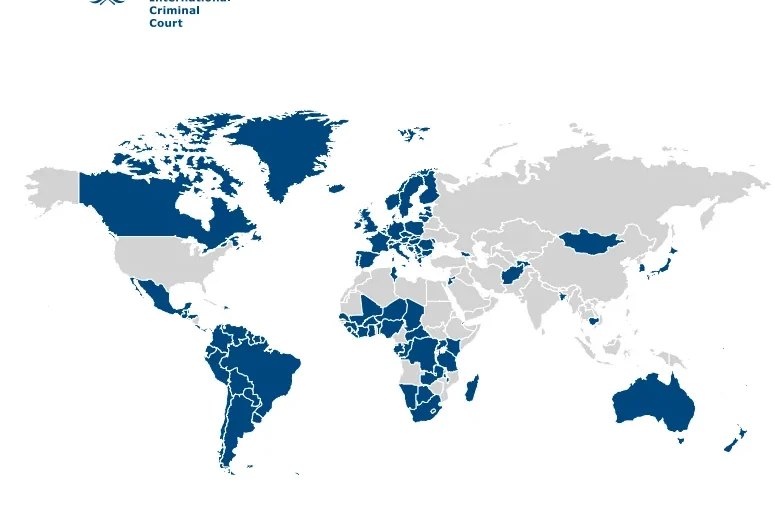
The investigation stretched across multiple countries, creating jurisdictional challenges that slowed progress. Laws differed. Authorities coordinated imperfectly. Responsibility shifted between agencies. This complexity became a barrier rather than a bridge. This fact matters because it reveals how international cases can stall despite good intentions. When crimes cross borders, accountability becomes diluted. For families watching from afar, these complications feel like obstacles layered onto grief. It shows how systems built to protect can sometimes struggle to move swiftly when geography and law collide.
13. False Leads Bring Fresh Pain
Over the years, claims surfaced suggesting Natalee’s remains were buried or hidden in specific locations. Each lead prompted renewed searches and cautious hope. When nothing was found, disappointment settled in again. This cycle became emotionally exhausting for everyone involved. This fact feels especially heavy because false leads can reopen wounds families are trying to survive. Hope becomes something fragile, easily stirred and just as easily shattered. It reminds readers how damaging misinformation can be when people are already living inside unanswered questions.
14. A Mother Who Would Not Stop

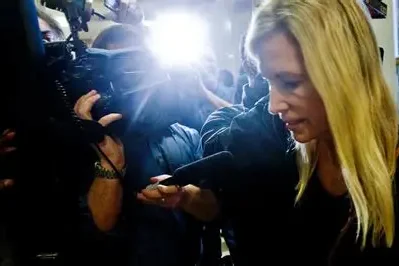
Beth Holloway became a visible figure throughout the search, speaking publicly and pushing for continued investigation. Her determination resonated with many parents who saw their own fears reflected in her strength. This fact stands out because it shows how love fuels endurance. Even when answers seemed distant, she kept Natalee’s name present. It reminds readers that advocacy often grows from pain and that persistence can become its own form of legacy, shaping awareness and compassion long after headlines fade.
15. Declared Gone Without Proof
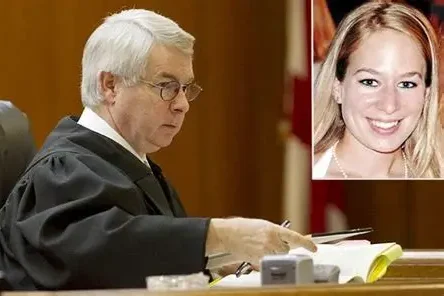
In 2012, Natalee was legally declared dead, a step required for legal closure but emotionally complex. Without physical evidence, the declaration felt both necessary and unbearable. This fact resonates because it highlights how law and emotion rarely align. Families may need paperwork to move forward while their hearts remain anchored to uncertainty. Declaring death does not end grief. It simply changes its shape. This moment marked a transition from searching to remembering, even though many questions still hovered without answers.
16. A Pattern of Deception

As years passed, van der Sloot became involved in other crimes, revealing a pattern of manipulation and violence. These developments reshaped public perception of his role in Natalee’s disappearance. This fact lingers because it reinforces suspicions long held by many observers. When later actions echo earlier concerns, they cast earlier mysteries in a darker light. It reminds readers that behavior often leaves trails, and while the past cannot be rewritten, future actions sometimes clarify what words once obscured.
17. A Long Delayed Admission
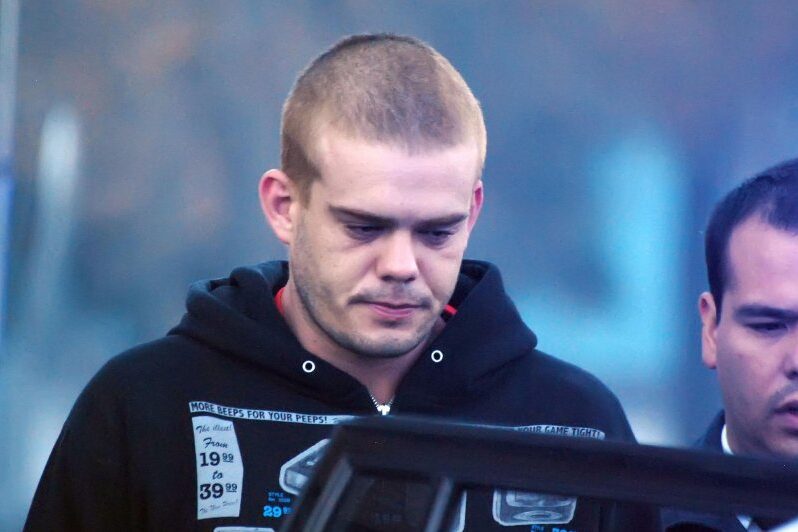
Nearly two decades later, van der Sloot admitted responsibility for Natalee’s death as part of a legal agreement. The confession offered details long withheld. This moment carried mixed emotions. Relief that truth was spoken. Anger that it took so long. This fact stands out because it shows how answers can arrive painfully late. Confessions do not rewind time. They simply close doors that were left open too long. It reminds readers that truth has weight, even when it comes years after it was needed most.
18. Hearing Her Described Again

Details from the confession described Natalee’s final moments, bringing her humanity back into focus. She was no longer just a missing person headline. She was a young woman reacting, resisting, and living in her final hours. This fact resonates deeply because it restores individuality often lost in long cases. It reminds readers that behind every mystery is a person with thoughts, fear, and presence. Hearing these descriptions can be painful, but they also honor the reality of a life beyond statistics and speculation.
19. Closure Without Remains
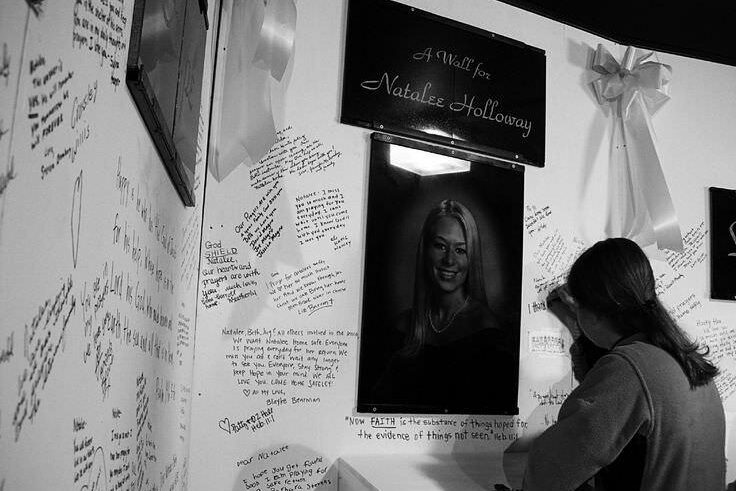
Despite the confession, Natalee’s remains were never recovered. For many families, physical remains represent a form of grounding, a place to grieve. This absence remains one of the case’s most haunting elements. This fact stays with readers because it shows how closure can be partial. Answers may come, but tangible peace can remain elusive. It reminds us that grief adapts when certainty is incomplete. Even with truth acknowledged, some questions linger quietly, shaping how loss is carried rather than resolved.
20. Changing Safety Conversations

Natalee’s disappearance shifted how parents and young travelers discuss safety abroad. Conversations about group travel, awareness, and trust gained urgency. This fact matters because it shows how tragedy can influence prevention. While nothing can undo the past, awareness can shape future choices. Her story became a reference point for caution without fear. It encouraged dialogue that continues today, reminding readers that lessons drawn from loss can quietly protect others, even when they come at an unbearable cost.
21. A Case That Never Fully Left
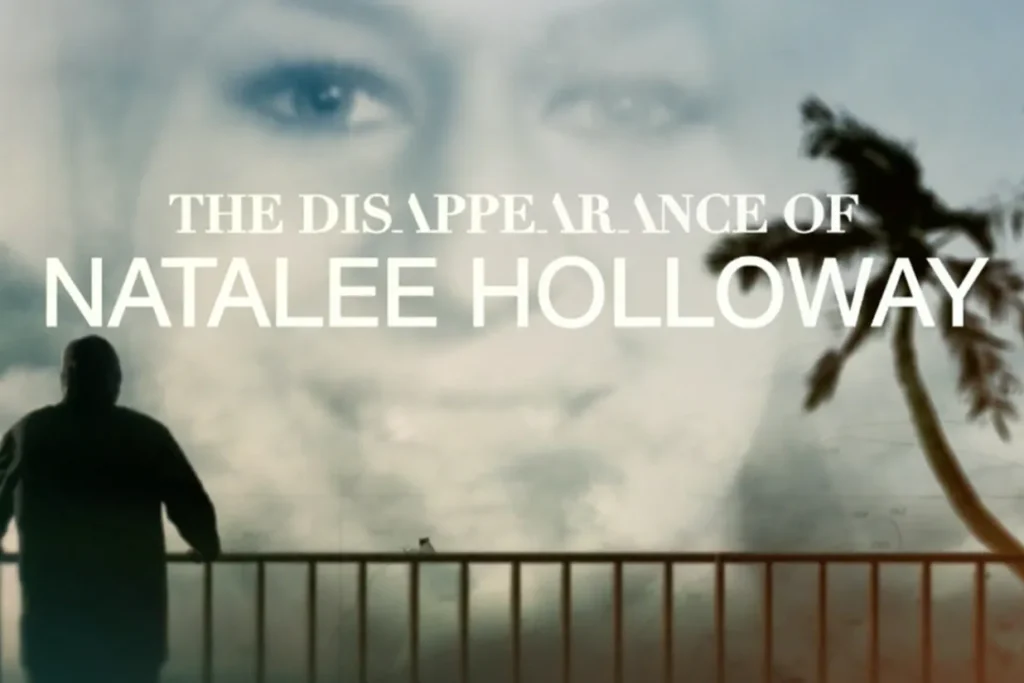
Even as years passed, the case resurfaced regularly through documentaries, articles, and conversations. It never truly faded. This persistence reflects how deeply the story embedded itself into public memory. This fact resonates because it shows how certain cases transcend time. They become shared reference points for unresolved questions. When stories linger, they shape cultural memory, reminding people that some losses remain unfinished in the collective mind, carried forward by curiosity, empathy, and the refusal to forget.
22. An Island Forever Marked

Aruba remains a place people associate with sunshine, beaches, and escape, yet Natalee’s disappearance quietly altered how many remember the island forever. It became a backdrop to unanswered questions rather than just vacation photos and souvenirs. For locals and visitors alike, the story lingers beneath the surface, shaping conversations and reflections. Time has softened headlines, but memory still clings to certain streets, nights, and silences. This fact reminds readers that places absorb history, even when life continues around them. Beauty and sorrow now coexist quietly there long after the crowds move on and the music fades into ordinary nights slowly.
23. The Weight of Public Opinion
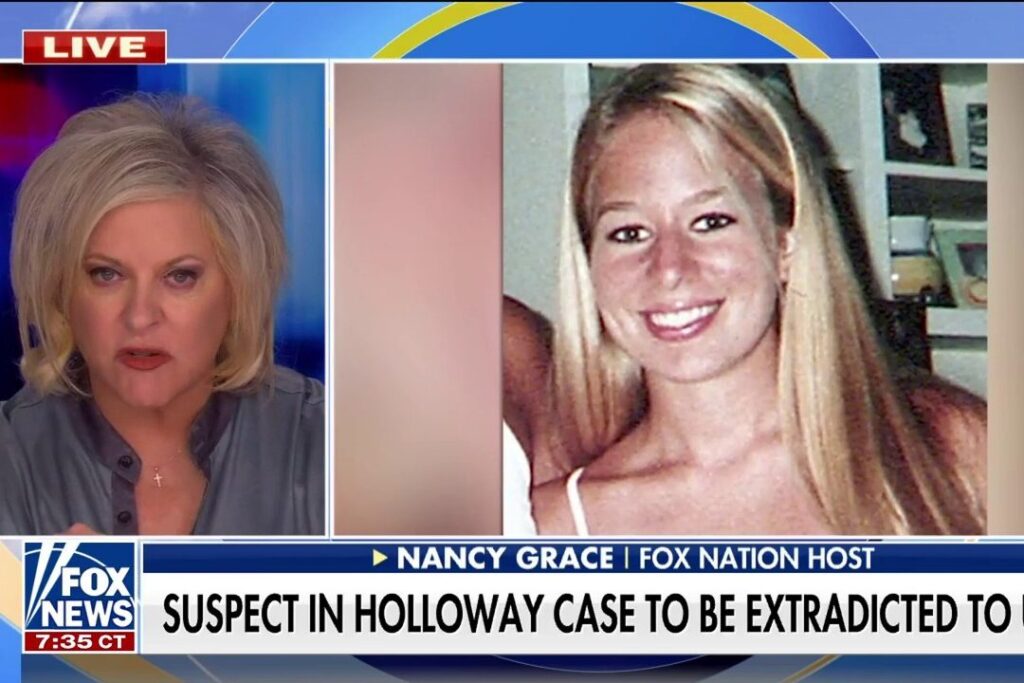
Throughout the years, public opinion shaped narratives, sometimes helping, sometimes complicating the search for truth. Speculation filled gaps where facts were missing. This fact matters because it highlights how collective judgment can influence real cases. While attention can drive accountability, it can also blur reality. Readers recognize how easily assumptions form when answers are scarce. It serves as a reminder that patience and restraint matter, especially when real lives and families exist beyond the stories being told.
24. Remembering Who She Was

Beyond the investigation, Natalee Holloway was remembered as a bright, kind young woman excited about her future. Friends spoke of her warmth, her curiosity, and her plans that stretched far beyond one summer trip. This fact matters because long cases often turn people into symbols rather than individuals. Remembering who she was helps return dignity to her story. It shifts attention from speculation back to humanity. When we pause to picture her laugh, her ambitions, and her relationships, the mystery feels more personal. It reminds readers that every name in the news once belonged to someone deeply loved and fully alive.
25. A Story That Still Teaches
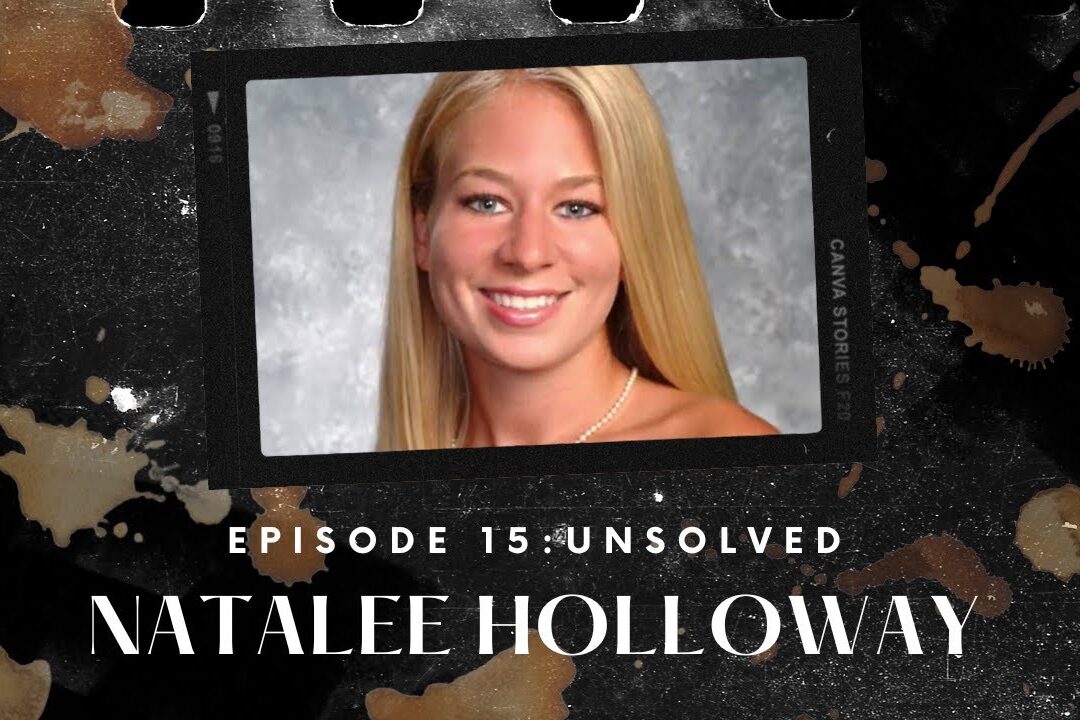
Years later, the haunting facts surrounding Natalee Holloway’s disappearance remain part of a larger conversation about safety, truth, and memory. The case does not offer a neat ending, but it continues to teach patience and awareness. It reminds readers how quickly ordinary moments can change and how long answers can take to arrive. Even with confessions and legal resolutions, the emotional weight lingers. This final fact quietly gathers everything before it, showing that some stories stay with us because they ask us to care.


