
1. The last confirmed sighting

In May 2007, a quiet family holiday in Praia da Luz, Portugal, turned into one of the most haunting missing-person cases in modern history. The last confirmed sighting of Madeleine McCann occurred earlier on 3 May 2007, when she was seen playing near the Ocean Club apartment. Later sightings reported by witnesses, including a man carrying a child, were never conclusively verified. This gap between confirmed and unconfirmed sightings created a critical window for investigators. Establishing an accurate timeline proved difficult, especially as witness statements changed over time. The lack of CCTV footage in the area further complicated matters. This uncertainty has allowed multiple theories to persist, from opportunistic abduction to accidental scenarios. The inability to pin down the final confirmed moment Madeleine was seen alive remains one of the case’s most troubling elements.
2. The open bedroom window

When Kate McCann discovered Madeleine was missing, she reported that the bedroom window and shutters were open. This immediately suggested a possible exit point for an intruder. Portuguese police examined whether the shutters could be opened quietly from outside and if signs of tampering were present. The lack of clear forensic evidence made this clue both compelling and frustrating. Some investigators believed the open window supported an abduction theory, while others questioned whether it had been opened earlier for ventilation. Photographs of the window became widely circulated, turning it into one of the most recognisable images of the case. Despite extensive analysis, the window has never definitively confirmed how or when Madeleine left the room.
3. The unlocked apartment door

On the night Madeleine disappeared, her parents were dining at a nearby restaurant while checking on their children periodically. One of the earliest disturbing details was that the apartment door was reportedly left unlocked. The McCanns later explained this was done for convenience during checks, but investigators noted it may have allowed someone easy access. The door reportedly opened outward, which complicated early theories about forced entry. This detail became central to debates about opportunity, negligence, and timing. Police examined whether the unlocked door made an abduction more likely or whether it pointed to alternative explanations. Even years later, the decision to leave the door unlocked remains one of the most scrutinised facts in the case.
4. The cadaver dog alerts
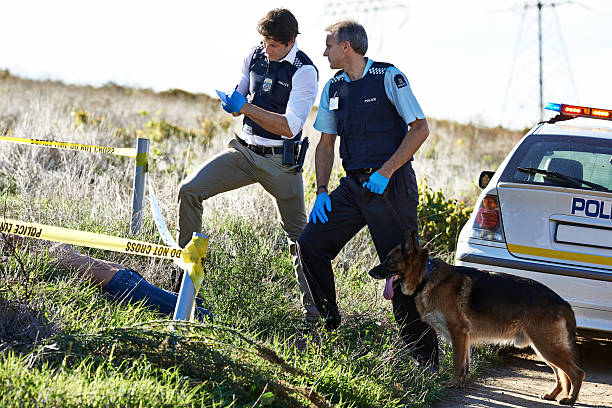
In 2007, specially trained cadaver dogs brought from the UK alerted to scents in the McCann apartment and later in a rental car used weeks after the disappearance. These alerts suggested the possible presence of human remains, but no physical evidence was recovered to confirm this. The results sparked intense debate, as dog alerts alone are not considered conclusive proof. Defence experts and investigators disagreed on how much weight to give the findings. While the alerts raised serious questions, prosecutors ultimately stated they were insufficient to support charges. Even so, the cadaver dog indications remain one of the most controversial forensic elements of the case.
5. The delayed emergency response

After Madeleine was reported missing, local police arrived, but early response efforts were later criticised for being slow and disorganised. Borders were not immediately closed, and roadblocks were not set up until hours later. By that time, investigators acknowledged that a potential suspect could have travelled far from Praia da Luz. Portuguese authorities later admitted mistakes were made in the initial hours. This delay is widely regarded as a critical lost opportunity in the search. Many experts believe the first 24 hours are vital in missing-child cases, making the response timeline especially significant. The issue continues to shape discussions about what might have been done differently.
6. The man seen carrying a child

One of the most talked-about clues came from a witness statement by Jane Tanner, a friend of the McCanns, who reported seeing a man carrying a small child near the apartment complex around the time Madeleine vanished. The child was described as wearing light-coloured pyjamas similar to what Madeleine had been wearing. This sighting initially raised hopes of identifying a suspect, but confusion followed when another family later claimed the man could have been carrying their own child. Police eventually tracked down the father involved, weakening the original theory. Still, timing discrepancies and visual uncertainty meant the sighting was never fully resolved. It remains one of the case’s most unsettling and debated moments.
7. Conflicting witness timelines

As investigators gathered statements from tourists and locals, inconsistencies quickly emerged. Different witnesses reported seeing suspicious individuals at overlapping but slightly different times. Some accounts shifted during follow-up interviews, while others conflicted with phone records and known movements. These contradictions made it difficult to build a reliable timeline of events. Language barriers and the stress of the situation may have contributed to inaccuracies. Investigators later acknowledged that early reliance on uncertain eyewitness testimony complicated the case. The lack of a single, consistent timeline allowed multiple theories to persist and weakened the strength of potential leads. This confusion remains a major obstacle in understanding what truly happened.
8. The missing forensic evidence
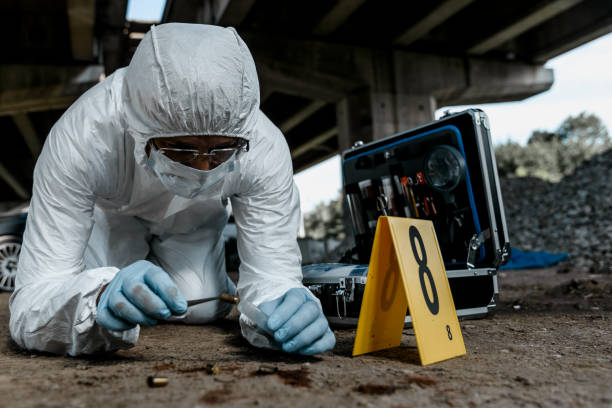
Despite extensive searches of the apartment and surrounding areas, investigators found no definitive forensic evidence explaining Madeleine’s disappearance. No fingerprints, DNA, or signs of struggle conclusively pointed to an abduction or accident. This absence was unusual for a high-profile crime scene and raised serious questions. Some experts suggested contamination due to delayed sealing of the apartment, while others believed evidence may never have existed. The lack of physical proof meant the case relied heavily on circumstantial details and witness accounts. Even after modern forensic reviews, no breakthrough evidence has emerged. This void continues to frustrate investigators and the public alike.
9. Media exposure within hours

Madeleine’s disappearance became international news within hours, an unusual development for a missing-person case abroad. Her parents actively engaged the media, hoping publicity would help locate her quickly. While this brought massive attention, some investigators later questioned whether it hindered police work. Tip lines were flooded with false leads, and suspects may have been alerted to law enforcement strategies. Still, media exposure also kept pressure on authorities and ensured the case was never forgotten. Balancing awareness with investigative integrity proved challenging. The role of intense media involvement remains a controversial but defining feature of the case.
10. Early focus on the parents
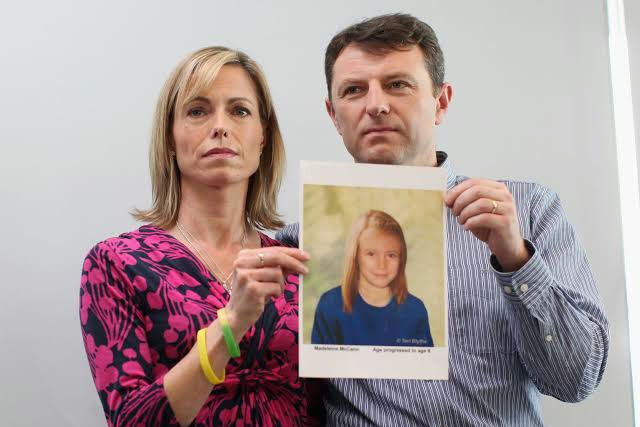
In September 2007, Portuguese police named Kate and Gerry McCann as formal suspects, known locally as arguidos. This move shocked many and shifted public perception of the case. Investigators cited inconsistencies in statements and the cadaver dog alerts, though no charges were filed. The suspect status was later lifted in 2008, and the case went cold soon after. Critics argue this focus diverted attention from other leads during a crucial period. Supporters of the McCanns maintain there was never evidence to justify the suspicion. The episode remains one of the most divisive chapters in the investigation.
11. The anonymous phone tips

In the weeks and months after Madeleine disappeared, police received thousands of phone tips from across Europe and beyond. Many callers reported suspicious individuals, vehicles, or alleged sightings, but very few leads could be verified. Investigators later confirmed that the sheer volume of tips became difficult to manage, slowing the process of separating credible information from speculation. Some tips contradicted others, while many were based on rumours fueled by media coverage. Although a small number were followed up, none led directly to Madeleine’s recovery. The overwhelming influx of information remains a reminder of how public attention can both help and hinder an investigation.
12. The unclear timeline of checks

One persistent issue in the case is the exact timing of the parents’ checks on the children. The McCanns and their friends said they checked the apartment at intervals, but precise times were later disputed. Small inconsistencies between statements raised questions for investigators trying to narrow the window of disappearance. Even a difference of minutes could significantly affect theories about when and how Madeleine vanished. The lack of synchronized watches and written records complicated matters further. While investigators never proved wrongdoing, the unclear timeline remains a chilling reminder of how quickly events can become uncertain under stress.
13. The changing suspect descriptions

Over the years, police released several suspect sketches based on witness accounts. These images varied widely in appearance, age, and clothing, reflecting the uncertainty of eyewitness memory. Some witnesses later revised their descriptions, adding to confusion. While composite sketches can be useful, investigators acknowledge they can also mislead if based on flawed recollections. In Madeleine’s case, none of the released sketches led freshto an arrest. The shifting descriptions kept public interest alive but also highlighted how fragile visual memory can be under pressure.
14. Repeated searches with no recovery
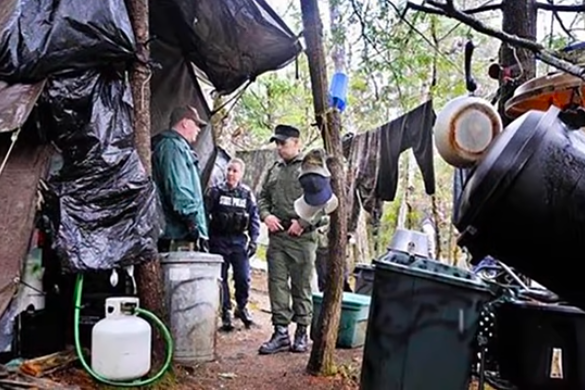
Over the years, authorities have conducted multiple land, building, and well searches in and around Praia da Luz. These operations involved Portuguese, British, and German police working together. Despite advanced equipment and targeted locations linked to suspects, none of the searches produced evidence directly tied to Madeleine. Each search raised expectations, only to end without resolution. Investigators have acknowledged that the passage of time greatly reduces the chance of finding physical proof. Still, these efforts demonstrate that the case has never been fully abandoned. The repeated but fruitless searches add to the haunting nature of the investigation.
15. Madeleine has never been found

More than a decade after her disappearance, Madeleine McCann has never been located, alive or deceased. No confirmed remains, belongings, or definitive evidence have been recovered. Age-progression images continue to be released in hopes someone might recognise her. Her case remains one of the most high-profile missing-child investigations in history, sustained by public awareness and ongoing police interest. For her family, the absence of certainty is perhaps the most chilling aspect of all. Without answers, the case remains open in both official records and public memory. Answer: Yes, Madeleine has never been found.
The disappearance of Madeleine McCann is defined not by one single clue, but by a collection of unsettling details, missed opportunities, and unanswered questions. Each fact adds another layer to a mystery that continues to haunt investigators and the public alike. While time has passed, interest has not faded, and hope for clarity remains.
Like this story? Add your thoughts in the comments, thank you.
This story 15 Chilling Clues in the Disappearance of Madeleine McCann was first published on Daily FETCH


