
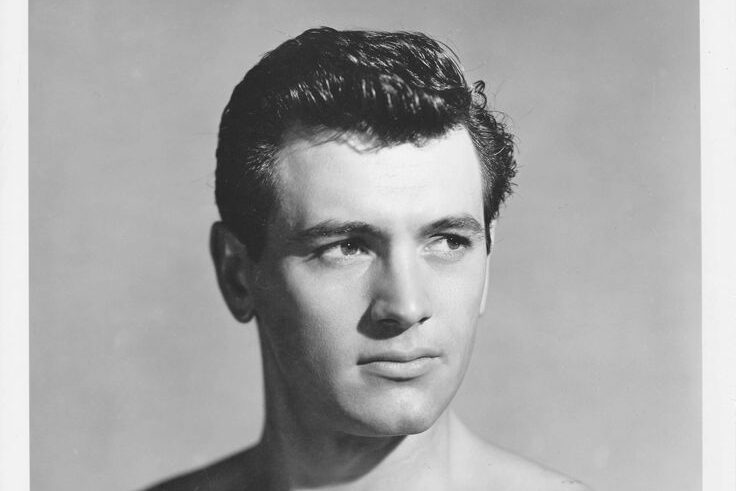
1. Rock Hudson
Before you begin this article, please know that some of this is speculation, some were considered bisexual, and these are from historical references. We try to be as respectful as we can, and if you have any corrections, additions, or edits, please do so in the comments and we will try to address them as quickly as possible. Thank you.
When people talk about Old Hollywood, they often picture glamour, flashbulbs, and sweeping romances, but for Rock Hudson that glitter came with rules that were never written in public. Rock Hudson was the gold standard for masculine charm, but his career was a masterclass in studio management. While modern biographers and close friends later confirmed his life as a gay man, during his prime, his identity was a closely guarded industrial secret. The studios didn’t just hide his truth; they actively manufactured a heteronormative reality, even arranging a marriage to his agent’s secretary, Phyllis Gates, to quell rising whispers. Hudson’s story is a poignant reminder that in Old Hollywood, the “leading man” was a character played 24 hours a day, because a single headline could bankrupt a studio’s biggest investment and alienate a global audience.
The quiet pressure of this artifice followed him everywhere. What makes his story linger is not just the secrecy, but the immense effort it took to maintain that polished image day after day. He delivered warmth and romance on screen while privately calculating every move off-screen to avoid the “morality clauses” that could terminate his contracts. When the truth about his health became public decades later, it felt less like a scandal and more like a sobering revelation of how tightly controlled the system was. Hudson navigated a world where honesty was a luxury he couldn’t afford if he wanted to keep working.
2. Tab Hunter
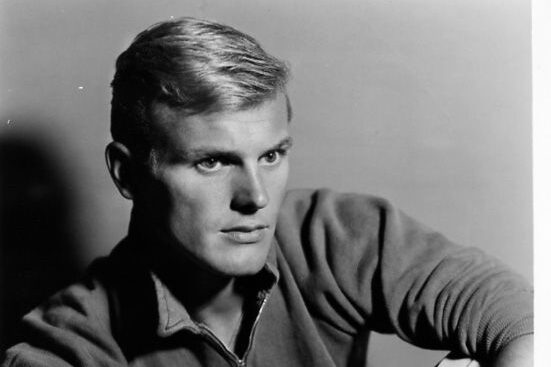
Tab Hunter stepped into Hollywood looking like he had been designed for it, all bright smile and easy charm, the kind of young actor studios could package as the perfect American sweetheart. Teen magazines celebrated him, fans lined up for autographs, and Warner Bros carefully shaped every detail of his public life so it matched the fantasy they were selling. Privately, though, Hunter knew that parts of himself could not be shared without risking the career he had worked so hard to build.
When a tabloid tried to expose him, the studio quickly flooded the press with safer stories, reminding everyone who controlled the narrative. He later spoke about feeling divided, grateful for the opportunities yet aware that authenticity had limits in that era. There is something deeply human about wanting both success and truth, and realizing you might not be allowed both. Hunter kept moving forward, choosing stability and work over confrontation. In time, he would speak more openly about his life, but during those early years he survived by following a script that was not entirely his own.
3. Montgomery Clift
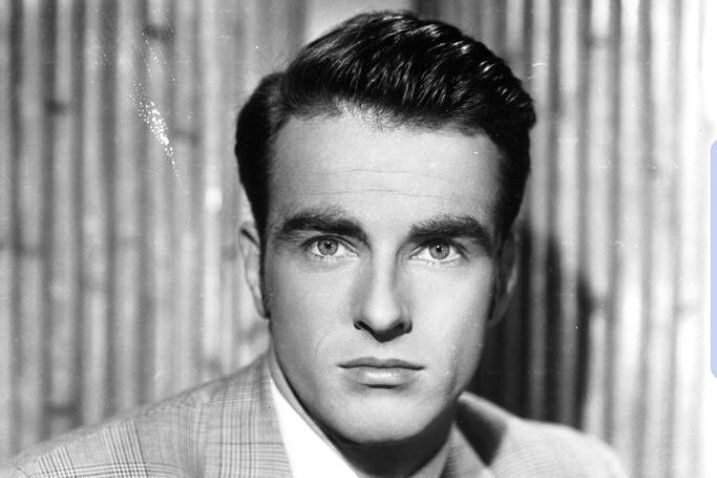
Montgomery Clift brought a revolutionary sensitivity to the screen, one that often blurred the lines of traditional masculinity. Directors admired his depth, and moviegoers sensed that he was fundamentally different from the era’s standard leading men. While Clift never publicly labeled his sexuality, those closest to him and his modern biographers describe a man who was bisexual, navigating meaningful relationships with both men and women. In an era that demanded rigid, black-and-white definitions of manhood, Clift existed in the gray areas, bringing a tender and unguarded quality to his roles that felt profoundly personal to his audience.
That silence protected his place in an industry that prized conventional masculinity above almost everything else. After his devastating car accident, his vulnerability became more visible, but even then, the deeper layers of his identity remained shielded from public discussion. It is hard not to imagine how exhausting it was to carry both physical pain and the constant need for discretion in a world that rewarded conformity. Clift existed in the spaces in between, letting his artistry speak when his personal life could not. His legacy is one of a gifted artist who refused to play the studio game, enduring quietly in a restrictive system.
4. Anthony Perkins
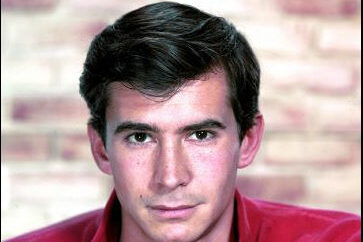
Anthony Perkins became a household name after Psycho, but his off-screen life was defined by a different kind of tension. Perkins was bisexual, having long-term relationships with men like Grover Dale before eventually marrying Berry Berenson and starting a family. He understood that public acknowledgment of his fluid identity could narrow his opportunities in an industry eager to typecast him. Interviews were handled with extreme care, and any questions that strayed toward his personal life were gently redirected to his craft. For Perkins, discretion wasn’t just a personal preference; it was a survival strategy in an era of deep social intolerance.
The balancing act was subtle but constant. He admitted later in life that the fear of being labeled influenced many of his professional choices, as his contracts were tied to his public reputation. Watching his films today adds a layer of poignancy to his performances; he was a gifted actor navigating both artistic expectations and unspoken social rules. He remained determined to keep working even if it meant keeping the complexities of his heart quiet. His journey reflects the reality of many bisexual performers of the time who felt forced to choose one narrative over their own multi-faceted truth.
5. Greta Garbo
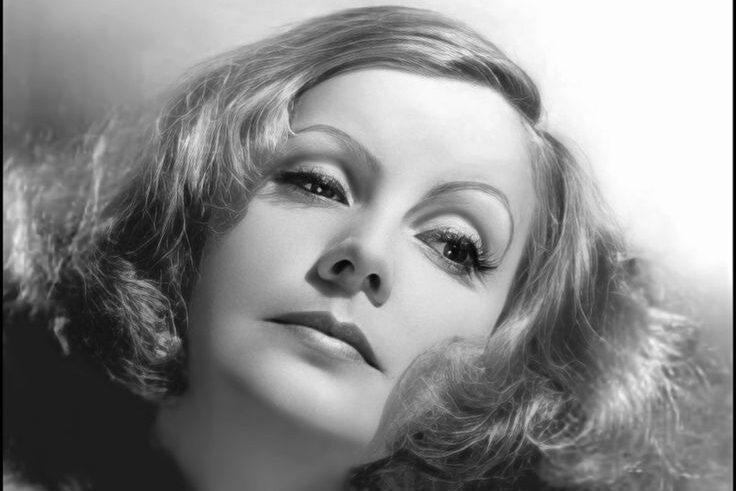
Greta Garbo never chased attention the way many stars did. She kept interviews brief, avoided unnecessary publicity, and built her legend on mystery rather than confession. Rumors about her relationships circulated quietly within Hollywood, especially involving women in her social circle, but she refused to confirm or deny anything. That refusal became her shield in an industry that demanded tidy romantic narratives.
When she stepped away from Hollywood at the height of her fame, it only deepened the intrigue. Some saw it as eccentricity, others as exhaustion, but it also felt like control. By removing herself, she denied the system access to parts of her life it could not categorize. Garbo protected her privacy fiercely, exposing the limits of what the studio era could tolerate. Her silence was not weakness. It was strategy, allowing her to remain iconic without surrendering everything personal to public consumption.
6. William Haines
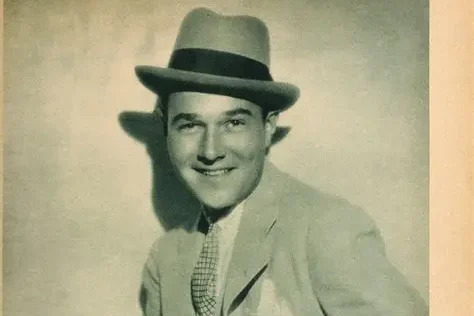
William Haines was once one of MGM’s brightest stars, charming audiences with confidence and ease during the late 1920s. His career seemed secure until the studio presented him with an ultimatum that revealed how rigid the system truly was. He was told to end his relationship with his longtime partner or lose his contract. For many actors, that kind of pressure resulted in quiet compliance.
Haines made a different choice. He refused to walk away from the man he loved, even though it meant sacrificing his place in front of the camera. His film career ended abruptly, yet he built a successful second act as an interior designer, working with some of the same Hollywood figures who once watched him on screen. His story highlights how stark the rules were. The industry did not bend, and Haines simply chose not to, offering a rare example of defiance in a time when most felt forced into silence.
7. Marlene Dietrich
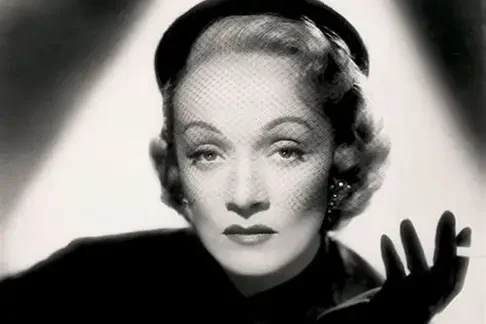
Marlene Dietrich carried herself with a confidence that felt both modern and deliberate. She was openly bisexual within her artistic circles, embracing an androgynous style that challenged the rigid gender norms of the 1930s and 40s. She famously suggested that sexuality was less shocking than society made it out to be, yet she was still pragmatic enough to operate within the limits set by the studios. While she moved comfortably through progressive social scenes, her official publicity campaigns heavily emphasized her relationships with men to ensure the American heartland remained comfortable with her “femme fatale” brand.
Dietrich’s career was a careful dance between authenticity and survival. Her bold screen presence allowed her more freedom than many of her peers, but it did not entirely erase the need for discretion in the mainstream media. She understood the boundaries of the era and walked right up to the edge without fully crossing over into public scandal. Her life reflects a sophisticated understanding of international vs. American social standards, as she projected a sense of fearlessness while remaining fully aware of how far the Hollywood machine would allow her to go before pulling its support.
8. Charles Laughton
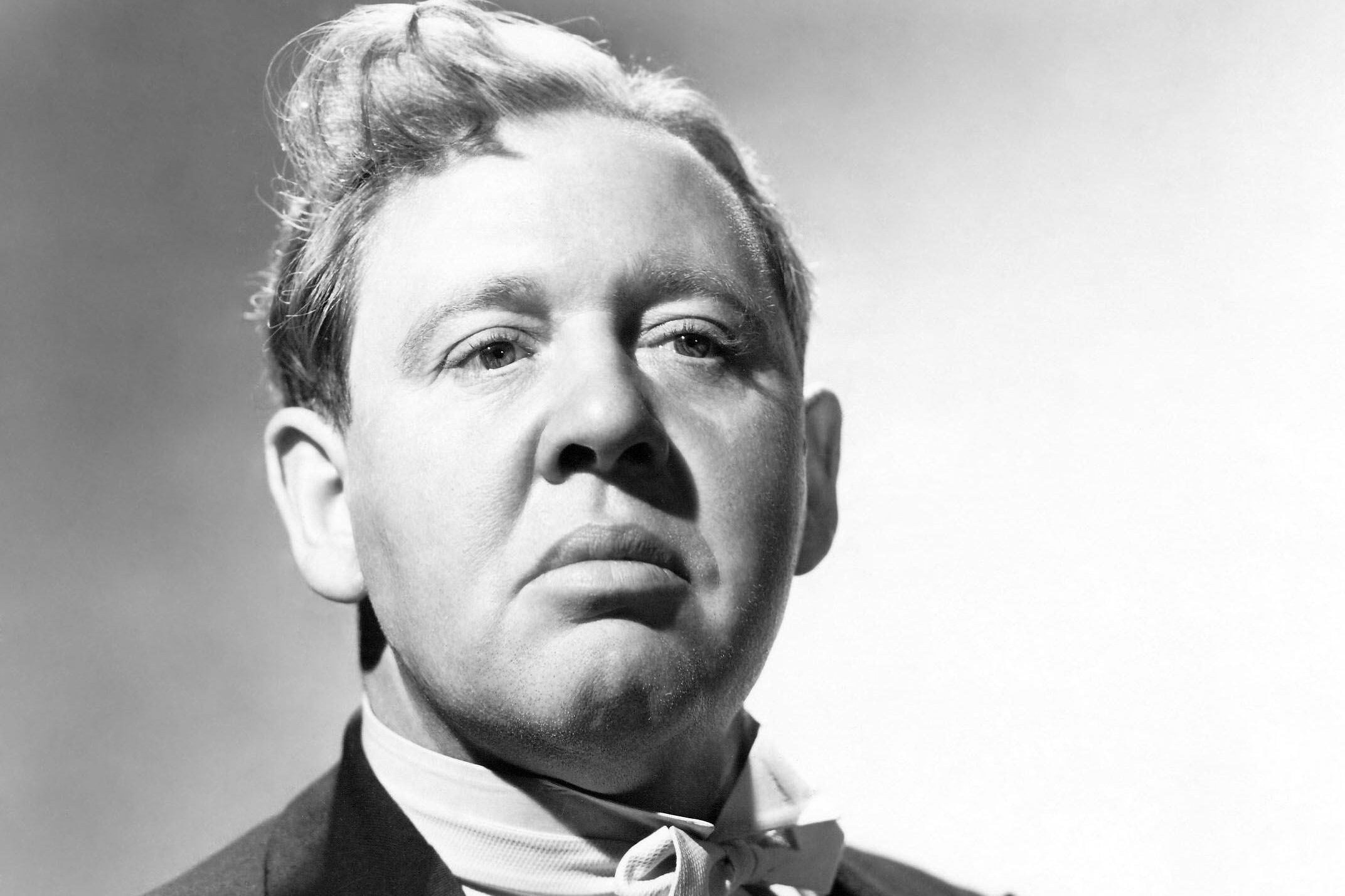
Charles Laughton possessed a commanding presence that earned him acclaim and respect across stage and screen. He married actress Elsa Lanchester, and together they formed a partnership many described as supportive and understanding. Behind closed doors, Laughton also had relationships with men, though these remained unspoken publicly. The marriage provided stability in a conservative industry that demanded clear appearances.
Laughton focused on his craft, winning awards and directing projects that showcased his range. Talent did not grant immunity from scrutiny, and he lived with awareness that exposure could shift how studios viewed him. Rather than confront the system directly, he navigated it carefully, relying on discretion and trusted circles. His story reflects private complexity, illustrating how actors balanced companionship and ambition in ways that required silence simply to continue doing the work they loved.
9. Clifton Webb
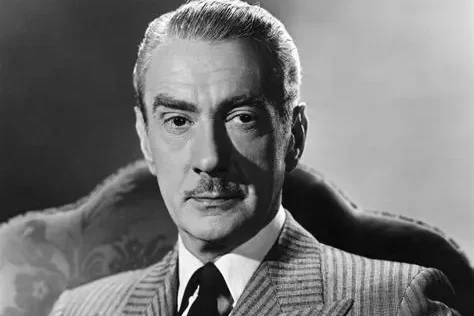
Clifton Webb built a career playing sharp, witty characters who carried sophistication audiences found memorable. Off screen, his personal life drew quiet speculation because he remained a lifelong bachelor devoted to his mother. Studios leaned into that image, presenting him as refined and unmarried rather than inviting deeper questions. It was a narrative that satisfied public curiosity without challenging social norms.
Webb never publicly addressed rumors about his sexuality, and that silence became part of the agreement between star and studio. As long as the work remained strong and headlines stayed calm, no one pressed too hard. His story reflects how suggestion often replaced acknowledgment in Old Hollywood. Instead of confrontation, there was quiet understanding. Webb continued working steadily, allowing a carefully crafted version of himself to stand comfortably in the spotlight.
10. Dirk Bogarde
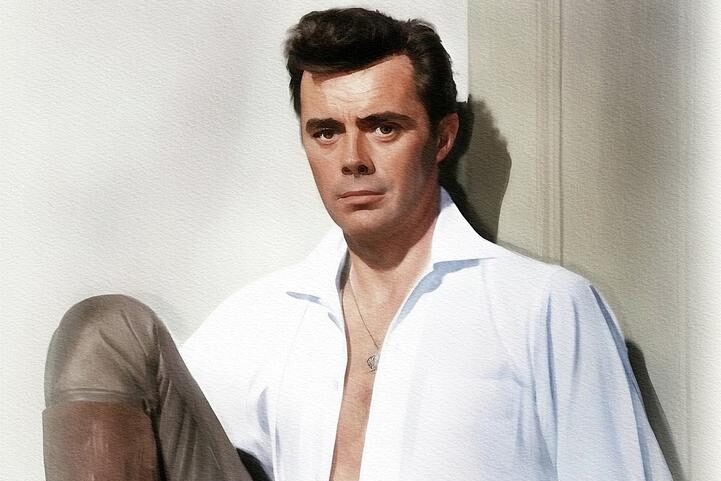
Dirk Bogarde entered the industry at a time when silence was still the safest strategy. Handsome and thoughtful, he built his career carefully, avoiding the flashy heartthrob roles that might box him in. Off screen, he shared his life with Anthony Forwood, though the relationship was rarely discussed publicly. He understood that openness could close doors quickly. British law and studio politics both demanded discretion, and Bogarde chose patience over confrontation. He was playing a longer game.
Rather than fight the system directly, he leaned into complex roles that slowly reshaped his public image. As culture began to shift decades later, he spoke more freely about his life, but that honesty came after years of caution. What stands out about Bogarde is not scandal or drama, but steadiness. He endured quietly, trusting that time would change what courage alone could not. His life reminds us that survival in Old Hollywood was often about timing. Sometimes the bravest move was simply waiting.
11. Farley Granger
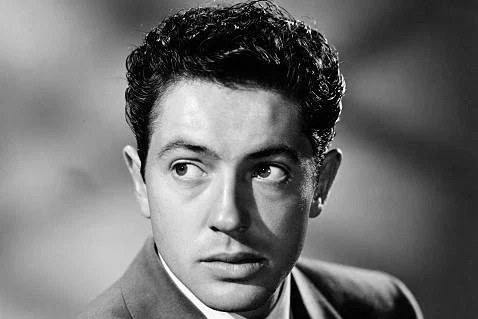
Farley Granger carried himself with a quiet ease that translated beautifully on screen, working with legendary directors like Alfred Hitchcock. Within Hollywood circles, it was well-understood that Granger was bisexual, as he moved through relationships with both men and women without the elaborate cover stories used by his peers. However, this truth was never turned into a headline. There was an unspoken agreement between studios, actors, and the press that certain things remained private to maintain the “dream” sold to the public. Granger stayed within the limits of the time, understanding that his career depended on this silence.
Years later, he reflected on this period with surprising calmness in his memoir. He described the secrecy not as a dramatic deception, but as a form of routine survival. Everyone knew the rules of the era, and everyone followed them to keep the gears of the industry turning. He continued working steadily without major scandal, building a career that lasted far longer than many of his more “performative” contemporaries. What makes his story compelling is how ordinary the secrecy felt; it was a practical necessity. His life serves as a clear example of how discretion was not just encouraged in Old Hollywood, but strictly expected for professional longevity.
12. Ramón Novarro
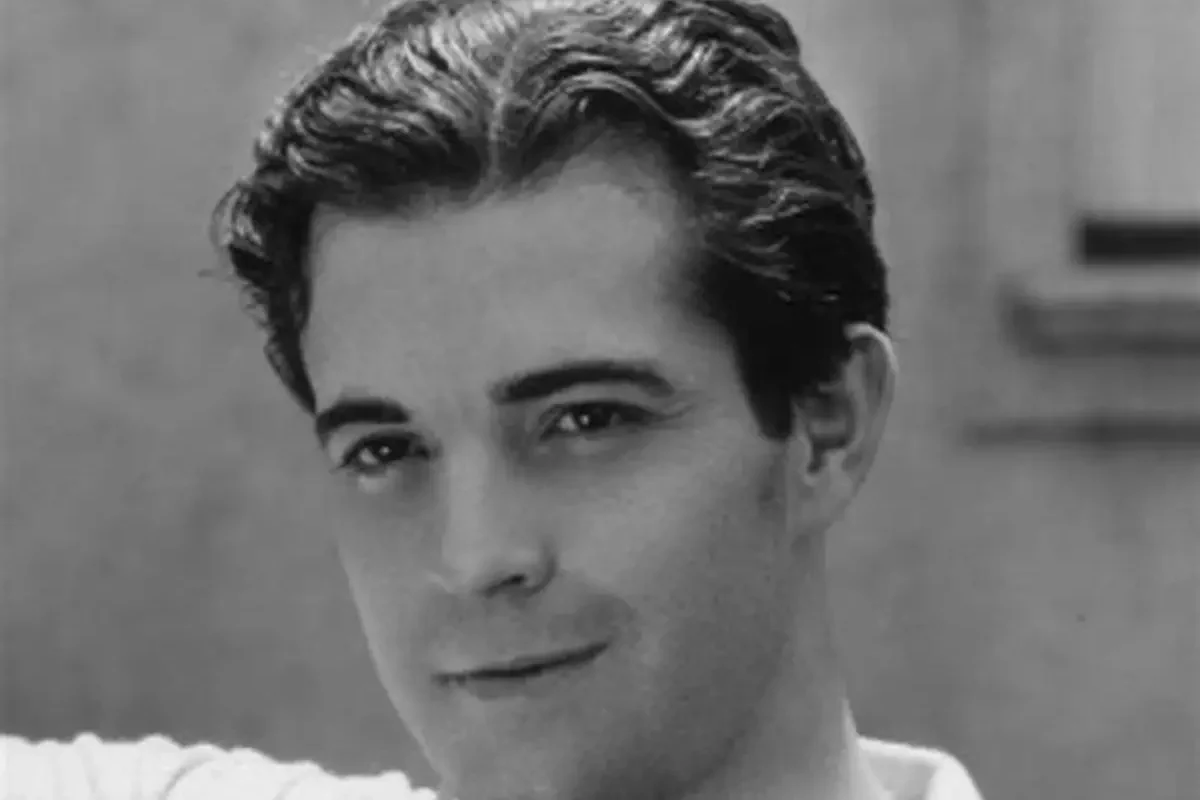
Ramón Novarro became a silent film sensation at a time when the studio system was still solidifying its grip. Audiences adored him as a romantic idol, and the studios promoted him carefully as a desirable leading man. Behind the curtain, however, whispers about his sexuality circulated in cautious tones. As sound films emerged and competition grew fiercer, scrutiny intensified. Maintaining a spotless public image became even more critical to survival.
Novarro lived discreetly, aware that exposure could shift public opinion overnight. The pressure to maintain silence followed him long after his brightest years had passed. Fame brought admiration, but it also demanded isolation. Looking back, his life feels both glamorous and lonely. He gave audiences epic romance and emotional depth, yet his own personal truth remained carefully guarded. His story reflects how early Hollywood built its stars high above the ground, then quietly expected them to balance there alone.
13. Tallulah Bankhead
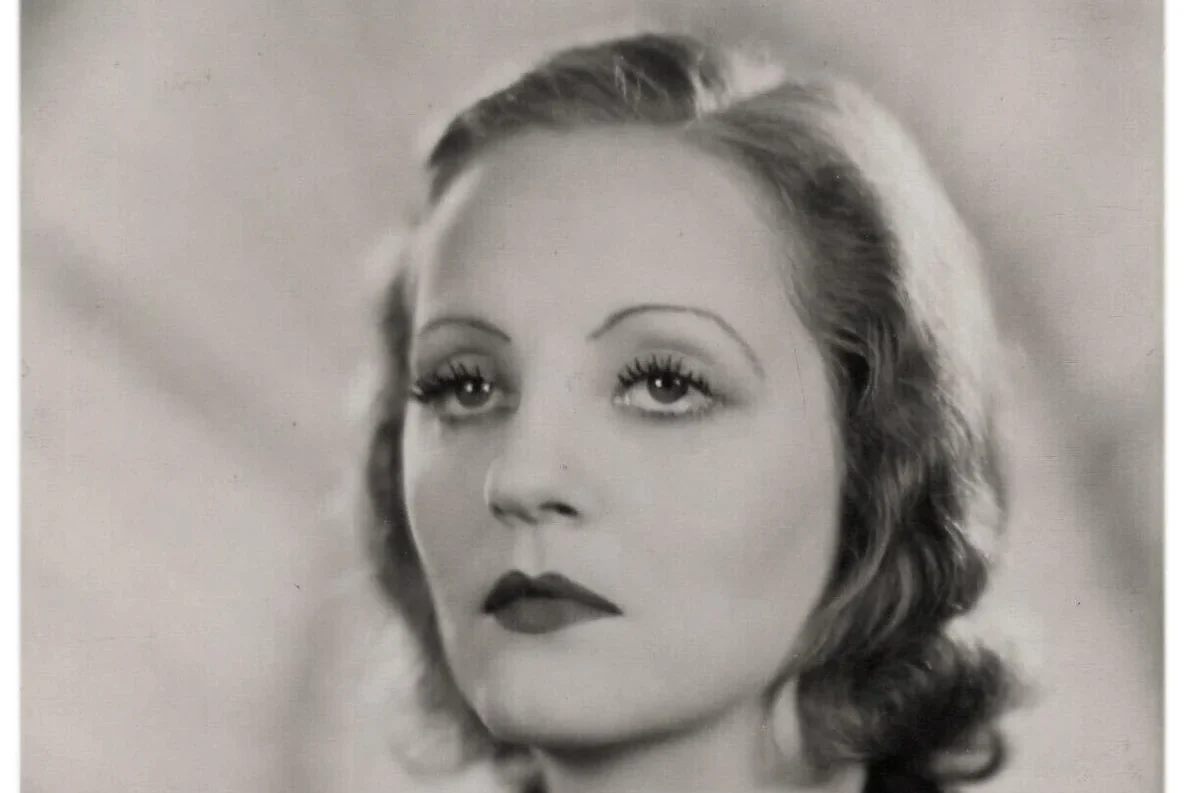
Tallulah Bankhead possessed a personality that could not easily be contained. She was outspoken, theatrical, and openly confident, cultivating a reputation that felt daring for her time. Within artistic circles, her relationships with both men and women were known, yet public acknowledgment remained carefully limited. Hollywood tolerated eccentric charm more comfortably than direct clarity about identity. Bankhead seemed to understand that distinction instinctively, revealing just enough to remain intriguing without crossing the line that could threaten her career or alienate audiences.
Her interviews sparkled with humor, often redirecting personal questions with wit rather than denial. The press tended to soften details that might have caused backlash, framing her as flamboyant rather than controversial. Bankhead’s charisma gave her space to maneuver, but it did not remove the system’s constraints. She balanced candor with caution, knowing visibility could easily turn into vulnerability. Her life demonstrates that even the boldest personalities operated within invisible boundaries, carefully measuring how much truth the industry was prepared to accept at any given moment.
14. Noël Coward
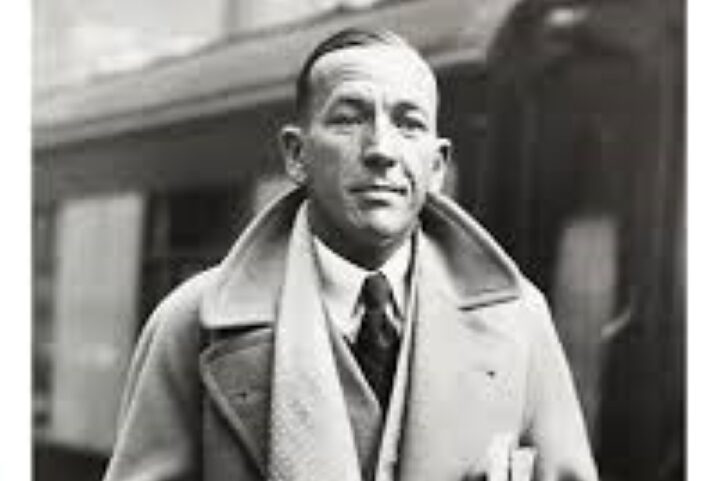
Noël Coward built a career defined by intelligence and style. His dialogue sparkled with wit, and his public persona radiated sophistication. Within theatre circles, his sexuality was widely understood, yet during the height of his fame it was never openly declared. British law criminalized same sex relationships at the time, making discretion not only professional but necessary for personal safety. Coward mastered the art of implication, communicating through tone and nuance rather than explicit confession, allowing perception to remain fluid.
In interviews, he brushed aside personal questions with charm so effortless it disarmed further inquiry. Those who understood could read between the lines, while the broader public received a carefully polished version of events. Coward chose elegance over confrontation, allowing his artistry to command attention instead of his private life. His restraint was strategic rather than fearful. By maintaining ambiguity, he protected both his career and his safety. That balance between visibility and caution defined much of his professional journey and preserved his influence for decades.
15. John Gielgud
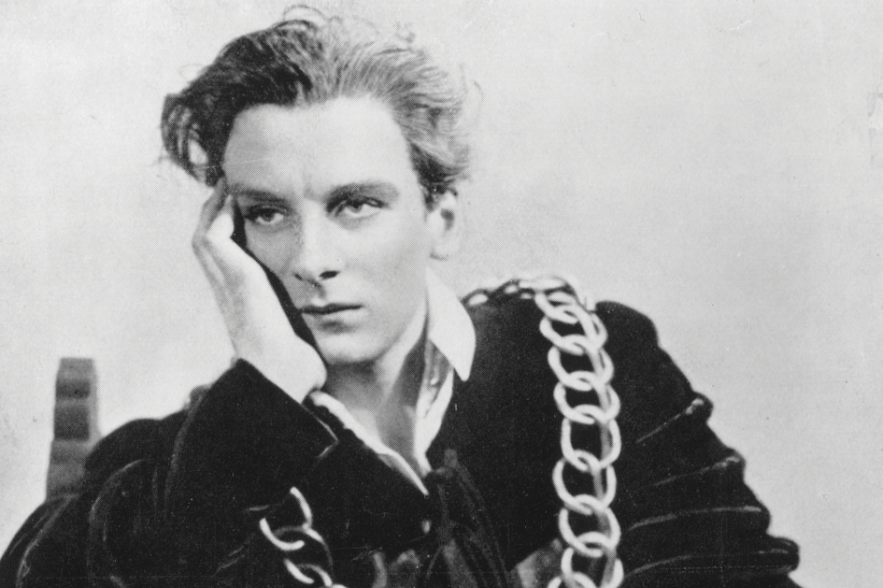
John Gielgud experienced public scandal early in his career when he was arrested in Britain on a morality charge. In a time when reputations were fragile, the exposure threatened to overshadow his talent and limit future opportunities. News traveled quickly, and the embarrassment was significant. Many feared that such an incident would permanently damage his standing in theatre and film. The system was rarely forgiving, and moral scrutiny often eclipsed artistic merit, placing immense pressure on those caught in public controversy.
Yet Gielgud continued working. Colleagues respected his skill deeply, and audiences remained drawn to his performances despite the incident. Though he maintained discretion about his personal life afterward, he did not retreat from his profession or allow shame to silence his ambition. He kept acting, directing, and building a body of work that ultimately defined him more than any scandal could. His resilience was quiet rather than defiant. He endured the humiliation without allowing it to dictate his future, proving that persistence could outlast even the harshest public judgment.
16. Sal Mineo
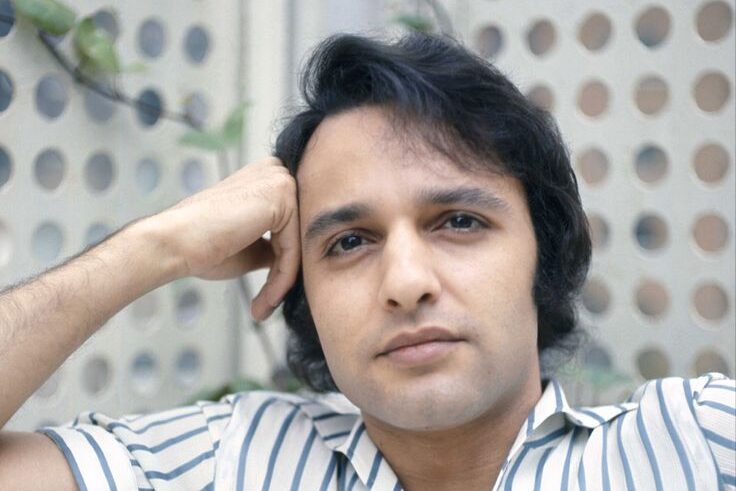
Sal Mineo entered Hollywood as a teenager and quickly became a recognizable face after his breakout performances in the 1950s. His vulnerability on screen felt genuine, and audiences connected to that openness. Behind the scenes, however, his personal life required careful handling. During his early career, studios preferred that young male stars project a certain kind of appeal, one that fit neatly within traditional expectations. Mineo understood that stepping outside that frame too openly could threaten his opportunities, so he moved cautiously in public.
As the years passed and cultural conversations began to shift, Mineo became more open about his bisexuality. That honesty did not come without risk, but it marked a turning point that earlier generations had not been able to embrace. His journey reflects a bridge between eras, one foot planted in Old Hollywood caution and the other stepping toward greater visibility. Mineo’s life carries both the weight of silence and the courage of gradual self acceptance, showing how change often arrives in stages rather than sudden breakthroughs.
17. Mercedes De Acosta
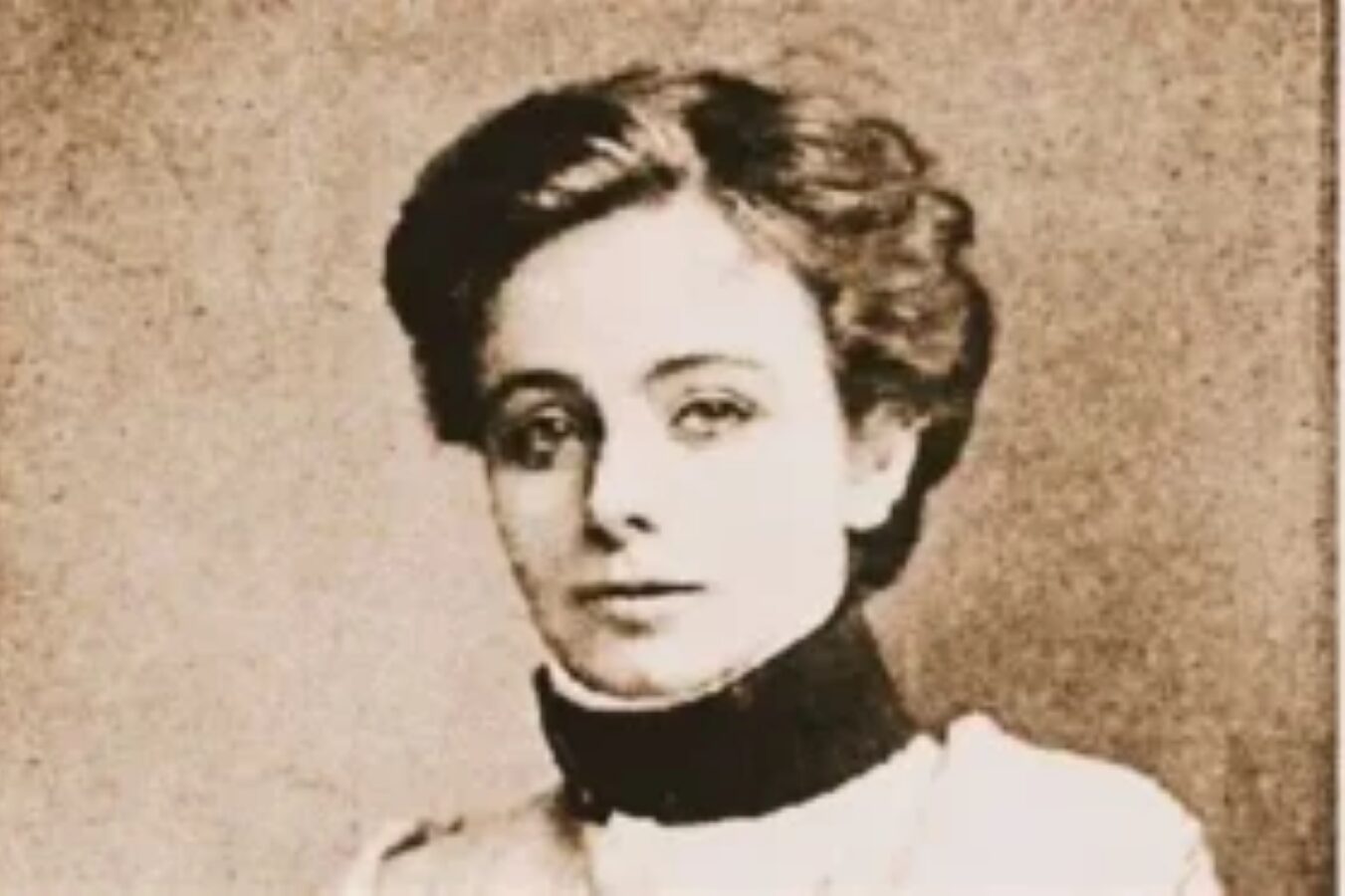
Mercedes de Acosta was not just an actress but a poet and playwright deeply connected within Hollywood’s inner circles. She formed close relationships with several prominent actresses, and within those circles her romantic life was not exactly hidden. Unlike many others, de Acosta did not always disguise her affections, and that openness carried consequences. While the press often softened details, her reputation within the industry became complicated by association and rumor.
She lived more transparently than many of her contemporaries, but that transparency came at a professional cost. Opportunities narrowed, and her name became linked more to speculation than to her artistic output. In an era that rewarded silence, de Acosta’s relative candor stood out. Her story highlights how uneven the consequences of openness could be, especially for women. Some managed careful secrecy and maintained steady careers. Others, like de Acosta, accepted greater visibility and paid a quieter but lasting price within a system that rarely forgave deviation from its script.
18. George Nader
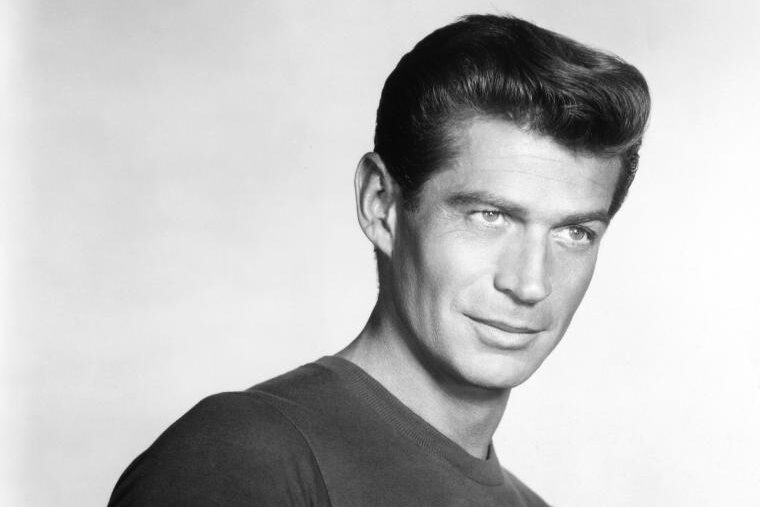
George Nader built a respectable career in film and television, often playing steady, reliable characters that fit comfortably within studio expectations. Off screen, however, his private life reportedly clashed with the moral clauses embedded in studio contracts. Those clauses allowed executives to sever ties if a star’s personal conduct threatened public image. In Nader’s case, rumors about his sexuality created tension with decision makers who prioritized appearance above loyalty.
When opportunities diminished in Hollywood, Nader continued working internationally, where scrutiny sometimes felt less rigid. His experience illustrates how contracts could quietly enforce conformity without dramatic public scandal. Careers could slow not because of talent, but because of perception. Nader’s path reflects a common reality of the era. Silence was not always enough. Even suspicion could limit possibilities. His resilience lay in adapting, seeking work elsewhere rather than abandoning his craft altogether when Hollywood’s narrow standards left little room for complexity.
19. Alla Nazimova
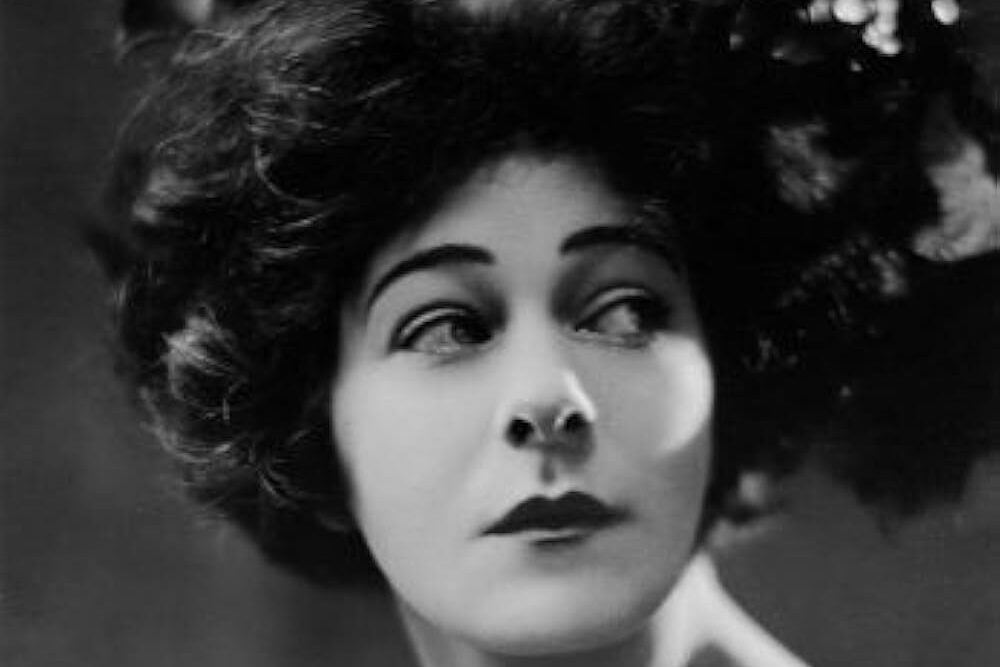
Alla Nazimova was a powerful creative force during the silent film era, known for her ambition and distinctive artistic vision. Beyond the screen, she cultivated a social circle that welcomed writers, performers, and creatives who did not fit mainstream norms. Within that private world, relationships between women were more openly acknowledged, though rarely discussed publicly. Nazimova reportedly used coded language to describe certain companions, a subtle way of signaling belonging without inviting scandal.
Her influence extended beyond acting into production and mentorship, giving her more autonomy than many actresses of her time. Even so, the broader industry preferred discretion. Public narratives remained conventional, while private gatherings told a more layered story. Nazimova’s life demonstrates how some figures carved out protected spaces within restrictive systems. She did not loudly challenge the rules, but she quietly built communities that existed alongside them, proving that even in tightly controlled eras, alternative networks could thrive behind closed doors.
20. Roddy McDowall
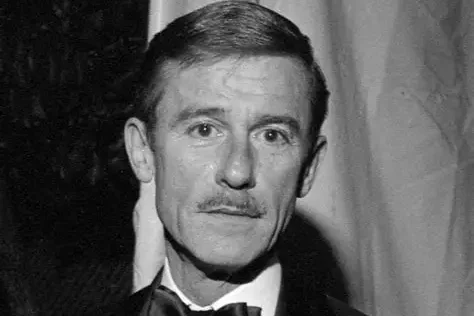
Roddy McDowall began acting as a child and successfully transitioned into adult roles, maintaining a remarkably long career in film and television. Within Hollywood, his sexuality was widely understood among friends and colleagues, yet it remained unspoken in official publicity. McDowall valued his professional relationships and knew that public acknowledgment during certain decades might shift how studios viewed him. He balanced warmth and discretion with remarkable consistency.
Throughout his life, he cultivated deep friendships and remained a respected figure in the industry. As social attitudes evolved, conversations around identity became more open, but McDowall never turned his personal life into a public campaign. He seemed comfortable maintaining boundaries between his work and private world. His story reflects endurance rather than drama. For decades, he navigated shifting cultural landscapes without losing his footing. That steady balance allowed him to remain present in Hollywood long after many peers had faded from view.
21. Jean Acker
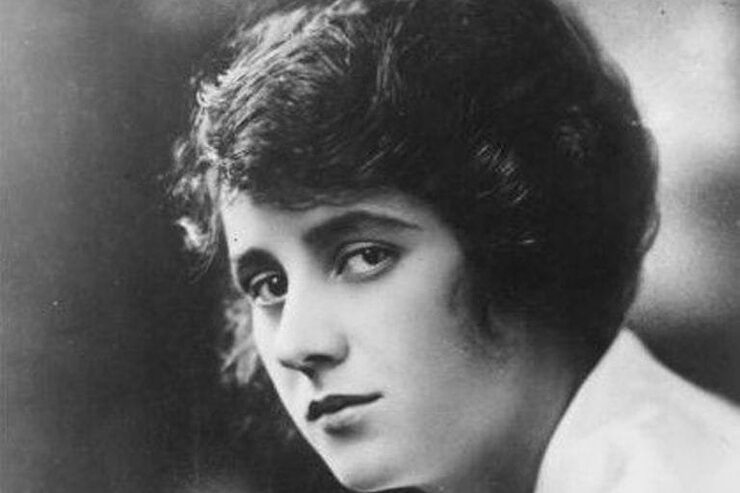
Jean Acker is often remembered for her brief and turbulent marriage to Rudolph Valentino, a union that lasted only weeks but generated years of speculation. At the time, Hollywood was eager to frame the separation as incompatibility or temperament. Quietly, however, rumors circulated that Acker’s romantic interests leaned toward women. In an era when studios guarded reputations fiercely, those whispers were never allowed to grow into headlines. The marriage itself served as a convenient shield, reinforcing a conventional image even as private realities remained more complicated.
After the split, Acker continued working, though her career never reached the heights of her former husband’s fame. She lived within Hollywood circles where certain truths were understood but rarely spoken aloud. Like many women of her time, she navigated expectations that left little room for openness. Her story reflects how marriage could function as a protective cover in Old Hollywood, offering a public explanation that kept deeper questions safely out of reach.
22. Coral Browne
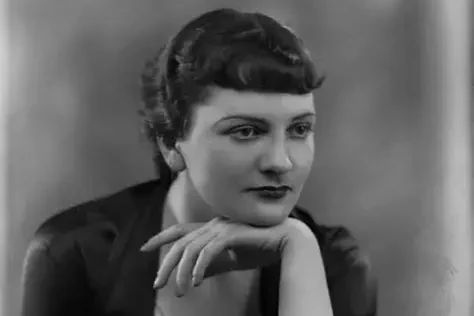
Coral Browne moved fluidly between stage and screen, earning respect for her wit and sharp performances. Though she later married Vincent Price, earlier rumors linked her to close relationships with women within theatrical circles. Like many performers of her time, Browne kept her personal life largely separate from public discussion. The industry offered little protection for openness, particularly for actresses whose reputations were already vulnerable to moral scrutiny.
She focused instead on sustaining a steady career, letting talent and professionalism anchor her reputation. Browne seemed to understand that transparency carried risks that outweighed potential benefits in that era. By maintaining discretion, she preserved her standing and continued working across decades. Her story highlights how survival often depended on quiet negotiation rather than open confrontation, balancing private truth with public expectation in ways that allowed longevity without inviting scandal.
23. Cesar Romero
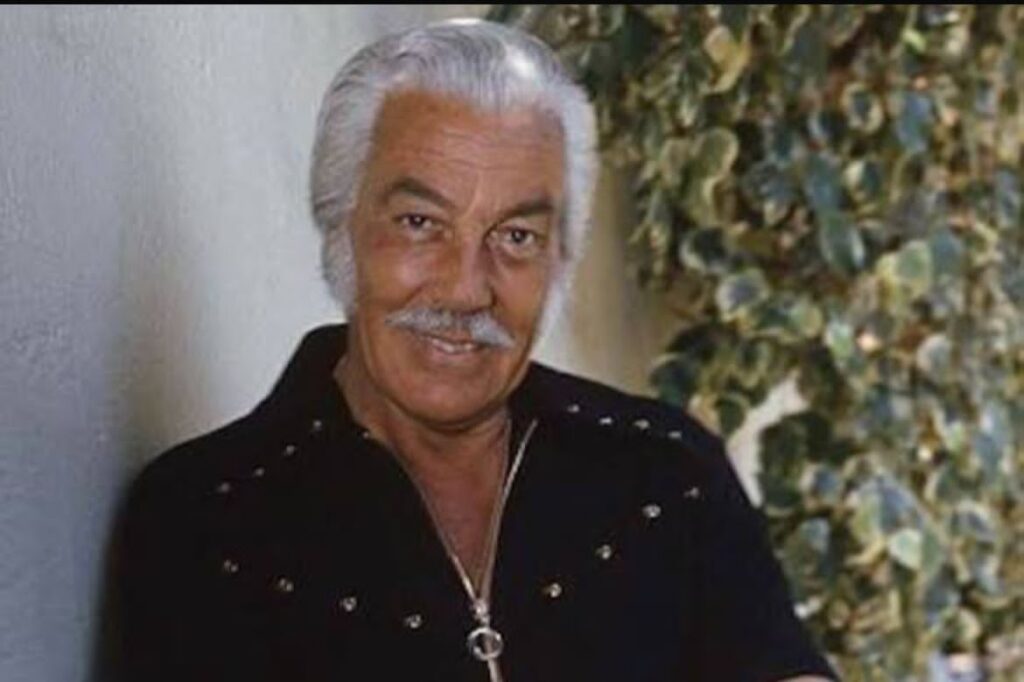
Cesar Romero was a staple of Hollywood for decades, known for his towering height and sophisticated “Latin Lover” persona. While he played the dashing romantic interest in numerous films and later became a pop-culture icon as the Joker in the 1960s Batman series, Romero lived a remarkably open “private” life within the industry. He was a gay man who never married, a rarity for leading men of that era, and was a frequent guest at Hollywood’s most elite parties. However, he and the studios maintained a careful boundary with the public, framing his bachelorhood as the choice of a man who simply “hadn’t found the right woman yet.”
Despite the lack of a public “coming out,” Romero’s status was an open secret among his peers. He was a beloved figure who managed to avoid the tabloid scandals that sank others, largely because he remained the ultimate professional on set. His ability to navigate the system without a “Lavender Marriage” was a testament to his immense charm and the respect he commanded. Romero’s story shows that while the rules were rigid, a few stars managed to find a middle ground, living with a level of quiet dignity that allowed them to be themselves within their inner circles while the cameras kept rolling.
24. Barbara Stanwyck
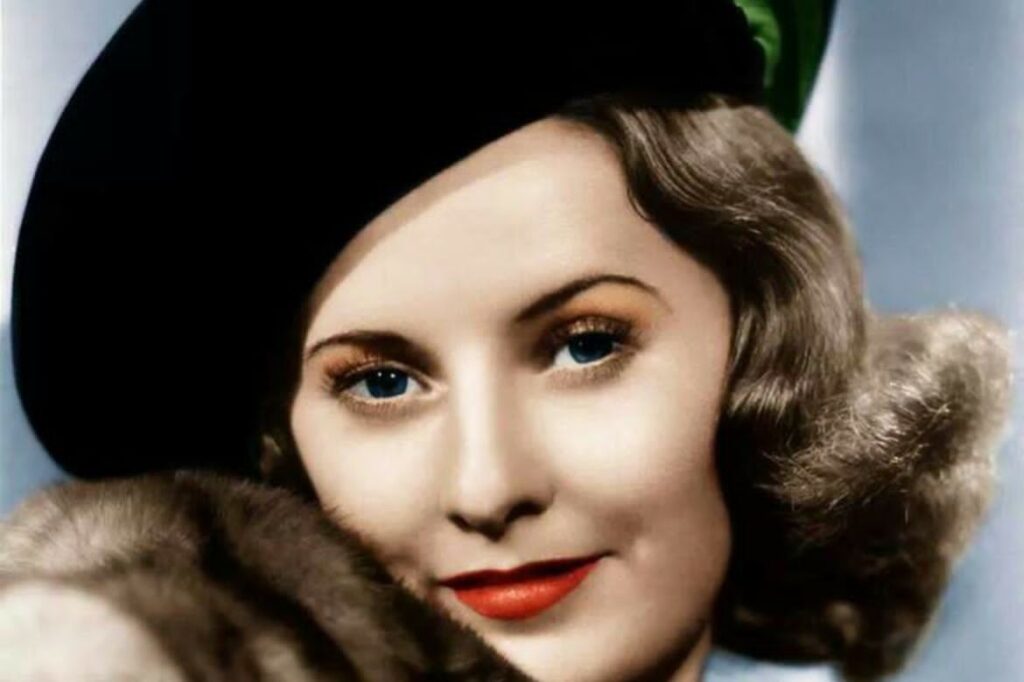
Barbara Stanwyck was one of the most versatile and powerful actresses in cinema history, known for playing tough-as-nails women who took no nonsense. Off-screen, her personal life was the subject of intense whispers, particularly regarding her relationships with women and her long, complex marriage to actor Robert Taylor. Many biographers and historians categorize Stanwyck as bisexual, noting that her marriage was likely a “Lavender” arrangement encouraged by the studios to protect two of their biggest stars. Stanwyck never entertained these rumors publicly, preferring to let her formidable body of work and professional reputation stand as her primary legacy.
She protected her privacy with a fierce intensity that matched her on-screen persona. In an industry that thrived on gossip, Stanwyck made it clear that her life belonged to her, not the press. She focused on her craft with a discipline that made her indispensable to directors and producers, which in turn gave her a level of protection from the more predatory aspects of the tabloid media. Her story is a perfect example of how high-level success could buy a certain amount of silence. By becoming one of the most respected “tough broads” in the business, she ensured that her private life remained exactly that, private.
25. George Chakiris
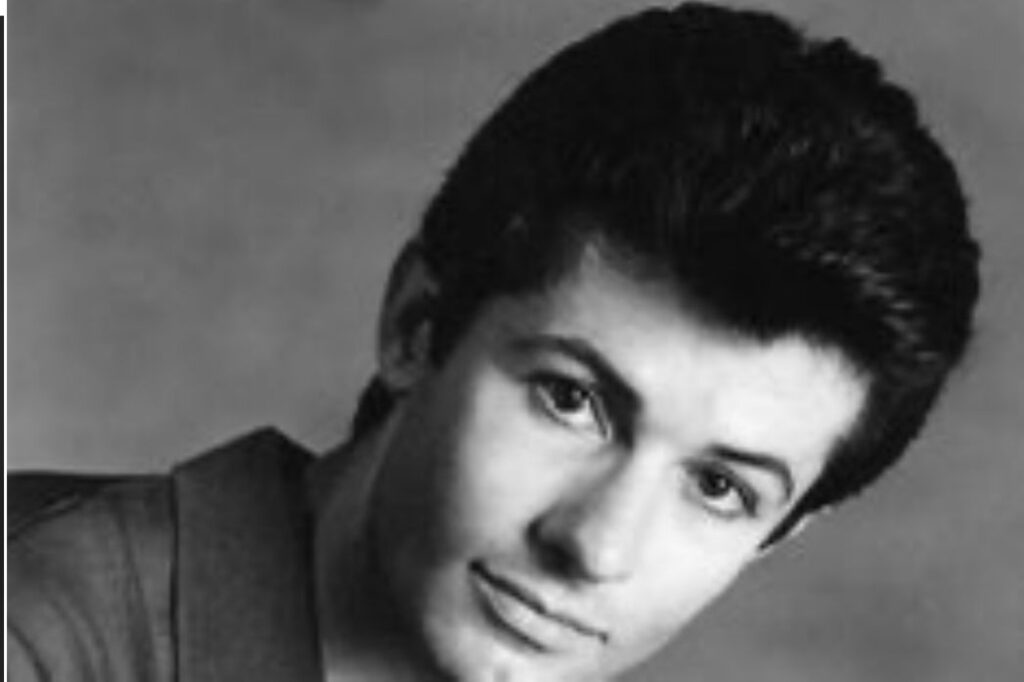
George Chakiris shot to international fame with his electric, Oscar-winning performance as Bernardo in West Side Story. As a dancer and actor, he possessed a grace and intensity that captivated audiences, yet he entered the industry at a time when the “Glass Closet” was still standard practice. Chakiris was a gay man, but like so many others of his generation, he understood that the path to a sustainable career required a certain amount of discretion. He focused on his artistry and his international appeal, moving between film, theater, and music while keeping his personal life away from the prying eyes of the American press.
As social attitudes began to shift in later decades, the need for such heavy secrecy diminished, but Chakiris always maintained a level of class and reserve. His journey reflects the experience of many performers who achieved stardom during the transition between the rigid 1950s and the more liberated 1970s. He didn’t build his career on scandal or headlines; he built it on sheer talent and a disciplined work ethic. His life serves as a reminder that for many LGBTQ+ performers in Old Hollywood, the goal wasn’t necessarily to make a political statement, it was simply to be allowed to do the work they loved.
26. James Dean
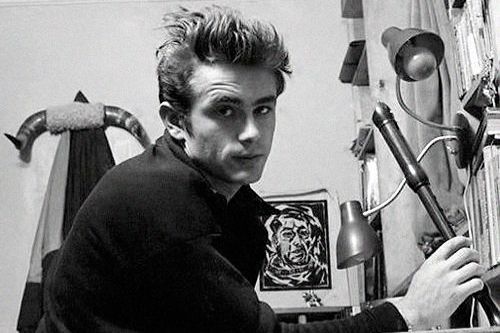
James Dean remains the ultimate symbol of teenage angst and rebellion, but his sexuality was as restless and unconventional as his acting style. While the studios tried to frame him as a typical young heartheart throb, Dean’s life was far more fluid; he was bisexual and moved through relationships with both men and women with a “beatnik” disregard for the rules. He famously dodged questions about his orientation by saying, “No, I’m not a homosexual. But I’m also not going to go through life with one hand tied behind my back.” This refusal to be pinned down made him a hero to some and a headache for studio publicists.
Because his career was so short and his impact so massive, Dean never had to face the long-term “management” that stars like Rock Hudson endured. He lived on the edge, and the studios were often too busy trying to capture his lightning-in-a-bottle energy to force him into a conventional “Lavender Marriage” before his untimely death. His story represents a shift toward a more modern, fluid understanding of identity that would eventually take root decades later. Dean was a rebel in every sense of the word, challenging not just the way people acted on screen, but the way they were expected to live their lives off of it.
27. Raymond Burr
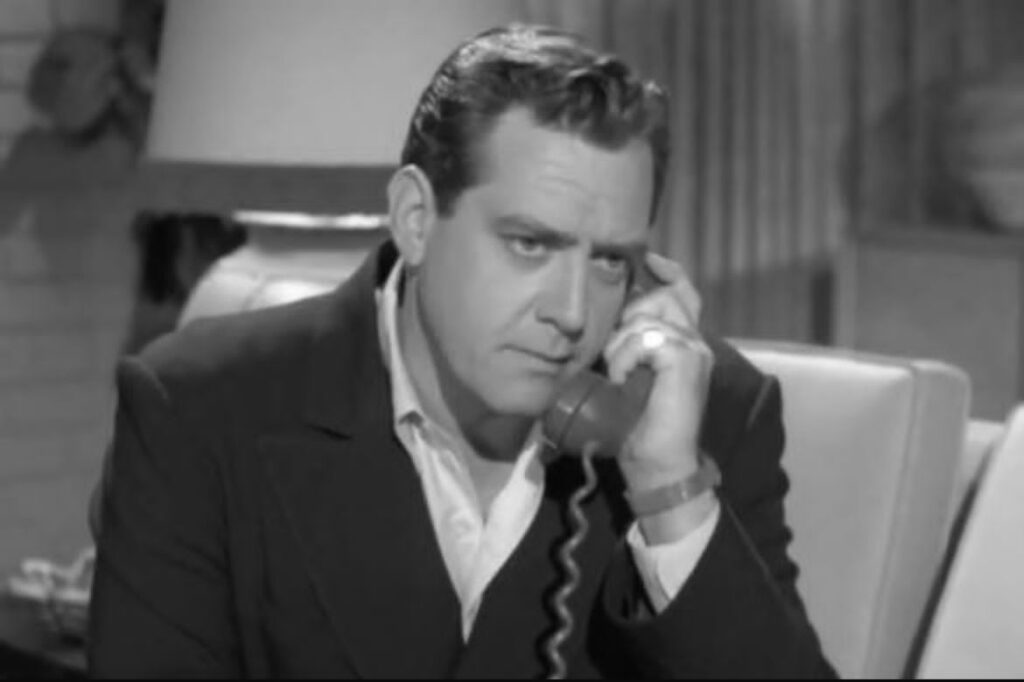
Raymond Burr became a household fixture as Perry Mason, the ultimate symbol of law, order, and traditional values. To protect this “pillar of the community” image, Burr and his team manufactured a tragic backstory involving a deceased wife and son, a story that biographers later revealed was almost entirely fictional. In reality, Burr was a gay man who shared over 30 years of his life with his partner, Robert Benevides. Because he played such “serious” roles, the public never questioned the stoic bachelorhood of the man they saw on TV every week, illustrating just how powerful a well-crafted narrative could be.
Burr’s life is a fascinating study in the “Glass Closet” because he was so successful at it. He understood that the American audience of the 1950s and 60s wanted their heroes to be uncomplicated, so he gave them exactly what they asked for. Behind the scenes, however, he lived a full and committed life with the person he loved, surrounded by a close-knit group of friends who kept his secret for decades. Burr’s story isn’t one of tragedy, but of a man who successfully “hacked” the system, trading a bit of public truth for a lifetime of professional success and a stable, loving private partnership.
28. Robert Reed
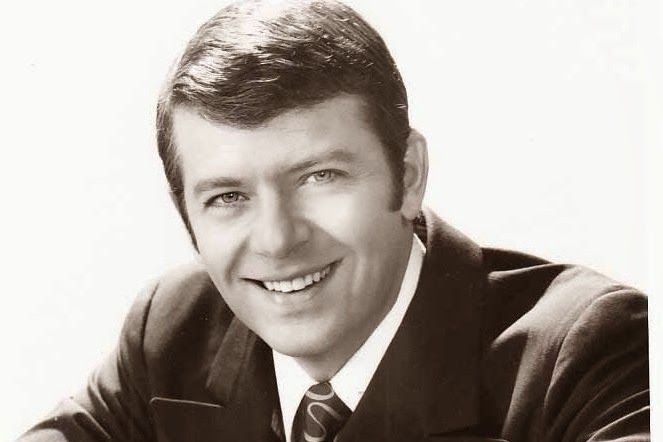
Robert Reed became an American icon as Mike Brady, the wise and patient father on The Brady Bunch. While he represented the ultimate traditional patriarch to millions of viewers, Reed was a gay man who felt a deep conflict between his private reality and his public persona. He had been married early in his life and had a daughter, but he spent the height of his fame living in the “glass closet.” Reed was notoriously perfectionistic on set, often clashing with producers over the show’s lighthearted scripts because he wanted the work to have more dramatic integrity, perhaps a reflection of the seriousness with which he guarded his own life.
His co-stars, particularly the children on the show, grew to love him deeply and many became aware of his orientation over time, keeping his secret out of respect and affection. Reed’s story is a powerful example of the “television dad” paradox; he provided a sense of stability and moral guidance to a generation of American children while the industry’s rigid standards prevented him from being open about his own heart. He lived with a quiet dignity, and it wasn’t until after his death in 1992 that the broader public learned about the man behind the father figure. His life reminds us that the most “relatable” stars often carried the heaviest burdens of silence.
29. Elsa Lanchester
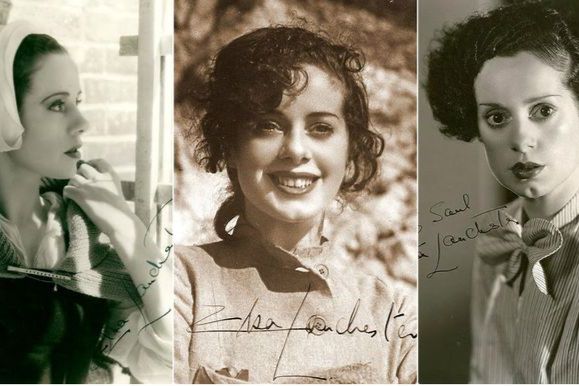
Elsa Lanchester is forever etched in cinematic history as the Bride of Frankenstein, but her real-life role was just as complex. She was married to fellow actor Charles Laughton for over thirty years in a partnership that was built on deep intellectual and artistic respect rather than traditional romance. Lanchester was open in her private memoirs about the fact that she and Laughton had a “Lavender Marriage” to protect his career, as Laughton was gay in an era when exposure meant criminal prosecution. Lanchester herself was bisexual, and the two created a supportive home that allowed them both to navigate a judgmental industry with a trusted ally by their side.
Their marriage was a testament to the unconventional ways people found companionship and safety in Old Hollywood. Instead of a cage, their arrangement functioned as a shield, giving them the social standing required to continue their high-level work on stage and screen. Lanchester was a fiercely independent woman who refused to be reduced to the role of a “suffering wife,” instead carving out a legendary career as a character actress. Her story highlights the practical side of Hollywood’s secrets; for Elsa and Charles, the “glass closet” wasn’t just about hiding, it was a strategic alliance that preserved their dignity and their ability to create art in an intolerant world.
30. Edward Everett Horton
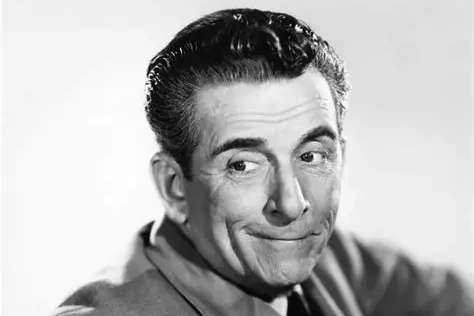
Old Hollywood projected elegance and certainty, yet many performers lived more complicated private lives than audiences imagined. Edward Everett Horton became one of the most recognizable character actors of the studio era, appearing in polished comedies and society dramas where his precise timing and slightly anxious charm made him unforgettable. Publicity focused only on his professionalism and reliability, yet within industry circles his sexuality was quietly understood. Horton avoided sensational headlines and instead built his reputation on consistency, punctuality, and an unmistakable screen presence that directors trusted repeatedly.
He never relied on dramatic denials or publicity stunts. Instead, Horton maintained a respectful distance between work and personal life, allowing his career to unfold steadily across decades. Because he specialized in supporting roles rather than romantic leads, studios placed less pressure on him to construct public romances. His experience shows how some performers survived through disciplined professionalism and focus on craft. Horton’s long filmography stands as proof that even in a restrictive era, sustained talent and discretion could create a stable Hollywood life.
31. Billy De Wolfe
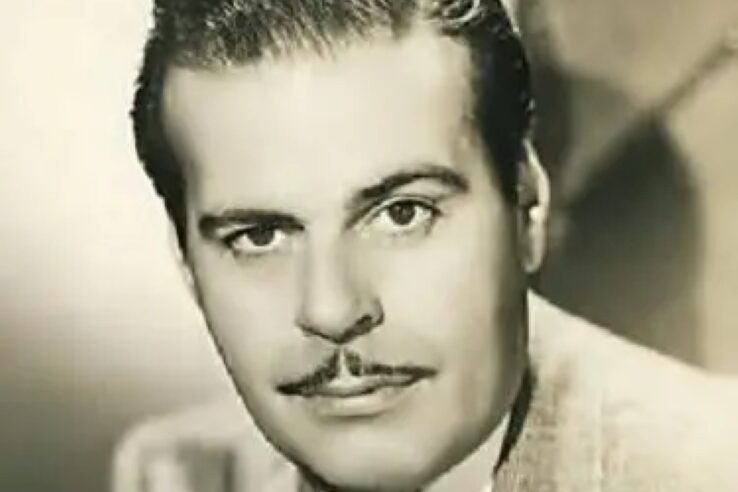
Billy De Wolfe made his mark through lively comedic performances and a theatrical delivery that audiences instantly recognized. Appearing in musicals, stage productions, and films, he cultivated a persona built on timing, voice control, and expressive movement rather than conventional leading man appeal. Within the entertainment industry, his sexuality was not treated as a shocking secret among colleagues, yet official publicity never addressed it directly. Studios preferred to market his comic skill while quietly ignoring personal questions that might complicate his public image.
Because his fame depended on character performance instead of romantic fantasy, De Wolfe faced different pressures from leading stars. He leaned fully into his theatrical strengths and remained dependable for producers who valued reliability above everything else. This steady professionalism allowed him to maintain continuous work across film and stage for years. His story illustrates how some performers navigated Hollywood by focusing on their niche, cultivating industry respect, and allowing private identities to remain understood within trusted creative circles.
32. Patsy Kelly

Patsy Kelly gained popularity for her sharp comedic delivery and approachable humor during the 1930s and 1940s. She often played outspoken supporting characters whose wit grounded the story, making her a reliable presence in studio productions. Within Hollywood circles, her relationships with women were widely known, yet she never built elaborate publicity romances to disguise them. Because she was valued as a character actress rather than a romantic idol, the studio system placed slightly less pressure on her personal narrative.
Kelly concentrated on steady employment instead of celebrity spectacle, appearing in films, stage shows, and later television roles. Her practical approach kept her working for decades, earning respect as a dependable performer. She demonstrated that some actors survived the restrictive studio era not by dramatic secrecy but by remaining professionally indispensable. Kelly’s career reflects how humor, reliability, and a willingness to accept varied roles could provide enough stability to protect personal authenticity.
33. Arthur Blake
Arthur Blake became famous for his remarkable ability to impersonate major film stars, performing impressions that captured voices and gestures with uncanny accuracy. His act connected theatre audiences and Hollywood culture, making him a familiar entertainment figure in stage revues and screen appearances. Within artistic communities, Blake’s sexuality was not hidden from colleagues, and he moved comfortably among other performers who shared similar private realities. His reputation rested on specialized talent rather than romantic publicity.
Because his success depended on performance skill rather than leading man fantasy, Blake experienced less demand to construct public relationships. He adapted his act over time, maintaining professional respect and continued bookings. His career highlights how performers operating in specialty entertainment niches often faced different expectations than mainstream film stars. Blake’s life reminds us that Old Hollywood contained multiple professional tiers where some artists quietly maintained greater personal honesty.
34. John Ireland
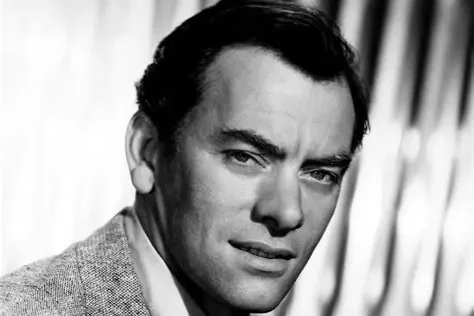
John Ireland became known for intense performances in westerns and crime dramas, bringing a rugged screen presence that directors used effectively in supporting roles. Historical accounts describe relationships with both men and women, though such details remained outside public discussion while he worked actively in film and television. Ireland understood that maintaining a professional reputation mattered more than engaging with rumors, so interviews focused strictly on his acting craft and upcoming roles.
His career extended across multiple decades, showing adaptability within an industry that frequently replaced performers. By remaining punctual, cooperative, and focused on production needs, Ireland preserved steady employment while keeping his private life separate. His story illustrates the experience of many bisexual performers in mid century Hollywood who balanced layered identities quietly. Ireland’s professional longevity demonstrates that reliability and strong work ethic often mattered more than publicity narratives.
35. Danny Kaye
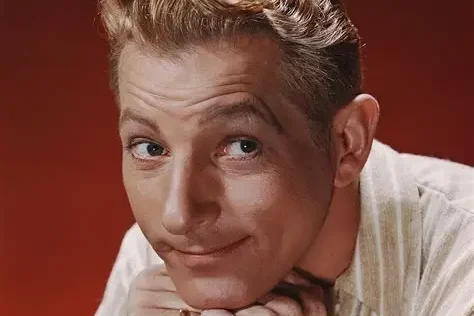
Danny Kaye rose to international fame through energetic musical comedies that showcased rapid speech and expressive humor. Audiences adored his lively performances, and studios invested heavily in maintaining his wholesome public image. Later biographies describe relationships with both men and women, indicating a more complex private life than publicity materials acknowledged during his peak years. Financial success made preserving that profitable image a shared studio priority.
Kaye’s enormous appeal gave him protection that lesser known actors rarely enjoyed. Producers depended on his popularity and avoided encouraging invasive personal coverage. By delivering consistent entertainment value and maintaining strong professional relationships, he remained insulated from deeper scrutiny. His career illustrates how commercial success sometimes functioned as a shield, allowing performers to sustain long careers while their personal realities remained quietly understood within trusted circles.
36. Paul Lynde
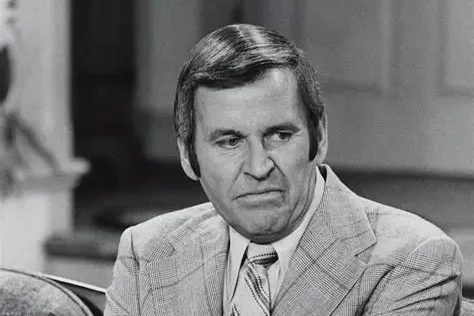
Paul Lynde became one of the most recognizable comic personalities of television and film, known for a distinctive voice and precise sarcastic timing. His appearances on sitcoms, variety programs, and stage productions made him a constant presence in American entertainment. Within the industry, his sexuality was widely understood, yet public discussion remained minimal during his peak years because television still required carefully controlled personal images.
Lynde relied on professional reliability and audience affection to sustain his career. Producers valued his ability to deliver humor consistently, and that trust kept him employed across multiple formats. As social attitudes slowly evolved, discussion of identity became easier, but during earlier years he balanced visibility with discretion. Lynde’s experience represents the transitional period between strict silence and gradual openness.
37. Anthony Dexter
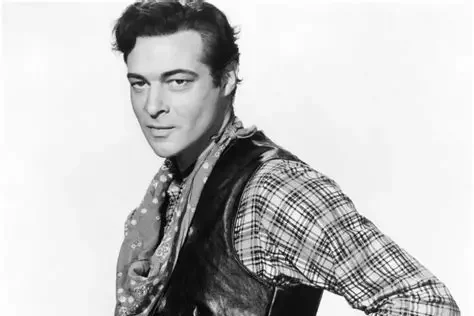
Anthony Dexter gained recognition portraying Rudolph Valentino in a biographical film that briefly elevated his visibility. Like many mid century performers, he worked primarily in supporting roles while navigating expectations of studio publicity departments. Historical accounts describe his sexuality as known within certain professional circles, though never discussed publicly during active years in film and television.
Dexter maintained steady employment by emphasizing reliability and cooperation on set. He accepted varied roles and focused on delivering consistent performances directors could depend upon. His experience reflects the reality of many working actors who were not top stars but depended on continuous contracts. By prioritizing professionalism, Dexter sustained a respectable career while preserving personal privacy.
38. Jimmie Shields
Jimmie Shields operated primarily within entertainment and social performance circles connected to Hollywood’s broader artistic environment. Though not a major film leading man, he was known among creative communities as an openly gay performer who moved comfortably within social networks of writers, actors, and producers. His career reflects the extended cultural world surrounding Hollywood where many influential figures worked outside mainstream publicity.
Because Shields did not depend on romantic leading roles, he experienced fewer restrictions regarding personal relationships within trusted circles. He continued performing and participating in entertainment communities that supported one another. His life demonstrates that Hollywood was never solely defined by studio publicity narratives, and behind the scenes existed interconnected artistic networks where some performers lived with far greater openness.
39. Charles Pierce
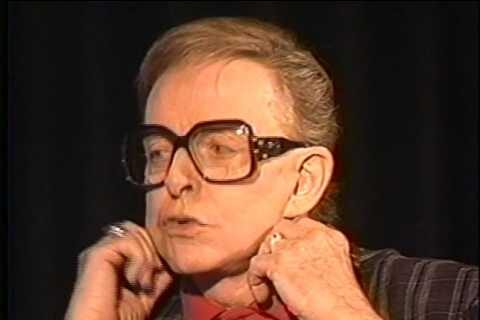
Charles Pierce became famous for female impersonation stage performances and later appeared in film and television productions influenced by his theatrical background. His career developed partly outside the strictest studio era, allowing him to cultivate a strong personal identity openly within performance communities. His stage success established audience loyalty that later supported his screen appearances.
Pierce’s reputation rested on professionalism, audience connection, and consistent stage discipline rather than conventional film stardom. Because his early work developed in live performance venues, he built stability independent of traditional studio publicity control. This pathway allowed greater personal openness than earlier generations experienced, showing gradual evolution in entertainment culture.
40. Monty Woolley
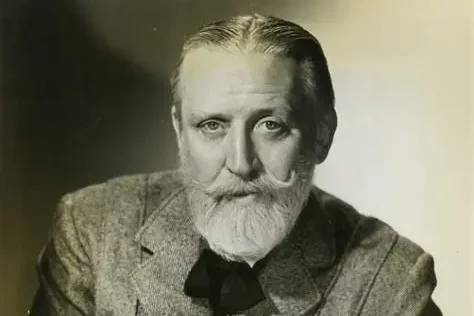
Monty Woolley became widely recognized for portraying witty intellectual characters whose sharp dialogue made him memorable on stage and screen. Productions such as The Man Who Came to Dinner showcased his distinctive presence and earned critical acclaim. Within theatrical and Hollywood circles, his sexuality was widely understood though never included in official publicity narratives.
Woolley maintained steady employment across theatre, radio, and film because producers trusted his professionalism. His cultivated persona as an eccentric intellectual meant studios placed less emphasis on romantic publicity stories. By embracing roles aligned with his strengths, he sustained credibility across decades. Woolley’s career shows how distinctive character actors sometimes navigated Hollywood with slightly more personal latitude.
41. Anderson Lawler
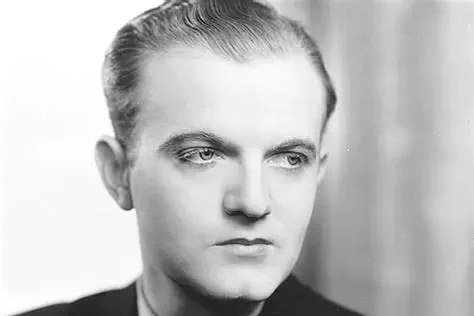
Anderson Lawler worked extensively in theatre and film, appearing in numerous productions as a dependable supporting performer. Though never a headline star, his steady presence made him familiar within professional acting circles. Historical accounts describe his sexuality as known among colleagues, yet like many performers of the time, this aspect remained outside public press coverage.
Lawler’s continued employment reflected the importance of reliability within the studio system, where dependable supporting actors were essential. By maintaining professionalism and avoiding controversy, he secured long term work while preserving personal privacy. His story represents the many working actors who formed the backbone of Hollywood productions without attracting public attention.
42. Nils Asther
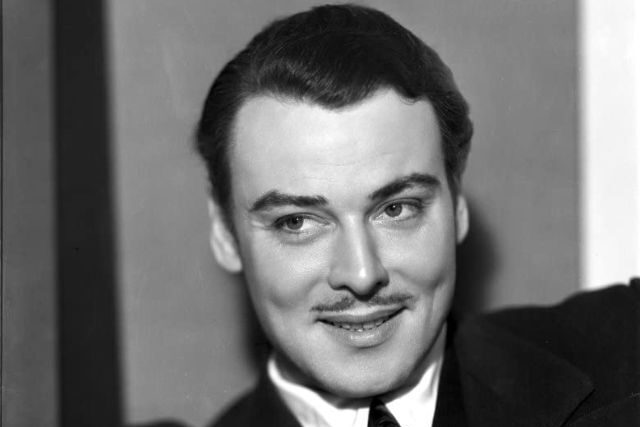
Nils Asther brought European sophistication to Hollywood during the silent and early sound eras, often cast as aristocrats or romantic figures. Studios marketed his striking appearance carefully, presenting him as a refined international leading man. Historical accounts describe relationships with both men and women, yet these realities never entered official publicity while he worked within the American system.
Asther’s career spanned Europe and Hollywood, giving him mobility that many actors lacked. When opportunities shifted, he continued working internationally while preserving independence and employment. His experience illustrates how international performers sometimes navigated identity differently by moving between markets and maintaining privacy.
43. Francis Lederer
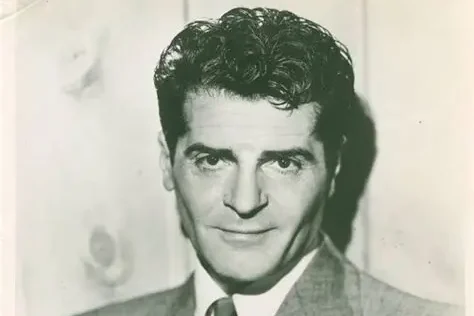
Francis Lederer entered Hollywood after establishing himself on the European stage, bringing disciplined theatrical training that translated well to film. Directors valued his reliability, and he frequently portrayed intelligent, refined characters. Historical accounts describe relationships with men alongside marriages to women, suggesting a bisexual private life never addressed publicly during his prime.
Rather than pursue fleeting stardom, Lederer focused on long term stability, working across film, theatre, television, and later teaching acting. By keeping attention centered on craft and mentorship, he avoided damaging gossip cycles. His career shows how some performers achieved durability through consistency and professional seriousness.
44. Ina Claire
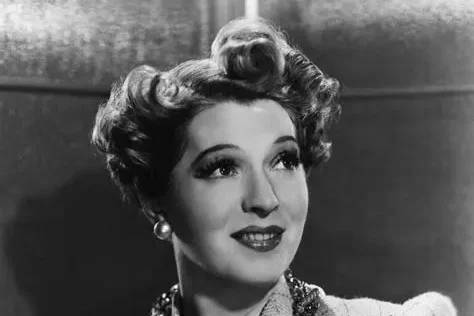
Ina Claire became known for sophisticated stage performances that carried Broadway elegance into early Hollywood productions. Though her film appearances were fewer than her theatre successes, she remained deeply connected to artistic social circles that included many queer performers and writers. Theatre histories place her within networks where same sex companionships were socially understood even if never publicly discussed.
Claire eventually focused more heavily on stage work, where professional reputation often outweighed publicity narratives. By selecting roles carefully and maintaining strong artistic relationships, she preserved respect across decades without inviting tabloid intrusion. Her life reflects the broader creative theatre world that existed alongside Hollywood studios, where performers sometimes found greater personal acceptance while continuing to contribute meaningfully to American entertainment history.


