
The School Lunch Lady and the Delayed DNA Match
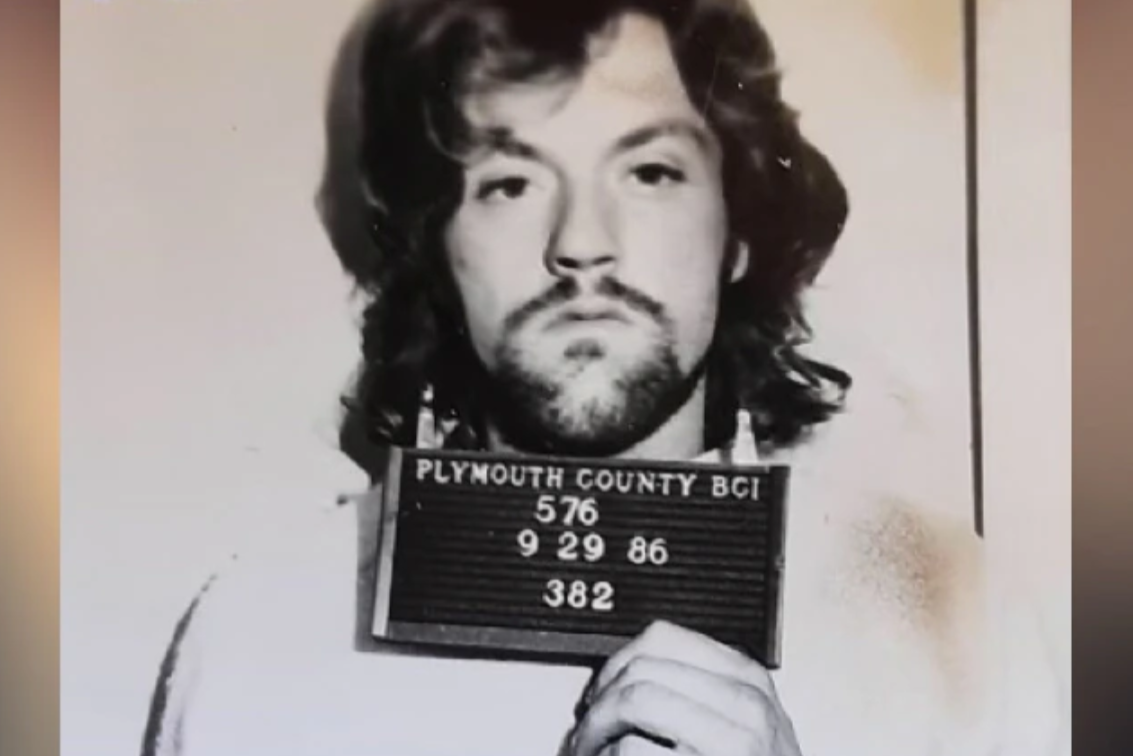
In 1984, the quiet community of Pembroke, Massachusetts, was rocked by the brutal murder of 59-year-old Virginia “Ginny” Hannon. A beloved school lunch lady known for her kindness, Hannon was found slain inside her own home, a crime that lacked a clear motive or immediate suspects. For 37 years, the investigation remained one of the region’s most frustrating cold cases, with detectives exhaustively following leads that ultimately led to dead ends. The lack of forensic technology at the time meant that while evidence was preserved, it could not yet point to a specific individual.
The breakthrough finally arrived in 2021 through a dramatic deathbed confession. A man linked to Jesse Aylward informed authorities that Aylward had admitted to the killing just before he passed away. Acting on this tip, investigators used modern DNA testing to compare samples from the 1984 crime scene with Aylward’s genetic profile. The match was definitive, proving he was responsible for the violence decades earlier. This case highlights how the combination of a final moment of honesty and advancements in forensic science can finally bring justice to a story that had remained frozen in time.
2. The Final Words That Added More Names
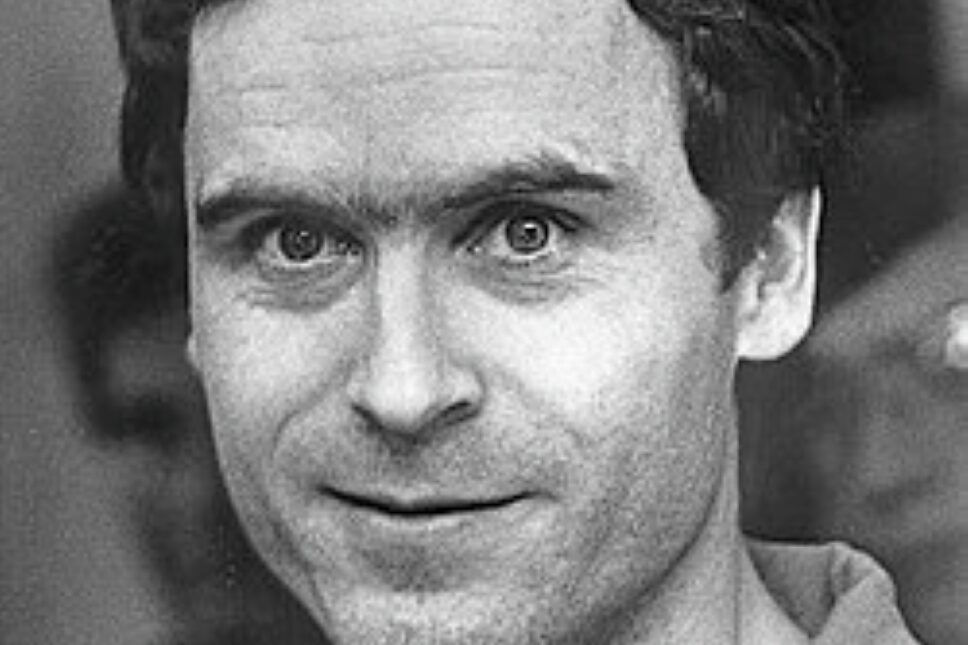
There are moments when a confession expands right up until the end. Ted Bundy, one of the most studied criminal figures in U.S. history, spent years denying or minimizing his actions before eventually admitting to multiple murders. In the days leading up to his execution in 1989, he gave additional details to investigators, revealing more about the extent of his crimes.
He spoke in a measured way, offering information that helped close some cases, while still leaving others unresolved. What makes this confession unsettling is how late it came. For many families, the answers arrived only when there was no longer an opportunity for justice in the traditional sense. It also showed how someone could hold onto the truth for years, choosing when and how to release it. Even in those final moments, there was a sense that not everything had been said. It leaves you with the feeling that some stories are never fully told, even when someone decides to speak.
3. The Letter That Was Never Sent

Sometimes the truth doesn’t come out in spoken words, but in something written and kept hidden. In one account, a family discovered a letter tucked away among an elderly man’s belongings after he passed. It was addressed but never sent, and in it, he admitted to a betrayal that had quietly ended an important partnership many years earlier. To everyone else, the split had seemed mutual, even natural.
In the letter, he wrote, “I let you take the blame because it was easier than telling the truth.” The line feels simple, but it carries a long silence behind it. The person it was meant for never had the chance to read it, and the story remained unchanged in the public eye. What makes this confession unsettling is how close it came to being shared, yet never was. It shows how intention alone doesn’t always lead to action. Sometimes, the truth sits just within reach but never quite makes its way out. If this one lingers, the next story carries a different kind of quiet distance.
4. The Confession That Set Others Free
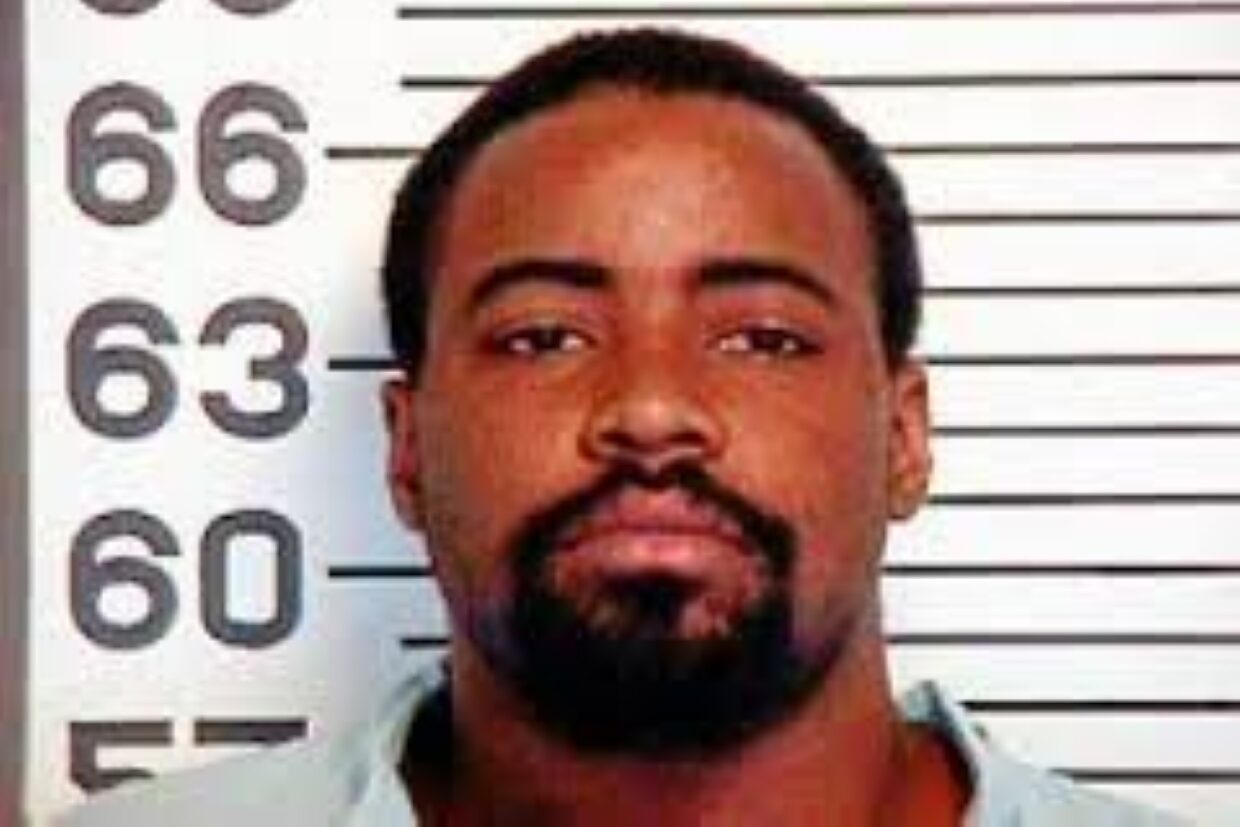
Sometimes a confession doesn’t just reveal the truth, it changes the course of other people’s lives. In 2014, Michael Lee Wilson, an Oklahoma death row inmate, made a statement in his final moments that drew attention across the country. Convicted for his role in a 1995 robbery and murder, Wilson admitted his involvement, but also clarified something that had long been questioned. He stated that other men who had been accused alongside him were not as responsible as originally believed.
In his final words, he said, “I didn’t kill that lady… I’m sorry for that.” The statement didn’t undo his conviction, but it reinforced growing doubts about how the case had been handled. Over time, several co-defendants had already been released or had their convictions reconsidered, with concerns raised about coerced confessions and flawed evidence. What makes this moment so striking is how it came at the very end, when there was nothing left to gain. It became less about his fate and more about setting the record straight for others. If anything, it shows how truth can arrive late, but still carry weight where it matters most.
5. The Claim That Reopened a Mystery
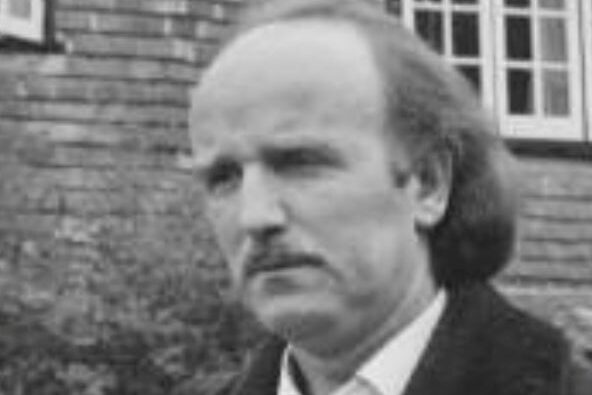
Some confessions arrive years after a mystery has settled into public memory. Frank Thorogood, a builder who had worked for Brian Jones, reportedly claimed before his death that he was responsible for the musician’s drowning in 1969. Officially ruled accidental at the time, the case had long been the subject of speculation.
According to accounts, Thorogood said he had been involved in a confrontation that turned fatal. The claim added another layer to an already complex story, though it has never been definitively proven. What makes this confession unsettling is how it sits between possibility and uncertainty. It doesn’t fully close the case, but it changes how it’s remembered. It reminds you that even widely accepted conclusions can be questioned years later. And sometimes, the truth doesn’t arrive clearly, it comes in fragments, leaving people to decide what they believe.
6. The Secret Behind a Disappearance
Disappearances often leave families with more questions than answers. In one account, Geraldine Kelley reportedly admitted before her death that her husband’s long-unsolved disappearance was not a mystery at all. For years, those around her believed he had simply left or met with unknown circumstances.
Near the end, she revealed that she had been responsible for his death, a truth she had carried quietly for years. What makes this confession particularly heavy is how it reshapes a long-held narrative. A story once filled with uncertainty suddenly becomes clear, but far too late to change anything in a practical sense. It also shows how someone can live alongside a secret that alters how everyone else understands the past. When the truth finally comes out, it doesn’t just answer questions; it changes the meaning of everything that came before it.
7. The Lie That Took Years to Undo
Not all confessions reveal hidden crimes, some expose the consequences of false ones. In a troubling case, Alice Mock admitted that she had falsely accused a man of robbery and assault, a claim that led to him spending 15 years in prison. At the time, her testimony had been believed, and the case seemed straightforward.
Years later, she confessed that the story had not been true. She acknowledged that her words had set off a chain of events she could not take back. What makes this confession so difficult is the weight of time. Fifteen years is not something that can be returned or repaired. It highlights how powerful a single statement can be, especially within the justice system. And it leaves a quiet question behind, about how many lives are shaped by things that are only corrected much later. In the end, the truth came out, but it arrived long after it could make things right.
8. The Confession That Grew With Time
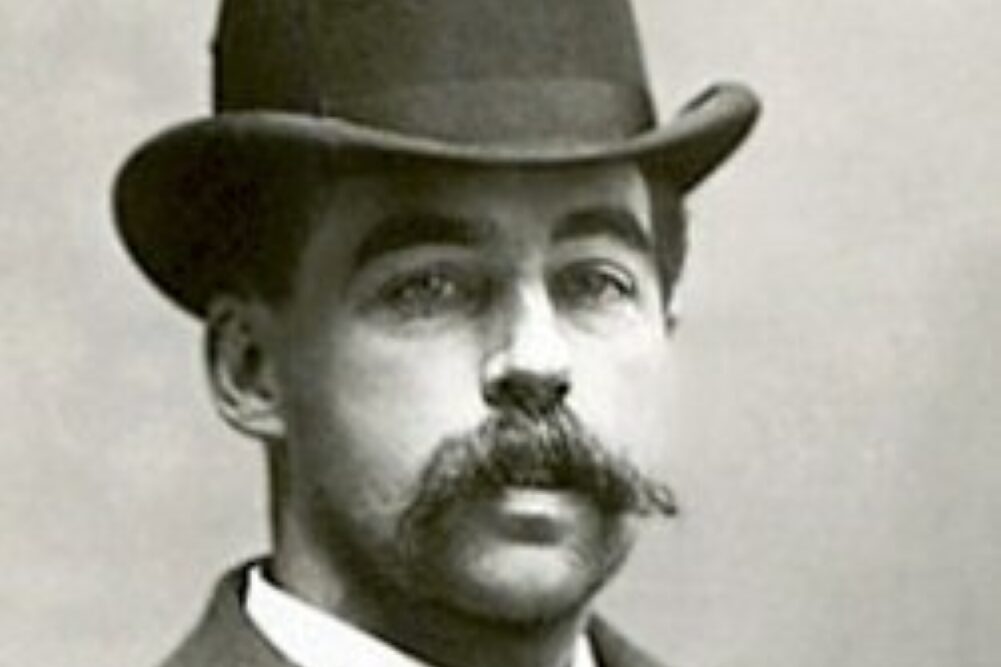
Some confessions don’t arrive all at once, they unfold gradually, shifting with each telling. H. H. Holmes, often linked to crimes during the 1893 Chicago World’s Fair, claimed responsibility for numerous killings while awaiting execution. At one point, he confessed to 27 murders, though investigators have long questioned how many of those claims were true.
What makes this case unsettling is not just the number, but the uncertainty around it. Holmes was known to change parts of his story, adding and revising details in ways that made it difficult to separate fact from exaggeration. Some historians believe he inflated his crimes for attention, while others think some victims were never fully identified. It leaves a strange kind of gap between what was said and what can be proven. In the end, his confession feels less like a clear record and more like a shifting narrative. It reminds you that even when someone admits to something serious, the truth behind it can still remain incomplete
9. The Officer Who Broke His Own Code
People often place a special kind of trust in those sworn to uphold the law. In one account from the mid-20th century, a retired police officer reportedly admitted that during his early years on the force, he had been involved in covering up a wrongful arrest that led to an innocent man serving time. At the time, it had been easier to follow orders than to challenge them.
Near the end of his life, he told a former colleague, “I knew it wasn’t right, but I stayed quiet.” That admission, simple as it sounds, carries a heavy weight. Records from the case later showed inconsistencies that had never been fully addressed. What makes this confession unsettling is not just the mistake, but the silence that allowed it to stand. It shows how systems can fail not only through action, but through inaction. It also raises questions about responsibility, and how far it extends over time. If this one sits with you, the next entry turns toward something even harder to untangle, truth mixed with belief.
10. The Words That Were Hard to Hold
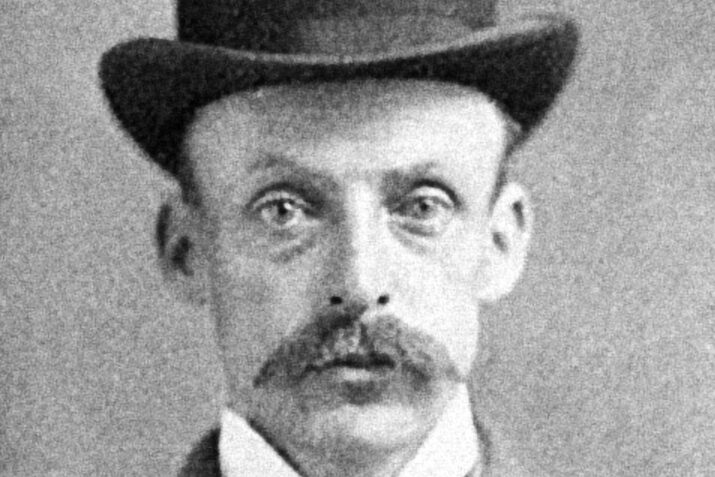
Some confessions are difficult not just because of what they reveal, but because of how much they ask people to take in at once. Albert Fish, arrested in 1934, admitted to the murders of multiple children and described actions that shocked even experienced investigators at the time. His statements, given during questioning and later accounts, were detailed enough to confirm his involvement in several cases.
What makes this confession especially unsettling is not only the scale of what he admitted, but the way it forced people to confront realities they would rather not imagine. Investigators documented his words carefully, though much of what he said has since been approached with caution due to the disturbing nature of the details. Still, enough was verified to establish the seriousness of his crimes. It leaves a lasting impression about how far human behavior can go beyond what most expect or understand. Even now, his confession is remembered not for any single line, but for the weight of what it revealed, and how it challenged the sense of safety people often take for granted.
11. The Calm Voice Behind the Truth
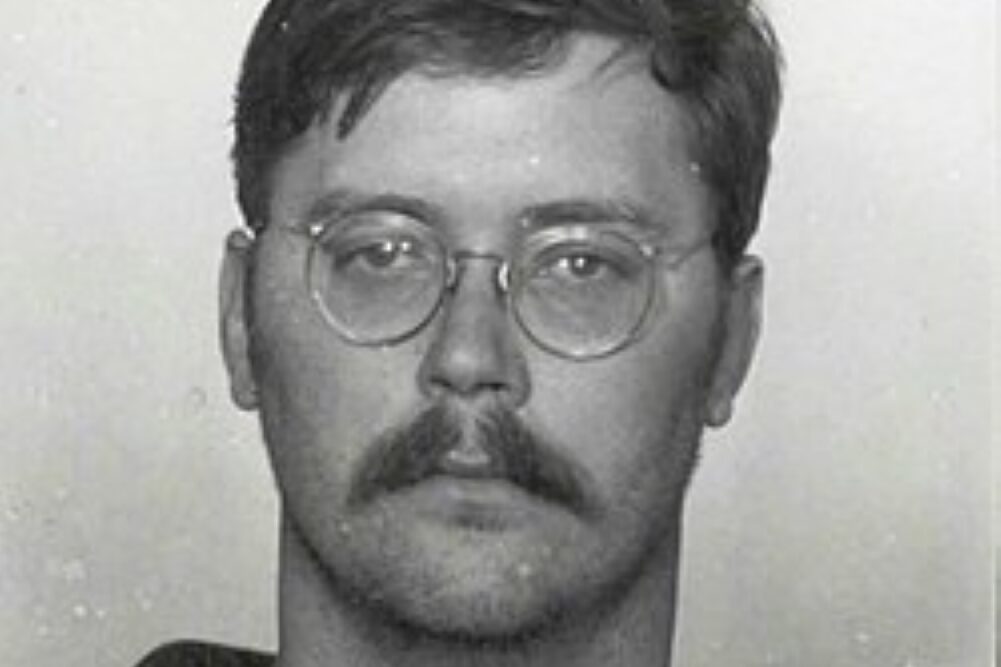
There are confessions where the tone becomes as memorable as the content. Edmund Kemper, who admitted to killing 10 people, including members of his own family, spoke with investigators in a calm and cooperative manner after his arrest. He did not wait until the very end of his life, but his willingness to explain his actions in detail gave his confession a different kind of weight.
He discussed his crimes in a composed, almost reflective way, which many found difficult to reconcile with what he had done. What makes this unsettling is the contrast between tone and action. It challenges the assumption that such admissions would always come with visible emotion or distress. Instead, it felt controlled, even analytical at times. His confession provided insight into his actions, but it also left people uneasy about how clearly he was able to articulate them. It shows that understanding something doesn’t always make it easier to accept.
12. The Business Deal That Wasn’t Honest

It’s easy to assume success stories are built on hard work alone, but sometimes there are parts left out. In one case from the mid-1900s, a successful businessman reportedly admitted to his family that the deal which launched his career had not been entirely above board. For decades, he had been seen as someone who simply seized an opportunity at the right time.
As he neared the end of his life, he told his daughter, “I took something that wasn’t mine to take, and it changed everything.” He described how he had used inside information to outmaneuver a partner who trusted him, setting off a chain of events that led to his rise. There was no anger in his voice, just a kind of quiet reflection. What makes this confession unsettling is how easily a single decision can shape an entire life, and how that life can appear completely ordinary from the outside. It also raises questions about what success really means when its foundation is uncertain. If that thought lingers, the next entry moves into something more personal and harder to carry.
13. The Man Who Claimed a Life of Violence
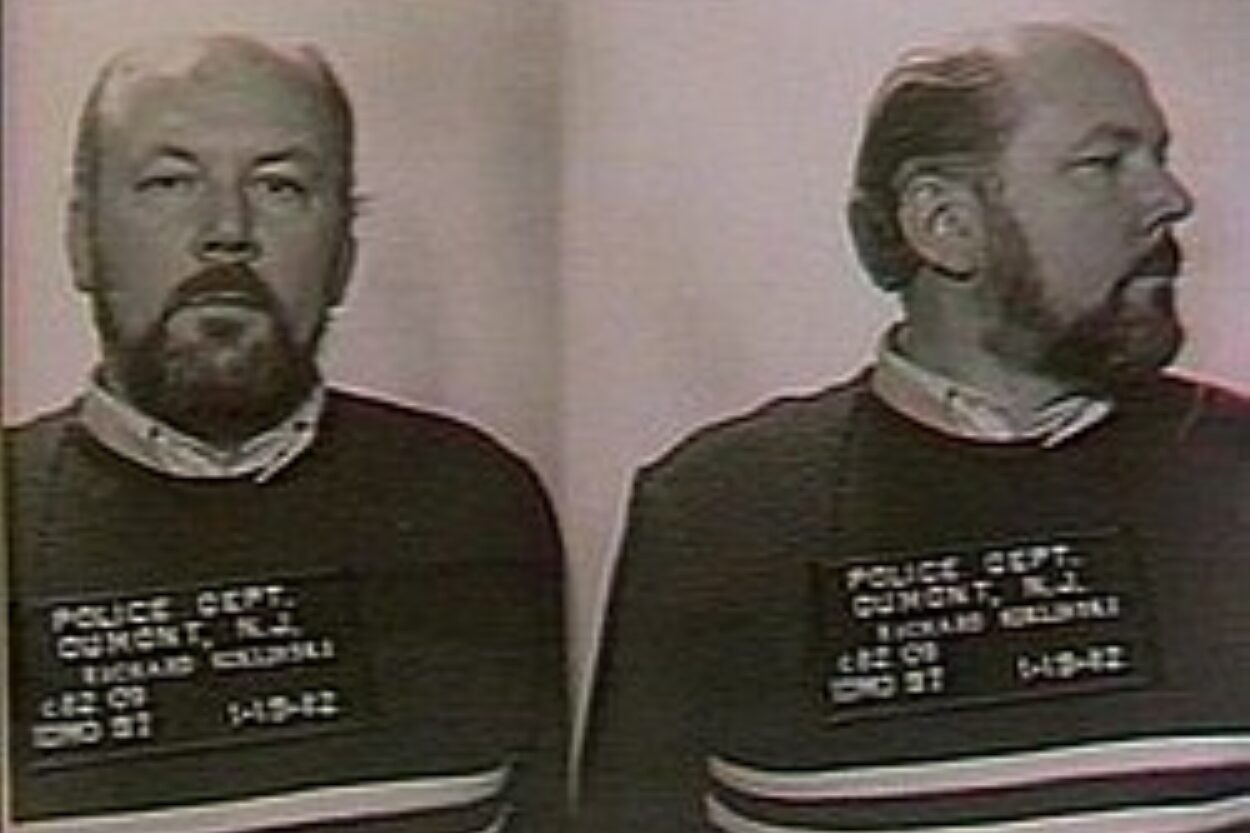
Some confessions come wrapped in layers of reputation, storytelling, and uncertainty. Richard Kuklinski, often referred to as “The Iceman,” claimed to have killed numerous people over the course of his life. In interviews later in life, he spoke about these acts in a steady, almost detached manner, describing them as part of his work.
What makes this case unsettling is how much of it sits between confirmed fact and personal claim. While he was convicted of several murders, the full extent of what he described has been debated. Still, the way he spoke about violence, without visible hesitation, left a strong impression. It raises questions about how people construct their own narratives, especially when those narratives involve serious harm. In the end, his confession feels like a mix of truth and self-portrayal, leaving you to sort through what is known and what is simply said.
14. The Confession That Touched a Long Search
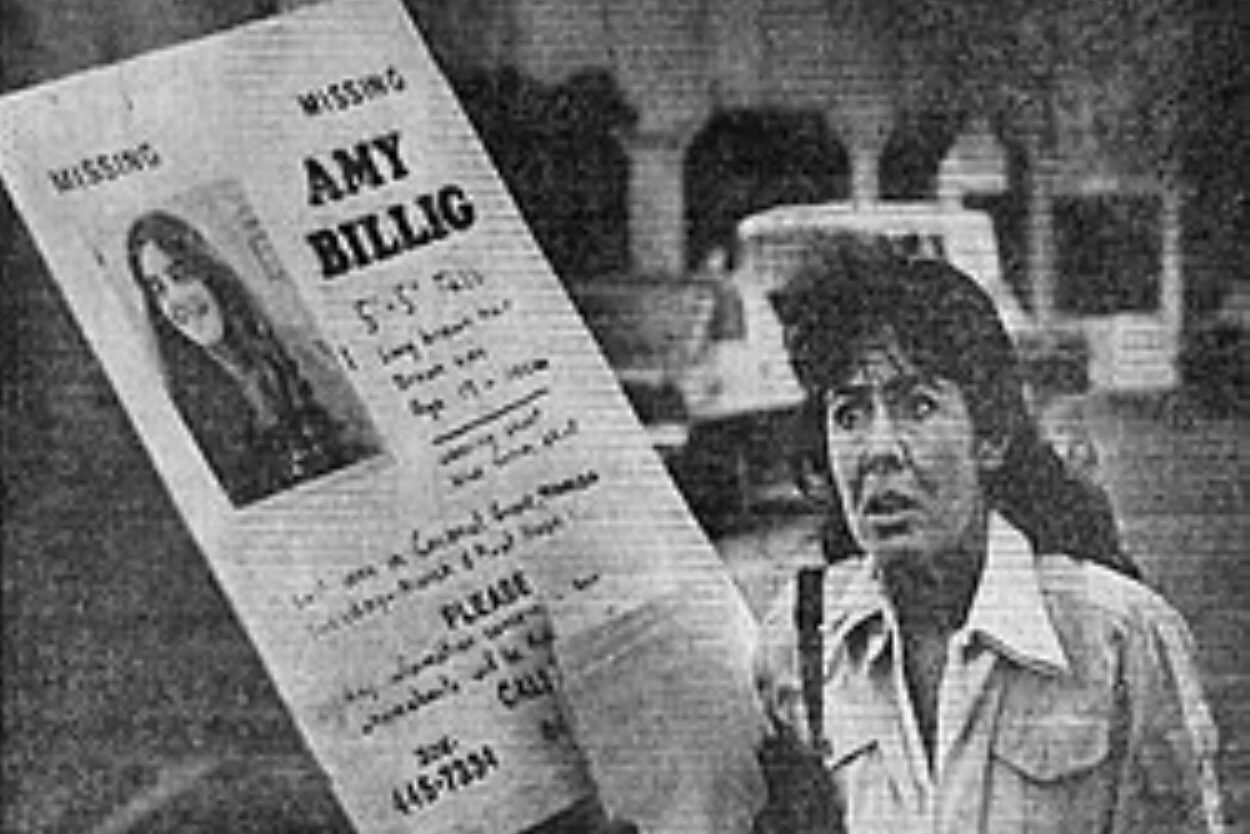
Some stories stay open for years, held together by hope more than answers. The case of Amy Billig is one of those that quietly lingered in the background for decades. She disappeared in 1974 at the age of 17, and for years, her mother continued searching, following leads and holding onto the possibility that someone, somewhere, knew what had happened.
Over time, several individuals came forward with claims, including Paul Branch, who reportedly admitted involvement in her abduction and death. According to accounts, he spoke about it in a manner suggesting knowledge of events that had never been fully resolved. However, as with many confessions tied to long-unsolved cases, parts of his story remained difficult to verify. What makes this unsettling is not just the claim itself, but the way it intersects with years of unanswered questions. For families, even uncertain confessions can reopen wounds while offering fragments of closure. It shows how truth, when it comes late and without full clarity, can still carry weight, even if it never fully settles the story.
15. The Story Shared Too Late

Some confessions don’t come from the person who committed the act directly, but through someone who finally decides to pass the truth along. In one account that surfaced years after the fact, Pamela Rhinehart shared that her uncle had, before his death, admitted to being part of a group responsible for the killing of Thomas Jones Jr. For years, the case had remained unresolved, with few clear answers and a sense that something important had been left unsaid.
According to her account, the confession came quietly, without detail meant for public attention, just a statement that he had been there and had taken part. What makes this unsettling is not only the act itself, but the distance between when it happened and when it was finally spoken about. By the time the truth surfaced, much of what could have been investigated or confirmed had already faded with time. It becomes less about legal closure and more about acknowledgment, a moment where something hidden is finally named. It also shows how stories can live on within families, waiting for someone willing to say them out loud.
16. The Inheritance That Wasn’t Meant to Be

Sometimes what looks like a simple family outcome carries a history no one sees. In one account, an elderly man reportedly admitted that the inheritance which had shaped his children’s lives was not distributed the way it should have been. Years earlier, during a moment of legal control, he had quietly altered documents to favor one side of the family over another, telling himself it would prevent conflict.
Near the end, he said, “I thought I was keeping the peace, but I was choosing sides.” The words were plain, almost gentle, but they carried a long shadow. Family members later revisited old paperwork and found small irregularities that seemed to support what he had said. What makes this confession unsettling is how something meant to bring stability instead created an invisible imbalance that lasted for years. It also shows how decisions made in private can shape relationships long after the moment has passed. There’s a quiet lesson here about fairness and the stories we tell ourselves to justify our choices. If this one makes you pause, the next story leans into something more emotional than material.
17. The Ordinary Life That Hid the Truth
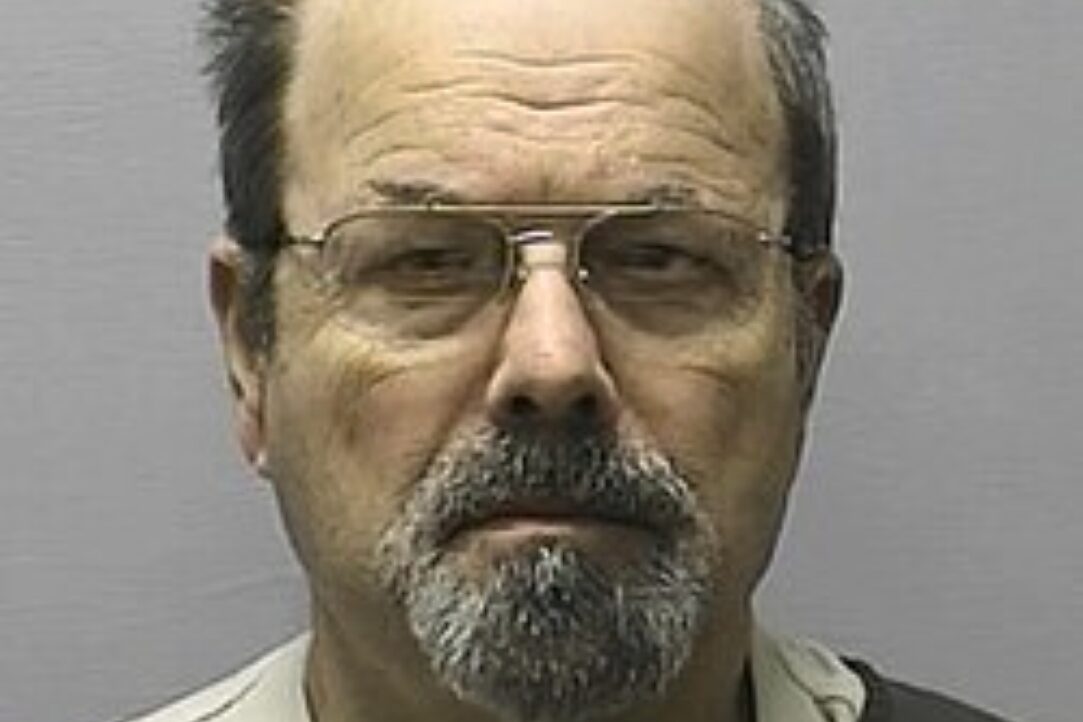
There are some confessions that are difficult to process because of how ordinary everything looked on the surface. Dennis Rader, known as the BTK killer, lived what many would describe as a structured, everyday life. He worked, attended church, and was part of his community. For years, the crimes connected to him remained unsolved, creating fear but no clear answers.
When he was finally arrested in 2005, he confessed to killing ten people over several years. What made his admission particularly unsettling was the calm, detailed way he described his actions. He didn’t rush through it or avoid specifics. Instead, he spoke in a steady tone, outlining events as if recounting a routine. It created a sharp contrast between the life people thought they knew and the reality he revealed. While his crimes did not involve his own family members, the sense of closeness, living among others without suspicion, added to the weight of his confession. It leaves a lasting impression about how much can remain hidden behind familiarity, and how truth, when it surfaces, can completely reshape what once seemed ordinary.
18. The Story Told in Her Own Words

Some confessions come with layers that are difficult to separate, truth, fear, and personal history all woven together. Aileen Wuornos, who was executed in 2002, admitted to killing seven men in Florida during the late 1980s and early 1990s. Her case drew widespread attention, not only because of the crimes themselves, but because of how she explained them.
She maintained that the killings happened in situations where she felt threatened, describing them as acts of self-defense. Over time, her accounts shifted in tone, sometimes reflective, sometimes firm, leaving people unsure how to fully interpret her words. What makes her confession unsettling is not just the number of lives lost, but the complexity of how she framed what happened. It resists a simple explanation, sitting somewhere between admission and justification. For investigators, her statements helped establish key facts, but for many others, they raised as many questions as they answered. In the end, her confession feels less like a closed chapter and more like a story that continues to be discussed, not for clarity, but for understanding how such events unfold in the first place.
19. The Confession That Came After the Spotlight Faded

Some stories begin in the public eye and slowly drift into uncertainty, only to be stirred again years later. The 1922 killing of William Desmond Taylor was one of early Hollywood’s most talked-about mysteries, surrounded by speculation but never fully resolved. Decades passed, and the case settled into history as one of those questions without a clear answer.
Then, years later, actress Margaret Gibson reportedly confessed on her deathbed that she had been responsible. According to accounts, she made the admission quietly, without public spectacle, simply stating her involvement before passing. What makes this confession unsettling is how it arrives long after the moment when it could have been fully examined. Evidence had faded, witnesses were gone, and the chance for certainty had already slipped away. It leaves the story suspended between revelation and doubt. Still, the confession adds a human layer to a case often discussed in headlines and theories. It reminds you that behind every mystery are real people, and sometimes, the truth comes forward only when it can no longer be fully tested.
20. The Night That Finally Had a Name

Some stories sit in silence for years, not because they are forgotten, but because no one has fully spoken them out loud. The death of Willie Edwards Jr. in 1957 was one of those cases. For decades, it was known that he had died after going over a bridge in Alabama, but the full truth of what happened that night remained unclear, held in fragments and suspicion rather than confirmed detail.
Years later, James Seale admitted his role, stating that he and others had forced Edwards at gunpoint to jump from the bridge. According to records and later testimony, the confession helped clarify what had long been feared but never formally established. What makes this moment so heavy is not just the act itself, but the years it took for the truth to be fully acknowledged. By the time it surfaced, much had already been lost to time. Still, it gave a name to what happened and, in some way, restored a part of the story that had been missing. It stands as a reminder that even delayed truth can carry meaning, especially when it helps complete a story that should never have been left unfinished.
21. The Killer Who Spoke After the Silence
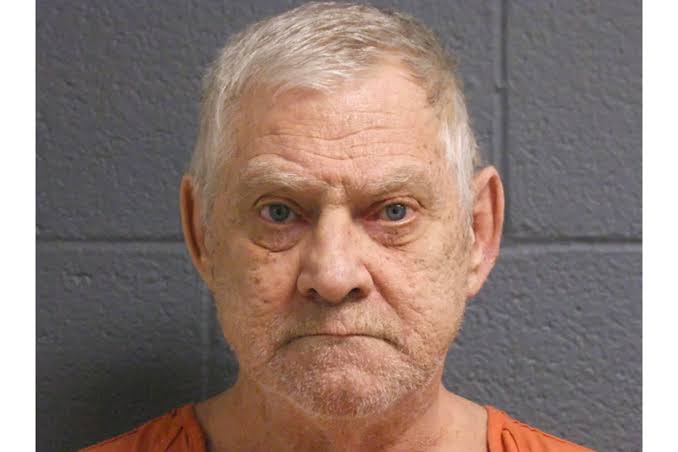
Garry Artman was a convicted murderer in Michigan whose life took a cinematic turn during his final days. In December 2023, while battling terminal lung cancer at a local hospital, Artman reportedly slipped into a coma. However, in a shocking twist, he briefly regained consciousness and chose to unburden his soul to investigators. During this lucid window, the 64-year-old confessed to 11 separate homicides, many of which were cold cases dating back to the 1990s. These crimes had occurred across multiple states, and police had struggled for decades to link them to a single perpetrator until his sudden admission.
What makes this deathbed confession truly striking is the race against time it created for law enforcement. After thirty years of stone-cold silence, the truth finally emerged just as the source of that truth was fading away. Detectives were suddenly handed a map to nearly a dozen unsolved mysteries, but they had almost no time to cross-examine Artman before he passed away shortly after. This created a haunting balance between long-awaited revelation and lingering uncertainty. Ultimately, his final words reopened files that had gathered dust for a generation, proving that the truth often surfaces in the most unexpected ways.
22. The Name That Changed a Child’s Story
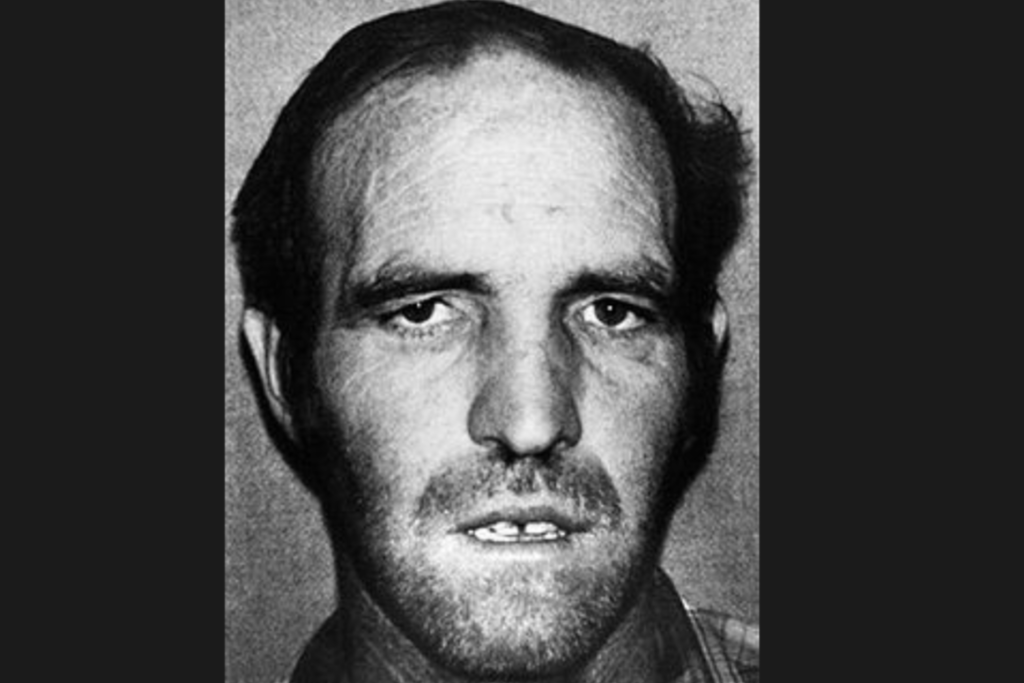
For decades, the 1981 abduction of six-year-old Adam Walsh from a Florida mall remained one of the most heartbreaking and famous cold cases in American history. The search for answers lasted twenty-seven years until a breakthrough involving Ottis Toole, a notorious criminal already serving time for other heinous acts. On his deathbed in September 1996, Toole confessed to the kidnapping and murder of the young boy. Although he had mentioned the case before, his final admission carried a weight of finality that led the Hollywood Police Department to officially close the case in December 2008.
The unsettling nature of this confession lies in the years of agonizing uncertainty endured by the Walsh family. While investigators eventually accepted Toole’s involvement, the lack of physical evidence and Toole’s history of inconsistent statements left some skeptics questioning the absolute truth. Despite these doubts, the confession provided a definitive direction for a tragedy that had lacked a conclusion for nearly three decades. It serves as a powerful example of how a singular admission, even from a flawed source, can reshape the public narrative of a historic crime and provide a sense of closure.
23. The Final Words That Pointed to a Hidden Grave
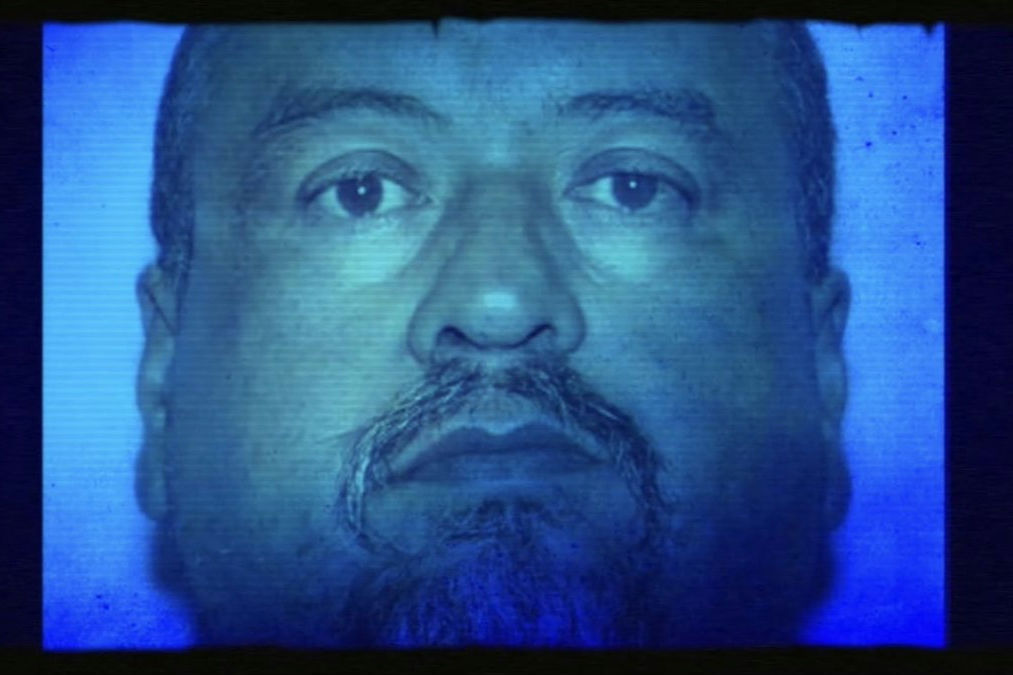
In the quiet town of Danevang, Texas, the 1990 disappearance of 15-year-old Rosemary Diaz haunted the community for over a quarter of a century. The teenager had vanished from her job at a local country store, leaving behind a void that no investigation could fill. The breakthrough finally arrived when a man in his late 40s Frank Merlos Rodriguez, facing his own mortality, decided to confess his involvement to family members in 2015. Following his death, his relatives contacted the authorities, providing specific details that led investigators to a remote wooded area in November 2015, where the young girl’s remains were finally discovered.
This moment was incredibly powerful because it transformed spoken words into tangible evidence. For twenty-five years, the Diaz case was a ghost story with no ending, leaving the family trapped in a cycle of grief and unanswered questions. The man’s confession changed everything, replacing decades of painful speculation with the somber reality of confirmation. It highlights the profound impact of a delayed truth, showing that even after a lifetime of secrecy, an honest word can still guide a grieving family to the answers that once seemed lost forever in the shadows.
24. The Confession That Didn’t Stay Final
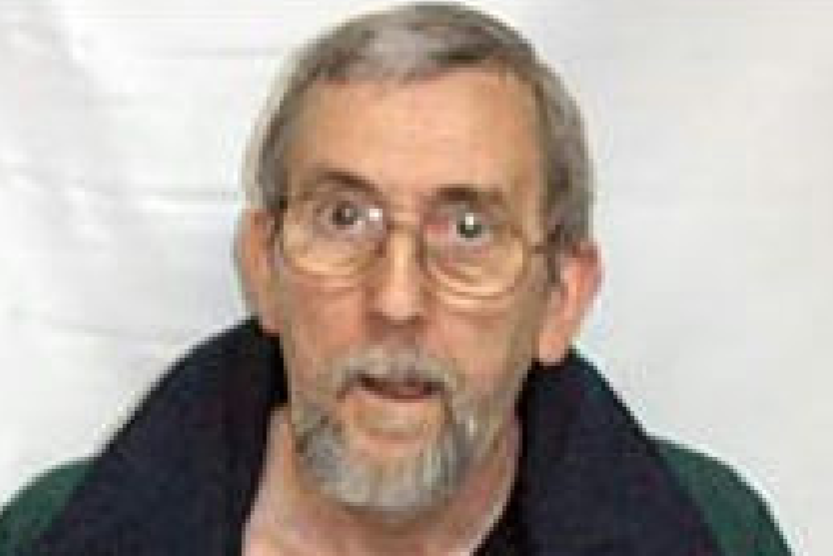
James Brewer’s story is a rare instance where a “final” confession had unexpected legal consequences. In 1977, Brewer was a suspect in the shooting death of a neighbor in Tennessee, but he fled the state and started a new life in Oklahoma under a fake name. In 2009, after living as a fugitive for over thirty years, the 58-year-old suffered a massive stroke. Believing he was on the verge of death, he summoned the police to his hospital bed to confess to the decades-old murder, hoping to clear his conscience before he passed away.
The twist in this case is that Brewer actually survived the medical emergency. His confession, intended to be a parting statement, suddenly became the primary evidence used against him in a court of law. He was arrested, extradited back to Tennessee, and forced to face the justice system he had evaded for most of his adult life. This case completely shifts the traditional meaning of a deathbed confession. It serves as a reminder that once the truth is spoken, it carries a life of its own, often resulting in real-world consequences that extend far beyond the hospital room.
25. The Man Who Named Himself
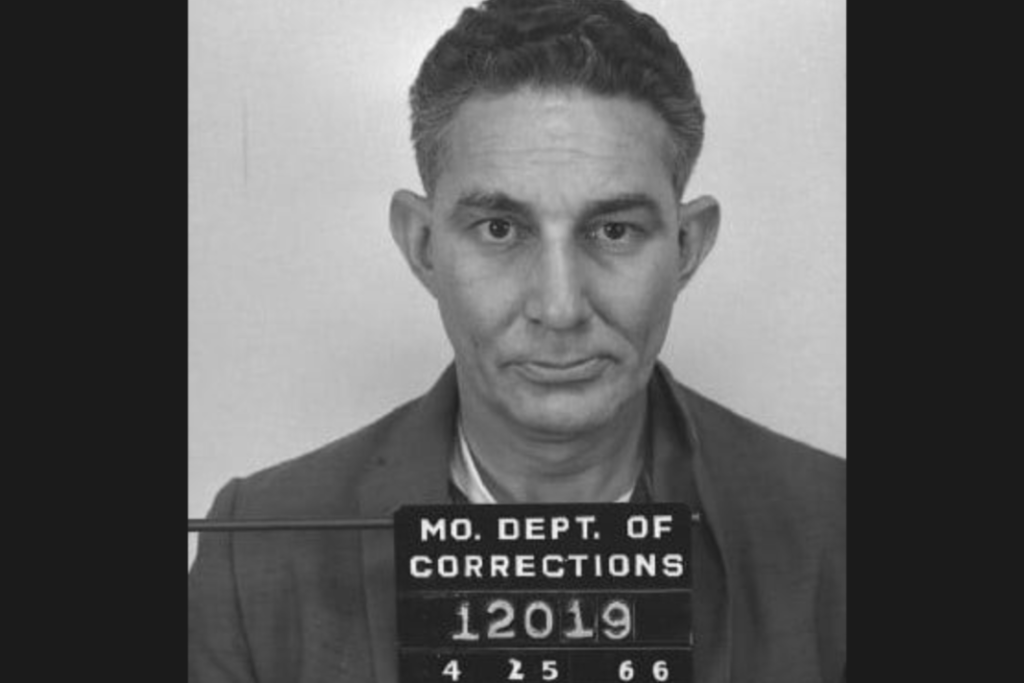
The mystery of D.B. Cooper is perhaps the most famous unsolved skyjacking in history, beginning on November 24, 1971, when a man jumped from a plane with $200,000 in ransom money. In 1995, a man named Duane Weber provided a potential end to the legend. While lying on his deathbed, he pulled his wife close and whispered a chilling revelation: “I am Dan Cooper.” This simple sentence suggested that he was the fugitive who had eluded the FBI for decades. After his death, his wife discovered old books and items that seemed to link him to the era.
What makes this confession so fascinating is its brevity and the massive implications it carries. Despite an extensive investigation by the FBI into Weber’s background, including DNA testing and fingerprint analysis, the results were inconclusive. His claim remains suspended in a grey area between a genuine revelation and a grand fabrication. It illustrates how a few well-timed words can keep a mystery alive rather than resolving it. Even today, the name Duane Weber is debated by enthusiasts, showing that a deathbed statement can become a permanent part of American folklore.
26. The Affidavit That Waited to Be Opened
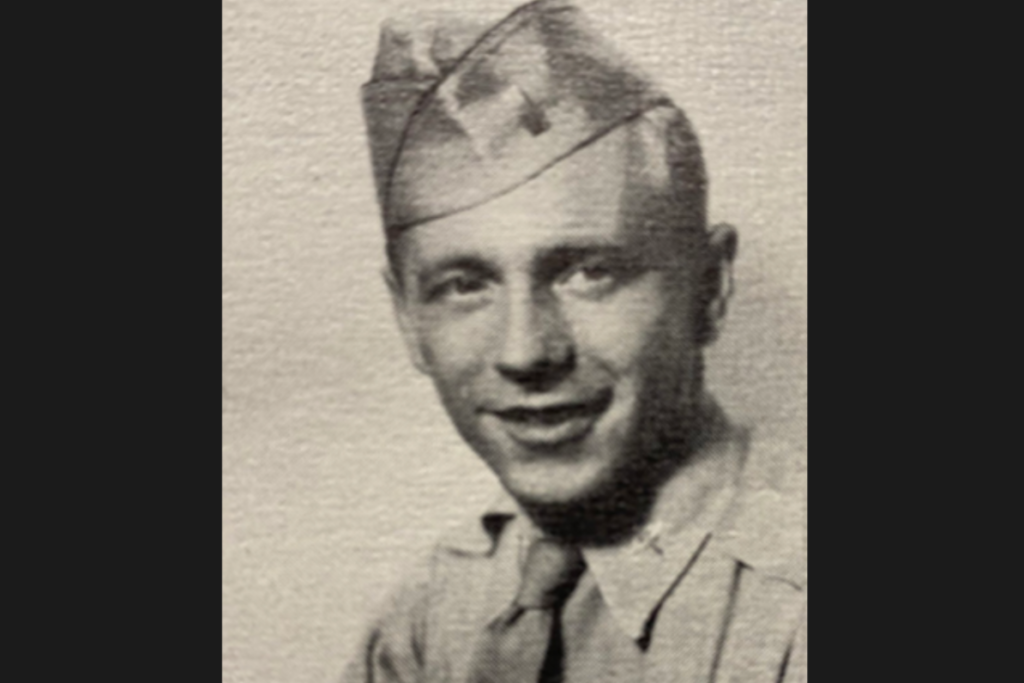
While many confessions are whispered in hospitals, Lieutenant Walter Haut chose to leave his in writing. Haut was the public information officer at Roswell Army Air Field who issued the original 1947 press release about a “flying disc” crash. For decades, he stuck to the official government story that the object was merely a weather balloon. However, he left behind a sworn affidavit that was only opened after his death in December 2005. In this document, Haut claimed he saw a craft and small bodies, alleging a massive military cover-up.
The delayed release of this confession makes it particularly unsettling for historians and researchers. Because it was made public posthumously, there was no way for anyone to cross-examine Haut or ask for clarifying details about his extraordinary claims. It stands as a solitary, provocative account that fuels the ongoing debate about what really happened in the New Mexico desert. Haut’s affidavit demonstrates that truth, or at least a personal version of it, can be a powerful tool when revealed from beyond the grave, turning a closed chapter back into a subject of global fascination.
27. The Insider Who Claimed More Than He Could Prove
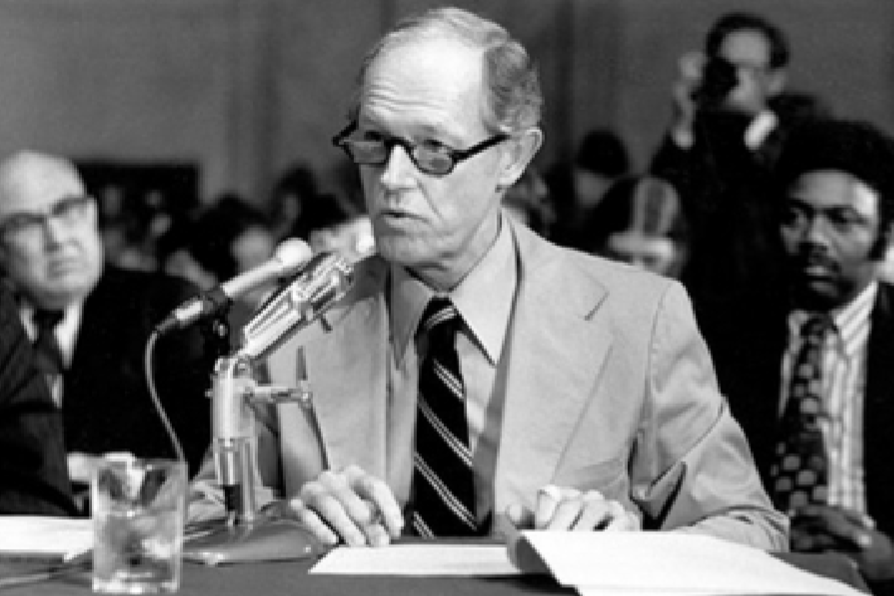
E. Howard Hunt was a high-ranking CIA officer and a key figure in the Watergate scandal, but his most controversial legacy came at the end of his life in 2007. Shortly before he died, Hunt shared a series of recordings and handwritten notes with his son. These materials contained sensational claims regarding the 1963 assassination of President John F. Kennedy. Hunt suggested he had knowledge of a “big event” involving high-level government officials and rogue agents, adding his own name to the list of people involved in the planning stages.
Processing this confession is difficult because it mixes personal history with one of the most scrutinized events in the world. While his claims provided a “blueprint” for conspiracy theorists, they lacked the hard evidence required to change the official historical record. His words didn’t bring the closure many were looking for; instead, they deepened the existing mystery and sparked new debates about his credibility. This case reflects how some final admissions don’t necessarily simplify the past, but rather add complex new layers that leave the public to decide what to believe.
28. The Case That Refused to Settle
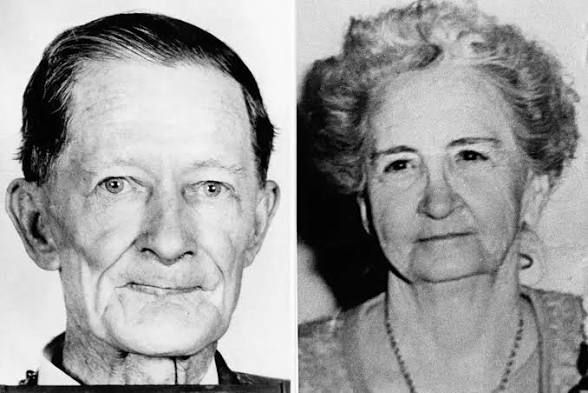
The “Icebox Murders” of 1965 in Houston remains one of the most bizarre and gruesome unsolved cases in Texas history. When an elderly couple was found murdered in their home, their son, Charles Rogers, became the primary suspect but vanished without a trace. Over the following decades, the case took on a life of its own as various people came forward with deathbed claims. Several individuals allegedly confessed to helping Rogers escape or knowing his whereabouts, each offering a slightly different version of the events that transpired in that quiet neighborhood.
This accumulation of conflicting stories is what makes the case so unsettling. Instead of a single confession providing a clear path to the truth, the multiple claims created a fragmented narrative where no one version could be fully verified. Each new admission added a piece to the puzzle, but the pieces never seemed to fit together perfectly. It shows that sometimes, the truth becomes more obscured over time as more people try to claim a part of the story, leaving the original mystery as unsolved as it was in 1965.
29. The Case That Reopened a National Tragedy
In 1982, the city of Chicago was paralyzed by fear following the deaths of seven people who had consumed cyanide-laced Tylenol capsules. For over four decades, the investigation focused heavily on James Lewis Jr., an American extortionist who was convicted of demanding $1 million from Johnson & Johnson to “stop the killing.” While Lewis served 12 years in prison for extortion, he was never charged with the actual murders and maintained his innocence until his death in July 2023. The case remained an open wound in American history, representing a moment when public trust in consumer safety was shattered overnight.
The mystery took an unsettling turn recently when Joseph Cibelli claimed that his father, Daniel Raymond Drozd, made a stunning deathbed confession in 2023. According to Cibelli, his father admitted to the poisonings just before passing away from cancer, prompting a deep dive into the man’s violent past and his movements during the 1982 attacks. This new claim adds a complicated layer to the investigation, as it exists alongside the decades-long suspicion cast upon James Lewis Jr. With many key figures now deceased and forensic evidence limited by the passage of time, the truth remains trapped between these conflicting accounts, showing how some stories refuse to reach a final conclusion.
30. The Confession That Closed Two Lives at Once
In a tragic case from West Virginia, the 1977 disappearance of Susan Carter and her ten-year-old daughter, Alex Carter, remained a mystery for over 46 years. The primary suspect was always Larry Webb, but without evidence, he remained free. In early 2024, as the 80-year-old Webb sat in a nursing home suffering from failing health, he finally broke his silence. He admitted to investigators that he had killed both the mother and child during an argument over money and buried them in his backyard decades ago.
The tragedy of this admission is the immense gap of time between the crime and the resolution. By the time Webb spoke, he was just days away from his own death, meaning he would never serve a full sentence for his actions. However, his confession led authorities to the exact spot where the remains were hidden, allowing for their recovery in April 2024. This case proves that even when traditional justice is delayed, a confession provides a necessary answer that allows a family to finally lay their loved ones to rest with dignity.


