
Feuds, Rivalries, And The Pressure Of The Throne
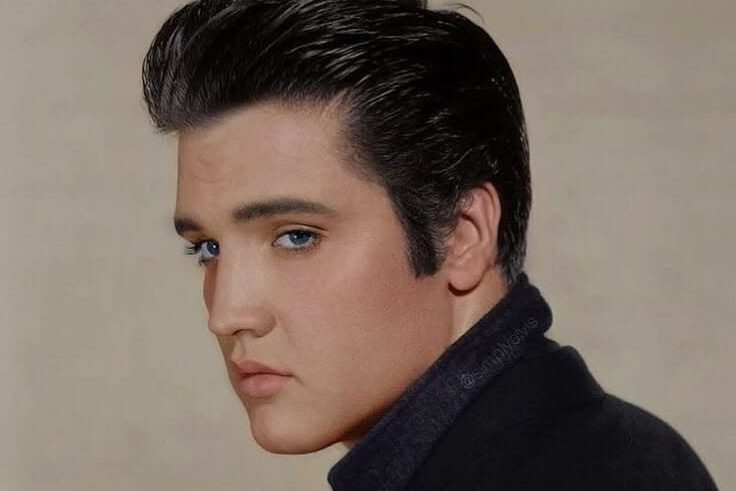
Elvis Presley is often remembered in bright lights and loud applause, frozen in time as the King of Rock and Roll. Yet behind the gold records and sold-out shows was a man navigating an industry filled with strong personalities, rising competitors, and constant cultural change. Fame at that level does not exist in isolation. Every success invites comparison, every new star sparks debate, and every public comment can take on a life of its own.
Many of the stories surrounding Elvis and other celebrities were not true feuds at all, but moments of rivalry, misunderstanding, or simple media exaggeration. Some artists admired him deeply while still representing a new generation of music. Others shared professional connections that occasionally created awkward comparisons or business disagreements. Together, these moments reveal the complicated world Elvis moved through during his career, where admiration, competition, and cultural change often existed side by side.
1. Frank Sinatra And The Old Guard Divide
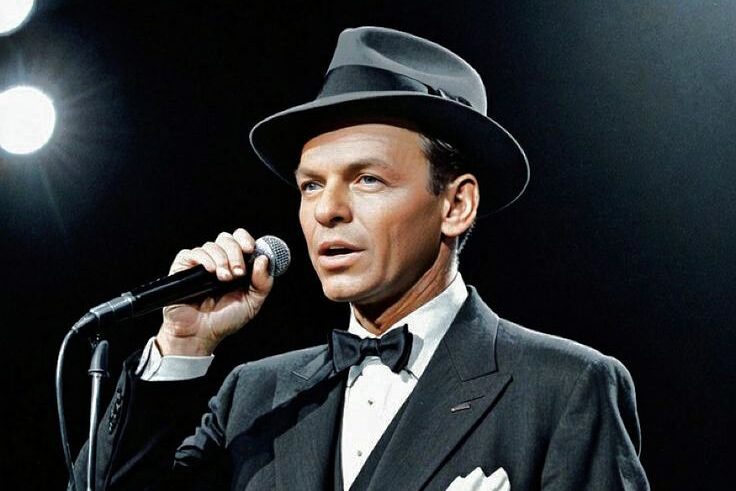
It is easy to assume Elvis Presley was embraced by everyone in the music industry, but the arrival of rock and roll created real generational tension. Frank Sinatra, one of the most respected voices of traditional pop, was among those who publicly criticized the new genre during its early years. Sinatra once described rock music as unpleasant and rebellious, comments that reflected a broader discomfort among established performers watching youth culture change rapidly. Elvis represented that shift. His energetic style, raw sound, and cultural impact stood in sharp contrast to the polished image of the crooners who had dominated the previous decade.
Despite that early criticism, the relationship between Elvis and Sinatra eventually softened. When Elvis returned from military service in 1960, Sinatra invited him to appear on his television special. The moment felt symbolic, bringing together two generations of American music on one stage. Rather than an outright feud, the tension between them reflected a cultural transition. Sinatra represented tradition and refinement, while Elvis embodied a younger audience eager for something new. Their eventual collaboration suggested that even amid changing tastes, mutual respect could still find its way into the spotlight.
2. The Beatles And A Changing Musical Era
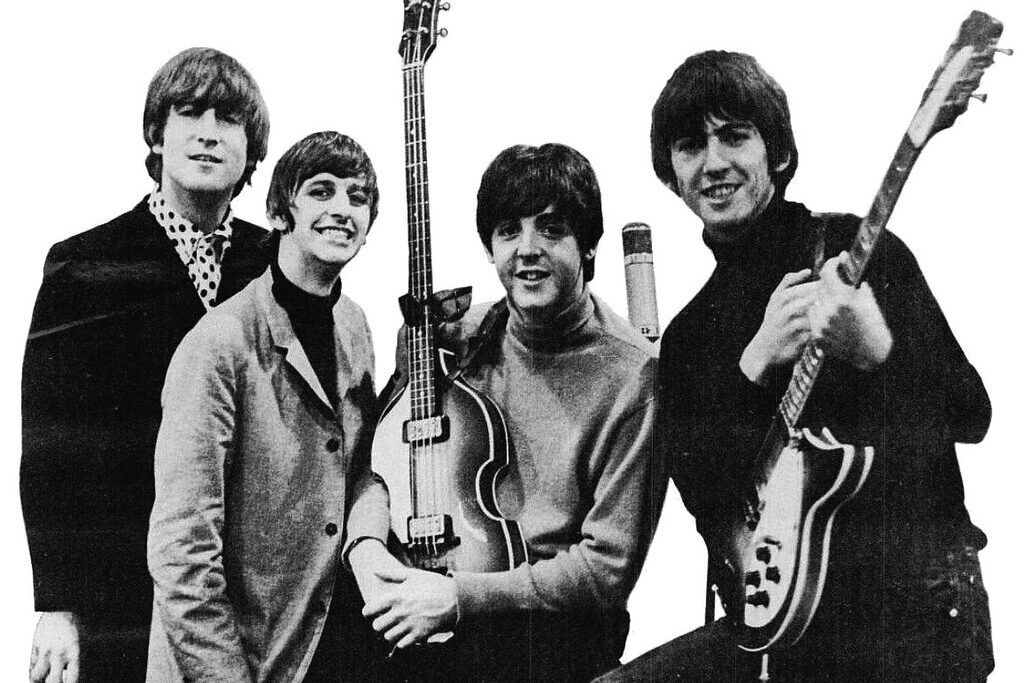
When Elvis Presley met The Beatles at his Los Angeles home in 1965, it was one of the most anticipated encounters in music history. The four young musicians from Liverpool had openly credited Elvis as one of their earliest inspirations. Yet by the time they met, the music landscape had transformed dramatically. Beatlemania had swept across the world, and the attention once focused almost entirely on Elvis was now shared with a new generation of stars. Accounts of that evening suggest the meeting began somewhat awkwardly, with Elvis quietly watching television before conversation slowly picked up.
As the night continued, the mood reportedly warmed and the musicians eventually played together in an informal jam session. Stories from those present suggest laughter and relaxed conversation followed once the initial nerves faded. While later comments from Elvis about the cultural direction of the 1960s have sometimes been interpreted as criticism of The Beatles, the relationship between them was more complex than rivalry. Elvis had influenced their beginnings, and their rise reflected how quickly popular music was evolving. Rather than a feud, their interaction symbolized the passing of influence from one revolutionary generation of artists to another.
3. Robert Goulet And The Television Legend
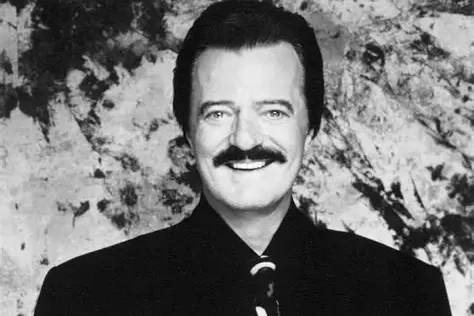
One of the most colorful stories associated with Elvis Presley involves singer Robert Goulet and a television set. According to several accounts from Elvis’s friends and staff, he occasionally shot at televisions when he became frustrated with what was on the screen. Over the years, the story evolved into a legend claiming he fired at the set when Goulet appeared during a broadcast. While the anecdote has circulated widely in biographies and documentaries, historians note that the details vary depending on who tells it.
Many people close to Elvis described his television habit as impulsive humor rather than targeted anger toward a specific performer. Elvis often watched television late into the night, and his playful fascination with firearms sometimes turned into dramatic moments that later became exaggerated in retellings. Goulet himself never publicly described any serious conflict with Elvis. The story survives more as a piece of colorful folklore surrounding the King’s eccentric habits rather than evidence of a personal feud between the two entertainers.
4. Pat Boone And The Media’s Favorite Comparison
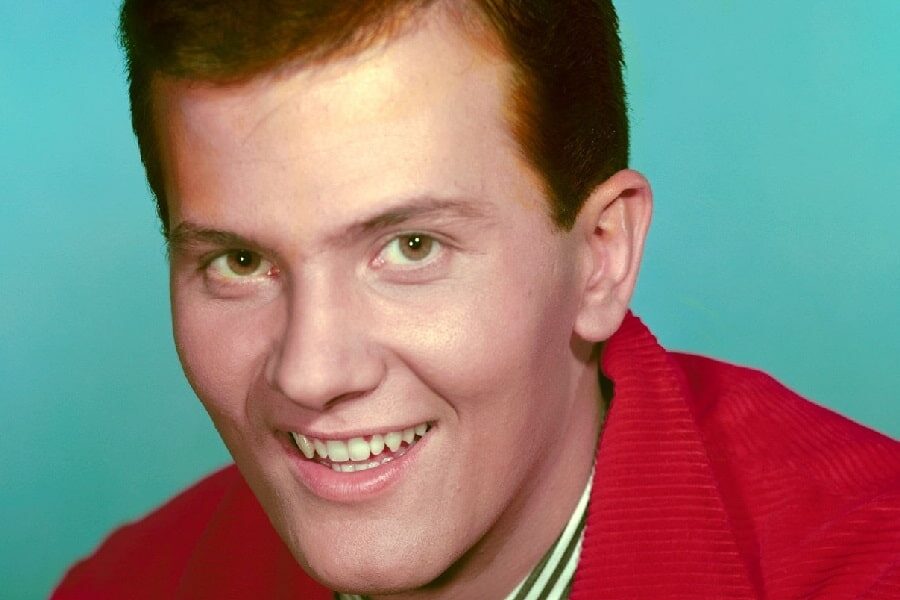
During the early years of rock and roll, Pat Boone and Elvis Presley were frequently compared in newspapers and television coverage. Boone’s clean-cut image and softer style appealed strongly to conservative audiences who were uncomfortable with the rebellious energy associated with Elvis. Record companies and media outlets often highlighted the contrast between them, presenting Boone as a safer alternative to the provocative young star from Memphis. These comparisons helped fuel headlines and public debate during the late 1950s.
Despite those media narratives, there is little evidence that the two singers personally disliked each other. Boone later spoke respectfully about Elvis and acknowledged the enormous influence he had on popular music. The rivalry existed largely in the way journalists and commentators framed the emerging rock and roll scene. For Elvis, the comparisons were simply part of the pressure that came with sudden fame. Rather than a personal conflict, the Boone narrative reflects how the music industry often shapes stories of competition to capture public attention.
5. Liberace And The Spectacle Of Las Vegas
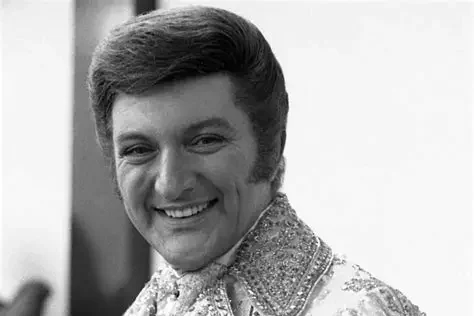
Elvis Presley’s Las Vegas performances during the late 1960s and 1970s were known for their dramatic staging and elaborate costumes. In the same entertainment world, pianist Liberace had already built a reputation for dazzling audiences with flamboyant outfits and grand theatrical style. Because both performers embraced spectacle, critics and commentators sometimes drew comparisons between their stage appearances. These comparisons occasionally surfaced in entertainment columns discussing the evolving visual side of live performance.
There is little evidence of personal conflict between the two men themselves. Liberace had long mastered the art of turning concerts into theatrical events, while Elvis adapted his own stage image to fit the grandeur of Las Vegas showrooms. Rather than competition, their similarities highlighted how entertainment was shifting toward bigger, more visually memorable performances. Elvis’s jumpsuits and jeweled belts became iconic in their own right, reflecting a style tailored to his personality and music. The comparisons were less about rivalry and more about how showmanship was becoming central to the live concert experience.
6. Colonel Tom Parker And Growing Frustration
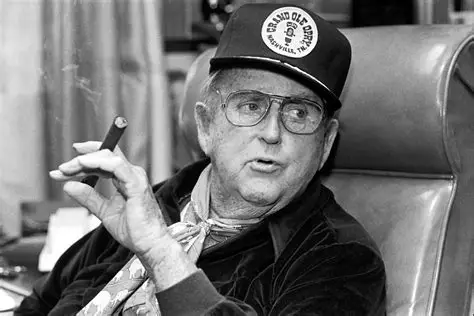
Colonel Tom Parker played a central role in building Elvis Presley’s career from the earliest days of fame. As his manager, Parker negotiated record deals, movie contracts, and touring arrangements that turned Elvis into one of the most recognizable figures in entertainment. For years their partnership appeared inseparable, with Parker guiding nearly every major decision. Yet behind the scenes, the relationship sometimes carried tension as Elvis began to desire greater creative freedom and new opportunities.
One issue that repeatedly surfaced involved international touring. Elvis became one of the biggest stars in the world, yet he rarely performed outside the United States. Historians later revealed that Parker, who had immigrated from the Netherlands and lived in the United States without proper documentation, was reluctant to travel abroad for fear he might not be allowed to return. As Elvis grew older, friends said he sometimes felt confined by the limitations of that arrangement. Their partnership remained loyal, but it also carried a complicated mix of gratitude, dependence, and occasional frustration.
7. John Lennon And A Famous Remark
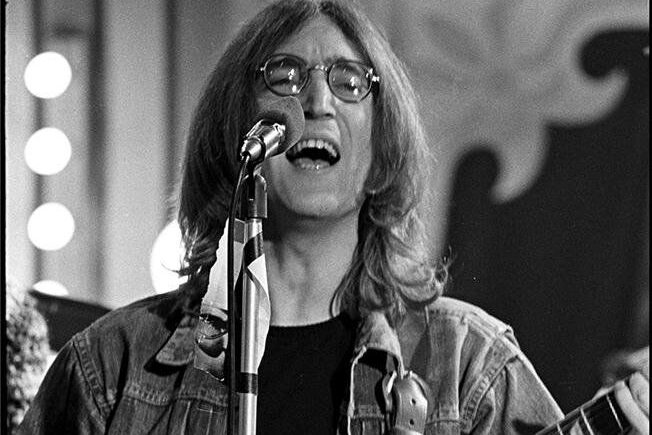
John Lennon was known for speaking his mind, often in ways that sparked debate across the music world. One of his most quoted remarks about Elvis Presley suggested that Elvis “died the day he went into the army,” a comment Lennon reportedly made while discussing how rock music evolved during the late 1950s and early 1960s. The statement was less about Elvis as a person and more about Lennon’s belief that the rebellious spirit of early rock and roll softened after Elvis returned from military service. Even so, the quote traveled widely and was sometimes interpreted as a personal dismissal of Elvis’s later career.
Despite the sharp wording, Lennon had deep admiration for Elvis’s early influence. Members of The Beatles frequently credited Elvis as the artist who inspired them to pursue music in the first place. When Lennon finally met Elvis in 1965 at the singer’s Los Angeles home, the atmosphere reportedly became relaxed once the initial awkwardness faded. They talked, laughed, and eventually played music together informally. The famous quote remained part of music history, but their meeting suggested that the connection between influence and criticism in rock music is often more complicated than a single sentence might suggest.
8. Tom Jones And Respectful Competition
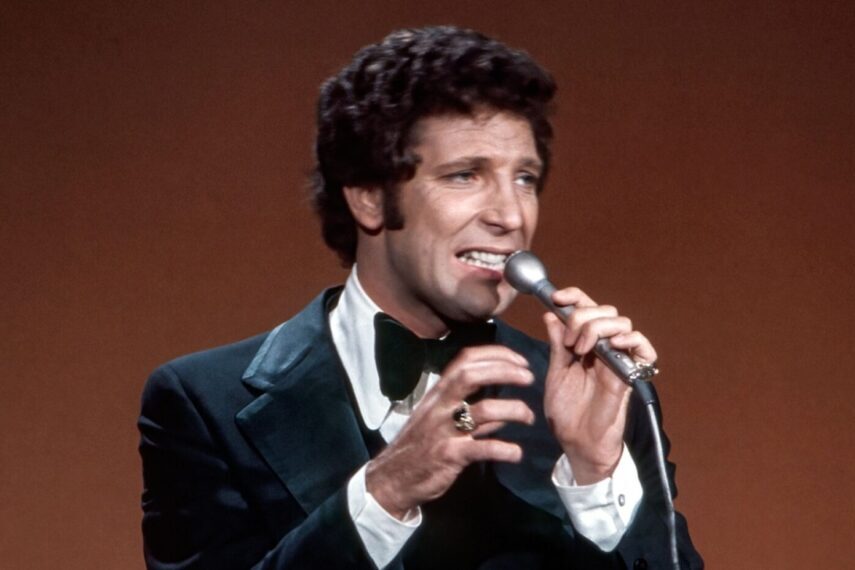
Tom Jones emerged in the mid-1960s as one of the most powerful vocalists of his generation, known for commanding stage performances and a booming voice that captivated audiences. When he began performing regularly in Las Vegas, comparisons with Elvis Presley were inevitable. Elvis had already established the city as a centerpiece of his comeback era, and his residency became one of the most celebrated live shows in entertainment. With two charismatic performers drawing large crowds in the same city, journalists often framed their success as a friendly rivalry.
In reality, Tom Jones repeatedly spoke with admiration about Elvis throughout his career. The two men occasionally crossed paths backstage in Las Vegas and shared conversations about music and performance. Rather than tension, their relationship reflected the quiet competitiveness common among great entertainers. Each performer brought a distinct style to the stage, and audiences often celebrated both without needing to choose sides. The comparisons were largely created by the media and fans who enjoyed debating the strengths of two unforgettable voices performing in the same era.
9. Mick Jagger And A New Rock Generation
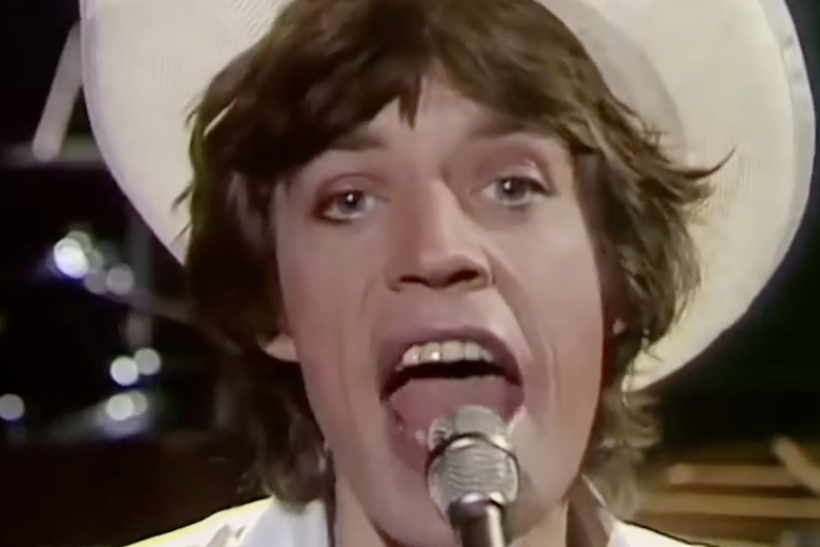
By the late 1960s, rock music was changing rapidly. Bands such as The Rolling Stones introduced a rougher, more rebellious sound that pushed the boundaries of what rock performers could represent on stage. Mick Jagger’s energetic presence and provocative stage style captured the attention of a younger audience eager for something louder and more daring. Elvis Presley had once shocked audiences with his own movements and musical attitude, but the cultural landscape had shifted again, bringing a new wave of artists to the center of attention.
There is little evidence of direct hostility between Elvis and Jagger, yet their careers symbolized different phases of rock history. Elvis represented the explosive birth of the genre during the 1950s, while Jagger embodied its evolving edge during the late 1960s and 1970s. For longtime fans of Elvis, the rise of newer stars sometimes created a sense that the spotlight was moving elsewhere. In reality, both performers shaped rock music in different ways. The contrast between them highlighted how quickly the genre continued to reinvent itself with
10. Barbra Streisand And The Film That Almost Happened

During the 1970s, Elvis Presley was briefly considered for the lead male role in the film A Star Is Born opposite Barbra Streisand. The project generated excitement because it promised to unite two enormously successful performers in a dramatic story about fame and ambition. Early discussions suggested Elvis might portray the fading rock star at the center of the film. For a moment, it appeared that one of the most famous singers in the world would return to the big screen in a role that mirrored parts of his own complicated relationship with celebrity.
However, negotiations surrounding the project ultimately fell apart before filming began. Much of the disagreement reportedly involved Elvis’s management, particularly Colonel Tom Parker, who sought greater control over salary, billing, and soundtrack rights. As those discussions stalled, the opportunity slipped away and the role eventually went to Kris Kristofferson. The film became a success, leaving fans to wonder what Elvis’s version might have looked like. Rather than tension between Streisand and Elvis themselves, the story reflects how business decisions behind the scenes can reshape creative opportunities.
11. James Brown And The Power Of Live Performance
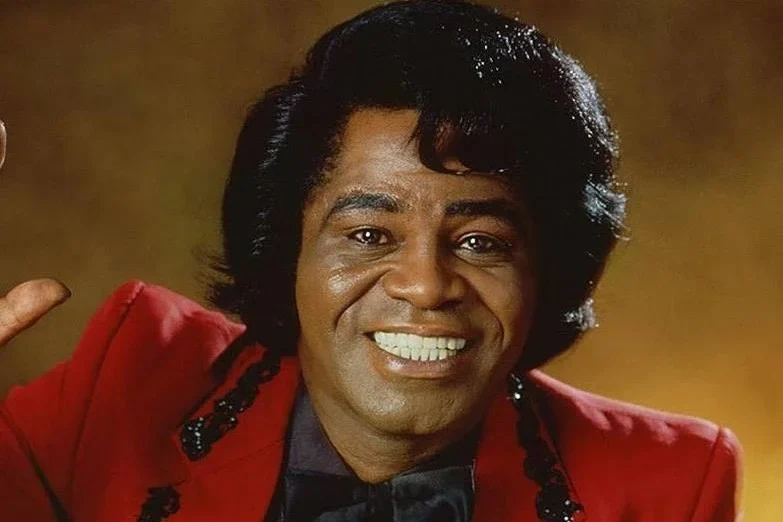
James Brown built a reputation as one of the most electrifying performers in American music. His concerts were famous for relentless energy, intricate choreography, and a deep connection with audiences. Elvis Presley, who also understood the importance of stage presence, paid close attention to other performers who commanded that level of excitement. Both artists believed that live performance was where music truly came alive, and each spent years refining the craft of holding an audience’s attention from the first note to the final encore.
While fans sometimes framed them as rivals, there is little evidence of personal conflict between Elvis and Brown. In fact, Brown spoke respectfully about Elvis’s early influence on rock and roll. The sense of competition existed mostly in the way great performers naturally push themselves to deliver unforgettable shows. Watching another artist captivate a crowd can inspire the same drive to raise the bar even higher. In that sense, Elvis and James Brown represented two extraordinary approaches to performance rather than adversaries competing for the same spotlight.
12. Johnny Cash And Different Paths From Sun Records
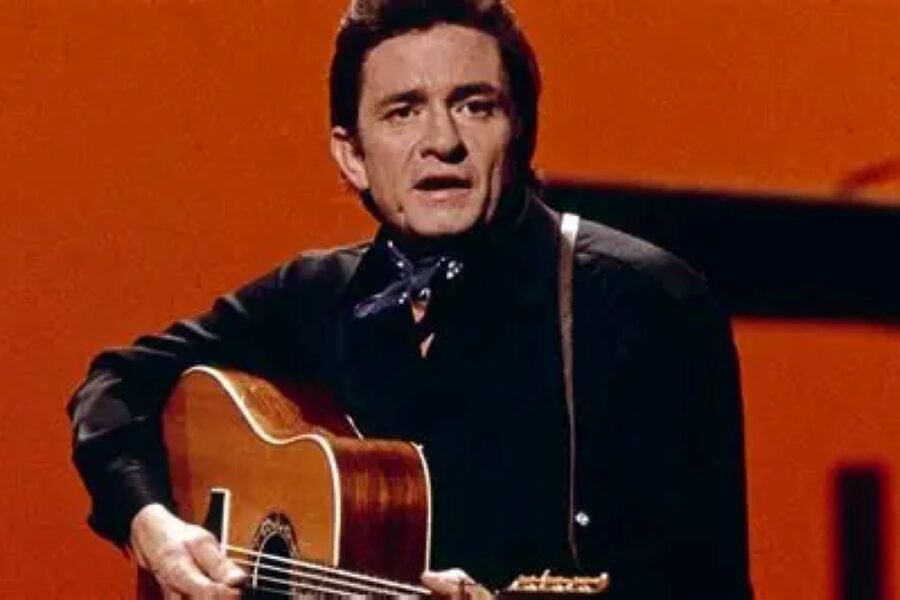
Elvis Presley and Johnny Cash both began their recording careers at Sun Records in Memphis, a studio that played a crucial role in shaping early rock and country music. During those early years, they shared similar experiences as young artists experimenting with new sounds and discovering audiences who were eager for something fresh. The energy surrounding Sun Records created a sense that a new musical movement was forming, and both men became important voices within that moment.
As their careers progressed, however, their professional paths moved in different directions. Elvis became a global icon with films, television appearances, and massive concert tours, while Johnny Cash focused more deeply on storytelling rooted in country and folk traditions. Cash later wrote about how fame gradually surrounded Elvis with layers of management and expectation that made spontaneous connection more difficult. Even so, Cash consistently expressed admiration for Elvis’s talent and kindness. Their story reflects how two artists who started together can grow into very different roles within the same musical legacy.
13. Ann-Margret And A Famous On-Screen Chemistry

When Elvis Presley and Ann-Margret starred together in Viva Las Vegas in 1964, audiences quickly noticed their remarkable chemistry. Both performers brought charisma, musical talent, and a natural ease in front of the camera that made their scenes sparkle. During filming, their connection extended beyond the script, and many cast members later recalled the strong friendship that formed between them on set. Their performances became one of the most memorable elements of the film and helped make it a lasting favorite among Elvis’s movies.
Despite the intense attention surrounding their relationship, there is little evidence of hostility between the two performers. Instead, their story reflects the complicated emotions that can arise when professional collaboration and personal feelings overlap under public scrutiny. Both continued to speak respectfully about each other in later years, acknowledging the unique energy they shared while making the film. Rather than rivalry, their connection stands as an example of how powerful artistic chemistry can sometimes blur the lines between friendship, admiration, and romance.
14. Nancy Sinatra And A Brief Musical Partnership
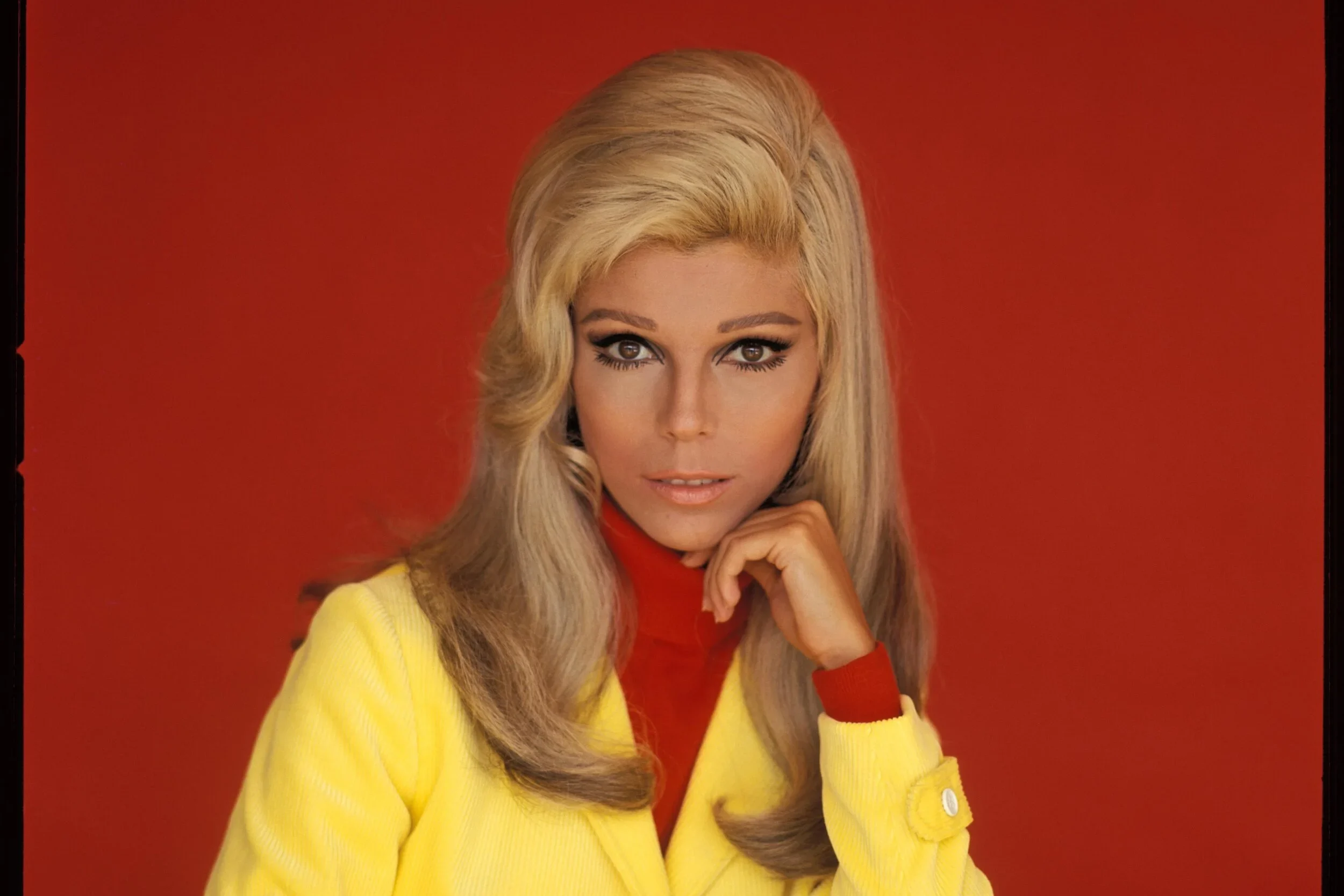
Nancy Sinatra and Elvis Presley shared a brief professional collaboration during the mid-1960s when they recorded the duet “There Ain’t Nothing Like a Song.” At the time, Nancy was building her own successful music career, following in the footsteps of her father, Frank Sinatra. The pairing of two recognizable voices from different corners of popular music generated interest among fans and industry observers who were curious to see how their styles would blend.
Nancy later spoke warmly about Elvis, describing him as polite and generous during their time working together. The recording session itself was relatively straightforward, though Elvis was known for being thoughtful and deliberate when approaching his music. Any sense of awkwardness likely came from the pressure that accompanies collaborations between established performers. Rather than a conflict, the moment simply reflected two artists navigating a shared creative space while maintaining their individual musical identities
15. Richard Nixon And An Unusual Meeting
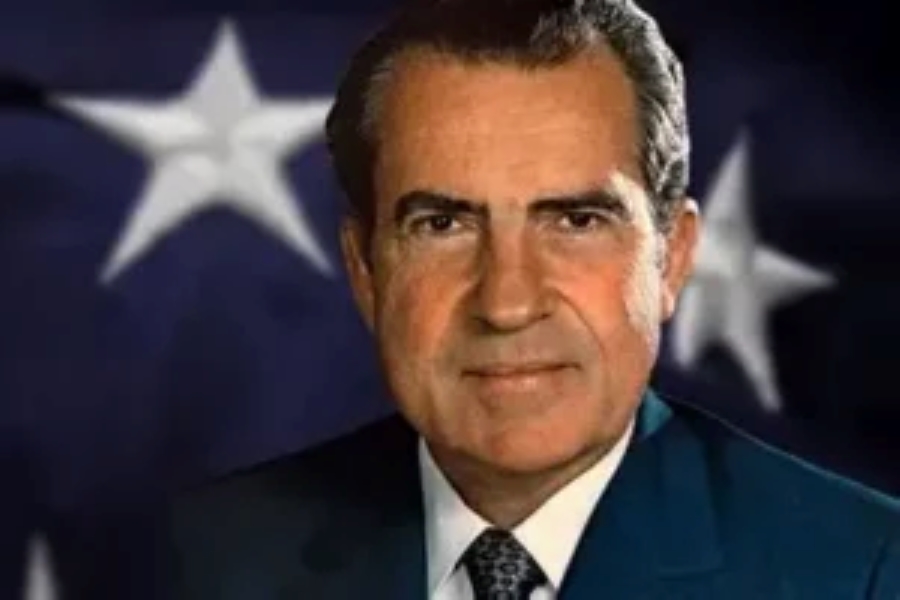
One of the most unusual moments in Elvis Presley’s life occurred in December 1970, when he visited the White House and met with President Richard Nixon. The meeting came after Elvis wrote a letter expressing concern about drug abuse and social unrest in the United States. In the letter, he offered his help in promoting anti-drug efforts and requested a federal badge from the Bureau of Narcotics and Dangerous Drugs. The request was unconventional, but it captured the president’s curiosity and led to a brief but memorable encounter.
The photograph of Elvis shaking hands with Nixon later became one of the most requested images in the U.S. National Archives. While some observers found the meeting surprising, it reflected Elvis’s complicated place in American culture at the time. Once considered a rebellious symbol of youth culture, he now appeared alongside the nation’s highest political authority. The interaction itself remained cordial, and the moment became a fascinating snapshot of how the worlds of entertainment and politics occasionally intersect in unexpected ways.
16. Sammy Davis Jr. And The Changing Entertainment Landscape
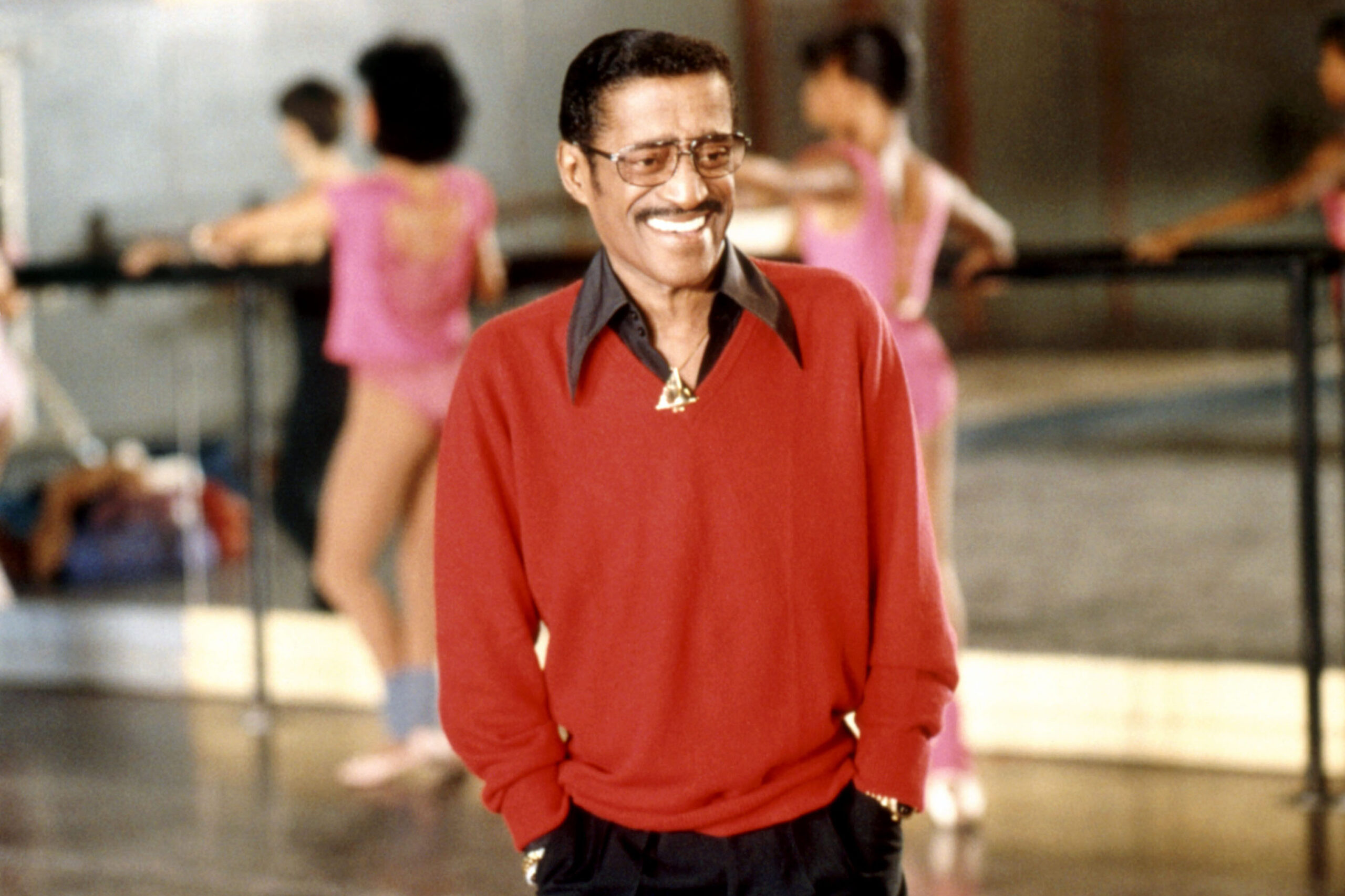
Sammy Davis Jr. was one of the most talented entertainers of his era, known for his singing, dancing, and acting across stage and television. Like Elvis Presley, he performed during a time when American entertainment was undergoing significant cultural change. Both men worked within an industry that was expanding rapidly while also confronting long-standing social barriers. Davis’s career in particular highlighted the challenges faced by Black performers seeking equal recognition and opportunity.
There is little evidence of personal conflict between Elvis and Davis, yet their careers often appeared in discussions about how the music industry credited influence and innovation. Elvis openly admired many Black musicians whose work shaped early rock and roll, while Davis forged his own path through remarkable versatility and determination. Their stories intersect within a broader cultural conversation about music, influence, and opportunity. Any perceived tension reflected the complex environment of the entertainment world rather than a direct rivalry between the two performers.
17. George Harrison And Different Spiritual Journeys
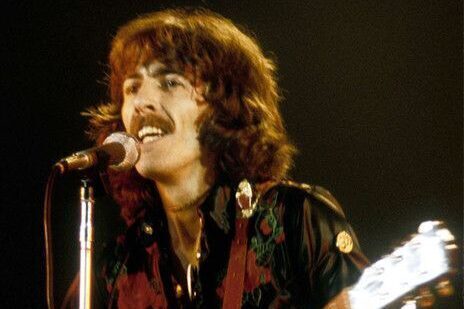
During the late 1960s and early 1970s, many musicians began exploring new spiritual ideas and philosophical influences. George Harrison of The Beatles became one of the most visible figures in this movement, embracing meditation and Eastern philosophy as part of his personal and creative life. Elvis Presley also had a deep interest in spirituality, though his roots remained strongly connected to gospel music and the Christian faith he had known since childhood.
While the two artists approached spirituality from different perspectives, there is no record of conflict between them. Instead, their stories illustrate how musicians of the era were searching for meaning beyond fame and success. Harrison expressed his beliefs through songs and spiritual study, while Elvis often returned to gospel recordings and private reading about faith. Their paths reflected different approaches to the same universal question about purpose and identity. In that sense, their journeys ran parallel rather than in opposition.
18. Burt Reynolds And Hollywood Connections
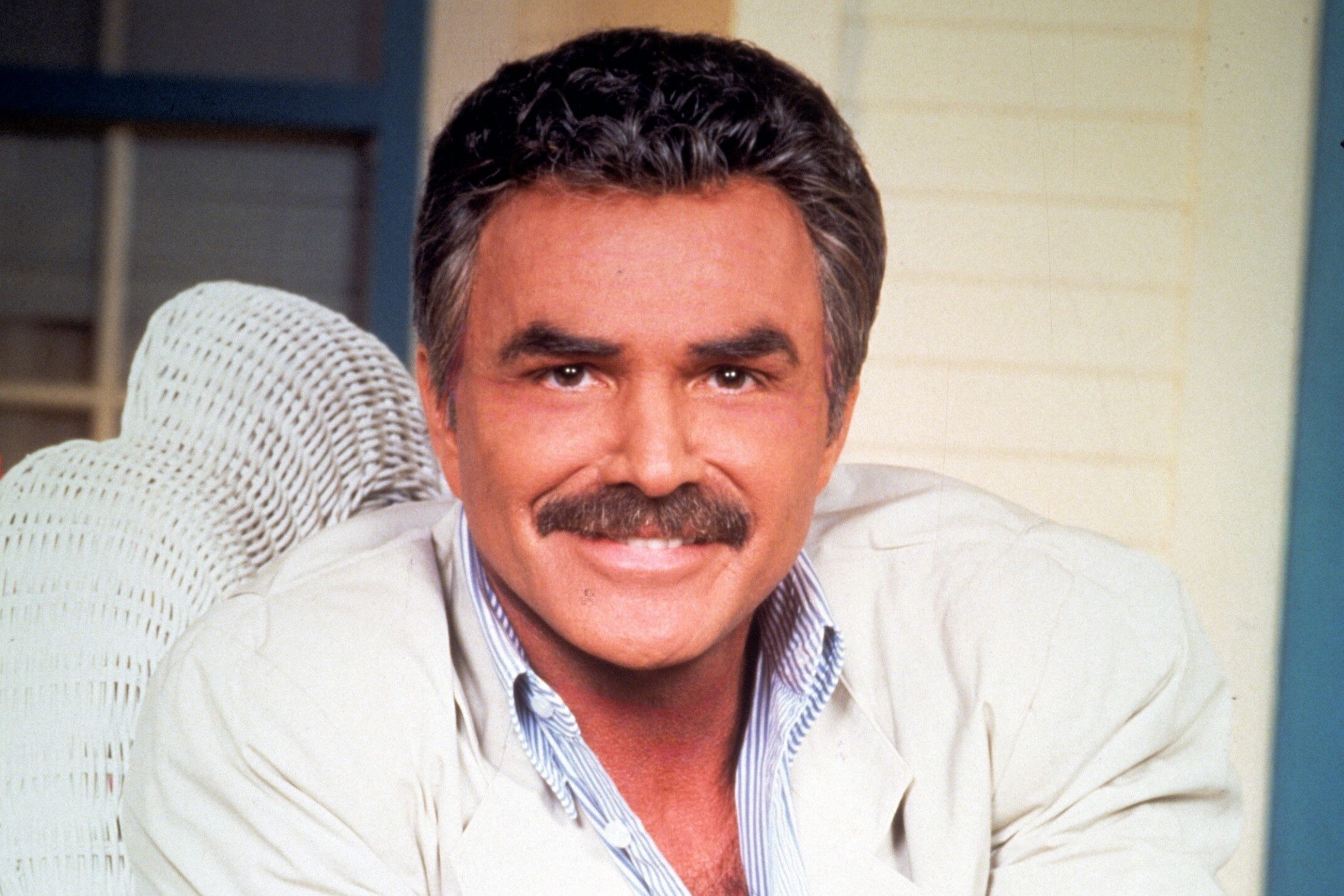
Burt Reynolds rose to prominence in Hollywood during the 1970s, becoming one of the most recognizable actors of the decade. As his career expanded, he moved through the same entertainment circles that Elvis Presley had known through film and television work. In industries where personal and professional relationships frequently overlap, connections between actors, musicians, and filmmakers often become part of the larger celebrity landscape.
Stories occasionally surfaced suggesting awkwardness between Reynolds and Elvis because of overlapping friendships and romantic histories within the entertainment world. However, public remarks from Reynolds generally reflected respect for Elvis’s influence and fame. Rather than a true rivalry, their connection represents the way Hollywood relationships can intersect in complicated ways. In a community where many public figures share social circles, moments of discomfort sometimes arise simply from the closeness of the industry itself.
19. Bruce Springsteen And The Influence Of A Legend
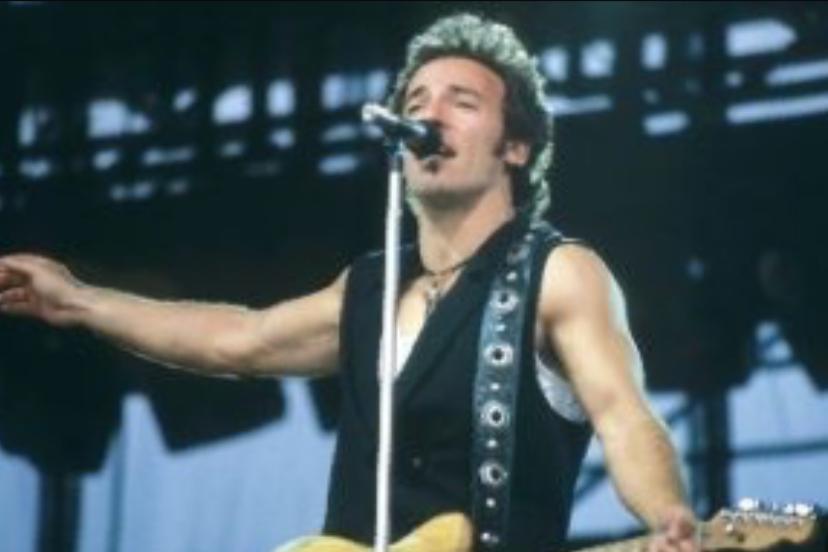
Bruce Springsteen grew up listening to Elvis Presley and often spoke about the enormous impact Elvis had on his decision to pursue music. As a teenager, Springsteen famously traveled to Graceland hoping to meet the King, though he never managed to get past the gates. Like countless musicians of his generation, he viewed Elvis as one of the artists who proved that rock and roll could change a young person’s life.
By the mid-1970s, Springsteen had begun building his own reputation as a powerful songwriter and performer. His rise reflected the natural evolution of rock music as new voices emerged to express the experiences of a different generation. There was never any personal rivalry between the two artists. Instead, Springsteen’s success illustrated how Elvis’s influence continued shaping musicians long after his earliest recordings. The connection between them highlights the enduring legacy of a performer whose sound helped inspire the next wave of rock storytellers.
20. Jackie Wilson And Mutual Respect In Music
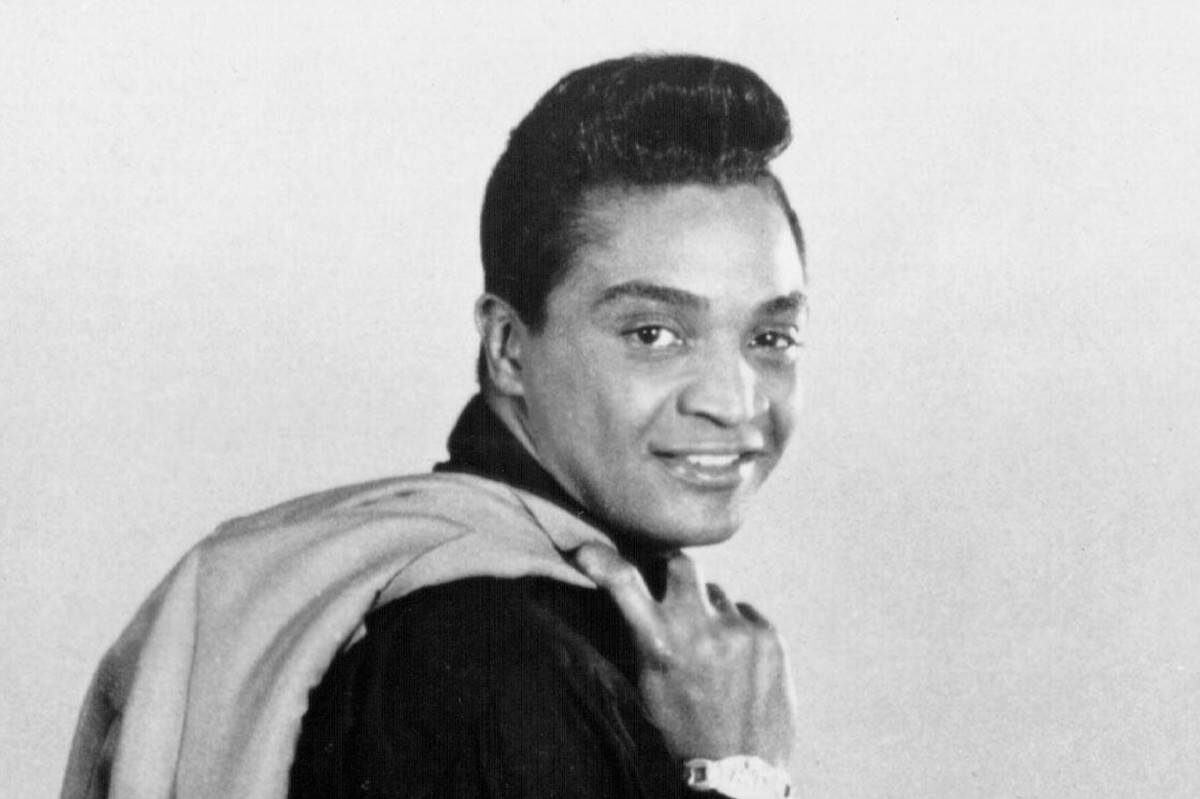
Jackie Wilson was one of the most dynamic performers of the late 1950s and 1960s, known for his soaring vocals and energetic stage presence. His ability to blend rhythm and blues with pop sensibilities earned him a devoted following and significant critical praise. Like Elvis Presley, Wilson commanded audiences with powerful performances that showcased both vocal skill and emotional intensity.
Although rumors sometimes suggested rivalry between them, Elvis publicly expressed admiration for Wilson’s talent. In fact, Elvis once referred to Jackie Wilson as one of the greatest singers in the business, acknowledging the extraordinary power of his voice. Any perception of competition likely came from fans comparing two charismatic performers who dominated the stage in different ways. Rather than resentment, the relationship between them reflected the mutual respect often shared by artists who recognize excellence in one another’s craft.
21. Chuck Berry And The Roots Of Rock
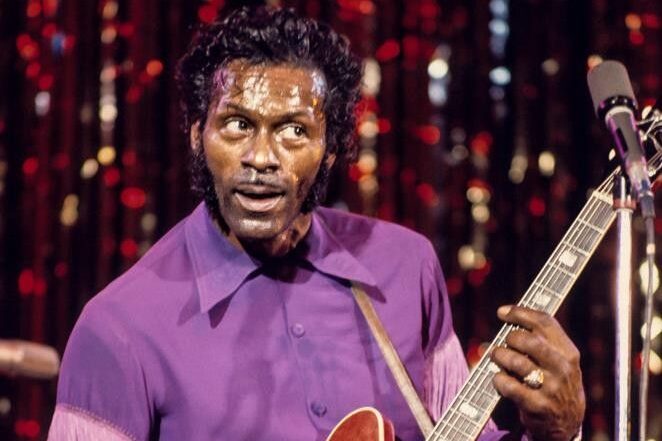
Chuck Berry was already busy reinventing the American soundscape with his electric guitar before Elvis Presley became a household name in 1954. While Elvis is often called the King, Berry provided the actual blueprint for the genre with hits like “Maybellene,” which topped the charts in 1955. His unique ability to blend country storytelling with rhythm and blues rhythms created a foundation that every future rocker would build upon. As Elvis’s fame exploded through his first television appearance on Stage Show in January 1956, the media began to focus on the cultural shift, often overlooking that Berry’s guitar riffs were the true DNA of the music.
Elvis never hid his respect for Black pioneers like Berry, often stating that he was just a singer following a path already cleared by others. However, the 1950s music industry was heavily segregated, and Elvis was granted mainstream television slots and movie deals that Berry was frequently denied. This discrepancy created a perceived rivalry in the press, though it was more about systemic bias than personal animosity. By the time Berry released “Johnny B. Goode” in 1958, both men had become essential pillars of rock. Their combined legacies show how two different artists can shape the same revolution from very different starting points in history.
22. Little Richard And The Energy Of Early Rock
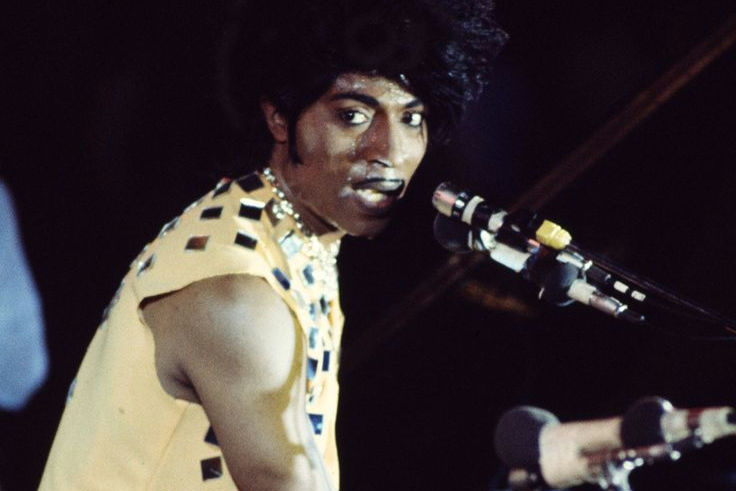
Little Richard was a whirlwind of talent who brought a wild, theatrical energy to the music scene starting with his 1955 smash hit “Tutti Frutti.” His screaming vocals and aggressive piano playing set a bar for performance that few could match. Around the same time, Elvis Presley was beginning his ascent at Sun Records, and the public quickly noticed that both men shared an explosive stage presence. While Elvis had his famous hip swivels, Richard had a flamboyant, high-octane style that broke every rule of 1950s decorum. Together, they turned rock and roll into a visual spectacle that terrified parents and thrilled teenagers across the country.
Richard often pointed out that while he helped “birth” the genre, Elvis was the one who became its most profitable face for the general public. Despite this, there was a mutual professional respect; Elvis even called Richard “the greatest” during his early years. The supposed friction between them was mostly a reflection of how the industry marketed white artists to the masses while keeping Black innovators in a separate category. By the time Richard took a break from music for religion in 1957, his influence on Elvis’s vocal style was undeniable. Both men remain legendary figures who proved that rock and roll was as much about attitude as it was about the notes played.
23. Jerry Lee Lewis And Sun Records Competition
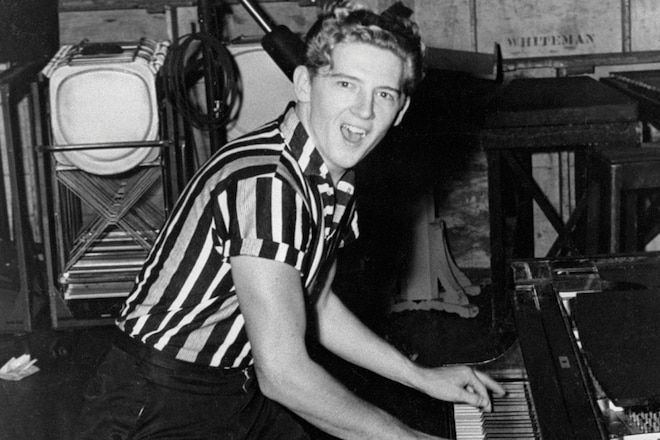
In the mid-1950s, Sun Records in Memphis became the epicenter of a musical earthquake, housing legends like Elvis Presley and Johnny Cash. When Jerry Lee Lewis arrived at the studio in 1956, he brought a fierce “Killer” persona and a piano-pounding style that immediately drew comparisons to Elvis. Both artists were young, southern, and deeply influenced by a mix of gospel and blues. On December 4, 1956, the two famously participated in an impromptu jam session known as the “Million Dollar Quartet,” which captured the raw, competitive energy of two superstars at the peak of their creative powers.
The media loved to frame Lewis and Presley as rivals because they were both vying for the title of the top act at Sun Records. Lewis was known for his fiery antics, like standing on his piano, while Elvis captivated audiences with his voice and charisma. This natural competition pushed both men to perform harder, but it wasn’t a bitter feud. Instead, it was a high-stakes race to see who could push the boundaries of pop music further. While Elvis eventually moved on to global movie stardom, Lewis stayed true to his wild rockabilly roots, ensuring that the spirit of Memphis stayed alive in the hearts of rock fans everywhere.
24. Steve Binder And Creative Control
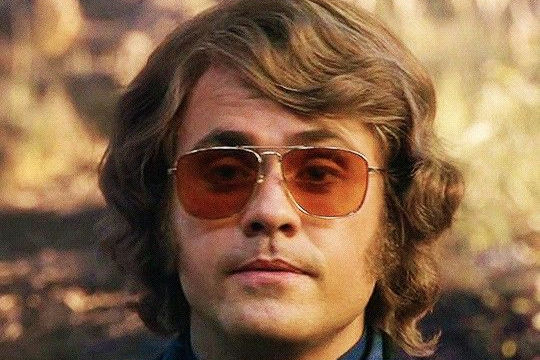
By 1968, Elvis Presley’s career had stalled due to a long string of predictable, low-quality formula movies. Enter Steve Binder, a young and visionary director who was hired to produce Elvis’s first television special in years. Originally planned as a traditional Christmas show by Elvis’s manager, Colonel Tom Parker, Binder had a much bolder idea. He wanted to strip away the glitz and show the world the raw, leather-clad rocker who had originally changed the world. This project, which aired on December 3, 1968, became known as the “Comeback Special” and is now considered a turning point in music history.
The tension during the making of the special was high, as Binder frequently clashed with the Colonel over the show’s direction. Binder encouraged Elvis to trust his instincts, leading to the famous “sit-down” session where Elvis jammed with his old friends in front of a live audience. This move was risky at the time, but it paid off brilliantly, revitalizing Elvis’s image and proving he was still a vocal powerhouse. The success of the 1968 special showed that Elvis thrived when he had the right creative partners to challenge him. Binder’s influence helped Elvis reclaim his throne, moving him away from Hollywood scripts and back toward the soul of rock and roll.
25. Red West And A Painful Parting
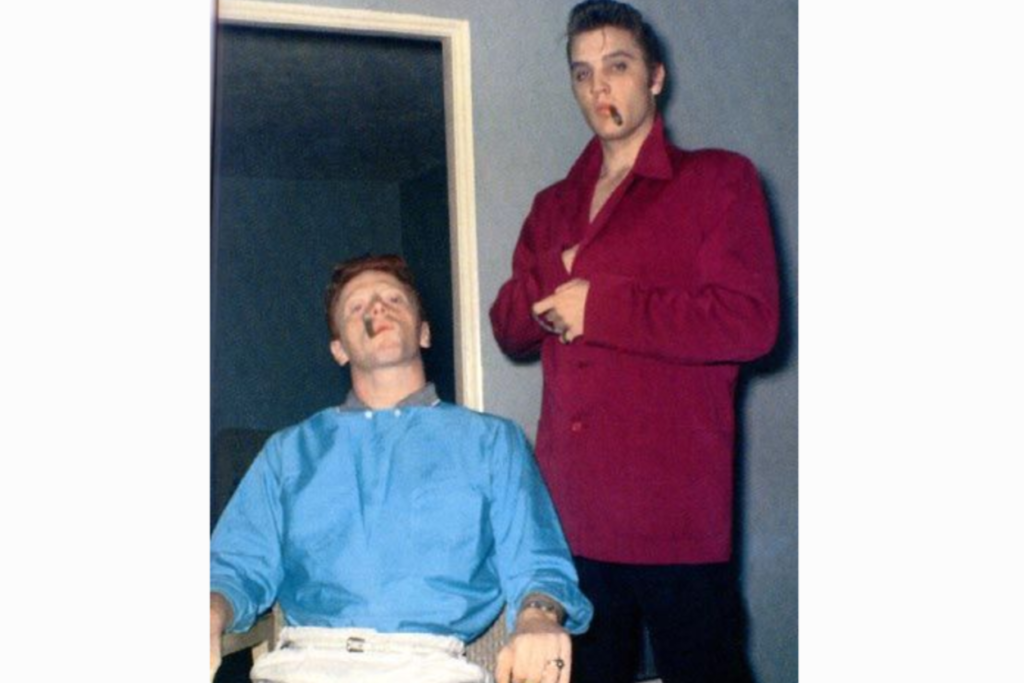
Red West was a cornerstone of Elvis Presley’s life, having protected him since their high school days at Humes High School in Memphis. As a founding member of the “Memphis Mafia,” West was more than just a bodyguard; he was a songwriter and a confidant who stayed by Elvis’s side for over twenty years. He traveled the world with the star and saw the highs of the 1950s and the grueling schedules of the 1970s. However, the atmosphere within Elvis’s inner circle became increasingly strained as the singer’s health declined and the pressure of fame reached a breaking point.
In a shocking move in July 1976, Red West was dismissed from Elvis’s employment by the singer’s father, Vernon Presley. The firing was abrupt and deeply painful for West, who felt he was being pushed out for trying to address Elvis’s personal struggles. In response, West co-authored the controversial book Elvis: What Happened?, which was released just weeks before Elvis’s death in August 1977. While many fans saw the book as a betrayal, West maintained that he wrote it as a desperate “wake-up call” to save his friend. The tragic end to their long friendship serves as a reminder of how the pressures of superstardom can destroy even the tightest personal bonds.
26. RCA Executives And The Pressure Of Expectations
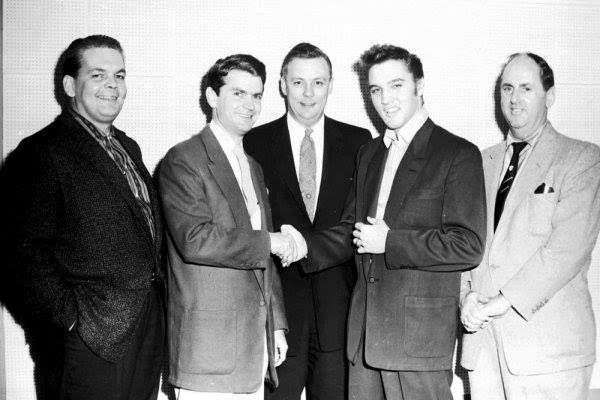
When RCA Records purchased Elvis Presley’s contract from Sun Records for a record-breaking $35,000 in 1955, they expected a massive return on their investment. They certainly got it, as Elvis became their biggest star, moving millions of units and defining the label for decades. However, being the flagship artist for a major corporation came with intense pressure. Executives were constantly demanding more “product,” which meant Elvis was often rushed into recording sessions or forced to record songs he didn’t personally love just to meet a quarterly release schedule. This commercial machinery was a double-edged sword for his artistry.
Throughout the 1960s, the demand for movie soundtracks meant Elvis was releasing albums that felt more like marketing tools than musical statements. While the relationship between Elvis and the RCA suits was generally professional, there was an underlying tension regarding creative freedom. Elvis often felt like a cog in a giant machine, especially when the label pushed for more pop-heavy hits over the soulful blues and gospel music he truly enjoyed. Despite these internal struggles, the partnership remained incredibly lucrative until his passing. The RCA era highlights the eternal struggle between an artist’s personal vision and the cold, hard numbers required by the music business.
27. Priscilla Presley And Life In The Public Eye
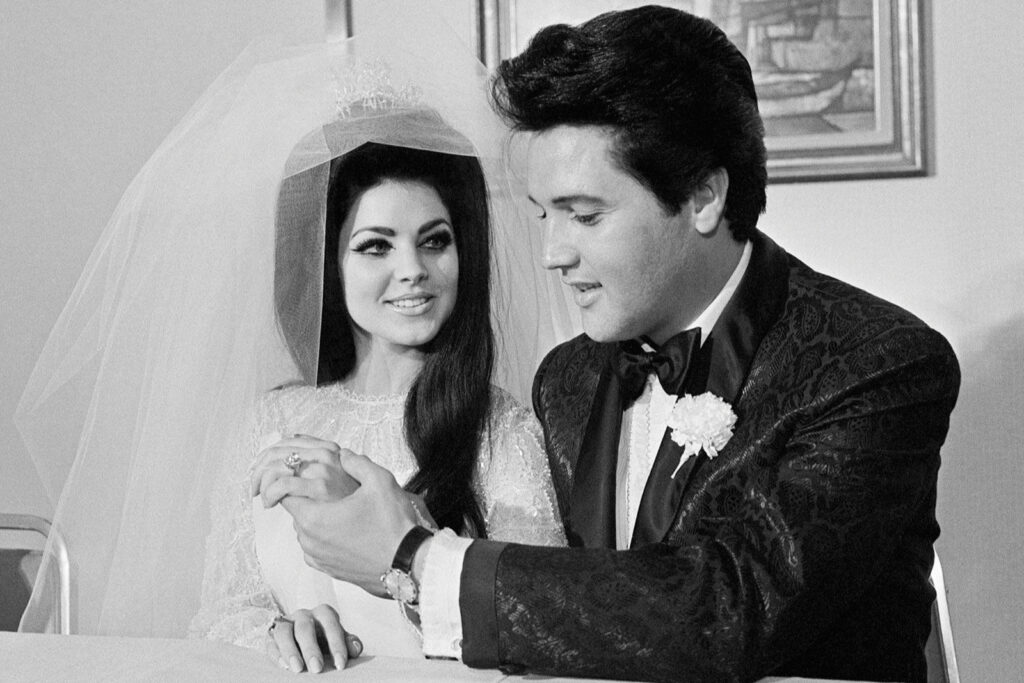
Priscilla Beaulieu met Elvis Presley in Germany in 1959 when she was just a teenager and he was serving in the U.S. Army. Their relationship was a focal point for the media from the very beginning, culminating in a lavish wedding at the Aladdin Hotel in Las Vegas on May 1, 1967. Living at Graceland meant Priscilla was constantly surrounded by fans, photographers, and Elvis’s large entourage. She often felt she had to mold herself into the “perfect” wife to fit the image the world expected of her, which was a heavy burden for a young woman in the spotlight.
By the early 1970s, the strain of Elvis’s constant touring and his nocturnal lifestyle began to take a toll on their marriage. Priscilla wanted to find her own identity outside of being “Mrs. Elvis Presley,” leading to their eventual separation and divorce in 1973. Despite the split, the two remained remarkably close, often seen leaving the courthouse hand-in-hand after the proceedings were finalized. They continued to co-parent their daughter, Lisa Marie, with genuine affection for one another. Priscilla’s story is a poignant look at the difficulty of maintaining a private life when the entire world feels like they own a piece of your husband.
28. Glen Campbell And The Expanding Music Scene
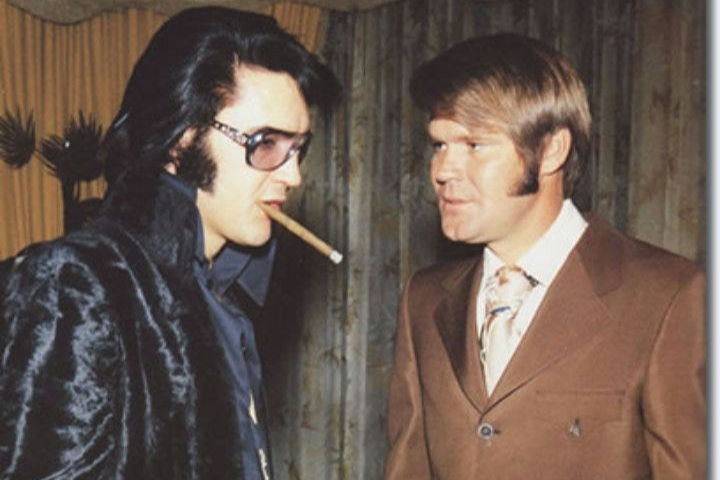
In the late 1960s, the music world was shifting, and Glen Campbell became one of its brightest stars with hits like “Rhinestone Cowboy” and “Wichita Lineman.” Like Elvis, Campbell had a massive “crossover” appeal, topping both the country and pop charts simultaneously. Because both men were handsome, charismatic Southerners who conquered television and radio, the press often compared them. Campbell’s show, The Glen Campbell Goodtime Hour, which premiered in 1969, made him a household name just as Elvis was launching his legendary Las Vegas residency. This created a friendly rivalry in the eyes of the public.
In reality, there was no hostility between the two; in fact, they were mutual admirers of each other’s work. Elvis even considered recording some of the songs that Campbell had made famous. Their careers represented the broad spectrum of American music, with Elvis holding down the rock and roll throne while Campbell expanded the reach of country-pop. The 1970s saw room for both icons to thrive, proving that the music industry was big enough for multiple kings of different genres. Their shared success showed how the “Southern sound” had moved from the fringes of society directly into the heart of the American mainstream.
29. Muhammad Ali And A Meeting Of Icons
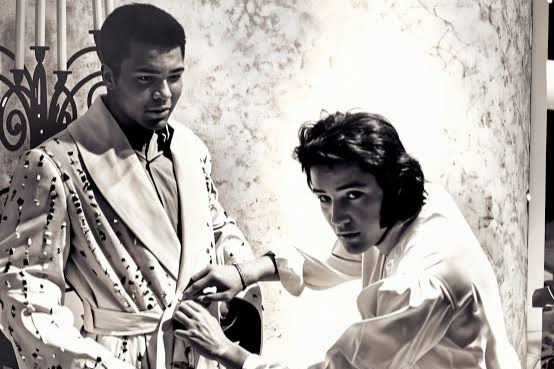
One of the most fascinating cultural crossovers occurred in February 1973 when Elvis Presley met “The Greatest,” Muhammad Ali, in Las Vegas. At the time, Ali was preparing for a big fight and Elvis was the reigning king of the Vegas strip. Elvis presented Ali with a custom-made, jewel-encrusted robe that said “The People’s Champion” on the back. Ali, known for his quick wit and bravado, was reportedly charmed by the gesture, and the two spent time laughing and talking about the unique pressures of being global icons. It was a rare moment where the world of sports and music truly collided.
The meeting was significant because it brought together two men who represented different sides of the American experience. Ali was a vocal civil rights advocate and a symbol of political defiance, while Elvis was often seen as a more traditional, patriotic figure. Despite these differences, they found common ground in their shared status as legends who were constantly under the microscope. Ali later wore the robe Elvis gave him, though he joked that it was a bit too flashy even for him. This brief encounter remains a favorite piece of trivia for fans, illustrating that even the most famous people on earth need peers who understand what it’s like to be at the top.
30. The Endless Comparison With New Stars
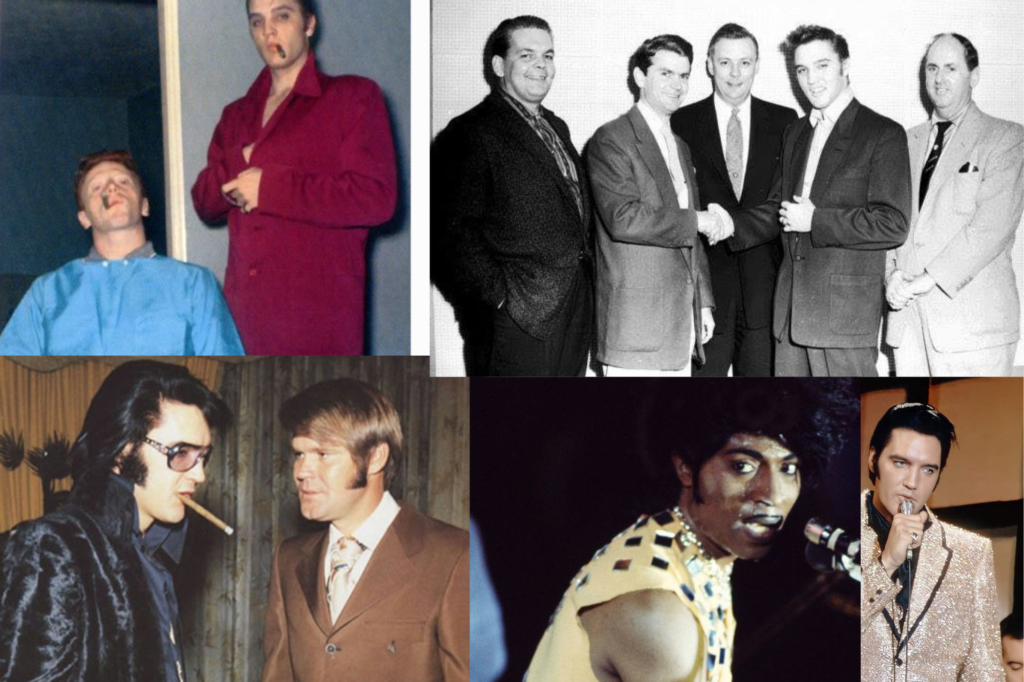
As the 1970s progressed, a new generation of performers like Elton John, David Bowie, and Bruce Springsteen began to dominate the airwaves. Naturally, music critics constantly compared these newcomers to Elvis Presley to see if any of them could capture the same cultural magic. For Elvis, who was now a veteran of the industry, seeing these younger acts rise was a reminder of how much the landscape had changed since he first walked into Sun Records in 1954. He remained the benchmark for success, yet he had to work harder than ever to stay relevant in a fast-paced market.
By 1977, the music industry was moving toward disco and punk, styles that were a far cry from the rockabilly and gospel that started it all. While some critics suggested that Elvis was a “dinosaur,” his sold-out concerts proved that his fans were as loyal as ever. The constant comparisons with new stars actually served to highlight Elvis’s longevity; he wasn’t just a trend, he was the foundation. Even as he faced health issues in his final year, his influence was visible in the fashion, stage presence, and vocal styles of the artists who were topping the charts. He died on August 16, 1977, leaving behind a legacy that no new star could ever truly replace.


