
Mikey And Nicky
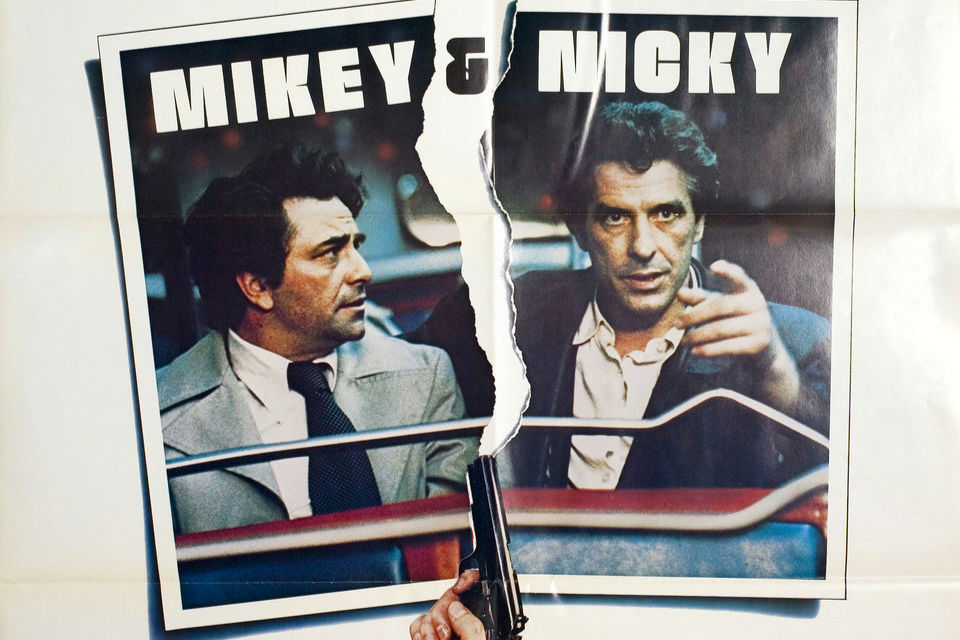
If you’re looking for a crime flick that feels more like an awkward, high-stakes night out than a polished Hollywood production, Mikey and Nicky is your movie. Released on December 21, 1976, and directed by the brilliant Elaine May, the film dives deep into the messy friendship between two low-level mobsters in Philadelphia. Peter Falk and John Cassavetes play the lead roles, and their chemistry is so intense it feels like you’re eavesdropping on a real conversation. As the night unfolds, paranoia and the threat of betrayal turn their lifelong bond into a pressure cooker of emotions.
The movie is famous for its raw, improvisational style, which gave it a documentary-like vibe that was way ahead of its time. Unfortunately, it struggled to find an audience back in the seventies because the studio didn’t really know how to market something so gritty and honest. It didn’t help that the production was famously over budget and behind schedule. However, over the last few decades, critics have rediscovered it as a masterpiece of male vulnerability and realism. It’s a powerful, human look at how loyalty can crumble under the weight of a dangerous lifestyle.
The Friends Of Eddie Coyle
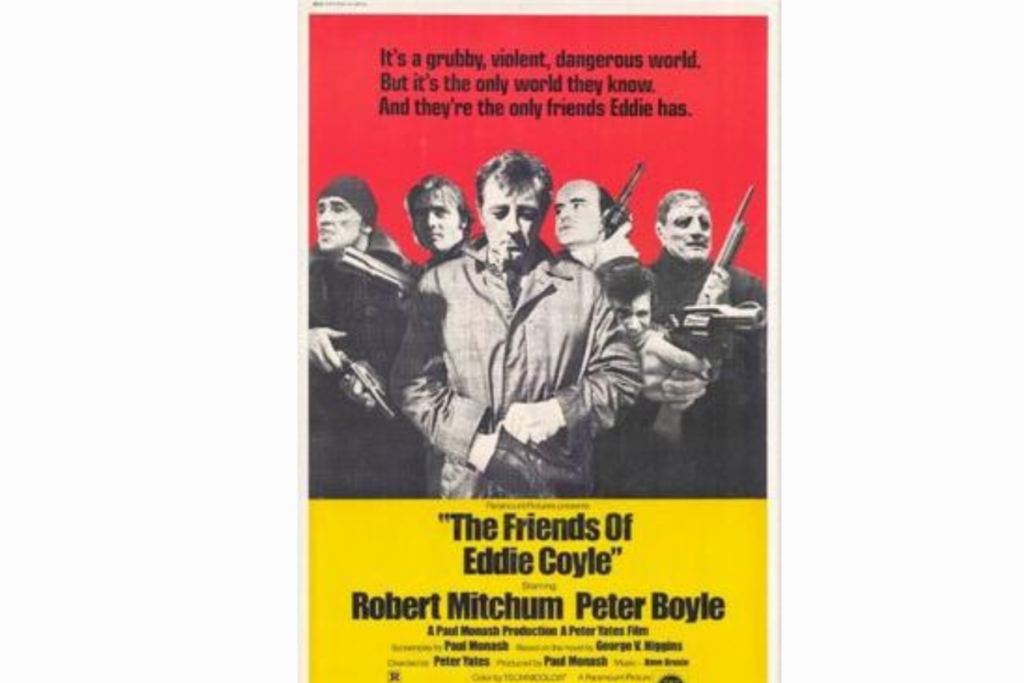
Most crime movies from the seventies are full of flashy car chases, but The Friends of Eddie Coyle takes a much more grounded approach. Released on June 26, 1973, it stars the legendary Robert Mitchum as an aging gunrunner in Boston who is just trying to stay out of prison. He’s caught between a rock and a hard place, facing the reality that his criminal “friends” aren’t actually looking out for him. The film skips the glamour and focuses on the quiet, desperate deals made in backrooms and dive bars.
What makes this one stand out is its incredible sense of authenticity. The dialogue feels real, and the Boston setting adds a cold, grey mood that perfectly matches Eddie’s situation. Even though it didn’t break box office records when it first hit theaters, it has since become a cult classic for fans of “noir” storytelling. It reminds us that in the underworld, betrayal isn’t usually a big, dramatic moment, it’s just a business decision. It’s a must-watch for anyone who appreciates a story where the stakes are high and the heroes are hard to find.
3 Women
Robert Altman’s 3 Women, which premiered on April 3, 1977, is the kind of movie that sticks with you like a strange dream you can’t quite shake. Set in a dusty California desert town, it follows the shifting relationship between two coworkers at a health spa, played by Shelley Duvall and Sissy Spacek. As the story progresses, their personalities start to blend and swap in ways that are both fascinating and deeply unsettling. It’s a psychological journey that relies more on mood and symbols than a standard “A-to-B” plot.
The film actually started as a literal dream that Altman had while his wife was in the hospital, and he turned that vision into a hauntingly beautiful piece of cinema. While audiences in 1977 were a bit confused by its surreal nature, modern viewers love it for its artistic bravery and depth. Shelley Duvall even won the Best Actress award at the Cannes Film Festival for her performance. If you enjoy movies that leave you with more questions than answers and prioritize atmosphere over action, this hidden gem from the late seventies is definitely for you.
Bring Me The Head Of Alfredo Garcia
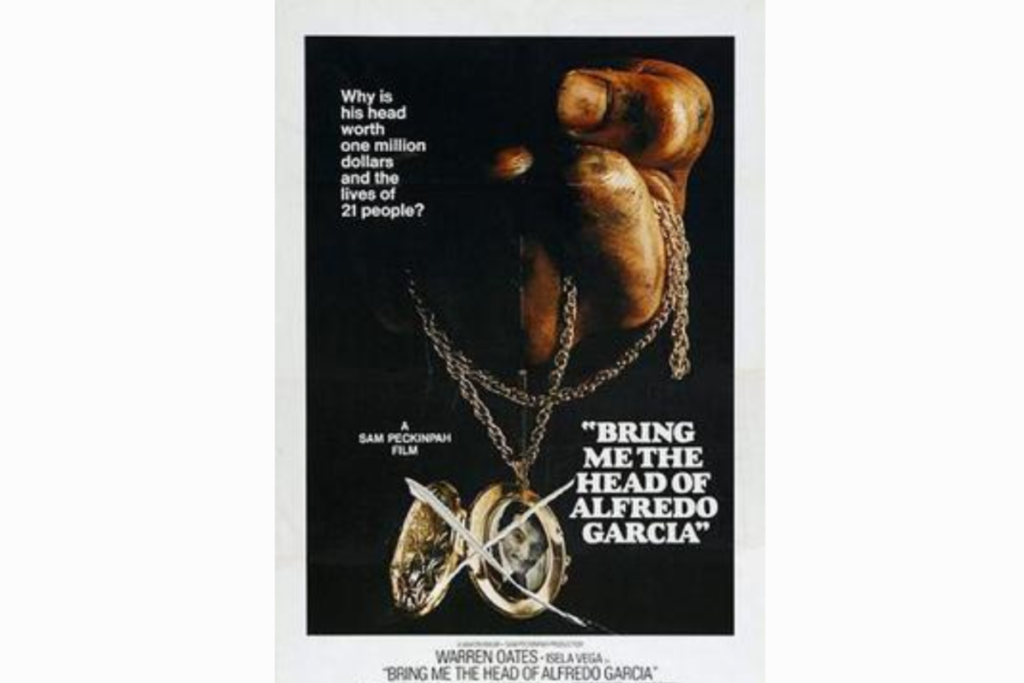
If you want a movie that’s as gritty and uncompromising as its title, Bring Me the Head of Alfredo Garcia is the one to pick. Released on August 14, 1974, and directed by the “master of violence” Sam Peckinpah, it tells the story of a piano player named Bennie who goes on a wild, dangerous trek across Mexico. He’s hunting for a bounty on a dead man, but the journey quickly becomes a spiritual and physical nightmare. Warren Oates gives the performance of a lifetime as a man who has absolutely nothing left to lose.
At the time, many critics were put off by the film’s bleakness and raw energy, but it has since earned a massive following. Peckinpah reportedly considered this his most personal film, pouring his own frustrations and life experiences into Bennie’s character. It’s a dark, emotional ride that explores greed, love, and the price of one’s soul. While it might be a bit heavy for a casual movie night, its honesty and unique style make it a standout example of the risks filmmakers were willing to take during this incredibly creative era of cinema.
The Conversation
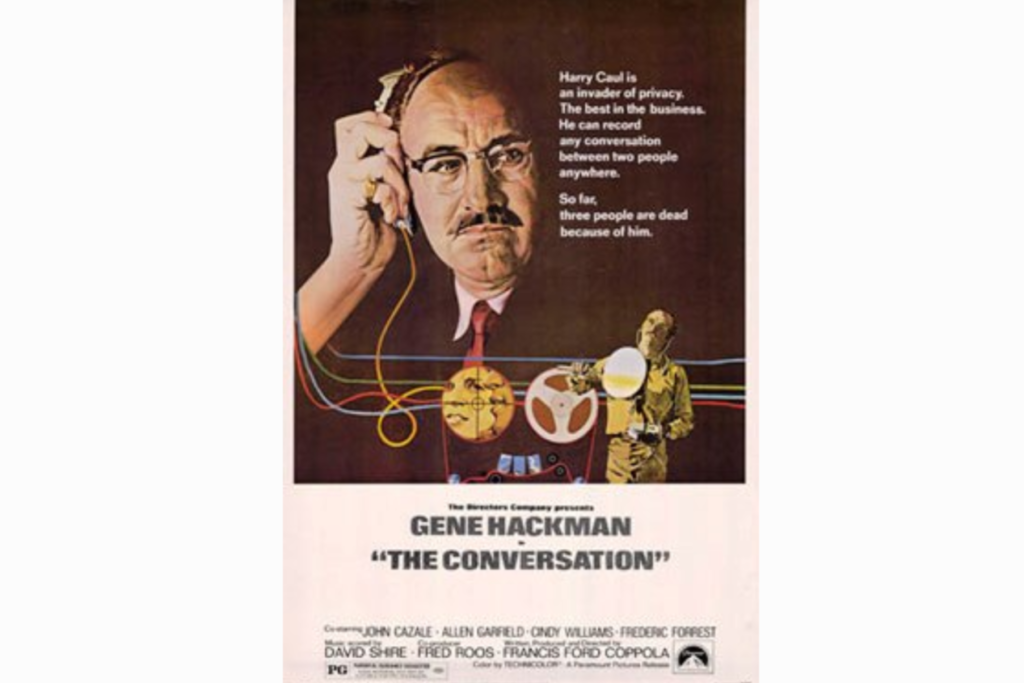
Released on April 12, 1974, The Conversation is a masterclass in suspense that feels even more relevant in our modern world of smartphones and constant data. Directed by Francis Ford Coppola, right between his work on the first two Godfather films, it stars Gene Hackman as Harry Caul, a lonely surveillance expert. Harry is the best in the business at bugging people, but he starts to spiral into paranoia when he thinks a couple he’s recording might be in actual danger. It’s a quiet, tense character study about guilt and privacy.
The movie came out right as the Watergate scandal was dominating the news, so it perfectly captured the national mood of distrust. Unlike many thrillers today, it doesn’t rely on explosions or fast edits; instead, it uses sound design to make you feel as trapped and nervous as Harry. While it won the top prize at the Cannes Film Festival, it was somewhat overshadowed at the box office by Coppola’s other massive hits. Today, it’s celebrated as a brilliant look at how technology can alienate us and the heavy burden of knowing too much.
The Long Goodbye
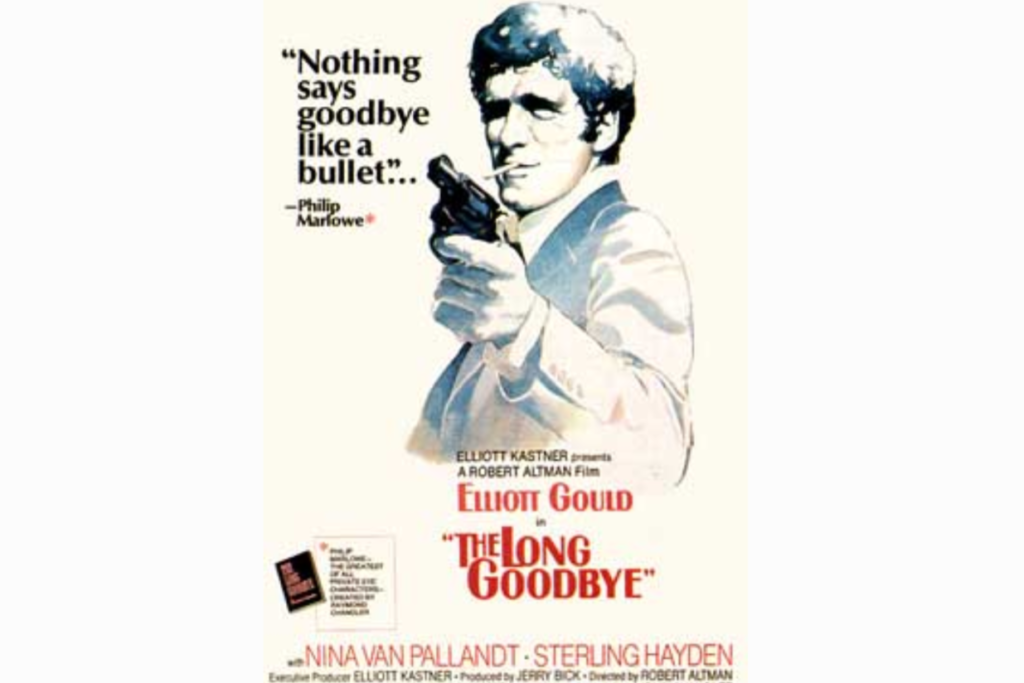
Imagine a classic 1940s detective waking up in the middle of the “me decade” of the 1970s, and you’ve got the vibe of The Long Goodbye. Released on March 7, 1973, director Robert Altman took a famous Raymond Chandler character, Philip Marlowe, and dropped him into a sun-drenched, hazy Los Angeles. Elliott Gould plays Marlowe as a mumbling, cat-loving guy who seems totally out of place in a world filled with yoga, health fads, and people who don’t care about the old rules of honor.
The movie was pretty controversial when it first came out because it didn’t play by the rules of a traditional mystery. Instead of a fast-paced “whodunit,” it’s a slow-burn look at a changing culture where everyone seems to be looking out for themselves. Altman used a roaming camera and overlapping dialogue to make the whole thing feel natural and a bit chaotic. Over time, it has become a favorite for film buffs who love how it deconstructs the “tough guy” detective trope. It’s a stylish, funny, and ultimately heartbreaking look at what happens when the world leaves you behind.
Electra Glide In Blue
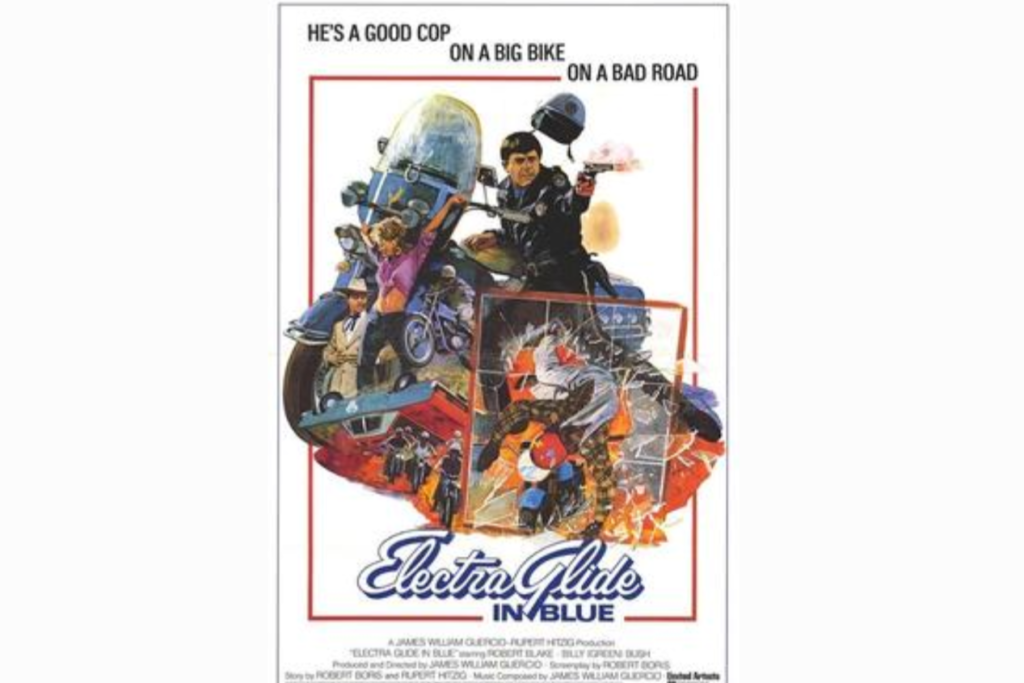
Electra Glide in Blue is a visually stunning film that arrived in theaters on August 8, 1973. It’s a unique take on the “cop movie” genre, focusing on a pint-sized motorcycle policeman in Arizona named John Wintergreen. Played by Robert Blake, John dreams of trading in his bike for a detective’s badge, thinking it will lead to a more meaningful life. However, as he gets closer to the world of “big-city” investigating, he realizes that the reality of the job is much darker and more complicated than his fantasies.
The film is famous for its gorgeous cinematography, which captures the massive, lonely landscapes of Monument Valley. Even though it was marketed as an action-packed police drama, it’s actually a very quiet, philosophical movie about loneliness and disillusionment. Because it didn’t fit into a simple box, it was somewhat overlooked during its initial release. Today, it is praised for its beautiful imagery and its honest look at the American dream through the eyes of someone on the fringes. It’s a great pick if you want something that looks like a Western but feels like a deep drama.
Sorcerer
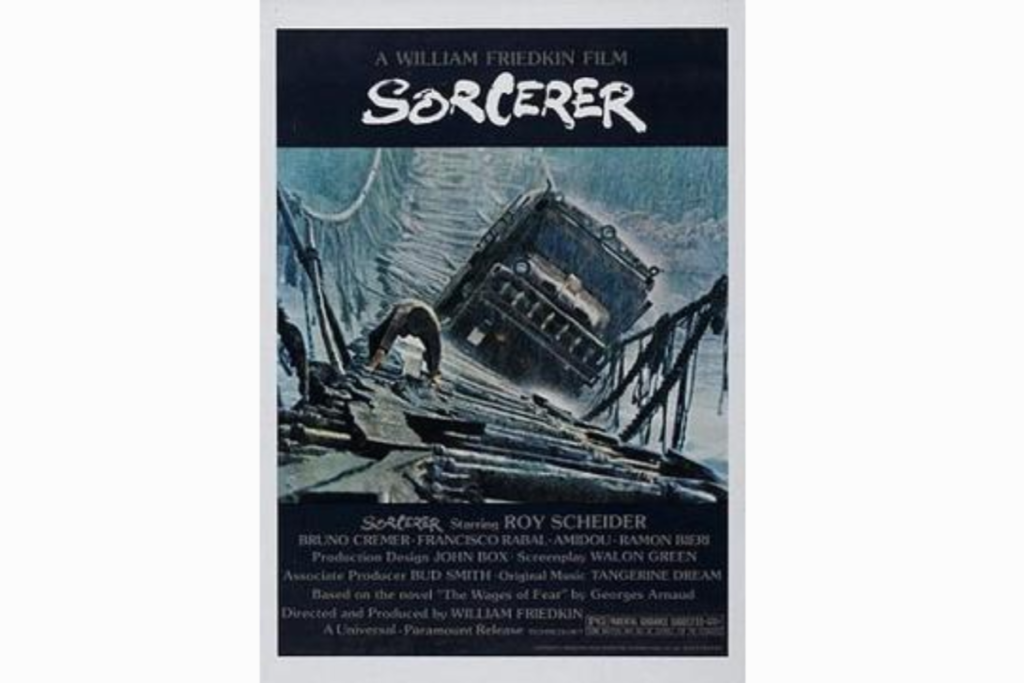
If you’re looking for pure, unadulterated tension, Sorcerer is a must-see. Directed by William Friedkin and released on June 24, 1977, the film follows four international fugitives who are forced to drive two trucks filled with leaking, highly unstable nitroglycerin across 200 miles of jungle. Every bump in the road could mean certain death. It’s a remake of the French classic The Wages of Fear, but Friedkin adds a layer of gritty, 1970s intensity that makes it feel entirely new and absolutely terrifying.
Sadly, the movie was one of the biggest box office “flops” of the decade, but that wasn’t because it was bad. It just happened to open on the exact same weekend as a little movie called Star Wars, which changed the industry overnight. For years, Sorcerer was forgotten, but a recent restoration has allowed audiences to see it for what it truly is: a masterpiece of filmmaking. The bridge-crossing scene alone is considered one of the most incredible sequences in movie history. It’s a high-stakes thriller that proves some movies are just born at the wrong time.
Nasty Habits
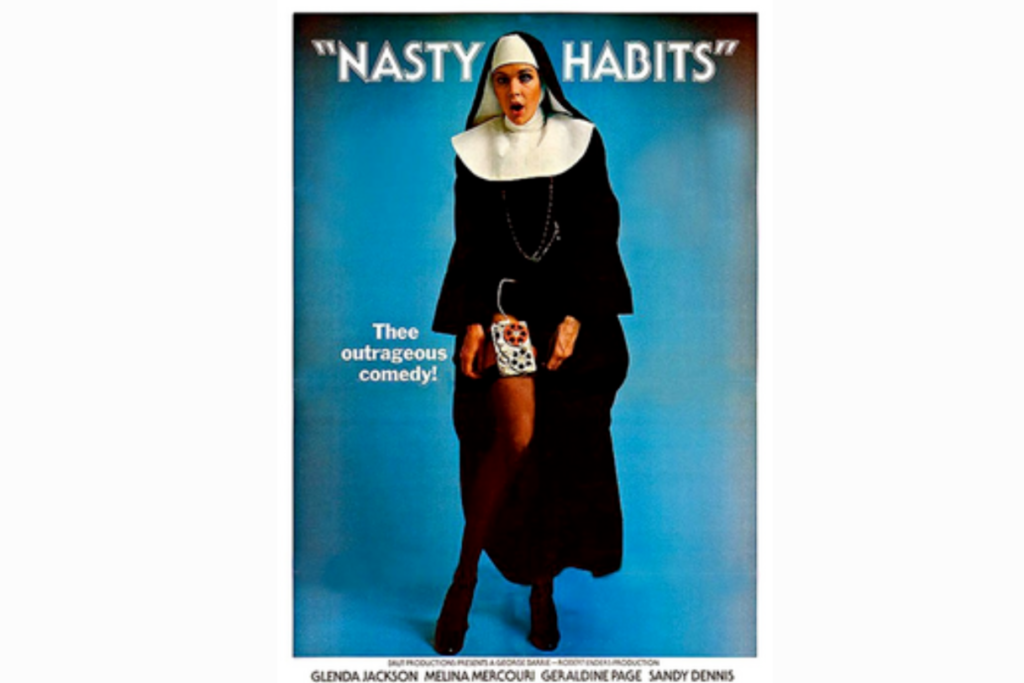
Nasty Habits is probably the most unique entry on this list, offering a sharp political satire set in a place you’d least expect: a London convent. Released on May 12, 1977, the film is a thinly veiled parody of the Watergate scandal that had rocked the United States just a few years earlier. Instead of politicians in the White House, we see a group of ambitious nuns, led by the formidable Glenda Jackson, using surveillance and dirty tricks to win an internal election.
The movie is a hidden gem because it takes a very serious subject, corruption and the lust for power, and turns it into something darkly funny and absurd. By moving the setting to a religious institution, it shows that human nature and the desire for control stay the same no matter where you are. While it didn’t get a ton of attention in the U.S. when it first came out, its clever writing and great performances make it a fascinating time capsule. It’s a perfect pick for anyone who enjoys smart comedies that aren’t afraid to poke fun at the powers that be.
Hardcore
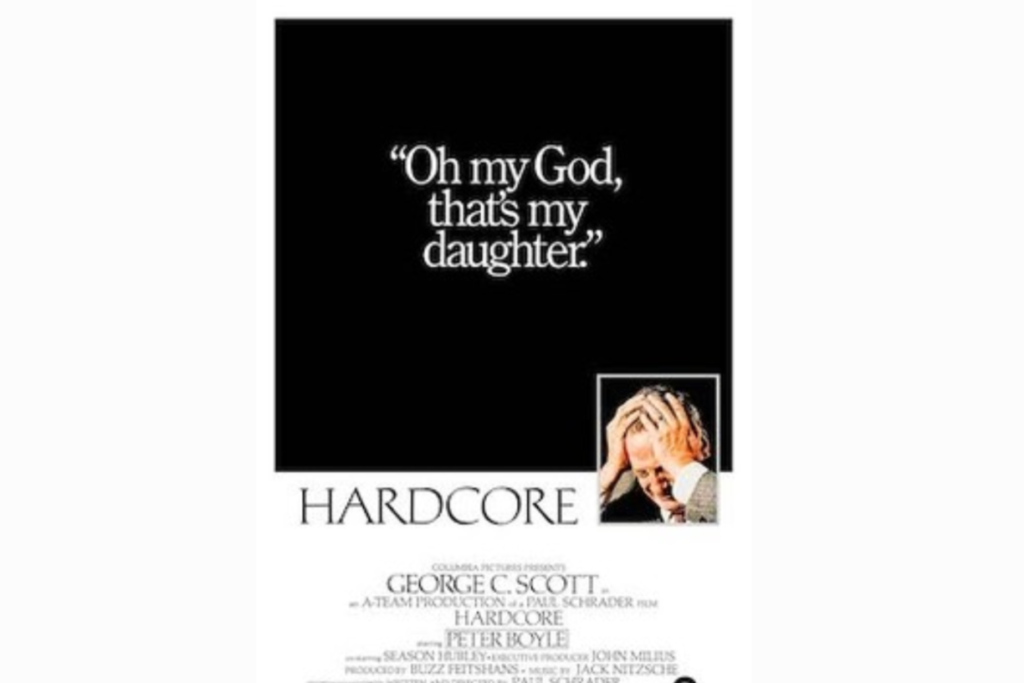
Released on February 9, 1979, Hardcore is a gripping and often difficult look at the clash between traditional values and the gritty reality of the city. George C. Scott stars as a deeply religious father from the Midwest whose daughter goes missing during a church trip to California. When he discovers she has become involved in the adult film industry, he heads into the underworld of Los Angeles to bring her home. It’s a story about a man forced to confront a world that goes against everything he believes.
The film was written and directed by Paul Schrader, who also wrote Taxi Driver, so you know it’s going to be an intense experience. Unlike many other movies of the era, it doesn’t try to be “cool” or stylized; it stays grounded in the father’s pain and confusion. This realism is exactly why it remains so powerful today. It isn’t just a thriller about a search; it’s a deep dive into the “culture shock” of the late seventies. It’s a heavy, thought-provoking film that showcases George C. Scott at his absolute best, dealing with themes of faith and family.
The Onion Field
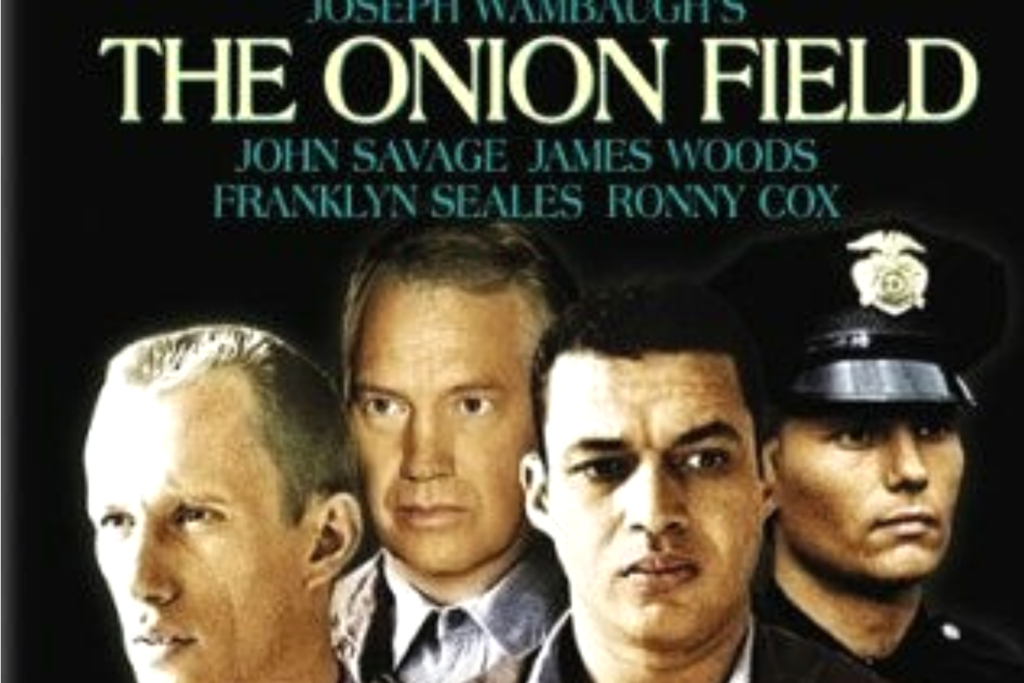
If you’re a fan of true crime, The Onion Field is a must-watch that feels incredibly raw and honest. Released on September 19, 1979, the film is based on a real-life tragedy involving two Los Angeles police officers who were kidnapped during a routine traffic stop. While many crime movies focus on the “action” of the event, this story dives deep into the aftermath, showing how one night in a remote field changed the lives of everyone involved forever. It’s a somber, realistic look at the psychological toll that violence takes on the human spirit.
What makes this film stand out is its commitment to the truth, largely because it was written by Joseph Wambaugh, a former cop who actually lived through this era. James Woods gives an unforgettable, chilling performance as one of the criminals, which helped launch his career. At the time, audiences were used to more “heroic” cop stories, so this movie’s focus on trauma and the slow-moving justice system was a bit of a shock. Today, it’s respected as a powerful piece of filmmaking that prioritizes human emotion over Hollywood spectacle, making it a true hidden gem of the late seventies.
Alice, Sweet Alice

Originally released on November 18, 1976, Alice, Sweet Alice is a spooky, atmospheric thriller that mixes family drama with religious mystery. Set in 1960s New Jersey, the story follows a young girl named Alice who becomes the prime suspect after her sister is tragically killed during her First Communion. It’s famous for its creepy imagery, especially that yellow raincoat and translucent mask, and for being the film debut of a very young Brooke Shields. The movie does a great job of keeping you guessing about who the real threat is until the very end.
This film is a bit of a “cult classic” because it doesn’t rely on cheap scares; instead, it builds a sense of dread through its gritty setting and unsettling themes. It faced some trouble with its title and distribution early on, being re-released a few times under different names like Communion and Holy Terror. However, horror fans eventually caught on to its brilliance, praising it for its unique style and psychological depth. If you enjoy movies that feel a bit “off” and keep you on the edge of your seat without being over-the-top, this is a perfect pick for a rainy night.
Buster And Billie
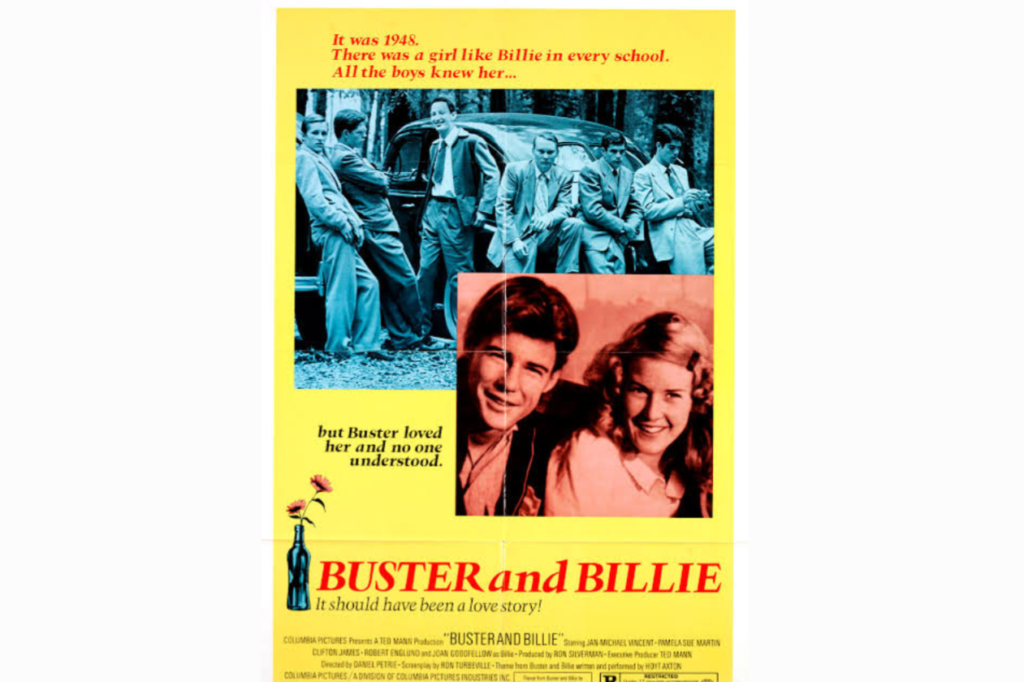
If you’re in the mood for a story that feels like a bittersweet memory, Buster and Billie is a film you shouldn’t overlook. Released on June 5, 1974, it takes us back to 1948 in a small Georgia town. Jan-Michael Vincent plays Buster, the popular high school athlete who shocks everyone when he falls for Billie, a girl from the “wrong side of the tracks” who has been teased by their classmates. It’s a quiet, beautiful romance that explores how difficult it is to be yourself in a place where everyone is judging you.
The movie is very much a product of the seventies’ interest in looking back at the past with a more honest, sometimes painful lens. It captures the feeling of a hot Southern summer perfectly, but it also tackles tough subjects like peer pressure and social cruelty. While it had some success at the box office, it eventually faded into the background compared to bigger hits of the era. Today, viewers appreciate it for its gentle pacing and the way it handles the fragility of young love. It’s a touching, human story that reminds us how a little kindness can change someone’s life, and how quickly innocence can be lost.
North Dallas Forty
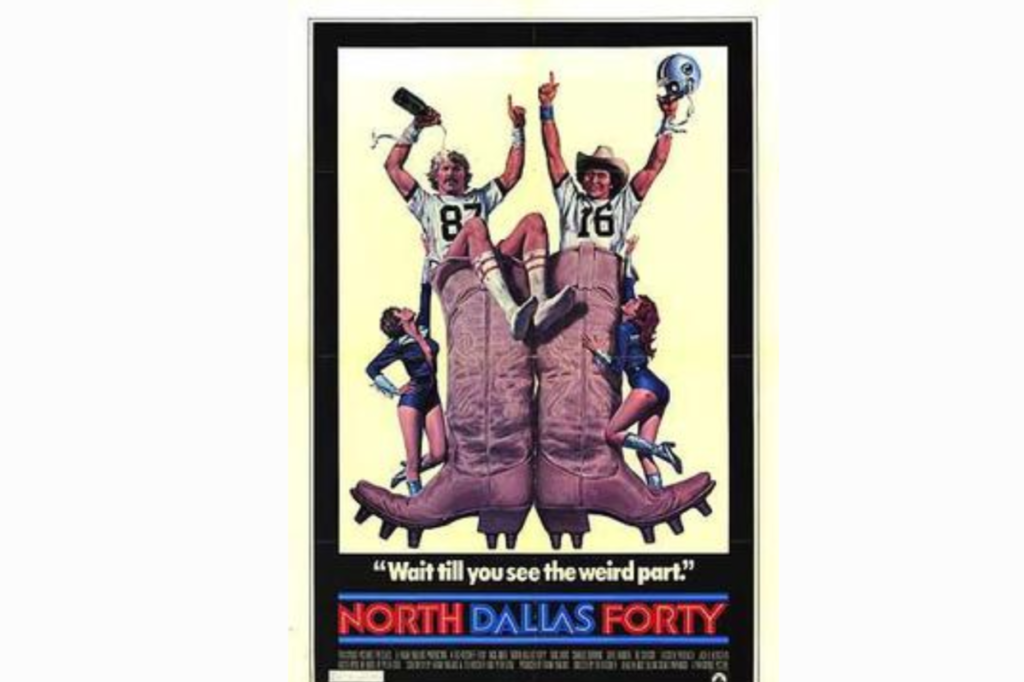
Released on August 3, 1979, North Dallas Forty is widely considered one of the best and most realistic sports movies ever made. Nick Nolte stars as an aging wide receiver for a professional football team, and he brings a rugged, weary energy to the role. Instead of showing the game as a series of heroic moments, the film focuses on the pain, the painkillers, and the cold-hearted business side of the sport. It shows that for the players, the field isn’t just a place of glory; it’s a workplace that leaves them physically and mentally exhausted.
The movie was based on a book by Peter Gent, a former player for the Dallas Cowboys, which explains why it feels so authentic. It was pretty controversial when it first came out because it pulled back the curtain on the “party culture” and the way teams treated their athletes like disposable parts. While it was a hit with critics, some sports fans weren’t ready for such a cynical look at their favorite pastime. Now, decades later, it’s seen as a groundbreaking film that predicted many of the conversations we still have today about athlete health and the ethics of professional sports.
Saint Jack
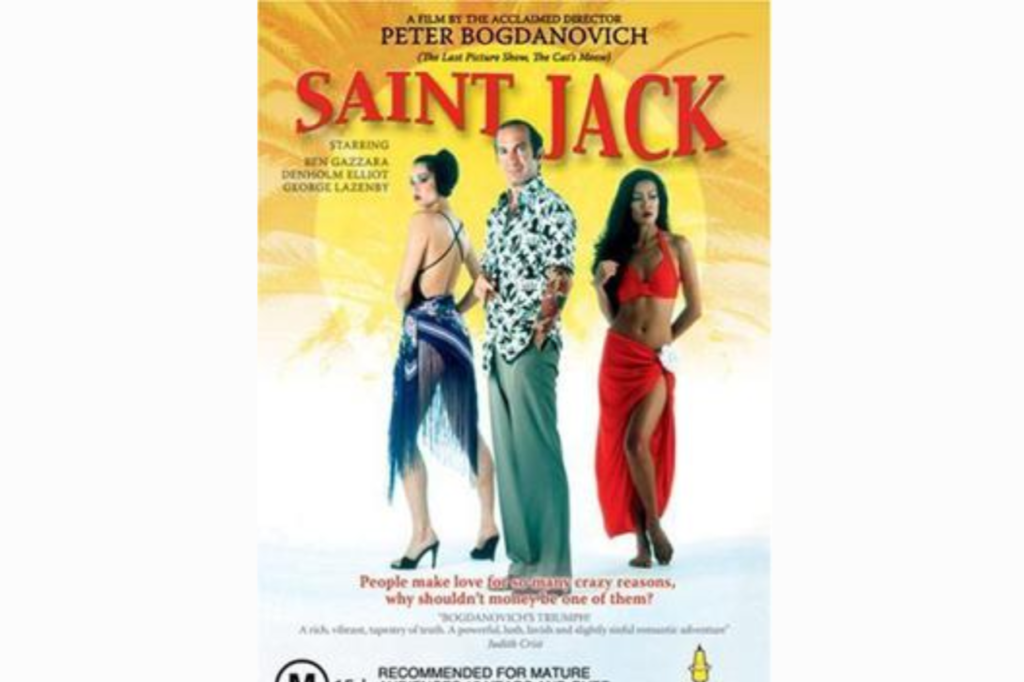
Saint Jack, which hit theaters on April 27, 1979, is a fascinating character study set in the vibrant, bustling world of Singapore. Ben Gazzara plays Jack Flowers, an American “fixer” and expatriate who runs a high-end social club. Jack is a man who lives by his own moral code, trying to keep his integrity while navigating a world filled with shady deals and political tension. Directed by Peter Bogdanovich, the film has a very relaxed, natural feel, almost as if you’re just hanging out with Jack as he goes about his day.
The movie is special because it was filmed entirely on location in Singapore, often secretly, which gives it a gritty and incredibly real atmosphere that you just can’t fake on a studio lot. Because the story is more about Jack’s personality and his interactions with the people around him than a big, dramatic plot, it didn’t become a mainstream blockbuster. However, it’s a favorite among film lovers who appreciate great acting and a strong “sense of place.” It’s a smart, sophisticated movie that shows how one person can try to stay decent in a world that’s constantly pushing them to compromise.


