
1. The Pause Before Trouble
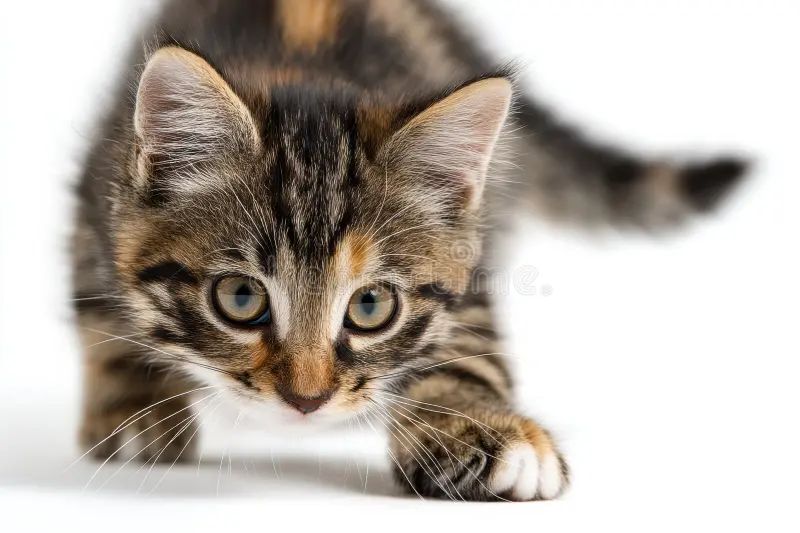
There is something familiar about the way animals hesitate before mischief, like kids lingering near a cookie jar, and it gently draws us closer as we watch. That tiny pause feels thoughtful, like they are asking whether the next move is worth the noise that follows. A dog hovers near shoes, a cat eyes a plant, both pretending innocence while ideas spin quietly. The hesitation softens the trouble and makes it strangely human. We recognize that pause because we do it too, weighing risk, timing, and whether anyone is watching before taking the step we already planned for ourselves today.
2. Thinking Through Curiosity
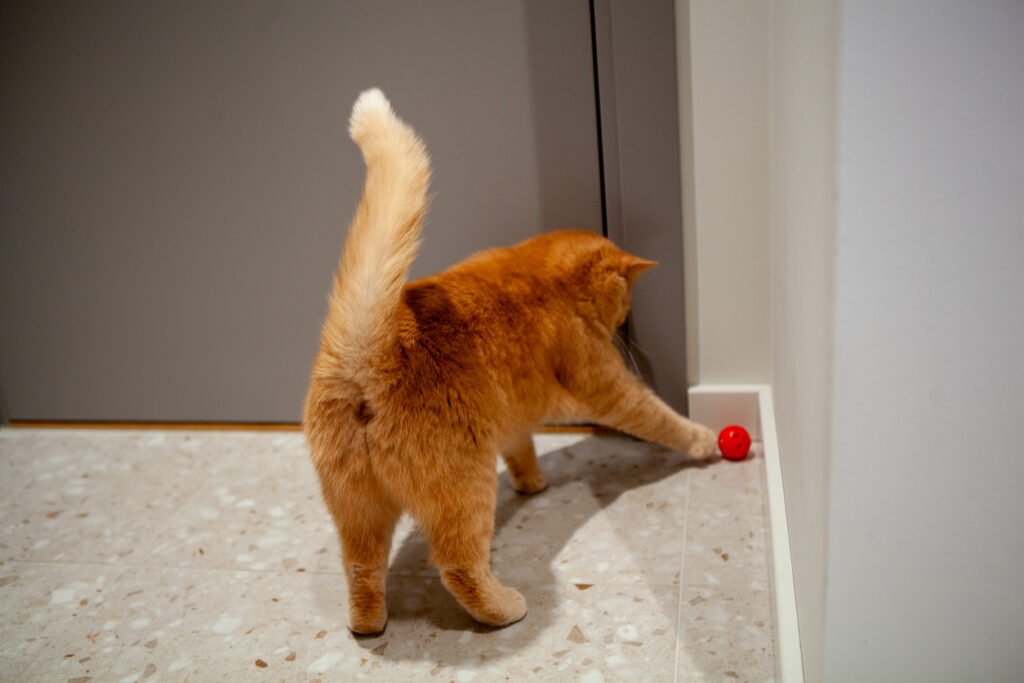
It usually starts with curiosity that feels soft and patient. A cat taps something lightly, pauses, then decides whether to keep going. That pause seems like reflection, as if it is trying to understand the limits before pushing past them. Animals often weigh curiosity against what might happen next. Maybe someone notices. Maybe nobody reacts. The hesitation feels thoughtful, like learning sits beside temptation and waits. In that quiet second they are not bad. They are simply exploring the edge of permission, trying to see how far they can go while still pretending everything is perfectly innocent for a moment.
3. Waiting For the Right Moment
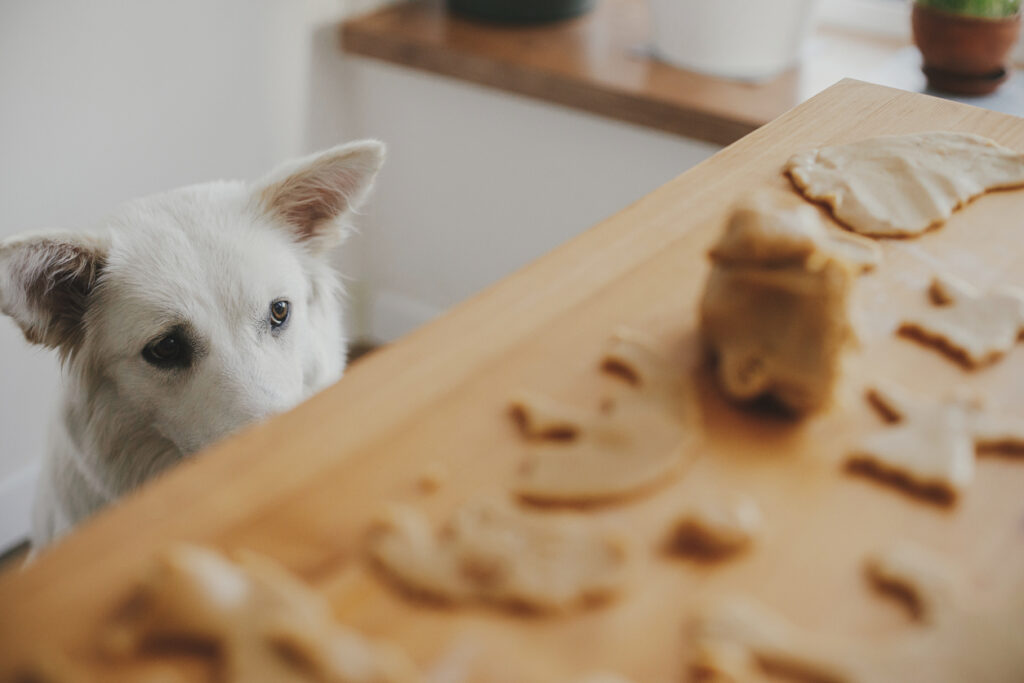
Sometimes mischief waits for timing to line up just right. A dog glances at the table, then listens for footsteps, then looks again with quiet patience. The pause feels planned, like it understands that rushing could ruin everything. It watches the room, studies the pattern of movement, and waits for calm to return. That small delay shows a surprising sense of strategy. Even animals seem to know that good chances come and go, and that trouble works best when nobody expects it. The stillness before they move makes the choice feel intentional, thoughtful, and almost calmly determined inside them.
4. Checking Who Is Watching
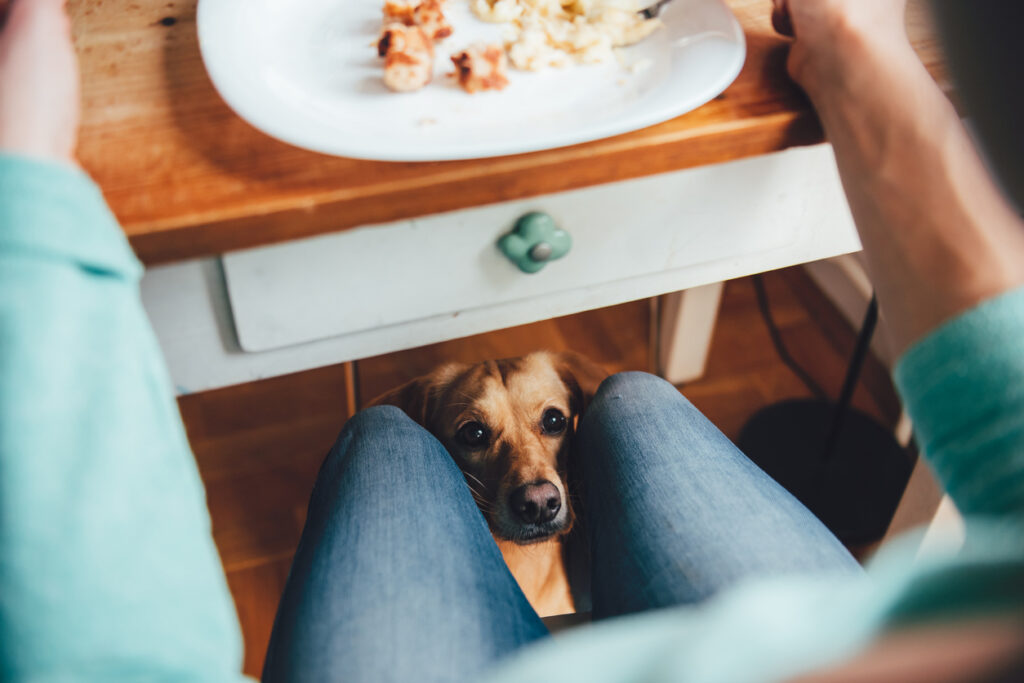
Before doing anything risky, animals often pause to read the room. Eyes lift. Heads tilt. Bodies hold perfectly still while they scan faces nearby. It almost feels like silent conversation, as if they are asking whether this is a good idea or not. They want to know who sees them and how that might change things. Will someone stop them. Will someone laugh. Will someone react at all. That tiny pause shows awareness and connection. It reminds us that their choices do not happen alone. They understand presence, attention, and timing in ways that quietly surprise us.
5. Listening To Instincts
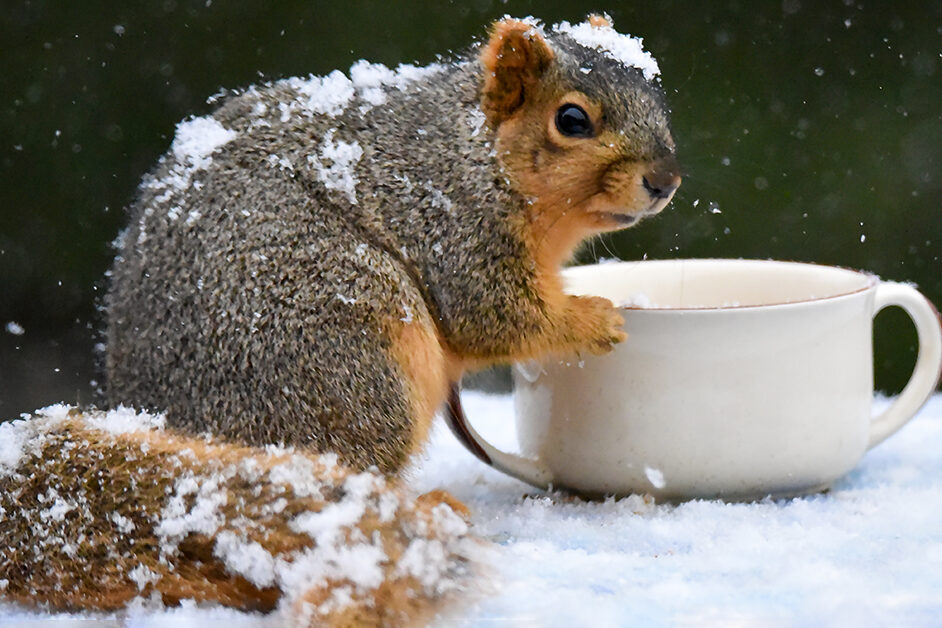
Sometimes instinct suddenly steps in and presses pause. A cat preparing to jump freezes when a faint noise touches the air. A bird stills completely when something unfamiliar moves nearby. The body tightens and the world seems to hold its breath. This pause is not guilt. It is nature protecting them. Long before they became our companions, they survived by stopping first and thinking later. When everything feels safe again, they return to whatever plan they had. That moment of stillness reminds us that even playful mischief still lives beside deep instinct that quietly watches over them.
6. Measuring The Distance

There are moments when animals pause simply to calculate the space in front of them. A cat crouches, studies the height, and quietly measures the leap. A dog eyes the couch and mentally rehearses the climb. They are not hesitating out of fear. They are planning. They want control, not chaos. The pause becomes a gentle rehearsal, almost like practice inside their heads. When they finally move, it feels smooth instead of random. Watching them reminds us that patience lives inside movement, and sometimes the smartest part of action is the quiet second that comes just before it.
7. Testing What Is Allowed
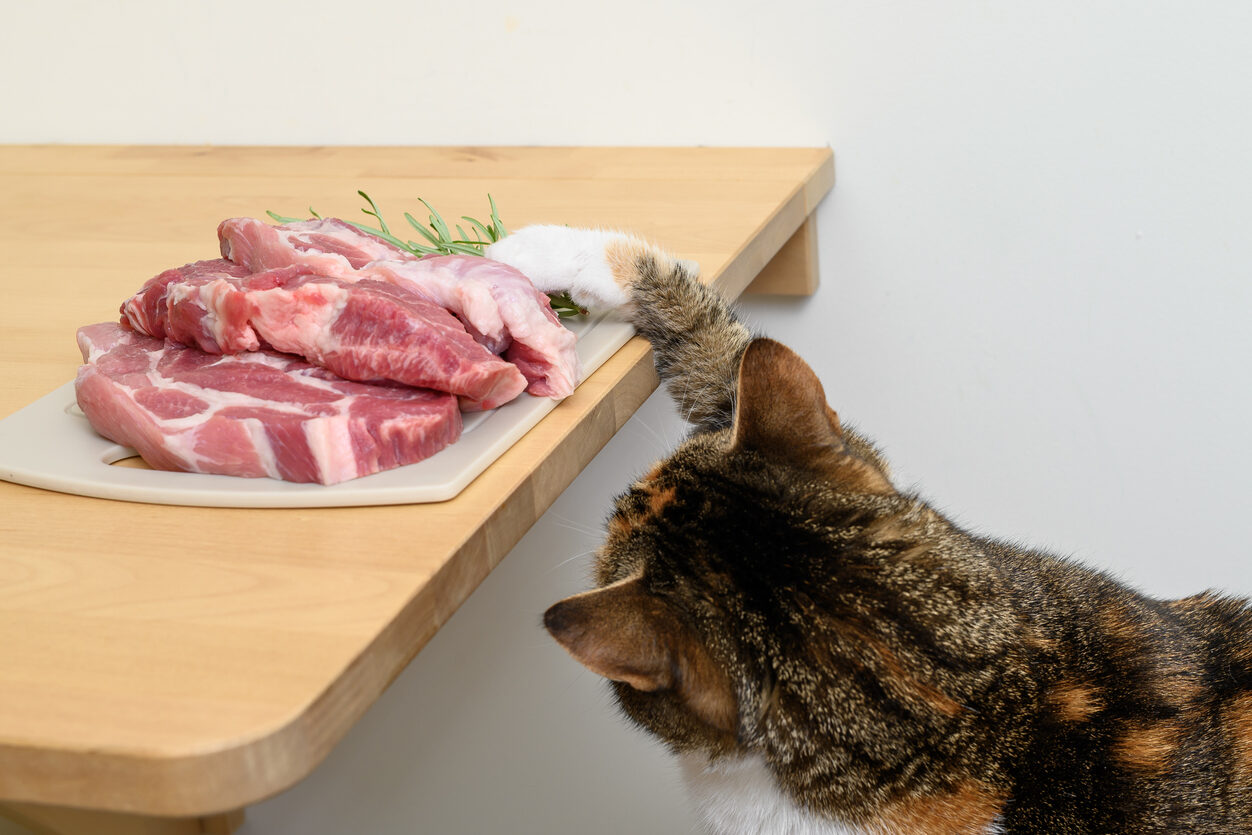
Animals often pretend they do not know the rules. A paw reaches slowly toward something forbidden and then pauses like it is negotiating with memory. They remember hearing no before, yet curiosity keeps whispering softly. That tiny hesitation becomes a gentle game between desire and caution. They study our faces, weigh the silence, and move a little closer only when it feels safe enough. In that moment they are not trying to be bad. They are learning how limits work while still hoping the world bends just a little for them at least for a brief slice of curious time.
8. Feeling Out The Mood
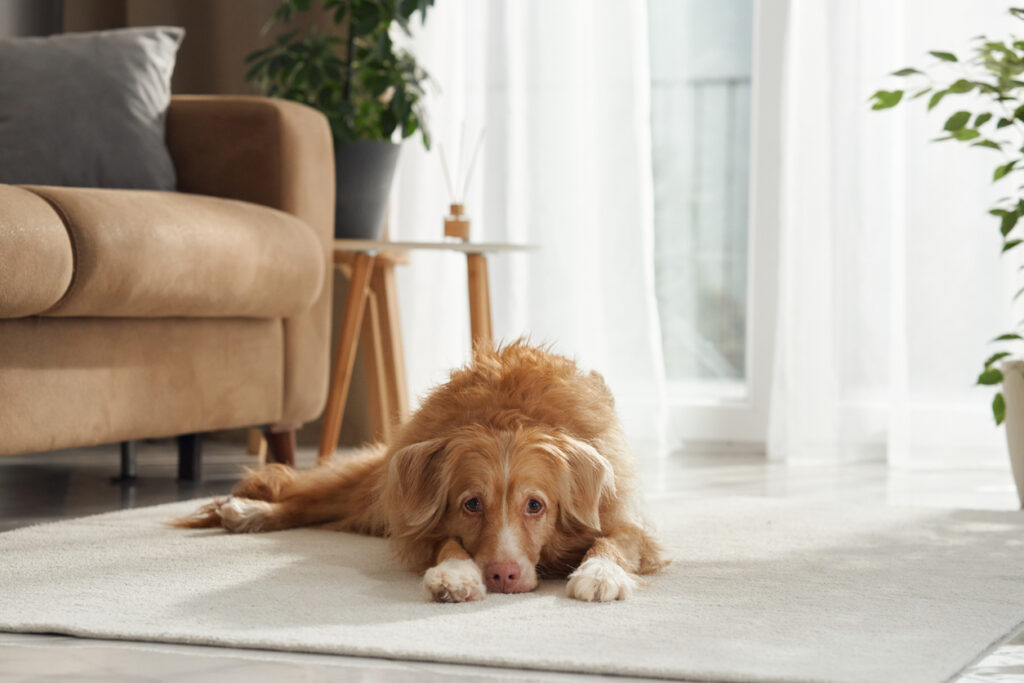
There are days when animals pause because the mood in the room feels delicate and still. A dog thinking about stealing a toy may stop when voices soften and everyone settles. A cat hesitates near the shelf when the house finally becomes quiet again. That pause shows awareness, like they sense that calm deserves respect. They wait, listen, breathe, and decide whether mischief belongs here. Sometimes they back away, sometimes they continue slowly, but the moment reveals how deeply they notice emotional weather around them and how those gentle spaces invite patience instead of noisy playful chaos for a while.
9. Making Sure It Is Safe
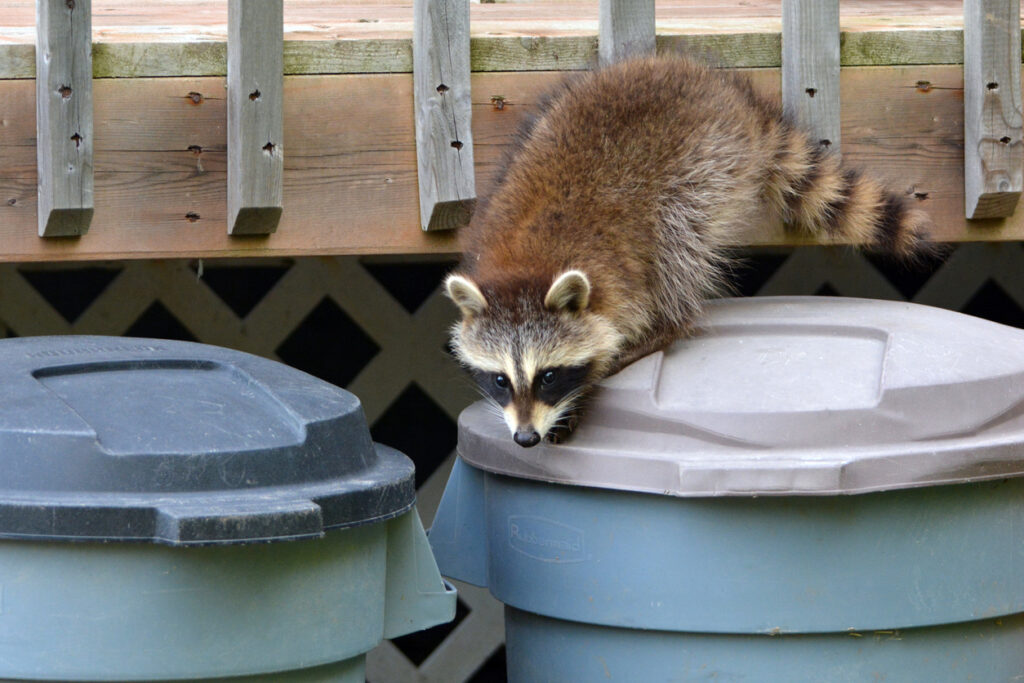
Before diving into trouble, many animals pause to make sure the world feels safe enough. A raccoon freezes near a bin at night, listening carefully for movement. A puppy stops on new stairs, unsure but curious. That hesitation is not fear alone. It is caution built from experience. They check sounds, shadows, smells, and then decide. Sometimes they proceed, sometimes they turn around, but the pause protects them. It reminds us that even in playful moments, survival instincts are still gently guiding each step they take forward through every decision whether small curious bold slow sudden careful or uncertain today.
10. Building Up Courage
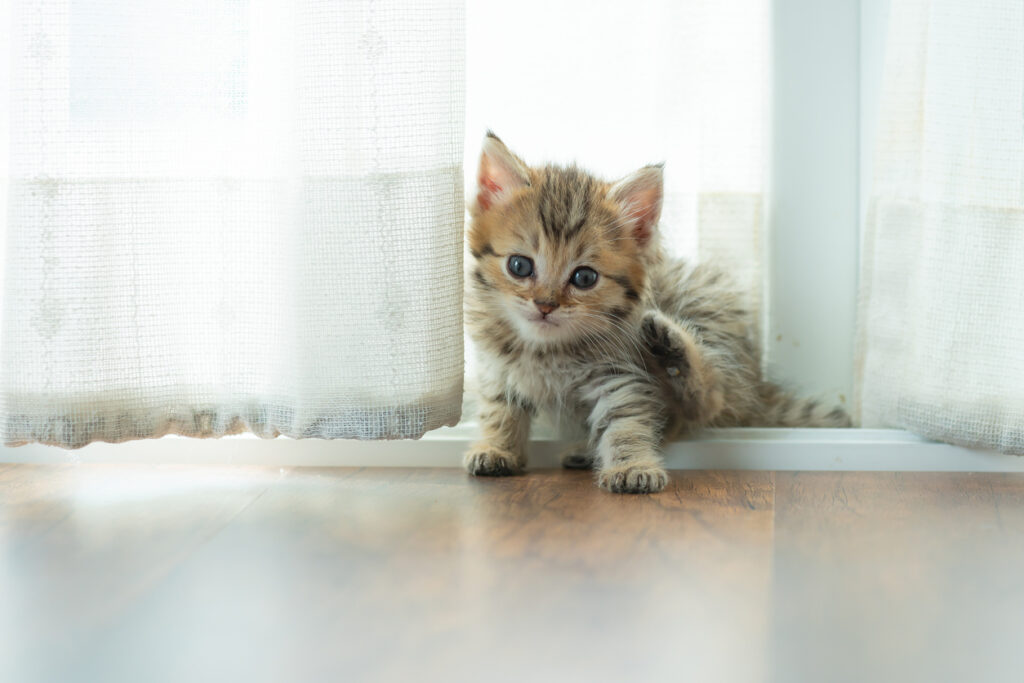
Sometimes mischief needs courage, and animals build it slowly. A shy kitten pauses at a doorway, studying the unknown. A nervous puppy stands at the edge of a jump, heart racing quietly. The pause gathers strength like a small wave preparing to rise. They breathe, adjust, think in their own simple way, and then choose to move. It is not dramatic. It is steady. When they finally act, we see confidence forming, and we remember that bravery often begins silently with hesitation before it becomes motion teaching us that patience and time help courage grow into gentle forward steps again.
11. Deciding What Matters More
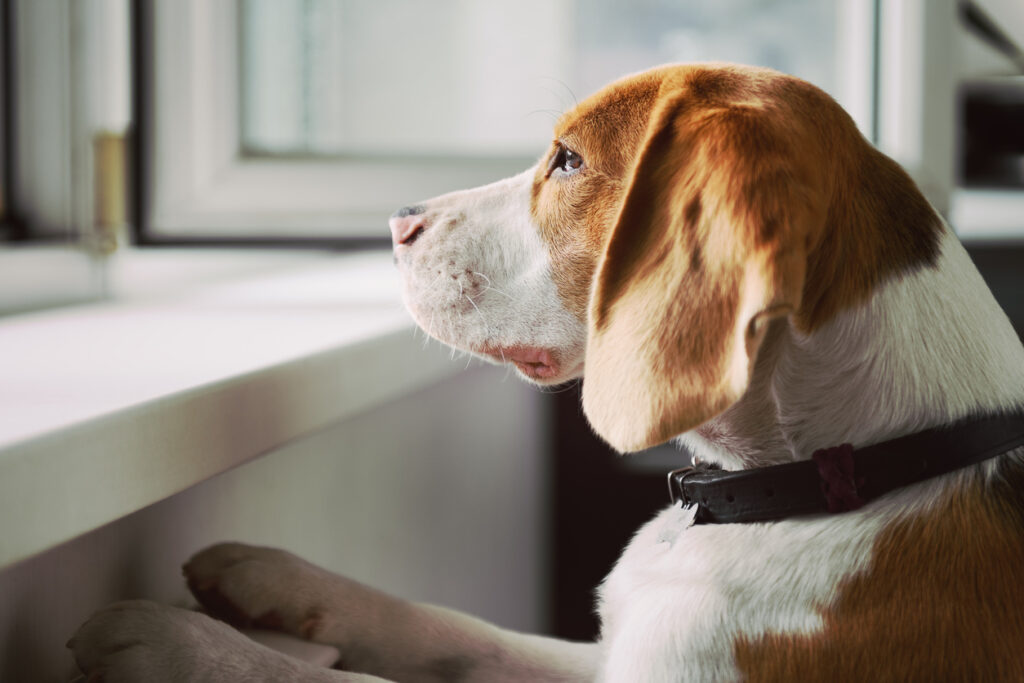
There are moments when animals pause because two impulses tug at them at once. Rest or explore. Listen or play. Stay still or chase the moving thing across the floor. That small silence feels like decision making. They weigh comfort against curiosity and choose what matters most in that second. Sometimes they step away. Sometimes they jump in. Either way, the pause shows thinking, not just reaction, and reminds us how choices shape even tiny moments in their world helping them learn patterns build confidence avoid trouble or sometimes walk right into it with gentle acceptance of whatever happens next.
12. Noticing Something New
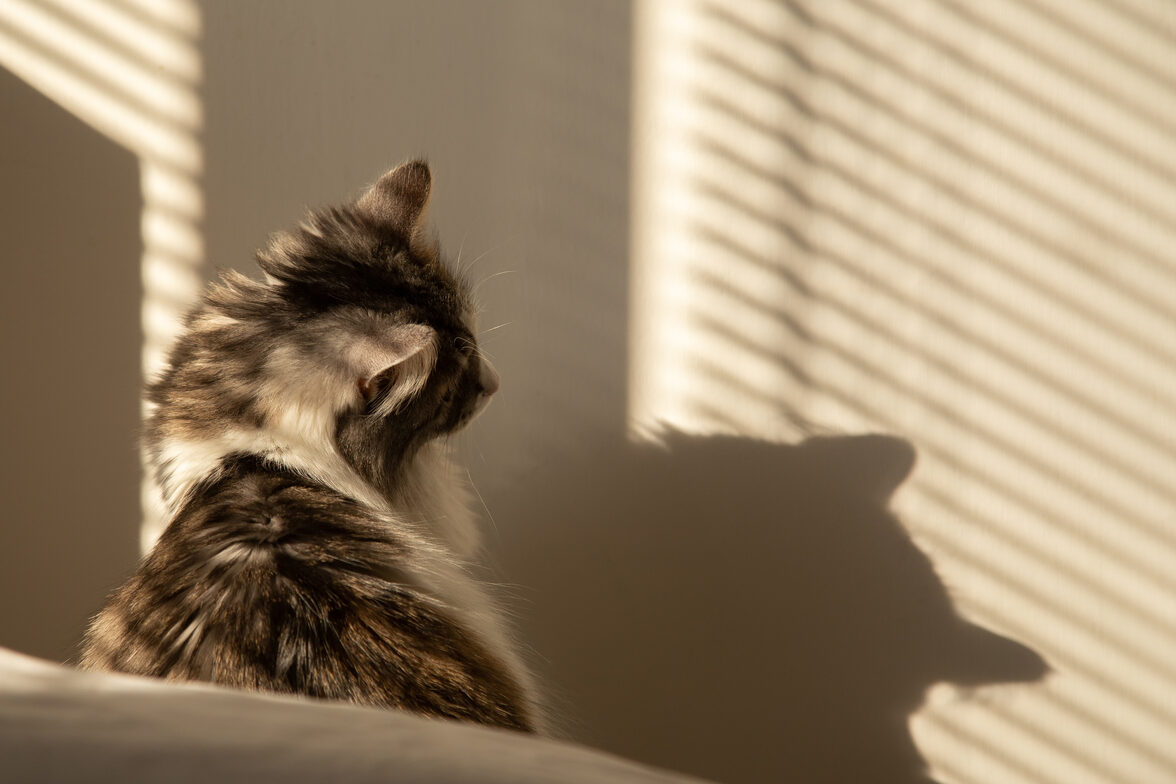
A sudden shift in the environment can interrupt a mischievous plan instantly. A flicker of light crosses the wall and a cat freezes mid step. A new smell drifts in and a dog pauses with lifted ears. Curiosity moves in a different direction and mischief quietly waits. The pause becomes attention, full and awake. For a moment they forget what they wanted and simply watch the world change, letting discovery take the lead until their focus slowly returns and the earlier idea feels smaller lighter and sometimes not even worth doing anymore once curiosity has already satisfied their playful minds.
13. Learning From Last Time
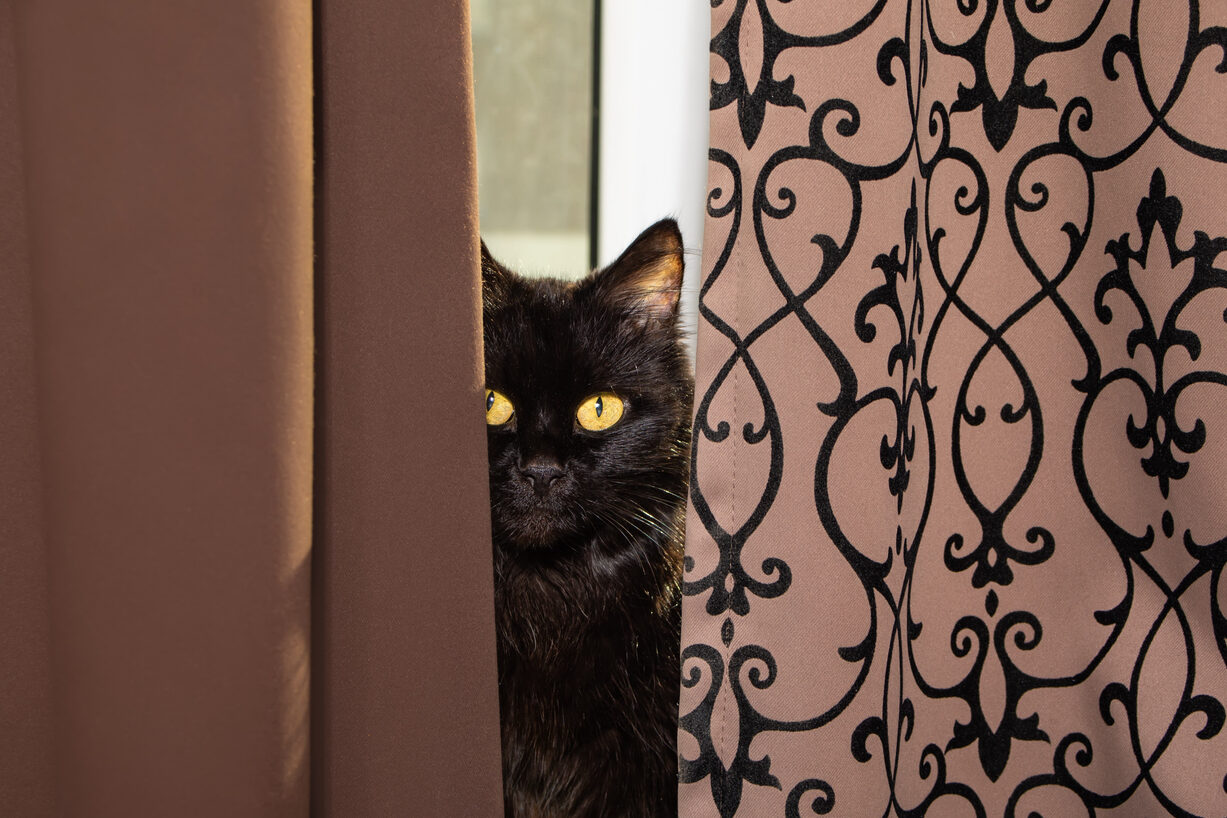
Animals remember more than we often realize. A dog hesitates near the trash because last time it was messy and confusing afterward. A cat pauses at curtains it once shredded. That pause is memory doing quiet work. They check the feeling, recall the result, and think in their own simple way. Sometimes they continue anyway. Sometimes they step back. The pause shows that even small choices carry lessons across days helping them predict reactions avoid repeated mistakes build patience and sometimes choose calm instead of mess because experience whispers gently inside each decision they make next in life around home.
14. Enjoying The Anticipation
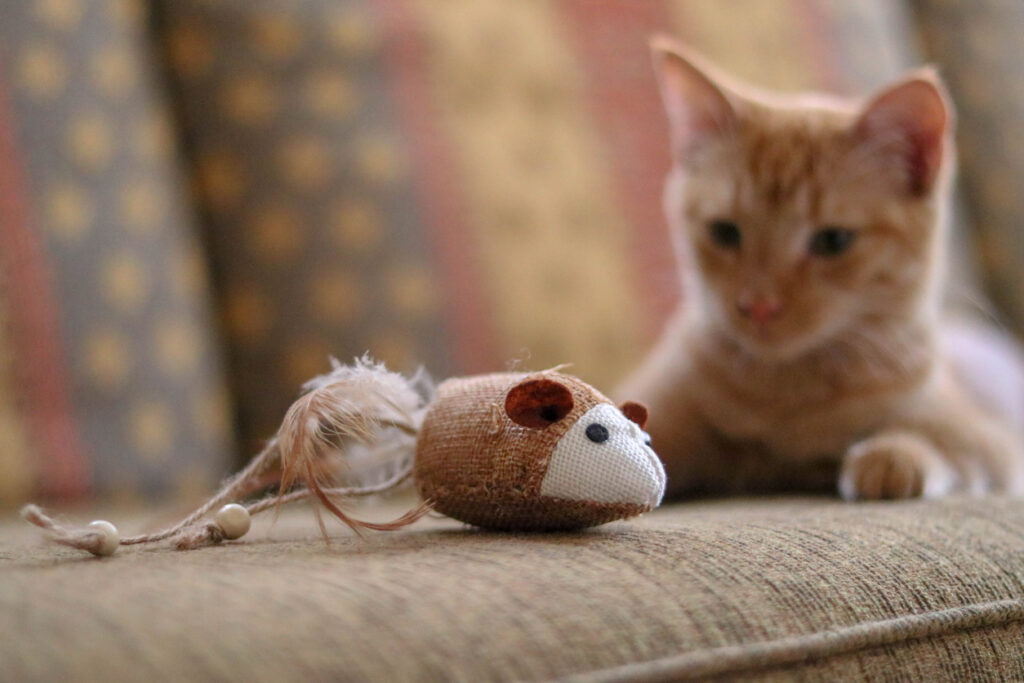
Sometimes the pause looks playful, almost like part of the game itself. A kitten crouches and wiggles, stretching time before the pounce. A puppy circles a toy and waits longer than needed. The waiting builds excitement. They savor the feeling instead of rushing. Mischief becomes theater, and the pause is the stage. When they finally move, the moment bursts with joy, and we see how patience can make even small adventures feel bigger and brighter than they were a moment before teaching us that slowing down lets delight stretch further across hearts paws rooms afternoons and playful memories we keep.
15. Seeing If Someone Will Stop Them
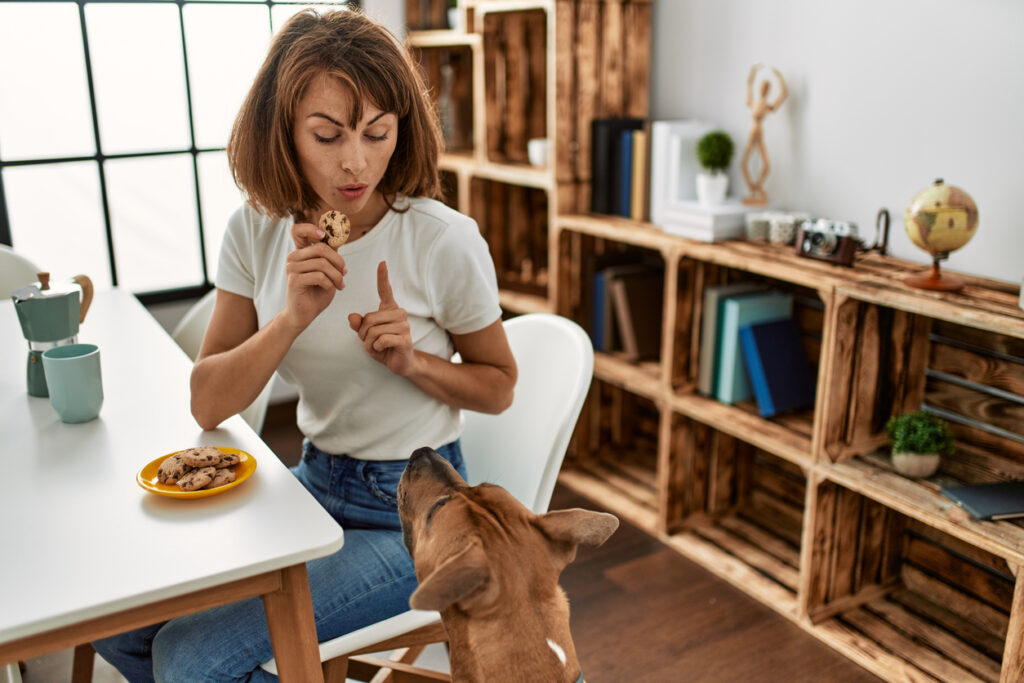
Sometimes animals pause because they actually want to be noticed. A dog stretches toward a snack while staring right at you. A cat hovers near the edge of a shelf and waits for your reaction. The hesitation is an invitation. They are asking for connection in their own quiet way. Mischief becomes communication. They want responses, voices, presence. When we look up, they decide what comes next, and the pause turns into a shared moment instead of simple trouble showing how attention itself becomes the reward that keeps them curious playful gentle hopeful patient and happily linked to our lives.
16. Respecting Routines

Sometimes animals pause because they respect routine more than we realize. A dog thinking of jumping on the bed may stop when it remembers bedtime rules from the night before. A cat hesitates near the kitchen when mealtime has already passed. That pause shows structure living quietly inside their behavior. They like knowing when things happen and where they belong. Mischief interrupts the pattern, so they stand still for a breath while deciding whether to follow rhythm or break it, and that gentle decision often reveals how much order gives them comfort inside our shared everyday spaces at home today.
17. Watching Others First
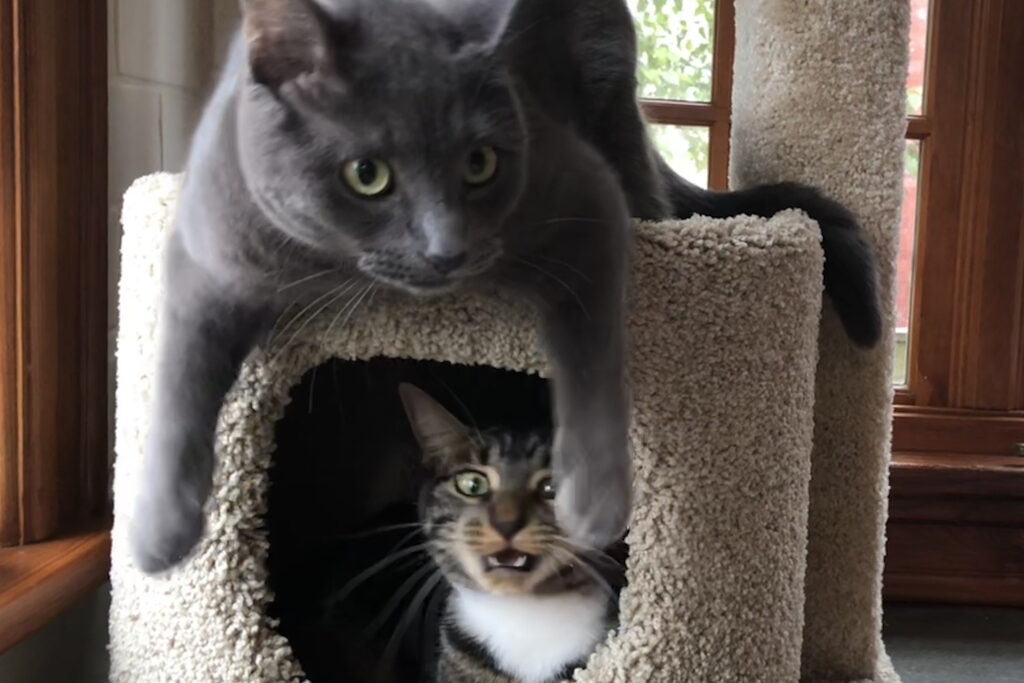
Animals often pause because they prefer to watch someone else go first. A curious puppy waits while another dog explores the hallway. A kitten studies an older cat before trying the jump. The pause becomes observation and quiet learning. They gather clues, copy movements, and build confidence from what they see. Instead of charging ahead, they choose patience, letting experience arrive through someone else’s choices. That still moment shows how social they truly are, and how understanding grows slowly, turning uncertainty into gentle courage that helps them decide when to move and when to remain safely tucked inside stillness.
18. Balancing Energy
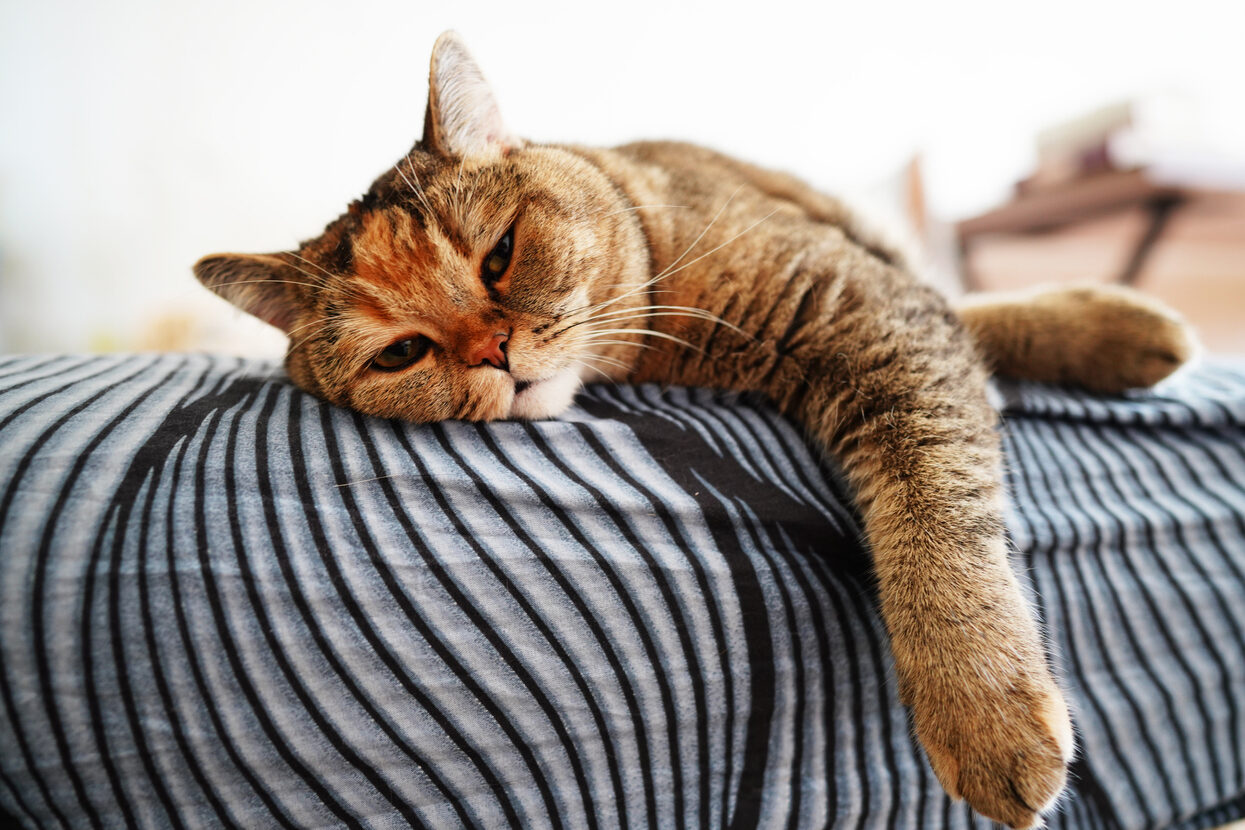
Sometimes mischief pauses simply because animals are tired and deciding whether the effort is worth it. A dog thinks about chasing a ball, stops, sighs, and lies down again. A cat considers climbing, hesitates, and curls up instead. That pause is about energy. They measure what they have left and choose wisely. Rest calls softly. Play calls louder. Their hesitation reminds us that pacing matters, that even small bodies understand balance, and that living well sometimes means saving strength for moments that matter more than whatever tempting trouble might be waiting quietly right in front of them.
19. Avoiding Conflict
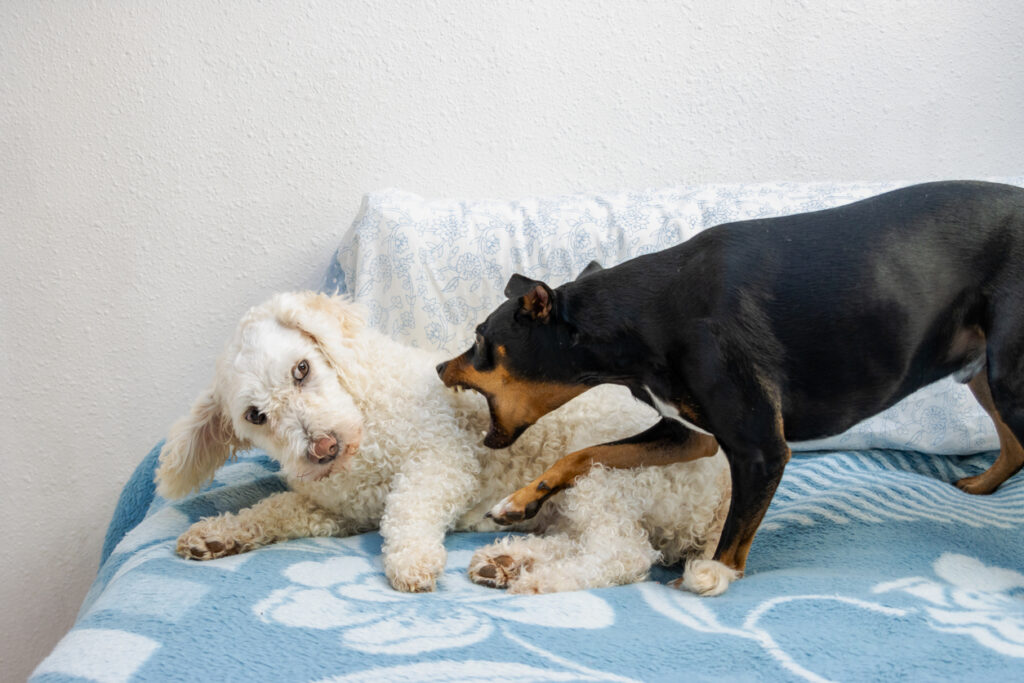
There are moments when animals pause because they sense tension and want to avoid conflict. A dog thinking about stealing another dog’s toy stops when the other stiffens. A cat thinking about crossing a path hesitates when another cat appears. That pause is respect more than fear. They read signals, soften their bodies, and wait for feelings to settle. Mischief can wait. Peace matters more. Watching them reminds us how communication often begins with silence, and how stepping back at the right time protects relationships gently without drama, helping everyone share the same space with kindness again.
20. Processing Mixed Feelings
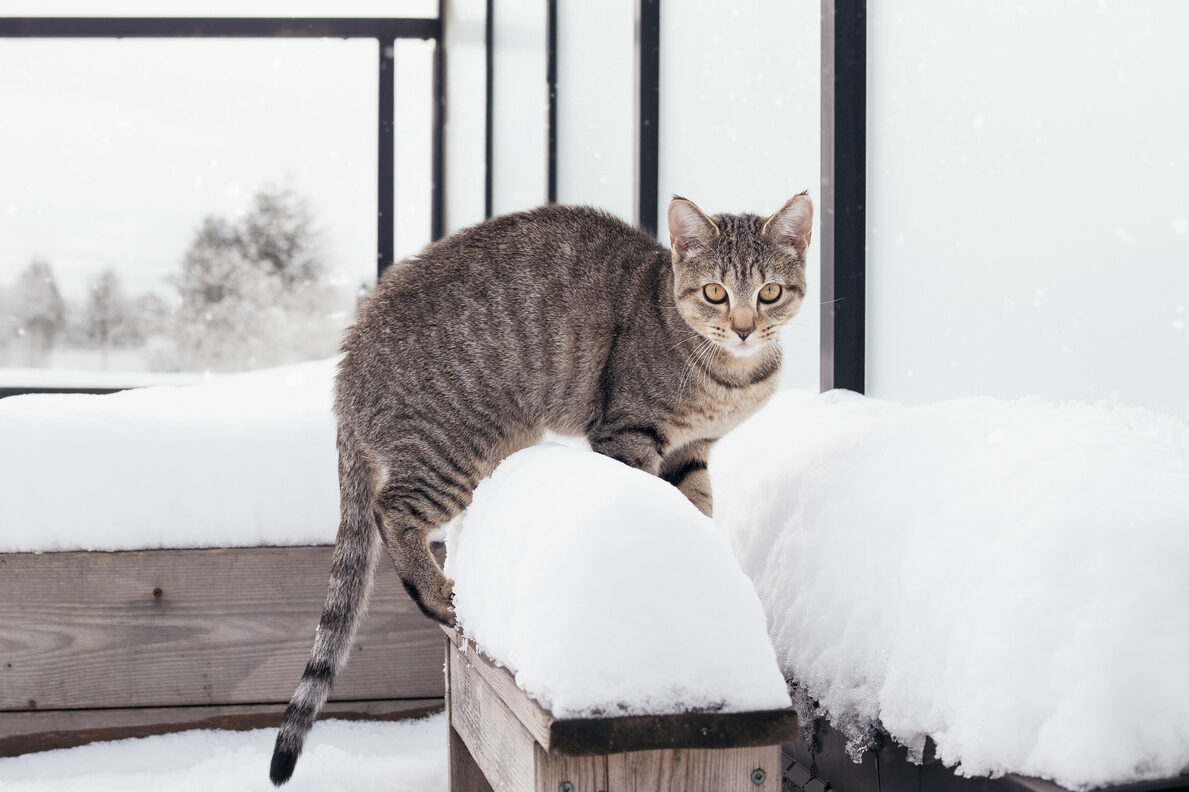
Sometimes animals carry two emotions at once, and the pause becomes the space where they sort them out. A pet feels curious and cautious at the same time. Excited and nervous. Brave and unsure. They stand still, ears alert, bodies ready, yet not moving. That hesitation is their way of listening inward. They choose the feeling that feels safest. Sometimes curiosity wins. Sometimes caution guides them away. Either way, the pause reveals depth inside their behavior, showing us that even small creatures live in layered emotions, just like we do when life asks us to choose gently.
21. Waiting For Permission
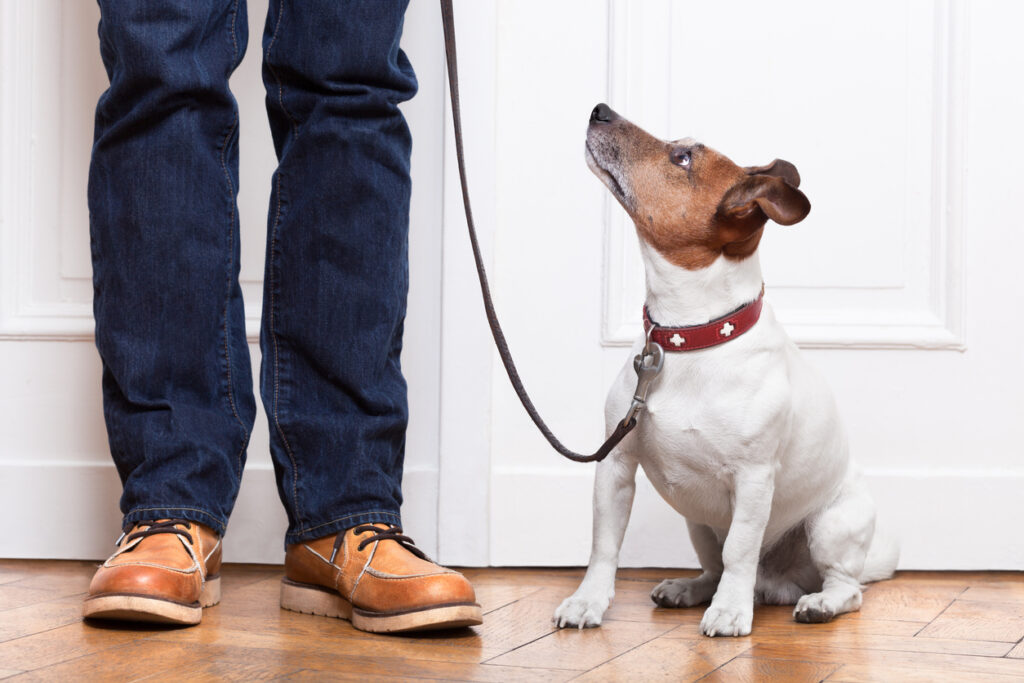
Some animals pause simply because they have learned to wait for approval. A dog sits by the door and watches your face before stepping outside. A cat pauses near the counter and looks back toward you. The hesitation is not fear. It is partnership. They understand that we share space and choices together. The pause becomes respect, built slowly through routines, soft voices, and patient guidance. When permission arrives, they move happily, like a quiet agreement has been reached. That gentle habit shows how trust grows through moments where waiting becomes a simple way of saying we belong together.
22. Letting Curiosity Unfold Slowly
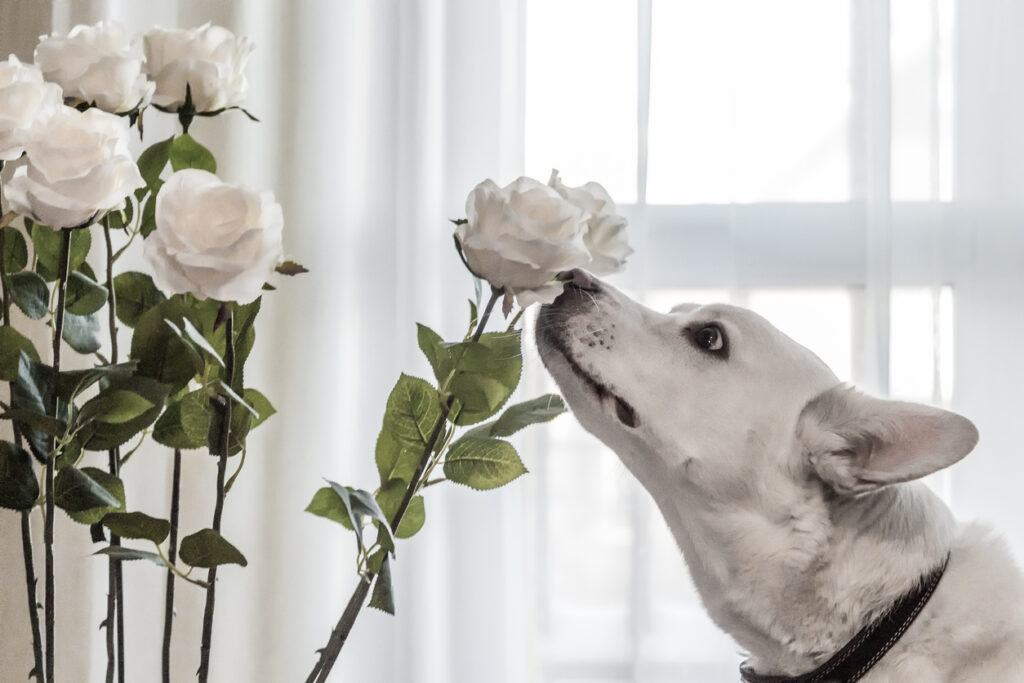
Curiosity does not always rush. Sometimes it stretches itself gently across time. An animal notices something new, pauses, circles around it, returns, and pauses again. They are not stalling. They are taking everything in layer by layer. Sounds. Scents. Shapes. Feelings. The pause helps curiosity bloom instead of explode. By slowing down, they reduce fear, learn more, and allow discovery to feel safe. Mischief may eventually follow, but the journey there feels calmer, almost thoughtful, reminding us that not every interesting thing requires instant action or quick answers to be meaningful and quietly satisfying.
23. Reading Subtle Signals
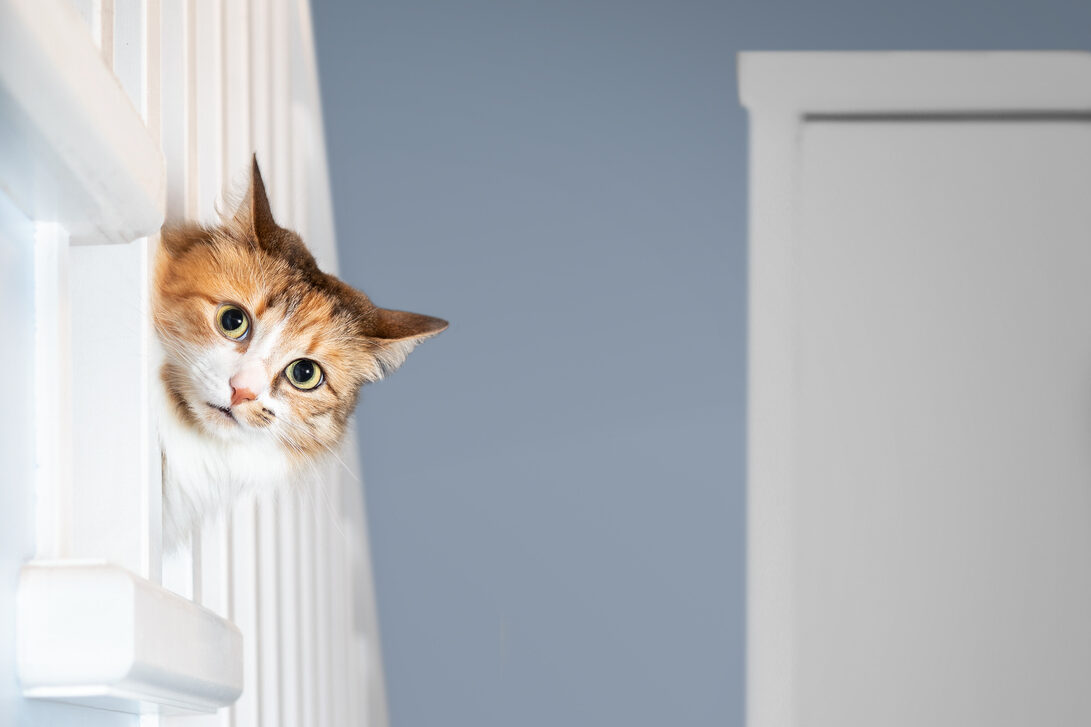
Animals pause when subtle signals reach them. A shift of wind. A change in posture. A soft sound far away. They freeze, listen, think, and hold the moment carefully. To us it seems small, but to them information arrives in layers. That pause gathers details and prevents mistakes. It keeps them safe, aware, and connected to the environment. Mischief waits because attention takes priority. Watching them reminds us that there is value in noticing what others miss and that stillness can sometimes teach more than movement if we are patient enough to listen the way they do.
24. Protecting What They Care About
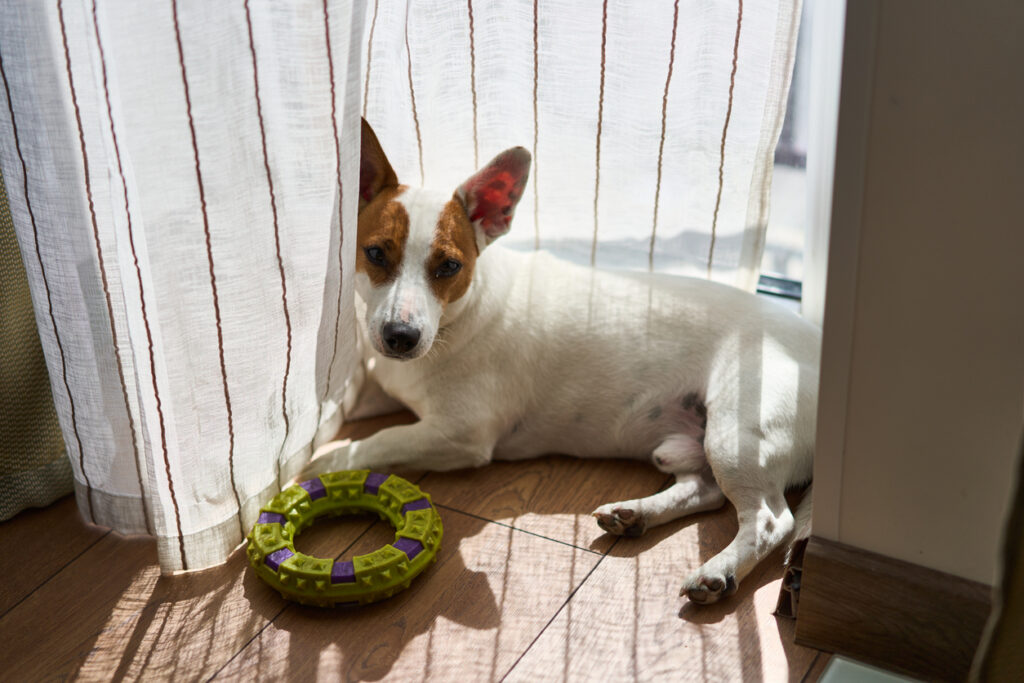
Sometimes the pause comes from wanting to protect something important. A dog guarding a toy hesitates before moving it. A cat pauses before leaving a favorite spot. They think about safety, comfort, and ownership in their own simple way. The hesitation is about care. They want to keep what matters close. Mischief takes second place because love and attachment feel stronger. Seeing that pause makes us realize their hearts hold priorities quietly and that affection shapes choices more than we often notice when we assume trouble is always their first thought instead of connection.
25. Enjoying Quiet Control
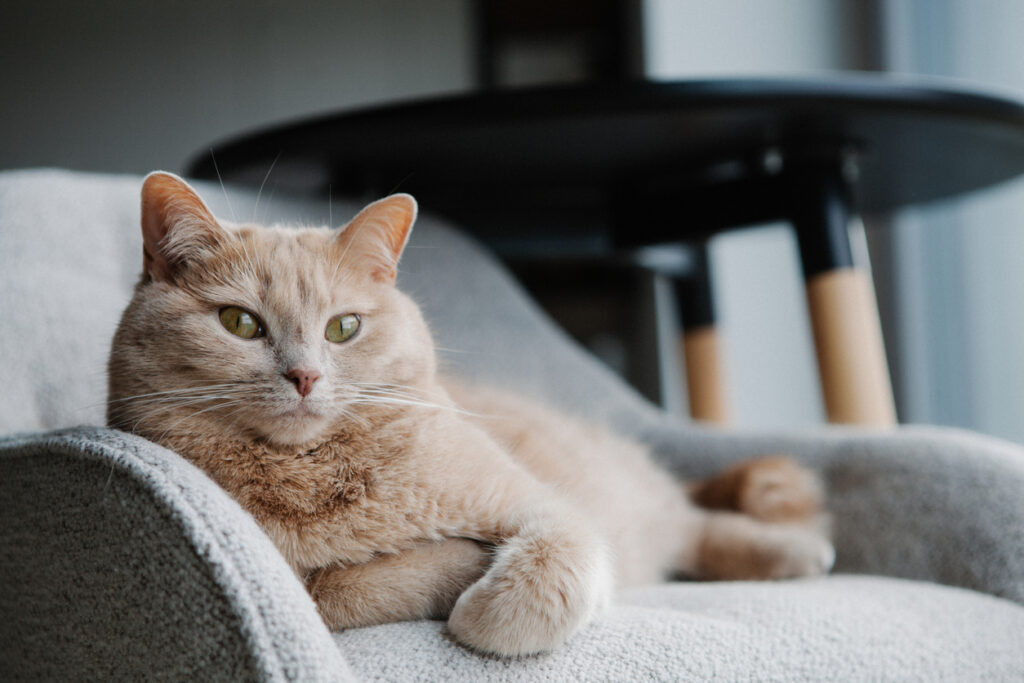
There are moments when animals pause because control feels good. They stop, wait, choose, and move only when it feels right. That pause is power in a soft form. They are not rushed by noise or distraction. They decide on their own timeline. Mischief becomes less about chaos and more about choice. The stillness feels almost calm, like they are saying this moment belongs to me. Watching them reminds us how important it feels to guide our own actions gently, without pressure, letting time open naturally so decisions grow honest instead of hurried inside everyday life.
26. Playing With Attention
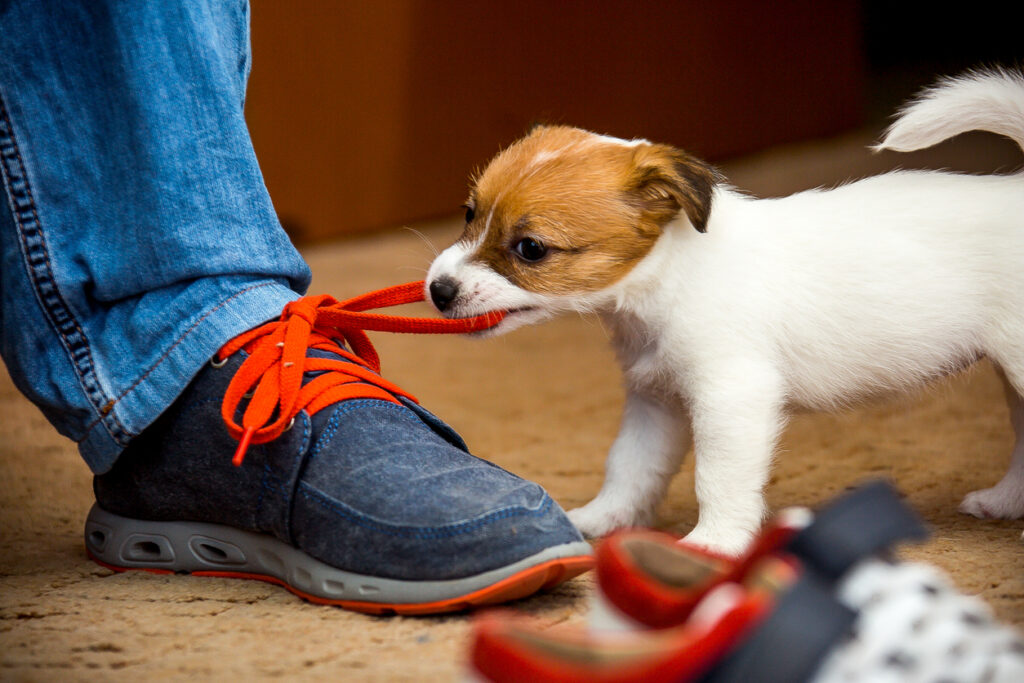
Sometimes the pause is playful. Animals stall on purpose because they like the way it draws attention. A dog teases with a shoe, stops, looks back, and waits for reaction. A cat pauses before knocking something just to see who is watching. Mischief becomes performance. The pause is the stage. They enjoy the eyes on them, the laughter, the soft voices calling their names. That small moment turns trouble into connection, reminding us that sometimes they just want to be noticed and included, not ignored, and mischief becomes their little reminder that togetherness still matters here.
27. Choosing Comfort Over Risk
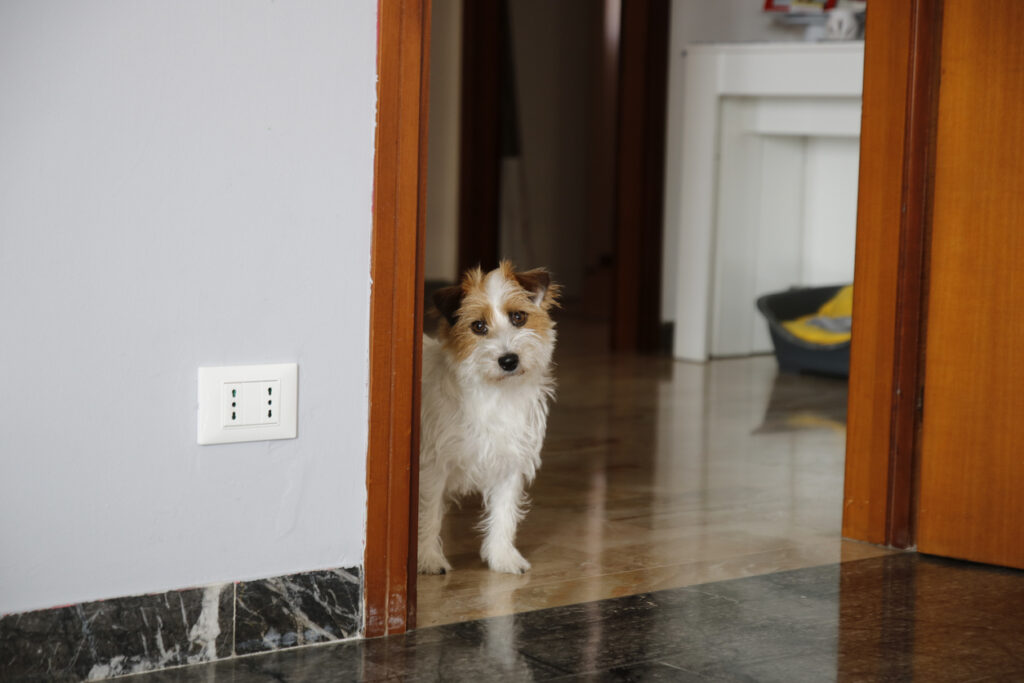
Animals often pause when something feels too uncertain and they choose comfort instead. A dog backs away from a dark hallway. A cat decides the tall shelf is not worth the worry. That hesitation is wisdom wrapped in softness. They listen to unease and honor it. Mischief loses its sparkle, and they return to what feels safe. Watching them reminds us that it is okay to change direction without guilt. Their pause teaches that turning back can still be brave when it keeps the heart calm, steady, and gently grounded in familiar places.
28. Slowing Down to Think
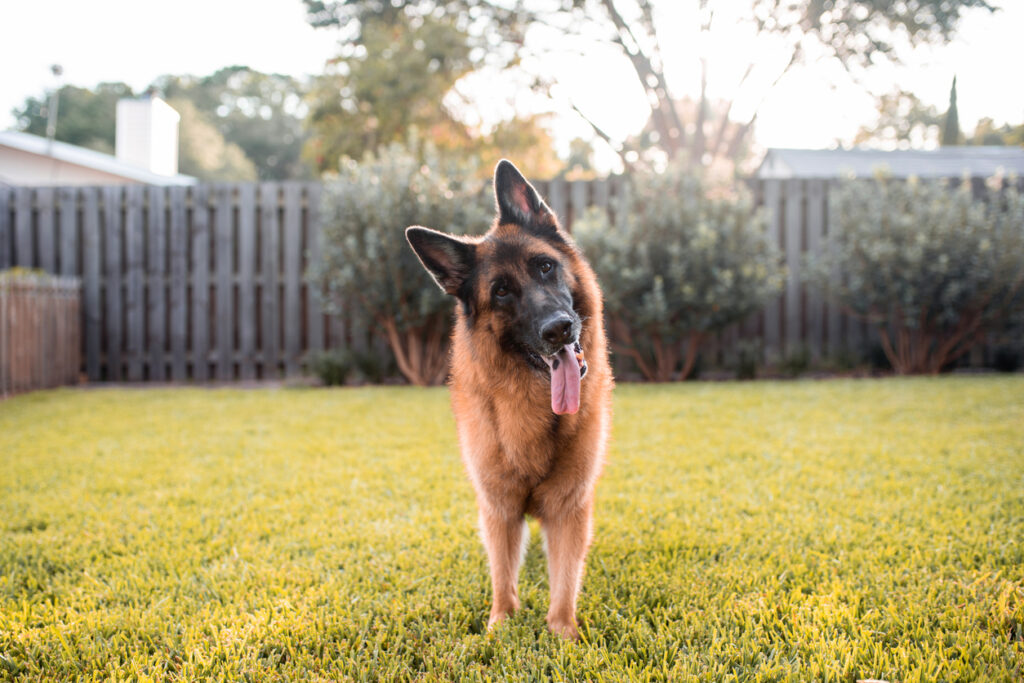
Sometimes the pause exists simply because thinking needs space. Animals stop, breathe, and let the world settle before acting. They take a quiet second to process what they see, hear, and feel. Mischief is delayed, not canceled. The pause acts like a doorway between impulse and choice. In that tiny space, awareness grows. They do not need words to think. They only need time. Watching them reminds us how many decisions become better when we pause too, letting thoughts organize themselves without pressure before moving forward again.
29. Letting Curiosity Fade
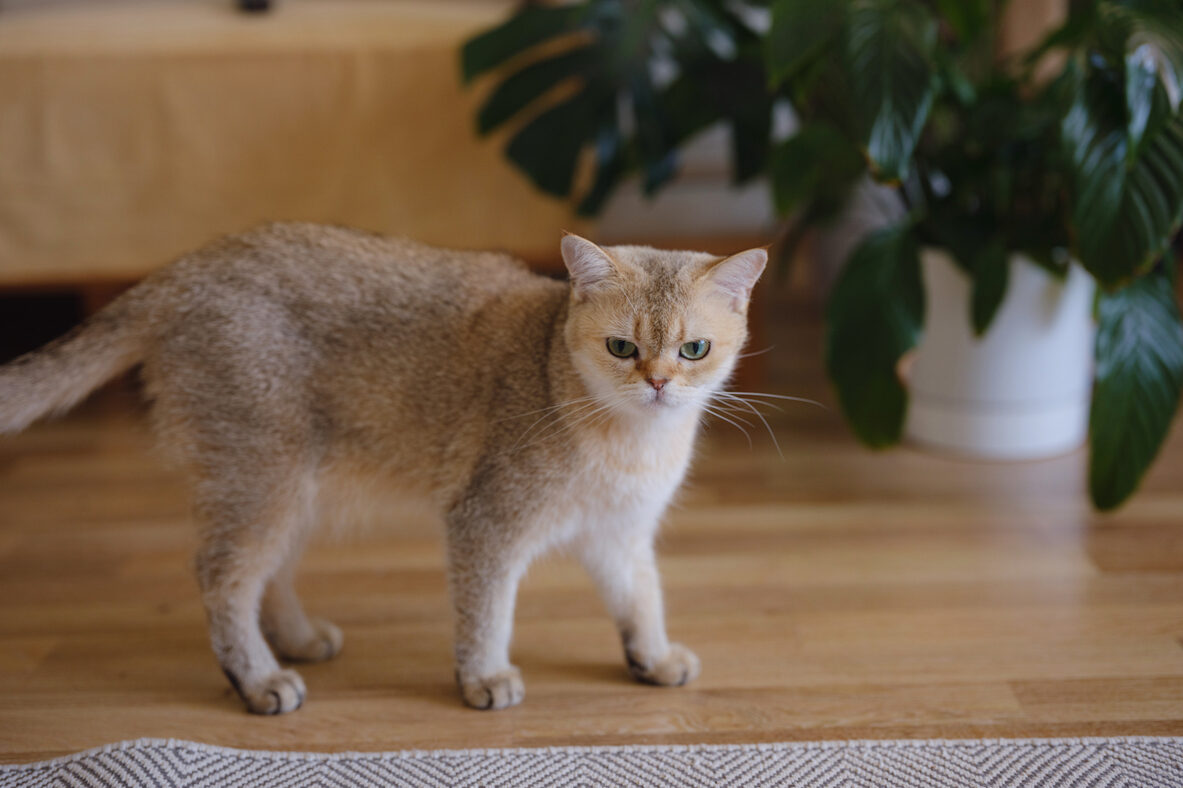
There are times when curiosity slowly fades during the pause. An animal approaches something new, stops, waits, and gradually loses interest. What once seemed exciting becomes ordinary. Mischief melts away naturally, not through scolding, but through quiet understanding. The pause allows boredom to settle gently and move them toward something else. It shows how patience can solve problems without force, and how giving space often leads to calmer choices. That soft shift feels peaceful, like trouble dissolving before it ever truly begins, leaving everyone a little more relaxed than before.
30. Realizing Some Things Are Not Worth It
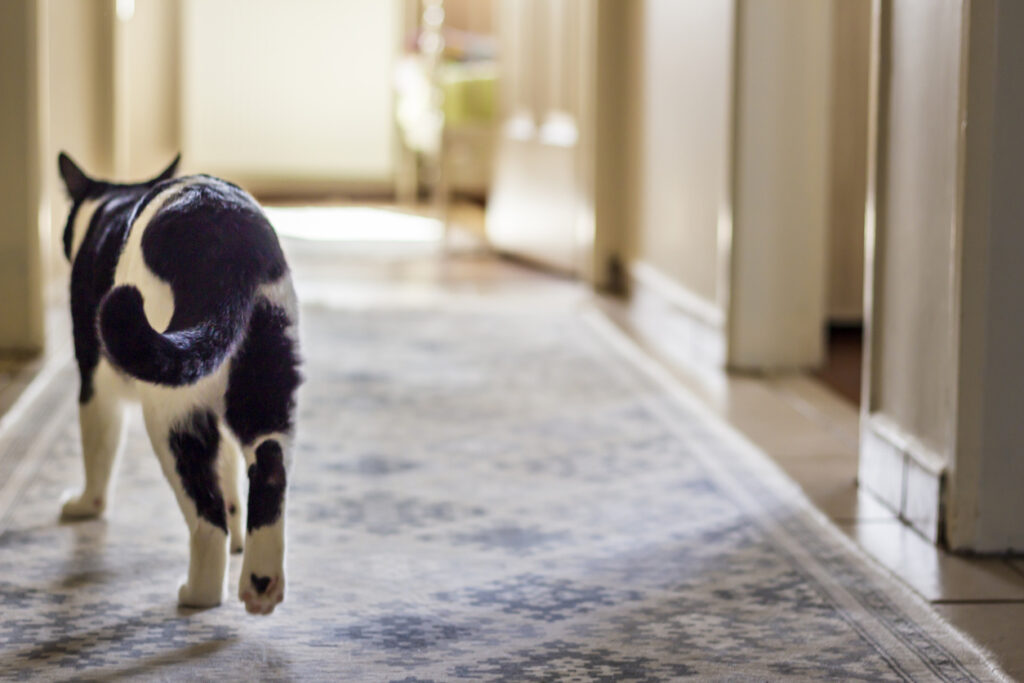
In the end, many pauses lead to this simple truth. Animals sometimes decide the mischief is not worth the effort after all. They think, hesitate, listen, and calmly walk away. That quiet choice holds wisdom inside it. Trouble loses appeal. Peace feels easier. And without saying anything, they remind us that pausing can change outcomes gently, turning temptation into understanding. Their stillness becomes the lesson, soft and human in its own way, showing how patience guides hearts toward calmer paths while life keeps moving forward. And maybe that is why watching them teaches us to slow down too.


