
1. Where the River Meets the Wall

It makes sense to begin where water first presses against the structure. Engineers describe a dam simply as “a barrier that stops or restricts the flow of surface water or underground streams,” and that simple definition explains its power. Layers of reinforced concrete hold back enormous pressure while forming a calm reservoir behind the wall. That stored water supports drinking systems, irrigation, flood control, and power generation. On the surface, everything looks still. Inside, the structure never stops resisting movement and adjusting to seasonal changes. The quiet strength feels intentional, like something built to work while the rest of the world moves on without noticing.
2. Built Slowly, Not All at Once
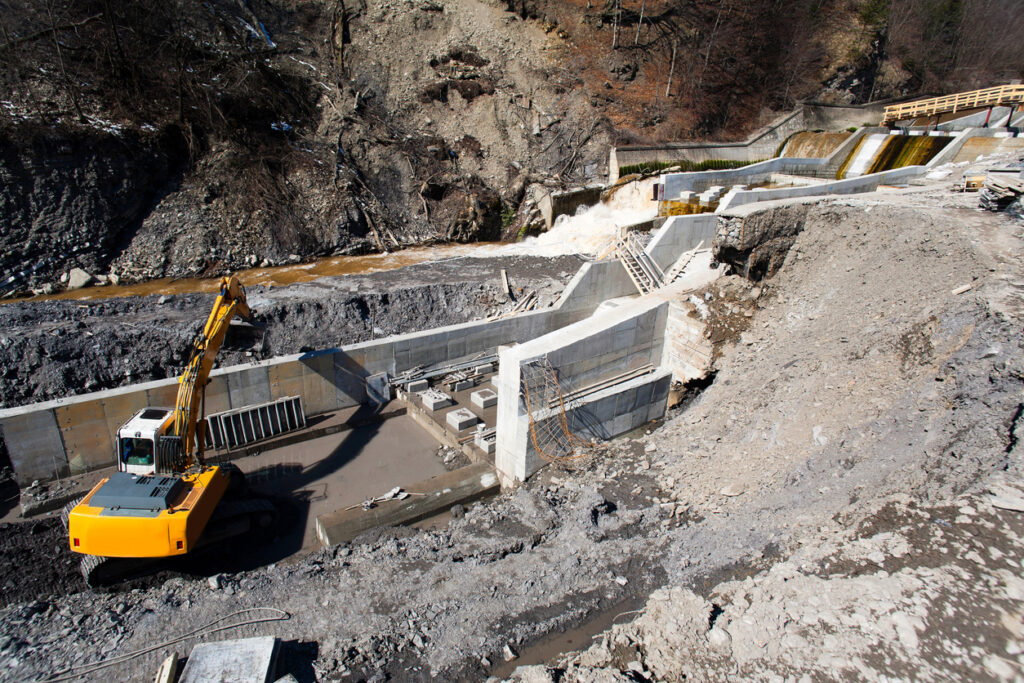
When people picture dam construction, they sometimes imagine one giant pour of concrete. In reality, engineers place concrete in carefully designed blocks so each layer can cool and cure before the next rises. This approach reduces cracking, protects the interior, and controls stress inside the structure. Steel bars woven through the concrete add strength and flexibility, helping the wall handle constant pressure from the reservoir. Nothing about the process is rushed. Each section becomes part of something stronger and more stable than it would ever be alone. By the time the final wall stands across the valley, it is not just a slab. It is a layered structure shaped by patience, testing, and intentional choices that allow it to last for generations.
3. Heat Quietly Working Through the Concrete
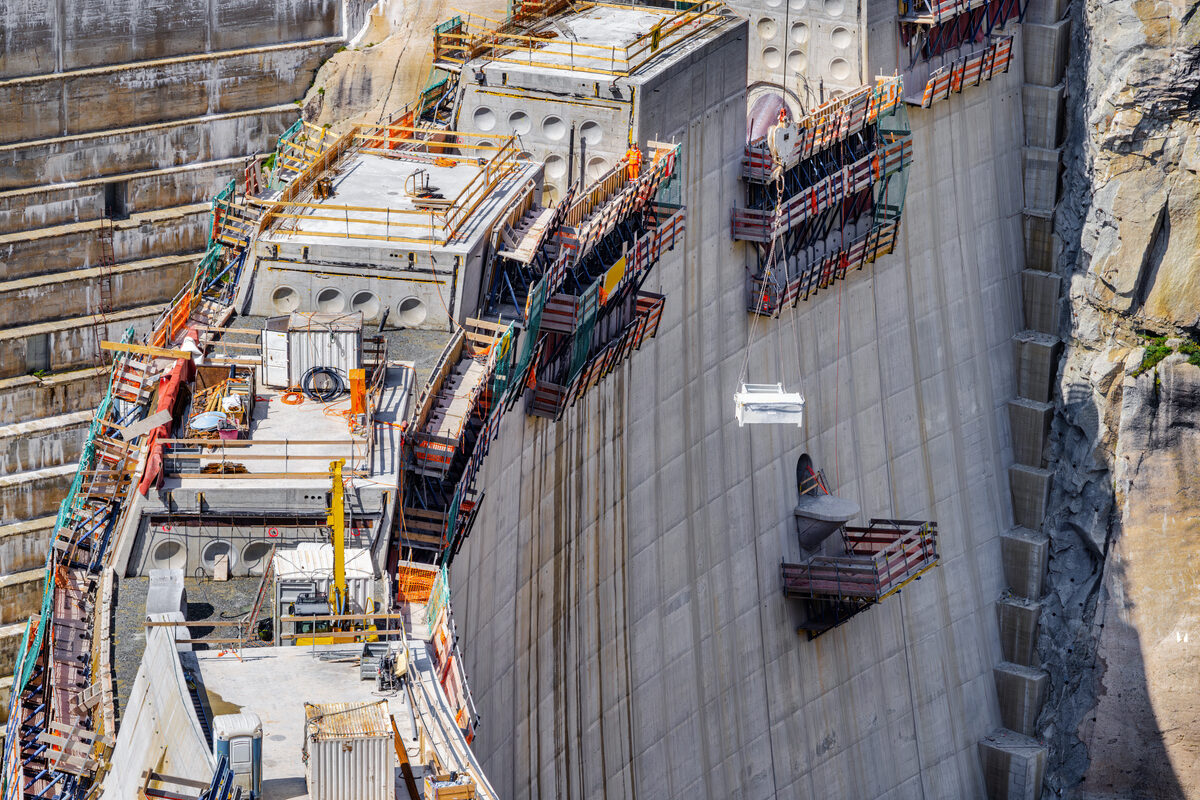
Temperature is one of those hidden forces inside dams that most people never think about. When concrete cures, it generates heat. If the heat stays trapped, the material may expand, shrink, or crack over time. Engineers install cooling pipes, run simulations, and measure interior temperatures to keep everything balanced. Many specialists agree that thermal stress is one of the most important internal challenges to manage. Visitors never notice it, but inside the walls small adjustments are always happening. The attention to something as subtle as temperature shows how seriously safety is treated. These structures are not strong because luck favors them. They are strong because someone constantly studies and cares for what most people never see.
4. Long Hidden Hallways Called Galleries
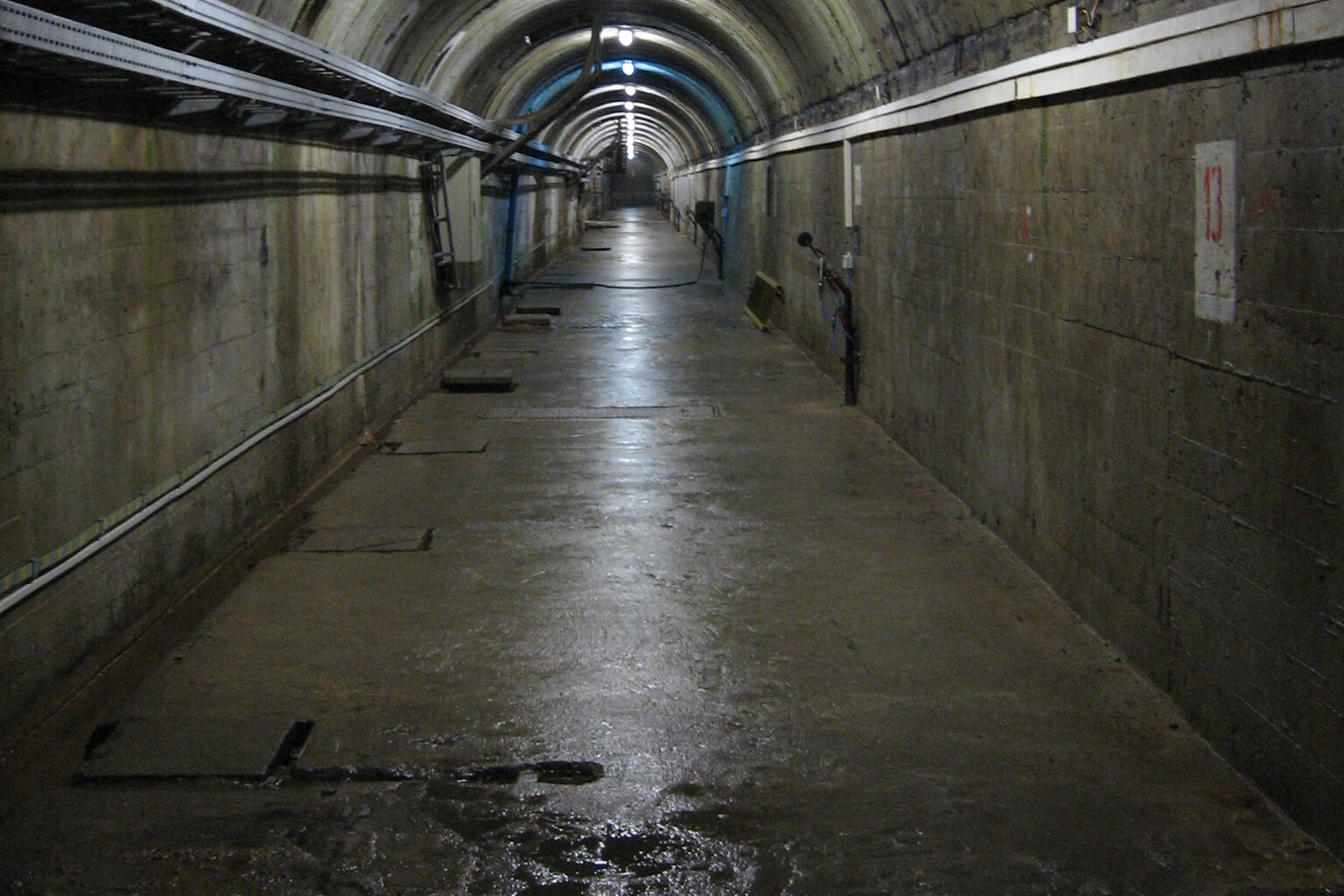
Inside many large dams, tunnels stretch quietly through the structure. These are called galleries, and they allow engineers to walk inside the dam, read instruments, check drainage, and inspect cracks or stains. One explanation says galleries exist so crews can “monitor and maintain the structural health” of the dam, and that describes them perfectly. They also give water that seeps inside a safe path to escape rather than forcing it through weak points. Standing inside one feels calm and serious, almost like being in the belly of something that knows its responsibilities. Nothing about them feels theatrical. They are workspaces designed simply to keep the outside world safer.
5. Water Making Its Way Toward Power
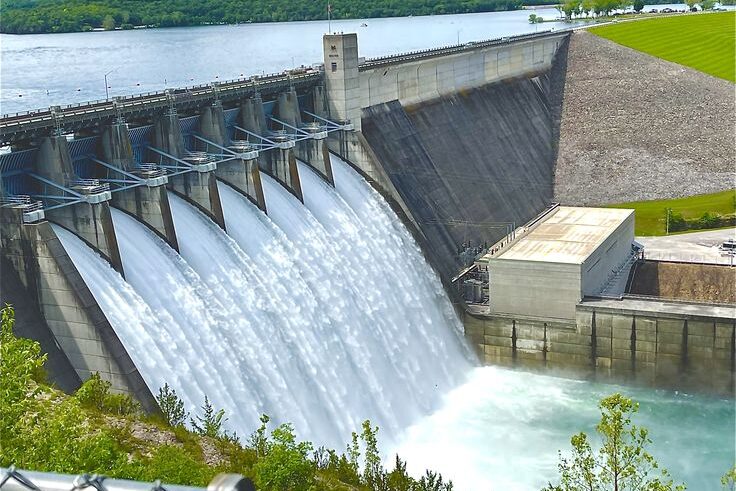
Once water is stored, part of it is guided toward power generation. Large intake gates collect water and move it into massive pipes called penstocks. As the water drops, it speeds up. The U.S. Geological Survey explains that “a hydraulic turbine converts the energy of flowing water into mechanical energy,” and that turbine spins a generator that creates electricity. The water eventually returns to the river, still moving, still part of the natural system. Flipping on a light or charging a phone suddenly feels different when you realize the starting point might be water quietly spinning a turbine deep inside a concrete structure built decades earlier.
6. Spillways Giving Water Somewhere Safe To Go
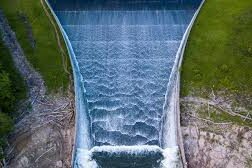
Spillways exist so rising water never spills uncontrolled over the top of the dam. Engineers design them to handle the largest floods expected for that region. Sometimes gates control when they open. Sometimes they activate automatically when water reaches a certain level. Deep inside, drains relieve pressure and flexible joints handle movement. The idea is simple. Let water out safely instead of letting it test the structure. When storms arrive and rivers swell, the spillway becomes the path of least resistance. There is comfort in knowing someone planned for heavy rain long before the first cloud ever formed.
7. Watching, Measuring, and Checking

Dams are not built and abandoned. They are monitored, documented, and reviewed constantly. Instruments measure movement, seepage, temperature, and vibrations while inspections look for changes over time. Safety organizations repeat often that ongoing monitoring is essential to dam safety. Teams walk through galleries, read gauges, photograph suspicious areas, and compare notes from past inspections. Most days, nothing dramatic happens. But those quiet routines are what keep problems small. Trust in these structures has less to do with their size and more to do with ongoing attention from people who understand them deeply.
8. Seepage That Is Managed Instead of Feared
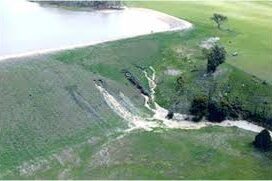
Many people are surprised to learn that small amounts of water moving through dams are expected. Specialists openly explain that controlled seepage is normal as long as it is guided and monitored. Engineers build drains, relief wells, and channels that collect this water and send it somewhere safe. During inspections, technicians study patterns and readings to see if flow increases or changes direction. The work feels more like listening than fighting. Rather than pretending water will obey rules, designers give it paths to follow so pressure does not build in silence. That honest approach to nature makes the structure stronger.
9. Anchoring Deep Into the Ground
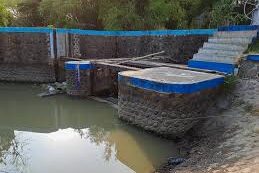
A dam’s true strength comes not only from the wall but from how deeply it connects to the earth beneath it. Builders remove weak soil and tie the foundation into solid rock. In many places, they inject grout into cracks to reduce water movement and improve strength. The structure becomes part of the valley instead of simply sitting on top of it. That deep anchoring explains why some dams stand firm for decades through earthquakes, floods, and shifting seasons. They were never meant to float or rest loosely. They were meant to grip the ground and become an extension of it.
10. Inside the Powerhouse Below
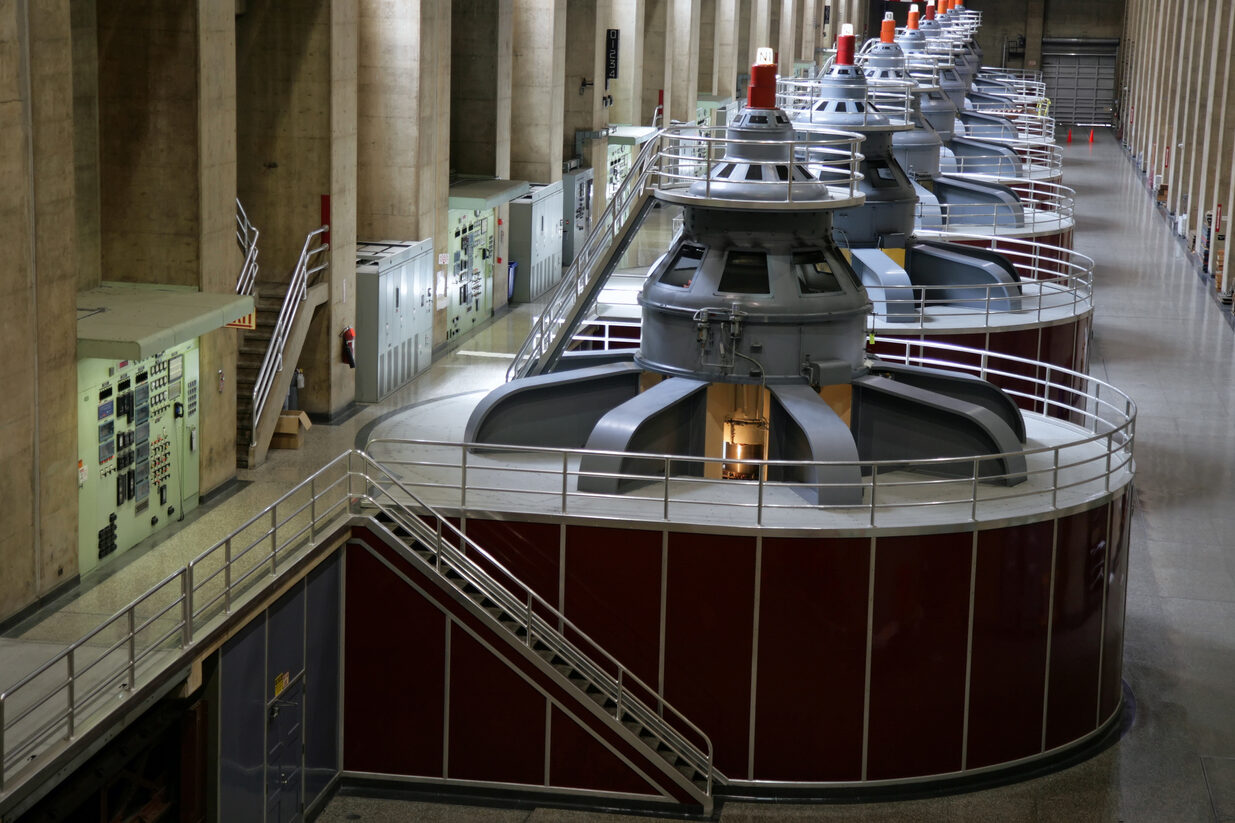
The powerhouse beneath many dams feels almost like a quiet industrial heart. Turbines spin steadily. Generators hum. Technicians move carefully between control panels and gauges. A simple statement often used in textbooks says, “The turbine turns the generator to produce electricity,” and that single sentence powers entire neighborhoods. There is nothing rushed here. Every part has a checklist. Every switch has a purpose. Standing there, the connection becomes clear. Something as ordinary as turning on a light is linked directly to water sliding through a turbine below a massive concrete wall.
11. Sediment Slowly Changing the Reservoir
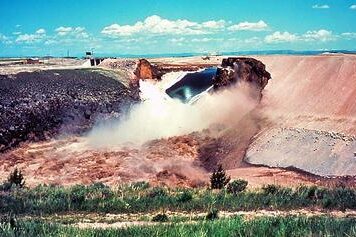
Rivers always carry bits of sand, silt, and gravel. When water slows behind a dam, those particles settle to the bottom. Over time, sediment can reduce storage space and interfere with intake systems. Researchers regularly call sediment one of the most persistent long term challenges for reservoirs. Engineers study currents, design flushing operations, and sometimes dredge areas that fill too quickly. It happens slowly, which makes it easy to ignore. But patient work keeps reservoirs useful and prevents problems later. Caring for sediment is another reminder that dams must be managed like living responsibilities instead of permanent objects.
12. Making Room for Fish and Wildlife
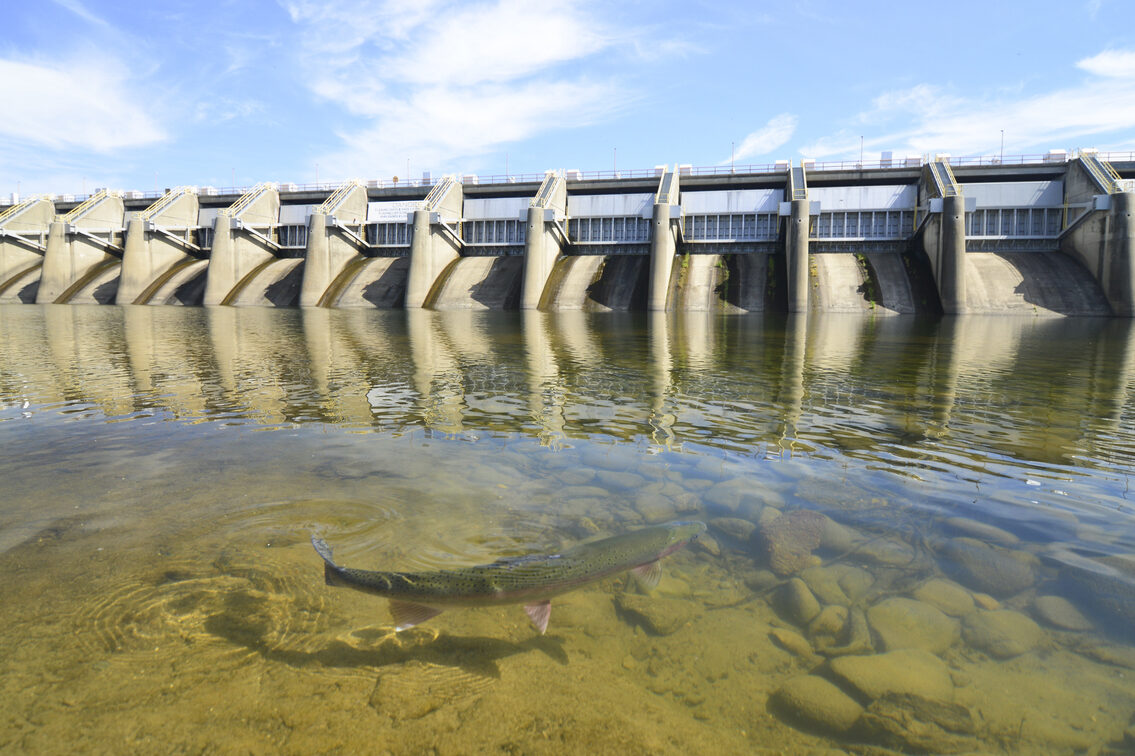
Dams can change river ecosystems, so modern projects try to soften the impact. Fish ladders, passage systems, and flow controls help species continue to migrate. Many reports emphasize the importance of allowing fish to “move upstream to spawn,” because entire populations depend on that cycle. Around reservoirs, conservation teams restore shorelines, create habitats, and monitor wildlife health. The effort does not erase every challenge, but it shows a willingness to share water rather than claim it entirely. Finding balance between human benefit and natural movement has become an ongoing conversation that shapes how new dams are designed.
13. Quiet Planning For Emergencies
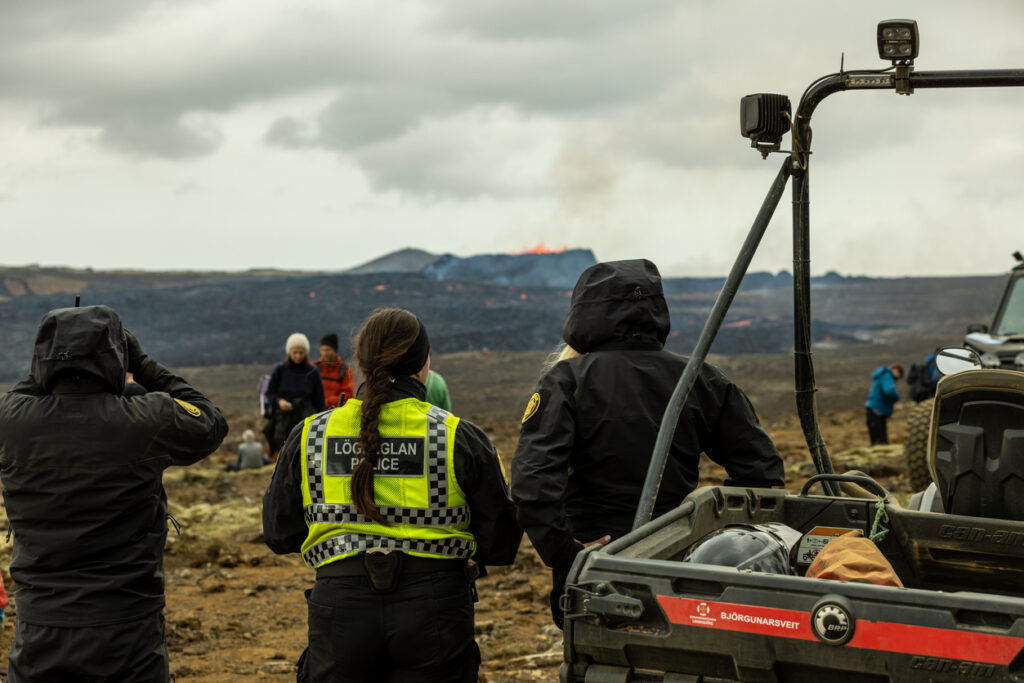
Preparedness is another hidden part of dam life. Emergency action plans outline who communicates, who responds, and what steps are taken if unusual conditions appear. Authorities explain that these plans help communities react calmly instead of guessing during stressful moments. Drills are practiced. Phone trees are updated. Scenarios are reviewed even when nothing appears wrong. Most of the time, the plans sit quietly on shelves. Their true value is not in constant use but in knowing they exist if needed. That type of preparation feels like another layer of protection built around the people who live downstream.
14. Weather Guiding Every Decision
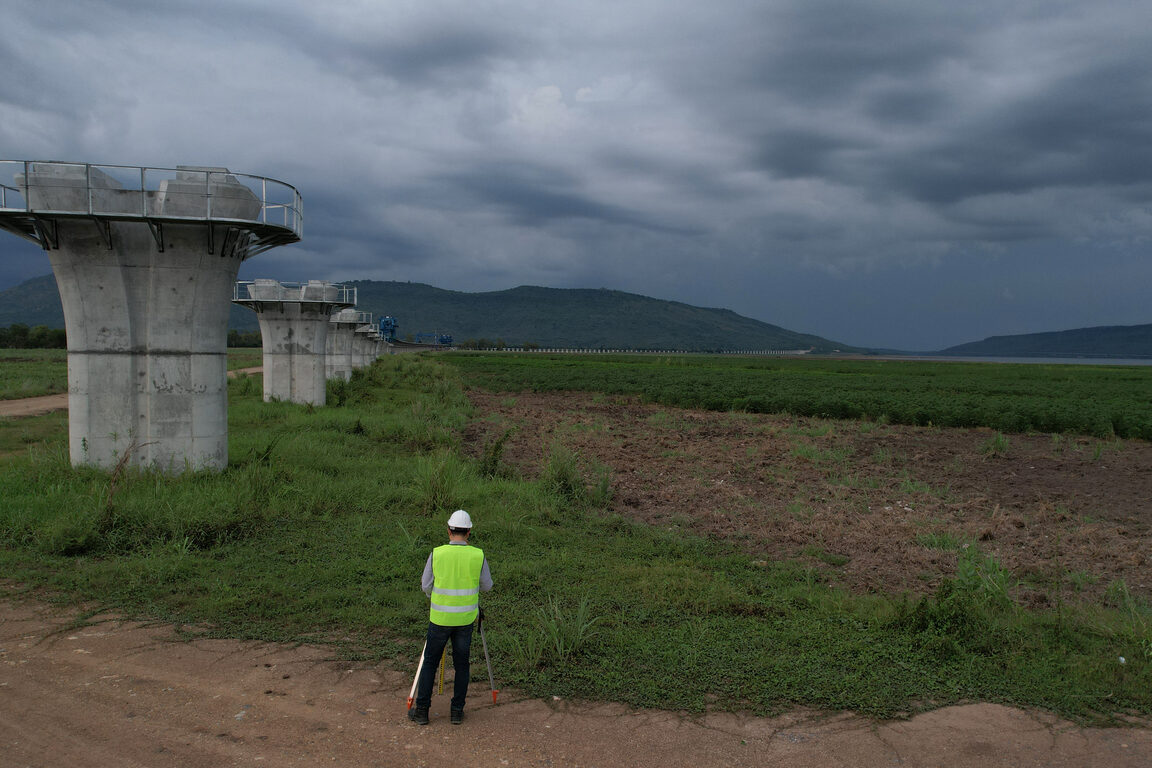
Reservoir operations depend heavily on weather. Operators track rainfall, snowpack, drought outlooks, and river forecasts when deciding whether to release or store water. The phrase often used is that management must “balance multiple needs,” which means thinking about drinking water, flood control, power production, fish habitats, and recreation all at once. Nothing is random. Levels are adjusted slowly and intentionally based on changing conditions. Watching how closely dams respond to everyday forecasts makes you realize how connected they are to the natural cycles everyone else experiences from ground level.
15. People Behind the Concrete
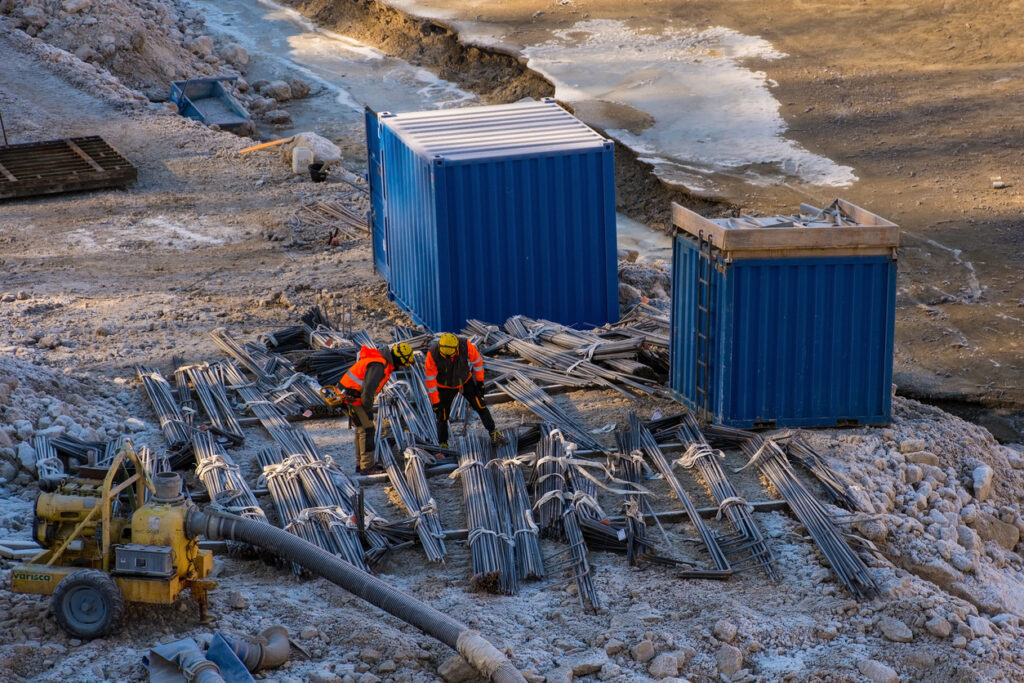
Behind every dam are people with jobs that require focus and steadiness. Inspectors climb stairways, divers examine underwater structures, electricians repair equipment, and engineers study long term reports. Industry experts repeat that routine inspection is critical to dam safety, and that truth shows in how detailed their work becomes. These workers know the sound of each machine and the normal look of every pipe and joint. They notice small changes before instruments even confirm them. Their attention creates a silent partnership with the structure itself, turning concrete and steel into something more cared for and understood.
16. New Technology Watching Quietly
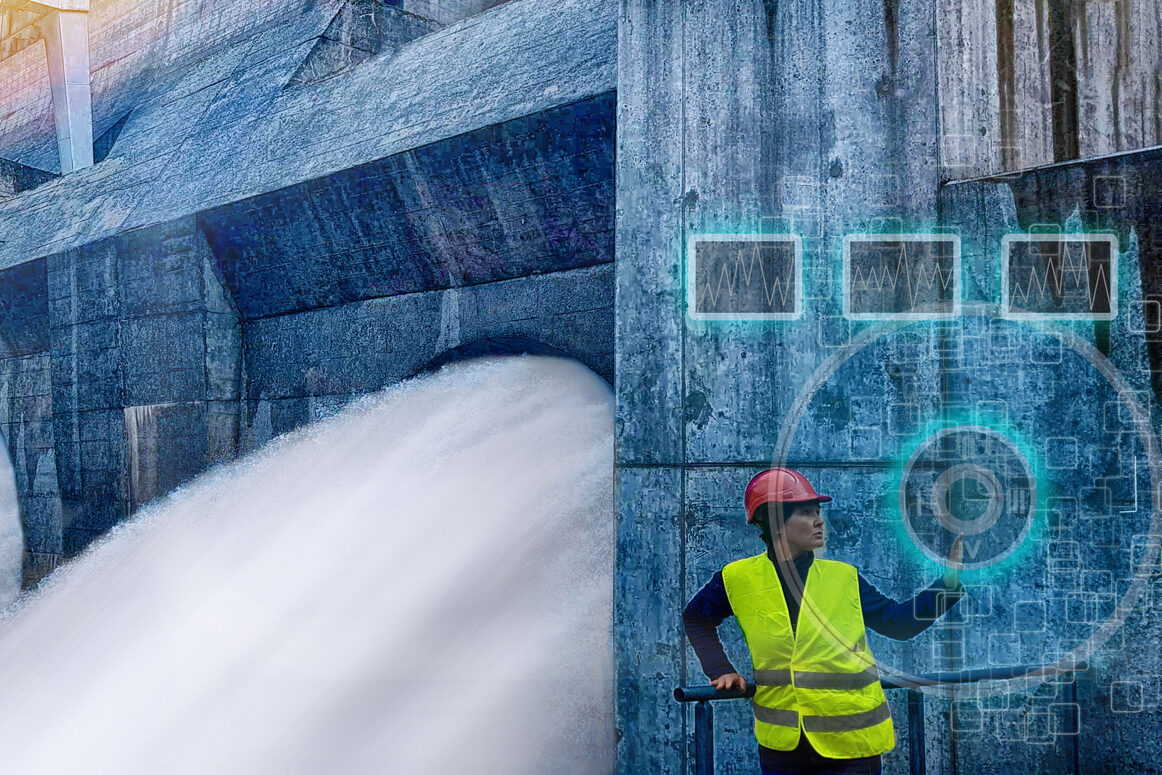
Modern dams rely on tools that previous generations never had. Sensors track movement, satellites measure surface shifts, drones inspect faces that are hard to reach, and computer models simulate how the structure might respond to future storms. Engineers explain that instruments help detect trends long before they become problems. Instead of reacting after damage appears, teams can strengthen, adjust, or investigate sooner. Technology does not replace experience. It simply adds another set of watchful eyes, working alongside people to keep the structure reliable, safe, and predictable for everyone who depends on it.
17. Caring For Aging Structures
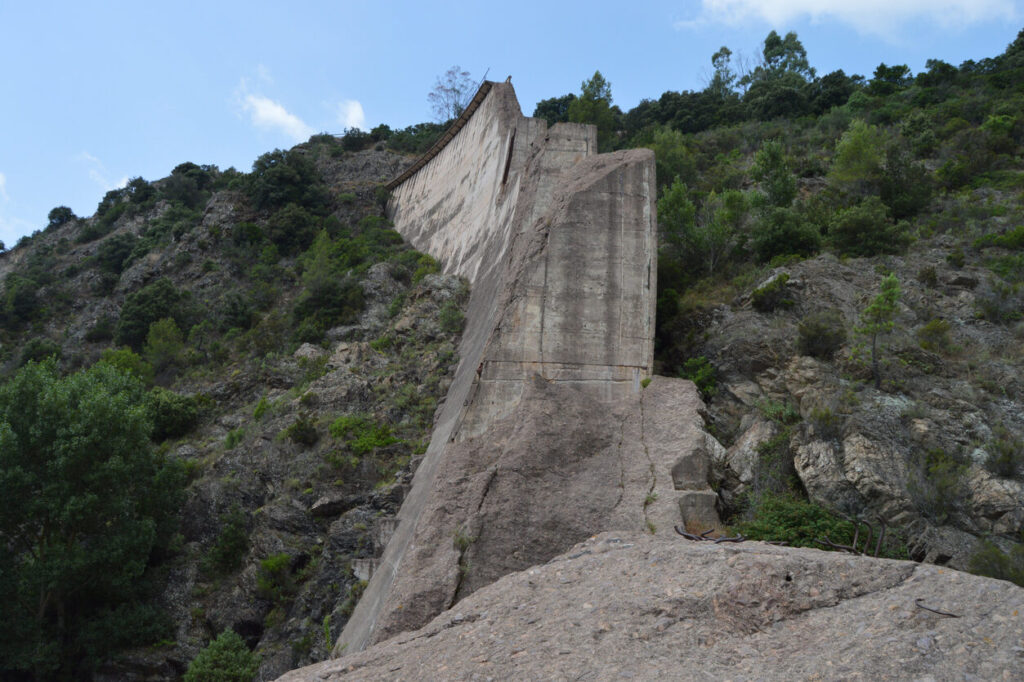
Over time, even the strongest dams need attention. Concrete weathers, gates corrode, and safety standards evolve. Reports openly acknowledge that aging infrastructure requires ongoing upgrades. Rehabilitation projects strengthen spillways, replace worn equipment, improve drainage, and add new monitoring systems. None of this means a dam has failed. It means it is being cared for responsibly. Just like bridges, hospitals, and roads, dams require maintenance if they are going to serve future generations. Seeing old structures renewed feels reassuring, because it shows that learning continues long after construction finishes.
18. Seeing Why Dams Matter Beyond the Wall
Stepping back, the bigger picture becomes easier to see. Inside these massive structures are layers of engineering, nature, caution, and community care. Dams store water, reduce flooding, support farms, create electricity, and stabilize entire regions. At the same time, they remind us to stay thoughtful and careful with the systems we build. One writer described them simply as powerful tools that must be managed wisely, and that sense of balance feels right. Understanding what really happens inside makes them less mysterious and more human. If curiosity is still tugging at you, explore the dams near your area, read local reports, or visit a guided tour and see how much is quietly working behind those concrete walls.


