
Life After Owning The Internet’s Coolest Platform

It is difficult to overstate just how much MySpace defined the digital identity of an entire generation because it was the first place where we truly learned how to curate ourselves online. Long before the era of polished influencers and algorithmic feeds, there was a chaotic and wonderful world of custom HTML, glittery profile songs, and the high-stakes social politics of the Top Eight. It felt like a digital permanent residence for millions of us, yet the platform eventually succumbed to the relentless pace of technological evolution as newer, sleeker competitors began to dominate the landscape.
While the site itself faded into a nostalgic relic of the early two-thousands, the architects of that cultural phenomenon did not simply vanish into thin air when the servers grew quiet. The transition from owning the internet’s most valuable real estate to becoming yesterday’s news is a fascinating study in reinvention and resilience. By looking at where these pioneers landed, we can see a vivid picture of how the lessons learned from the first true social media boom helped shape the modern tech world and the various creative industries we interact with today.
Tom Anderson Retires To Paradise
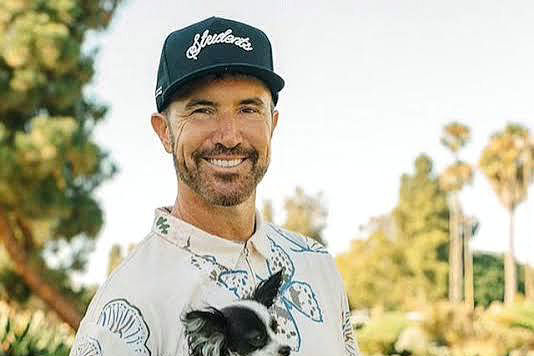
The man known to every single user as their first friend became the face of a digital revolution but he chose a remarkably different path once the platform sold for hundreds of millions. Tom Anderson was the co-founder who embodied the approachable spirit of the site and he famously walked away from the corporate grind with a massive fortune in his pocket. Instead of trying to build the next big social network or competing with rising tech giants, he decided to pursue a life defined by creative freedom and global exploration because he genuinely wanted to step out of the spotlight. He has spent the last decade travelling across the globe and documenting his journeys through professional-grade photography that captures stunning landscapes from Hawaii to Thailand.
His transformation from a tech executive into a celebrated travel photographer is a testament to the idea of a successful second act because he remains active on modern platforms without the burden of managing them. Even though he is constantly badgered by nostalgic fans asking for the old MySpace back, he handles the attention with a quiet grace and continues to focus on his art. He has managed to maintain a legendary status while living a life that is almost entirely disconnected from the high-pressure environment of Silicon Valley boardrooms. This career shift shows that there is a wealth of life to be lived after the intense pressure of being a public figure in the tech industry.
Chris DeWolfe Launches Jam City
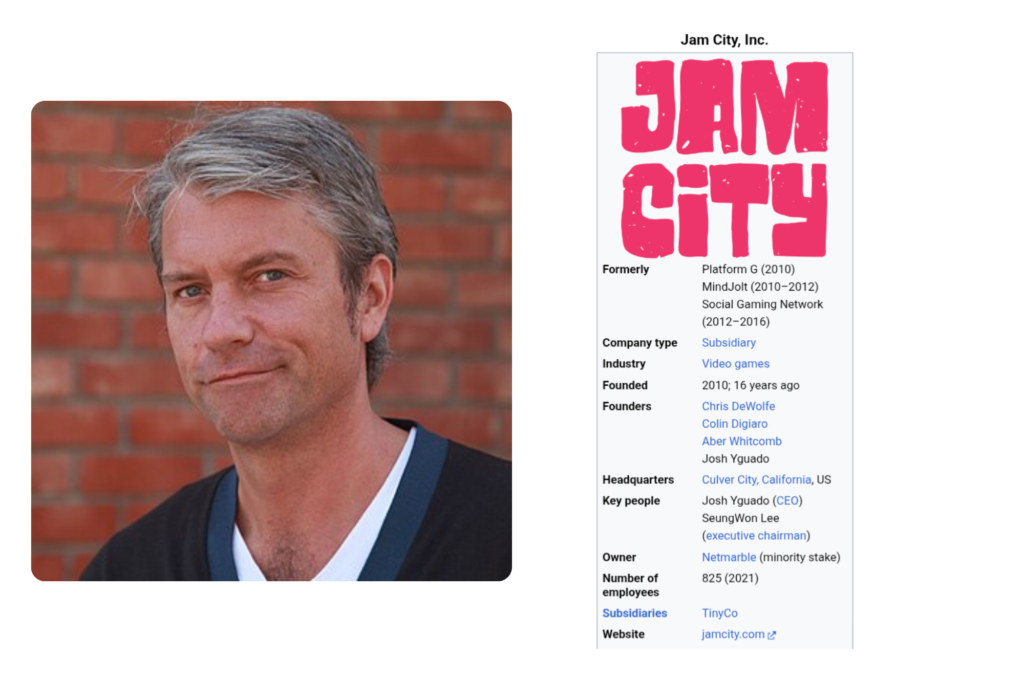
While his partner took a more scenic route, the former Chief Executive Officer Chris DeWolfe remained deeply embedded in the world of digital media and entertainment because he possessed a relentless drive for innovation. After he departed from the company in two thousand and nine, he did not wait long before acquiring a social gaming studio that would eventually become the mobile powerhouse known as Jam City. He applied the lessons he learned regarding user engagement and community building to the burgeoning world of mobile apps and casual gaming. This pivot proved to be incredibly lucrative because he correctly identified that the future of social interaction would be tied to entertainment and portable technology rather than static desktop profiles.
Today he oversees a massive empire that produces some of the most popular titles in the app store and he has consistently secured partnerships with major global franchises like Harry Potter and Disney. His ability to navigate the shifting tides of the internet speaks to a deep understanding of how people consume content in the modern era because he transitioned from social networking to mobile gaming seamlessly. He remains a prominent figure in the Los Angeles tech scene and frequently speaks about the evolution of the digital economy and the importance of adapting to new platforms. His journey illustrates that the DNA of early social media continues to influence how we play and interact on our smartphones every single day.
Richard Rosenblatt Builds Demand Media

The executive who served as the chairman during the period when the site was sold to News Corp for a staggering sum of money has since become a serial entrepreneur of significant note. Richard Rosenblatt was instrumental in the massive five hundred and eighty million dollar deal and he used that momentum to found Demand Media because he saw a gap in how content was being produced for the web. He focused on the concept of content farms and search engine optimisation which basically defined how we read articles online for several years. His approach was often controversial among traditional journalists but it was undeniably effective at capturing the attention of a global audience that was increasingly hungry for specific information.
Following his time with Demand Media, he continued to invest in and lead various ventures ranging from e-commerce sites to luxury lifestyle brands because he has a keen eye for what the modern consumer desires. He has been involved with companies like Whip Media and has consistently remained at the forefront of the intersection between technology and media. His career trajectory highlights the sheer scale of the financial opportunities that were birthed during the early days of social networking and how that capital was reinvested into the next generation of internet companies. He remains a powerful player in the venture capital world and is often credited with helping to establish the business models that many digital publishers still use.
Brad Greenspan Challenges The Sale

One of the original founders who provided the initial funding for the project had a much more tumultuous relationship with the platform after it achieved global success. Brad Greenspan was a key figure in the early days but he famously fell out with other executives and eventually launched a long-term campaign to challenge the sale to News Corp. He argued that the company was sold for far less than its actual value and he spent years publishing reports and pursuing legal avenues because he felt the original shareholders were being unfairly treated. This persistence made him a bit of an outlier in the tech world because he was willing to publicly criticise the very deal that made many of his peers incredibly wealthy.
Despite the legal battles and the public friction, he remained an active investor in various web ventures and continued to advocate for transparency in corporate dealings within the tech sector. He eventually moved into other areas of business and investment but his name remains synonymous with the complicated corporate history of the world’s first social media giant. His story serves as a reminder that the rapid rise of internet startups often leads to complex legal disputes and personal fallouts that can last for decades. While he may not be as visible as the other founders today, his role in the creation of the platform was fundamental to its initial explosive growth and its eventual cultural impact.
Aber Whitcomb Masters Tech Infrastructure

As the Chief Technology Officer, Aber Whitcomb was the person responsible for keeping the site running during its most chaotic periods of growth when millions of new users were joining every month. When the platform began to lose its dominance, he did not exit the industry but instead partnered with Chris DeWolfe to co-found the gaming company Jam City. He brought his immense technical expertise to the table to ensure that their new ventures could handle the massive scale of modern mobile audiences because he had already faced the ultimate test of managing the world’s largest website. He is often described as the technical backbone of the original MySpace era and his skills were easily transferable to the high-stakes world of mobile game development.
He continues to lead technical operations at a very high level and is respected for his ability to build robust systems that can survive the unpredictable nature of viral success. His career is a classic example of how the technical pioneers of the early two-thousands became the senior statesmen of the modern app economy because they were the ones who first solved the problems of massive social scaling. He remains relatively private compared to some of his colleagues but his influence is felt every time a player logs into a game that supports millions of simultaneous users. He has successfully navigated multiple cycles of tech boom and bust by focusing on the core engineering challenges that never truly go away regardless of which platform is currently trending.
Josh Berman Ventures Into E-Commerce

Another founding member who played a vital role in the early business strategy was Josh Berman and he eventually found his niche in the world of online shopping and subscriptions. After the transition away from the social media world, he co-founded the wildly successful subscription service known as BeachMint which focused on celebrity-endorsed products ranging from jewelry to shoes. He recognised early on that the social influence he helped pioneer on MySpace could be directly converted into retail sales through the right digital channels. This transition was a natural evolution of his previous work because it combined community building with direct consumer engagement in a way that felt fresh and innovative at the time.
He has since become a very active venture capitalist and mentor to new startups in the Los Angeles area because he wants to foster the next generation of entrepreneurs who are building digital brands. His focus has largely shifted toward how technology can improve the shopping experience and he has been involved in several companies that bridge the gap between social media and commerce. His success in the e-commerce space proves that the skills required to build a social network are highly relevant to the world of digital retail. He is still considered a major influence in the tech community and his journey shows how the lessons of the early internet can be applied to almost any industry that relies on human connection and digital marketing.
Justin Timberlake Tries A Rebrand

When the platform was struggling to remain relevant in the face of Facebook’s rise, it was famously purchased by a group that included pop superstar Justin Timberlake in two thousand and eleven. He was not just a silent investor but was actually the face of a massive creative overhaul that aimed to turn the site into a premier destination for musicians and artists. The goal was to reclaim the site’s roots as a place for discovery because he believed that there was still a need for a platform that prioritised creativity over personal status updates. The redesign was visually stunning and focused heavily on high-quality imagery and a seamless music player that was integrated directly into the user experience.
Unfortunately, despite the star power and a very sleek aesthetic, the relaunch failed to gain significant traction with the general public because the momentum of other social networks was simply too strong to overcome. Justin Timberlake eventually moved back to focusing primarily on his music and acting career while the platform continued to exist as a niche community for certain music fans. This chapter in the company’s history is a fascinating example of how even the biggest names in the world cannot always save a brand once the cultural tide has turned against it. It serves as a reminder that in the digital world, cool factor and celebrity backing are often not enough to defeat the power of established user habits and network effects.
Tila Tequila Becomes A Reality Star

Perhaps no individual better represents the era of the MySpace celebrity more than Tila Tequila who leveraged her massive following on the site to launch a mainstream media career. She was famously the most popular person on the platform for a significant period and she used that digital fame to land her own reality dating show on MTV called A Shot at Love. Her rise to prominence was a precursor to the modern influencer culture because she understood how to engage with fans and create a persona that was both provocative and accessible. She was one of the first people to prove that a massive following on a social network could be converted into traditional fame and significant financial gain.
Her life after the platform’s decline has been marked by significant personal struggles and a series of public controversies that have seen her distance herself from her early internet persona. She became a polarising figure as she explored various radical ideologies and faced numerous challenges in the public eye which often overshadowed her early achievements as a digital pioneer. Her story is a cautionary tale about the volatility of internet fame and the difficulty of maintaining a career once the platform that built you is no longer the center of the universe. While she remains a well-known name, her path has been far more complicated and fraught than the corporate success stories of the site’s founders.
The Users Find New Homes

The most important people in the story of any social network are the millions of users who provided the content and the energy that made the site a global phenomenon in the first place. When the exodus finally happened, the community did not simply stop being social but instead fractured into a dozen different directions across the web. Many migrated to Facebook for the cleaner interface and real-life connections while the more creative and rebellious types found refuge on platforms like Tumblr where they could continue to experiment with digital aesthetics. This mass migration redefined the internet because it forced people to choose between different types of online environments and established the dominance of the platforms we still use today.
The legacy of these users lives on in the way we still use certain phrases and the nostalgia we feel for the era of “pokes” and “PC4PC” comments. Many of the teenagers who spent their nights coding their profiles grew up to be the developers and designers who are building the current version of the web because MySpace was their first digital playground. The site may be a ghost town now but the culture it fostered is baked into the very foundation of how we communicate with each other online. We learned how to be social on the internet through that platform and that collective experience remains a defining part of the millennial identity regardless of where we post our photos now.
The story of the pioneers behind the world’s first true social media giant teaches us that digital empires are often fleeting and that true security comes from the ability to adapt when the world inevitably moves on to something new.
Like this story? Add your thoughts in the comments, thank you.


