
Skills That Feel Like Superpowers

The digital landscape of the nineties was a vibrant and somewhat chaotic frontier where the seeds of our modern social existence were first planted by a handful of visionary thinkers. Among these pioneers, David Bohnett stands out as a man who possessed a unique set of skills that felt like true superpowers because he could see the potential for human connection where others only saw cold lines of computer code. By founding GeoCities, he provided a digital home for millions of people who were eager to express themselves and find their tribe in the vast and often lonely expanse of the early World Wide Web. This topic matters deeply today because it reminds us that the internet was built on a foundation of community and personal creativity rather than just corporate algorithms and advertising revenue.
As we look back at the rise and fall of this iconic platform, David Bohnett’s journey from a humble startup founder to a multi-billionaire philanthropist suggests that the most impactful superpowers are those that allow us to build lasting legacies in the real world rather than just the virtual one. This reflective look at the life of a modern pioneer invites us to consider our own digital footprints and the ways in which we can use our unique talents to create a more connected and equitable future. It is a tale of pixels and philanthropy that proves the end of a website is often just the beginning of a much larger and more meaningful contribution to society.
The Vision Of David Bohnett

The story of the early internet is truly a fascinating tale of digital pioneers and the birth of online community culture because it reminds us how much our virtual lives have evolved since the nineties. David Bohnett started GeoCities in nineteen ninety-four alongside John Rezner under the original name of Beverly Hills Internet and they effectively created the first real social network by allowing people to build their own personal homepages for free. This was a revolutionary concept at the time because most people had no idea how to code or host a website but Bohnett provided the tools and the digital “neighbourhoods” to make it happen for everyone. He saw the web as a place for human connection rather than just a technical database and this warmth is exactly what drew millions of users to the platform during its peak years of growth.
After the company was sold to Yahoo for a staggering three point seven billion dollars in nineteen ninety-nine, Bohnett did not simply disappear into a quiet retirement with his wealth. Instead, he transitioned into a powerhouse of philanthropy and venture capital through the David Bohnett Foundation which continues to fund social activism and urban improvement projects today. He has spent decades supporting leadership programmes and social justice initiatives while also investing in early-stage technology companies that align with his vision of a more connected and equitable world. His journey shows that while the blinking cursors and garish backgrounds of GeoCities are long gone, the spirit of community building that he championed remains at the very heart of his professional and personal life.
Trading Pixels For Philanthropy

When GeoCities finally began to fade from the limelight after the dot-com bubble burst, David Bohnett pivoted his focus toward significant charitable endeavours that would leave a lasting impact on the physical world. He established several leadership programmes at prestigious universities and focused heavily on LGBTQ rights and social justice at a time when these issues were not always at the forefront of corporate agendas. It is quite moving to see how a man who made his fortune from virtual real estate chose to invest so much of it back into real communities and the people who live within them. His work with the Los Angeles Philharmonic and various museum boards across the United States demonstrates a deep commitment to the arts and the preservation of culture in a rapidly changing world.
Bohnett also remained active in the tech space by founding Baroda Ventures which is a venture capital firm that focuses on early-stage investments in the Los Angeles area. He did not lose his eye for innovation or his desire to support entrepreneurs who wanted to change the way we interact with technology and each other. By balancing his business interests with a massive amount of civic engagement, he has managed to create a legacy that is far more substantial than just a defunct web hosting service. He serves as a reminder that the giants of the early web were often driven by a genuine desire to improve society and his ongoing work suggests that he still believes in the power of collective action to create a better future.
The Rise Of Neighbourhoods
Before the era of modern social media profiles, GeoCities organised the entire internet into thematic neighbourhoods like SiliconValley for tech enthusiasts and EnchantedForest for children. This structure was the brainchild of Bohnett and his team who understood that people naturally want to congregate with others who share their specific interests and hobbies. By nineteen ninety-seven, the site was the fifth most popular destination on the entire World Wide Web because it offered a sense of belonging that was previously unavailable to the average person. It was a digital tapestry of personal expression where neon text and animated gifs were the currency of the day and every user felt like they owned a small piece of the burgeoning digital frontier.
The success of this model was so massive that it eventually led to the aforementioned acquisition by Yahoo which at the time seemed like a match made in heaven for the internet giant. However, the transition was often rocky for the users who felt that the corporate giant did not understand the grassroots charm of the original community-driven platform. Bohnett had moved on from the day-to-day operations shortly after the sale but the foundations he laid remained the blueprint for how we understand online groups today. Even though the specific neighbourhoods have been deleted from the servers, the concept of niche communities is still the primary way that we navigate platforms like Reddit or Facebook groups in the modern age.
John Rezner Quiet Exit

While David Bohnett became the public face of the GeoCities legacy, his co-founder John Rezner played a equally vital role in the technical architecture and early strategy of the business. Rezner was instrumental in scaling the platform to handle the massive influx of users that flooded the site during the mid-nineties when personal computing was becoming a household staple. He shared the vision of a democratic web where anyone with a modem could have a voice and his technical expertise ensured that the site remained functional even as it grew at an exponential rate. After the massive multi-billion dollar payout from Yahoo, Rezner largely stepped away from the intense glare of the public spotlight to pursue more private interests and investments.
His post-GeoCities life has been characterized by a much lower profile than Bohnett but his influence on the early web remains undeniable to historians of the digital age. It is often the case that one founder takes the lead in advocacy and public relations while the other ensures the engine of the company keeps running smoothly behind the scenes. Rezner helped create a platform that hosted over thirty-eight million user-generated pages which was an unthinkable amount of data for the late nineties. While he may not be a household name today, his work paved the way for the creator economy and the idea that user-generated content is the most valuable asset any technology company can possess in the long term.
The Great Deletion Event
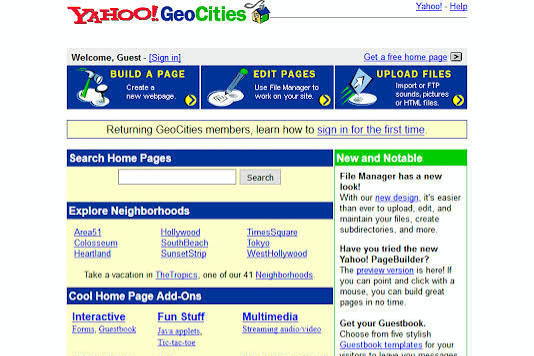
One of the most significant moments in the history of the early web was the decision by Yahoo to shut down the United States version of GeoCities in October two thousand and nine. This move sparked a massive outcry from digital historians and former users who felt that a decade of human history was about to be wiped from the face of the earth. David Bohnett had long since moved on to his philanthropic work by this time but the closure of his creation marked the end of an era for the internet. It highlighted the fragile nature of digital content and the reality that our online memories are often hosted on platforms that we do not actually own or control.
Thankfully, a group known as the Archive Team stepped in to save as much data as possible before the servers were wiped clean forever. They managed to rescue terabytes of data which allowed future generations to see the wild and wonderful creativity of the early web users in all its pixelated glory. This event serves as a cautionary tale about the importance of digital preservation and the need for more robust systems to protect our collective history online. Bohnett’s original vision survived through these archives even if the official servers did not and it serves as a reminder that the communities we build online can be just as meaningful as the ones we build in our physical towns.
Legacy Of Digital Expression

The legacy of GeoCities is not just found in the lines of code or the archived pages but in the way it empowered millions of people to become creators rather than just consumers. David Bohnett provided a blank canvas for a generation of people who wanted to share their poetry or their cat photos or their fan fiction with the rest of the world. This democratisation of the internet was a radical act in the nineties and it set the stage for everything from MySpace to TikTok. When we look back at those clunky layouts and the background music that played automatically, we should see them as the first steps of a society learning how to live a portion of its life in a digital space.
Today, the influence of those early neighbourhoods can be seen in every corner of the web where people gather to discuss their passions and build digital identities. Bohnett’s transition into philanthropy mirrors this shift from building platforms to supporting the people who use them for the greater good. He has consistently championed the idea that technology should serve humanity and his career after GeoCities reflects this deeply held belief. By focusing on social equity and community empowerment, he has ensured that his personal success translates into tangible benefits for society at large. The early web may have died in a technical sense but the values of connection and creativity that it fostered are more alive today than ever before.
From Bytes To Brickwork
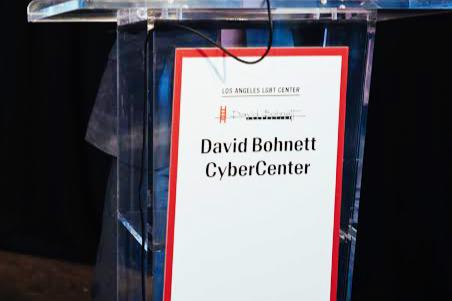
It is quite interesting to note how David Bohnett shifted his focus from the intangible world of the internet to the very tangible world of urban development and physical community spaces. Through his foundation, he has funded numerous “Bohnett CyberCenters” across America which provide internet access and technology training to underserved populations in safe environments. This directly connects back to his original mission with GeoCities because it is about giving people the tools they need to connect with the world and improve their lives through technology. He understood early on that the digital divide was a major barrier to social progress and he has spent a significant portion of his wealth trying to bridge that gap for others.
In addition to technology access, his work in Los Angeles has helped revitalise public spaces and support cultural institutions that make the city a more vibrant place to live. He serves on the board of the Los Angeles County Museum of Art and has been a major supporter of the Hollywood Bowl which shows a broad range of interests beyond just the tech sector. This transition from a digital pioneer to a civic leader is a testament to his versatility and his commitment to the idea that successful people have a responsibility to give back to their communities. His life after the early web died has been defined by a deep sense of purpose and a desire to leave the world better than he found it through both innovation and traditional philanthropy.
The Venture Capital Chapter

After the dust settled on the GeoCities sale, David Bohnett established himself as a savvy investor who could spot the next big trend in technology and consumer services. His firm, Baroda Ventures, has backed a wide variety of companies ranging from social media platforms to clean energy startups and software providers. He has used his experience as a founder to mentor a new generation of entrepreneurs who are navigating the complexities of the modern tech landscape. This role as a mentor and investor allows him to stay connected to the innovative spirit of Silicon Valley while maintaining his primary residence and focus in Southern California where he has deep roots.
His investment philosophy seems to be guided by a mix of financial intuition and a desire to support companies that have a positive social impact. He has often spoken about the importance of ethics in technology and the need for companies to be mindful of their influence on society and individual well-being. This perspective is likely shaped by his experience watching GeoCities grow from a tiny startup into a global phenomenon that changed the way people interacted. By investing in the future, he is ensuring that the lessons he learned during the early days of the web are passed down to those who are building the next generation of digital tools. His career is a perfect example of how one can evolve and find success in multiple different fields over several decades.
A Reflective Modern Pioneer

When David Bohnett looks back at the nineteen nineties, he often speaks with a sense of pride and nostalgia for the wild and unregulated days of the early internet. He recognises that the web has become much more polished and corporate since then but he still believes in the fundamental power of the individual voice. In interviews, he often reflects on the fact that GeoCities was built on the idea of generosity because users were given space for free and they in turn gave their creativity to the community. This cycle of giving is something that he has carried into his philanthropic work where he seeks to empower individuals to make a difference in their own spheres of influence.
He remains a respected figure in the tech world and is often invited to speak at conferences about the history of the web and the future of social media. His insights are particularly valuable because he has seen the entire lifecycle of a major platform from its humble beginnings to its multi-billion dollar exit and eventual sunset. He maintains a balanced view of technology by acknowledging its potential for both great good and significant harm which is a perspective that comes from years of experience. Even though he is no longer running a social network, he is still very much engaged with the questions of how we live together in a connected world. His life today is a blend of high-level business strategy and deep-seated activism which makes him a truly unique figure in the history of modern innovation.
Lessons From The Dot Com Era

The story of GeoCities and its founders provides several important lessons for today’s entrepreneurs and internet users who are navigating a very different digital landscape. One of the most prominent takeaways is that the community is the heart of any successful platform and when the users feel disconnected or undervalued, the platform begins to lose its soul. David Bohnett’s success was built on a genuine understanding of human psychology and the need for self-expression which is something that remains constant regardless of the technology we use. His ability to walk away from the business at the right time also shows a level of self-awareness that is rare in the high-stakes world of technology and finance.
Ultimately, the journey of David Bohnett after the early web died is a story of personal growth and the redirection of success toward the common good. He could have easily faded into obscurity or focused solely on increasing his personal wealth but he chose a path of service and civic engagement instead. This tells us that the end of one chapter, even a very successful one, is simply an opportunity to start something new and potentially even more meaningful. We should reflect on our own reliance on single platforms and consider how we can contribute to our communities both online and off in a way that lasts longer than a server’s lifespan. We must remember that while websites may come and go, the impact we have on the people around us is what truly defines our legacy in the long run.
Like this story? Add your thoughts in the comments, thank you.


