
1. Smarter Pet Health Monitoring

As technology, climate concerns, and shifting lifestyles continue to reshape daily life, the way people care for animals is evolving just as quickly. By 2026, health tracking for pets is expected to feel far more routine than experimental. Wearable collars, litter box sensors, and smart feeders already collect data on activity, eating habits, and sleep patterns. What’s changing is how consistently this data is being used. Veterinary professionals increasingly rely on long-term behavior trends rather than single clinic visits, helping them spot early signs of arthritis, kidney disease, or weight issues. For aging dogs and cats, this shift is especially important, as subtle declines are easier to detect through daily metrics than occasional checkups. As adoption of these tools grows, pet owners are becoming more proactive, contacting vets earlier and avoiding crisis-driven care that often leads to higher costs and stress.
2. Telemedicine Becomes Routine
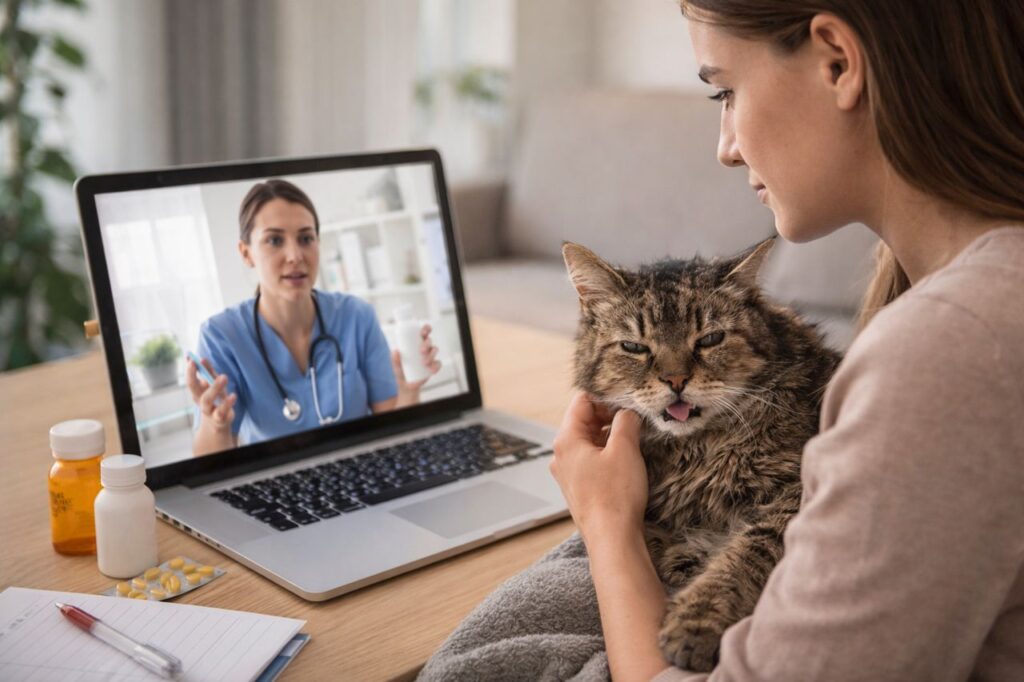
Remote veterinary consultations expanded rapidly during the early 2020s, and by 2026 they are expected to be firmly embedded in everyday pet care. Video consultations are now commonly used for follow-ups, behavior concerns, nutrition advice, and monitoring chronic conditions. While emergencies still require in-person visits, telemedicine reduces unnecessary travel and long clinic waits, especially for anxious animals. This trend is particularly impactful for exotic pet owners, who often live far from specialized vets. Rather than replacing traditional care, telemedicine is becoming a first step that helps determine urgency, saving time for both professionals and pet owners. As regulations stabilize, this approach is increasingly viewed as a practical extension of standard veterinary services.
3. Aging Pets Drive Care Changes
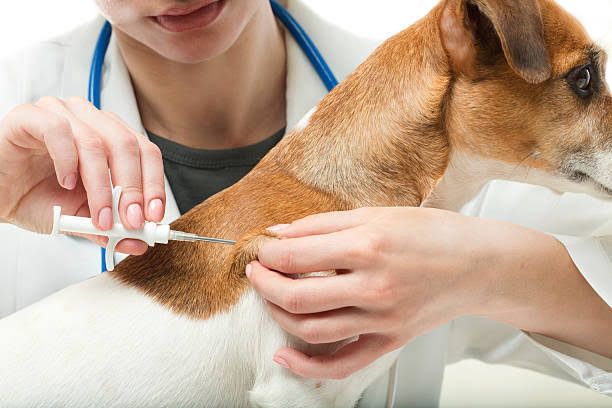
Pets are living longer than ever due to improved nutrition, vaccinations, and preventive care, and by 2026 senior pet needs are shaping the industry. Products and services now focus heavily on mobility support, pain management, and cognitive health for older dogs and cats. Ramps, orthopedic beds, joint supplements, and tailored diets are no longer niche purchases. Veterinary clinics are also adapting, offering senior wellness plans that emphasize comfort rather than aggressive intervention. This shift reflects a broader change in how owners think about aging animals, not as a sudden decline, but as a gradual stage requiring thoughtful adjustments to daily routines and living spaces.
4. Pet Insurance Becomes Mainstream

Once considered optional, pet insurance is becoming a standard part of responsible ownership by 2026. Rising veterinary costs, driven by advanced diagnostics and specialized treatments, have made unexpected bills harder for families to manage. Insurance plans now commonly cover chronic conditions, surgeries, and even alternative therapies, encouraging earlier medical intervention. This trend is especially noticeable among first-time pet owners and younger households, who often plan financially before adoption. While coverage details vary widely, broader awareness is changing how people approach care decisions, reducing the need to choose between cost and treatment when animals fall seriously ill.
5. Nutrition Gets More Personalized
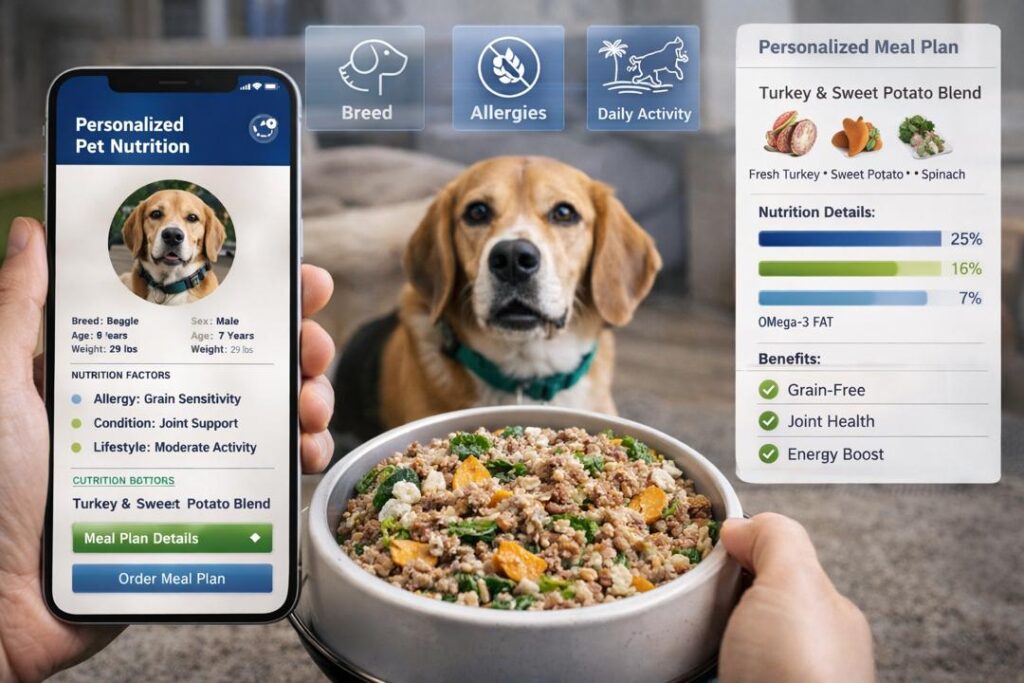
Generic pet food is steadily giving way to tailored nutrition plans based on breed, age, activity level, and health history. By 2026, personalized diets, sometimes delivered directly to homes, are becoming more common for dogs and cats with allergies, digestive sensitivities, or weight concerns. Advances in nutritional research have also improved understanding of how diet impacts long-term conditions such as diabetes or kidney disease. For exotic pets, better access to species-specific diets is reducing health problems caused by improper feeding. This growing focus on nutrition reflects a shift from convenience-based feeding to intentional, health-driven choices.
6. Ethical Questions Around Life Support
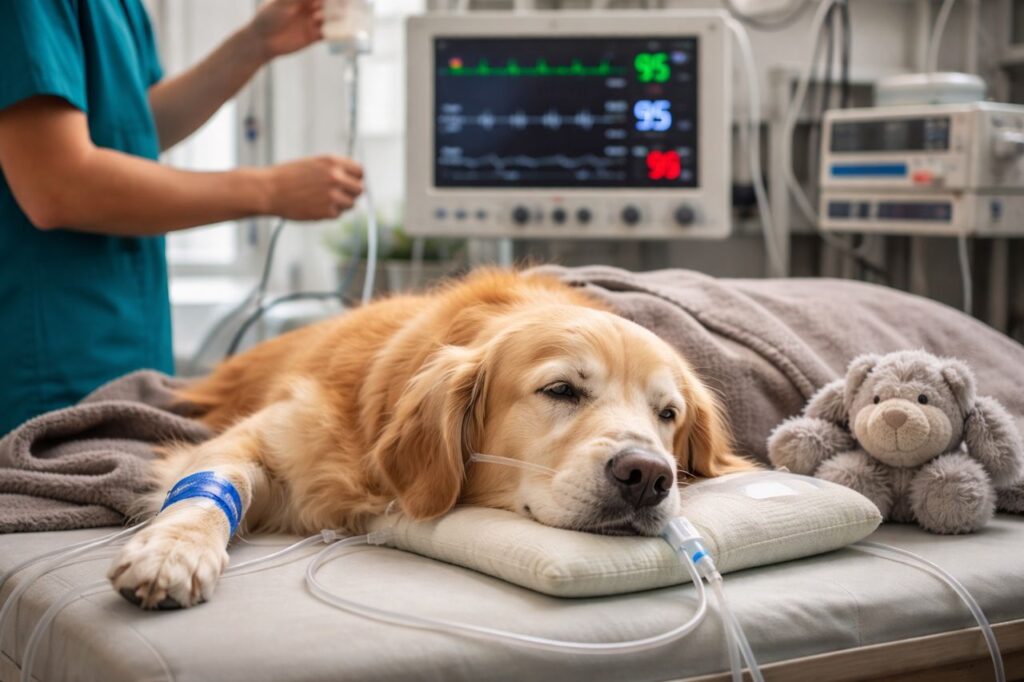
As veterinary medicine becomes more advanced, ethical discussions around life-extending treatments are becoming more visible. By 2026, pet owners are increasingly confronted with difficult decisions involving ventilators, feeding tubes, or prolonged hospitalization for aging or critically ill animals. While these technologies can extend life, they also raise questions about comfort and quality of life. Veterinarians are responding with clearer communication and palliative care options, helping families weigh emotional attachment against animal welfare. These conversations are no longer rare or taboo; they are becoming a recognized part of compassionate pet ownership.
7. Alternative Therapies Gain Acceptance

Once viewed skeptically, therapies such as acupuncture, physical rehabilitation, and hydrotherapy are gaining broader acceptance by 2026. These approaches are increasingly used alongside traditional treatments, particularly for pain management and recovery from surgery. Dogs with mobility issues and cats with chronic inflammation are among the most common beneficiaries. While not a replacement for conventional medicine, these therapies are supported by growing clinical experience and owner-reported outcomes. As awareness spreads, more veterinary clinics are incorporating certified practitioners or referring clients to specialized centers, reflecting a more holistic view of animal health.
8. Exotic Pet Oversight Increases
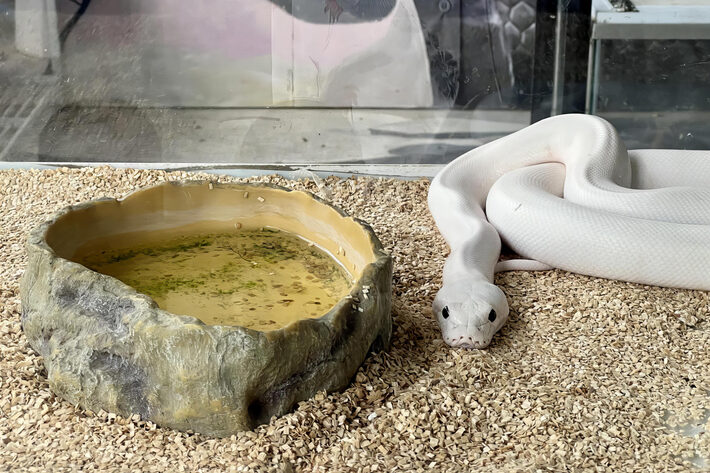
Ownership of exotic pets continues to attract scrutiny, and by 2026 regulations are becoming clearer and more consistently enforced in many regions. Concerns about animal welfare, public safety, and ecological impact have prompted tighter rules around breeding, transport, and veterinary care. This shift is pushing potential owners to research more carefully before acquiring reptiles, birds, or small mammals. It has also increased demand for specialized veterinary knowledge, as general clinics often lack training in exotic species. Overall, the trend reflects a growing recognition that exotic pets require long-term commitment and informed care.
9. Climate Affects Animal Health

Climate-related challenges are increasingly shaping pet care decisions. By 2026, extreme heat, wildfire smoke, and changing parasite patterns are directly affecting dogs, cats, and outdoor animals. Vets report rising cases of heat stress, respiratory irritation, and tick-borne illnesses linked to shifting weather conditions. Pet owners are adapting with cooling strategies, indoor enrichment, and preventive treatments tailored to local risks. These changes highlight how environmental factors are no longer distant concerns but everyday realities influencing animal health, exercise routines, and even housing choices.
10. Digital Records Replace Paper

Paper files are rapidly disappearing from veterinary clinics, and by 2026 digital records are becoming the norm. Electronic health histories allow vets to track vaccinations, lab results, imaging, and medications across multiple visits and locations. This continuity is especially valuable for pets that move between clinics or require specialist care. For owners, digital access means clearer communication and fewer repeated tests. The shift also supports better research and population-level insights, helping professionals identify broader trends in pet health while improving individual outcomes.
11. AI Assists Diagnosis
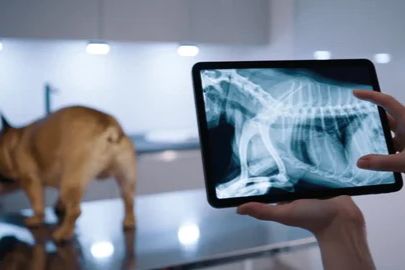
By 2026, artificial intelligence is increasingly supporting veterinary diagnostics rather than replacing professional judgment. AI-assisted tools are already being used to analyze X-rays, bloodwork patterns, skin conditions, and even behavioral data. These systems help flag abnormalities faster, especially in busy clinics, allowing veterinarians to focus on interpretation and treatment planning. The technology is particularly useful for early disease detection, where subtle changes might be overlooked by the human eye alone. As datasets grow and tools improve, AI is becoming a second set of eyes, reducing diagnostic delays and improving consistency across practices while still keeping final decisions firmly in human hands.
12. Behavior Issues Get Attention

Pet behavior is receiving more serious, structured attention by 2026, reflecting a deeper understanding of animal mental health. Anxiety, aggression, and stress-related behaviors, especially those linked to changes in routine or environment, are now widely recognized as health concerns rather than training failures. Veterinary behaviorists and certified trainers are increasingly involved earlier in a pet’s life, not just after problems escalate. This shift has led to more humane approaches that combine environmental changes, enrichment, and, when necessary, medical support. As awareness grows, owners are better equipped to recognize early warning signs and seek help before behavior issues threaten the pet’s quality of life or home stability.
13. Enrichment Replaces Overfeeding
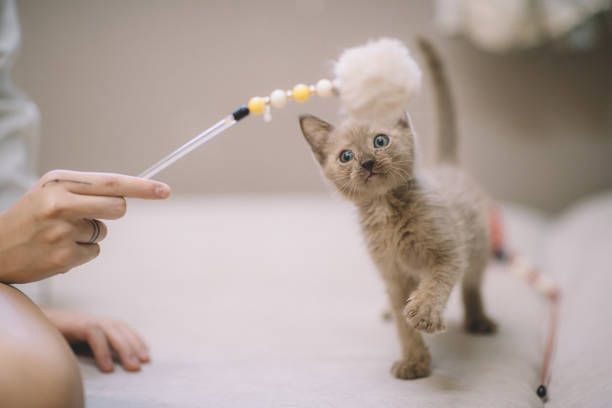
By 2026, boredom is widely acknowledged as a major contributor to obesity and behavioral problems in pets. Instead of relying on treats or constant feeding, owners are turning toward enrichment-based solutions. Puzzle feeders, scent games, and interactive toys are becoming standard tools in daily routines, especially for indoor cats and high-energy dogs. These activities encourage natural behaviors like foraging and problem-solving, helping animals stay mentally and physically engaged. The shift reflects a broader understanding that exercise alone isn’t enough, mental stimulation plays an equally important role in long-term health and emotional well-being.
14. Breeding Practices Face Pressure

Public scrutiny of breeding practices continues to intensify into 2026, particularly around inherited health issues. Flat-faced dog breeds, cats prone to genetic disorders, and exotic animals bred for appearance are at the center of ongoing debate. Animal welfare organizations, veterinarians, and informed consumers are increasingly pushing for responsible breeding standards that prioritize health over aesthetics. This pressure is influencing legislation, kennel club guidelines, and consumer choices. While demand for certain breeds remains high, there is growing awareness that long-term health consequences should factor into adoption and breeding decisions.
15. Adoption Standards Evolve

Animal shelters and rescue organizations are refining adoption processes by 2026, focusing on better long-term matches rather than faster placements. Detailed questionnaires, trial periods, and post-adoption support are becoming more common. These changes are driven by data showing that thoughtful matching reduces returns and improves animal welfare. For exotic pets, stricter screening helps ensure adopters understand the care requirements involved. While the process may feel more demanding, it reflects a shift toward viewing adoption as a lifelong commitment rather than a spontaneous decision.
16. Human Lifestyle Shapes Pets

Remote work, smaller living spaces, and urban lifestyles continue to influence pet ownership patterns into 2026. More people are choosing pets that fit their routines, energy levels, and housing constraints. This has increased interest in adaptable breeds, indoor cats, and smaller companion animals. At the same time, enrichment and structured routines are helping pets adjust to quieter or more isolated environments. These choices reflect a growing recognition that a good pet match is about compatibility, not just preference or appearance.
17. End-of-Life Planning Grows
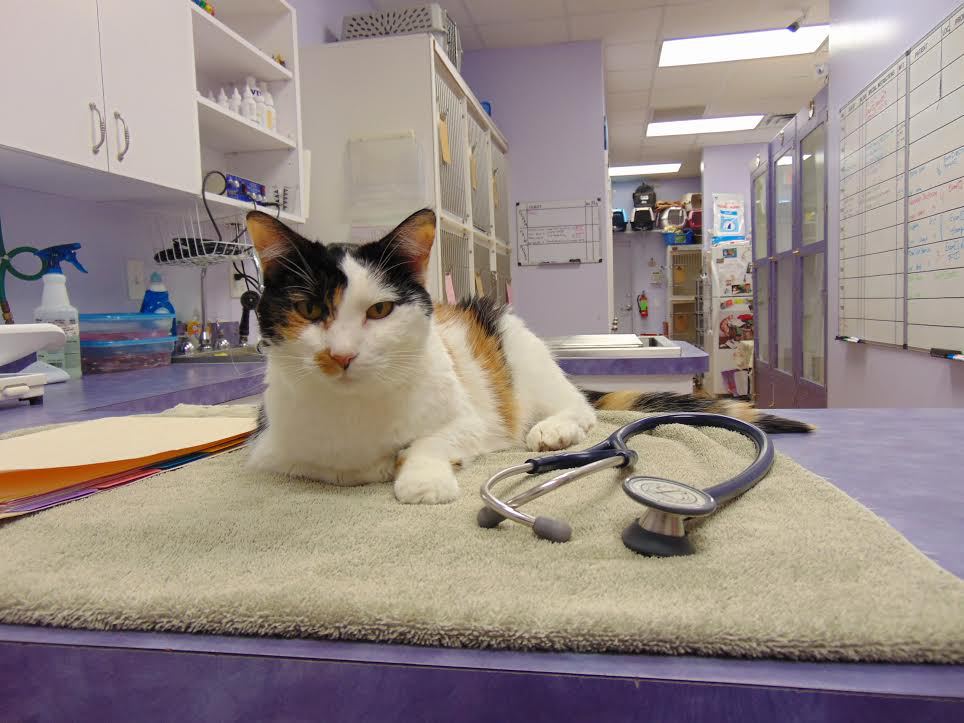
Conversations around pet end-of-life care are becoming more open and proactive by 2026. Owners are increasingly discussing quality-of-life benchmarks, comfort-focused treatments, and euthanasia decisions with veterinarians before crises occur. This planning helps reduce emotional distress and ensures decisions align with the animal’s well-being. Hospice-style care for pets is also more widely available, offering pain management and support at home. While emotionally difficult, these discussions are viewed as an extension of responsible and compassionate ownership.
18. Zoonotic Awareness Increases

Awareness of diseases that can pass between animals and humans remains elevated into 2026. Improved hygiene practices, routine veterinary screenings, and informed handling of exotic pets are becoming standard recommendations. This awareness doesn’t discourage pet ownership but encourages safer interactions, particularly in households with children or immunocompromised individuals. Education campaigns emphasize prevention through vaccination, parasite control, and proper sanitation. The result is a more informed public that understands shared health risks without fear-driven responses.
19. Data Shapes Vet Decisions
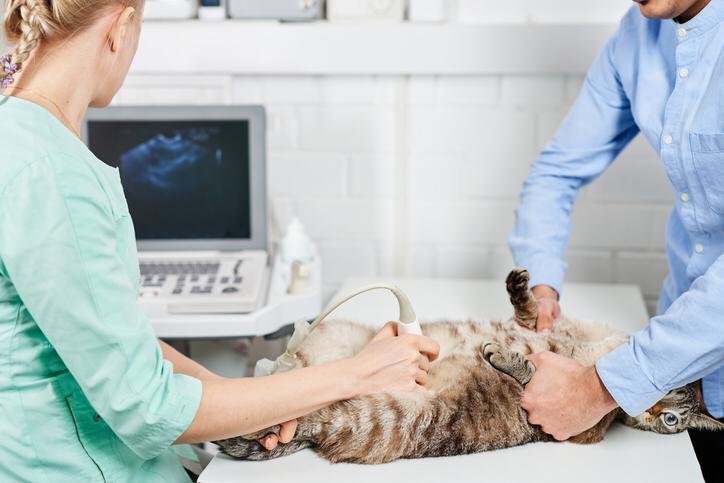
Veterinary medicine is increasingly data-driven by 2026, with anonymized health records contributing to broader insights into disease trends and treatment outcomes. Clinics can compare individual cases against larger datasets, improving accuracy in diagnosis and prognosis. This approach also supports evidence-based recommendations rather than anecdotal experience alone. While still evolving, data integration is helping standardize care quality and reduce guesswork, benefiting both animals and professionals.
20. Pets Viewed as Family

Perhaps the most defining shift by 2026 is how deeply pets are integrated into family life. Dogs, cats, and even exotic companions are increasingly included in daily routines, housing decisions, and financial planning. This mindset influences everything from medical care to nutrition and emotional investment. While this closeness brings responsibility, it also drives improvements across the pet care industry. Animals are no longer accessories or afterthoughts, they are recognized as long-term companions whose well-being matters deeply.
Taken together, these trends suggest that 2026 isn’t about radical change but thoughtful evolution. Advances in technology, ethics, and awareness are reshaping how people care for animals in practical, measurable ways.
Like this story? Add your thoughts in the comments, thank you.


