
1. Some Had Feathers and Were as Colorful as Birds
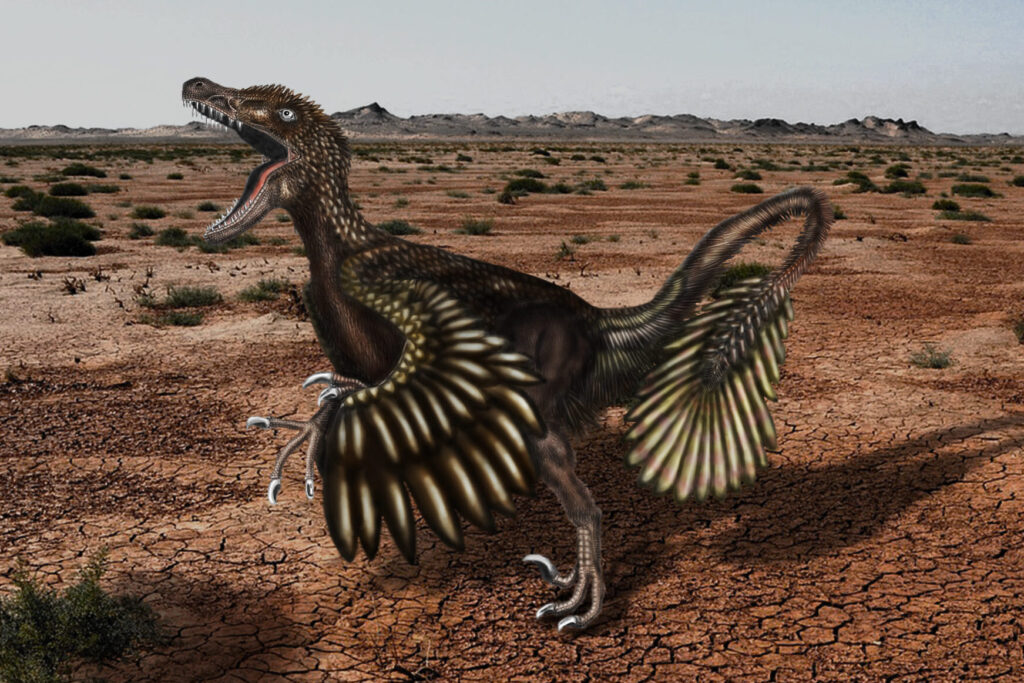
When we think of dinosaurs, we usually imagine giant, scaly beasts like the T. rex or Triceratops. But what if I told you that many dinosaurs were covered in feathers? Not just tiny, fluffy ones—some had long, striking plumes that made them look more like birds than lizards. Paleontologists have found fossilized feathers on dinosaurs like Velociraptor and Microraptor, proving that at least some of them were way more bird-like than Jurassic Park ever let on. And here’s the really wild part—scientists have even discovered the pigment cells in some of these fossilized feathers, meaning they can figure out what colors they were! Imagine a shimmering, iridescent dinosaur with blue or red feathers darting through prehistoric forests.
This completely changes the way we see dinosaurs. Instead of dull, scaly creatures, some of them might have looked like giant, terrifying peacocks. Why the feathers? Well, some were for warmth, others for flight, and some just for showing off to attract mates—just like modern birds. The idea that dinosaurs were drab and brown is officially extinct. So the next time you see a pigeon, just remember—you might be looking at a distant cousin of a raptor!
2. The T. rex Had a Bone-Crushing Bite, But It Also Had Sensitive Lips
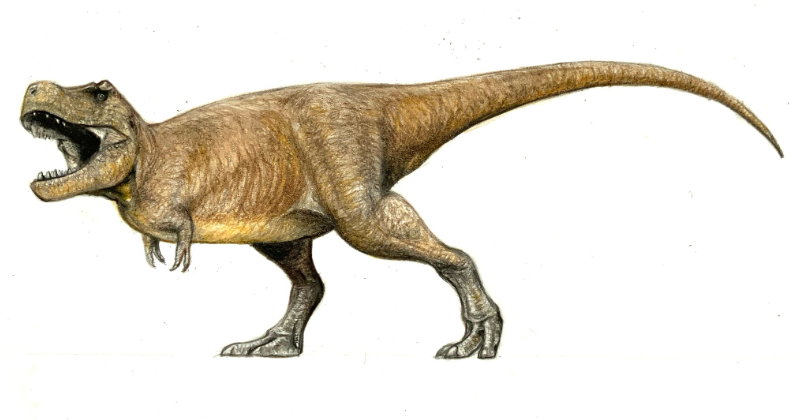
Tyrannosaurus rex is often shown with big, exposed teeth, like some kind of prehistoric crocodile. But recent research suggests that T. rex may have actually had lips covering those massive chompers! It sounds bizarre, but scientists now believe that having exposed teeth all the time would have dried them out and made them more brittle. Instead, T. rex likely had lips similar to those of modern-day lizards, keeping its teeth protected when it wasn’t biting into something. And speaking of biting—T. rex didn’t just bite, it absolutely crushed bones with a force of over 8,000 pounds per square inch! That’s like getting crushed under the weight of three small cars.
But what’s even more surprising? T. rex may have had a surprisingly sensitive side—literally. Studies of T. rex skulls show that the nerve endings in its snout were highly developed, meaning it could detect textures and even subtle changes in temperature. Some paleontologists believe this helped it carefully handle eggs or interact with other T. rexes in ways we never imagined. So while it was undoubtedly one of the most terrifying predators to ever walk the Earth, it might have also been capable of gentle, precise movements—at least when it wasn’t crushing bones for dinner.
3. Some Were As Small as Hummingbirds
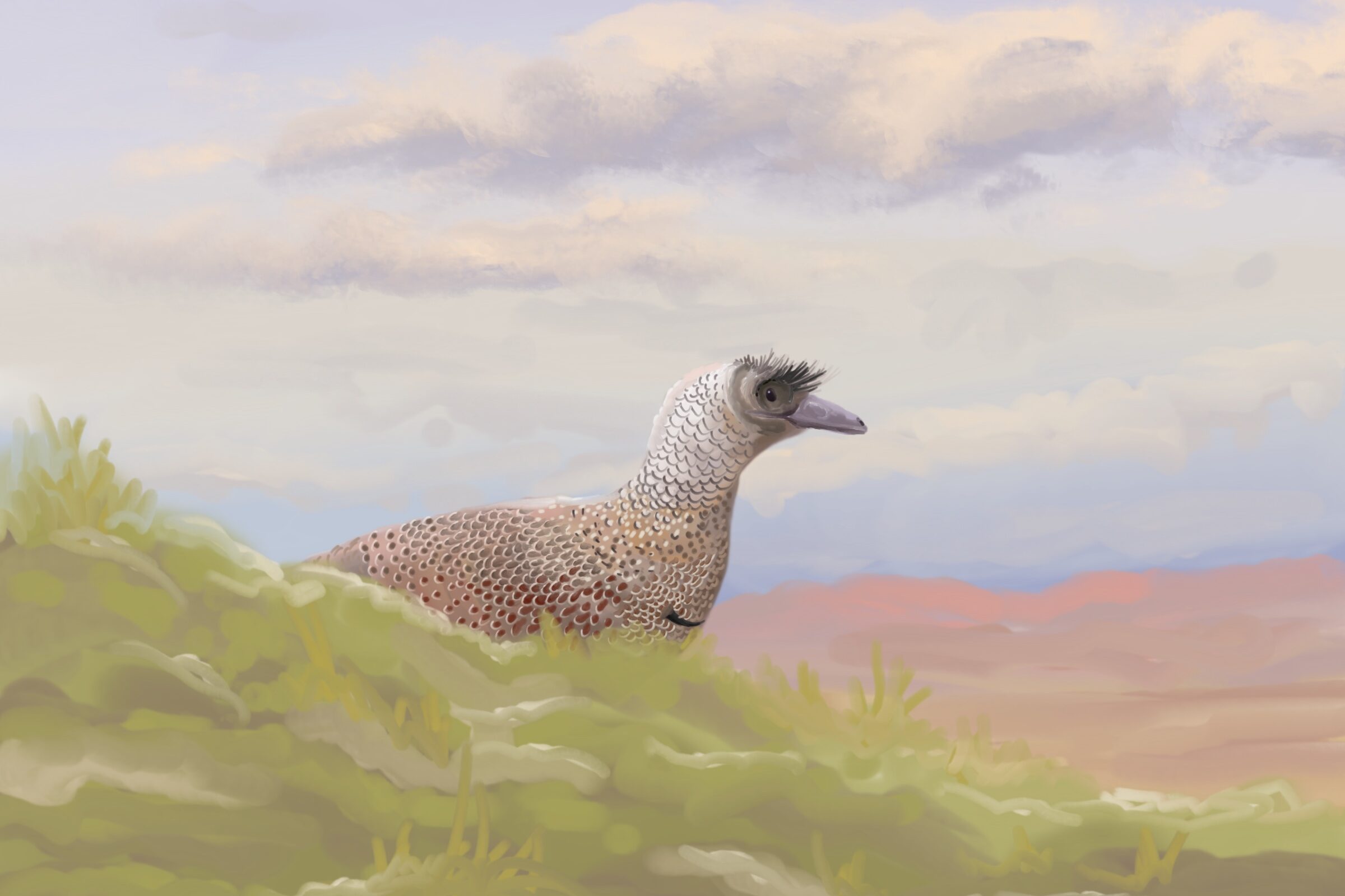
We all know about the gigantic dinosaurs like Brachiosaurus and Spinosaurus, but not all dinosaurs were towering giants. In fact, some were so small you could hold them in your hand! The smallest known dinosaur, called Parvicursor, was about the size of a hummingbird and weighed less than a pound. Imagine a tiny, darting creature with long legs built for speed, zipping through the underbrush like a prehistoric roadrunner. These little dinosaurs may have been just as fast and agile as today’s birds, using their quick reflexes to escape larger predators.
This proves that dinosaurs came in all shapes and sizes. We tend to focus on the big, scary ones, but the tiny ones were just as important to the prehistoric ecosystem. Some of them even evolved into the birds we see today. So the next time you watch a flock of sparrows fluttering around, just remember—you’re basically looking at miniature dinosaurs in action.
4. They Were Already in Trouble Before the Asteroid Hit
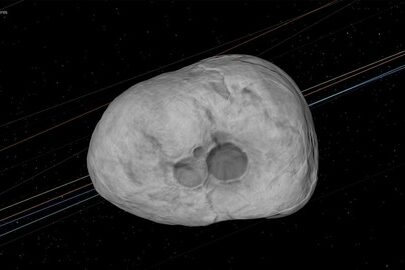
Most people believe dinosaurs were happily ruling the Earth until one day, BAM! A giant asteroid slammed into the planet, wiping them all out in an instant. But the truth is more complicated. By the time the asteroid hit 66 million years ago, many dinosaur species were already struggling. Climate changes, volcanic eruptions, and shifting ecosystems had put stress on many dinosaur populations, causing their numbers to decline. The asteroid was just the final blow—a catastrophic event that finished off what had already begun.
This means that even if the asteroid had missed Earth, dinosaurs might not have lasted forever. Some species may have evolved into something else, while others could have been replaced by emerging mammals. It’s a fascinating “what if” scenario—one that makes us wonder what the world would look like today if dinosaurs had found a way to survive. Would we have intelligent dinosaur-like creatures instead of humans? Would mammals have ever taken over? The extinction of the dinosaurs paved the way for us, but it’s mind-blowing to think how different things might have been.
6. Some Were Excellent Swimmers
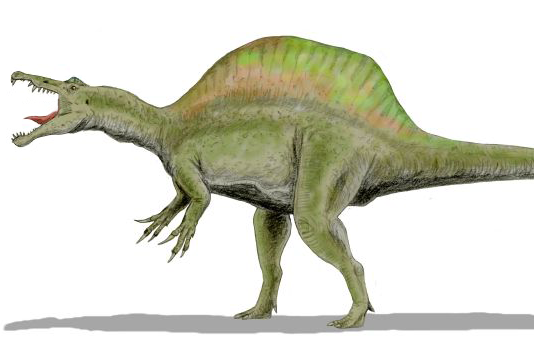
We tend to picture dinosaurs as land-dwellers, stomping across prehistoric plains and forests, but did you know that some dinosaurs were actually great swimmers? One of the best examples is Spinosaurus, a massive predator that could grow up to 50 feet long—making it even larger than T. rex. What makes Spinosaurus truly fascinating is that it had adaptations specifically for life in the water, including dense bones (which helped with buoyancy control) and a long, crocodile-like snout for snapping up fish. Fossil evidence even suggests it had a paddle-like tail, making it the first known dinosaur to have fully embraced an aquatic lifestyle.
And Spinosaurus wasn’t alone! Other dinosaurs, like Halszkaraptor, had features that suggest they might have been semi-aquatic, much like today’s ducks or otters. This discovery flips the script on how we view dinosaurs. They weren’t just confined to land—some of them were prowling ancient rivers and lakes, possibly even diving beneath the surface to hunt. This makes us wonder: how many other dinosaurs had unexpected lifestyles that we’ve yet to uncover?
7. They Had Some of the Most Bizarre Skulls in History
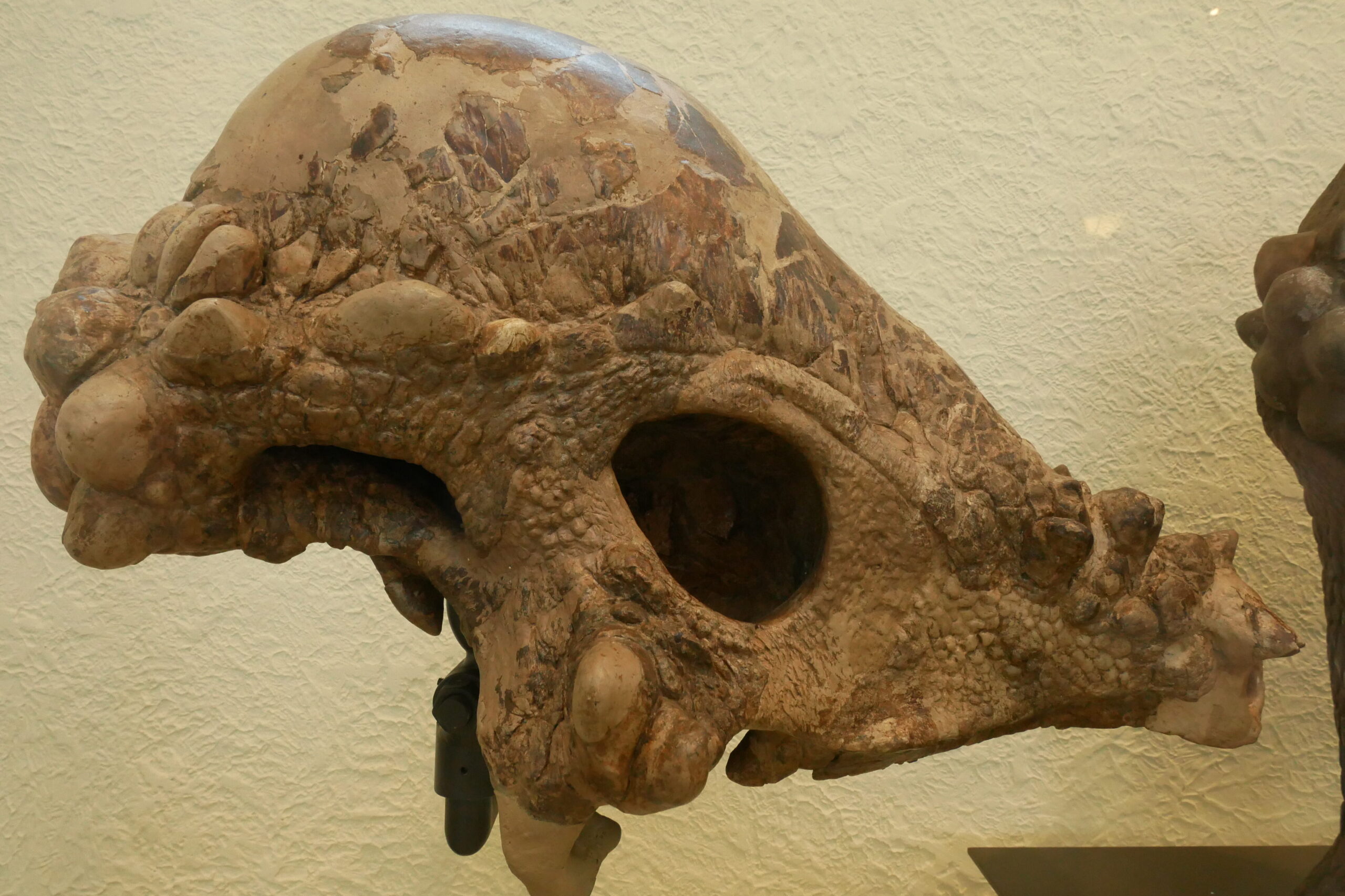
Dinosaurs came in all shapes and sizes, but some of them had skulls that looked straight out of a sci-fi movie. Take Pachycephalosaurus, for example—a dinosaur with a massive, domed skull that could be up to 10 inches thick! Scientists believe it used this bony helmet for head-butting rivals, much like modern-day rams. Then there’s Stygimoloch, a relative of Pachycephalosaurus, which had a dome covered in sharp spikes, making it look like something out of a fantasy novel.
But the real skull champion might be Dracorex, a dinosaur whose name literally means “dragon king.” With its spiky head and fierce-looking face, it’s no wonder some people joked that it resembled a dragon. And let’s not forget Carnotaurus, a predator with tiny, almost comical arms but a skull with forward-facing horns, giving it an appearance unlike any other dinosaur. These bizarre skulls remind us that dinosaurs were far stranger and more diverse than the typical T. rex and Triceratops we see in pop culture.
8. Some Were Social Butterflies
When you think of dinosaurs, you might imagine solitary hunters lurking through ancient landscapes, but the truth is, many dinosaurs were highly social creatures. Fossil evidence suggests that some species lived in herds, traveled in family groups, and even cared for their young. Take Maiasaura, whose name means “good mother lizard.” This dinosaur built nests, laid eggs, and took care of its babies long after they hatched—a behavior that feels surprisingly modern.
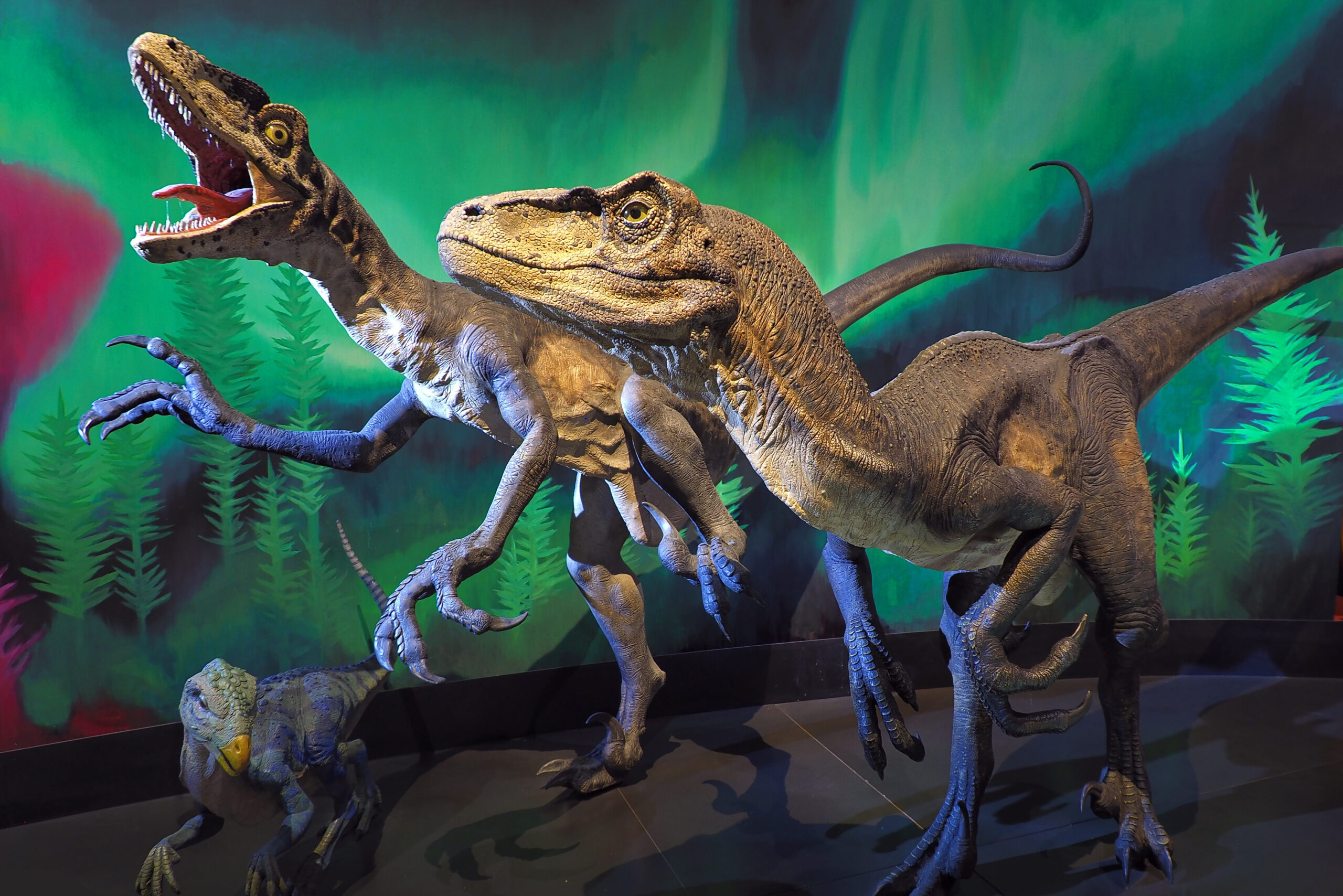
Even carnivores weren’t always loners. Studies suggest that Deinonychus, a relative of Velociraptor, may have hunted in packs, much like wolves. Imagine a coordinated group of these sickle-clawed predators working together to take down prey—terrifying, right? This social behavior makes dinosaurs feel less like ancient monsters and more like living, breathing animals with complex interactions. It also challenges the idea that only mammals and birds formed strong social bonds.
9. The Largest Creatures Had Built-In Air Conditioning
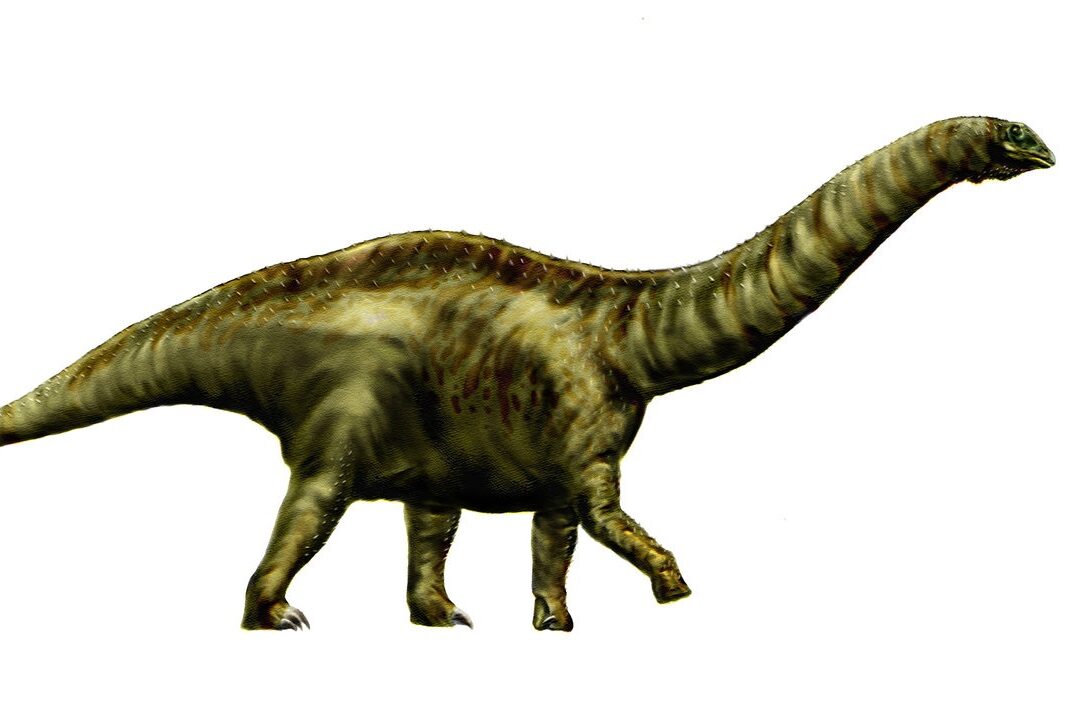
Gigantic dinosaurs like Brachiosaurus and Apatosaurus faced a serious challenge—how to keep their massive bodies from overheating. Imagine being a 60-ton dinosaur trying to stay cool under the prehistoric sun! Well, nature had a solution. These dinosaurs had a series of air sacs connected to their lungs, much like modern birds. These air sacs allowed them to take in more oxygen with each breath while also helping to regulate their body temperature.
This discovery is yet another link between dinosaurs and birds. These air sacs made it possible for sauropods to grow to such enormous sizes without overheating. It’s also likely that their long necks helped with heat distribution, preventing them from becoming walking furnaces. The more we learn about dinosaurs, the more we realize how incredibly adapted they were to their environments.
10. They Lived in Antarctica—Yes, Really

When we think of dinosaurs, we usually picture them roaming tropical jungles or vast deserts, but did you know that some dinosaurs lived in Antarctica? Back in the Mesozoic Era, Antarctica wasn’t the frozen wasteland it is today. Instead, it was covered in forests, and dinosaurs thrived there. Fossils of species like Cryolophosaurus, a meat-eating dinosaur with a funky crest on its head, have been found in the icy continent.
What’s even more surprising is that these dinosaurs had to endure long, dark winters. Since Antarctica was near the South Pole, it experienced months without sunlight, meaning dinosaurs living there had to adapt to harsh, cold conditions. Some scientists believe these dinosaurs might have hibernated or had other survival strategies, just like modern cold-weather animals. It’s a fascinating reminder that dinosaurs weren’t just rulers of warm climates—they found ways to survive even in the most unexpected places.
5. There’s a Good Chance Dinosaurs Are Still Alive—Sort Of
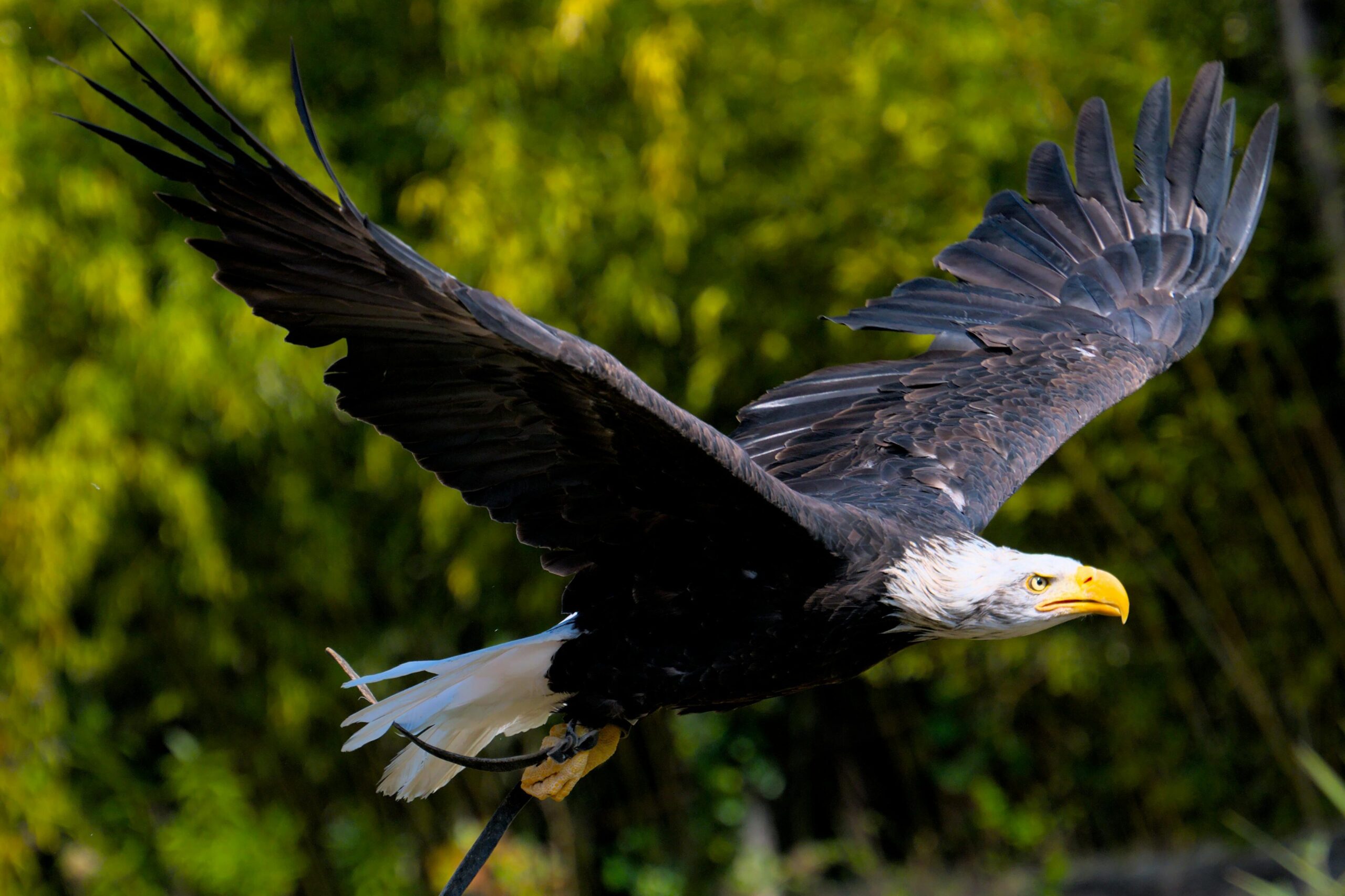
No, we’re not talking about Jurassic Park-style cloning (yet). But in a way, dinosaurs never really disappeared. If you want to see a living dinosaur, just step outside and look at the nearest bird. Chickens, pigeons, hawks, even tiny finches—they’re all direct descendants of dinosaurs. In fact, modern birds evolved from a group of theropod dinosaurs, which includes famous names like Velociraptor and T. rex. That means every time you eat a chicken nugget, you’re technically eating dinosaur meat!
This connection between birds and dinosaurs has changed the way scientists think about evolution. Instead of being completely wiped out, a small branch of dinosaurs survived and adapted, eventually turning into the birds we see today. And if you look closely at a bird’s skeleton—especially its legs and feet—you can still see traces of its dinosaur ancestry. So in a way, dinosaurs are still with us. They’re just smaller, lighter, and a whole lot less terrifying than their prehistoric cousins.


