
1. Toyota Corolla
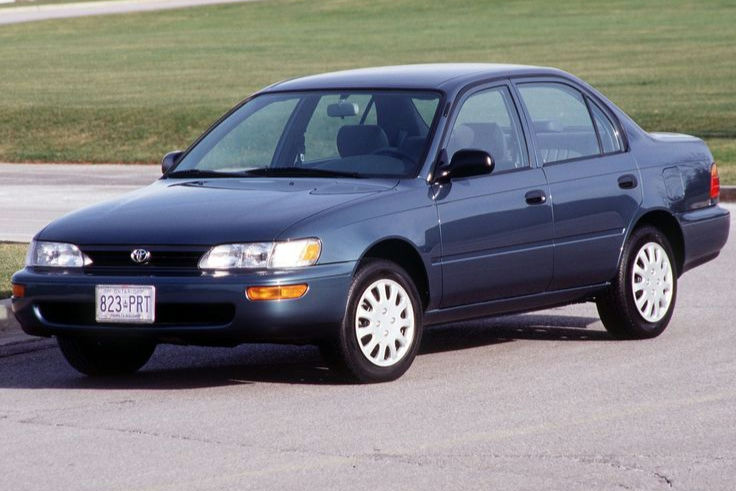
When the Toyota Corolla first arrived in 1966, it was a humble little car, but it quickly grew into a global giant. By the time the 1973 oil crisis hit, families were desperate for something that didn’t guzzle expensive fuel, and the Corolla was the perfect answer. It earned a reputation for being “unkillable,” starting up every single morning without a fuss. In 1997, it officially took the crown as the best-selling car model in history, even passing the legendary VW Beetle. By the time 2021 rolled around, Toyota had sold over 50 million of these dependable machines, making it a permanent fixture in driveways from Tokyo to Texas.
The secret to its long life is that it never tried to be a flashy race car; it just focused on being a better version of itself. In the 1980s, it gained anti-lock brakes, followed by airbags in the 1990s and advanced “Safety Sense” tech in the 2010s. Parents loved it because it was cheap to fix and held its value remarkably well when it was time to sell. It became the classic “first car” for teenagers, often being handed down through siblings like a well-loved winter coat. Today, the Corolla remains the gold standard for anyone who wants a car that puts common sense and reliability above everything else.
2. Volkswagen Golf
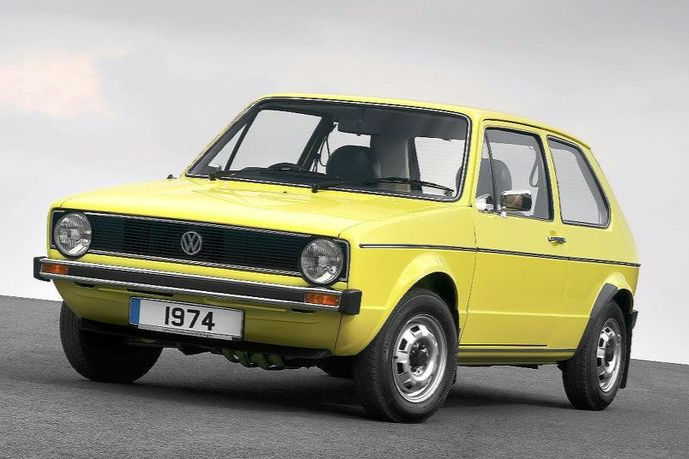
Launched in May 1974, the Volkswagen Golf had the impossible task of replacing the iconic Beetle. Designed by the famous Giorgetto Giugiaro, its “folded paper” look was a massive departure from the rounded cars of the past. It utilized a front-wheel-drive layout, which meant the inside was surprisingly roomy for such a compact frame. This was the car that basically invented the “hot hatch” category when the sporty GTI version debuted in 1976. For European families in the late 1970s, the Golf was the ultimate urban companion, small enough to park anywhere but sturdy enough for a long summer holiday across the continent.
By the 1980s, the Golf was the go-to choice for sensible, modern living. It offered a clever hatchback design with folding rear seats that could swallow up a week’s worth of groceries or a small bicycle. Throughout the 1990s and 2000s, it led the way in safety, being one of the first small cars to feel as solid and secure as a luxury sedan. Now in its eighth generation as of 2019, the Golf is still a symbol of classless quality. It is a car that looks just as right parked outside a fancy hotel as it does at a local supermarket, proving that practical design never goes out of style.
3. Honda Accord
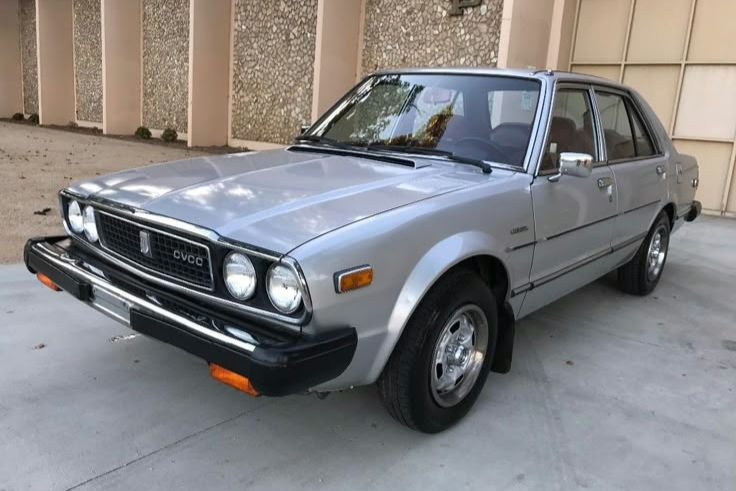
The Honda Accord started its journey in 1976 as a small hatchback, but it didn’t stay small for long. By the 1980s, it had transformed into a sophisticated sedan that challenged the best American and European brands. A major turning point came in 1982 when it became the first Japanese car to be manufactured in the United States, specifically in Marysville, Ohio. Families quickly fell in love with its “bulletproof” engineering. It wasn’t unusual to hear stories of Accords reaching 200,000 or even 300,000 miles with nothing more than basic oil changes. It was the car that rewarded you for being a responsible owner.
During the 1990s, the Accord became the “sensible” choice for middle-class households everywhere. It offered a smooth, quiet ride and an interior that felt much more expensive than the price tag suggested. Honda introduced high-tech VTEC engines in the mid-90s, providing a bit of pep without sacrificing fuel economy. Safety also became a core focus, with the car consistently earning top marks in crash tests. For decades, parents chose the Accord because it offered total peace of mind. You knew it wouldn’t let you down on the way to a dance recital or a soccer game. It remains a masterclass in how to build a car that people truly trust.
4. Ford Escort
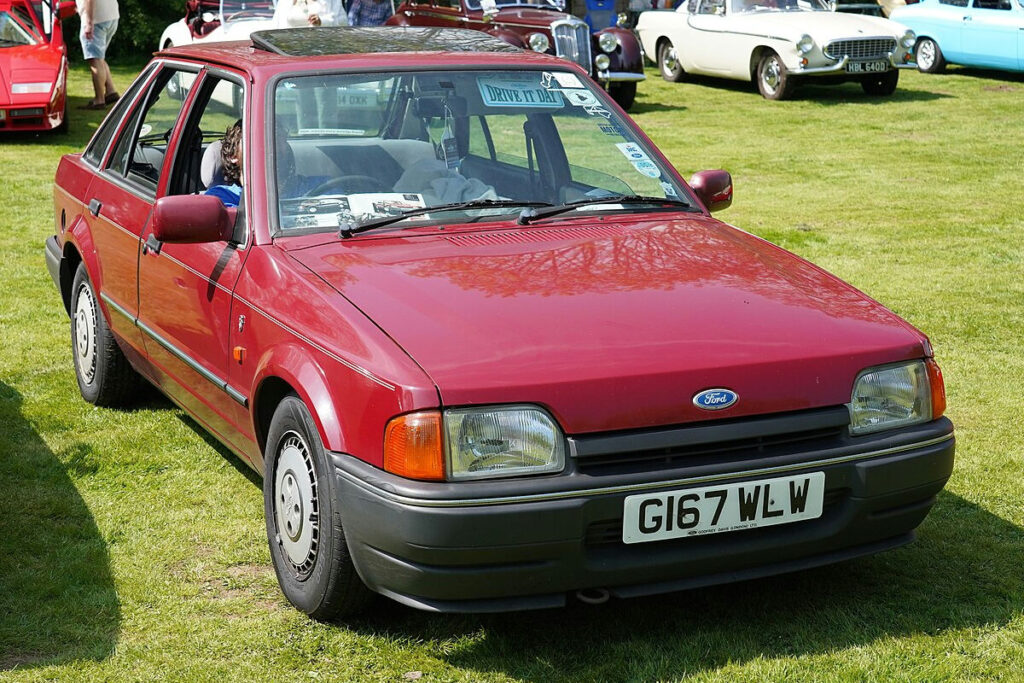
For families in Britain and Europe, the Ford Escort was the soundtrack to the 1970s and 80s. Originally launched in 1968, it became a runaway success because it was “the car for everyone.” Whether you were a plumber needing a van or a family of four needing a weekend getaway vehicle, there was an Escort for you. In 1980, Ford gave the car a massive “front-wheel-drive” makeover, known as the Mk3, which made it much more modern and spacious. It was affordable, easy to park, and, perhaps most importantly, incredibly simple for a “backyard mechanic” to fix with basic tools on a Sunday afternoon.
The Escort was a true chameleon of the motoring world. You could get a basic model for commuting or a high-performance RS version that won rallies on the weekends. This gave the car a “cool factor” that other family sedans lacked. By the time production shifted toward the Focus in 1998, Ford had sold over 20 million units globally. It wasn’t a car that pretended to be fancy or elite. Instead, it was a loyal servant that carried millions of kids to school and workers to factories. For many people, the Escort represents the era when owning a car finally felt like an attainable dream for every household.
5. Volvo 240
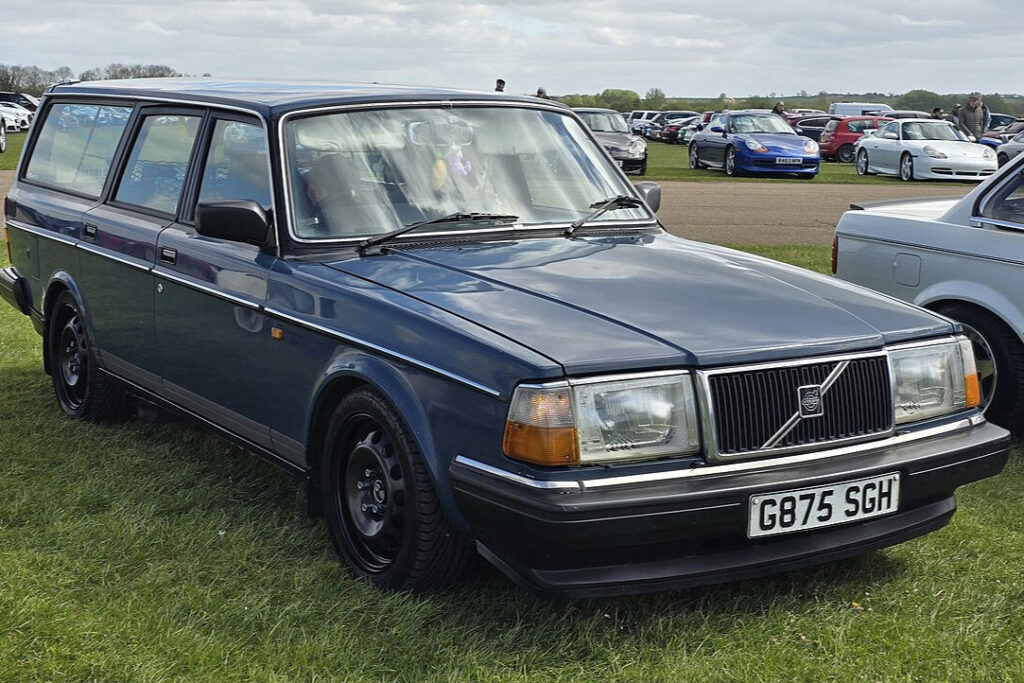
If you grew up in the 1970s or 80s, you likely remember the “boxy” Volvo 240. Introduced in 1974, this car didn’t care about being pretty; it cared about keeping your family alive. Long before safety was a major selling point for other brands, Volvo was busy inventing crumple zones and reinforcing side pillars. In 1976, the US government even bought a fleet of 240s to set the standard for vehicle safety testing. It earned the affectionate nickname “The Brick” because of its square shape and its legendary ability to survive almost any fender bender with barely a scratch.
The 240 was especially beloved by families who had a lot of gear. The station wagon (estate) version was massive, offering enough room for the family dog, camping gear, and a week’s worth of luggage. It was a common sight in university towns and suburbs, often seen with “High Mileage Club” stickers on the back window. Some of these cars famously stayed on the road for over 400,000 miles. Although the last 240 rolled off the assembly line in May 1993, many are still being driven today by enthusiasts. It proved that a car designed with honesty and safety at its heart would never really go out of fashion.
6. Toyota Camry
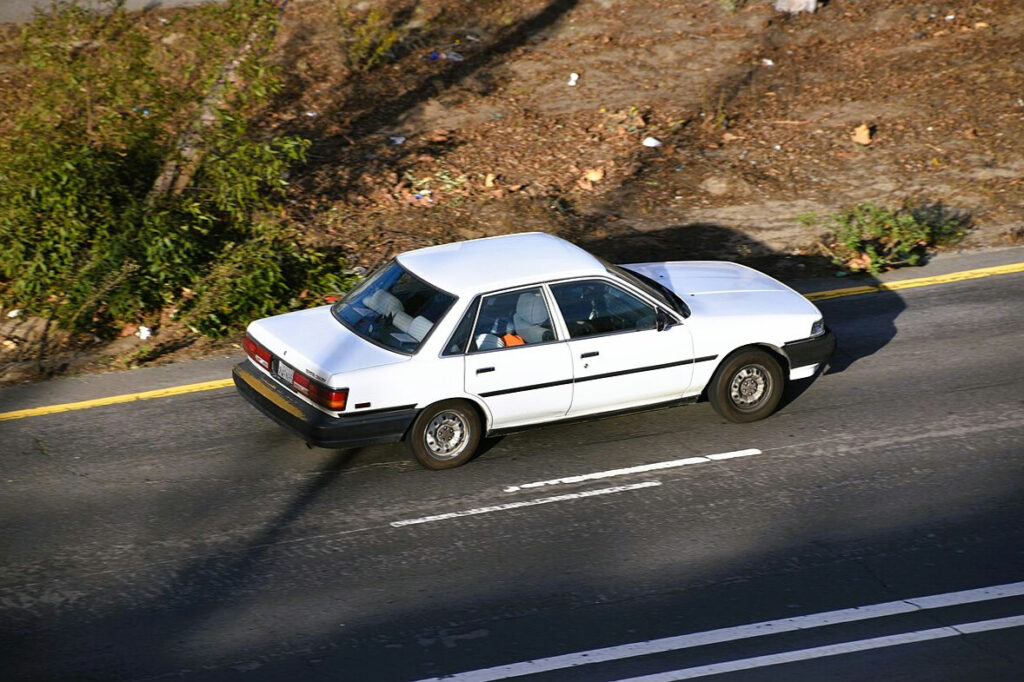
Since its global debut in 1982, the Toyota Camry has been the “quiet achiever” of the automotive world. It didn’t try to win any beauty contests, but it won the hearts of millions of parents by being incredibly reliable. By 1997, it became the best-selling passenger car in the United States, a title it held for over twenty years. Families loved it because the back seat was huge, the trunk could fit a mountain of suitcases, and the engine was so quiet you sometimes forgot it was even running. It was the ultimate “no-drama” car for people who just wanted to get where they were going.
As the years went by, Toyota kept making the Camry smarter and more comfortable. In 2006, they introduced a hybrid version, which was a game-changer for families worried about rising gas prices and the environment. By the time the 2018 model arrived with its sleek new look, the Camry had proved it could be stylish as well as sensible. It is the kind of car people keep for fifteen years because it simply refuses to break. For forty years, it has been the reliable backdrop to countless road trips and morning commutes, proving that being consistent is often better than being flashy.
7. Chrysler Voyager
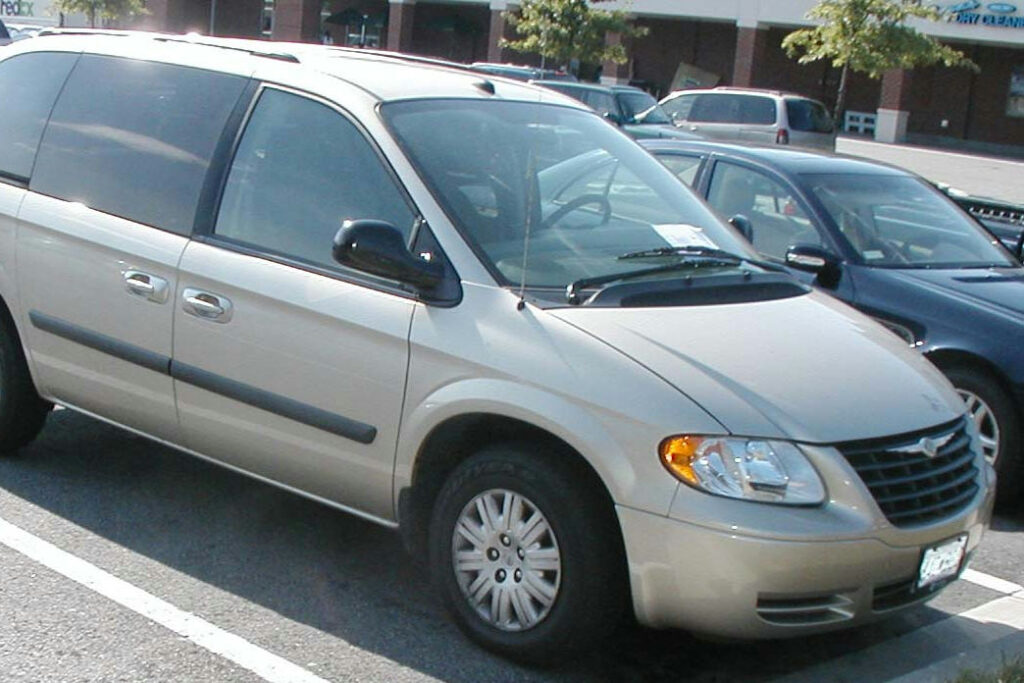
In 1984, Chrysler did something revolutionary: they invented the modern minivan. The Voyager (and its twin, the Dodge Caravan) changed family travel forever. Before this, families had to cram into station wagons or large, thirsty vans. The Voyager offered a “middle ground” with a flat floor, sliding doors, and enough seats for the whole neighborhood. It was designed from the inside out, focusing on how people actually used their cars. Suddenly, getting a toddler into a car seat in a tight parking lot wasn’t a nightmare anymore, thanks to those brilliant sliding side doors.
The 1990s were the golden age for the Voyager. It became the ultimate “living room on wheels,” complete with cup holders for everyone and rear air conditioning. In 2004, Chrysler introduced “Stow ‘n Go” seating, which allowed the rear seats to disappear into the floor in seconds, turning a passenger van into a cargo hauler. For many kids born in the 80s and 90s, the Voyager was where they watched their first movies on a portable VCR or played travel games on long summer drives. It might not have been “cool” to teenagers, but to parents, it was the greatest labor-saving device ever parked in a garage.
8. Ford Taurus
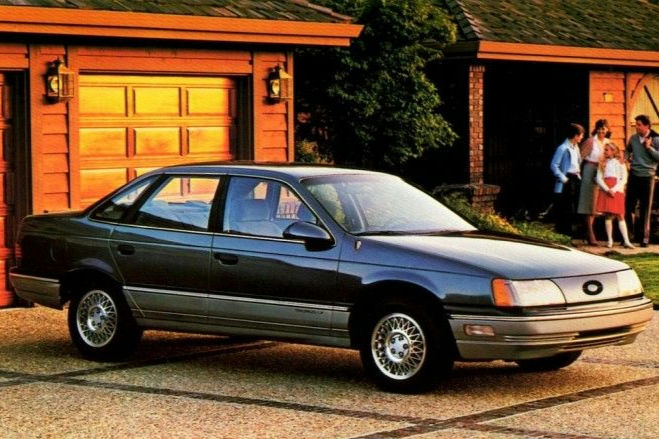
The 1986 Ford Taurus was a total shock to the system. At a time when most cars looked like boxes on wheels, the Taurus arrived with a smooth, aerodynamic “jellybean” shape. It was a massive gamble for Ford, which was struggling financially at the time, but the gamble paid off brilliantly. Families loved the futuristic look and the user-friendly interior. It was designed with “ergonomics” in mind, meaning the buttons and knobs were exactly where your hand expected them to be. It quickly became the best-selling car in America, a spot it held until the mid-1990s.
Beyond the sleek looks, the Taurus was a deeply practical family sedan. It had a wide cabin that could comfortably seat six people if you opted for the front bench seat, and the trunk was cavernous. In 1992, a major redesign made it even more refined, and the high-performance SHO version proved that a family car could also be fast. While the “oval” design of 1996 was a bit controversial, the Taurus remained a staple of American roads for decades until it was finally discontinued in 2019. It will always be remembered as the car that forced every other manufacturer to start taking aerodynamics and modern design seriously.
9. Subaru Outback
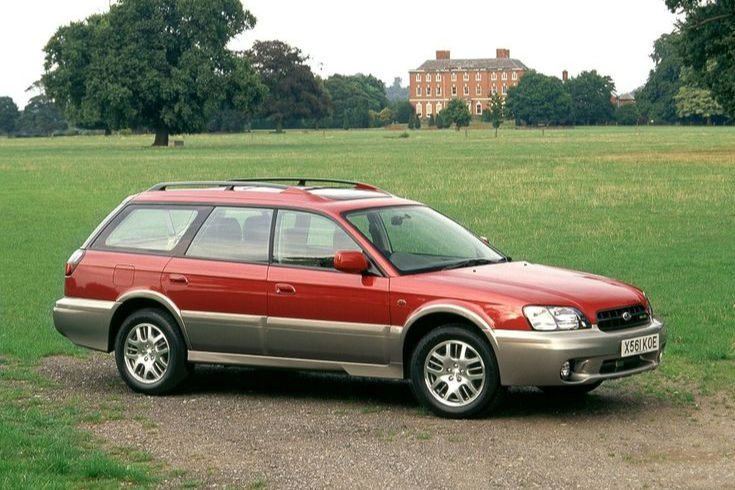
When the Subaru Outback debuted in 1994, it created a whole new category of vehicle: the “Sport Utility Wagon.” Based on the Legacy station wagon, it featured a raised suspension and heavy-duty plastic cladding to handle rough roads. With the help of famous “Crocodile Dundee” actor Paul Hogan in the advertisements, the Outback became the face of adventure. It was perfect for families who lived in snowy climates or those who liked to spend their weekends hiking and camping. You didn’t need a giant, gas-guzzling SUV to go off the beaten path; you just needed a Subaru.
The Outback’s real superpower was its standard Symmetrical All-Wheel Drive. This gave parents a huge amount of confidence when driving in rain or snow, knowing the car would grip the road. Over the years, it gained a cult-like following of loyal owners who appreciated its “go-anywhere” attitude and top-tier safety ratings. By the 2010s, it had grown into a more luxurious vehicle with advanced “EyeSight” driver-assist technology, yet it never lost its rugged soul. It remains the top choice for active households that want a car that is just as comfortable at a muddy trailhead as it is at a nice restaurant.
10. Honda Odyssey
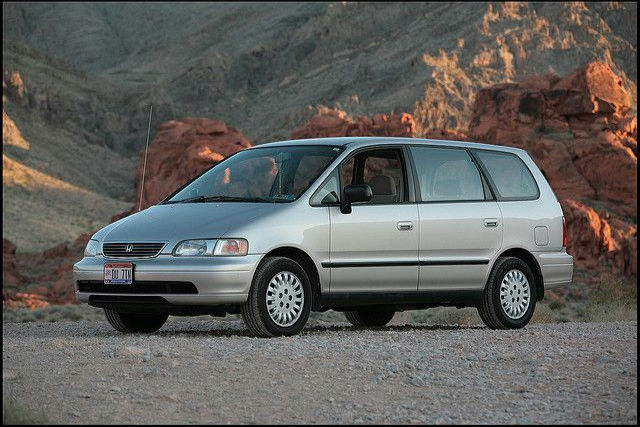
The Honda Odyssey arrived in 1994 and immediately set a new standard for how a minivan should drive. While most vans felt like driving a bus, the Odyssey felt like a car. It was nimble, easy to steer, and surprisingly quick. Families who were hesitant to give up their sedans found the Odyssey to be the perfect compromise. But the real magic happened in 1999 when the second-generation model was released. It featured the “Magic Seat,” a third-row bench that could fold completely flat into the floor in one simple motion, a feature that every other minivan manufacturer quickly scrambled to copy.
Honda didn’t stop there. They kept adding “how did we live without this?” features, like power-sliding doors and even a built-in vacuum cleaner called the “HondaVAC” in 2014. It became the ultimate tool for busy parents managing carpools and sports equipment. The Odyssey consistently earned the highest reliability and safety scores, making it a favorite for long-term ownership. It transformed the image of the minivan from a boring “mom-mobile” into a high-tech command center for the modern family. Even as SUVs become more popular, the Odyssey continues to prove that nothing beats a minivan for sheer interior space and everyday convenience.
11. Nissan Altima
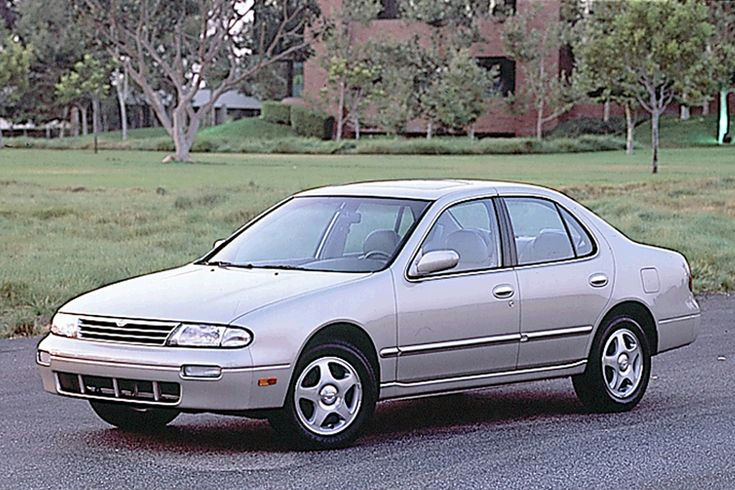
The Nissan Altima first arrived in June 1992 as a 1993 model, originally intended to replace the aging Stanza. It quickly stood out in a crowded market by offering a sportier feel than its rivals, the Toyota Camry and Honda Accord. Produced in Smyrna, Tennessee, the Altima became a massive hit in North America, with over 5.6 million units sold by 2018. Families appreciated the balance of a smooth ride and a peppy engine, making the daily school run feel a bit less like a chore. By the early 2000s, it had grown into a spacious mid-size sedan that offered plenty of room for growing teenagers and their sports gear.
Safety and technology eventually became the Altima’s calling cards as it moved through six generations of design. The 2002 model was a major turning point, introducing a much larger interior and better crash protection that gave parents extra peace of mind. By the 2010s, Nissan began adding “Intelligent Mobility” features, such as emergency braking and blind-spot warnings, as standard equipment. This focus on protecting passengers helped the Altima remain a top choice for households watching their budgets but refusing to compromise on safety. It has quietly served as a reliable, comfortable companion for over three decades, proving that a sensible car can still be enjoyable to drive every day.
12. Peugeot 405
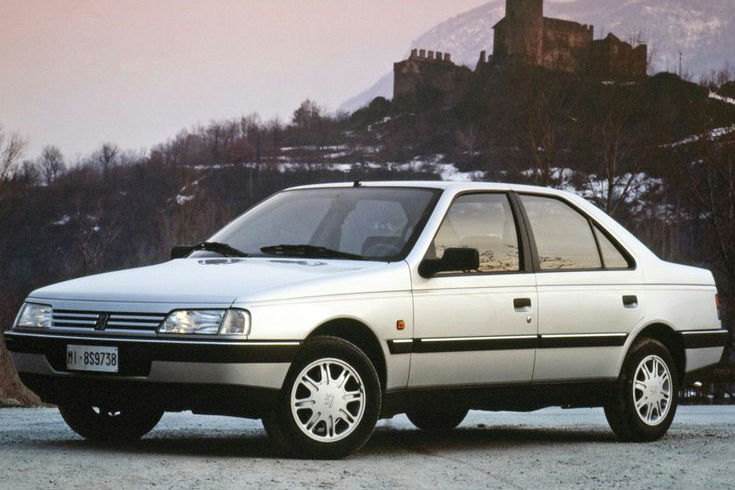
Launched in July 1987, the Peugeot 405 was a breath of fresh air for European families who wanted style along with practicality. It was so well-received that it won the European Car of the Year award in 1988 with the highest number of votes in the contest’s history. Designed by the legendary Pininfarina, it had a sleek, modern look that made it feel much more expensive than it actually was. Families loved the 405 because it offered a famously comfortable ride, soaking up bumps on cobblestone streets and long motorways alike. By 1990, Peugeot had already celebrated the production of its one-millionth unit at the Sochaux factory in France.
While it was a hit in Europe until 1997, the 405’s story actually continued for decades in other parts of the world, like Iran and Egypt. It was a car known for its tough engines, especially the diesel versions that could easily cover hundreds of thousands of miles. The estate (station wagon) version, which debuted in May 1988, was a favorite for households that needed extra room for holiday luggage or the family dog. Even though it hasn’t been sold in Western Europe for years, its reputation for durability and classic design remains strong. It proved that a family car could be both beautiful and rugged enough to handle years of heavy daily use.
13. Renault Espace
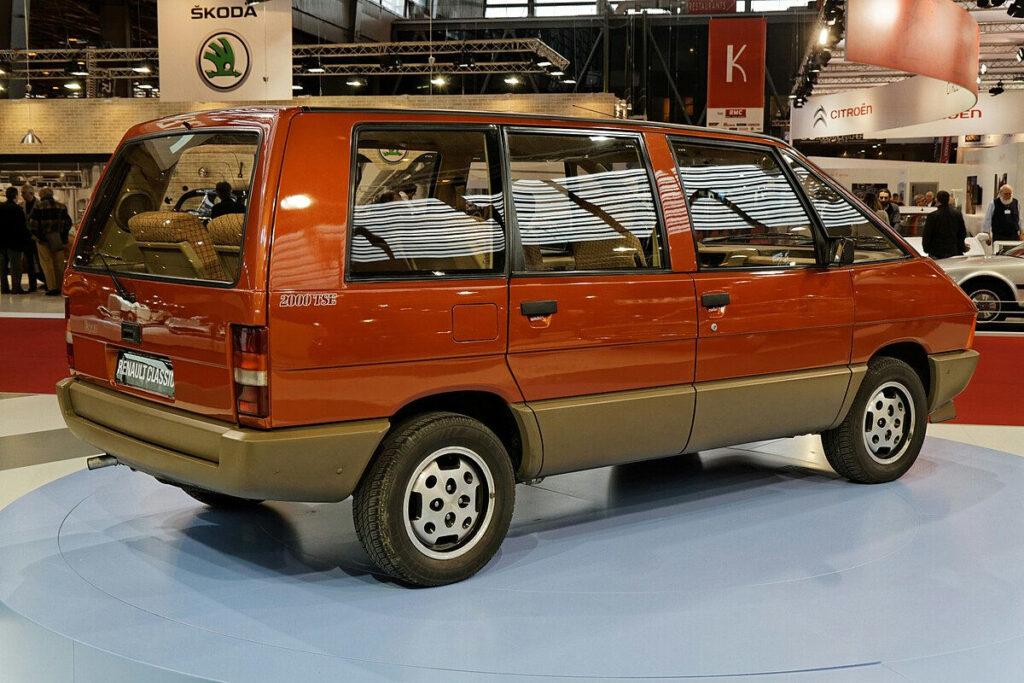
The Renault Espace completely changed the way European families thought about travel when it debuted in July 1984. Developed in partnership with Matra, it was the continent’s very first “multi-purpose vehicle” (MPV). At first, people were skeptical of its boxy, van-like shape, but they soon fell in love with its incredible interior. The front seats could actually swivel 180 degrees to face the back, turning the car into a mobile living room when parked. By 1996, Renault had produced over 500,000 units, proving that families valued flexibility and space more than a traditional sedan’s trunk. It made every long road trip feel like a shared adventure.
As the Espace moved through the 1990s, it became the gold standard for large households. It offered huge windows that gave children a great view of the passing scenery, which famously helped reduce motion sickness. Safety was also a major focus; by the third generation in 1996, it featured a lightweight but very strong body structure to protect passengers. It wasn’t just a car; it was a “tool for living” that could be a bus one day and a cargo van the next. The Espace paved the way for every other European carrier that followed, showing that the best family vehicles are the ones that adapt to your life.
14. Chevrolet Impala
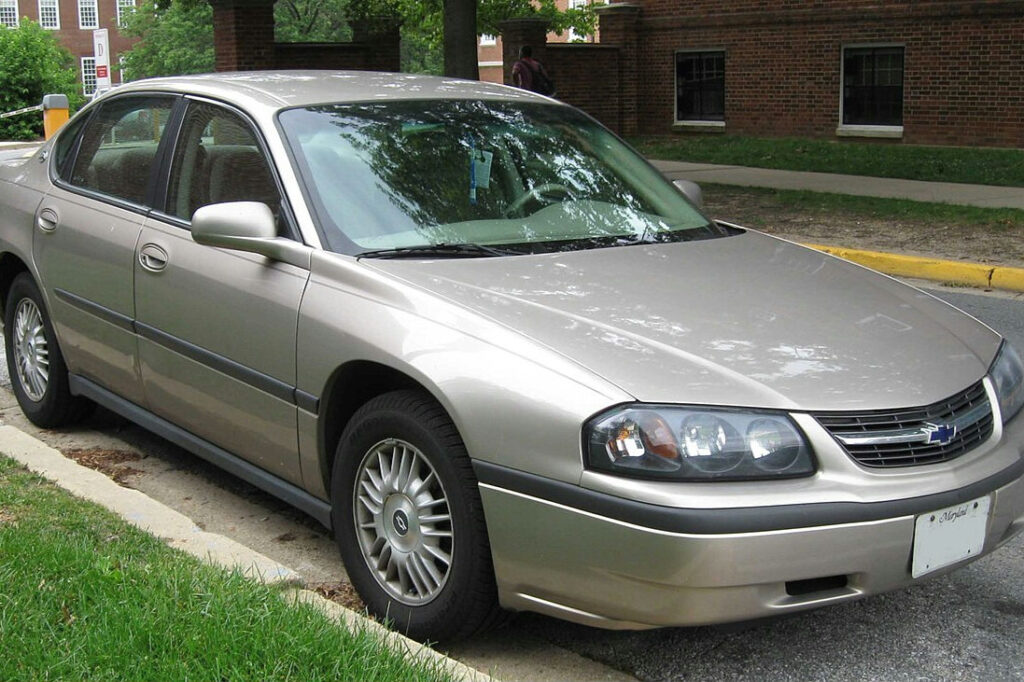
The Chevrolet Impala is an American legend that has been in and out of production since 1958, but its most important era as a family car began in 2000. Reintroduced as a modern front-wheel-drive sedan, it quickly became a staple for households that wanted a big, comfortable cruiser. It was famous for its massive trunk and the rare ability to seat six people thanks to an optional front bench seat. By 2006, a major redesign gave it a cleaner look and even more safety features, like standard side-curtain airbags. It was a car that felt substantial and safe on the highway, making it the perfect choice for long summer vacations.
Throughout the early 2000s, the Impala earned a reputation for being incredibly easy to live with. Its V6 engines were known for being simple to maintain, which kept long-term ownership costs low for busy families. In 2014, the tenth and final generation arrived, earning high praise from consumer groups for its quiet cabin and luxury-level comfort. Although production officially ended in February 2020 as buyers shifted toward SUVs, the Impala remains a beloved part of American motoring history. For many, it represented the classic “big family car”, a dependable, roomy, and honest vehicle that never struggled to carry everyone and their luggage in total comfort.
15. Volkswagen Passat
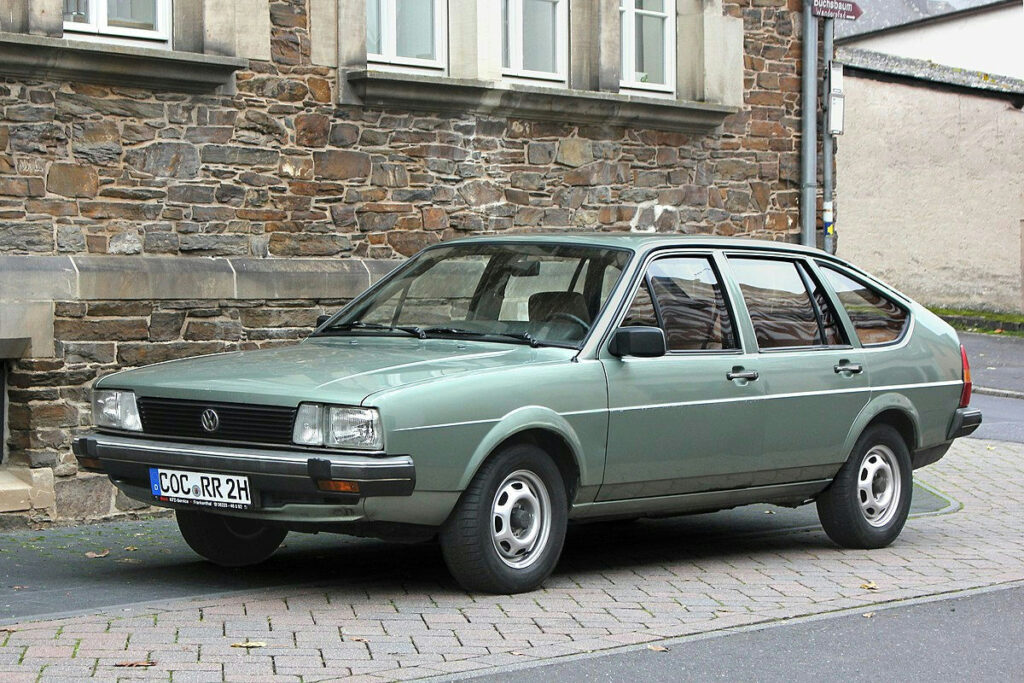
Since its debut in 1973, the Volkswagen Passat has been the “big brother” to the Golf, offering more room and a touch of class for growing families. Over eight generations, it evolved from a simple hatchback into a sophisticated sedan and estate that rivaled luxury brands. It was particularly successful in the late 1990s when the “B5” model arrived with a high-quality interior that felt way ahead of its time. In 2015, the Passat even won the prestigious “iF Gold Award” for its elegant design. It became the go-to choice for parents who wanted a car that was sensible for school but felt special for a night out.
Safety has always been at the heart of the Passat’s mission. By the 2000s, it was packed with technology like electronic stability control and multiple airbags, earning top marks in crash tests across the globe. The estate version became a legendary “workhorse,” famous for its cavernous cargo space that could handle everything from flat-pack furniture to bulky camping gear. In recent years, Volkswagen has introduced plug-in hybrid models, allowing families to handle their daily errands using only electric power. With over 30 million units sold worldwide, the Passat has proven that consistent quality and understated style are exactly what many modern households are looking for in a vehicle.
16. Dodge Caravan
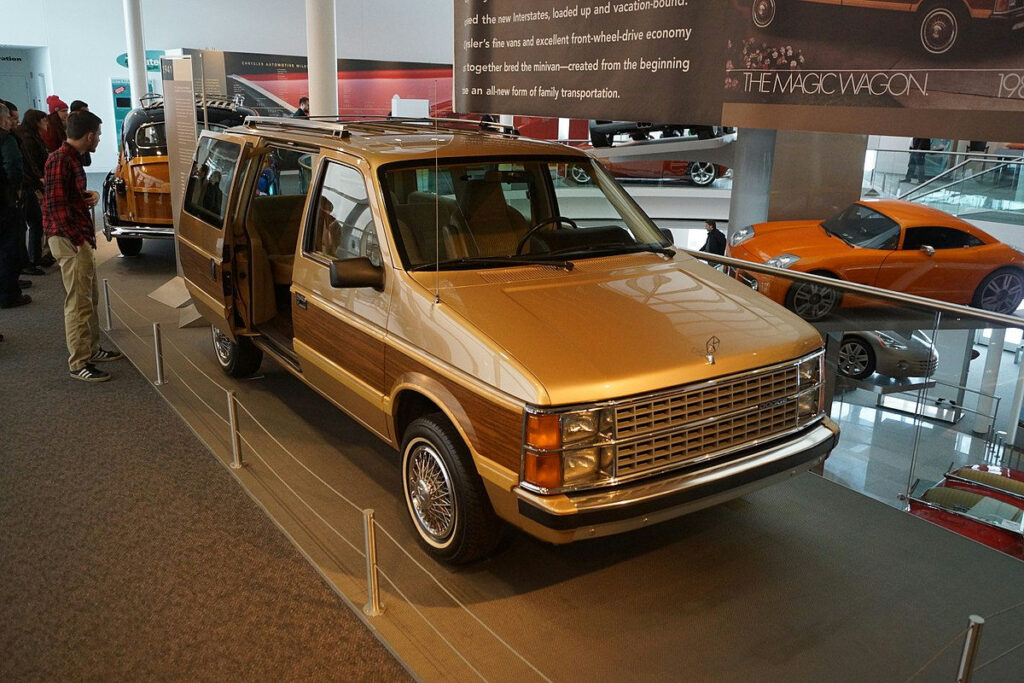
The Dodge Caravan changed the American driveway forever when it launched in late 1983 as a 1984 model. Alongside its twin, the Plymouth Voyager, it created the “minivan” segment, selling over 210,000 units in its very first year. It was the “magic wagon” that every parent wanted because it sat on a car-like chassis but had the space of a small bus. The low floor made it easy for toddlers to climb inside, and the sliding door meant no more worrying about kids dinging other cars in the parking lot. It was a vehicle designed specifically to make the hectic lives of parents just a little bit easier.
One of the Caravan’s biggest milestones came in 2005 with the introduction of “Stow ‘n Go” seating. This clever system allowed the second and third-row seats to fold completely flat into the floor in seconds, a feature that over five million families have enjoyed since. It meant you could go from carrying seven passengers to hauling a stack of plywood without ever having to remove a heavy seat from the van. Although the Dodge nameplate was eventually replaced by the Chrysler Pacifica and Voyager, the Caravan’s legacy is undeniable. It spent nearly forty years as the ultimate family utility tool, helping millions of people navigate the beautiful chaos of raising a family.
17. Ford Mondeo
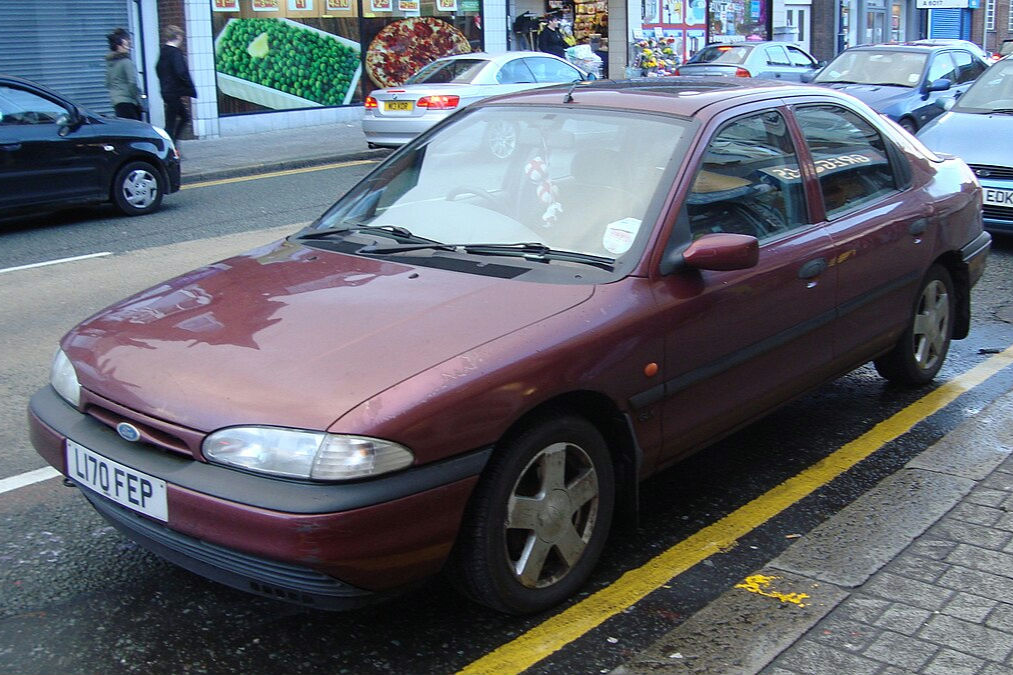
The Ford Mondeo arrived in 1993 with a big ambition: to be a “world car” that appealed to drivers on every continent. Replacing the famous Ford Sierra, it brought a new level of handling and safety to the average family sedan. It was so influential in the UK that the phrase “Mondeo Man” was even coined to describe a typical middle-class voter. Families loved it because it felt solid and sporty, yet it was surprisingly affordable to run. By the time the second generation launched in 2000, it had become one of the most common sights in suburban driveways, admired for its massive interior and class-leading trunk space.
Throughout its 29-year production run, the Mondeo was a pioneer in bringing high-end safety to the masses. It was one of the first cars in its class to make features like heated windshields and multiple airbags widely available. The estate version was a particular favorite for families who needed to haul heavy loads without sacrificing the comfort of a sedan. However, as more households began choosing SUVs like the Ford Kuga, demand for traditional sedans started to fade. In March 2022, the last European Mondeo rolled off the assembly line in Spain. It left behind a legacy as a faithful, hardworking companion that defined an entire era of family motoring.
18. Toyota RAV4
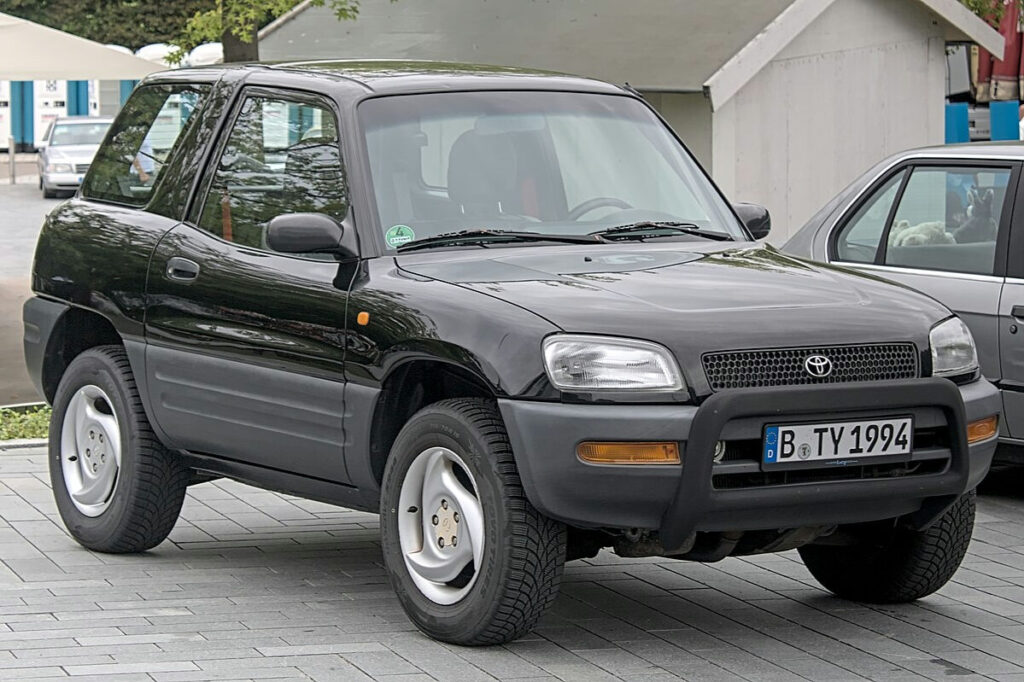
When Toyota launched the RAV4 in 1994, they essentially invented the “compact crossover” SUV. Before this, most SUVs were large, heavy, and difficult to drive in the city. The RAV4 was different because it was built on a car-like frame, making it easy to park and fuel-efficient, yet it still offered a high driving position and optional four-wheel drive. It was a massive hit with parents who wanted a bit of adventure in their lives but still needed a practical car for the grocery run. By February 2020, Toyota had sold a staggering 10 million units globally, making it the best-selling SUV of all time.
The RAV4 has always stayed ahead of the curve by focusing on what families actually need. In the 2000s, it grew larger to offer more legroom and a bigger cargo area, while the fifth generation introduced in 2018 added a rugged new look and advanced hybrid options. Today, the RAV4 Hybrid and Plug-in Hybrid models are incredibly popular because they allow families to save money at the pump while still having plenty of power for weekend trips. It has become the “new standard” for family transportation, replacing the sedans of the past with a vehicle that is ready for anything. Its success shows that versatility is the most important feature of all.
19. Honda Civic
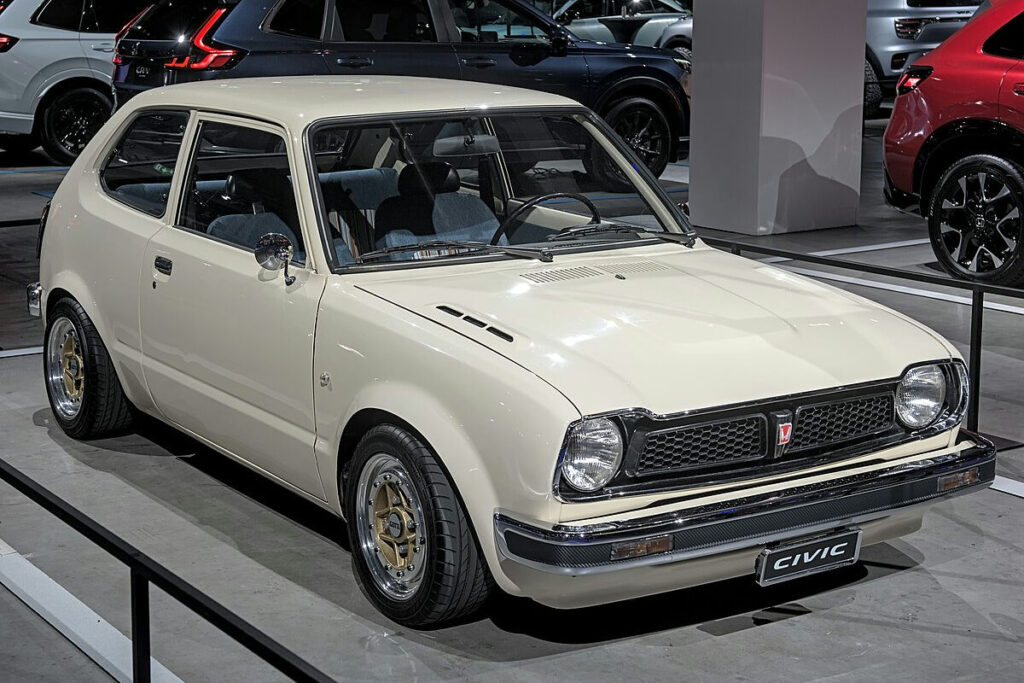
The Honda Civic is one of the longest-running and most successful cars in history, first appearing in 1972. While it started as a tiny economy car, it grew into a formidable family favorite during the 1980s and 1990s. Families loved it because it was incredibly fuel-efficient and almost never broke down, which was a huge relief during the economic ups and downs of the late 20th century. By 2022, Honda had sold nearly 30 million Civics worldwide. It became a car that stayed in the family for years, often being passed down from parents to children as a safe and reliable “first car” for new drivers.
Part of the Civic’s charm is how clever it is on the inside. Honda’s engineers are masters at making a small car feel huge, with plenty of storage nooks and comfortable seats for everyone. In the 2010s, it became the top choice for Millennial and Gen Z buyers because it combined high-tech features with a sporty look that didn’t feel “boring.” Whether it’s the classic sedan or the versatile hatchback, the Civic has always offered a high level of safety and great resale value. It proves that you don’t need a massive vehicle to have a great family car; you just need one that is built with care and intelligence.
20. Skoda Octavia
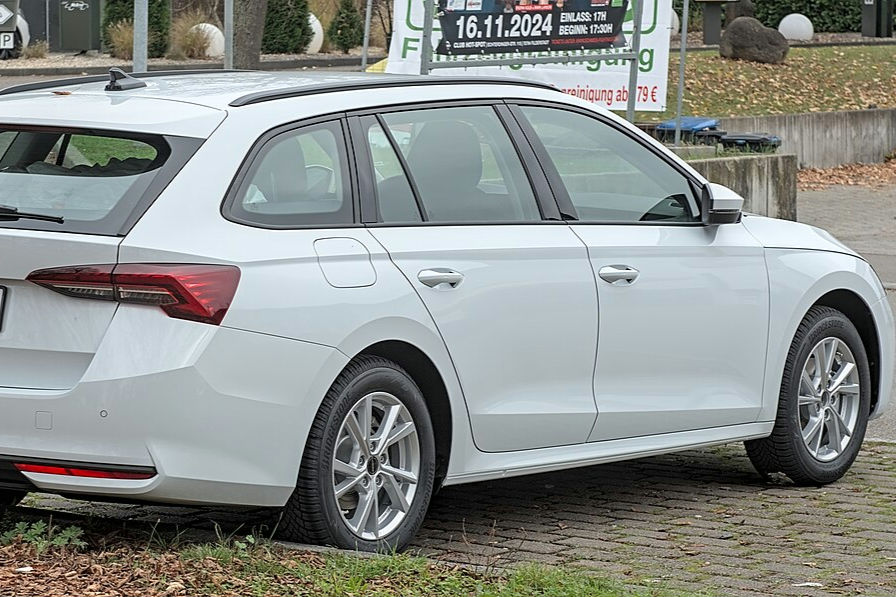
The Skoda Octavia is arguably one of the greatest success stories in modern automotive history. After the Volkswagen Group took ownership of the Czech brand, the Octavia was launched in 1996 to prove that “budget” didn’t have to mean “basic.” It shared many of its mechanical parts with the famous VW Golf but offered a much larger body for a lower price. Families quickly realized they could get a car with a massive trunk, easily big enough for a double stroller and weeks of groceries, without breaking the bank. By its 20th anniversary, over five million units had been sold to happy customers across Europe and Asia.
Over four generations, the Octavia has become known as the “sensible person’s luxury car.” It offers a quiet, refined ride and plenty of modern tech, like adaptive cruise control and touchscreen infotainment, while remaining very affordable to maintain. The estate version is particularly legendary among families who enjoy outdoor hobbies, as it offers more cargo space than many larger and more expensive SUVs. It has won countless “Best Family Car” awards because it stays focused on the basics: being safe, spacious, and reliable. The Octavia has transformed Skoda from an underdog into a respected leader, showing that value and quality are a winning combination for any household.
21. Ford Focus
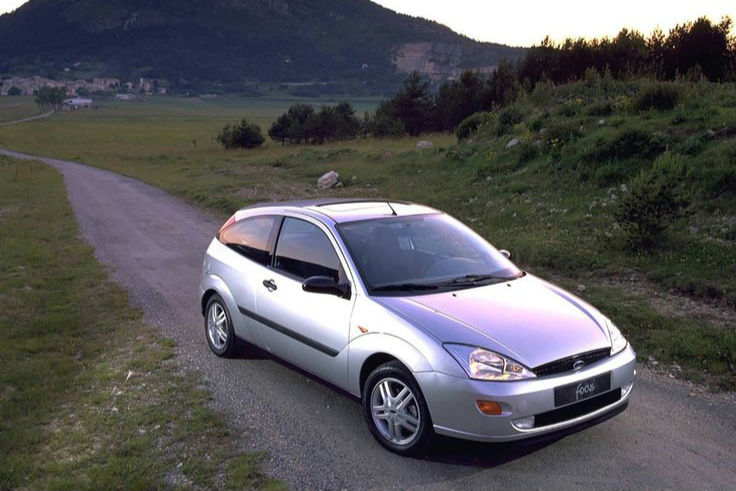
The Ford Focus arrived in 1998 as a bold successor to the long-running Escort, and it immediately changed what people expected from a small family hatchback. With its “New Edge” design, it looked sharp and futuristic, but the real magic was underneath the car. Engineers gave it a sophisticated “Control Blade” rear suspension, which meant it handled corners smoothly and felt incredibly stable on the highway. This made it a favorite for parents who actually enjoyed driving but still needed a practical car for the morning school run or the weekly grocery trip. By the time it was named the European Car of the Year in 1999, it was already a common sight in driveways across the continent.
Beyond its agile performance, the Focus was built with safety as a top priority for families. It introduced strong passenger protection systems and, in later models, added electronic stability control and multiple airbags as standard features. Families appreciated the airy cabin and the versatile trunk space, which easily accommodated strollers and shopping bags. During the 2000s, as gas prices began to rise, the car’s fuel-efficient engines made it an economical choice for commuting households. It was also a popular “hand-me-down” vehicle, with many teenagers learning to drive in the same reliable Focus their parents had used for years. It remains a legendary example of how a mass-market car can be both functional and fun.
22. Hyundai Elantra
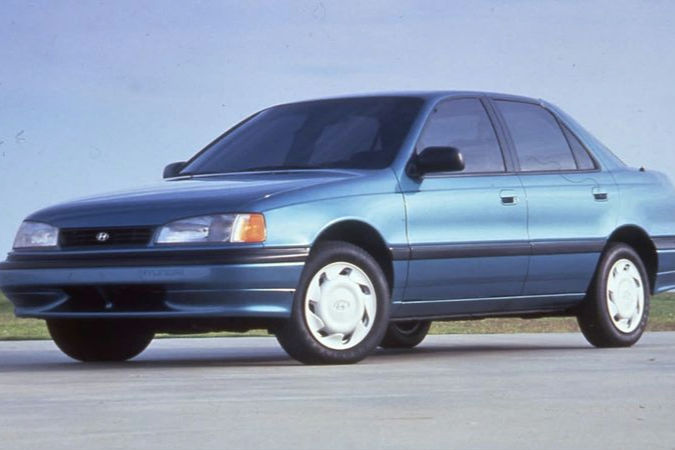
The Hyundai Elantra first debuted in 1990, but it was during the early 2000s that it truly began to challenge the industry giants. Hyundai made a massive commitment to improving build quality, transforming the Elantra from a budget-friendly alternative into a world-class family sedan. To prove their confidence, they introduced a groundbreaking 10-year, 100,000-mile warranty that gave cautious parents a huge sense of security. By the time the fifth generation launched in 2010, the Elantra featured a sleek “fluidic sculpture” design that looked far more expensive than its price tag suggested. Families loved that they could get high-end features like heated rear seats and a quiet cabin without having to pay a premium luxury price.
Safety and consistency helped the Elantra become one of the best-selling nameplates globally, with over 13 million units sold by 2021. The car was consistently updated with modern safety tech, including stability control and collision warnings, which earned it top ratings from insurance institutes. Parents appreciated the generous legroom in the back, making it a comfortable ride for growing children on long holiday journeys. It also offered excellent fuel economy, which was vital for households looking to keep their monthly expenses under control. The Elantra is a testament to how a brand can win over millions of families by focusing on reliability, value, and listening to what everyday drivers actually need from their transportation.
23. Kia Sportage
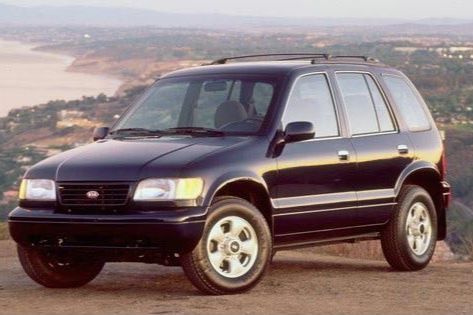
When the Kia Sportage launched in 1993, it was one of the early pioneers of the compact SUV market. However, its real breakthrough as a family favorite came in the 2010s when Kia focused on high-end design and passenger comfort. Under the direction of famed designer Peter Schreyer, the Sportage gained a bold “tiger-nose” grille and a sporty silhouette that stood out in suburban parking lots. Families were drawn to the higher seating position, which not only provided a better view of the road but also made it much easier for parents to buckle children into car seats without straining their backs. It successfully blended the toughness of an off-roader with the smooth ride of a traditional family car.
By the time the fourth generation arrived in 2015, the Sportage was packed with family-friendly technology like touchscreen infotainment, parking sensors, and advanced crash protection. Kia’s industry-leading seven-year warranty gave many first-time buyers the confidence to switch from older, established brands. The interior was designed with busy lives in mind, featuring plenty of storage compartments for toys, snacks, and gadgets. Its generous cargo area meant that weekend camping trips or sports tournaments were no longer a logistical nightmare. Today, the Sportage remains a cornerstone of the modern family car market, proving that households want a vehicle that is stylish, safe, and ready for any adventure the week might bring.
24. Mazda MPV
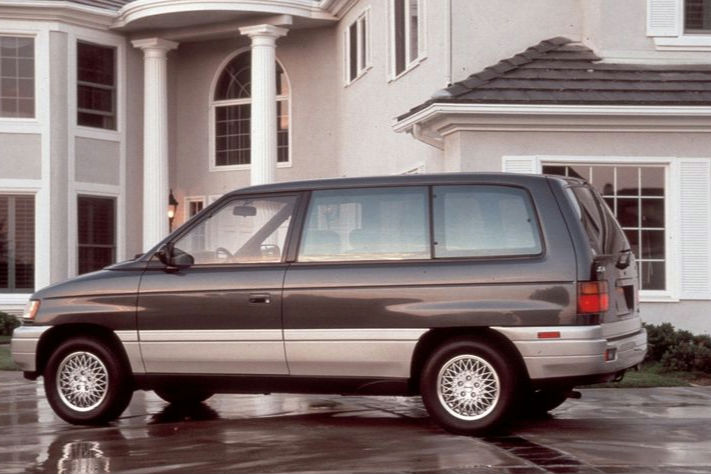
The Mazda MPV first appeared on the scene in 1988, offering a fresh take on the growing people-carrier segment. Unlike many of its competitors that felt like heavy commercial vans, Mazda designed the MPV to handle more like a passenger car. This “zoom-zoom” spirit meant that parents didn’t have to give up a fun driving experience just because they needed extra seats. It featured a unique rear-wheel-drive layout in early models, which provided a sturdy feel for towing or carrying heavy loads. One of its most appreciated features was the rear side doors that actually rolled down, giving children in the back much-needed fresh air during long summer road trips across the country.
During the late 1990s and early 2000s, the MPV evolved to include dual sliding doors, which became a lifesaver for families navigating tight grocery store parking spaces. The interior was a masterclass in flexibility, with removable seats that allowed parents to switch from a seven-passenger commuter to a spacious cargo hauler in just a few minutes. Safety was also a key focus, with later generations including improved airbags and reinforced body structures. Although the rise of SUVs eventually pushed the MPV out of the spotlight, it played a vital role in showing that a family van could be versatile, comfortable, and genuinely pleasant to drive. It remains a nostalgic favorite for those who grew up in its spacious, airy cabin.
25. Tesla Model Y
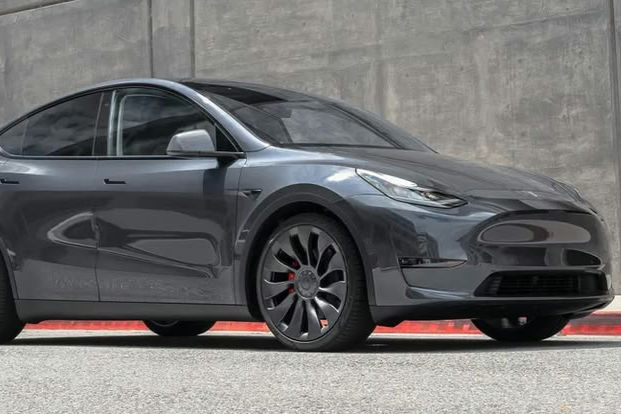
Released in early 2020, the Tesla Model Y quickly became the face of the electric vehicle revolution for families worldwide. It arrived at the perfect time, as many households were looking for a way to reduce their carbon footprint and save money on rising fuel costs. Built on the successful Model 3 platform, the Model Y offered the higher seating and extra space that modern parents crave. In 2023, it made history by becoming the best-selling car in the world, the first time an electric vehicle had ever taken the top spot globally. With its minimalist interior and massive glass roof, it provided a quiet and futuristic sanctuary for children and adults alike during daily commutes.
Safety is arguably the Model Y’s strongest selling point, as it consistently achieves five-star ratings thanks to its low center of gravity and strong battery structure. Families love the “frunk” (front trunk), which provides extra storage space alongside the large rear hatch for strollers, groceries, and sports gear. The car’s software is also a major hit, offering “Over-the-Air” updates that improve the vehicle’s features and safety systems while it sits in the garage overnight. For many, the Model Y represents the end of the traditional engine era and the beginning of a high-tech future. It has transformed the family car into a rolling computer that is as much about entertainment and sustainability as it is about getting to school.
These vehicles carried children to school, supported careers and connected relatives across long distances. When one factory stops producing a trusted model, families quickly realise how much their routines depend on dependable manufacturing.
Like this story? Add your thoughts in the comments, thank you.


