
12 Cleanest Seafood Picks
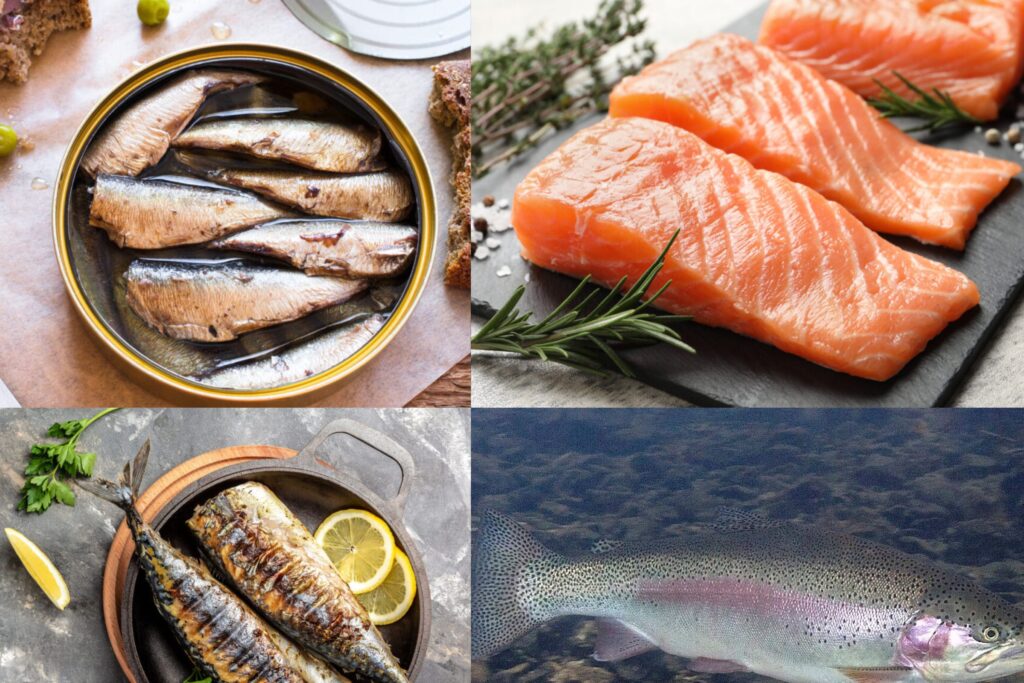
Sometimes the sea can be a friend to your plate, if you know which catches to trust. Here are the cleanest, healthiest choices that taste great and treat your body kindly.
1. Wild Alaskan Salmon
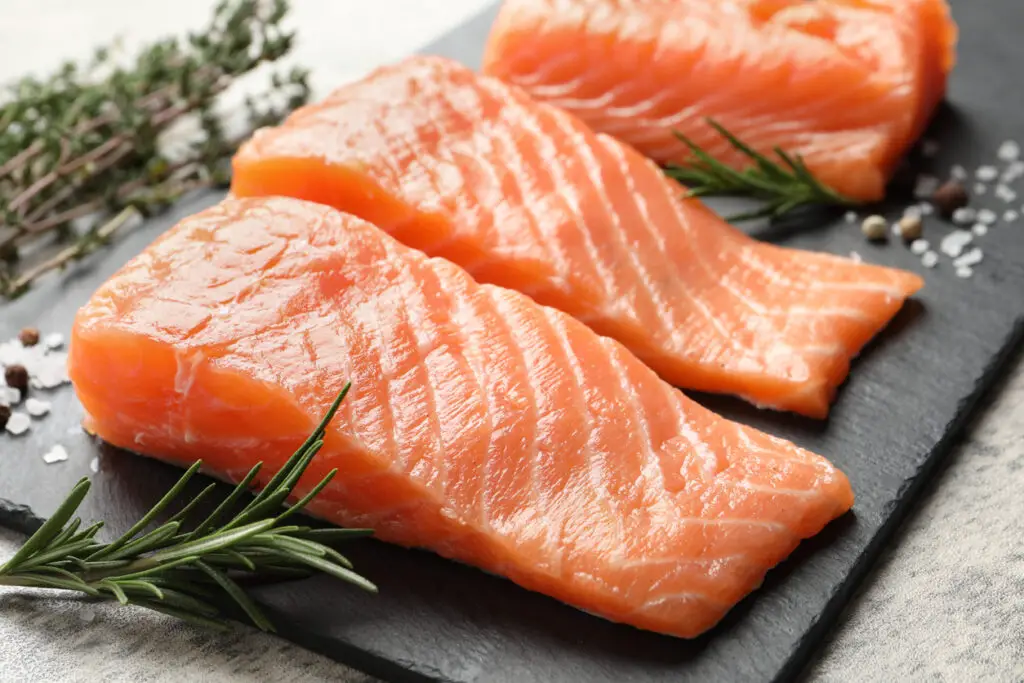
If you’ve ever had salmon that tasted rich without feeling heavy, chances are it came from Alaska’s wild waters. Wild Alaskan salmon is low in contaminants and high in omega-3s that support heart and brain health. The cold, pristine environment keeps pollutants minimal, and the fish’s diet in the wild creates that deep, satisfying flavor. The Monterey Bay Aquarium Seafood Watch calls it “one of the best choices for sustainability.” Whether grilled, baked, or smoked, it’s one fish you can enjoy with peace of mind and a happy heart.
2. Sardines
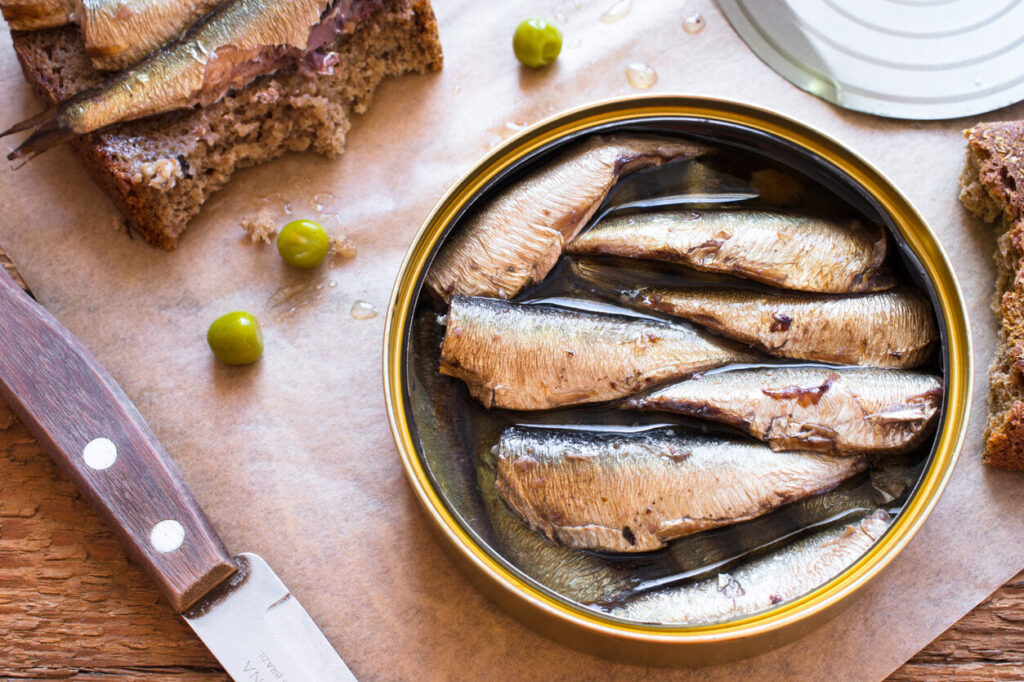
It’s easy to overlook sardines, but these little fish are nutritional superheroes. High in calcium, vitamin D, and omega-3 fatty acids, sardines are low on the food chain, which means they accumulate fewer toxins. They’re also among the most sustainable seafood options, according to the Environmental Defense Fund. You can enjoy them fresh if you’re near the coast or canned for year-round convenience. Their bold flavor makes them perfect on toast, tossed in pasta, or mixed into salads. As health experts say, “Eating small fish is one of the simplest ways to eat both healthy and sustainably.”
3. Atlantic Mackerel (North Atlantic)
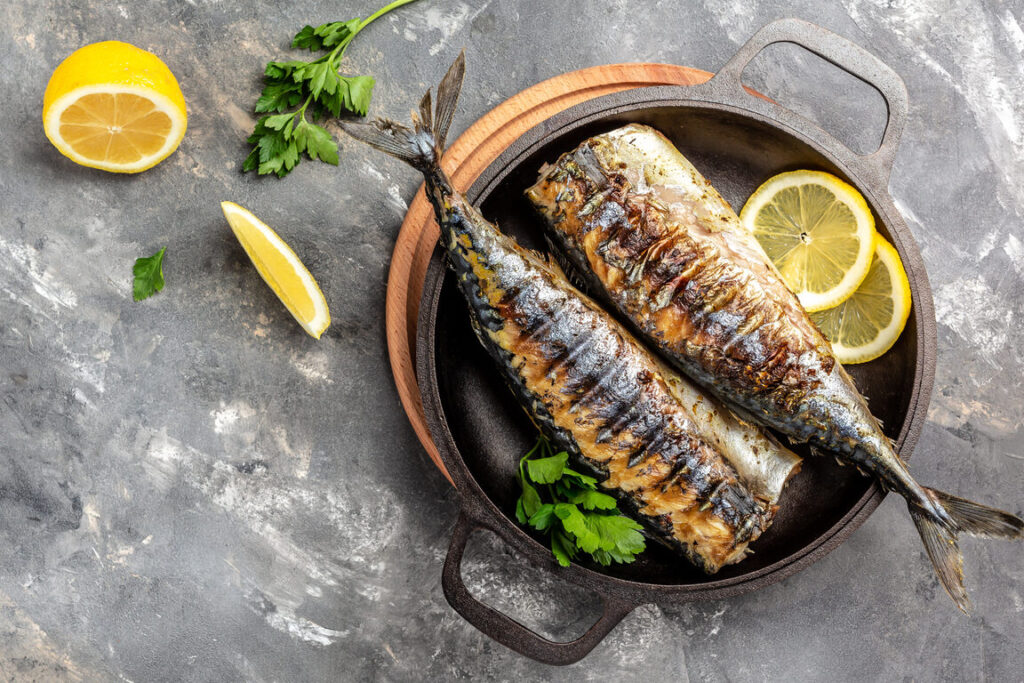
North Atlantic mackerel is one of those catches that blends taste, nutrition, and sustainability beautifully. It’s a lean, protein-rich fish loaded with omega-3s that help protect your heart. Being fast-growing and abundant keeps it low in contaminants and high in freshness. The Marine Conservation Society lists it as a good choice for eco-conscious eaters. Its robust flavor holds up well to grilling, broiling, or smoking, making it a versatile favorite. When you choose North Atlantic mackerel, you’re getting a fish that’s good for you and gentler on the oceans we rely on for food.
4. Rainbow Trout (U.S. Farmed)

U.S.-farmed rainbow trout offers a mild, delicate taste while staying low in pollutants. Farms here follow strict environmental standards, meaning the water quality and feed are closely monitored. This ensures a healthier fish for your plate and a lighter impact on nature. Rainbow trout’s soft texture makes it perfect for quick pan-frying or baking with herbs and lemon. The Environmental Protection Agency notes its consistently low mercury levels, making it safe for regular meals. If you’re looking for a fish that’s gentle on the environment and kind to your body, this is a reliable pick.
5. Anchovies
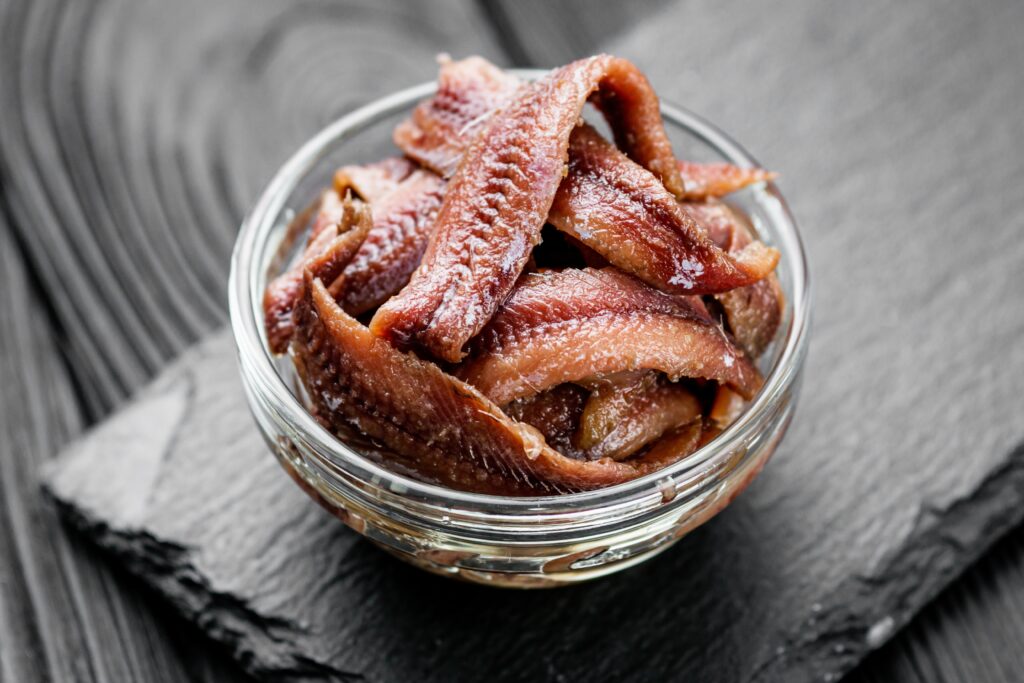
Anchovies might be tiny, but their health benefits are anything but. These little fish are packed with omega-3s, calcium, and protein while staying low in toxins due to their short lifespan. They’re a staple in Mediterranean diets, often praised for both flavor and nutrition. Whether melted into sauces, layered on pizza, or folded into salads, anchovies bring a savory depth to dishes. According to the Harvard T.H. Chan School of Public Health, “Small fish like anchovies are among the safest, most nutrient-rich seafood you can eat.” They prove you don’t have to be big to make a big impact.
6. Herring
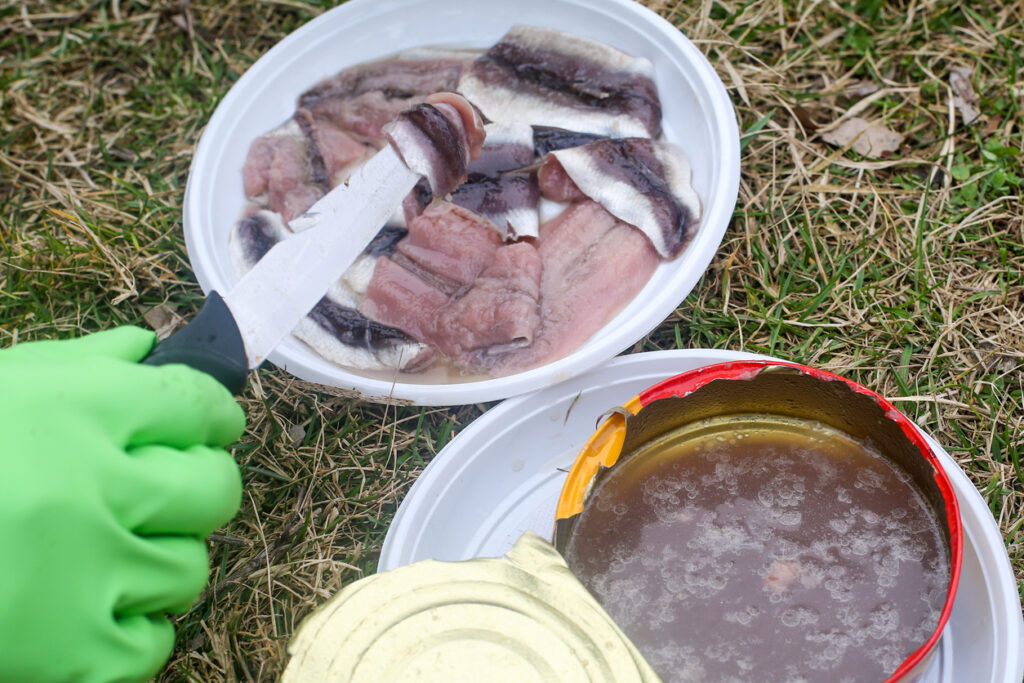
Herring has been a favorite in Northern Europe for centuries, and for good reason. It’s loaded with healthy fats, vitamin D, and protein while staying low in mercury. Herring feed low on the food chain, so they accumulate fewer toxins compared to larger fish. They’re often enjoyed pickled, smoked, or grilled, offering a rich, savory flavor. The American Heart Association highlights herring as a heart-healthy choice you can feel good about. It’s a reminder that sometimes the foods our grandparents loved were right all along, they knew how to eat well without complicating things.
7. Arctic Char
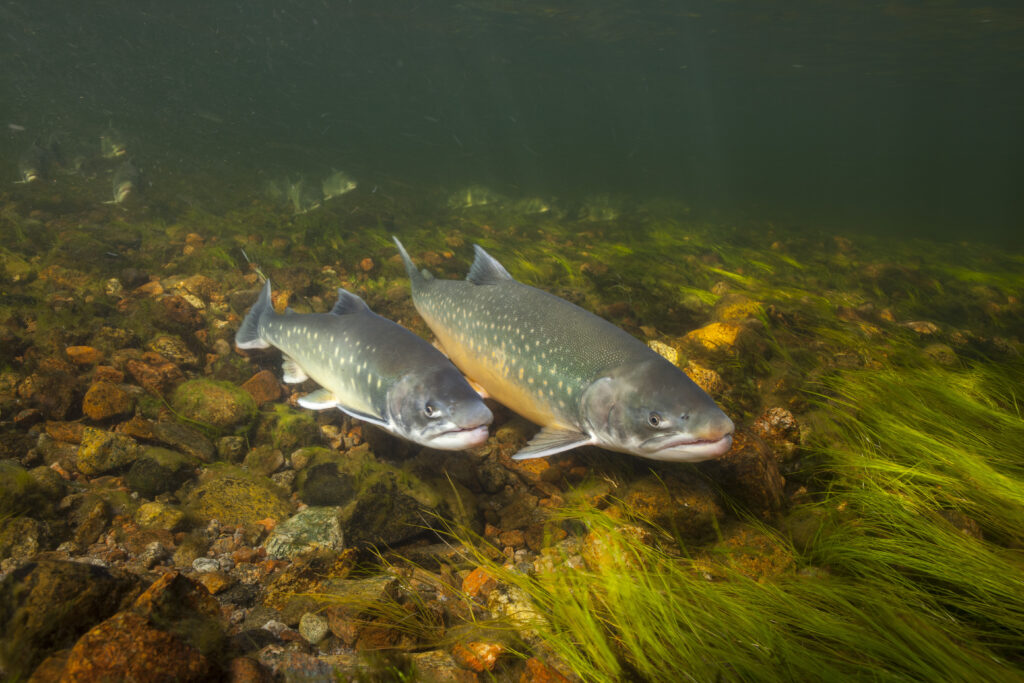
Arctic char is like a cousin to salmon, but with a milder taste and lighter texture. It’s typically raised in eco-friendly, land-based systems that keep pollutants at bay and protect wild fish populations. Arctic char is rich in omega-3s, vitamin D, and high-quality protein. The Monterey Bay Aquarium lists it as a “Best Choice” for sustainability. It’s versatile in the kitchen, working well baked, grilled, or pan-seared with fresh herbs. Choosing Arctic char means you’re treating yourself to a clean, nutrient-rich fish that also helps preserve the future of our oceans.
8. Pacific Halibut (U.S.-Sourced)
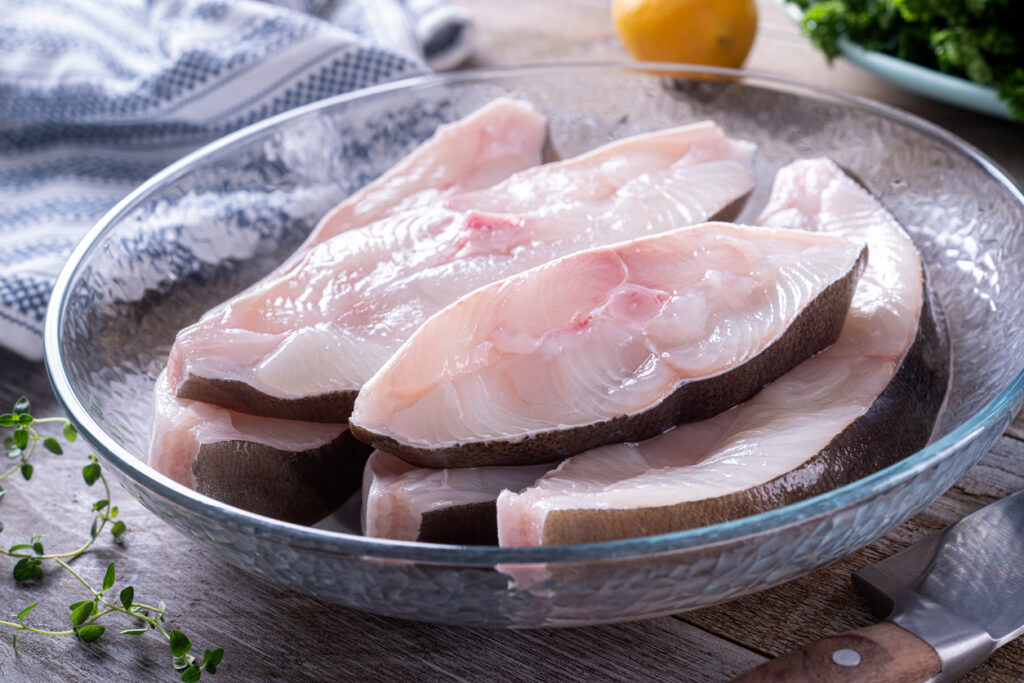
Pacific halibut from U.S. waters offers a meaty, mild flavor and a lean, low-fat profile. Its firm texture makes it a favorite for grilling, roasting, or pan-searing. While some larger fish have high mercury levels, Pacific halibut caught in U.S. waters generally remains within safe limits, especially when eaten in moderation. Fisheries here follow strict quotas to maintain healthy populations. This makes it a smart pick for those wanting both taste and peace of mind. As seafood experts often note, “Sustainability and flavor don’t have to be at odds, they can share the same plate.”
9. Barramundi (U.S. Farmed)
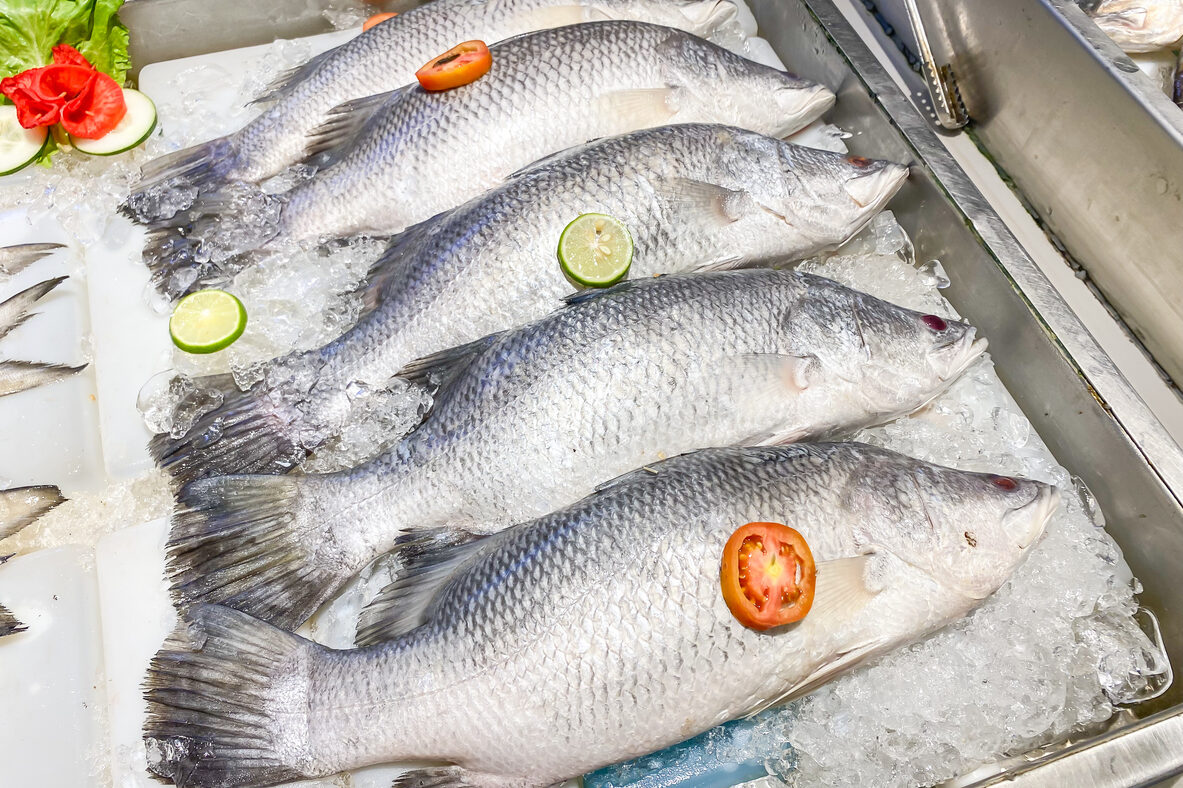
Barramundi has been gaining fans in the U.S. for its mild, buttery taste and impressive omega-3 content. Farmed domestically in clean, recirculating systems, it avoids many of the contamination risks found in less-regulated sources. Barramundi is also efficient to farm, requiring less feed and producing less waste than many other fish. The World Wildlife Fund recognizes it as a sustainable choice when responsibly raised. If you’re looking for a fish that’s easy to cook, good for you, and easier on the planet, barramundi is worth putting on your dinner list.
10. Scallops (Wild, Dry-Packed)
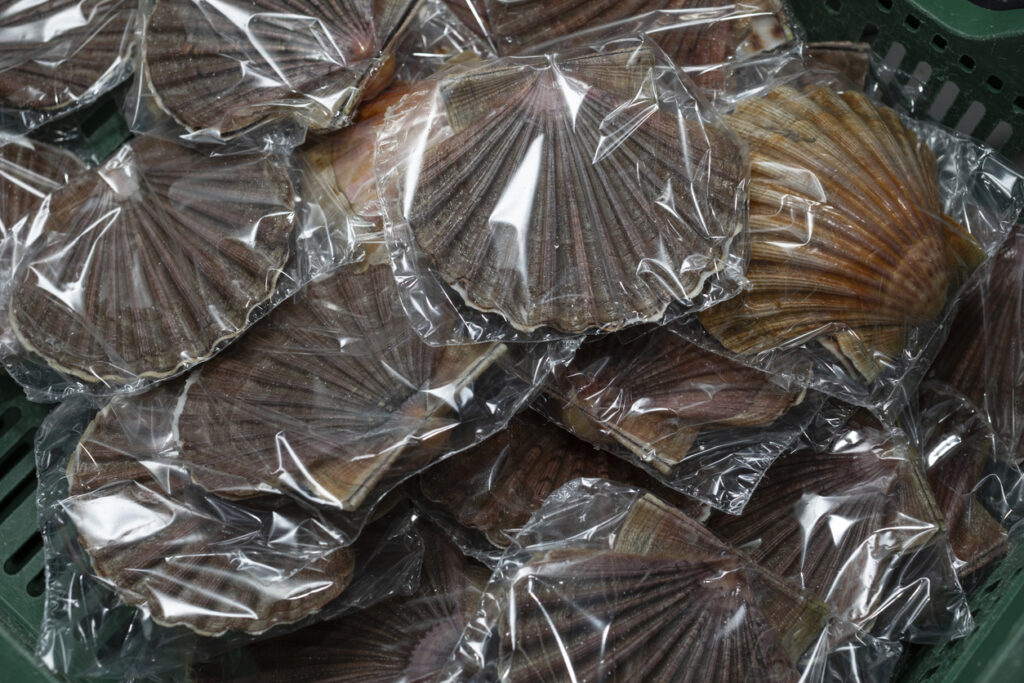
Wild, dry-packed scallops are not only a treat for the taste buds but also a smart choice for clean eating. They’re low in mercury and high in lean protein, making them both indulgent and healthy. “Dry-packed” means they’re free from added chemicals and water, so you get pure scallop flavor. Harvested sustainably, they also help support healthy marine ecosystems. Whether seared to golden perfection or added to pasta, scallops make for a meal that feels special without the worry of hidden toxins. It’s proof that good seafood can be both safe and elegant.
11. Oysters (From Clean Farms)
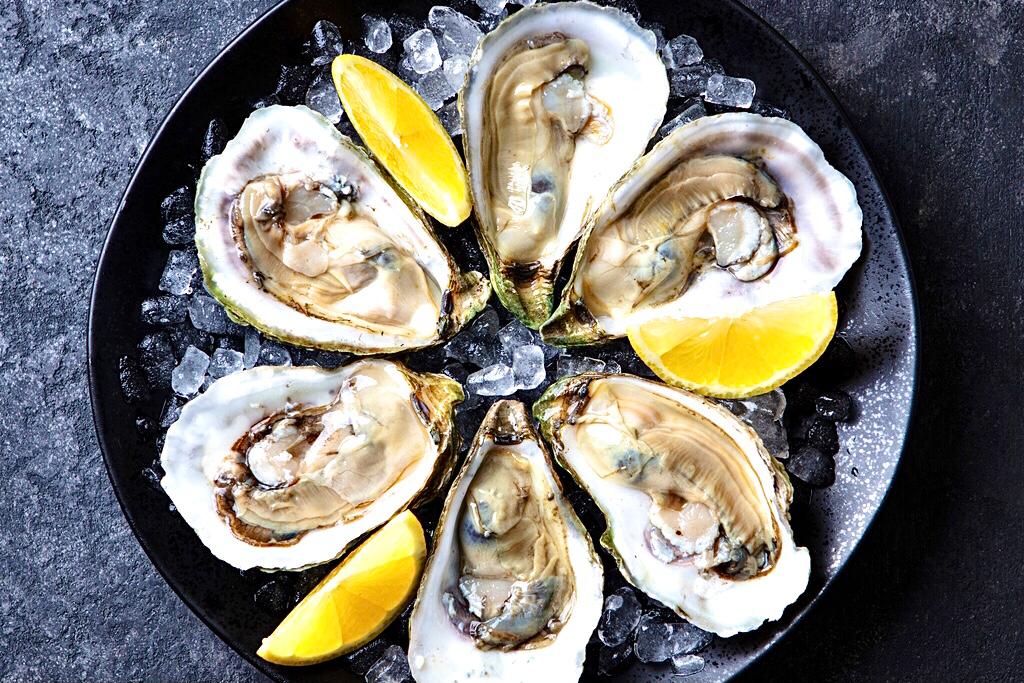
When oysters come from clean, well-managed farms, they’re one of the most nutrient-rich foods you can eat. They’re packed with zinc, vitamin B12, and protein while staying low in contaminants. According to the FDA, oysters from regulated sources are safe and can be part of a healthy diet. Their briny sweetness pairs perfectly with lemon or hot sauce, making them a favorite for seafood lovers. Beyond taste, responsibly farmed oysters also help filter and clean the waters they grow in, making them a win for both your health and the environment.
12. Mussels (Responsibly Farmed)
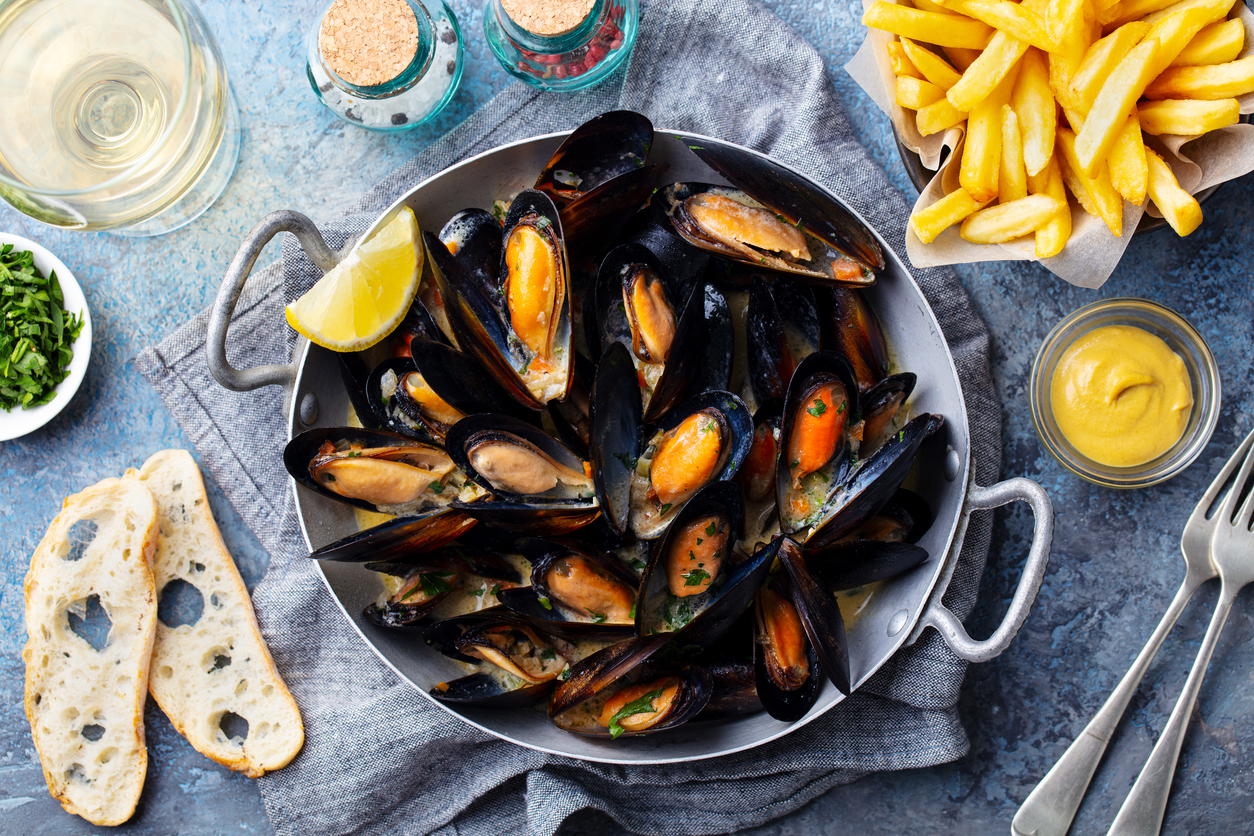
Mussels are one of the most sustainable seafoods available, growing quickly and filtering water naturally. Responsibly farmed mussels are high in protein, iron, and B vitamins, while staying low in contaminants. The Monterey Bay Aquarium Seafood Watch lists them as a “Best Choice” for sustainability. Their rich, slightly sweet flavor shines in garlic butter, tomato broth, or white wine sauces. Eating mussels supports both your nutrition and the health of the oceans. They’re a reminder that the best choices for the planet can also be the most satisfying on your plate.
12 Seafood You Might Regret Eating
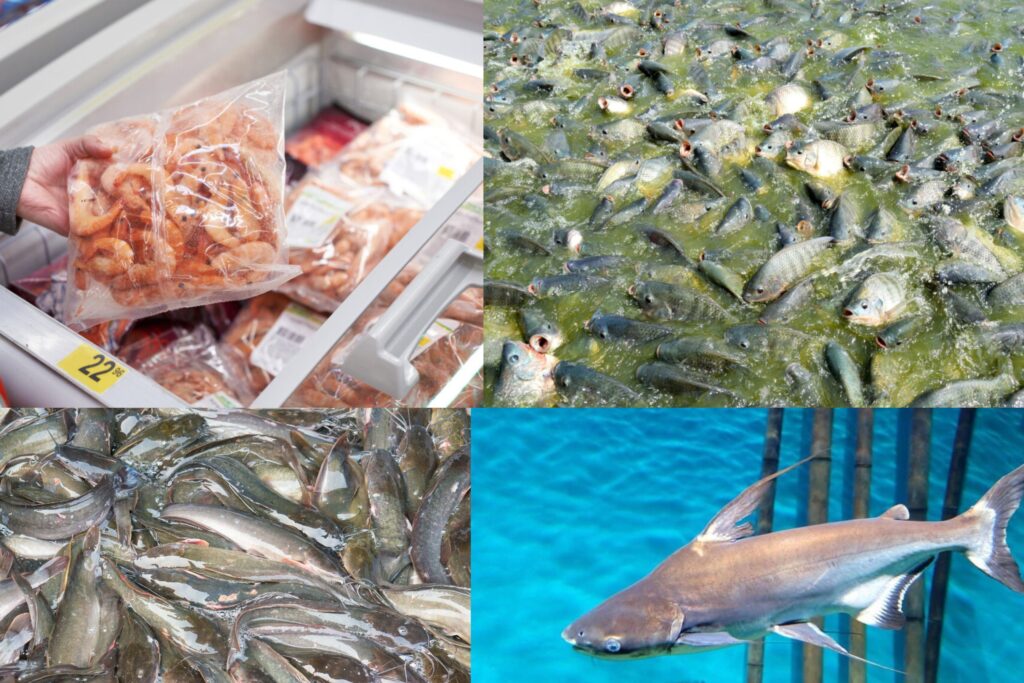
Some seafood might taste great but can carry risks to your health or the environment. Here are ones you may want to limit or avoid.
1. Imported Farmed Shrimp

Imported farmed shrimp can be a risky choice because it often comes from regions with less oversight on farming practices. In some cases, these shrimp are raised in overcrowded ponds with poor water quality, increasing the likelihood of contaminants and harmful bacteria. Antibiotics and chemicals may also be used in production, adding to the health concerns. While not all imported shrimp are unsafe, the risk grows when their source is unclear. Choosing domestically farmed or certified sustainable shrimp is a safer way to enjoy this popular seafood while avoiding hidden problems that could affect both your health and the environment.
2. Tilapia (From China or Taiwan)
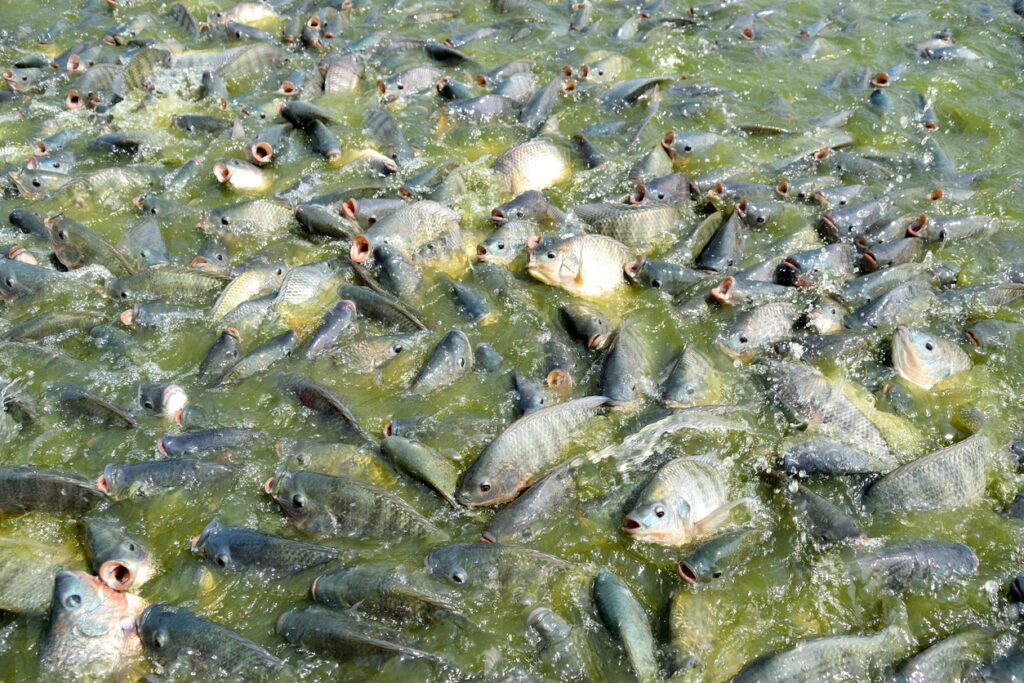
Tilapia from China or Taiwan is often linked to poor farming conditions, where water quality may be compromised and chemicals could be used to control disease. These conditions can impact the fish’s health and nutritional value, leading to a lower omega-3 content and an unfavorable fat profile. Although tilapia is affordable and mild-tasting, choosing sources without strict regulation increases the risk of contaminants. Safer options include U.S.-farmed tilapia, which follows tighter standards. By paying attention to where your tilapia comes from, you can enjoy it without unknowingly taking in substances that could harm your health over time.
3. Swai (Vietnamese Catfish)
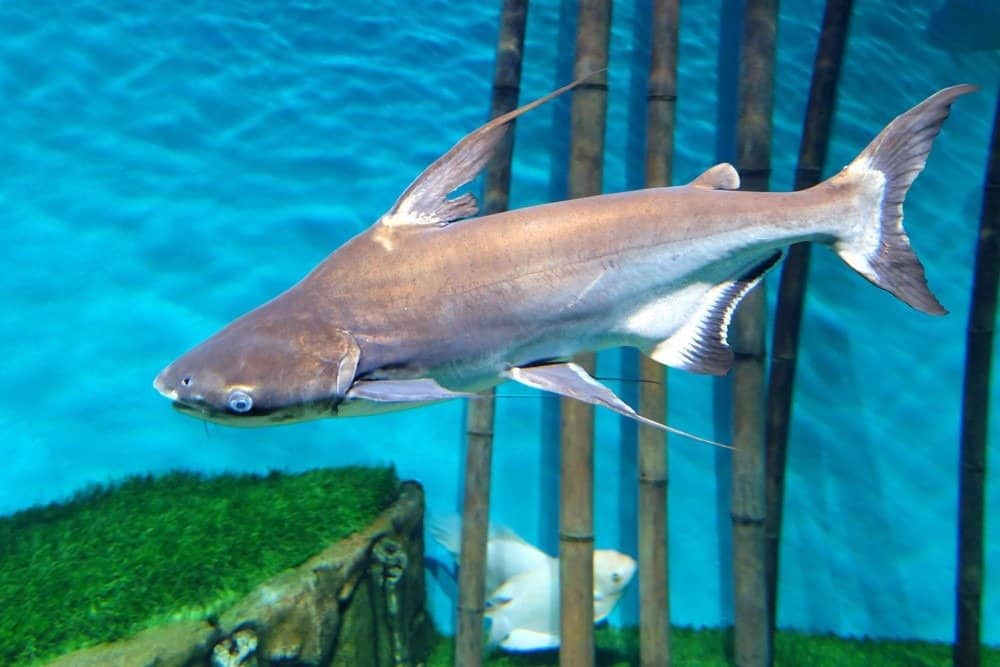
Swai is often inexpensive and mild, but much of it is raised in polluted rivers with limited environmental regulation. The farming conditions can lead to contamination from industrial waste and runoff, and in some cases, antibiotics may be used in production. These factors can make swai a less healthy option despite its budget-friendly appeal. Choosing seafood with better farming standards and cleaner environments can reduce these risks. While swai may seem like an easy addition to meals, other affordable fish offer similar taste and texture without the same level of concern over water quality and potential health hazards.
4. Imported Catfish

Imported catfish can sometimes be farmed under poor conditions, leading to contamination risks. Countries with weaker inspection systems may allow the use of antibiotics or additives that are banned in other regions. The water quality in which these fish are raised also impacts their safety and taste. While catfish can be delicious, imported varieties often carry more uncertainty. U.S.-farmed catfish, by contrast, is raised under stricter guidelines, producing a cleaner and more reliable product. Choosing local sources not only supports responsible aquaculture but also helps ensure the fish you enjoy is free from potentially harmful substances and farming practices.
5. Eel (Unagi)
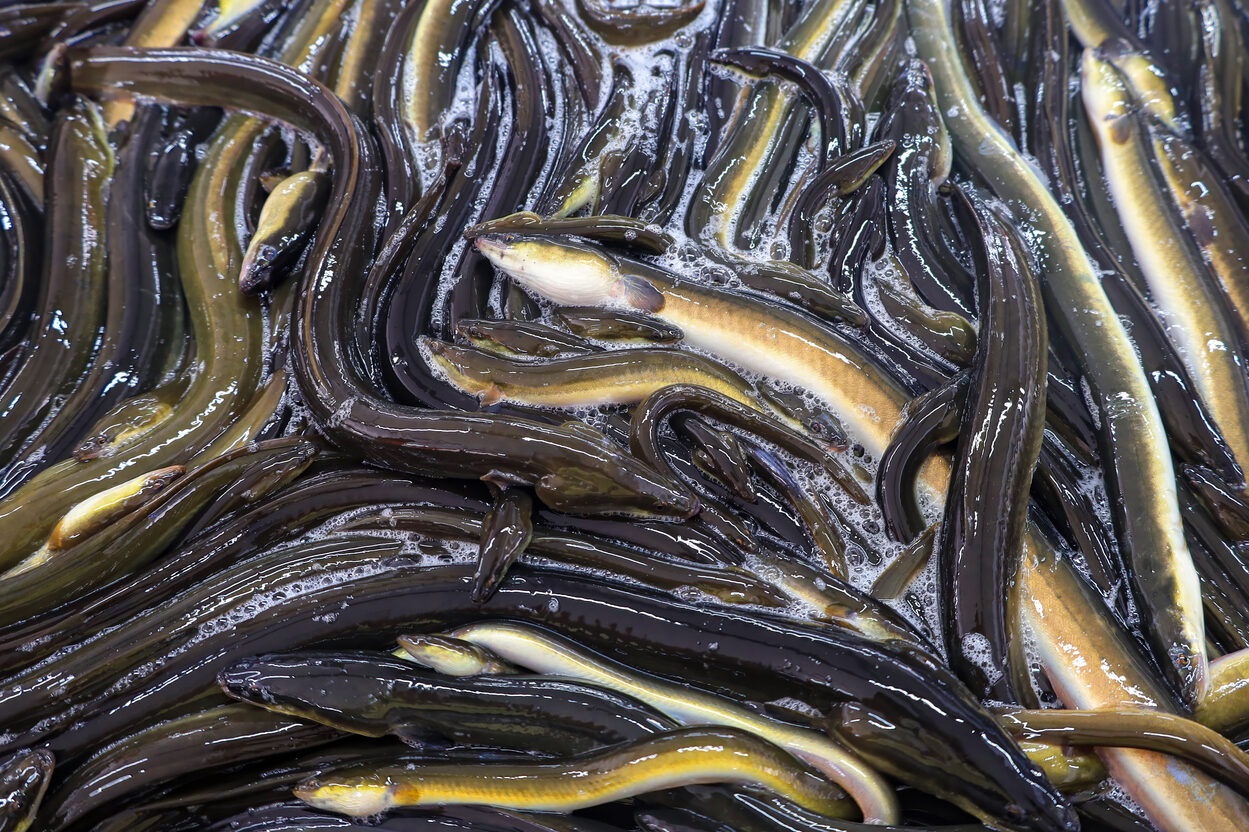
Eel, often served as unagi, is a flavorful delicacy but has a tendency to accumulate toxins like mercury and PCBs due to its longer lifespan. Many are farmed in crowded ponds where waste can build up, affecting both the fish and the surrounding environment. Overfishing has also placed pressure on eel populations, making it less sustainable. While its rich flavor is appealing, frequent consumption can raise health concerns. Enjoying eel occasionally rather than as a regular choice helps reduce exposure to contaminants while allowing you to savor it without adding to environmental strain from overfishing and poor farming conditions.
6. Shark
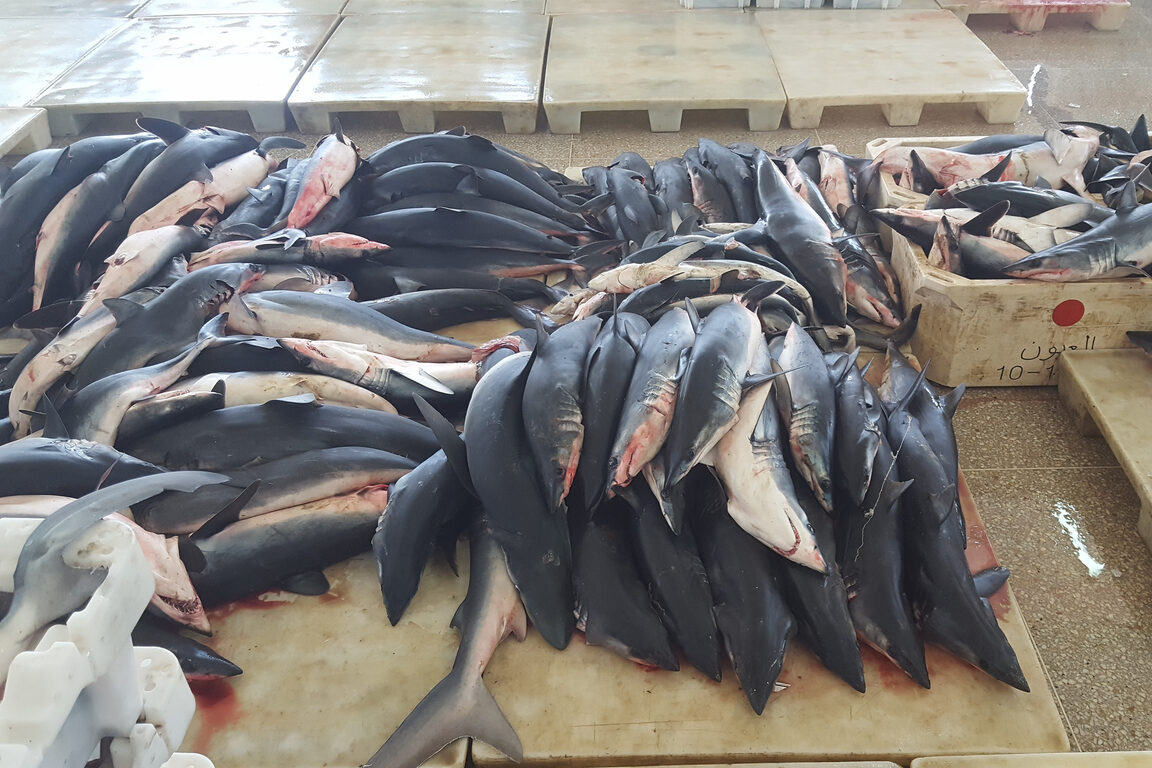
Shark meat is among the highest in mercury because sharks live long lives at the top of the food chain. Over time, toxins build up in their bodies, which can be harmful when consumed regularly. Mercury exposure is particularly dangerous for children and pregnant women. Beyond health concerns, sharks play an important role in marine ecosystems, and overfishing has reduced their numbers significantly. Choosing to avoid shark helps both your well-being and the balance of ocean life. With so many other seafood options available, it is easy to leave this predator off your plate for good reason.
7. Swordfish
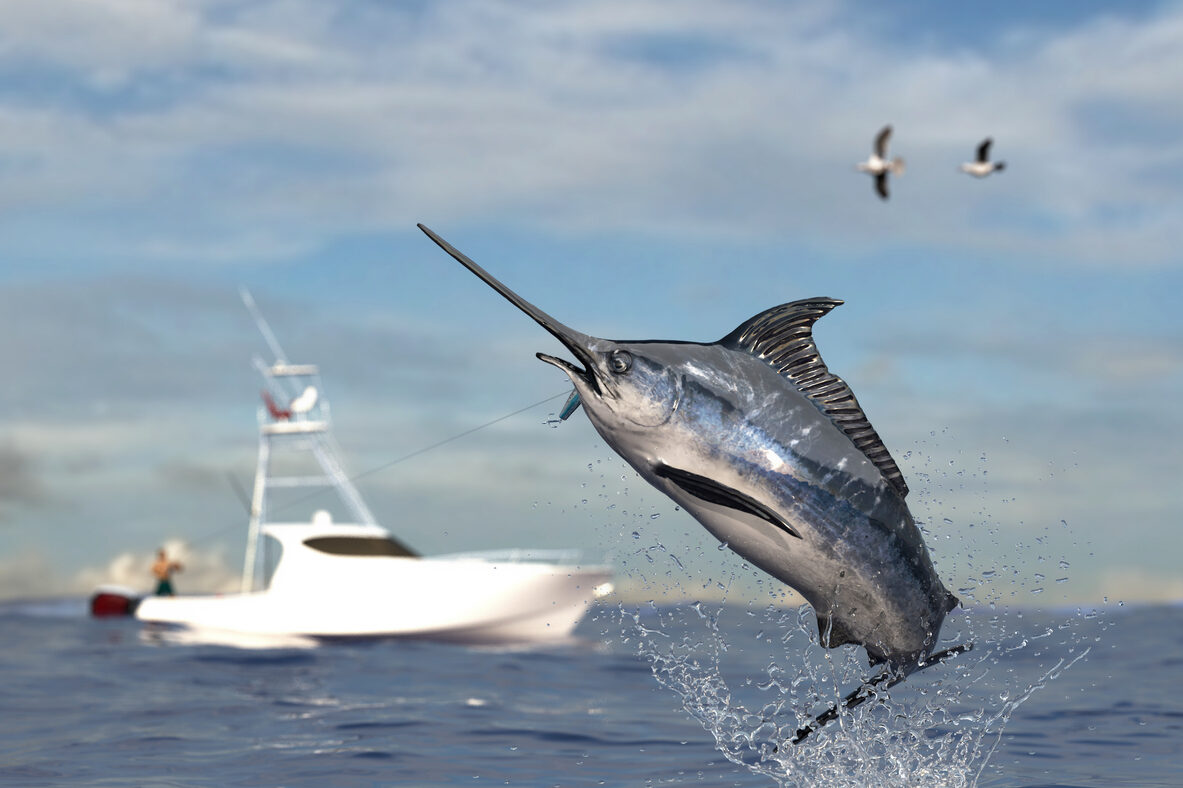
Swordfish is known for its meaty texture and strong flavor, but it also contains high levels of mercury due to its position as a large predator. This makes it a less ideal choice for regular meals, particularly for vulnerable groups like children and pregnant women. While it can be enjoyed occasionally, frequent consumption increases the risk of mercury-related health issues. Its appeal on the grill is undeniable, yet there are safer fish that offer similar taste and cooking versatility. Limiting swordfish in your diet is a simple way to protect your health while still enjoying flavorful seafood dishes.
8. Orange Roughy
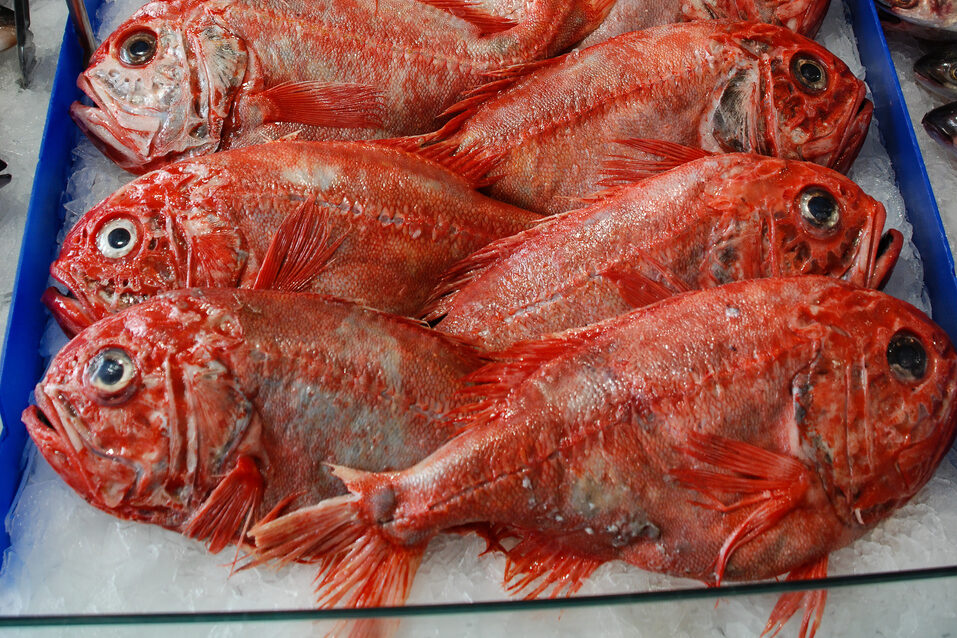
Orange roughy can live over a century, giving it a long time to accumulate mercury and other contaminants. Its slow growth also makes it highly vulnerable to overfishing, leading to population decline in some regions. While the fish has a mild, pleasant flavor, the environmental and health costs are significant. Alternatives with quicker reproduction rates and lower toxin levels are better choices for regular consumption. By skipping orange roughy, you help protect ocean ecosystems and avoid unnecessary exposure to harmful substances that this long-lived species tends to carry in higher amounts than many other fish.
9. Chilean Sea Bass
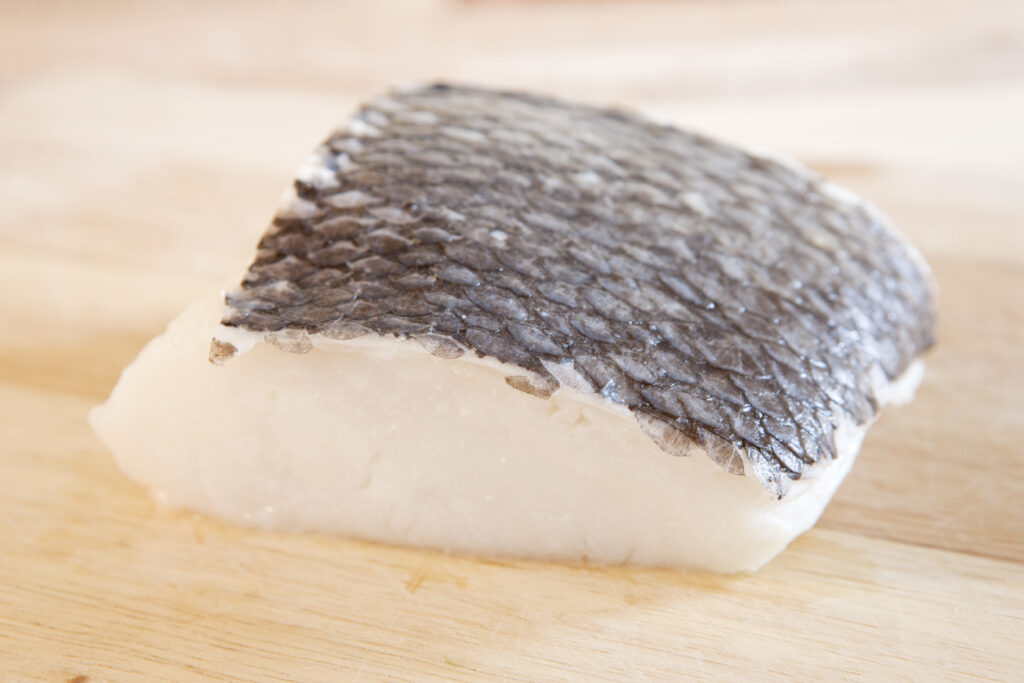
Chilean sea bass is valued for its buttery texture and taste, but it often comes with concerns about mercury levels and unsustainable fishing practices. Illegal and unregulated fishing in some areas makes it difficult to know if your purchase supports responsible sourcing. While some certified sustainable options exist, they are not always available. Without clear traceability, the risk of contributing to environmental harm grows. Choosing different white fish with similar flavor profiles can offer a safer and more sustainable alternative. In doing so, you still enjoy delicious seafood while avoiding the uncertainty surrounding Chilean sea bass.
10. Bluefin Tuna
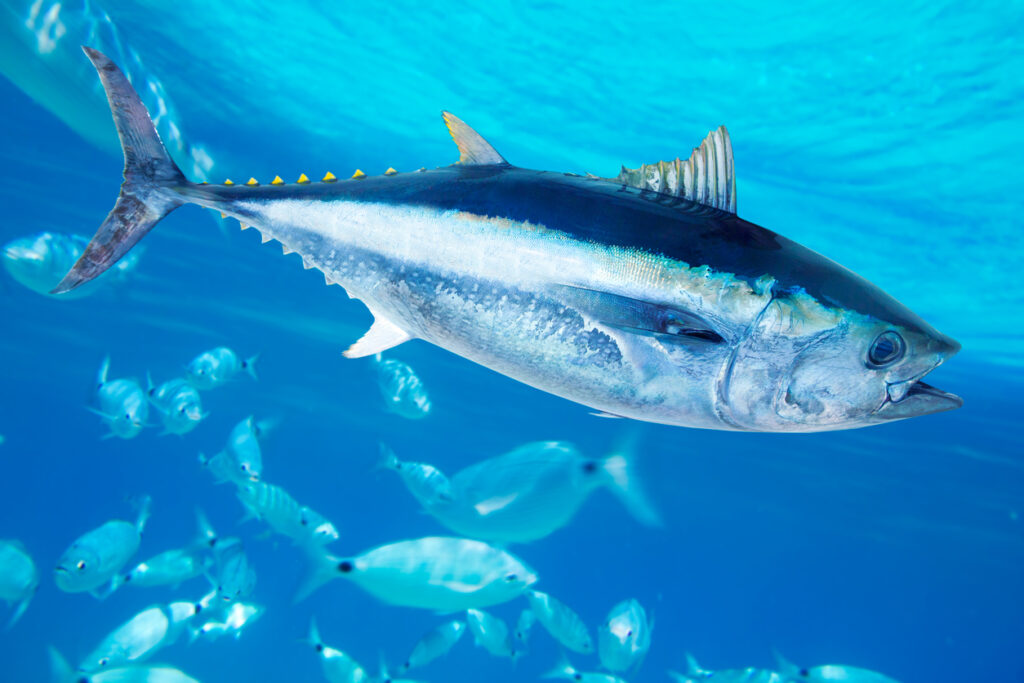
Bluefin tuna is a popular choice for sushi and sashimi, but it is also high in mercury and suffers from severe overfishing. Its slow reproduction rate means populations struggle to recover from heavy demand. While the flavor is prized, frequent consumption can lead to health concerns, and continued harvesting threatens the species’ future. Enjoying bluefin tuna sparingly or choosing alternatives like skipjack can help reduce mercury intake and relieve pressure on declining stocks. Making a conscious switch benefits both personal health and the long-term sustainability of ocean life that depends on maintaining balanced fish populations.
11. King Mackerel
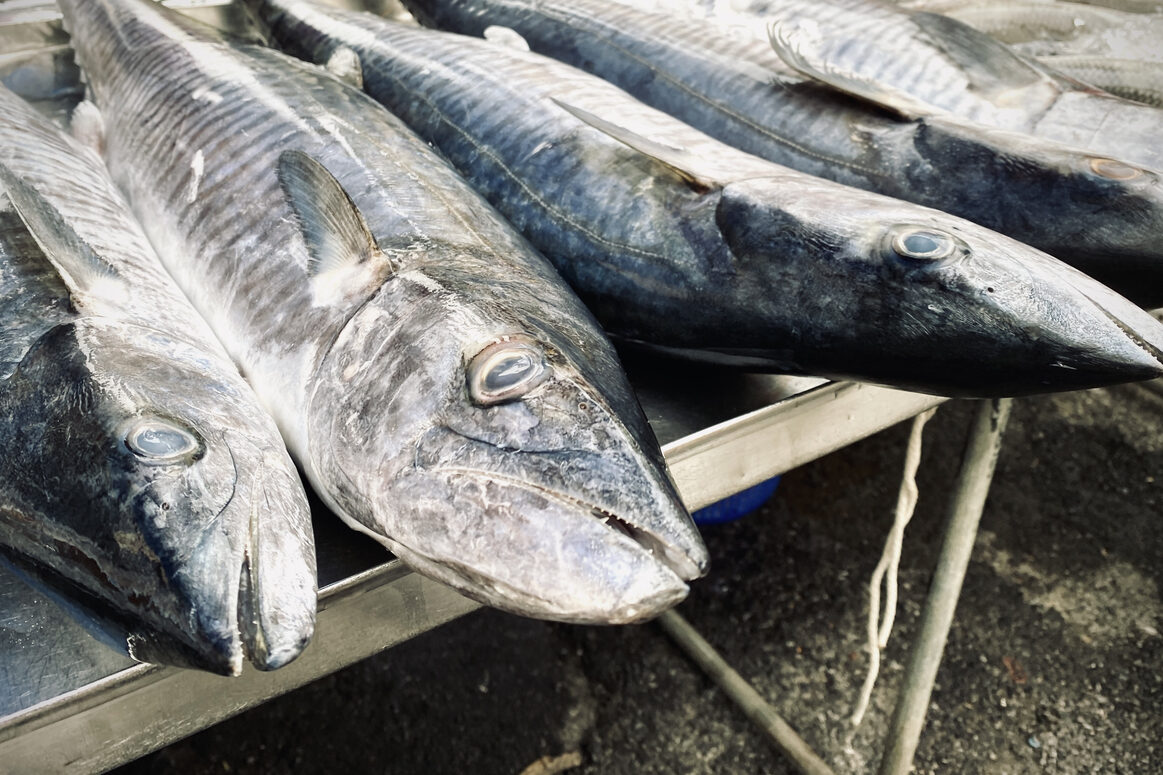
King mackerel contains high mercury levels, making it a risky choice for regular meals, particularly for children and pregnant women. Larger, older fish have the highest concentrations, and some may also carry parasites if not handled properly. While other mackerel species like Atlantic mackerel are safe and nutritious, king mackerel should be limited or avoided to protect your health. Paying attention to the specific variety you buy can make a big difference. By choosing safer mackerel options, you can still enjoy this flavorful fish without the added concern of consuming harmful levels of mercury.
12. Oysters & Mussels (Wild-Harvested Near Cities)
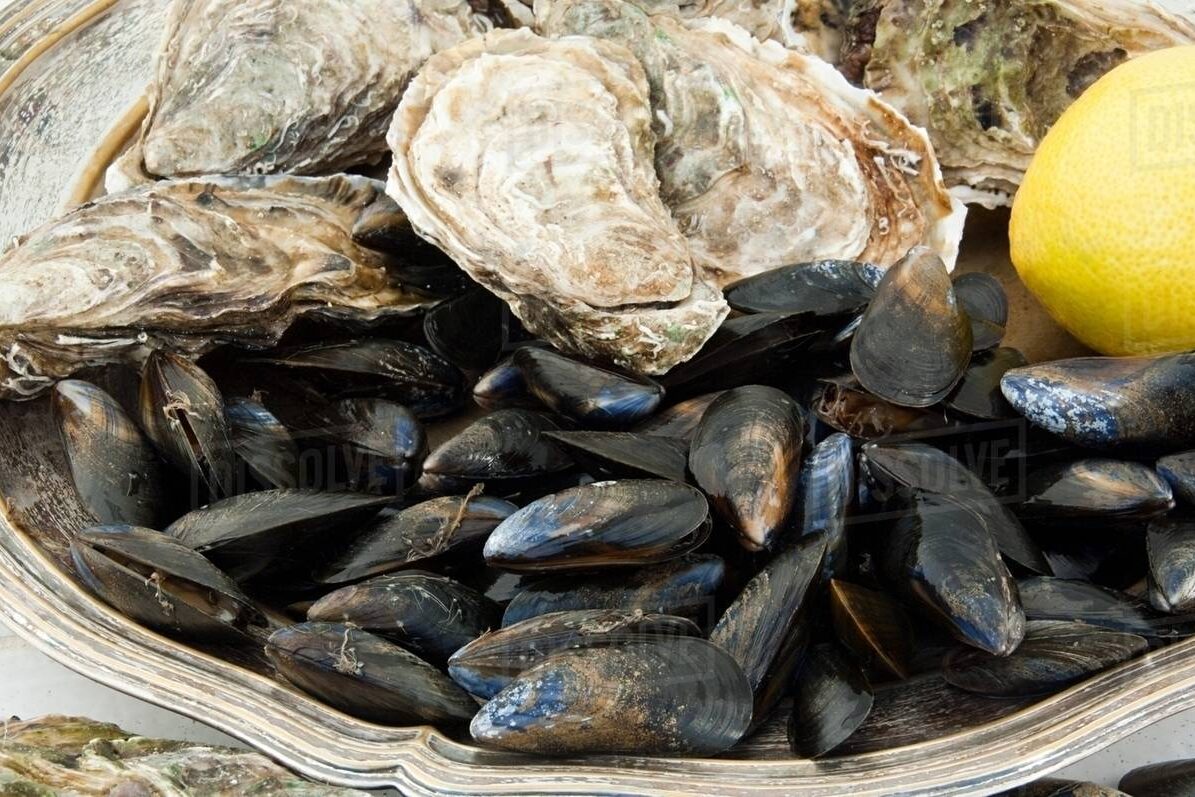
Oysters and mussels naturally filter the water they live in, which means they also absorb whatever contaminants are present. When harvested from polluted coastal areas near cities, they may contain microplastics, heavy metals, and bacteria. These risks make location extremely important when choosing shellfish. Farmed oysters and mussels from clean waters are much safer, offering the same taste without the dangers linked to polluted environments. Avoiding wild harvests from questionable areas helps ensure you get the benefits of shellfish without unwanted exposure to toxins that could affect your health in subtle but harmful ways.
This story Are You Eating Toxic Seafood? 12 Cleanest Catches and 12 That Could Poison You was first published on Daily FETCH


