
1. Fog-Basking Beetles
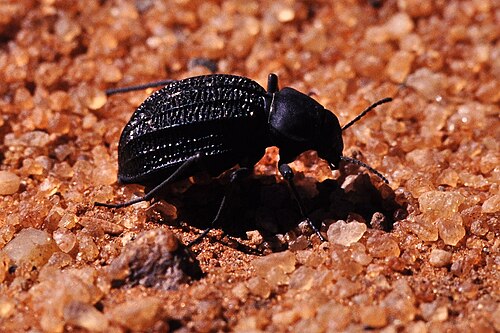
These clever insects tilt their bodies into morning fog rolling in from the Atlantic, letting tiny droplets condense on their hardened wing cases. Grooved patterns on their backs channel water straight to their mouths, so a beetle can harvest a single drop in seconds. By foraging at dawn, they dodge the midday scorch and quench their thirst before the heat intensifies. Scientists studying their water-harvesting trick hope to mimic it for desert water-collection technologies, but for these beetles, it’s simply the art of survival where every drop counts.
2. Desert Elephants
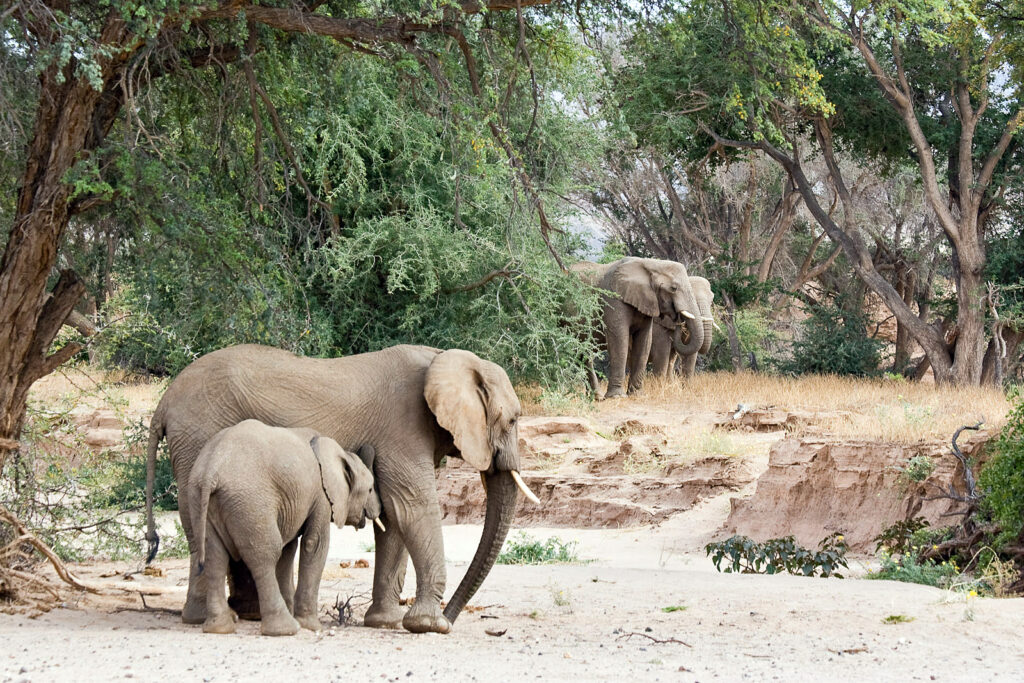
Namibian desert elephants stand taller and leaner than their forest cousins, with longer legs that help them stride across endless dunes. They remember ancient waterholes hidden beneath dry riverbeds and dig them out when rain fails to fall. By eating succulent roots and thorny shrubs, they extract moisture directly from plants, allowing them to go four days without drinking. Their seasonal migrations and well-dug wells not only sustain entire herds but also provide vital oases for other desert creatures.
3. Namib Lions
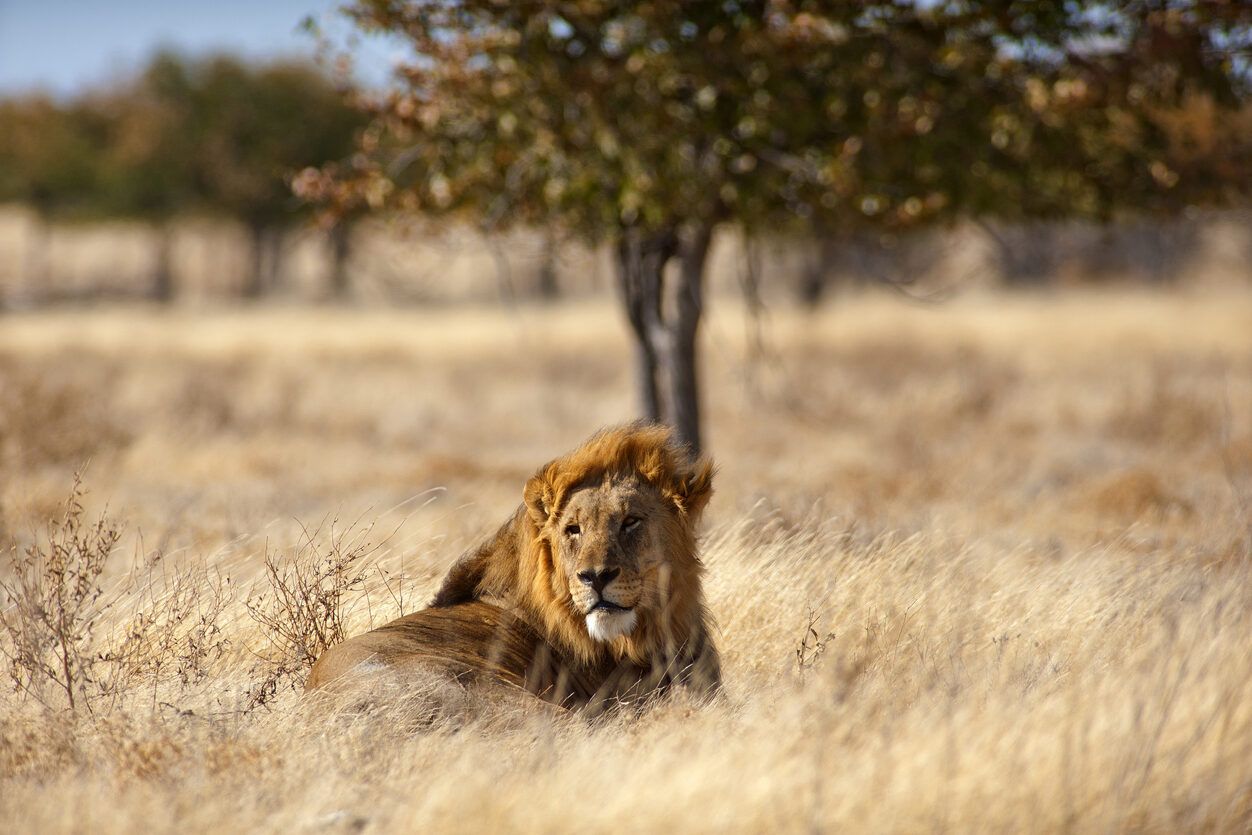
Cut off from other prides, Namib lions have slimmed down and adopted nocturnal hunting to escape high daytime temperatures. Under the cover of darkness, they stalk oryx and springbok drawn to scarce waterholes in dry riverbeds. Their tawny coats blend seamlessly with moonlit sand, and smaller group sizes ensure stealth in open terrain. By becoming true desert specialists, these lions showcase how apex predators can adapt body, behavior, and social structure to endure one of Earth’s harshest habitats.
4. Oryx
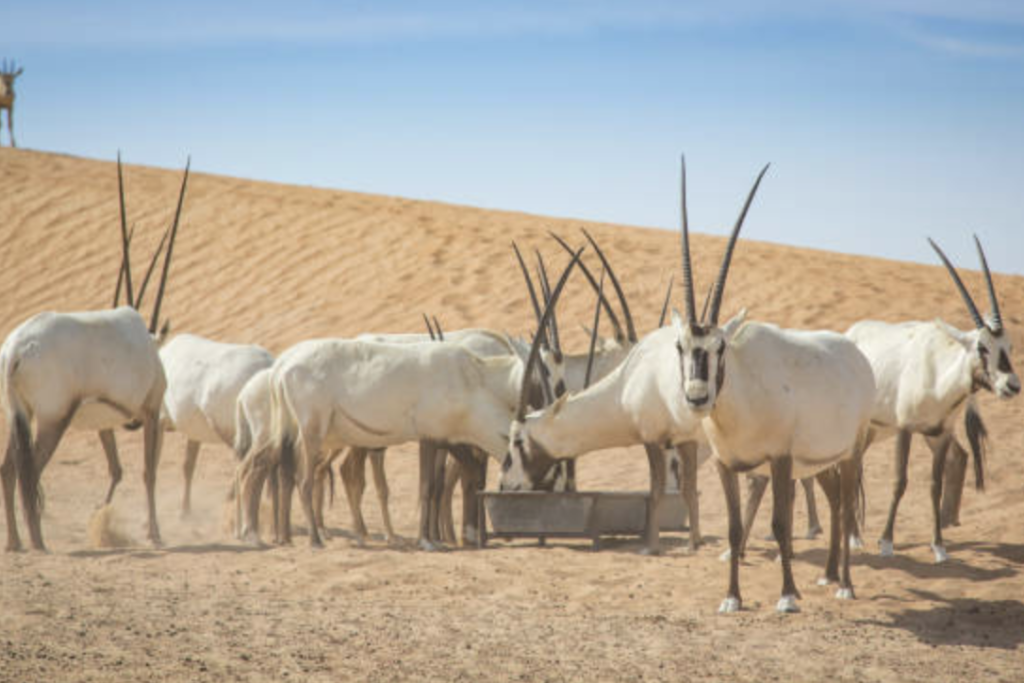
With striking black-and-white facial markings and long, straight horns, oryx are desert survivors by design. They can let their body temperature rise to nearly 46 °C before sweating, conserving precious moisture. Feeding at dawn and dusk, they browse on thorny shrubs, grasses, and even roots, extracting both nutrients and hydration from every bite. When fierce winds whip up sandstorms, they face into the gust, using their horns for balance. Ancient rock art in the Namib captures these majestic antelopes, linking them to human desert dwellers of millennia past.
5. Sidewinder Snakes
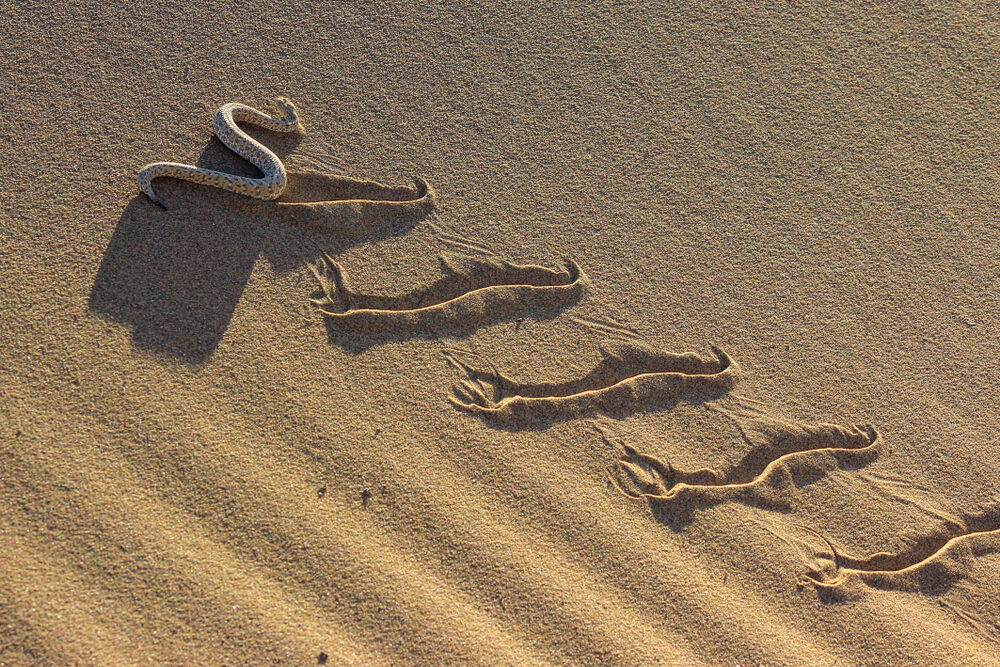
Rather than slithering straight ahead, sidewinders lift alternating sections of their bodies, gliding diagonally across scorching dunes with minimal ground contact. This signature sidewinding motion leaves J-shaped tracks trailing behind them. Nocturnal by nature, they emerge at dusk to hunt lizards and desert rodents, using heat-sensitive pits to detect warm prey burrowing below the sand. When threatened, they can “freeze” in an S-curve posture to assess danger before striking. Engineers studying their unique gait aim to replicate it for all-terrain robotic explorers.
6. Web-Footed Gecko
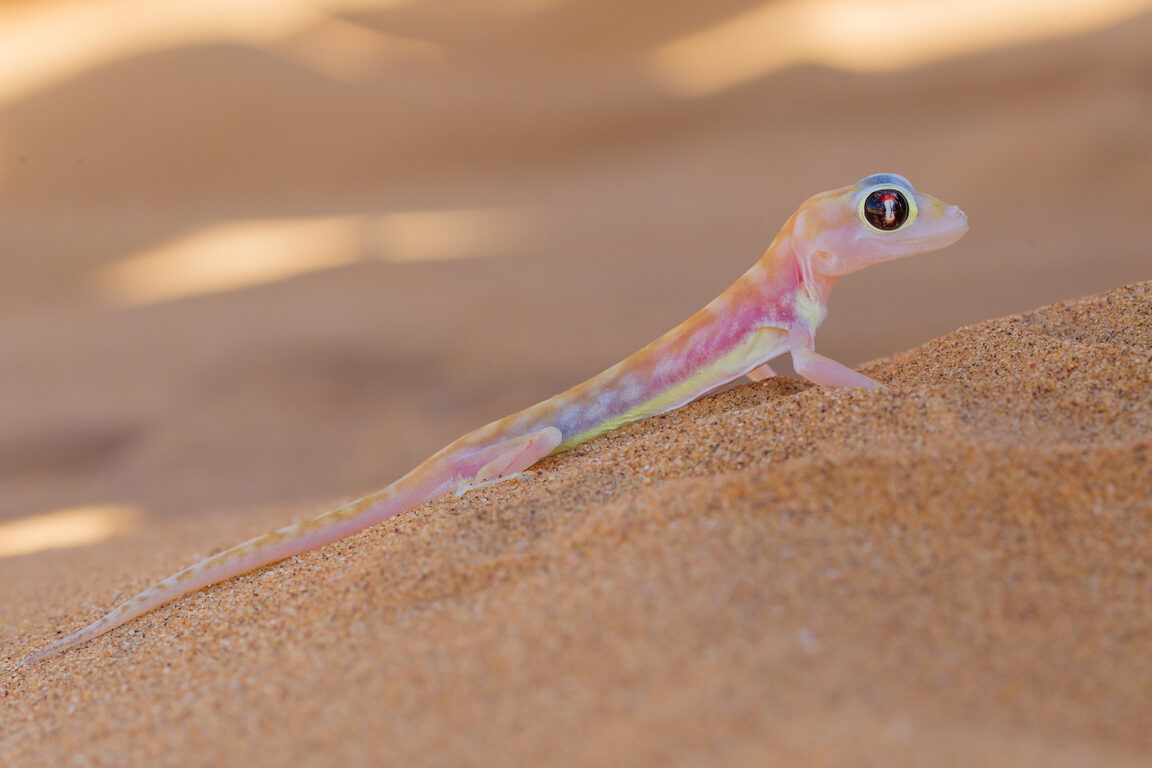
By night, the web-footed gecko becomes a desert sprinter, its oversized, toe-webbing spreading weight so it never sinks into loose sand. Under moonlight, it darts across dunes hunting insects and spiders, then digs shallow burrows with powerful claws to escape the heat come dawn. Its pale, sand-mottled skin offers perfect camouflage against shifting dunes, while sticky toe pads help it cling to rocks and plant stems. When danger looms, it can detach its tail to distract predators, disappearing into the cool, silent sands until the threat has passed.
7. Golden Mole
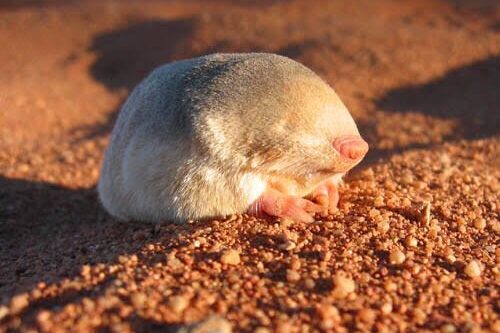
Beneath the sun-bleached surface, the golden mole “swims” through hot sand on broad, shovel-shaped forelimbs, using its metallic fur and wedge-shaped head to tunnel in search of insects and moisture. Completely blind, it senses prey and predators through vibrations, thanks to sensitive hairs on its face. By staying underground during the day’s peak heat and emerging at dawn or dusk, it maintains its body temperature and hydration. Although seldom seen, these elusive mammals play a vital role aerating dunes and controlling insect populations.
8. Dune Lark
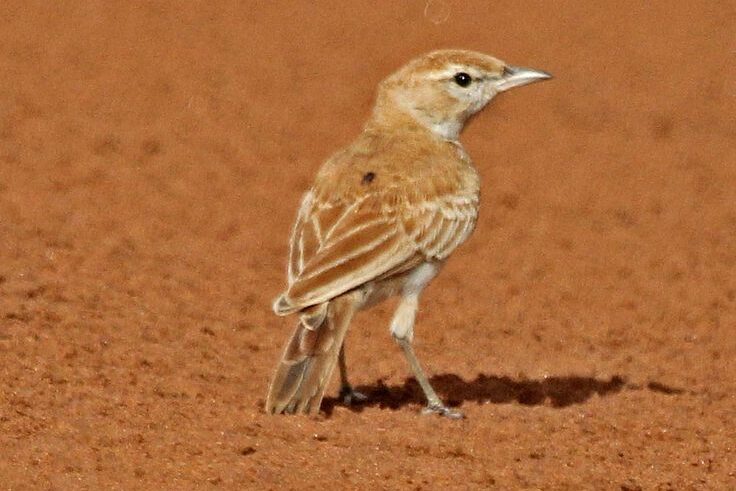
Nowhere else on Earth lives the dune lark, a small songbird perfectly tuned to shifting sands. Ground-nesting among hummocks of grass, it blends into tawny dunes with plumage that matches sun-bleached surroundings. Feeding on seeds, beetles, and termite alates flushed out by early morning heat, it rarely needs to drink, drawing moisture from its food. Its territorial calls echo across the dunes, a reminder of nature’s persistence. When rare rains fall, dune larks time their breeding to coincide with insect booms, ensuring their young have enough protein to fledge.
9. Namaqua Chameleon
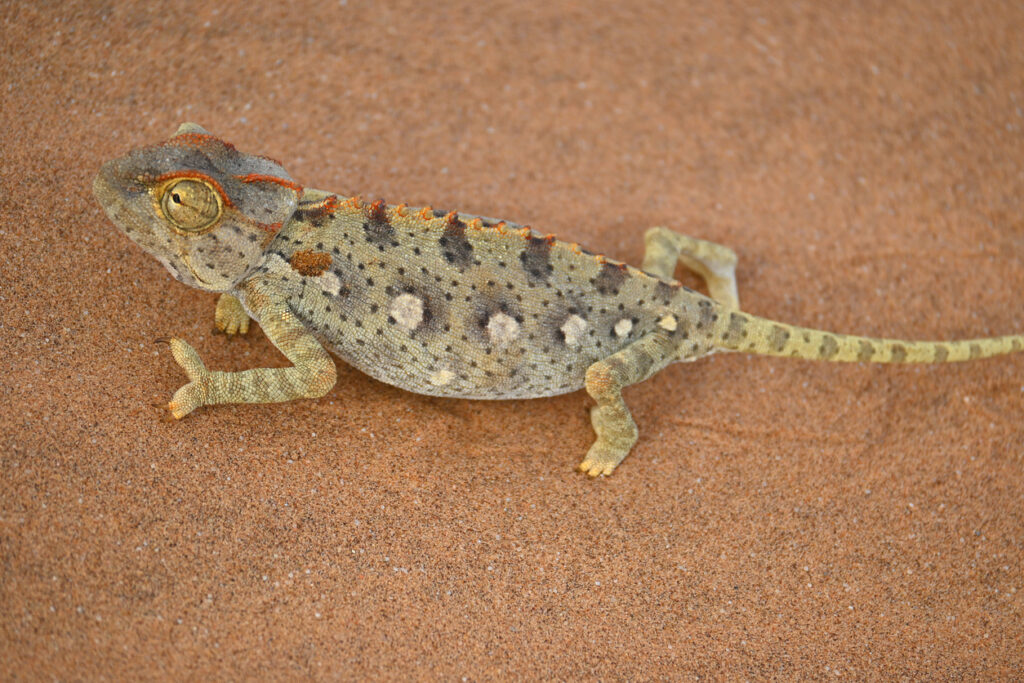
The Namaqua chameleon braves daytime extremes by changing color to reflect or absorb heat, shifting from pale sand tones to deep browns. With feet built for gripping shrubs and loose branches, it stalks beetles and other insects across hot sand flats. Its long, projectile tongue snatches prey in a flash, while independently rotating eyes scan for threats and snacks. Slower and more cold-sensitive than its greener cousins, it spends cooler mornings basking on low vegetation before retreating to shade when temperatures soar.
10. Jackal
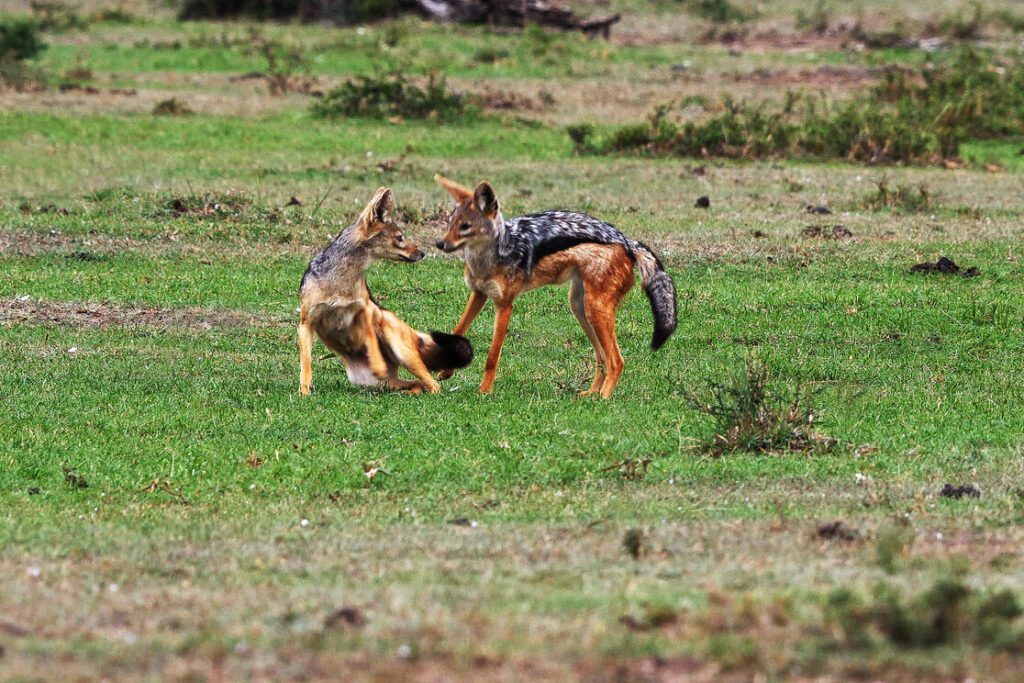
The black-backed jackal thrives as both hunter and scavenger, following larger predators like lions and hyenas to snap up leftovers along dry riverbeds and the Skeleton Coast. Its keen hearing and nose detect rodents beneath the sand, while its slender frame and long legs let it trot for miles in search of food. Jackals mate for life, digging dens in dune bases where pups stay cool underground. Opportunistic by nature, they’ll feast on fruits, eggs, insects, and carcasses alike, turning whatever the desert offers into a meal.
11. Brown Hyena
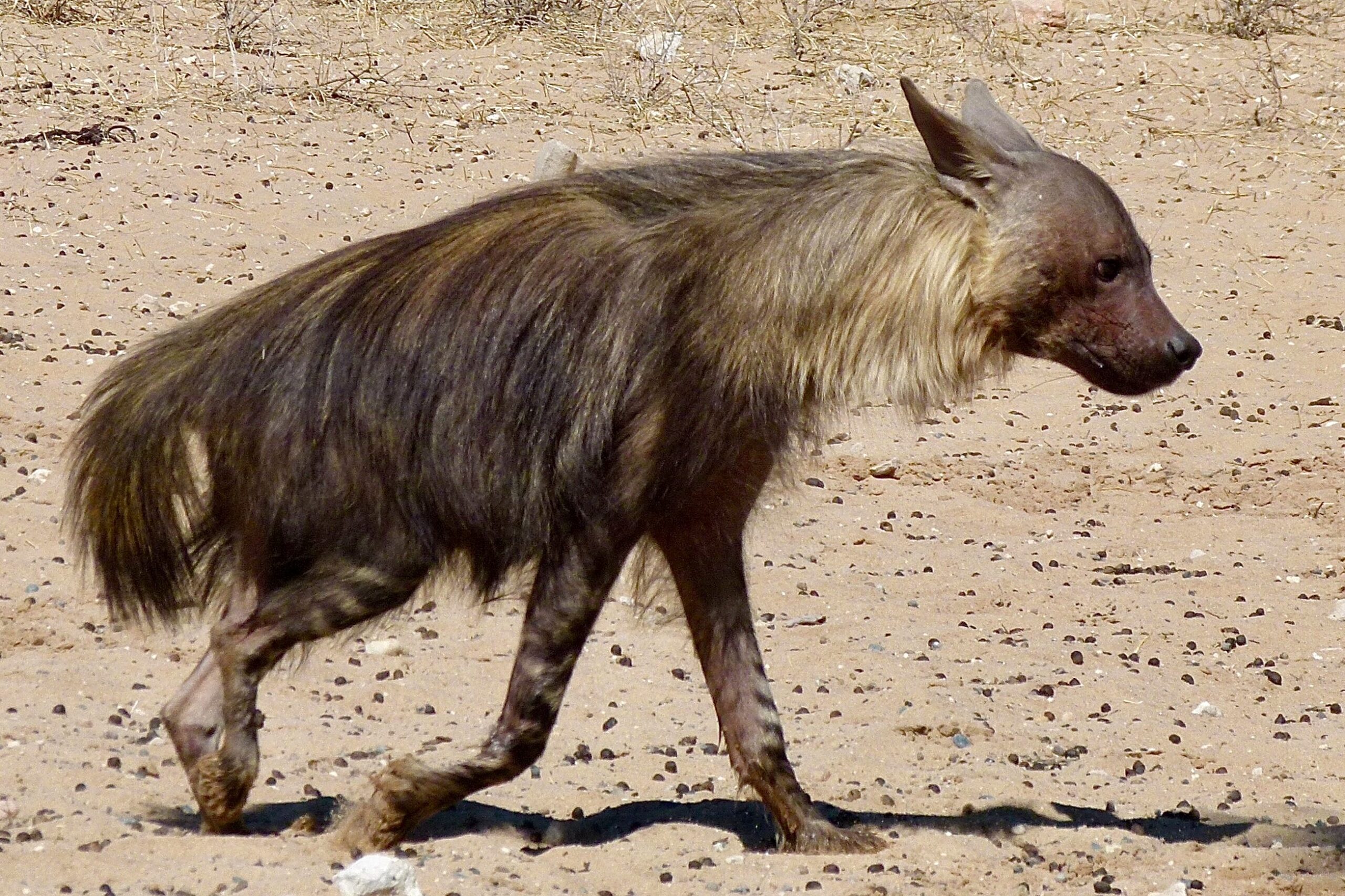
Brown hyenas roam Namibia’s arid sands and the eerie Skeleton Coast in small, matriarchal clans. With shaggy, sand-colored coats and powerful jaws, they scavenge seal carcasses along the shoreline and pick leftovers from lion or leopard kills inland. Mostly nocturnal to escape daytime heat, they use keen hearing to pinpoint prey or carrion buried under loose sand. Clans of up to ten share communal dens in rocky crevices or abandoned aardvark burrows, where pups stay cool underground. By cleaning up carcasses, brown hyenas recycle nutrients and curb disease spread, playing the desert’s vital cleanup crew.
This story The World’s Oldest Desert, and the 11 Wild Creatures That Call It Home was first published on Daily FETCH


