
1. Fan Blades Without Safe Cages
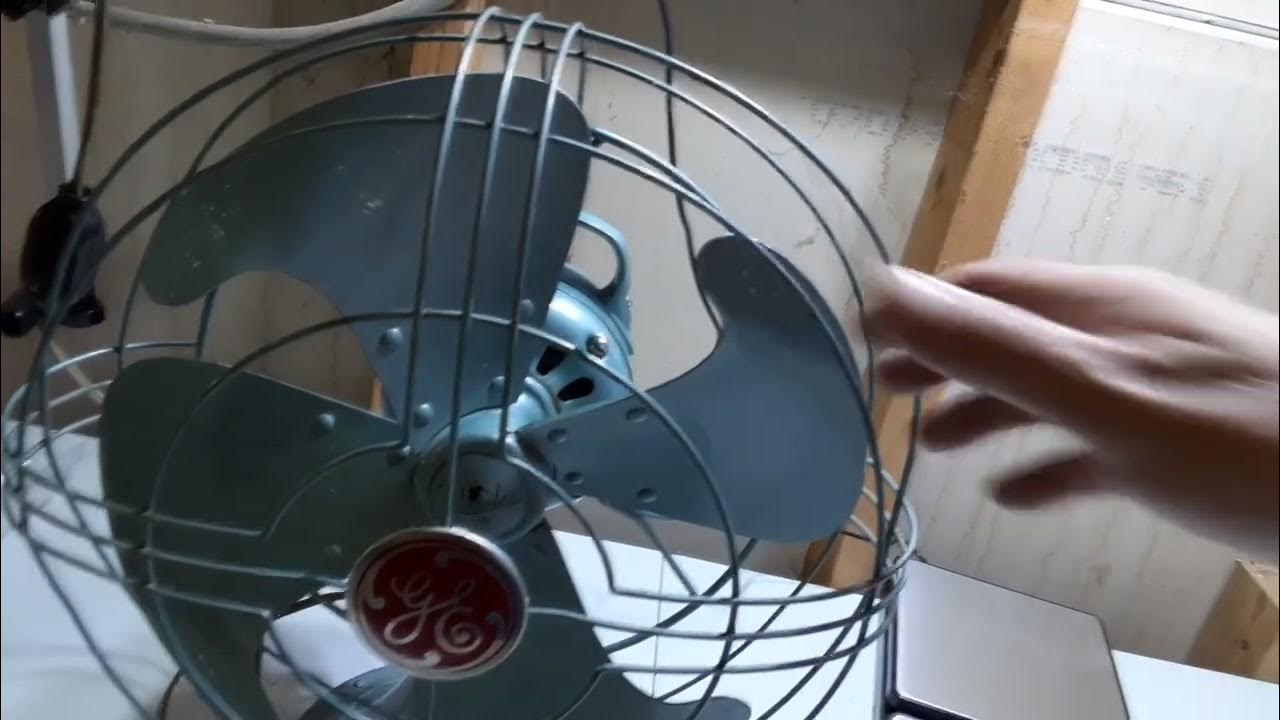
Back then, a spinning fan seemed harmless, especially on hot summer days when everyone gathered around for a breeze. But without proper cages, those fast-moving blades were an accident waiting to happen. Kids, curious and playful, would stick their fingers too close, not realizing how quickly a harmless moment could turn into tears. Parents might have scolded or warned, yet the design stayed the same. Today’s safety-first fans are a far cry from those open hazards, and most of us can’t imagine allowing such risky gadgets in a home where children roam freely without constant watch.
2. Portable Space Heaters
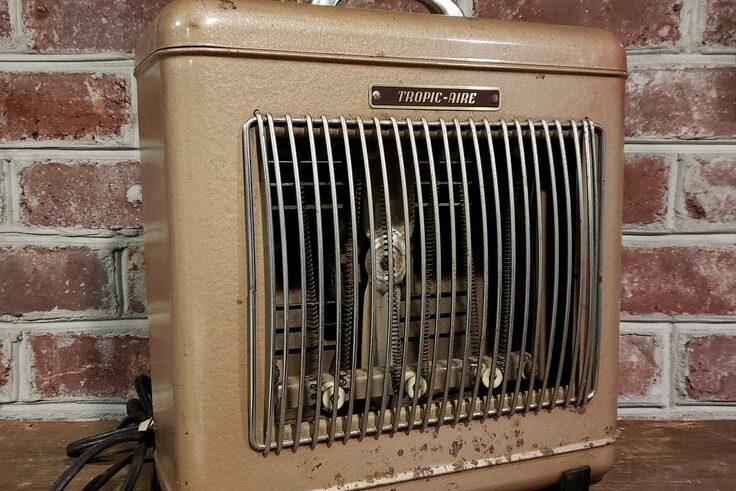
A portable space heater on a chilly evening felt like the perfect comfort. Small and simple, they warmed up a room quickly. The problem was they also tipped over easily, with no automatic shut-off to stop the heat from turning into a fire. One distracted moment could mean scorched rugs or worse. Families treated them like harmless companions, unaware of how unpredictable they could be. Now, safer designs and built-in protections make us wonder how we ever felt so casual about bringing such temperamental little heaters into our homes, trusting them to keep us safe through the night.
3. Lead Paint on Walls and Toys

Back in the 70s, bright colors on walls, cribs, and toys were part of the charm. No one thought twice about the ingredients that made them so vibrant. Lead paint was everywhere, giving that glossy, long-lasting finish people loved. The trouble was, peeling or chipping paint could easily be ingested by children, leading to serious health issues that weren’t widely known at the time. Homes, nurseries, and play areas all seemed cheerful and safe, yet they held a hidden danger. Looking back, it’s hard to believe something so toxic was once such a standard feature in family life.
4. Asbestos Ceiling Tiles and Insulation
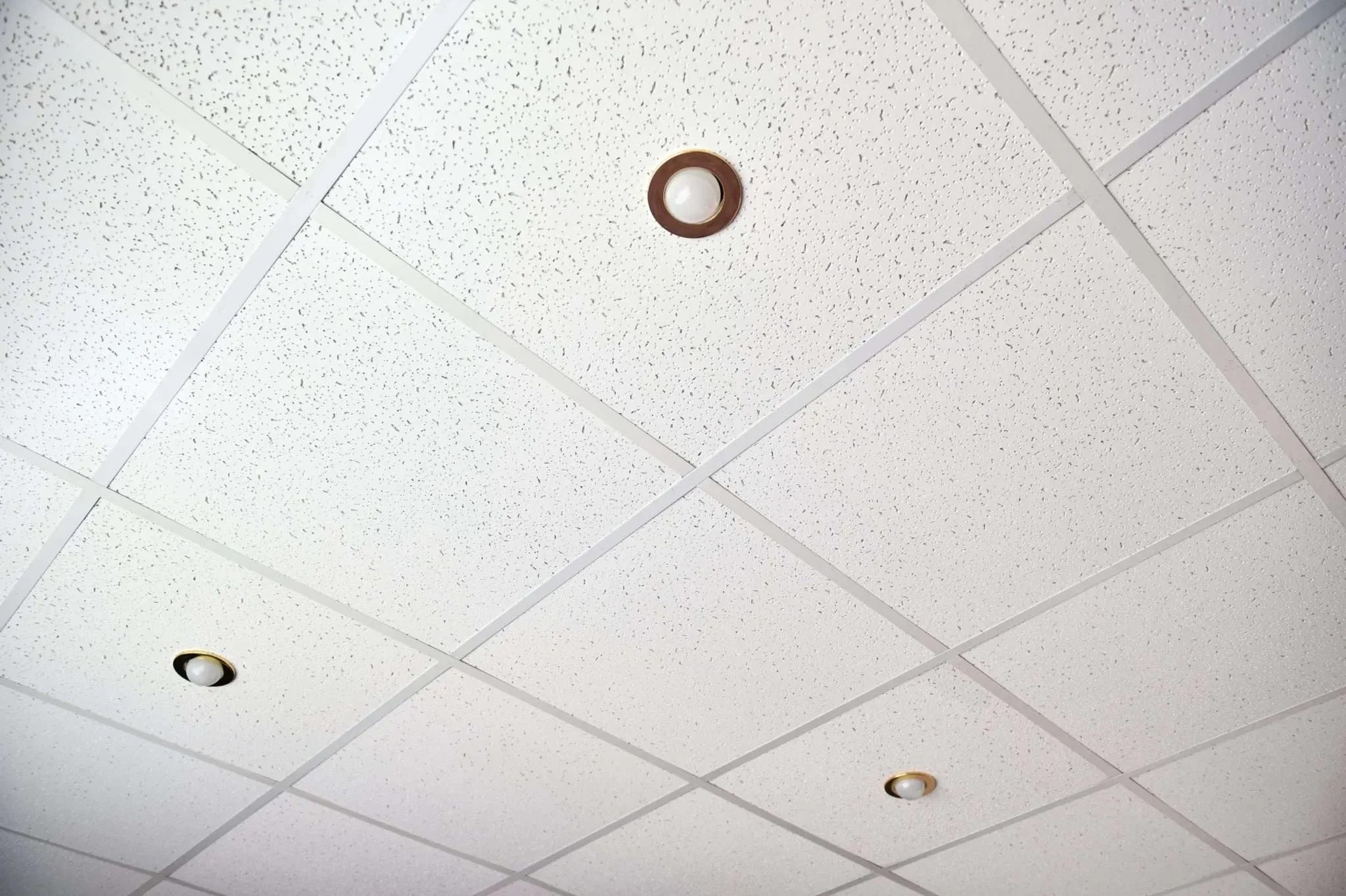
Asbestos was praised for its fireproof and insulating properties, making it a popular choice for ceiling tiles, insulation, and other building materials. Homeowners believed it was a smart, modern upgrade, never suspecting the harm it could cause. The microscopic fibers, when disturbed, could be inhaled and lodge in the lungs, leading to serious illnesses years later. Back then, no one worried about what they couldn’t see, and renovations often sent dust floating through the air. Today, we avoid it entirely, and many older homes have had it removed, a clear reminder that not every “innovation” stood the test of time.
5. Gas Appliances Without Ventilation
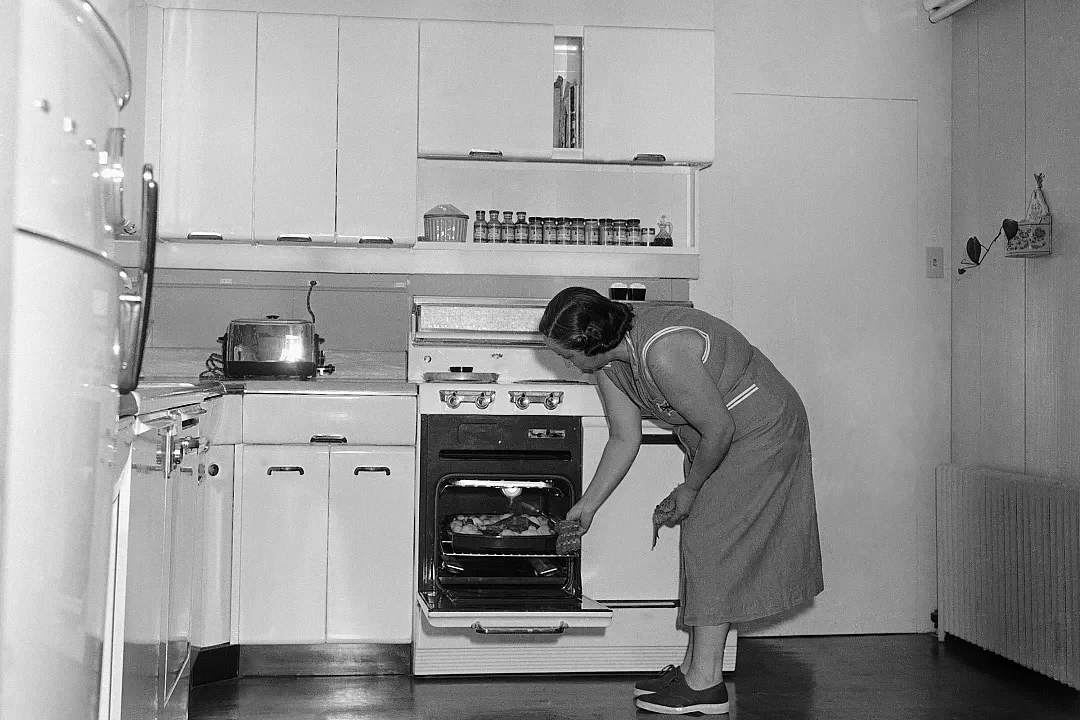
In many homes, gas stoves and heaters provided steady warmth and easy cooking without much thought given to ventilation. The smell of gas or the quiet hum of a heater was considered normal. Unfortunately, these appliances could leak carbon monoxide, a colorless, odorless gas that could make people sick or worse without warning. Without detectors, there was no way to know. Families often kept windows closed for warmth, making the risk even greater. These days, proper ventilation and safety devices are a must, but in the 70s, it was simply another overlooked danger hidden in plain sight.
6. Glass Coffee Tables with Sharp Edges
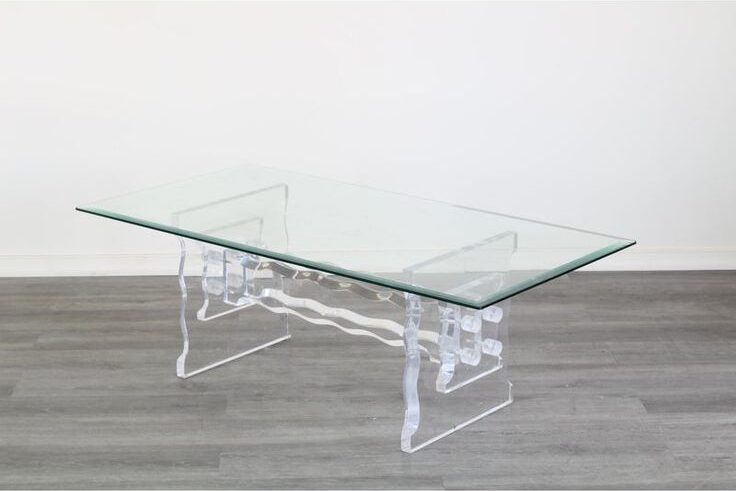
Sleek glass coffee tables were a design favorite, adding a touch of sophistication to living rooms. But beneath the shine and clean lines was a hazard waiting for an accident to happen. Their sharp edges and hard surfaces made them risky, especially for children running around or guests who tripped. One fall against the corner could leave a serious cut or bruise. Yet in the 70s, style often won over safety. Today, many homeowners choose rounded edges or shatter-resistant materials, trading a bit of that mid-century chic for peace of mind and a safer home environment.
7. Metal Playground Equipment on Concrete
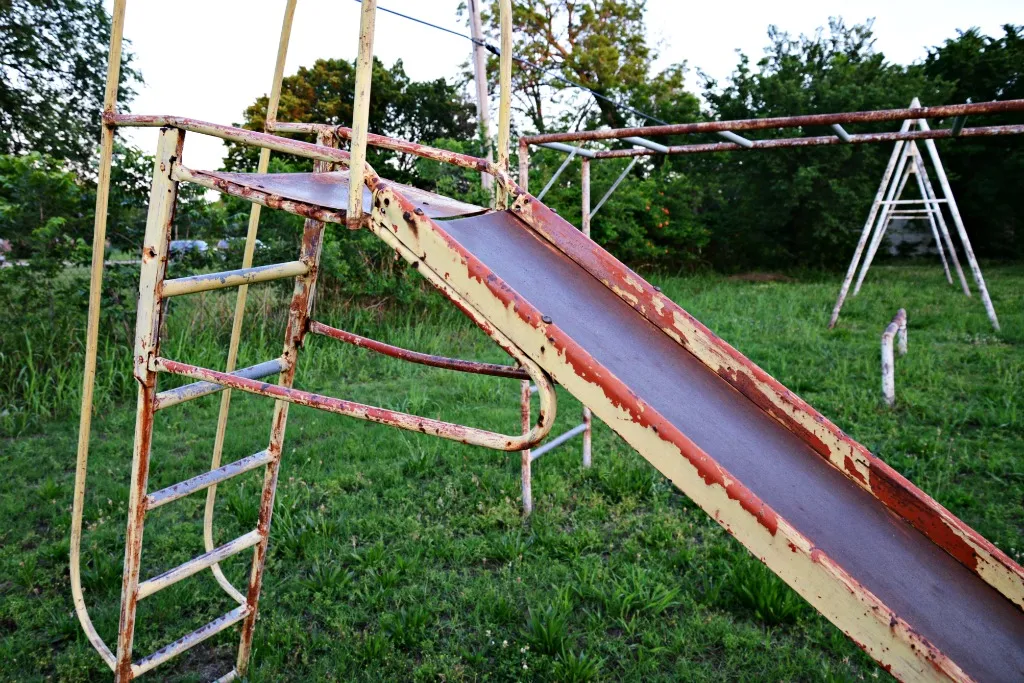
The neighborhood playground was a beloved gathering place, filled with metal slides, monkey bars, and swings that seemed endless in fun. What we didn’t think about was how hot the metal could get under the sun or how unforgiving the concrete below really was. Kids leapt, climbed, and swung without much thought of injury, but burns, bruises, and broken bones were common. Back then, scraped knees were part of growing up. Now, with softer surfaces and safer designs, playgrounds are built to keep the joy without the unnecessary risks, making it easier for parents to watch without constant worry.
8. Electric Blankets with No Auto Shut Off
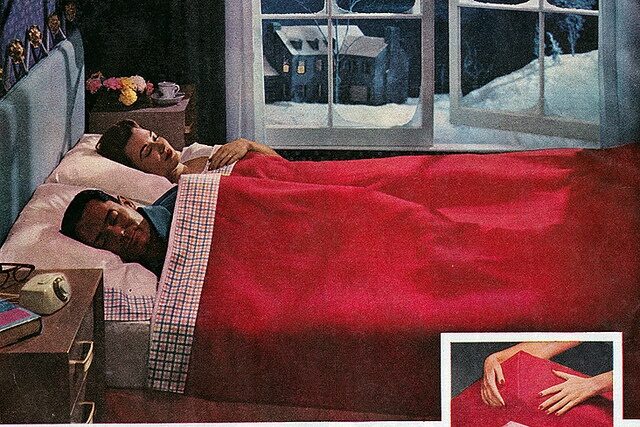
Slipping under a warm electric blanket felt like pure comfort on a cold night. In the 70s, these blankets kept people toasty for hours, but they had no auto shut-off. That meant they could overheat without anyone noticing, creating a serious fire hazard. Many families trusted them completely, sometimes leaving them on all night. Without today’s built-in sensors, a cozy sleep could have turned into something far more dangerous. Modern versions let us enjoy the warmth without the worry, making us appreciate how far safety technology has come since those simpler, riskier nights of effortless comfort.
9. Cigarette Smoke Everywhere

Smoking was part of daily life in the 70s. People smoked indoors, in restaurants, cars, and even around children without much thought. The air in homes often carried a faint haze, and it was considered perfectly normal. The idea that secondhand smoke could harm non-smokers was not widely accepted, so few saw it as a problem. Children breathed it in at home, guests lit up in living rooms, and it was simply part of the culture. Today, smoke-free spaces are the norm, and we look back wondering how we lived so comfortably with something now known to be harmful.
10. Chemical Cleaning Products Stored Under the Sink
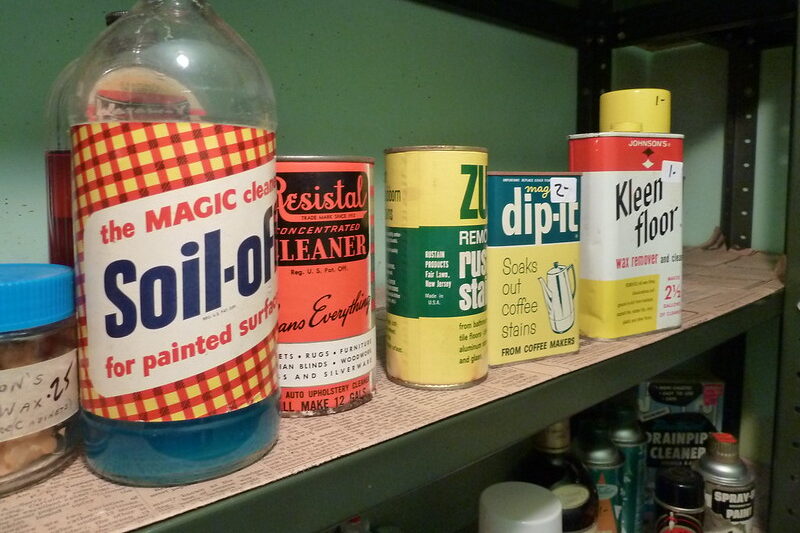
In the 70s, cleaning products often came in bright, colorful bottles that looked almost appealing to a child. Most were stored under the kitchen sink, easy to reach and without childproof caps. Parents might give warnings, but accidents happened when curious hands grabbed a bottle. Strong chemicals for cleaning floors, ovens, and bathrooms could cause serious harm if swallowed or spilled. Now, safety caps, locked cabinets, and higher storage keep these hazards out of reach. Back then, a colorful bottle under the sink seemed ordinary, but today it’s an obvious reminder of how safety awareness has evolved.
11. No GFCI Outlets Near Water
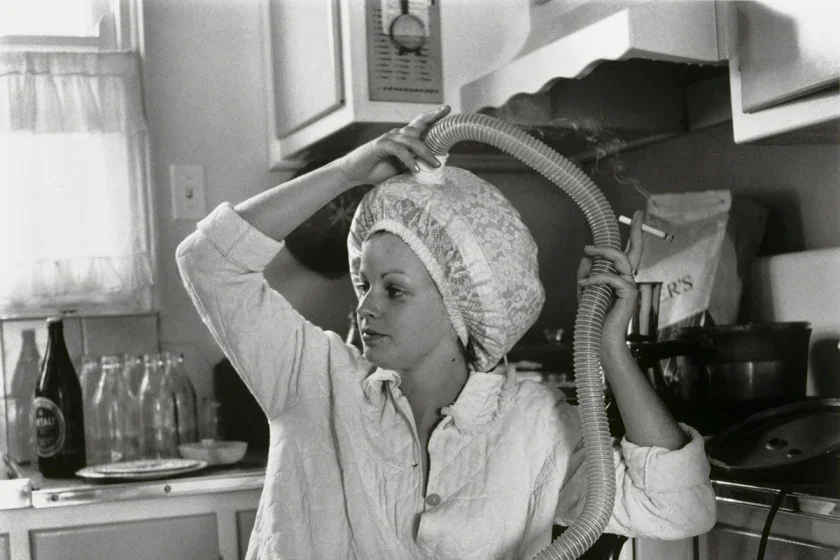
Bathrooms and kitchens in the 70s had regular outlets, even right next to sinks. Ground Fault Circuit Interrupter (GFCI) outlets were not common, so a plugged-in appliance near water could mean a dangerous electric shock. People used hair dryers, radios, and toasters close to the sink without a second thought. Water spills and damp hands made accidents more likely, yet few saw the risk. Now, building codes require GFCI outlets in these areas to protect against shocks. It’s a change that seems so basic today but wasn’t part of everyday safety thinking in that more carefree era.
12. Unanchored Furniture and TVs
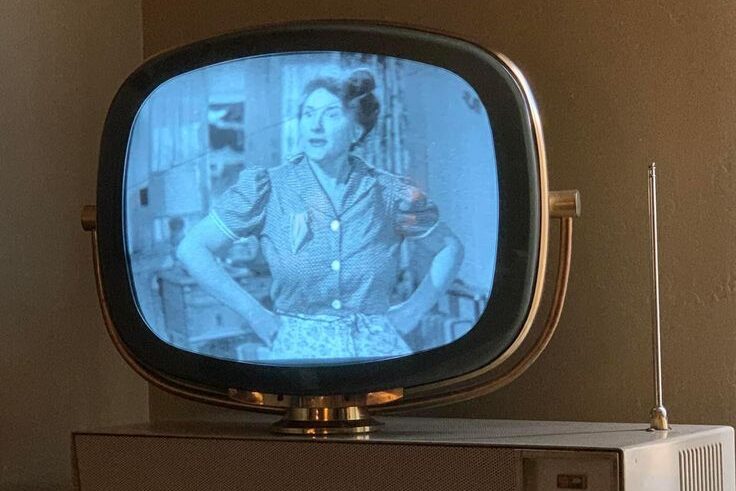
In many living rooms, big tube TVs and heavy dressers stood freely without any anchoring. They seemed sturdy enough, but a curious toddler climbing or pulling on them could make them tip instantly. Back then, the idea of securing furniture to the wall wasn’t common, so accidents were more likely. A moment of play could turn into a dangerous fall, especially with bulky sets or tall shelves. Now, anchoring is a standard precaution for parents, but in the 70s, it was just assumed that furniture stayed where you put it, even if that wasn’t always true.
13. Toy Guns That Looked Real

In the 70s, toy guns often looked almost identical to real firearms. Cap guns, BB pistols, and other replicas made playtime exciting for kids, but they also caused real-life confusion. From a distance, there was no clear way to tell they were toys, which could lead to dangerous misunderstandings. Parents didn’t always see the risk, thinking they were harmless fun. Today, bright colors, markings, and safer designs make toy weapons more obviously fake. It’s one of those changes that shows how something once seen as innocent needed a closer look to protect children from an unnecessary threat.
This story was first published on Daily FETCH August 16th, 2025


