
1. Whales
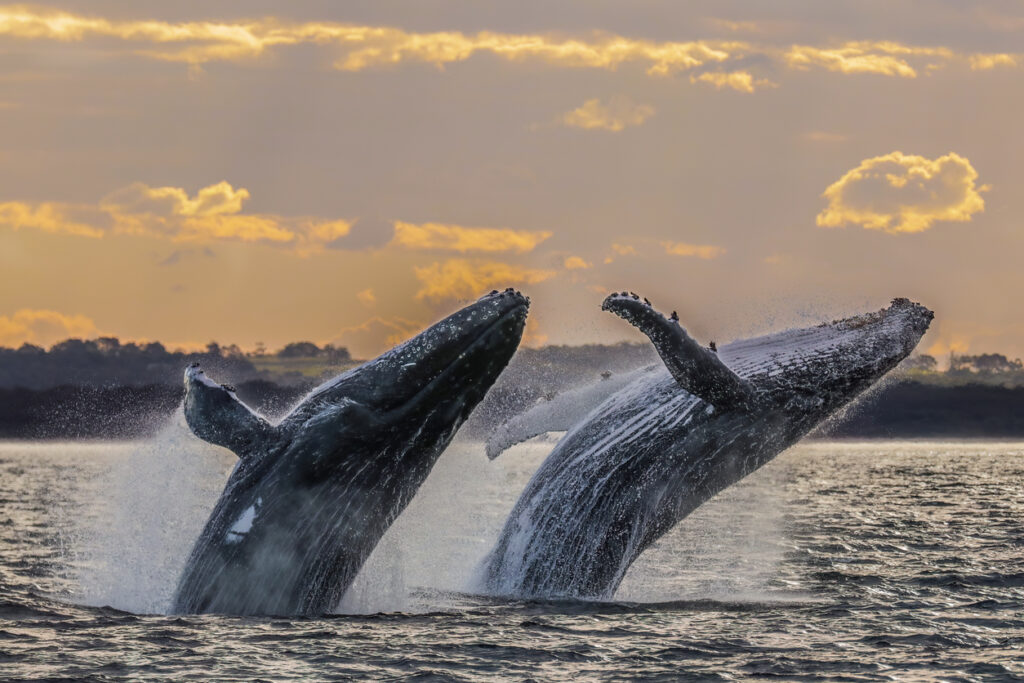
For all their beauty and size, whales carry an odd flaw for life in the sea. They cannot breathe underwater. Instead, they must rise to the surface to gulp air through their blowholes, a habit rooted in their mammalian ancestry. This means even during deep dives, they are racing against time and oxygen. It also puts them at risk when trapped or tangled, since they cannot hold their breath forever. Still, their strength, intelligence, and grace keep them at the top of the ocean’s food chain, proving that even with an ancient limitation, survival is about adaptation more than perfection.
2. Pandas
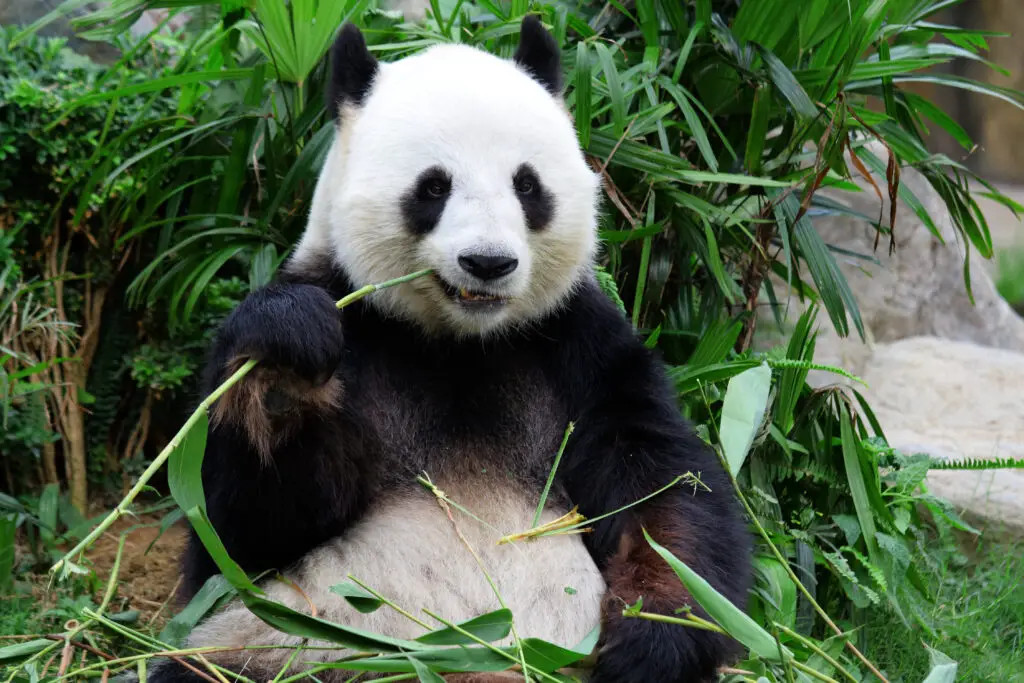
Pandas are built for a bamboo diet on the outside but not on the inside. Their digestive systems resemble that of meat-eaters, meaning they cannot properly break down the fibrous plant they eat almost exclusively. To cope, pandas spend nearly their entire day chewing through massive amounts of bamboo just to get enough energy. It is a stubborn dedication to a food source that leaves them vulnerable if it disappears. Yet in their quiet forests, this single-minded approach works for them. They survive, not because the design is flawless, but because they have learned to live with its shortcomings.
3. Human Infants

Compared to most mammals, human babies start life in a uniquely helpless state. They arrive with soft skulls, weak muscles, and no ability to walk, feed themselves, or defend against danger. This long period of dependence is tied to our large brains, which cannot fully develop inside the womb without making birth dangerous. The result is years of nurturing before independence. While it seems like a risky survival plan, it has allowed humans to form deep bonds, learn complex skills, and create societies where care is a shared responsibility, turning vulnerability into one of our greatest strengths.
4. Kiwi Birds
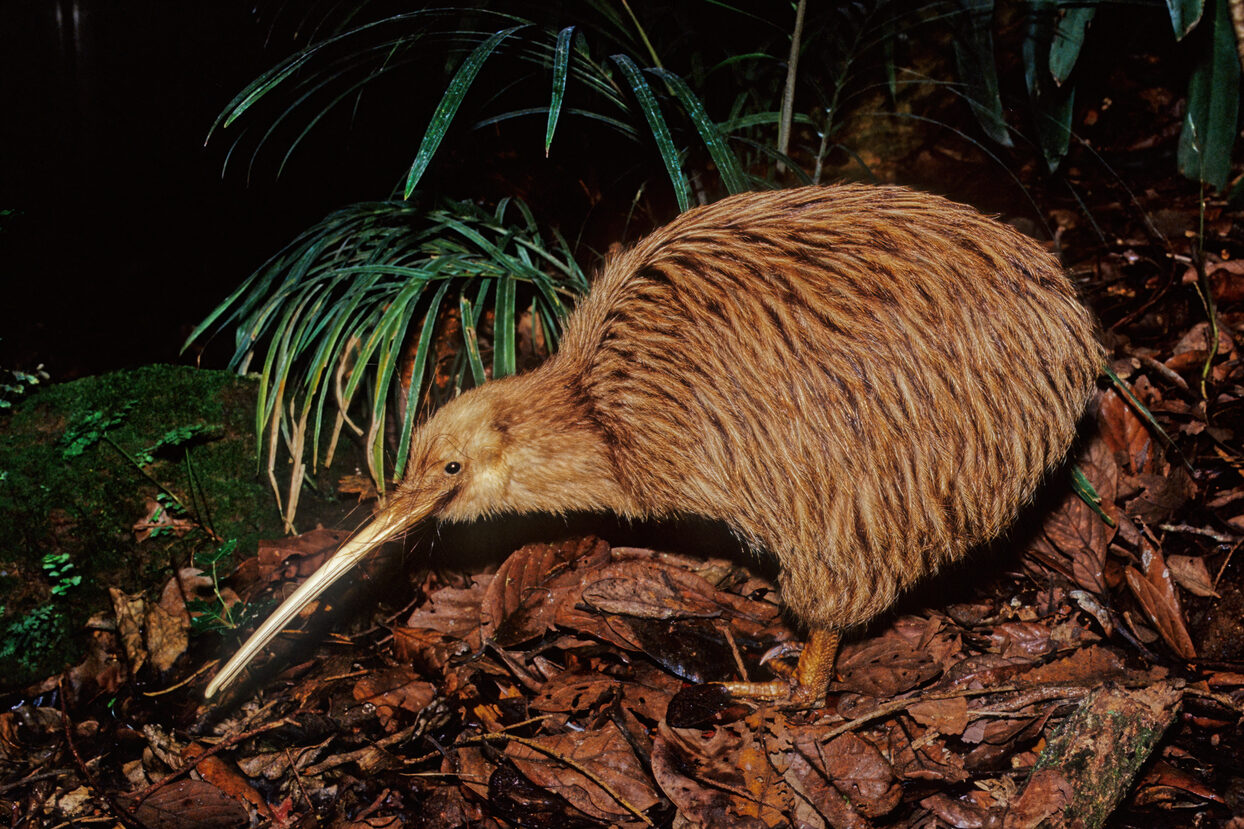
The kiwi bird is one of nature’s quirkiest designs. It cannot fly, has tiny wings, and has such poor vision that it relies more on smell than sight. Its nostrils are at the tip of its long beak, a feature that helps it find food but also causes dirt to clog them while foraging. This odd arrangement makes it slow and vulnerable, yet it has survived in its home forests for centuries. The kiwi’s life is a reminder that survival does not always require speed or power, just a way of living that fits your own small corner of the world.
5. Male Anglerfish
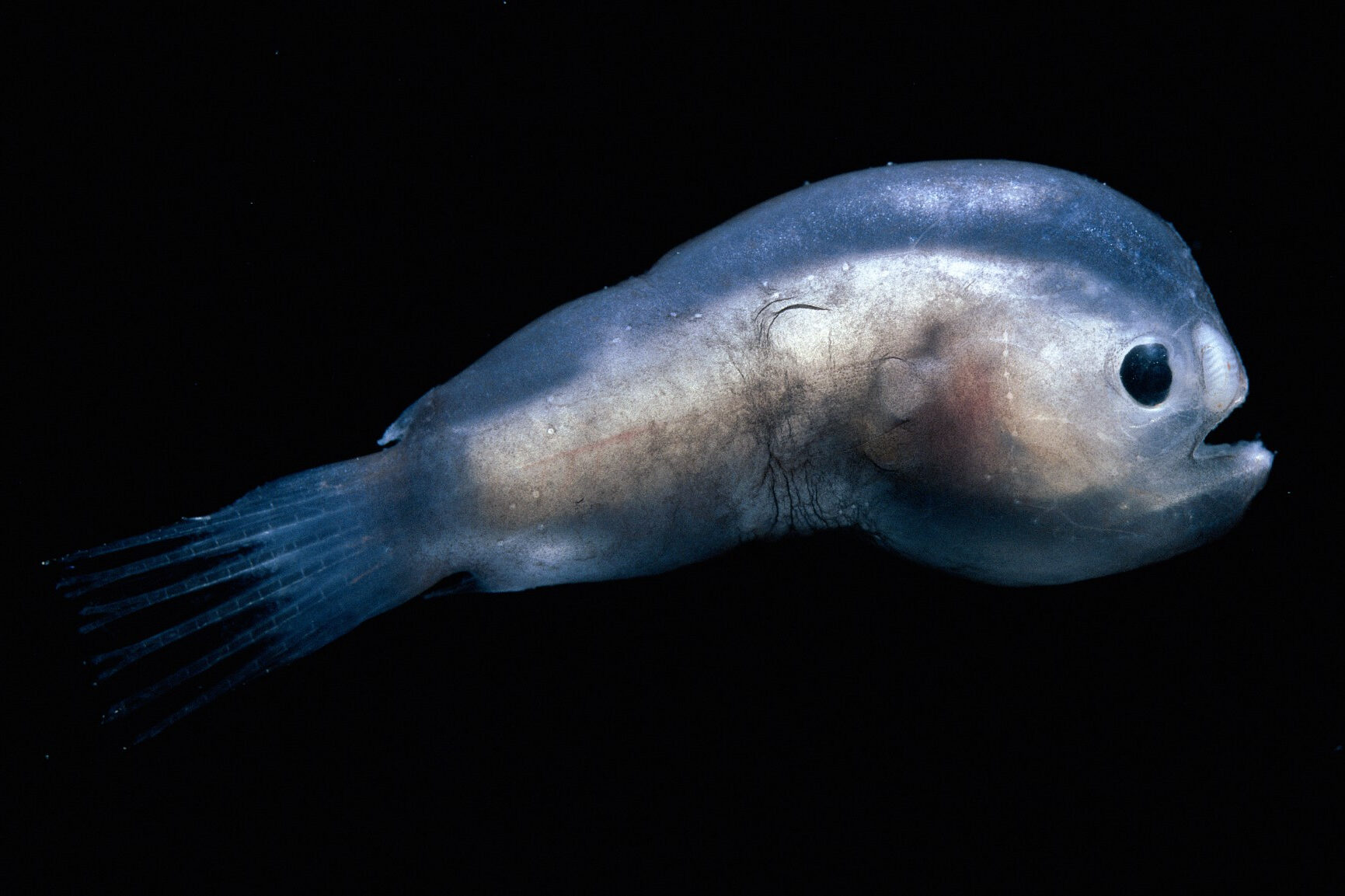
In the deep sea, the male anglerfish is a permanent partner in the most unusual way. Too small and weak to survive on its own, it bites into a female’s body and fuses with her, sharing her blood supply for nutrients. Over time, it loses its eyes, fins, and most of its organs, becoming little more than a living source of sperm. This strange arrangement ensures reproduction in a place where finding another fish might take months. It is not glamorous, but in the darkness of the deep ocean, it is an effective if imperfect solution to a difficult problem.
6. Sloths
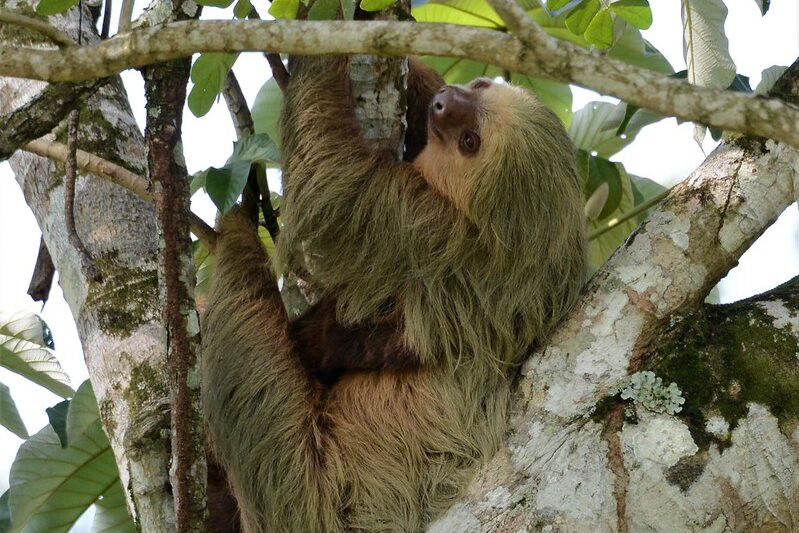
Sloths are so slow that algae grow on their fur, giving them a greenish tint that blends with the trees. Their unhurried movements save energy but also cause trouble. On rare occasions, they have been known to fall after mistaking their own arms for branches. They are built for hanging in trees, not for moving quickly on land, where they become clumsy and exposed. Yet their slow lifestyle helps them avoid predators, and their stillness is part of their survival. In a world that rewards speed, the sloth proves that patience can be a surprisingly successful evolutionary strategy.
7. Ostriches
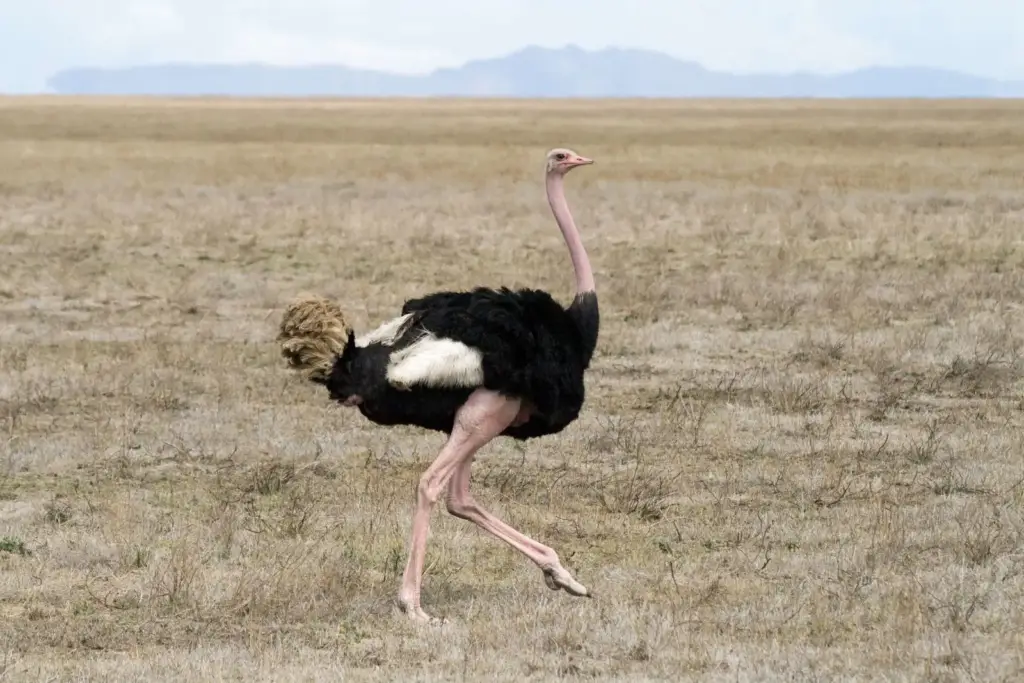
Ostriches are birds with wings they cannot use for flight. Instead, they rely on powerful legs that can carry them at incredible speeds across open land. While this speed can save them, panic sometimes leads them to crash into obstacles or injure themselves. Their wings still serve purposes in balance, shade, and courtship displays, but they are a leftover from a flying past. The ostrich’s design may seem incomplete, but it thrives in its environment by focusing on the strengths it does have, proving that evolution often works with what is already there rather than starting over completely.
8. Narwhals
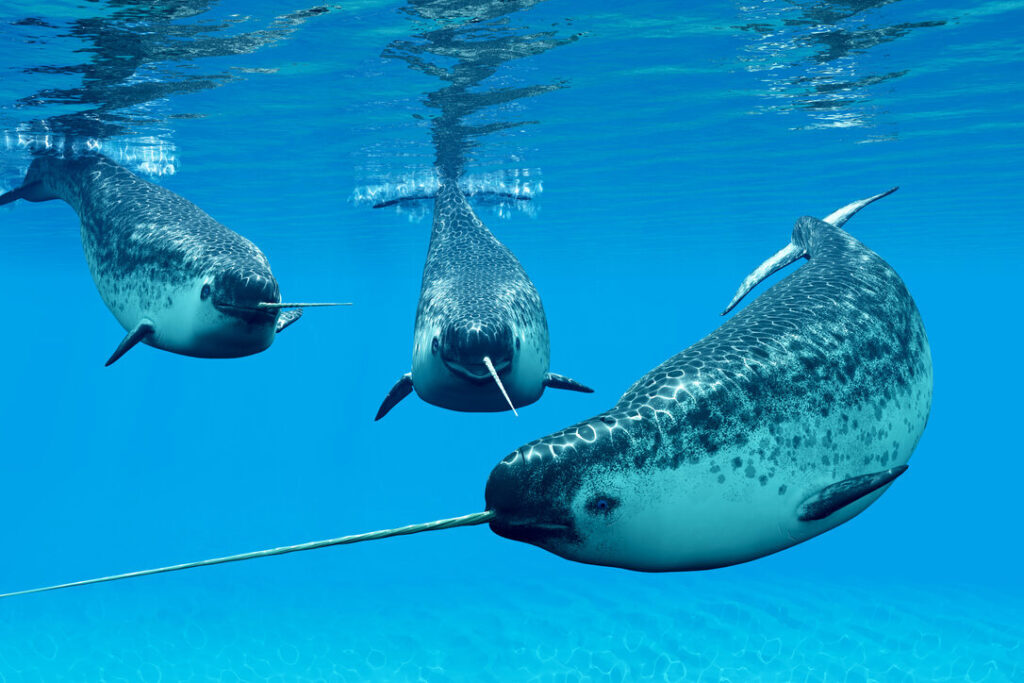
Narwhals are known for their long, spiral tusks, which can grow several feet and give them a mystical appearance. The exact purpose of the tusk is still debated, with ideas ranging from sensing the environment to social displays. However, in the icy waters they call home, the tusk can become a hazard, especially in narrow passages. This striking feature is both an asset and a liability, an example of how nature sometimes favors beauty or uniqueness over practicality. The narwhal’s survival shows that even uncertain adaptations can still have a place in the balance of the natural world.
9. Koalas
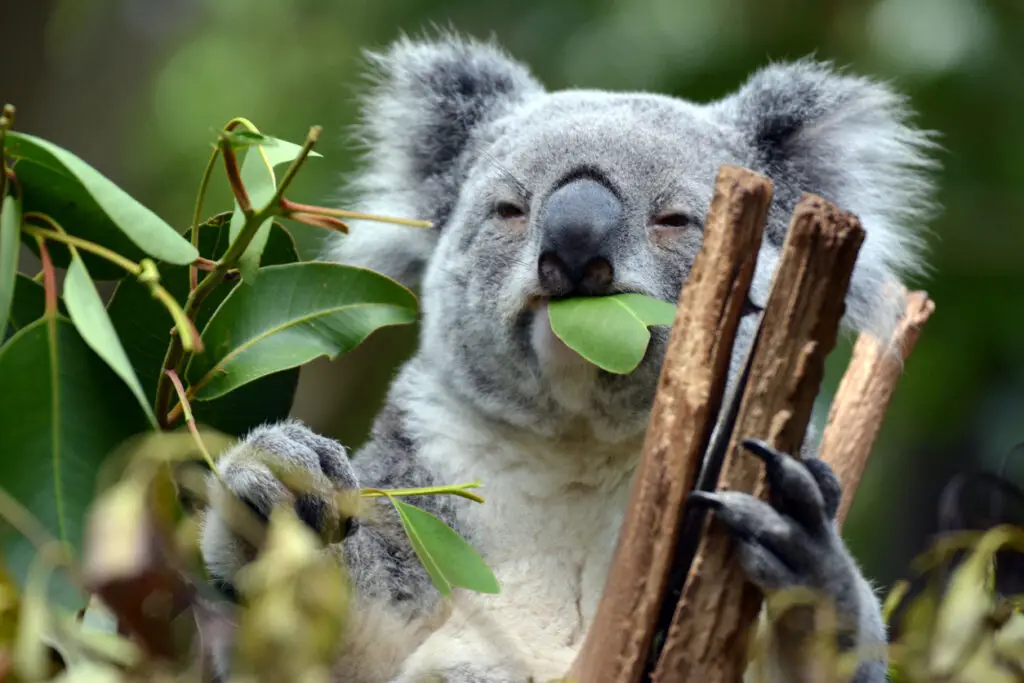
Koalas are famously picky, eating almost nothing but eucalyptus leaves. The problem is that these leaves are low in nutrients and mildly toxic, forcing koalas to sleep for most of the day to save energy. Their nearly smooth brains suggest they are not built for quick problem-solving or change, making adaptation harder when their food is threatened. While their specialized diet keeps competition low, it also puts them in danger if eucalyptus forests decline. Still, koalas continue their slow, quiet existence, holding onto a lifestyle that has worked for them for thousands of years despite its limitations.
10. Manatees
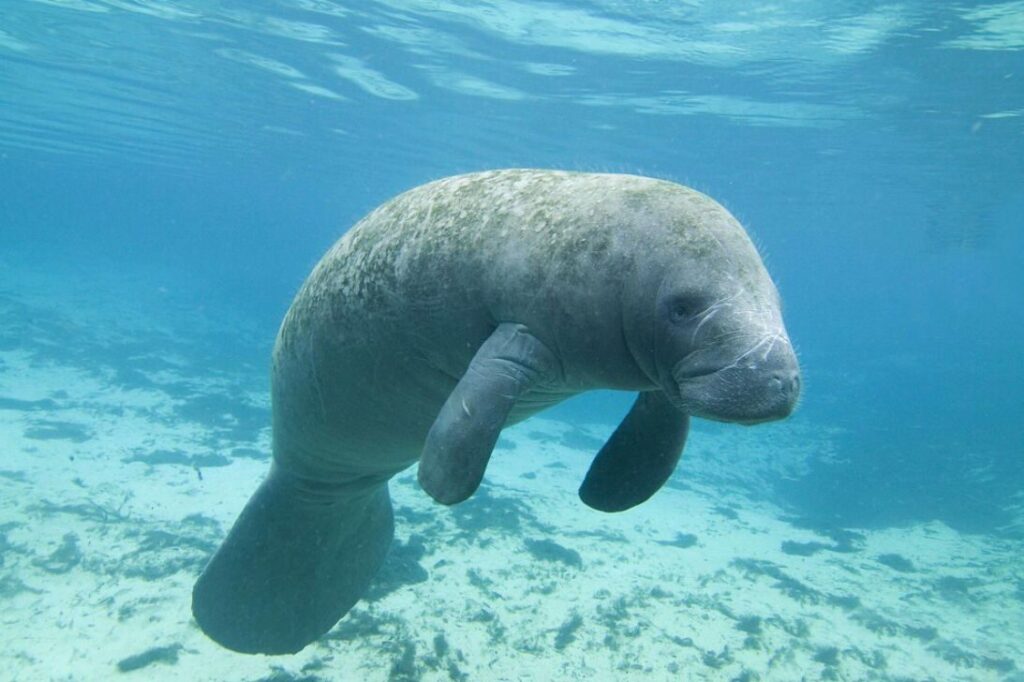
Manatees are peaceful herbivores that drift slowly through warm waters, grazing on plants. They have no natural predators, which worked well until humans arrived in their habitats. With poor eyesight and slow reactions, they cannot easily avoid boats, and collisions are now a major threat. Lacking any form of defense, they rely entirely on careful navigation by others to survive. Manatees are a reminder that an adaptation perfect for one time can become a flaw in another, especially when the environment changes faster than the species can. Still, their gentle nature continues to win them protection and human allies.
11. Giraffes
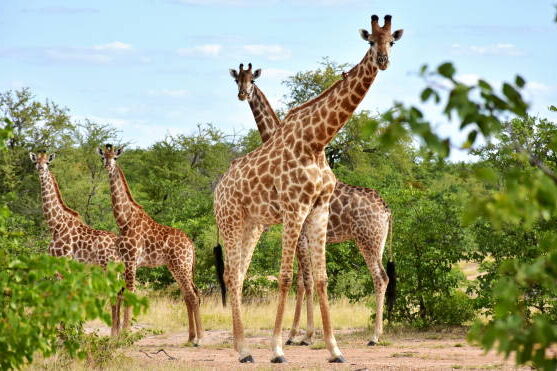
A giraffe’s long neck allows it to feed high in trees, away from most competition. But it also creates serious circulation challenges. Pumping blood all the way up to the brain requires extremely high blood pressure, and when lowering their heads to drink, giraffes must rely on special valves to avoid dangerous pressure changes. Drinking is awkward and leaves them vulnerable to predators. Despite this, their height gives them a powerful advantage in spotting threats and reaching food. The giraffe’s design may be a compromise, but it is one that has helped it survive across the African savanna.
12. Bumblebees
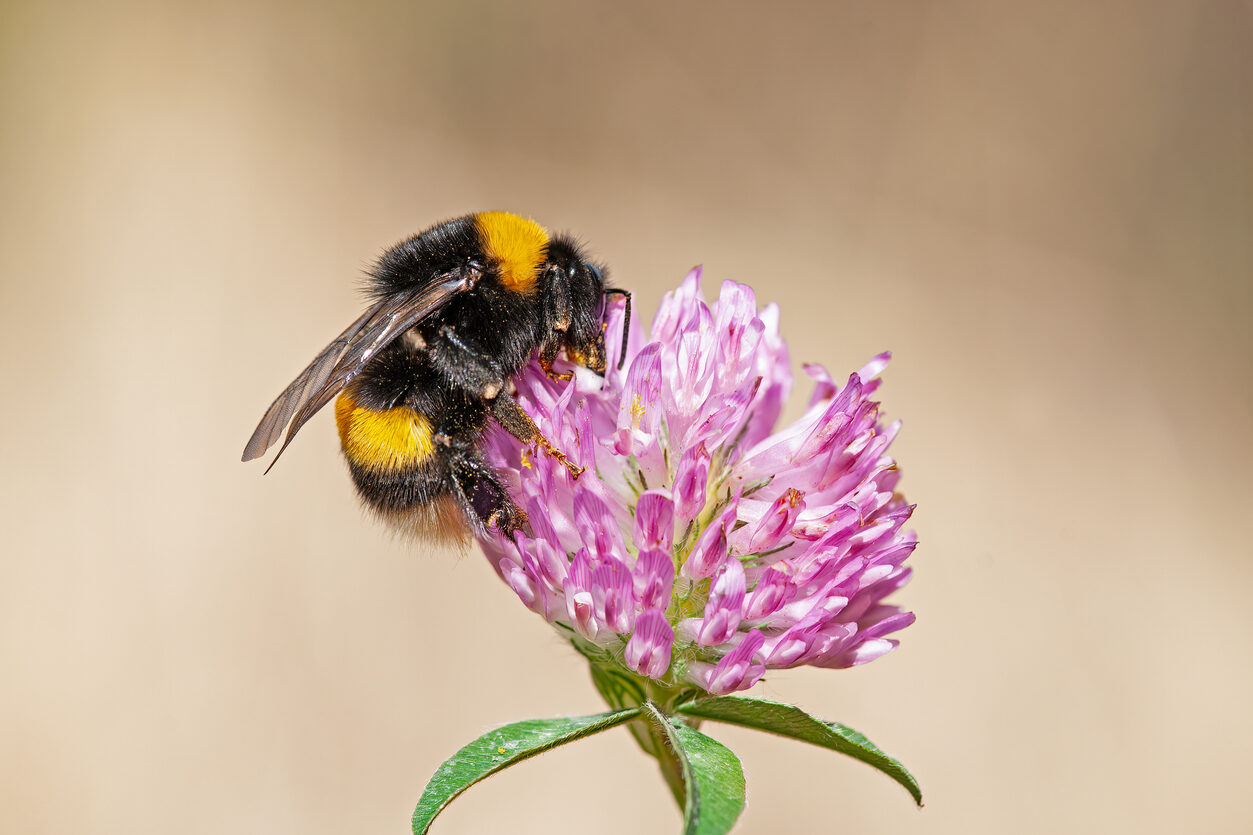
Bumblebees appear too round and heavy for their tiny wings, yet they fly with ease. Their secret is in how they move their wings, using rapid beats and unique patterns to create lift. This flight method burns a lot of energy, so they must constantly gather nectar to fuel themselves. Without their work pollinating plants, many ecosystems would suffer. They may not look aerodynamic, but they show that success is not always about following the obvious rules. Sometimes, finding your own way to make something work is the best form of adaptation in nature’s rulebook.
13. Pelicans

Pelicans are expert fishers, thanks to the large throat pouch that allows them to scoop up their catch. However, if they overfill it, the weight can pull them underwater and cause drowning. They can also choke if they swallow objects that are not food. This double-edged adaptation gives them a great advantage in feeding but also puts them at risk. The pelican’s story is one of balance, using its strength while avoiding the dangers it brings. It is a fitting end to this list, proving that no creature is perfectly made but many are perfectly suited to survive.
This story 13 Animals Evolution Didn’t Quite Finish and the Strange Flaws They Still Live With was first published on Daily FETCH


