
1. Uniformity over individuality
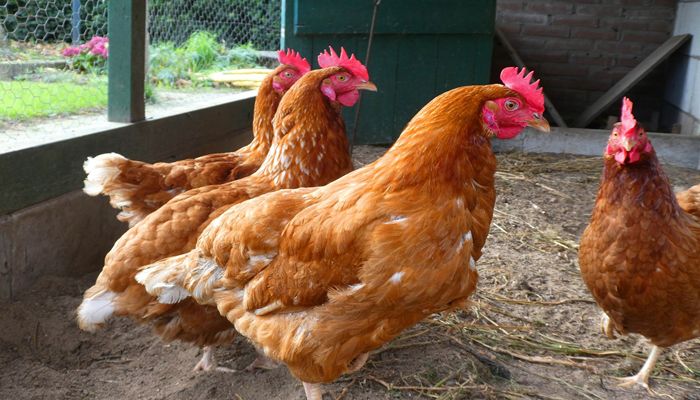
Some neighborhoods are built around the idea that everything should look the same. Lawns are neat, fences match, and houses blend together. Backyard chickens bring a different vibe that can stand out in ways not everyone likes. Even a small, tidy coop changes the scenery. For some residents, it feels like a departure from the image they value. Rather than adjusting to small differences, many communities prefer to maintain that carefully planned appearance. Banning chickens becomes a quick way to protect the uniform look they believe keeps property values and neighborhood identity steady.
2. Control through zoning

Cities rely on zoning rules to decide how land can be used. These laws often group chickens into agricultural categories, meaning they are treated the same as larger farming operations. This classification can automatically restrict them, even if a small flock poses no harm. It is less about the birds themselves and more about keeping neighborhoods within a set structure. Officials lean on these rules to maintain control over how areas develop. For many city councils, it is easier to stick with these guidelines than to rewrite them to allow small-scale chicken keeping.
3. Backyard chickens equal self-sufficiency

Raising hens for fresh eggs gives people a small sense of independence. For some city leaders, this step toward self-reliance feels like moving outside the system they have in place. Chickens mean fewer trips to the store and less dependence on commercial supply chains. It may seem harmless, but self-sufficiency can sometimes challenge local norms or economic interests. In communities where food production is tightly regulated, chickens become a symbol of doing things differently. That small act of control over what you eat can be enough to make some cities want to keep it in check.
4. A discomfort with change

Many neighborhoods were designed years ago with lawns, driveways, and maybe a garden, but certainly not with the idea of raising chickens. This makes the concept feel unfamiliar to city planners and residents who are used to things staying the same. Change often comes slowly, especially when it means rewriting old guidelines. Allowing chickens might feel like a big shift in what a neighborhood should look or feel like. Instead of adapting, officials sometimes prefer to hold on to what they know, avoiding adjustments that challenge the original design of the area.
5. Nonconformity raises eyebrows

When someone chooses to keep chickens, it makes their home stand out in a way that is practical rather than purely decorative. For some neighbors, that is intriguing, but for others, it feels like a challenge to the norm. People notice what is different, especially when it does not match the rest of the street. It can be enough to spark discomfort or curiosity that leads to complaints. Cities often step in to keep everyone within the same bounds. The result is fewer personal choices for those who want something a little different in their backyard.
6. HOAs and neighborhood pressures

Even in places where the city says chickens are allowed, homeowner associations can say otherwise. HOAs often have rules designed to maintain a certain look or feel in the neighborhood. This can mean no coops, no matter how clean or small. These decisions are often about keeping up appearances and protecting property values. Since HOA rules can be stricter than city laws, residents must follow them. The pressure to blend in with neighbors can be strong, making it difficult for anyone who wants to enjoy the benefits of keeping a few hens at home.
7. Perceived vs. actual nuisance
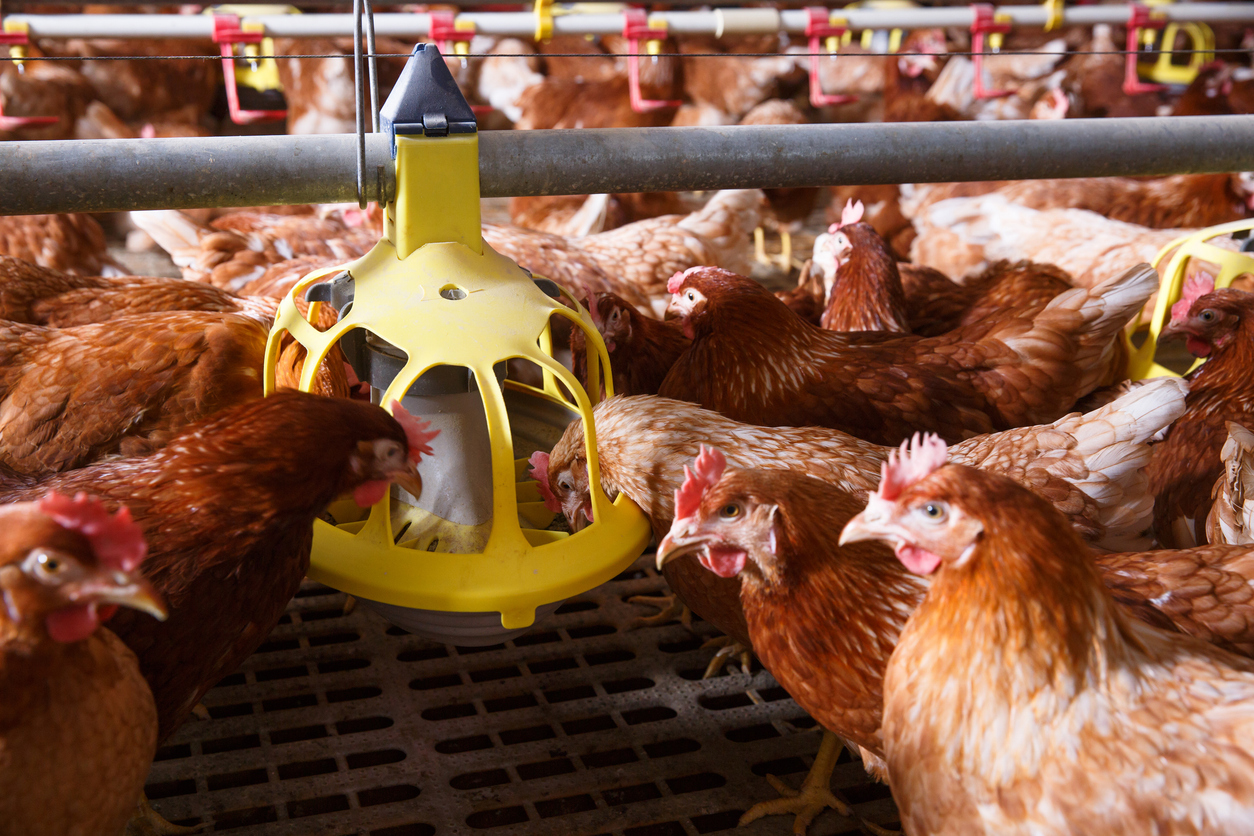
Some people imagine chickens to be noisy, messy, or even smelly, but the reality is often different. A well-kept flock of hens is usually quieter than dogs and easier to manage than some pets. The problem is that old assumptions linger. If neighbors think chickens will disturb their peace, they are more likely to push for bans. Instead of addressing these outdated ideas with facts, cities sometimes take the easy route by prohibiting chickens altogether. This approach avoids debate but also ignores the truth that responsible chicken keeping rarely causes the problems people fear.
8. The image of livestock

To many officials, chickens are simply livestock, the same as cows, pigs, or goats. This broad label triggers restrictions that were originally meant for much larger animals. The reality is that a few hens in a small coop have little in common with a full-scale farm, but the law often makes no distinction. When chickens are grouped into the same category, they face the same bans. This one-size-fits-all thinking means that small-scale, low-impact backyard chicken keeping is caught up in rules designed for animals that truly require more space and oversight.
9. Bureaucratic simplicity

City governments have limited time and resources, so they often prefer rules that are easy to enforce. A blanket ban on chickens takes less effort than setting up inspections, managing permits, and responding to individual situations. While it may seem efficient, this approach also sweeps away the rights of people who could keep chickens responsibly without causing any trouble. Bureaucratic simplicity might make things easier for officials, but it leaves no room for residents to prove they can care for a small flock in a way that benefits their household and community.
10. A subtle limit on lifestyle choice

The question of keeping backyard chickens is not always about the birds themselves. It is often about personal freedom and the right to choose how you live. Raising hens is one small way to shape your own lifestyle, but some cities see it as outside the boundaries they want to set. Banning chickens can be a quiet way to keep communities within a certain mold. In the end, it is less about coops or eggs and more about deciding how much room people have to live in a way that reflects their own values.
This story 10 Reasons Cities Really Ban Backyard Chickens (And It’s Not Really About Noise or Smell) was first published on Daily FETCH


