
1. The Twilight Zone (1959–1964)
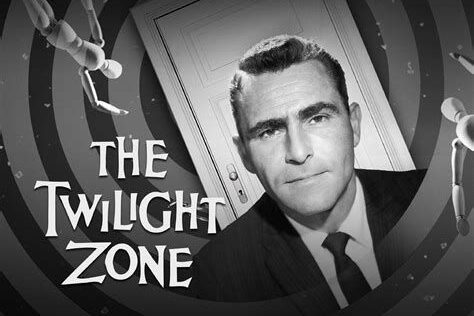
The Twilight Zone blended science fiction and moral lessons in a way that was revolutionary for its time. Each episode used strange and often unsettling scenarios to explore human nature, social injustice, and the consequences of our choices. The storytelling was tight and purposeful, delivering twists that lingered long after the credits. It never underestimated its audience, trusting them to see the deeper meaning beneath the suspense. By using imagination to address real-world fears and hopes, it spoke across generations. Its smart, haunting tales still feel fresh today, proving that thought-provoking television can be timeless in both style and substance.
2. The Wire (2002–2008)
What seemed like another gritty cop drama turned into a multi-layered exploration of how systems fail the very people they are meant to protect. The Wire moved through the streets, schools, newsrooms, and political offices, revealing connections you might not expect. It did not offer easy answers, and that was the point. Every season left you thinking about how deeply entrenched problems really are. You felt like a quiet observer learning more than you realized at first. It was smart storytelling without showing off, and the lessons often stayed long after the credits rolled. Not many shows can claim that.
3. The West Wing (1999–2006)

It is rare to find a show that makes politics feel both thrilling and human, but The West Wing pulled it off with ease. The snappy dialogue and layered storylines made you feel part of the conversation, even when it was about complex policies most dramas avoided. It respected the audience enough to dive deep into diplomacy, economic reform, and social issues without holding your hand. You felt smarter just by keeping up. It was as much about the relationships between characters as it was about governance, making it warm and compelling. Shows like this remind us that smart can be fun.
4. M*A*S*H (1972–1983)
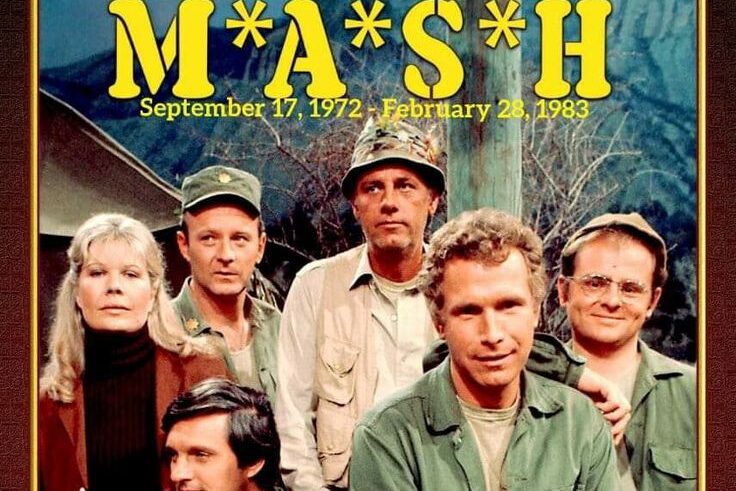
M*A*S*H managed the delicate balance of humor and heartbreak in a way that few shows ever have. Set during the Korean War, it was full of lighthearted banter while never shying away from serious conversations about loss, trauma, and injustice. It spoke on subjects like racism, the cost of war, and mental health with clarity and compassion. You might laugh in one moment and feel a lump in your throat in the next. That emotional range made it more than a sitcom. It was a smart, layered commentary wrapped in a uniform of humor and humanity, and it still resonates today.
5. The Simpsons (1989–1999 original run)
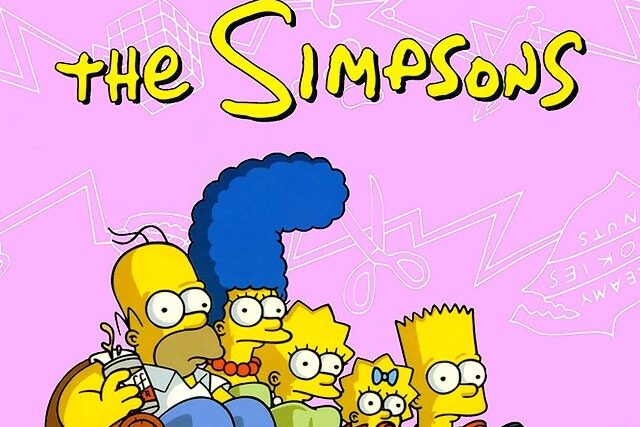
The Simpsons in its early years was far more than slapstick humor and catchphrases. It was layered satire that dissected politics, religion, family dysfunction, and modern life with sharp wit. Every joke carried an extra meaning if you looked closely, often pulling from literature, history, and philosophy. That blend of intelligence and humor made it accessible yet thought-provoking. It could make you laugh one moment and spark a new perspective the next. The beauty was how much it trusted the audience to keep up. Beneath the colorful animation, it had more to say than most live-action shows ever dared.
6. All in the Family (1971–1979)
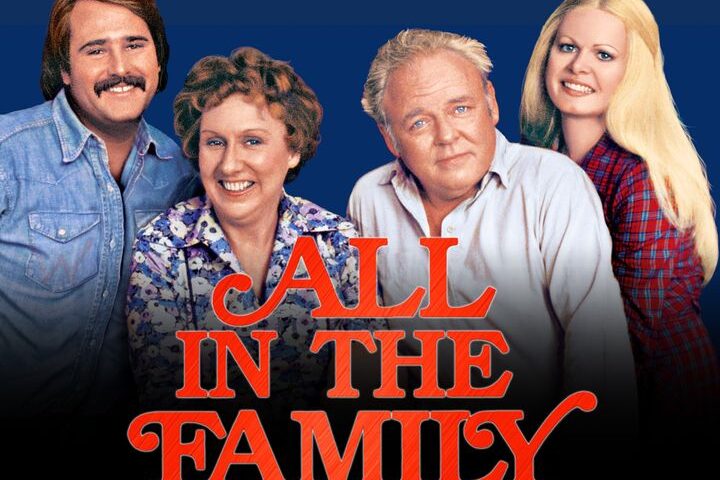
All in the Family was groundbreaking in how it brought real-world social issues into living rooms across the country. Archie Bunker was both frustrating and fascinating, reflecting attitudes that many preferred to ignore. Through humor and conflict, it tackled racism, sexism, and generational change in ways that made people think and talk. The beauty was in how it mixed discomfort with laughter, forcing important conversations without losing its relatability. Even now, the show’s courage to confront uncomfortable truths feels rare. It was more than just entertainment; it was a mirror held up to society, asking us to look closer.
7. The Good Place (2016–2020)

The Good Place looked like a quirky afterlife comedy, but its real genius was how it taught moral philosophy while keeping the story fun. Concepts like ethics, free will, and the meaning of a good life were explored in ways that made you think without feeling weighed down. It managed to be uplifting even while asking hard questions about what it means to be human. The characters’ growth mirrored the audience’s understanding, making it feel personal. By the end, you were laughing, crying, and learning all at once. It proved that smart television could also be bright and full of heart.
8. BoJack Horseman (2014–2020)
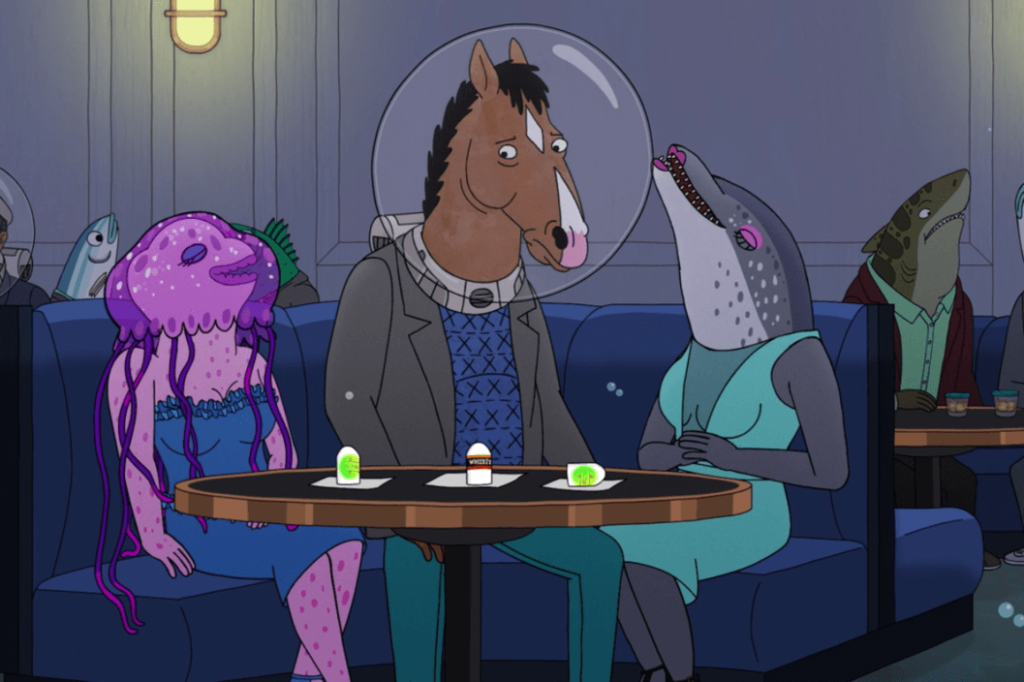
BoJack Horseman might look like an offbeat cartoon about animals in Hollywood, but it is one of the most emotionally intelligent shows ever made. Behind the absurd humor was a deep dive into depression, addiction, fame, and the struggle for self-worth. It held up a mirror to personal flaws while still finding moments of beauty and hope. The writing was sharp and self-aware, making you laugh even when the truth it revealed was uncomfortable. It was brave enough to avoid tidy resolutions, trusting you to sit with the complexity. That honesty is why it remains unforgettable for so many viewers.
9. Cheers (1982–1993)
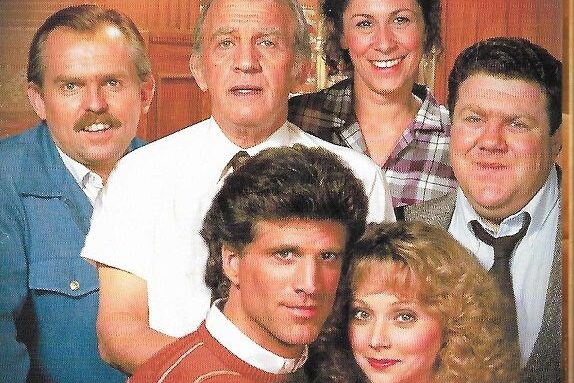
Cheers felt like a place you could walk into on a bad day, but it was more than a cozy sitcom. Beneath the friendly banter and lighthearted moments, it explored loneliness, unspoken dreams, and the messy nature of relationships. Characters were given space to grow in ways sitcoms rarely allowed, with arcs that felt honest and earned. The early years in particular had a bittersweet charm, mixing humor with real emotional weight. It never shouted its intelligence, but it was there in every scene. Sometimes, the smartest shows are the ones that make you feel before you even realize it.
10. The Mary Tyler Moore Show (1970–1977)
The Mary Tyler Moore Show didn’t just entertain; it redefined what a sitcom could be for women on television. Mary Richards was ambitious, kind, flawed, and human, showing a modern woman navigating career and life with grace. The show captured workplace dynamics with warmth and honesty while still delivering consistent laughs. It gave its characters emotional depth without losing its light touch. Watching it felt like visiting friends who encouraged you to embrace both your strengths and insecurities. In blending comedy with real emotional truths, it showed that humor can be a powerful way to talk about identity and ambition.
11. Roseanne (1988–1997 original run)
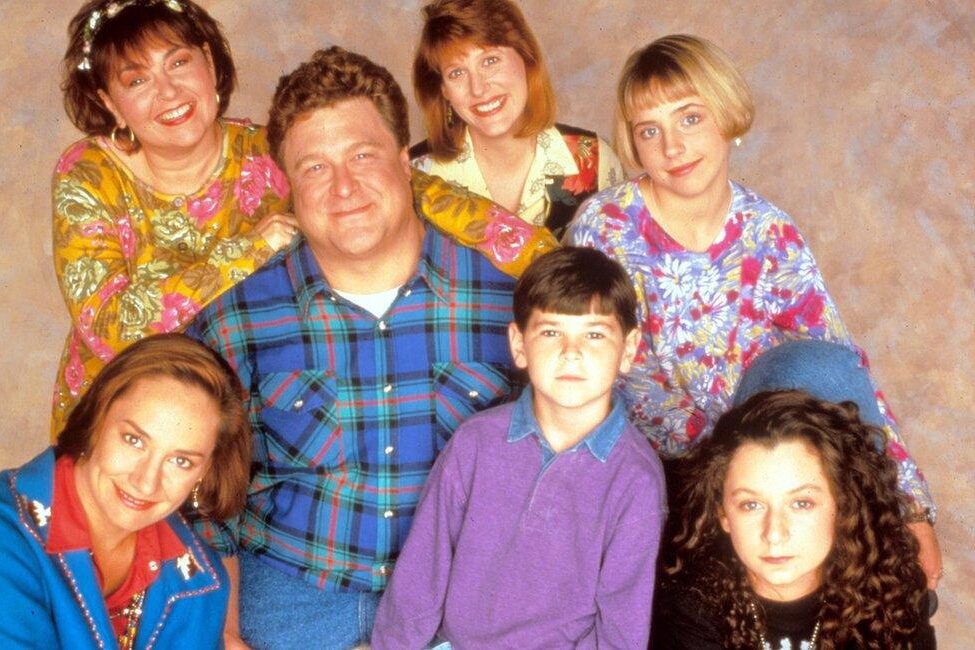
Roseanne stood out for how unapologetically real it was about working-class life. It addressed everyday struggles like paying bills, raising kids, and balancing relationships without pretending everything was perfect. The humor came naturally from the characters, who were flawed yet deeply relatable. It didn’t shy away from difficult conversations about gender roles, family tensions, and the sacrifices people make to get by. You laughed because you recognized the truth in what you saw. It was proof that a sitcom could be both funny and brutally honest, giving voice to people and problems that television often chose to overlook entirely.
12. Buffy the Vampire Slayer (1997–2003)

Buffy was never just about slaying monsters. The creatures she fought were often stand-ins for real-life fears like grief, betrayal, and growing up. The show balanced supernatural action with deeply emotional storytelling, allowing characters to face challenges that felt both fantastical and deeply human. It celebrated resilience, friendship, and the messy process of figuring out who you are. By layering metaphors into thrilling adventures, it gave weight to every battle. Buffy made you feel that strength isn’t about avoiding hardship but confronting it head-on. It remains a standout example of how genre storytelling can hold profound emotional and intellectual depth.
13. King of the Hill (1997–2010)
King of the Hill proved that a quiet show could be just as thought-provoking as a loud one. Set in small-town Texas, it explored changing values, family dynamics, and personal identity with subtle humor and gentle honesty. The characters felt grounded, and their conflicts often reflected larger cultural shifts without forcing the point. Its intelligence came from listening as much as it spoke, letting moments breathe and meanings sink in. You didn’t need grand drama to feel the weight of its storytelling. Sometimes the smartest observations about life are whispered over a backyard fence instead of shouted in a crowded room.
14. The Smothers Brothers Comedy Hour (1967–1969)
The Smothers Brothers Comedy Hour used music and humor to slip social and political commentary into primetime television. It was playful on the surface but sharp underneath, addressing topics like war and civil rights in ways that were bold for the time. The wit was quick, the satire daring, and the creativity undeniable. Viewers came for the entertainment but stayed for the subtext that challenged them to think differently. It showed that comedy could push boundaries without losing its charm. By mixing lighthearted fun with meaningful critique, it carved out a place in television history that still feels ahead of its time.
15. Green Acres (1965–1971)
Green Acres seemed like a simple rural sitcom, but its humor was far stranger and smarter than it first appeared. It played with absurdity and self-awareness, often poking fun at television conventions themselves. The clash between city life and country living became a backdrop for surreal, often clever storytelling that rewarded viewers who caught the subtler jokes. It dared to be silly while still thinking deeply about how communities and cultures mix. Hidden beneath the canned laughter was a knowing wink at its own ridiculousness. That blend of oddball humor and intelligence made it a show unlike anything else on TV.
16. Bewitched (1964–1972)
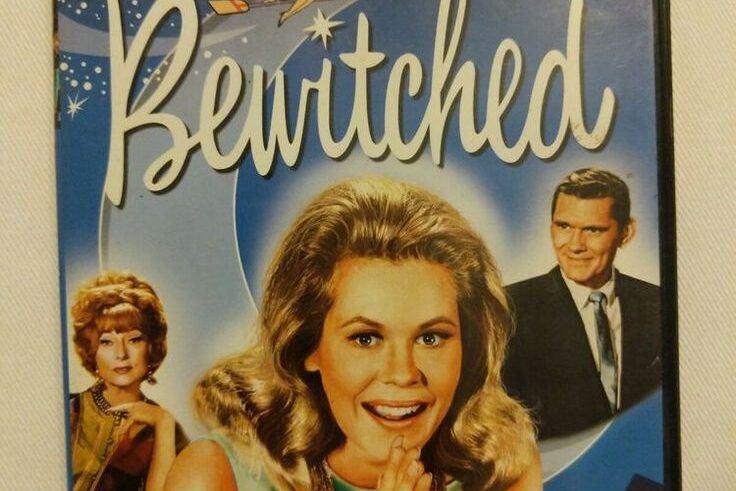
Bewitched was lighthearted and magical, but there was more going on beneath Samantha’s playful spells. The show quietly explored gender roles, expectations in marriage, and the pressure to conform, especially in an era of social change. The magical premise gave it freedom to comment on real-life issues in ways that felt safe yet meaningful. It balanced romantic charm with thoughtful undercurrents, making it more than just a fantasy sitcom. Samantha’s quiet defiance in maintaining her independence was its own subtle form of rebellion. It remains a reminder that even the most whimsical shows can carry ideas worth paying attention to.
17. The Andy Griffith Show (1960–1968)
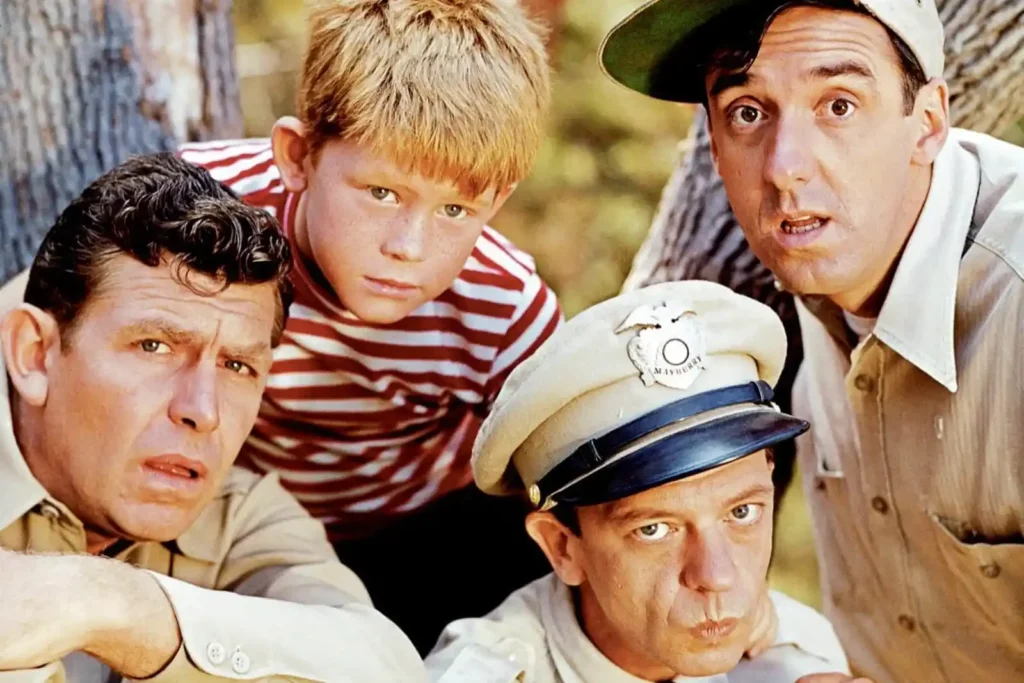
The Andy Griffith Show painted Mayberry as a peaceful small town, but it never let that simplicity become shallow. Through Sheriff Andy’s kindness and patience, it explored themes like empathy, community, and conflict resolution with sincerity. The stories often carried lessons about compassion and understanding, showing that intelligence isn’t just about knowledge but about how you treat people. It found wisdom in everyday situations without being preachy. By valuing relationships over rules, it encouraged viewers to see the power of human connection. Sometimes the smartest messages come wrapped in the gentlest of stories, and this show proved it every time.
18. The Leftovers (2014–2017)

The Leftovers was not afraid of silence or uncertainty. It followed a world coping with the sudden, unexplained disappearance of millions and used that mystery to explore grief, faith, and meaning. It offered no simple answers, and that was its strength. The emotional honesty of its characters made the strange premise feel grounded and human. It asked viewers to sit with discomfort, to think about the unanswerable, and to find beauty in the unknown. This was television that felt like art, leaving space for interpretation. Sometimes the smartest stories are the ones that do not try to solve every mystery.
19. Daria (1997–2002)

Daria gave voice to the smart, skeptical teens who never quite fit in. With her sharp wit and deadpan humor, she cut through the shallowness of high school life while subtly critiquing conformity, consumerism, and the pressure to blend in. The show respected its audience, letting jokes land without overexplaining and giving characters real, relatable struggles. Its intelligence was in its honesty, refusing to glamorize adolescence or pretend every problem had a neat solution. Many who watched felt seen for the first time. It reminded us that staying true to yourself, even in the face of ridicule, is its own quiet victory.
20. Freaks and Geeks (1999–2000)
Freaks and Geeks only lasted one season, but it earned its place among television’s smartest shows by treating teenage life with rare honesty. It didn’t sugarcoat awkwardness or gloss over the pressure to fit in. Instead, it embraced the messy mix of friendship, family tension, and self-discovery. The characters felt like people you knew, their struggles and triumphs just as real as your own. The humor was subtle, the emotions heartfelt, and the storytelling unpretentious. It showed that even short-lived series can leave a lasting mark when they speak truthfully. Some lessons stay with you long after the screen goes dark.
We know that this may not be everyone’s list. So feel free to add your comments, (criticisms or new additions too) that we may have missed, and we will definitely consider them for a future story on “Smarter TV”
This story 21 TV Shows That Were Way Smarter Than Anyone Realized was first published on Daily FETCH


