
1. Muskrat Love – Captain & Tennille
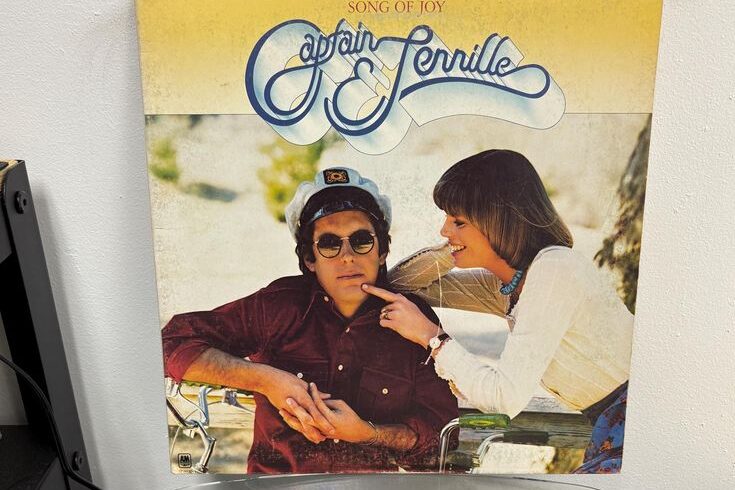
Captain & Tennille’s squeaky, synth‑enhanced ballad about romantic muskrats reached #4 on the Billboard Hot 100 in 1976, becoming a staple of soft‑rock radio, but listeners recoiled at its odd concept and mating‑sound effects. The pair reportedly underestimated how bizarre the theme would seem in their mainstream nightclub performances and even at a White House dinner, where a guest called it “very poor taste”. Public reaction polarized quickly, some loved the kitschy charm, but critics and many listeners placed it on worst‑song lists almost immediately. It remains a go‑to example of late‑’70s novelty done wrong, and still gets stuck in your head in the most cringeworthy way.
2. Having My Baby – Paul Anka
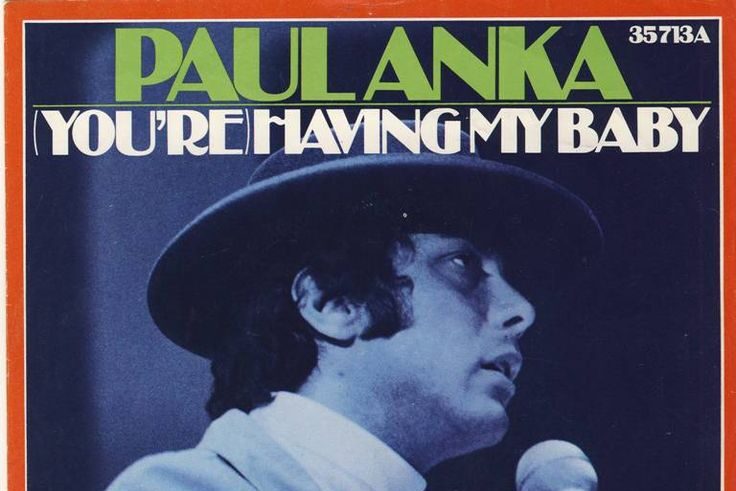
Paul Anka’s 1974 chart‑topper was intended as a sentimental tribute to fatherhood, but feminists and critics blasted it for being patronizing, sexist, and tone‑deaf; the use of “my” instead of “our” sparked particularly harsh backlash. Anka was named “Male Chauvinist Pig of the Year” by Ms. Magazine and received a “Keep Her in Her Place” award from NOW, despite defending it as a love song. Despite, or because of, the furor, it held the #1 spot on the Hot 100 for three weeks, cementing its legacy as one of the most universally reviled hits of the decade. Listeners today still cite it as a cringe‑worthy earworm.
3. Disco Duck – Rick Dees
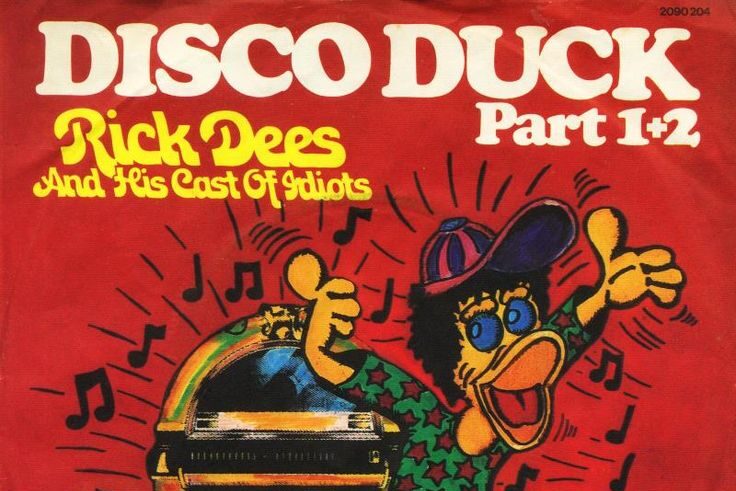
Rick Dees’ novelty track “Disco Duck” combined a disco beat with a Donald‑Duck voice imitation and reached #1 in October 1976, spending ten weeks in the Top 10 and earning a People’s Choice Award in 1977. Despite its commercial success (million‑plus sales), music critics dismiss it as meaningless novelty, Popdose even listed it among the world’s worst songs. It became shorthand for disco’s overplayed absurdity: catchy, silly, and impossible to stop humming, until you wished you could.
4. Feelings – Morris Albert
Morris Albert’s syrupy soft‑rock ballad “Feelings” was ubiquitous in 1975 but later revealed to be a plagiarism case: French composer Loulou Gasté sued and won, proving the melody lifted from his 1957 song “Pour Toi,” and he now shares authorship credits. The song has been endlessly parodied for its empty, overly earnest emotion, what was meant to be heartfelt came off as forced and melodramatic. Its popularity makes it a textbook case of how sentimentality can backfire, lingering in public memory as a cliched cliché.
5. Afternoon Delight – Starland Vocal Band
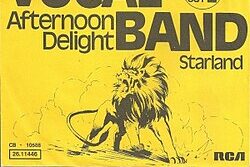
On its sunny surface, “Afternoon Delight” felt like harmless folk‑pop and quickly climbed to #1 in July 1976; it even won a Grammy for vocal arrangement. Beneath the cheery melodies, though, lay overt midday romance: a coy but unmistakable song about afternoon sex, which many listeners, especially parents and station managers, found smarmy or inappropriate. Critics and Rolling Stone readers often place it among the worst ’70s hits, not for musical craft but for lyrical dissonance: sweet and innocent sounding, yet risqué and grating. It stays in the mind as an earworm that embarrassingly overstayed its welcome.
6. Piña Colada Song – Rupert Holmes
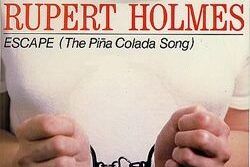
When “Escape (The Piña Colada Song)” topped the charts in late 1979 (the final No. 1 of the ’70s), it captivated listeners with its breezy melody and a twisty plot: two partners seek affairs via a personals ad, only to find they were each other all along. While its catchy hook made it a theme‑song for karaoke nights and sitcom callbacks, critics and listeners often dismiss it as silly or morally dubious, a story of deception and infidelity wrapped in sunshine pop. It’s beloved and loathed: a guilty pleasure that’s as entertaining as it is cringe‑y.
7. Seasons in the Sun – Terry Jacks
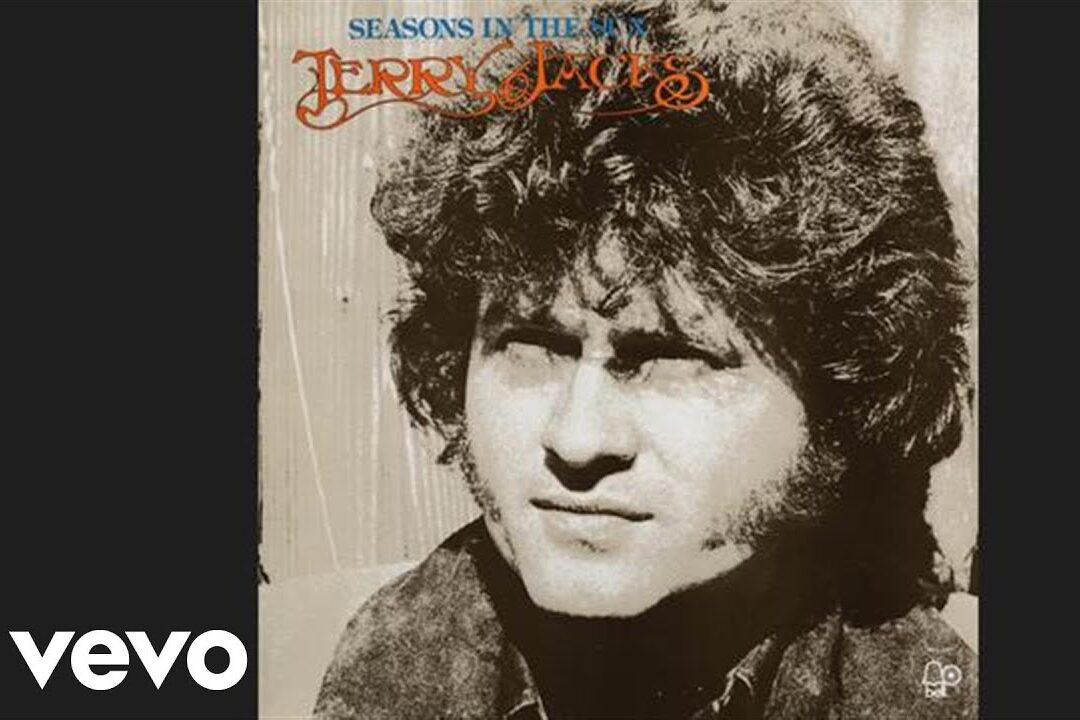
Terry Jacks’ 1974 farewell ballad sold over 14 million copies worldwide and spent three weeks at No. 1, but many listeners found its cheery melody and sentimental storyline unbearably cloying. Jacks’ thin, tremulous voice delivering poetic but simplistic lyrics grated on critics who called the song “saccharine,” “cloying,” and even ranked it among the worst of the decade. Reddit users routinely name it the ultimate radio ear‑worm they hated to hear again and again.
8. Honey – Bobby Goldsboro
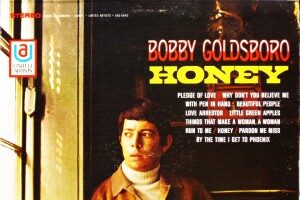
Though released in 1968, “Honey” haunted ’70s radio with its tragic narrative of a husband mourning his young wife. It was a massive seller, fastest‑selling UA single ever and the top‑selling record in 1968, but critical opinion shifted harshly. Today it’s often dismissed as “classy schlock,” “innocuous pop” and even described as more “dreadful than Pavarotti.” Its over‑earnest delivery turns genuine grief into melodrama, making it a staple example of emotionally manipulative soft‑pop that still lingers in memory for all the wrong reasons.
9. You Light Up My Life – Debby Boone
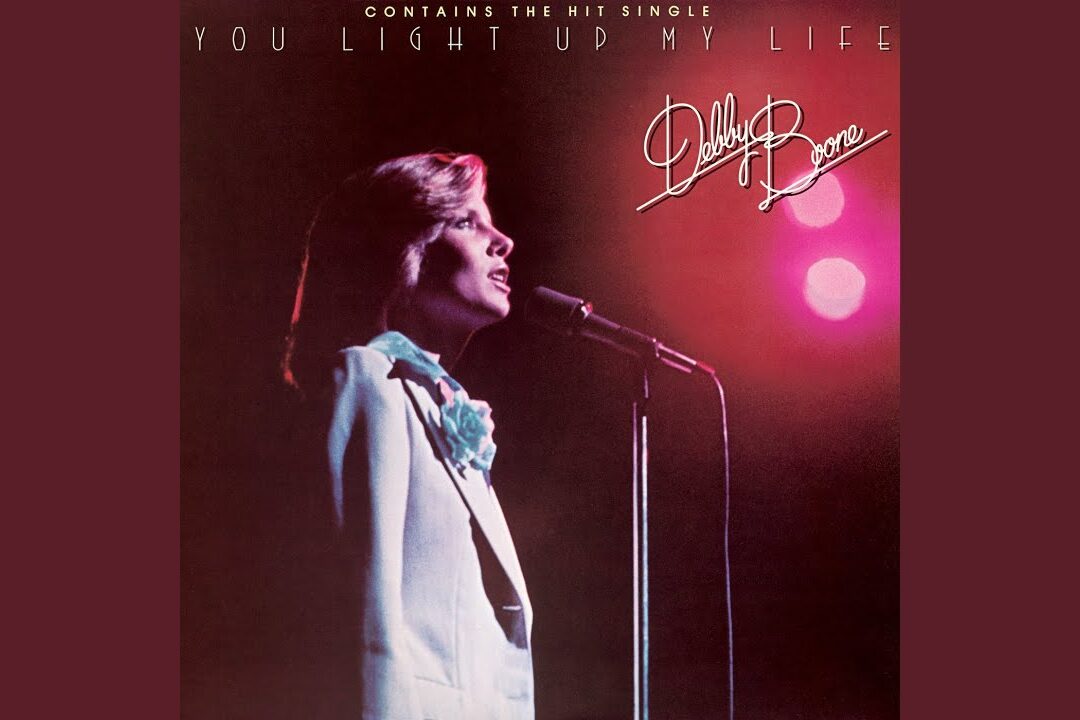
Debby Boone’s 1977 ballad dominated the charts for ten weeks, won her a Grammy, and remains one of Billboard’s All‑Time Top Songs as a bona fide commercial juggernaut. But critics slammed it as bland and over‑sentimental. A DailyKos retrospective also lamented: “How can anything so insipidly slow light up anything?” The musical equivalent of being keel‑hauled”. Though deeply beloved by many, for others its syrupy sweetness became saccharine to the extreme.
10. Billy Don’t Be a Hero – Bo Donaldson & The Heywoods
This 1974 top‑selling ballad reached No. 1 in the U.S., U.K., and Australia, selling over three million copies, but critics weren’t impressed. Rolling Stone readers ranked it No. 8 among the worst songs of the 1970s, calling out its bubblegum pop delivery and simplistic wartime narrative as tone‑deaf. Listeners found the contrast jarring: an anti‑war message packaged in sugary pop music. That disconnect turned the song from a seemingly noble tribute into an ear‑catching example of how good intentions and pop gloss can go very wrong.
11. Convoy – C.W. McCall
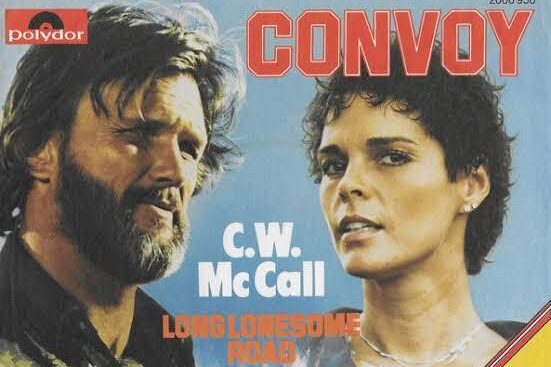
Convoy hit the airwaves in 1976 with a rolling beat and a flood of CB radio slang that instantly captured the trucker craze sweeping the country. The outlaw storyline, complete with colorful characters and highway drama, made it stand out from anything else on the charts. At first, it was fun to sing along and picture the big rigs barreling down the interstate. But after repeated plays, the talk-singing and dated jargon started to feel tired. What once felt fresh became a novelty that wore out its welcome, though it still holds a quirky spot in seventies pop culture.
12. Play That Funky Music – Wild Cherry
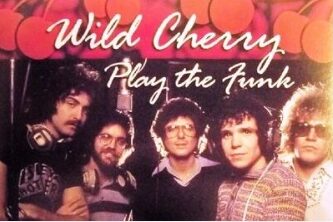
The first few times, Play That Funky Music felt like pure fun. It had an infectious groove and a bold mix of funk and rock that made you want to get up and move. Wild Cherry nailed a party anthem that lit up dance floors in 1976. But when a song is everywhere, it can start to feel like background noise you cannot escape. After countless spins at weddings, parties, and bars, the magic faded for many listeners. Still, there is no denying that opening riff can pull you back in for a moment before you remember why you changed it.
13. The Streak – Ray Stevens
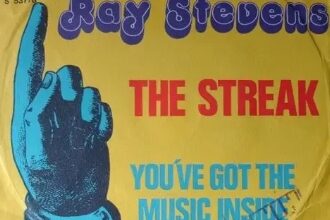
The Streak was one of those songs that felt hilarious the first time you heard it. Ray Stevens captured the streaking fad of 1974 with goofy spoken verses and the famous shout of “Don’t look, Ethel.” It had a silly charm that matched the times perfectly. But like most novelty hits, it lost its shine quickly. By the tenth listen, the punch lines felt stale and the joke ran out of steam. Still, for those who lived through the streaking craze, it remains a lighthearted reminder of a quirky moment in pop culture history, even if it is a song many skip.
14. I Write the Songs – Barry Manilow
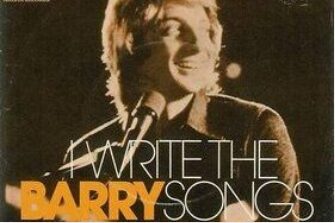
When Barry Manilow sang I Write the Songs, it felt like an anthem to musical creativity. It soared to the top of the charts in 1976 and became one of his signature performances. Yet for some listeners, the song came across as overly self-congratulatory and a bit too polished. The sweeping arrangement and sentimental delivery either made you swoon or roll your eyes. Even those who appreciate Manilow’s talent sometimes admit this track feels heavy-handed. Love it or not, it is one of those tunes that perfectly captures the sentimental and sometimes indulgent side of seventies pop ballads.
15. Tie a Yellow Ribbon Round the Ole Oak Tree – Tony Orlando & Dawn

This song told a heartfelt story of someone returning home after prison, looking for forgiveness signaled by a yellow ribbon. In 1973 it connected deeply with audiences and sold millions of copies. Still, the upbeat delivery and endlessly repeated chorus could wear thin for others. It is one of those tracks that can make you feel warm inside or have you reaching for the dial. The charm for some is in its hopefulness, while others see it as an overly cheery take on a serious subject. Either way, it remains locked in the soundtrack of the decade.
16. Sometimes When We Touch (Dan Hill)
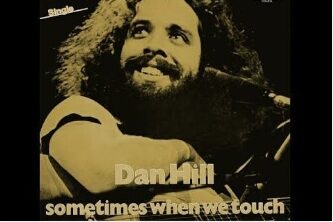
Dan Hill’s ballad aimed straight for the heart with lines about honesty and vulnerability. At its 1977 peak, it was a slow dance favorite. But the breathy delivery and over-the-top lyrics made it a prime target for parody. “And sometimes when we touch, the honesty’s too much” became a phrase more likely to get an eye roll than a romantic sigh. While some still see it as a touching love song, others find it melodramatic and hard to take seriously. It is the kind of track you might secretly sing along to but not admit you actually remember every word.
17. Brand New Key (Melanie)
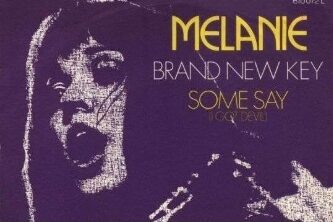
Brand New Key came across as sweet and playful, with its roller skate imagery and lighthearted melody. It topped the charts in 1971 and seemed innocent enough. Still, the not-so-subtle innuendo beneath the lyrics made some listeners uncomfortable, while others simply found it annoyingly twee. It is a song that can either make you smile at its quirky charm or cringe at its repetitive sing-song delivery. For those who enjoy whimsical folk-pop, it is a fun throwback. For everyone else, it is a reminder that not every novelty track from the seventies ages as gracefully as its fans might hope.
18. Knock Three Times – Tony Orlando & Dawn
Knock Three Times was built on a catchy idea about secret knocks and taps between neighbors. In 1970, it felt playful and fresh, riding a cheerful melody all the way to the top of the charts. But like many pop earworms, repeated exposure wore it down. After hearing it a few dozen times, the charm of the claps and knocks began to fade. It is now more of a karaoke guilty pleasure than a serious favorite. Some still sing along with a grin, while others prefer to let that ceiling tap fade into music history without another repeat.
19. Da Doo Ron Ron – Shaun Cassidy
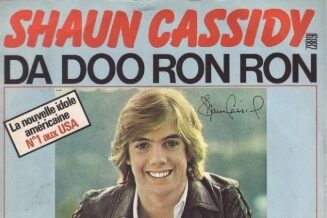
Shaun Cassidy’s cover of Da Doo Ron Ron in 1977 was pure teen idol material. It had bounce, energy, and a clean-cut image that sent fans into a frenzy. For those outside the teen scene, though, it felt like bubblegum pop stripped of the grit and charm of the original 1963 version. The chorus stuck in your head whether you wanted it to or not. Over time, it became one of those songs you remembered for its sugary overload rather than musical depth. Still, it is hard to forget the smile it once brought to young fans hearing it on the radio.
20. Ain’t No Way to Treat a Lady – Helen Reddy
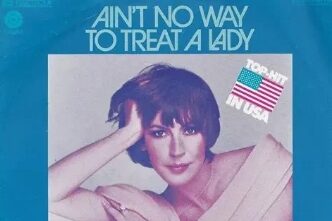
Helen Reddy had a knack for delivering songs with a message, and in 1975 Ain’t No Way to Treat a Lady landed with a mix of strength and vulnerability. Some heard it as empowering, while others felt it leaned into a preachy tone. Its slow pace and pointed lyrics meant you either connected instantly or tuned out. While it remains a part of Reddy’s impressive run of hits, it is also one of her more divisive songs. For those who love heartfelt storytelling, it is a gem, but for others it is a track they are happy to leave in the past.
21. Do Ya Think I’m Sexy? – Rod Stewart
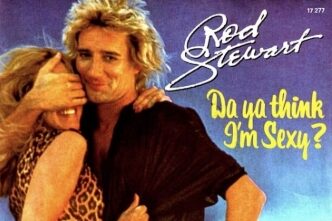
Rod Stewart’s disco-era shift in 1978 brought this cheeky, danceable anthem that stormed the charts. For some, it was a playful and irresistible party starter. For others, it was the moment they felt Stewart had abandoned his rock roots for flashy trends. The glossy production and suggestive lyrics left listeners either laughing along or quickly changing the station. It remains a track that divides opinion, with fans cherishing its fun energy while critics still call it a sellout move. Either way, it is impossible to hear it without picturing a crowded dance floor full of polyester and mirror-ball lights.
22. Rock Your Baby – George McCrae

Rock Your Baby was one of the first major disco hits in 1974 and helped shape the genre’s early sound. Its smooth groove and simple lyrics made it an instant favorite for dance floors. But with such a repetitive hook, it did not take long for some to tire of it. What once felt fresh became predictable, and radio overplay only sped that up. For many, it is a song they remember fondly but do not need to hear again. Still, its influence on disco is undeniable, keeping it a notable, if occasionally tiresome, part of seventies pop culture.
23. My Ding-a-Ling – Chuck Berry
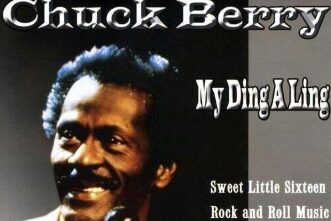
Chuck Berry’s legacy as a rock and roll pioneer makes this chart-topper from 1972 all the more surprising. My Ding-a-Ling leaned entirely into cheeky double meanings, riding its novelty to number one. Some found it silly and fun, others thought it bordered on childish and embarrassing. While it showcased Berry’s playful side, it did little to highlight the musical brilliance he was known for. Over time, it has become one of those songs people either laugh about or pretend never happened. It remains proof that even music legends can put out a track that feels more like a passing gag.
24. Mandy – Barry Manilow
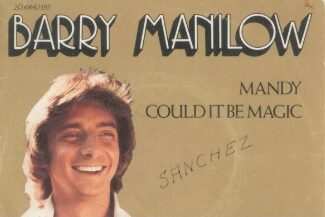
Mandy was Barry Manilow’s big breakthrough in 1974, and for many fans it is still a beautiful, heartfelt ballad. With lush orchestration and emotional vocals, it became a slow-dance favorite. But for others, its earnestness tipped into cheesiness, making it a song they were quick to skip. Its slow build and dramatic delivery either pulled you in completely or had you looking for something livelier. Still, it is one of those tracks that is instantly recognizable from the opening notes, and whether you love or avoid it, it has firmly secured its place in the history of seventies pop ballads.
25. Let’s Get It On – Marvin Gaye
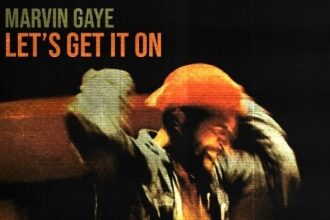
When Marvin Gaye released Let’s Get It On in 1973, it was instantly hailed as one of the most sensual tracks ever recorded. Its smooth groove and intimate delivery became a staple of romantic playlists everywhere. But for some, its suggestive lyrics and lingering pace made it awkward, especially outside the right setting. It is a song that can either set the mood or create an uncomfortable silence, depending on who is in the room. Still, its impact on soul music is undeniable, and even those who are quick to skip it respect the artistry behind its sultry sound.
26. Delta Dawn – Tanya Tucker / Helen Reddy
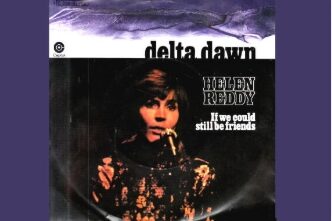
Delta Dawn is one of those songs that sticks in your head whether you want it to or not. Whether sung with Tanya Tucker’s country twang or Helen Reddy’s pop polish, it tells a vivid, slightly tragic story. In the seventies, it was a sing-along staple, but its dramatic tone and endlessly repeated chorus eventually wore some listeners down. For others, it remains a powerful piece of storytelling that stands out from lighter pop hits of the time. Love it or not, it is a song that instantly transports you back to an era when narrative ballads ruled the airwaves.
27. Telephone Man – Meri Wilson
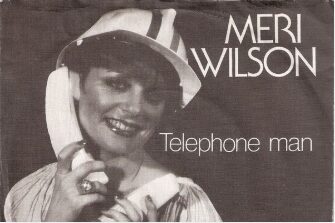
Telephone Man arrived in 1977 with a cheeky sense of humor and suggestive lyrics disguised as a service call. It was cute, flirty, and delivered with a playful tone that caught attention right away. But novelty songs have a short shelf life, and this one’s charm faded fast for many listeners. The more it played, the more its one-joke premise became tiresome. Still, it holds a quirky place in seventies music history, remembered as much for its wink-and-nod delivery as for the fact that it once competed with more serious hits on the charts during a wildly eclectic musical decade.
28. My Eyes Adored You – Frankie Valli
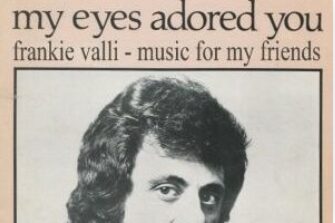
Frankie Valli’s 1974 ballad painted a tender picture of unspoken love. It was soft, slow, and beautifully arranged, hitting number one with ease. Yet for some, it was almost too soft, drifting into background music territory. Its gentle pace and understated delivery either made it romantic perfection or an easy skip. Still, it is the kind of song that can suddenly catch you off guard with its sweetness if you are in the right mood. For others, it is simply one of many seventies ballads that blended together over years of radio play and long, mellow playlists.
29. Love Will Keep Us Together – Captain & Tennille
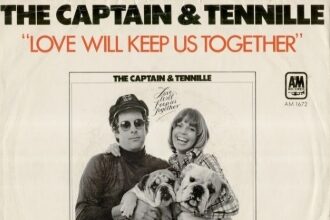
When Captain & Tennille released Love Will Keep Us Together in 1975, it was bright, bouncy, and endlessly cheerful. It dominated the charts and became the top song of the year. But the relentless optimism and repeating chorus proved too much for some, especially after heavy airplay. It is one of those songs that can make you smile instantly or have you rushing to change the station. While it may not be a universal favorite, it is undeniably part of the soundtrack of the decade and still pops up in nostalgic playlists for those who cannot resist its sunny energy.
30. Reunited – Peaches & Herb
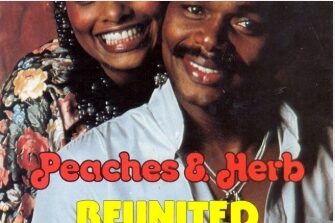
Reunited was the kind of song that painted an emotional picture with its slow, syrupy melody and repeated promise that being together again “feels so good.” In 1979, it was a massive hit and a go-to dedication on love song radio shows. But for others, its endless repetition and heavy sentiment made it too sweet to handle. It is the kind of track that can warm your heart or feel like too much sugar in one sitting. Still, it closes out the seventies with a reminder of how love ballads defined much of the era’s softer side.
This story 30 ’70s Songs That Made Us Switch Stations (Be Honest, Did You?) was first published on Daily FETCH


