
1. I Love Lucy – Twin beds snuggled up
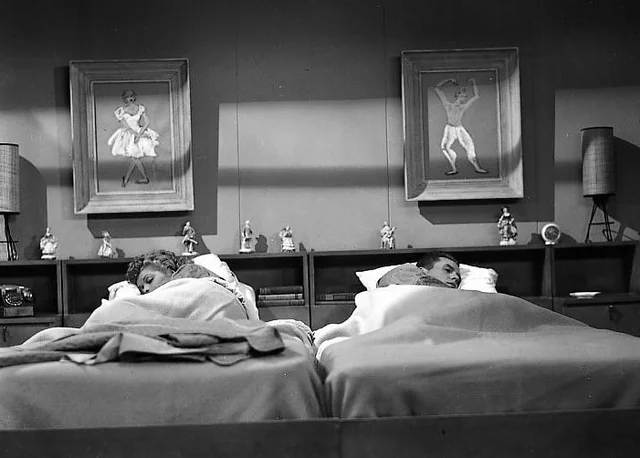
In the early episodes of I Love Lucy, Lucy and Ricky navigated strict censorship rules forbidding a married couple from sharing a bed on screen. The clever workaround was to place two twin beds together, so they appeared close while staying within the code. After Little Ricky’s birth in season 2, the beds were pulled apart, reportedly at CBS’s request to de-emphasize intimacy. Sharp-eyed viewers have spotted the beds pushed back together in some later episodes when the set was expanded, but never once did Lucy and Ricky share a single mattress.
2. The Dick Van Dyke Show – The Ottoman Gambit
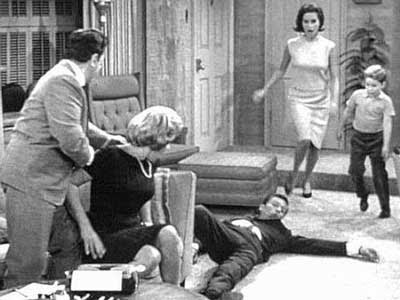
Rob Petrie’s opening-credit trip over the ottoman wasn’t a happy accident, it was staged. Director John Rich shot multiple versions: Rob falling, stepping around it, or stumbling without falling. Creator Carl Reiner randomly rotated these openings week to week, turning it into a lighthearted guessing game for viewers: “Will he fall today?” Fans even joked about betting on the outcome. The gag’s unpredictability became as memorable as the show’s quick wit.
3. Leave It to Beaver – A door that led nowhere
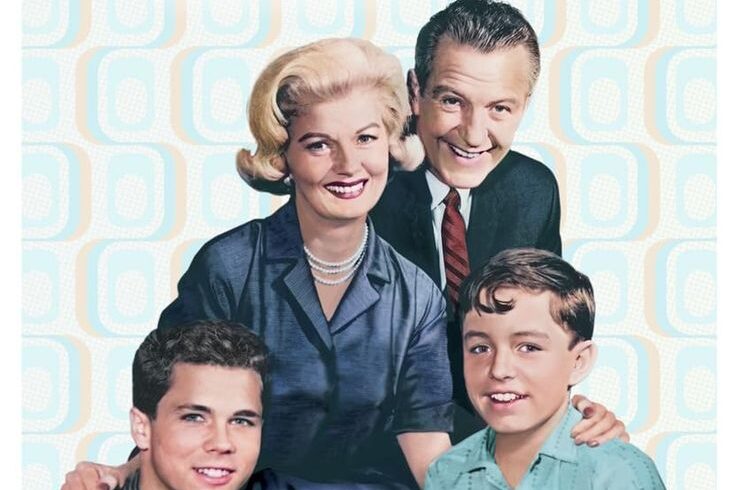
The Cleaver home’s hallway door looked like it led to another cozy room, but in reality, it opened to a brick wall. The “door” was a set designer’s trick to break up bare wall space. Viewers never noticed because it blended perfectly into the background action. As an extra quirk, Mayfield, the Cleavers’ hometown, was said to be near both Cleveland and the Atlantic Ocean, making its geography impossible.
4. Bewitched – Set recycling surprise
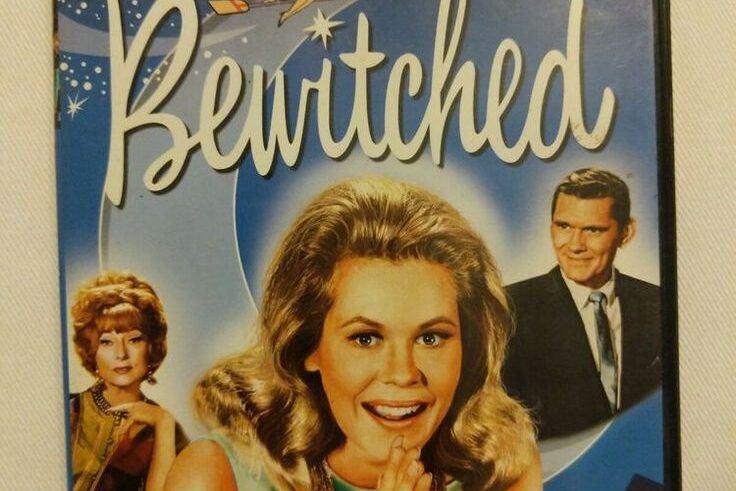
Samantha and Darrin Stephens’ charming suburban home had a second life. The set was reused for other shows, including The Partridge Family and even the TV movie Brian’s Song, with small cosmetic tweaks like wallpaper, railings, or paint colors to disguise it. The familiar layout quietly gave other productions a sense of déjà vu, proof of how studios stretched their budgets while keeping sets in the spotlight.
5. Mayberry’s Backlot Guest Stars
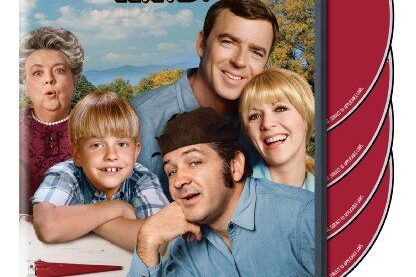
Mayberry’s town square wasn’t exclusive to Sheriff Taylor. The “40 Acres” RKO backlot in Culver City doubled as other famous locales, Star Trek used it for episodes like “Miri” and “The City on the Edge of Forever,” which could easily pass for a Depression-era Mayberry. Batman and Hogan’s Heroes also filmed there, making Floyd’s barber shop and the courthouse unlikely intergalactic landmarks.
6. The Brady House Bathroom’s Missing Throne
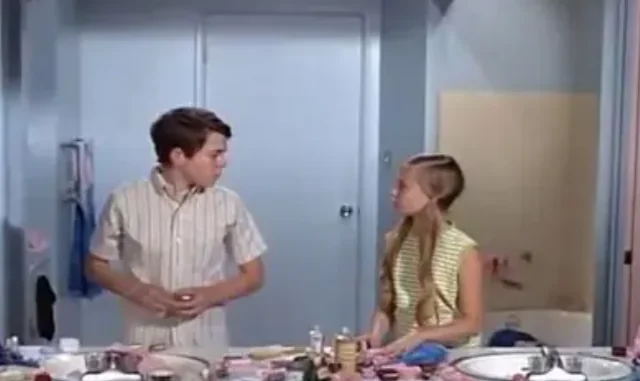
The Bradys’ bathroom was spotless but lacked one glaring fixture: a toilet. ABC’s pre-8:30 PM standards forbade showing one on screen. Actor Robert Reed explained that while the family had six kids and one tub, the “invisible toilet” became a running joke among cast and crew. Occasionally, viewers might hear a flush sound, but the porcelain was never seen.
7. Happy Days’ Mystery Jukebox Shuffle
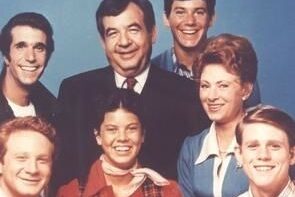
The iconic jukebox at Arnold’s wasn’t nailed down. In one scene it would be front and center; in another, tucked away. These shifts weren’t continuity errors so much as practical adjustments, directors moved it to improve camera angles or sightlines. The constant reshuffling was an unspoken reminder that TV sets are as flexible as the stories they host.
8. Three’s Company’s Shapeshifting Apartment
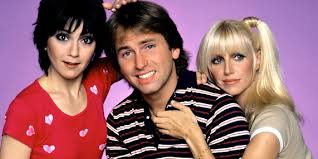
Jack, Janet, and Chrissy’s apartment was practically a shapeshifter. Walls moved, doors changed, and the kitchenette swapped positions depending on filming needs. Over the seasons, small prop and layout changes created continuity quirks, like scenes where a door led to two different rooms in separate episodes. If you tried to draw a floor plan, you’d quickly give up.
9. Cheers – Norm’s Barstool Was Sacred
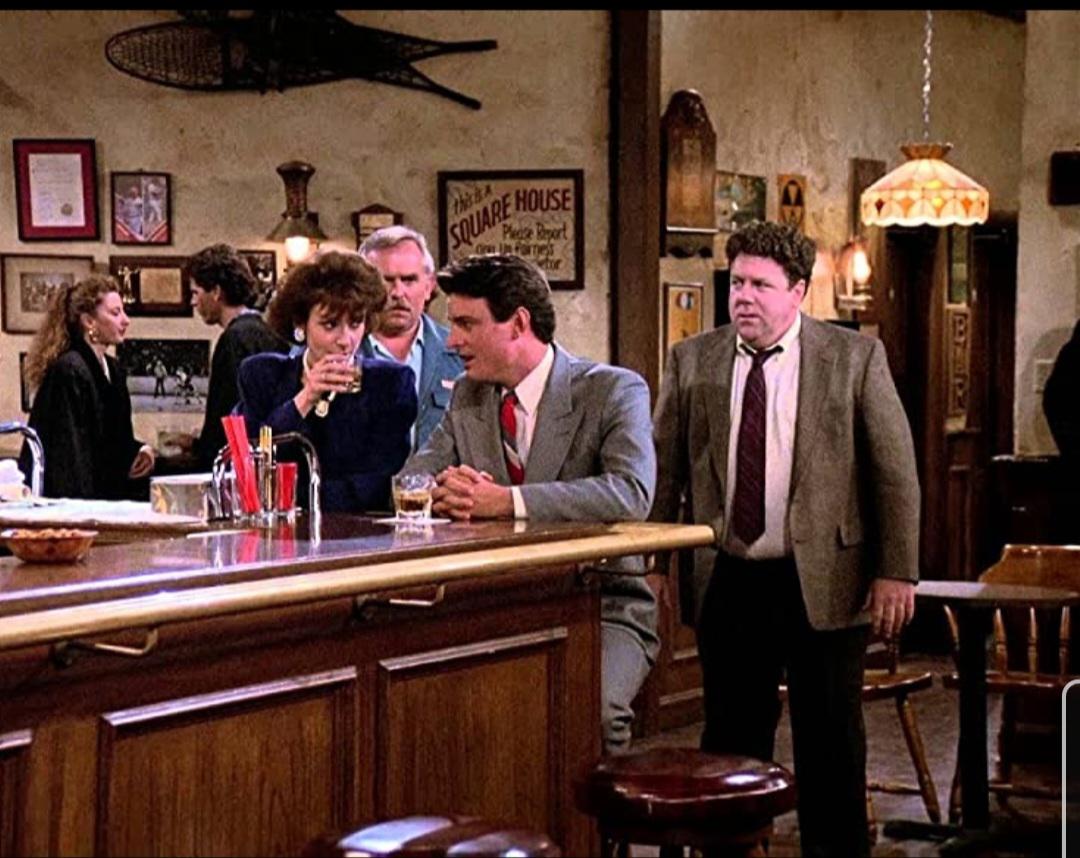
Norm Peterson’s seat at the bar wasn’t just a prop, it was treated like his personal domain. Cast and crew avoided sitting there between takes, respecting the seat’s role as part of Norm’s identity. When the series ended, the barstool was auctioned off, complete with its original frame and refreshed cushion, a true piece of sitcom history.
10. The Golden Girls – Squeaky Realism in the Kitchen
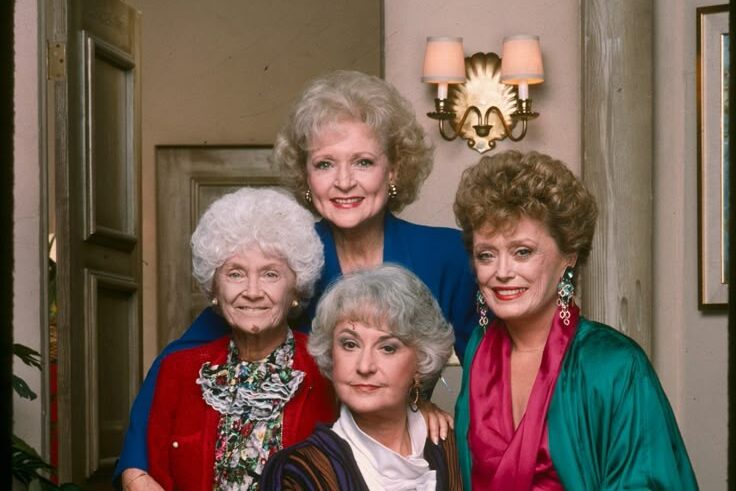
The kitchen’s swinging door sometimes squeaked or stuck, a deliberate touch to make the set feel “lived in.” And on the front door of the girls’ Miami home? A subtle exclamation-point design in the decorative trim, easy to miss unless you look closely. Small choices like these added charm to a show already full of personality.
11. Seinfeld – Jerry’s Cereals Kept Up With the Times
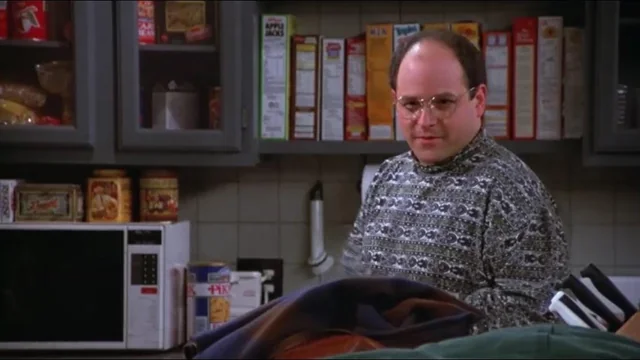
Jerry Seinfeld’s kitchen shelves were a cereal lover’s dream, and a subtle calendar. Over nine seasons, the boxes changed with real-world brands and packaging trends, giving the set an unspoken sense of time passing. From Quisp to high-fiber multigrain, the breakfast aisle in Jerry’s apartment was always up to date.
12. Frasier – That Ugly Recliner Was Intentional
Martin Crane’s battered recliner didn’t match Frasier’s refined Seattle apartment, that was the point. The chair belonged to Martin before he moved in, and its presence became a running symbol of the father-son dynamic. In one early episode, Frasier tried to replace it, only to relent, realizing the chair was part of what made the apartment feel like home.
13. Friends – Window Views That Don’t Add Up
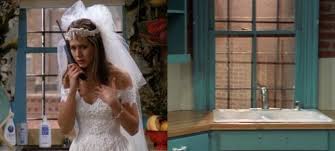
Monica’s kitchen window sometimes looked out at a brick wall, other times greenery, and occasionally a skyline. This wasn’t an intentional mystery, set dressers rotated painted backdrops from studio storage. Viewers rarely noticed, but the inconsistency meant the view never stayed the same for long.
14. The Mary Tyler Moore Show – Sunken Living Room & Fake Balcony
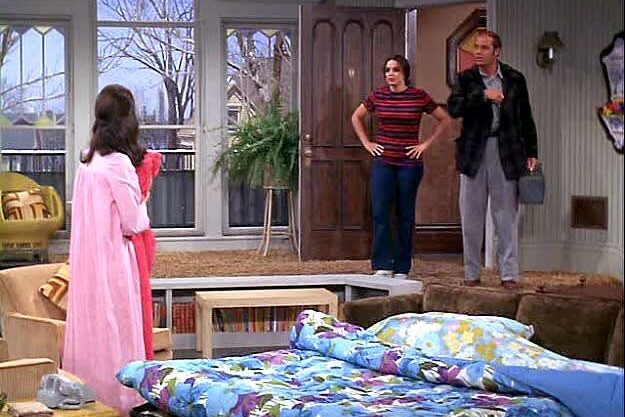
Mary’s apartment featured a sunken living room for a cozy look and a “balcony” that was actually a decorative set piece. In some episodes, though, the balcony door opened, and characters stepped outside, revealing that the space was functional when the story called for it, even if it wasn’t architecturally sound.
15. The Munsters Set Was in Color For B&W
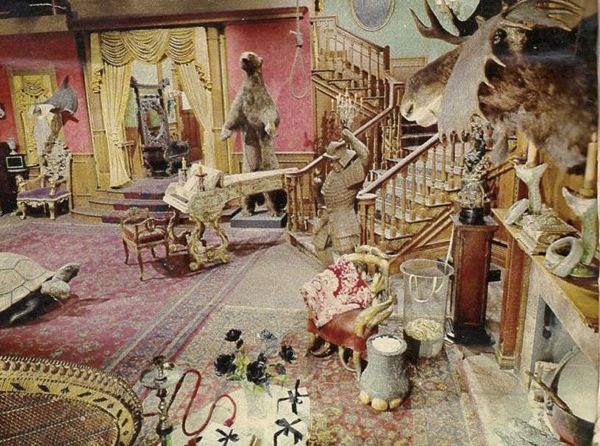
Although the show aired in black and white, the Munster home was painted in pastel tones. These lighter colors gave better contrast on grayscale film than dark paints, making details pop on 1960s television. In person, the house looked surprisingly cheery for TV’s spookiest and lovable families.
16. Gilligan’s Island – The Huts That Changed Overnight
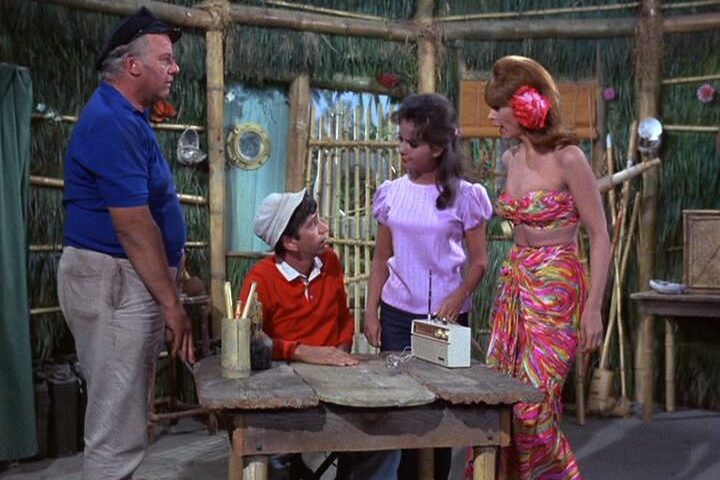
If you ever thought the huts on Gilligan’s Island looked a little different from week to week, you were right. The Skipper’s bed could be on one side one week and somewhere else entirely the next. Props appeared and vanished, walls seemed to move, and furniture swapped spots without warning. These shifts were done to fit camera angles or story needs, and the changes were so subtle most viewers never noticed. It gave the island a strange, flexible charm, making each episode feel fresh while still keeping the world familiar.
17. The Beverly Hillbillies – A Mansion with Hollywood History
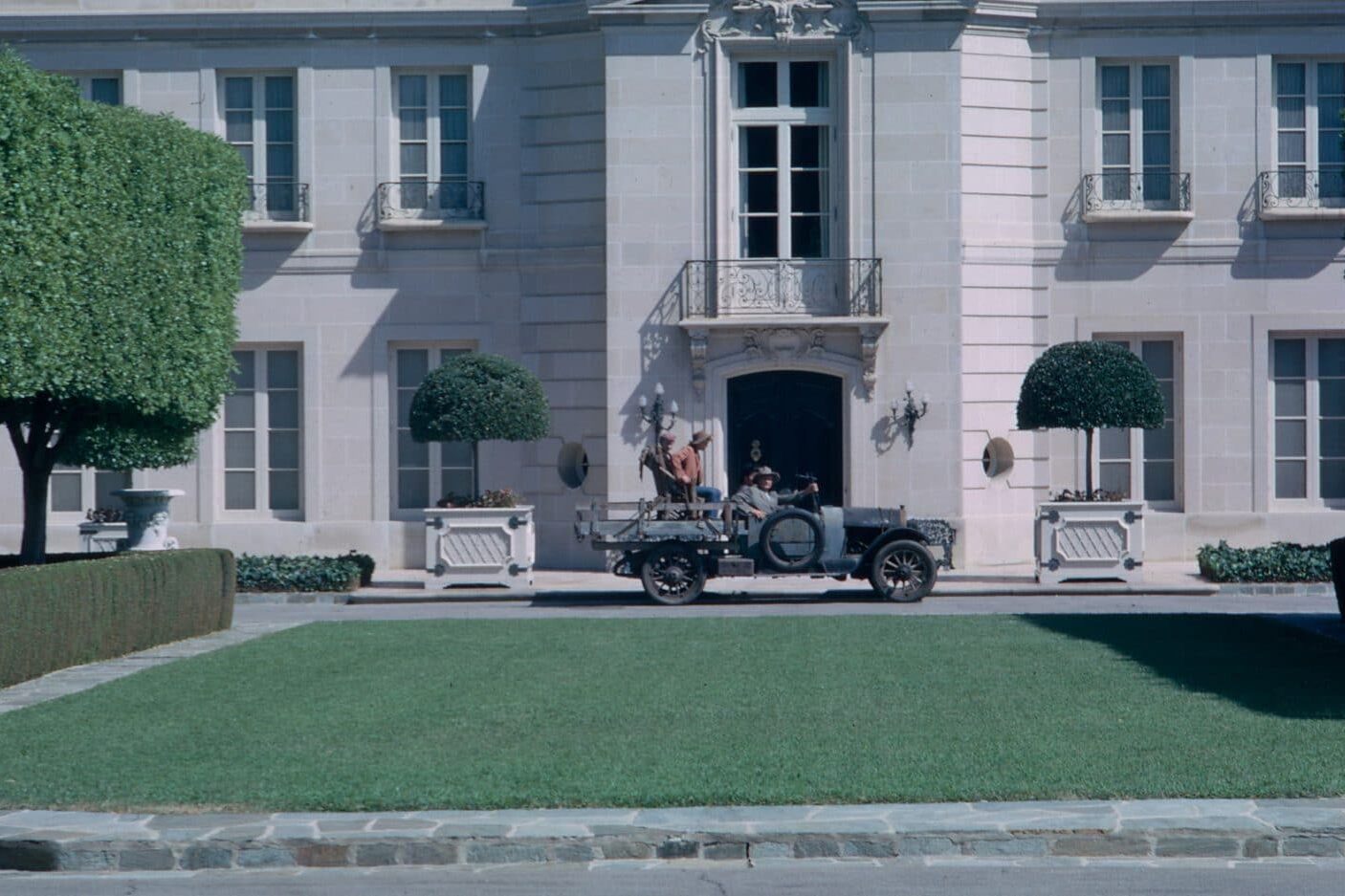
The Clampetts’ Bel-Air home was not a make-believe creation but the famous Kirkeby Estate already seen in Hollywood films. The exterior shots came from the real property, but all the indoor scenes were filmed on a soundstage where the rooms did not match the real house at all. The illusion worked so well that fans believed they were seeing the same grand mansion inside and out. The combination of real-life luxury and TV magic gave the show its perfect fish-out-of-water backdrop.
18. MAS*H – A Camp That Couldn’t Sit Still
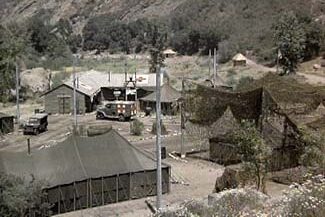
The 4077th camp in MAS*H always looked like a permanent setup, but sharp-eyed viewers might notice the mess tent shifting or the hospital appearing in a new spot. Even the paths between buildings could vanish or move entirely. These were not accidents but deliberate rearrangements to improve lighting or framing for certain scenes. It was a practical solution that kept the set working smoothly for production while still feeling authentic to viewers who tuned in each week.
19. Little House on the Prairie – Goodbye, Walnut Grove

Walnut Grove’s main street was built in California’s Simi Valley, far from the Minnesota setting in the show. By the end of the series, Michael Landon decided it would not be left to fall apart or be reused by others. In the final movie, the townsfolk blew up the buildings as part of the story. This bold ending gave fans closure while also clearing the set for good. It was both a goodbye to the town and a final nod to its lasting place in TV history.
20. The Addams Family – Spooky Décor with a Past
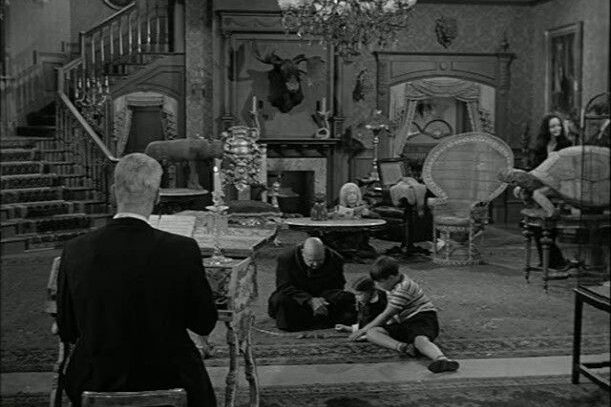
The Addams Family living room was packed with taxidermy, strange sculptures, and odd mechanical devices, many with hidden histories. These unusual props had been used in other productions before finding their way into Gomez and Morticia’s home. The result was a set that felt collected over years, as if every corner had a story. It added layers of character to the show’s world, making it seem like the Addams house really had stood for generations, filled with mysterious treasures from the past.
21. The Jeffersons – A Skyline That Couldn’t Stay Put
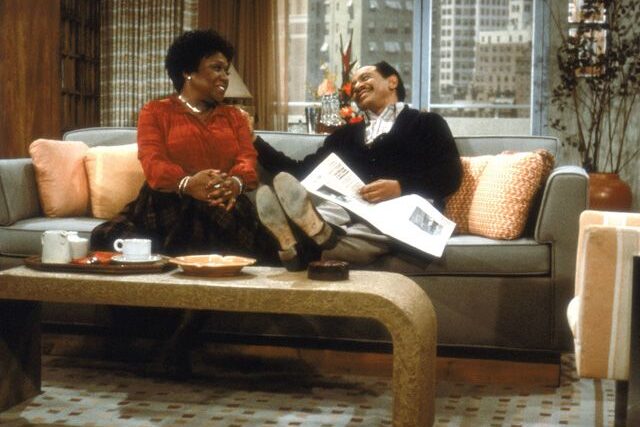
The view from George and Weezy’s high-rise apartment was impressive but not always the same. The “city” outside their windows was actually a painted backdrop that could be swapped or shifted between episodes. Sometimes the skyline seemed taller, sometimes smaller, and occasionally it looked like they had moved to another part of New York entirely. It was a small detail most viewers never noticed, but once you spot the changes, you see the apartment in a whole new way.
22. I Dream of Jeannie – Now You See the Pillars, Now You Don’t

Major Nelson’s Cocoa Beach living room sometimes had elegant columns and other times none at all. The production team would remove them for wide shots to create space and then put them back for close-ups to add style. The inconsistency fit perfectly in a show where magical changes were part of the fun. It gave the set a playful unpredictability, making it feel like Jeannie could have been rearranging things herself without anyone realizing it.
23. Sanford and Son – The Junkyard of Movie Props
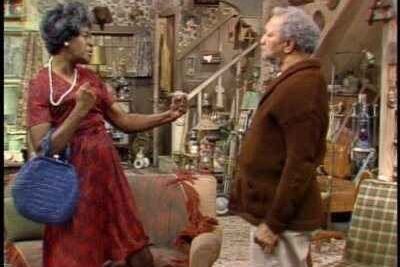
Fred Sanford’s cluttered junkyard looked like decades of collecting, but most of the items were rented from prop warehouses. These pieces rotated between productions, meaning a lamp seen in one episode could appear in a completely different show the following week. The constant turnover kept the set looking fresh without the production having to store a mountain of objects. It gave the junkyard its ever-changing charm while still feeling like Fred’s own messy treasure trove.
24. The Waltons – A Mountain You’ve Seen Before
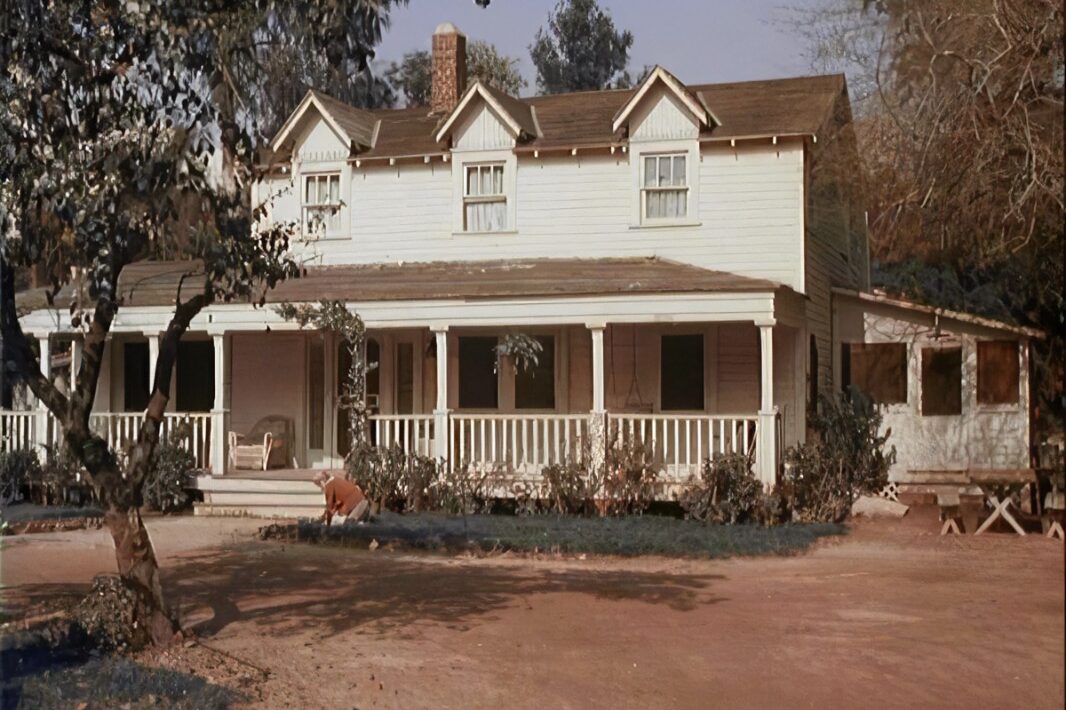
The peaceful mountain behind the Walton home was not in Virginia but in California, shared with the set of Little House on the Prairie. Filming from different angles, adjusting foliage, and changing light made it look like two completely separate locations. The careful set design helped each series keep its own identity while reusing the same scenic backdrop. To viewers, it was simply the perfect landscape for the family’s heartfelt stories.
25. Magnum, P.I. – A House in Two Places
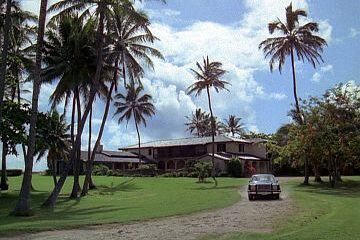
Magnum’s Hawaiian estate, known as Robin’s Nest, was a real property for the exterior shots, but all interior scenes were filmed on a soundstage. The actual rooms looked nothing like Magnum’s warm, inviting TV home. The recreated interiors were designed for camera movement and storytelling, blending real-world beauty with practical production needs. This combination made the estate feel both authentic and tailored to the character’s laid-back but adventurous lifestyle.
26. Columbo – The Detective’s Beat-Up Peugeot
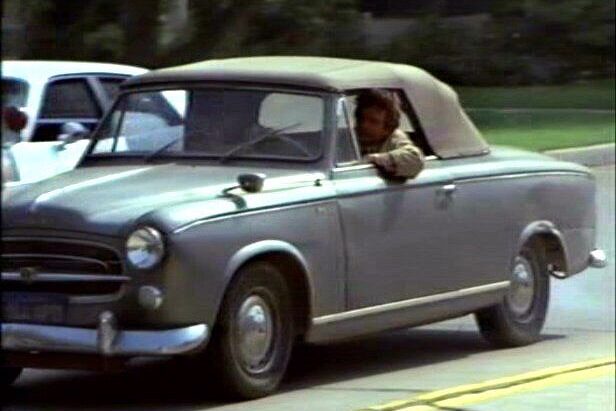
Columbo’s worn Peugeot 403 was no random studio pick but a personal choice by Peter Falk. He found the small convertible on the studio lot and decided it fit the detective’s rumpled, unassuming image perfectly. The car became as much a signature as his raincoat, instantly telling viewers who was arriving before he even spoke. It was a detail that helped shape the character’s entire persona and became an iconic part of TV history.
27. Miami Vice – Luxury on Loan

Miami Vice dazzled viewers with expensive cars, sleek boats, and designer clothes, but many of these luxury items were borrowed. Local dealerships and brands provided them in exchange for the exposure the show delivered. This arrangement allowed the series to showcase a glamorous lifestyle without overspending the budget. It also meant that some of the flashiest vehicles and boats on TV were just on loan, giving the show its signature style without the permanent price tag.
28. The Carol Burnett Show – Curtains with a Past Life

The Carol Burnett Show’s ornate curtains were not newly made for the variety show. They had once hung in grand Hollywood musicals and dramas, carrying with them a sense of old movie glamour. Using these existing set pieces added richness and depth to the sketches, even if viewers did not know their history. The touch of classic Hollywood gave the show an extra layer of charm that matched its mix of comedy and theatrical style.
29. The Twilight Zone – Alien Costumes You’ve Seen Before
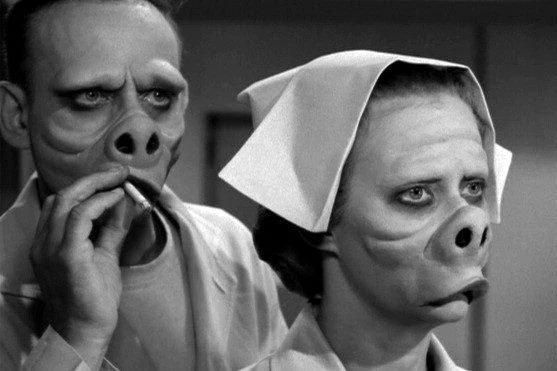
The Twilight Zone often reused alien costumes, props, and spaceship models from other productions, giving its universe a strangely connected feel. While the stories were different, keen-eyed fans could spot the same helmets or suits appearing in multiple episodes. This recycling saved production costs while still delivering the eerie and imaginative worlds the show was known for. It also created subtle visual links that made the series feel like it’s strange tales might somehow be part of the same reality.
30. Happy Days – The Disappearing Arnold’s
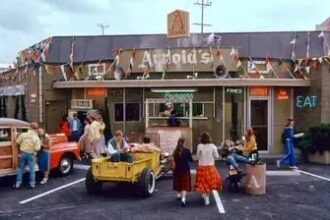
Arnold’s Drive-In was the hangout spot for the Happy Days gang, but it did not always look the same. Tables moved, booths shifted, and the jukebox changed locations. Between seasons, the entire set was redesigned, so the early Arnold’s looked very different from the later version. The changes were never explained, but they reflected how real hangouts can evolve over time. For viewers, it remained the place where friends met, even if the surroundings kept quietly changing.
This story 30 Hidden Set Secrets from Classic TV Shows – You’ve Watched Them for Years and Never Noticed was first published on Daily FETCH


