
Bob Dylan Goes Electric – Newport Folk Festival (1965)
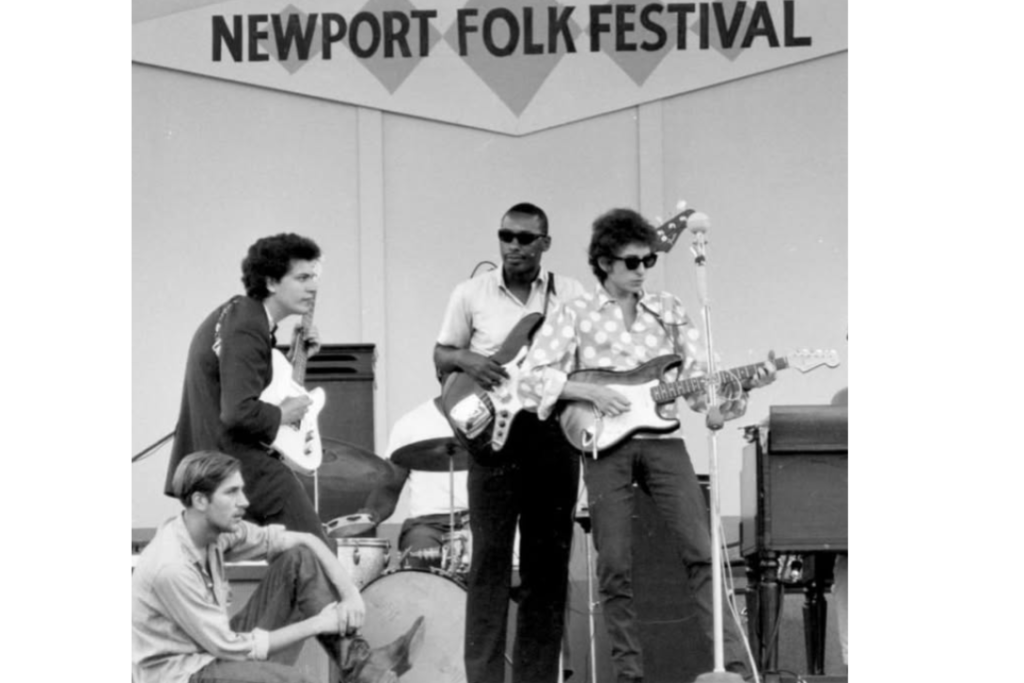
The Newport Folk Festival in 1965 remains one of the most controversial and pivotal turning points in the history of popular music. Before this warm July evening, Bob Dylan was the anointed prince of the acoustic folk scene and a symbol of earnest protest music. However, he shocked the gathered purists by walking onto the stage with a Fender Stratocaster and a loud backing band. This sudden shift into high-decibel rock and roll was met with a chorus of boos from the audience because they felt he had betrayed the folk movement.
This moment was much more than a simple change in equipment because it signaled a massive shift in the cultural landscape of the 1960s. By choosing to plug in his guitar, Dylan gave himself the freedom to explore more complex and personal themes that went beyond traditional protest songs. The fallout from the Newport set forced both critics and fans to redefine what it meant to be an authentic artist in a rapidly changing world. It paved the way for the folk-rock explosion and influenced countless musicians to follow their own creative instincts regardless of public expectation. Even now, the echoes of those boos serve as a reminder of the bravery required to innovate.
Elvis Presley – 1968 Comeback Special
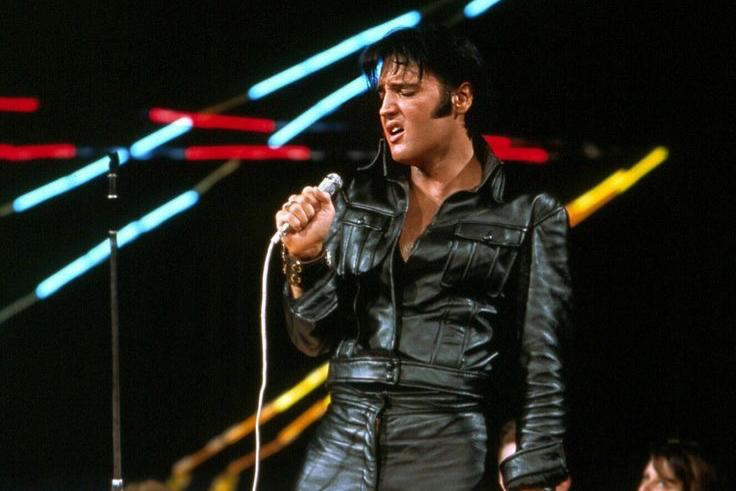
By 1968, many critics believed that Elvis Presley had become a relic of the past because he had spent years making increasingly forgettable Hollywood films. However, he reclaimed his throne during a televised special that saw him return to his rock and roll roots with a vengeance. Dressed in a sleek black leather suit and performing in an intimate, sit-down setting, he displayed a level of raw charisma and vocal power that many had forgotten he possessed. He looked lean, dangerous, and utterly contemporary as he joked with his original bandmates and sang his classic hits.
This comeback was significant because it proved that the King of Rock and Roll still had the relevance and the stamina to compete with the new wave of British bands. Following the special, Elvis embarked on a hugely successful residency in Las Vegas and returned to the touring circuit with renewed vigor. The 1968 special is often cited as one of the greatest moments in television history because it captured an icon at the height of his powers. It was a masterclass in how to reinvent oneself while remaining true to the spirit of the music.
Jimi Hendrix – The Star-Spangled Banner At Woodstock (1969)
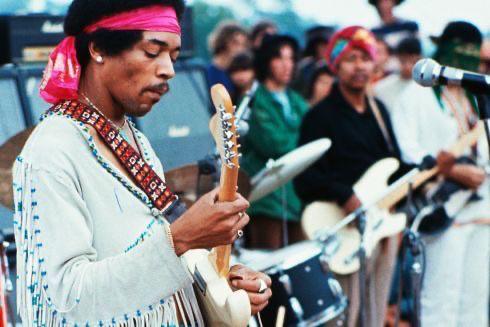
At the legendary Woodstock festival in 1969, Jimi Hendrix delivered a performance that would become the definitive visual and auditory symbol of the hippie era. As the sun rose on the final morning of the event, he took his guitar and began a distorted, feedback-laden rendition of the national anthem. This was not a traditional tribute but rather a sonic exploration of the chaos and tension gripping the United States at the time. He used his instrument to mimic the sounds of falling bombs, screaming sirens, and the general cacophony of war. This performance resonated deeply with the counterculture youth who were disillusioned by the ongoing conflict in Vietnam and the social unrest at home.
The sheer technical brilliance displayed by Hendrix during this set remains virtually unmatched in the annals of rock history. He managed to transform the anthem into a haunting piece of performance art that forced the listener to confront the darker realities of the American dream. While some traditionalists viewed the performance as a sign of disrespect, most saw it as a deeply patriotic act of artistic expression and a plea for peace. It solidified his status as a guitar deity and ensured that his image at Woodstock would be forever etched into the global consciousness.
The Beatles – Rooftop Concert (1969)
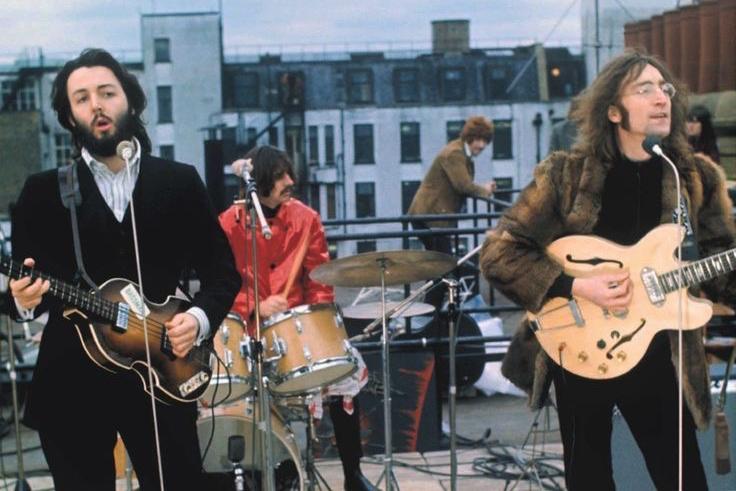
On a cold January day in 1969, the most famous band in the world climbed to the top of their Apple Corps building in London for a surprise concert. This unannounced set was the first time The Beatles had performed live in several years, and it would ultimately be their last. As the music drifted down to the busy streets of Savile Row, crowds of office workers and shoppers gathered below to catch a glimpse of the magic. The band played through several takes of new songs like Get Back and Don’t Let Me Down with a sense of joy that belied the internal tensions tearing them apart.
The performance eventually came to a halt when the local police arrived to shut it down due to noise complaints and traffic congestion. As the equipment was turned off, John Lennon famously quipped that he hoped the band had passed the audition. This lighthearted remark was a bittersweet conclusion to an era that had redefined global culture. The rooftop concert remains an iconic moment because it showed the four men returning to their roots as a simple, tight-knit rock and roll band. It was a dignified and spontaneous farewell to a legendary partnership that had changed the world. Even today, the footage of them playing against the London skyline evokes a powerful sense of nostalgia.
The Rolling Stones – Altamont Speedway Concert (1969)
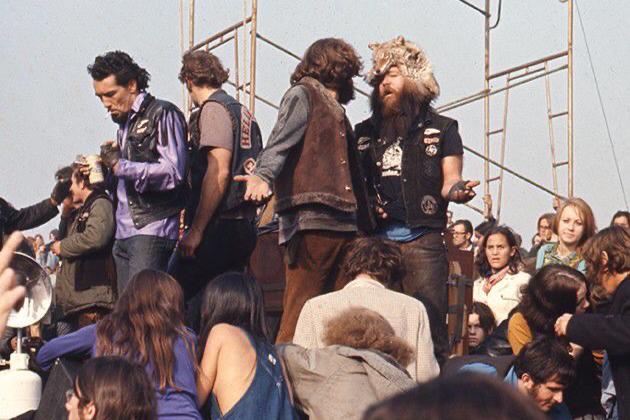
The Altamont Speedway Free Festival in late 1969 was originally envisioned as a West Coast version of Woodstock that would celebrate peace and music. However, the event quickly descended into chaos and violence due to poor planning and the controversial decision to hire the Hells Angels for security. As The Rolling Stones took the stage to perform Under My Thumb, a young man named Meredith Hunter was killed during a scuffle near the front. This dark day is often cited by historians as the symbolic end of the 1960s.
The tragedy at Altamont forced the music industry to take a long, hard look at the realities of concert safety and large-scale event management. It shattered the illusion that the counterculture movement was immune to the darker impulses of human nature. For The Rolling Stones, the event was a sobering experience that haunted their reputation for years to come. The footage captured in the documentary Gimme Shelter provides a chilling look at the moment the dream of the sixties began to crumble.
Pink Floyd – The Wall Tour (1980–1981)
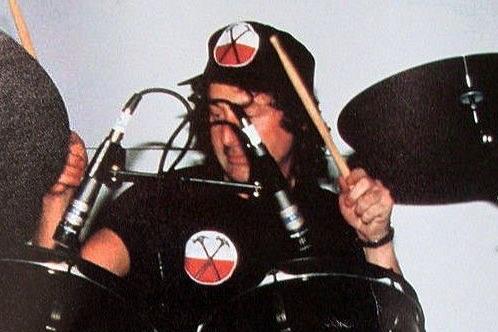
During their tour for The Wall in 1980 and 1981, Pink Floyd elevated the concept of a rock concert into a massive piece of avant-garde theatre. As the band played, a physical wall consisting of hundreds of giant white bricks was slowly constructed across the front of the stage. By the middle of the show, the musicians were completely hidden from the audience, which served as a literal representation of the themes of isolation and alienation found in the music. This ambitious project pushed the boundaries of what was possible in an arena.
The climax of the performance involved the dramatic destruction of the wall, which came crashing down in a spectacular display of pyrotechnics and stagecraft. This visual metaphor for breaking through emotional barriers resonated deeply with fans and left a lasting impact on the industry. Although the tour was so expensive to produce that it actually lost the band money, yet its influence on the future of stadium concerts was immeasurable. Pink Floyd’s vision set a new standard for artistic ambition in live music that few have managed to match since.
Michael Jackson – Moonwalk At Motown 25 (1983)
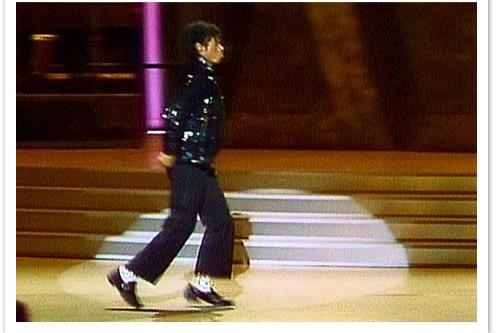
When Michael Jackson took the stage at the Motown 25 television special in 1983, he was already a global superstar, but he was about to become a legend. During a solo performance of his hit song Billie Jean, he paused for a moment and then glided backward across the stage with effortless grace. This was the first time a mass audience had seen the moonwalk, and the reaction was one of immediate and total shock. The physical impossibility of the move combined with his immaculate timing created a sensation that dominated conversations for weeks. It was a perfect blend of old-school showmanship and futuristic innovation that defined his unique artistic identity.
The impact of this single dance move cannot be overstated because it fundamentally changed the way pop stars approached their live performances. From that night forward, Jackson was viewed as a peerless entertainer whose physical skills were just as important as his vocal abilities. The moonwalk became his signature gesture and a global cultural phenomenon that fans around the world attempted to imitate. That performance at Motown 25 helped propel his album Thriller to even greater heights of commercial success. It remains a quintessential example of a “water cooler moment” where the entire world seemed to stop and watch a single person make history.
Madonna – “Like A Virgin” VMAs (1984)
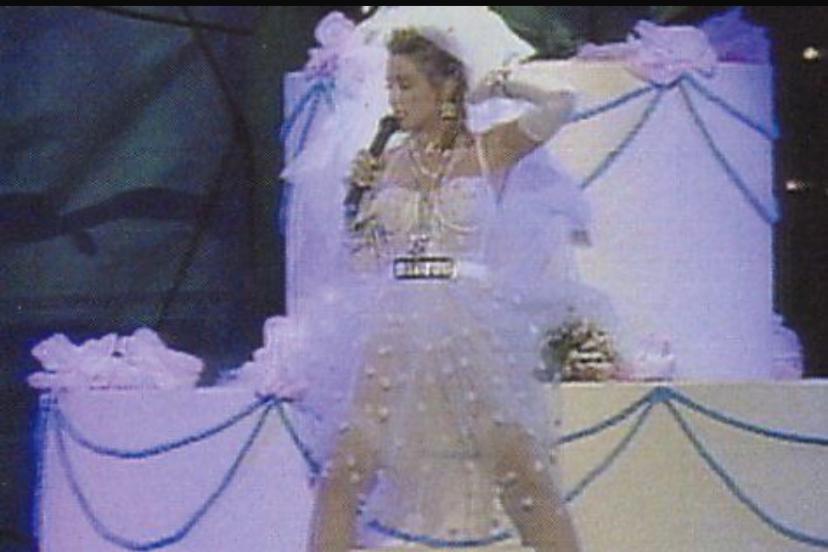
The very first MTV Video Music Awards in 1984 provided the backdrop for one of the most provocative performances in the history of pop music. Madonna appeared on stage atop a giant wedding cake while wearing a white bustier and a belt that famously read Boy Toy. As she began to sing Like a Virgin, she descended the cake and started rolling around on the floor in a way that many viewers found scandalous for the time. This display of bold sexuality and playful rebellion was a calculated move that instantly made her the most talked-about woman in the entertainment industry. She successfully challenged the social norms of the era while simultaneously securing her future stardom.
This performance was a masterclass in media manipulation and brand building because it established Madonna as a fearless provocateur who was not afraid to court controversy. While some critics dismissed the act as a mere stunt, the public was captivated by her confidence and her refusal to conform to traditional expectations. The Like a Virgin performance set the tone for the rest of her career, which would be defined by constant reinvention and a willingness to push boundaries. It also helped to establish the VMAs as a venue where artists were expected to deliver something truly shocking or memorable. To this day, the image of her in that wedding dress remains a defining icon of 1980s culture.
Queen – Live Aid (1985)
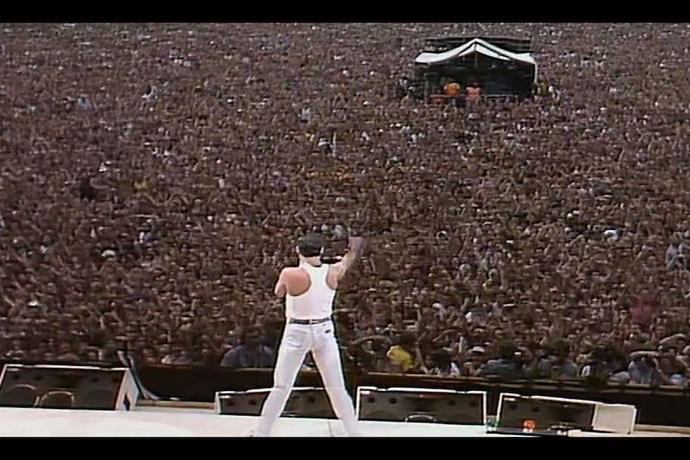
In the summer of 1985, Queen took the stage at Wembley Stadium for the Live Aid benefit concert and delivered what is widely considered the greatest live set in history. For twenty minutes, Freddie Mercury held the entire world in the palm of his hand as he led seventy thousand people through a high-octane medley of their hits. The moment he led the massive crowd in a synchronized rhythmic clap during Radio Ga Ga became an instant symbol of the power of unity. His vocal range was flawless, and his ability to connect with every single person in the stadium was nothing short of miraculous. It was a performance that combined technical perfection with raw, human emotion.
The impact of this set was so profound that it effectively revived Queen’s career and introduced their music to a brand-new generation of fans across the globe. Before Live Aid, the band had been experiencing a slight dip in popularity, but after that day, they were once again the biggest stadium act on the planet. The performance was broadcast to an estimated 1.5 billion people, making it a truly global shared experience. Mercury’s sheer charisma and stage presence that afternoon set a standard for frontmen that has never been surpassed. It remains a shining example of how music can be used as a force for good and a reminder of Mercury’s incomparable talent.
Bruce Springsteen – East Berlin Concert (1988)
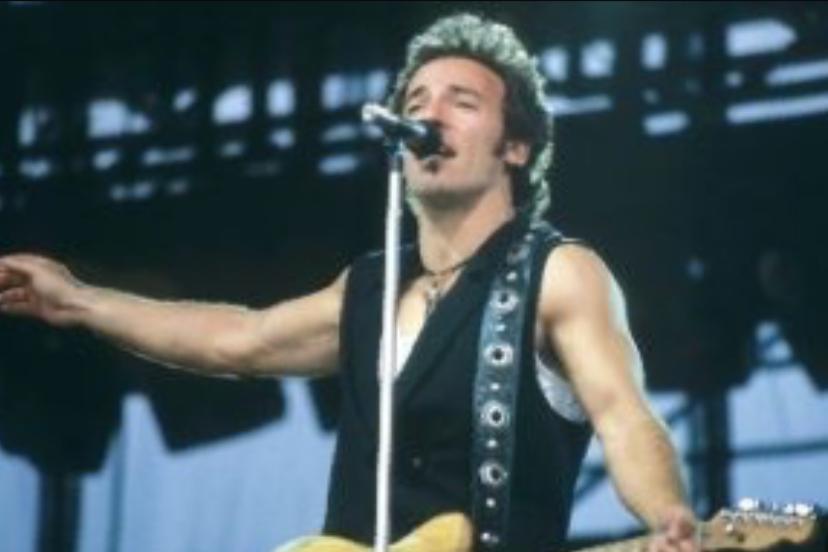
In 1988, Bruce Springsteen traveled to East Berlin to perform for a massive crowd of roughly three hundred thousand people behind the Iron Curtain. This was a time of immense political tension, and the concert was a rare moment of cultural exchange between the West and the communist bloc. Springsteen delivered a four-hour marathon of songs that spoke of hope, freedom, and the common struggles of the working class. During the show, he gave a short speech in German where he stated that he had not come to represent any government but to play rock and roll for the people. This message of unity resonated deeply with the youth of East Germany.
The concert is often viewed by historians as a symbolic prelude to the fall of the Berlin Wall because it demonstrated the unstoppable power of Western cultural influence. The sheer scale of the audience and the intensity of their reaction showed that the desire for freedom could not be suppressed by political borders. For the fans in attendance, seeing The Boss live was a life-changing experience that offered a glimpse of a different world. Springsteen’s music acted as a bridge between two conflicting ideologies, proving that the human spirit shares the same basic desires everywhere. The legacy of that night in East Berlin remains a powerful testament to the political and social impact of live rock and roll.
Whitney Houston – Super Bowl National Anthem (1991)
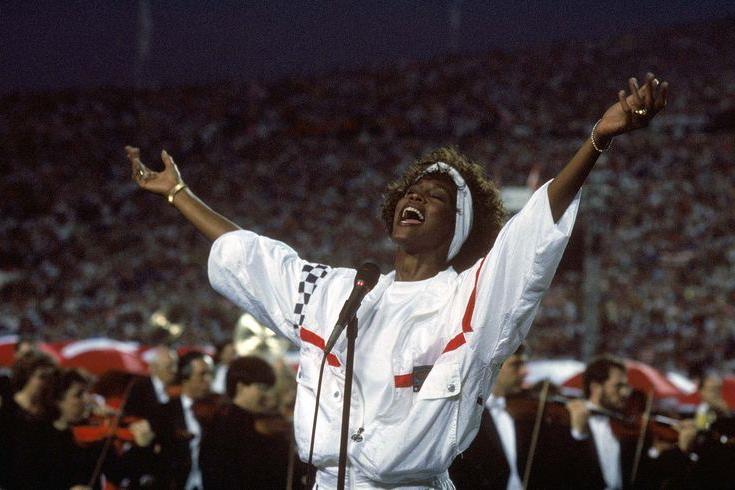
During the height of the Gulf War in 1991, Whitney Houston stepped onto the field at Tampa Stadium to deliver a performance that would redefine how we hear the American national anthem. Dressed simply in a white tracksuit and a headband, she brought a level of vocal power and emotional depth that moved millions of viewers to tears during a period of intense national anxiety. The sheer control she exhibited over those difficult high notes remains a benchmark for every singer who has followed in her footsteps at the Super Bowl.
The impact of this performance was so immediate and profound that it was released as a commercial single, which is an incredibly rare feat for a live rendition of a national anthem. It quickly climbed the charts and became a global sensation because it offered a sense of comfort and unity through the beauty of her voice alone. Critics often point to this moment as the definitive version of the song because she managed to balance patriotic fervor with genuine artistic soul. Decades later, the recording is still played at major events as the gold standard of vocal performance. Houston proved that a single voice could command the attention of an entire world and turn a sporting event into a shared moment of profound reflection.
Sinéad O’Connor Tears Photo On Saturday Night Live (1992)
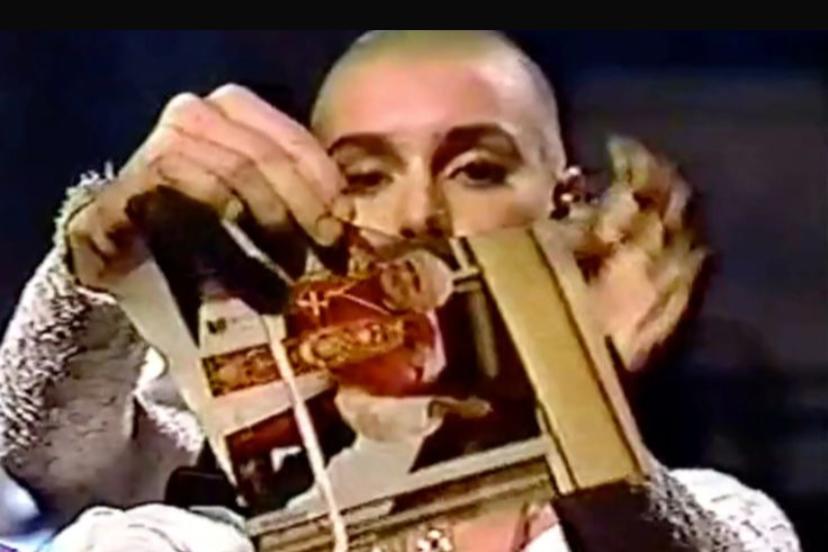
In one of the most shocking moments in television history, Irish singer Sinéad O’Connor used her performance on Saturday Night Live in 1992 to stage a silent and powerful protest. After finishing an emotional acapella cover of Bob Marley’s song War, she held up a photograph of Pope John Paul II and ripped it into pieces while staring directly into the camera. She ended the act by telling the audience to fight the real enemy, which left the studio in stunned silence without any applause. This was her way of bringing global attention to the systemic child abuse within the Catholic Church, an issue that was not widely discussed in the mainstream media at the time.
The backlash was almost instantaneous and devastating for her career as she was banned from many platforms and faced heavy criticism from fellow celebrities and the public. Many people felt she had gone too far and crossed a line of respect, yet O’Connor stood by her actions with unwavering conviction for the rest of her life. In the years that followed, as more truth about the Church came to light, her protest was increasingly seen as prophetic and incredibly brave rather than just a moment of controversy. This performance changed the way we view the intersection of celebrity, religion, and social justice.
Freddie Mercury Tribute Concert – David Bowie Tribute (1992)
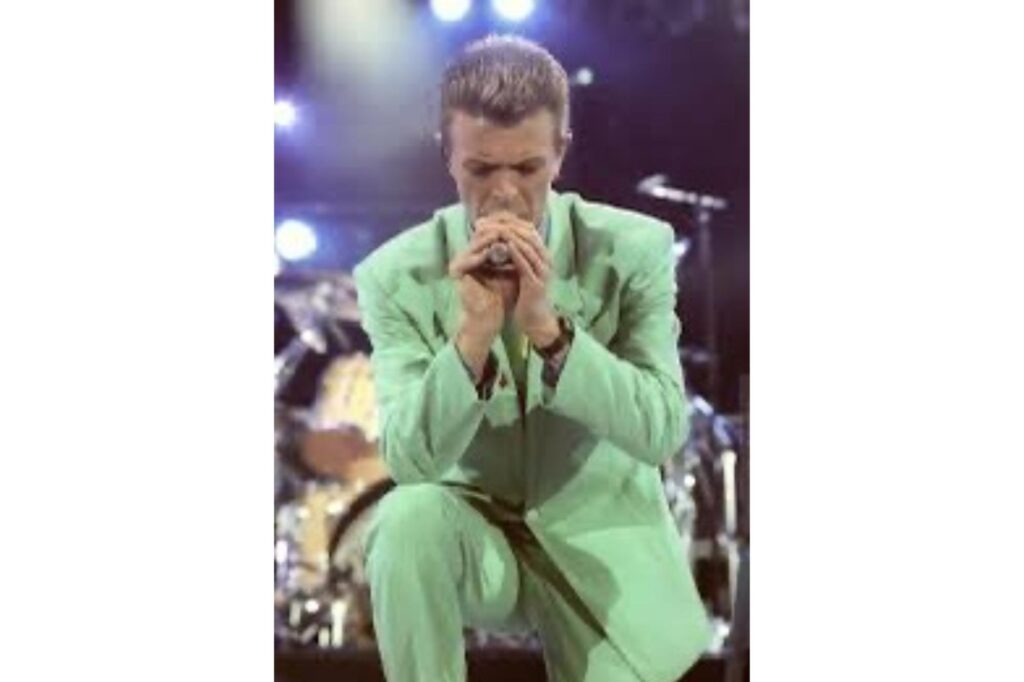
The Freddie Mercury Tribute Concert at Wembley Stadium in 1992 was a star-studded farewell to the legendary frontman, but one of the most touching moments came from his close friend David Bowie. After performing a series of high-energy hits, Bowie took a quiet and unexpected moment to kneel on the stage and recite the Lord’s Prayer. This gesture of humility and faith was dedicated to Mercury and all those who were suffering from the global AIDS crisis during that period. The stadium fell into a hush as the world watched one of the most flamboyant icons of rock and roll show his most vulnerable and spiritual side in front of millions of fans.
This specific tribute resonated because it offered a moment of communal grieving and spiritual reflection in the midst of a loud and celebratory rock concert. By kneeling on that famous stage, Bowie acknowledged the profound loss the music world had suffered and humanized the celebrity experience in a way that felt very real and grounded. It was a bridge between the glamor of the performance and the tragic reality of the disease that had taken Mercury’s life far too soon. For many fans, this was the emotional heart of the entire event because it felt like a private conversation shared with the world. The image of Bowie kneeling remains a powerful symbol of the deep bond and mutual respect shared between the era’s greatest musical pioneers.
Nirvana – MTV Unplugged In New York (1993)
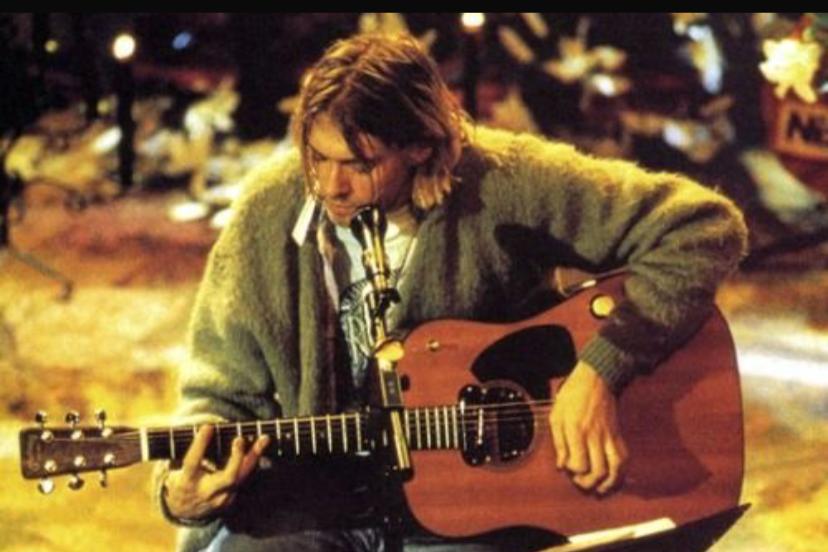
When Nirvana agreed to record an MTV Unplugged session in late 1993, many fans expected them to play acoustic versions of their loud and aggressive grunge hits. Instead, Kurt Cobain insisted on a somber and intimate setlist filled with obscure covers and deep cuts that showcased the band’s folk and blues influences. The stage was decorated with black candles and lilies, which gave the entire evening a haunting and almost funeral-like atmosphere that stood in contrast to their typical chaotic shows. This performance allowed the world to see the raw songwriting talent and vocal vulnerability that lay beneath the band’s signature wall of distortion. It was a brave and unexpected creative departure.
The emotional peak of the night came during the final song, a cover of Where Did You Sleep Last Night, where Cobain’s voice cracked and soared with a chilling intensity. That final scream became even more poignant and haunting when he passed away just a few months after the recording took place. The album became a massive success and proved that Nirvana was much more than just a loud rock band from Seattle. It remains one of the most celebrated live recordings in history because it captured a legendary artist at his most honest and fragile.
U2 – Super Bowl 9/11 Tribute (2002)
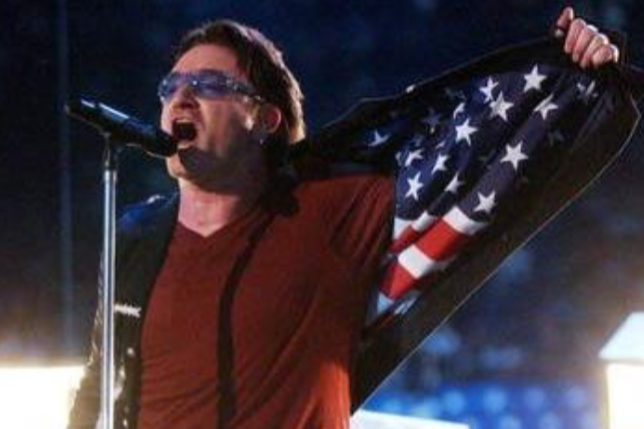
Just a few months after the tragic events of September 11th, U2 was tasked with performing the halftime show at the Super Bowl in New Orleans. They chose to deliver a deeply respectful and emotional tribute that avoided flashy spectacle in favor of genuine communal healing. As the band played Where the Streets Have No Name, a massive scrolling screen behind them displayed the names of every victim who had lost their life in the attacks. The atmosphere in the stadium was heavy with emotion as fans and players alike were moved by the simple and dignified gesture. It was a rare moment where a major sporting event felt like a shared national embrace.
The climax occurred when Bono opened his jacket at the end of the set to reveal an American flag lining, a move that symbolized solidarity and hope for a grieving nation. This performance is widely regarded as one of the greatest halftime shows ever because it prioritized the feelings of the audience over the ego of the artists. U2 managed to strike the perfect balance between mourning and celebration, proving that music has a unique capacity to help a society process collective trauma. Even years later, watching the footage of the names floating up toward the stadium roof remains a powerful and tear-jerking experience. It showed that the stage could be a place for unity and profound national reflection.
Prince – Super Bowl Halftime Show (2007)
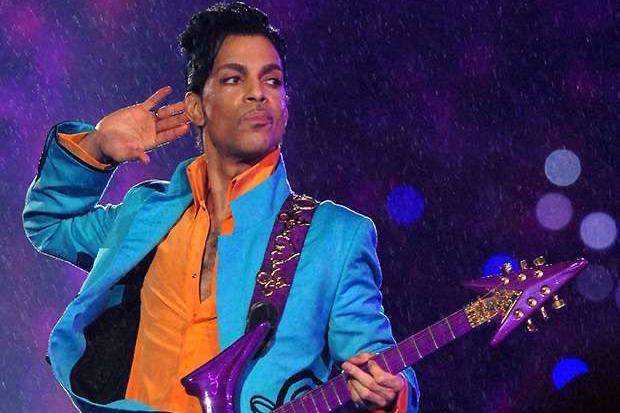
Prince’s performance at the Super Bowl in 2007 is often cited as the greatest halftime show of all time due to a perfect storm of talent and weather. As he took to the massive stage shaped like his famous symbol, a tropical rainstorm began to pour down on the stadium in Miami. Instead of being deterred by the dangerous conditions and wet equipment, Prince embraced the elements and delivered a masterclass in showmanship. The rain actually enhanced the visual experience, especially when he performed Purple Rain while being drenched in a literal purple downpour. The combination of his virtuoso guitar playing and the dramatic weather created a cinematic moment that felt almost staged by the heavens.
The set was a high-energy journey through his greatest hits and a series of clever covers that showed off his incredible range as a musician. He moved with a level of confidence and grace that made the slippery stage look like a natural extension of his own body. Fans and critics were left in awe of his ability to maintain such a high level of technical precision while performing in such challenging circumstances. This show solidified his reputation as one of the hardest-working and most talented performers in the history of pop music.
Amy Winehouse – Glastonbury (2007)
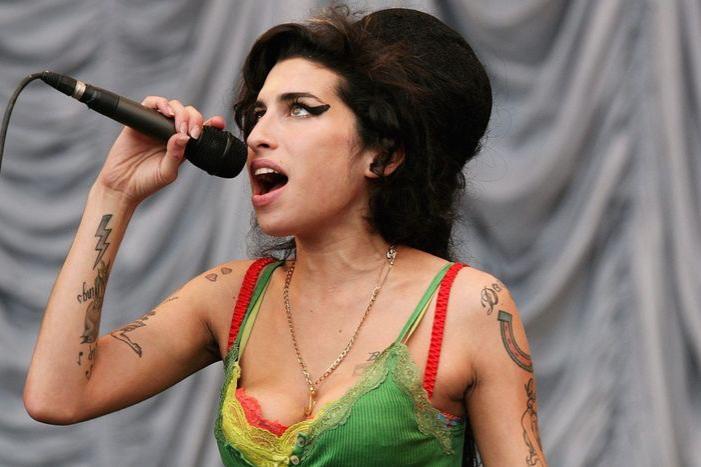
Amy Winehouse’s appearance at the Glastonbury Festival in 2007 captured an artist at the very peak of her powers and international fame. Standing on the Pyramid Stage, she delivered a performance of her hit song Rehab that showcased her extraordinary vocal talent and her unique blend of jazz and soul. Her voice was rich, soulful, and carried a weight of life experience that seemed far beyond her young age. The massive crowd was captivated by her raw charisma and her ability to make a giant festival field feel like an intimate and smoky jazz club. It was a moment of pure musical brilliance that highlighted why she was so beloved.
After her tragic passing a few years later, fans and critics revisited this Glastonbury performance as a defining snapshot of her short but impactful career. It served as a reminder of her incredible artistry and the vulnerability that she poured into every single note she sang on stage. The show was a celebration of her talent before the darker struggles of her personal life began to dominate the headlines. Glastonbury 2007 remains a precious piece of footage because it shows Amy in her element, connecting deeply with thousands of people through her music.
Daft Punk – Alive Tour Pyramid Stage (2007)
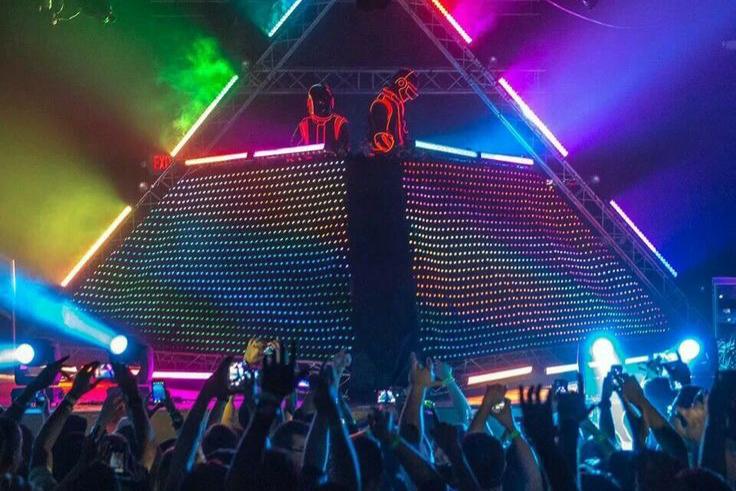
When the French electronic duo Daft Punk embarked on their Alive tour in 2007, they completely redefined the visual and auditory expectations for electronic music concerts. Performing inside a massive, glowing LED pyramid that was synchronized with their music, they created an immersive sensory experience that felt like it was from the future. The light show was so advanced and perfectly timed that it turned the act of two men playing synthesizers into a grand and theatrical spectacle. This tour was a major turning point for the genre because it proved that electronic artists could headline major festivals and deliver a show as visually impressive as any rock band.
The impact of the pyramid stage was felt throughout the music industry as other artists began to invest more heavily in their own live productions and stagecraft. Daft Punk managed to maintain their mystery by remaining hidden within the structure, which only added to the sense of wonder and excitement for the fans. The show was a perfect fusion of technology and art, showing how digital visuals could be used to enhance the emotional impact of the music. It remains one of the most influential tours of the 21st century because it set a new standard for what a live concert could look like in the digital age. The image of the glowing pyramid is still an iconic symbol of electronic music’s global rise.
Kanye West Interrupts Taylor Swift – VMAs (2009)
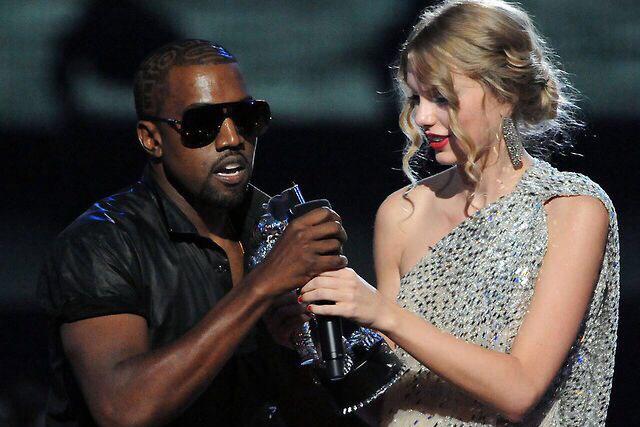
The 2009 MTV Video Music Awards became the setting for one of the most awkward and controversial moments in pop culture history when Kanye West interrupted Taylor Swift. As Swift was giving her acceptance speech for Best Female Video, West climbed onto the stage and grabbed the microphone from her hand. He famously declared that Beyoncé had one of the best videos of all time, which left the young singer and the entire audience in a state of absolute shock. The incident was broadcast live to millions of viewers and instantly became a global talking point that dominated social media and news cycles for years to come.
This moment was significant because it highlighted the unpredictable and sometimes volatile nature of live award shows where anything can happen. It sparked a massive conversation about respect, awards show politics, and the boundaries between artistic expression and public behavior. For Taylor Swift, the event was a major turning point that earned her a great deal of public sympathy and helped to define her narrative as a resilient artist. For Kanye West, it was a moment that would haunt his reputation and become a defining part of his complicated legacy.
Lady Gaga – Bleeding “Paparazzi” VMAs (2009)
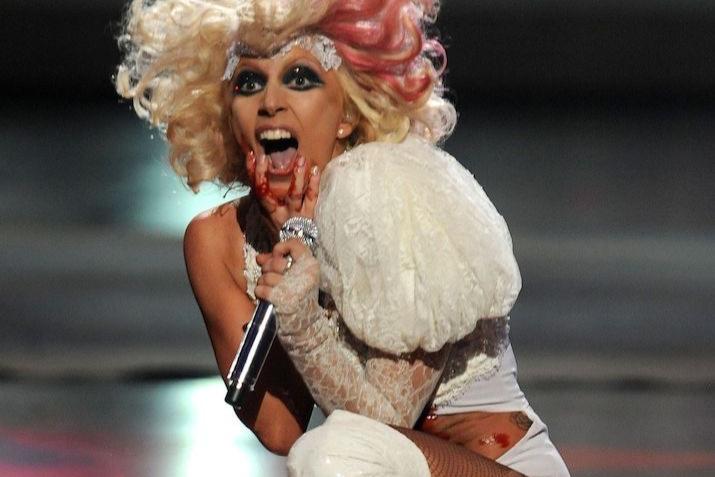
During the same 2009 VMAs that saw the Kanye interruption, Lady Gaga delivered a theatrical and grisly performance of her song Paparazzi that cemented her status as a fearless artist. The show was a commentary on the destructive nature of fame and the media’s obsession with the downfall of celebrities. Toward the end of the performance, Gaga began to leak fake blood from her torso, eventually hanging from a rope above the stage as if she had been consumed by the spotlight. It was a shocking and macabre display that was unlike anything seen on a mainstream pop stage before, leaving the audience both horrified and deeply impressed by her commitment to the bit.
This performance was a clear signal that Lady Gaga was not interested in being a traditional pop star but was instead a high-concept performance artist. She used the massive platform of the VMAs to deliver a message about the dark side of the industry she was quickly conquering. The visual of her “bleeding” out in front of the world became an iconic image that defined her early career and her dedication to pushing artistic boundaries. To this day, the Paparazzi performance is remembered as one of the most daring and creative moments in the history of televised music awards.
Tupac Shakur Hologram – Coachella (2012)
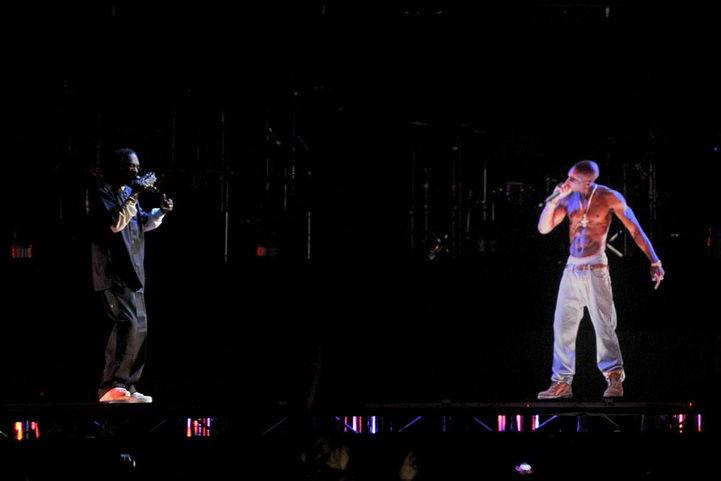
The 2012 Coachella Valley Music and Arts Festival witnessed a moment that felt like something plucked straight from a science fiction novel when a digital projection of the late Tupac Shakur appeared on stage. Performing alongside hip-hop legends Snoop Dogg and Dr. Dre, the lifelike apparition paced the stage and even addressed the crowd by name, which left the audience in a state of collective disbelief. This was not a simple video playback but a sophisticated application of a Victorian stage trick called Pepper’s Ghost, updated with cutting-edge computer-generated imagery. The realism was so startling that for a few minutes, the desert air felt thick with the presence of a man who had been gone for sixteen years.
This performance was a landmark moment for the music industry because it introduced the modern concept of the “hologram concert” to the mainstream public. It sparked an intense global conversation about the ethics of using an artist’s likeness after their death and the future of live entertainment in an increasingly digital world. While some found the display unsettling or exploitative, others saw it as a beautiful tribute that allowed a new generation to experience the charisma of a lost icon. The success of the Tupac hologram paved the way for similar productions featuring other deceased stars, forever changing how we perceive the boundaries between the living and the dead on stage.
Paul McCartney & Nirvana Members – Grammys (2014)
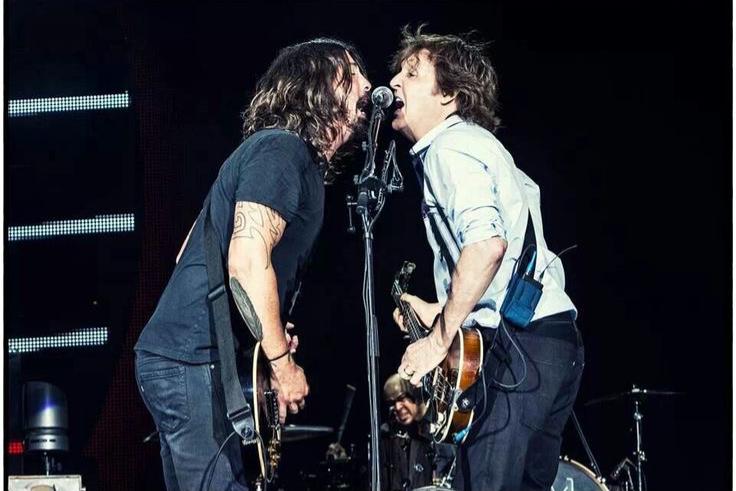
In an unexpected collision of musical royalty, the 56th Annual Grammy Awards featured a collaboration that fans affectionately nicknamed “Sirvana.” Paul McCartney took the stage to perform a brand-new track called Cut Me Some Slack, backed by the surviving members of Nirvana, including Dave Grohl, Krist Novoselic, and Pat Smear. The performance was a high-energy explosion of raw rock and roll that bridged the gap between the melodic genius of the 1960s and the gritty energy of the 1990s. Seeing the former Beatle jamming with the architects of grunge was a surreal experience that celebrated the enduring spirit of live music.
The chemistry between the four musicians was palpable because they were not just playing a song but were genuinely feeding off each other’s energy in a way that felt spontaneous and joyful. For many fans, seeing Grohl and Novoselic back together on a major stage brought a sense of closure and celebration that had been missing since the tragic end of their original band. The collaboration won a Grammy for Best Rock Song later that evening, proving that the magic they created on stage was more than just a novelty act.
Kendrick Lamar – Grammys Performance (2016)
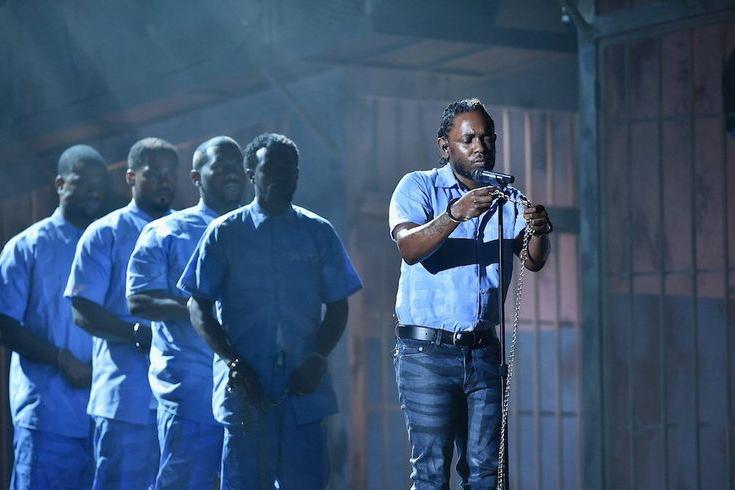
Kendrick Lamar delivered what is widely considered the most politically charged and visually arresting performance in Grammy history during the 2016 ceremony. He walked onto the stage as part of a chain gang, led by a line of men in a prison-themed setting, to perform his powerful tracks The Blacker the Berry and Alright. The performance used stark lighting and intense choreography to address themes of racism, mass incarceration, and the Black experience in modern America. It was a visceral and uncompromising piece of performance art that forced the audience to confront uncomfortable social realities during a night usually reserved for polished and safe entertainment.
The impact of the set was magnified by a massive bonfire that erupted on stage and a concluding image of a map of Africa with the word “Compton” written across it. Lamar’s lyrical precision and the sheer raw energy of his delivery left the celebrity-filled room in a state of stunned silence before they broke into thunderous applause. This moment was significant because it signaled the arrival of a new era where hip-hop artists were using the biggest platforms in the world to demand social change. It set a new standard for artistic bravery on television and proved that Kendrick Lamar was much more than a rapper because he was a vital voice for a whole generation.
Metallica & Lady Gaga Mic Failure – Grammys (2017)
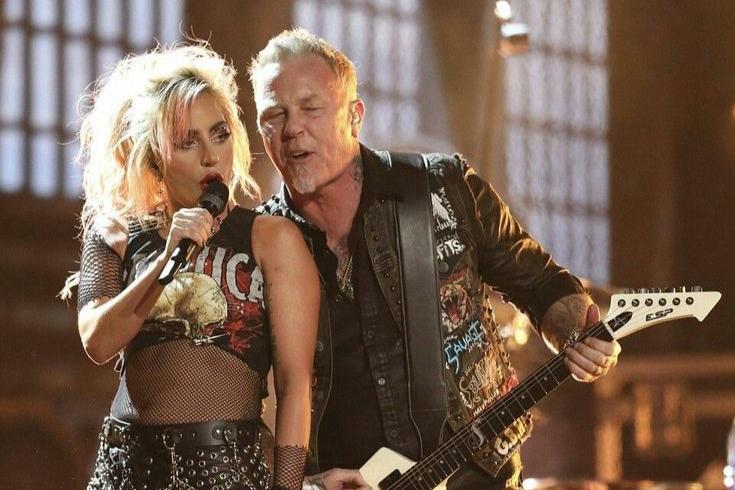
The 2017 Grammy Awards featured a highly anticipated collaboration between heavy metal legends Metallica and pop icon Lady Gaga, but the performance began with a technical nightmare. As the band launched into Moth into Flame, lead singer James Hetfield’s microphone was completely dead, meaning his vocals were silent to the millions watching at home and those in the arena. Instead of letting the mishap ruin the show, Lady Gaga stepped in and shared her microphone with Hetfield, leaning in close so they could sing together. This quick thinking transformed a potential disaster into a thrilling and intimate display of professional grit and rock and roll spontaneity.
The sight of the two stars fighting through the technical failure actually added a layer of raw energy and defiance to the performance that a perfect set might have lacked. Gaga’s high-octane stage presence perfectly complemented the band’s aggressive sound, and she even dove into the crowd toward the end of the song. Hetfield was clearly frustrated by the error, famously kicking his guitar at the end, but the public largely praised the duo for their “show must go on” attitude. It remains a memorable moment because it reminded everyone that live television is unpredictable and that true performers are defined by how they handle the mistakes. It was a masterclass in professional resilience.
Beyoncé – Coachella “Beychella” (2018)
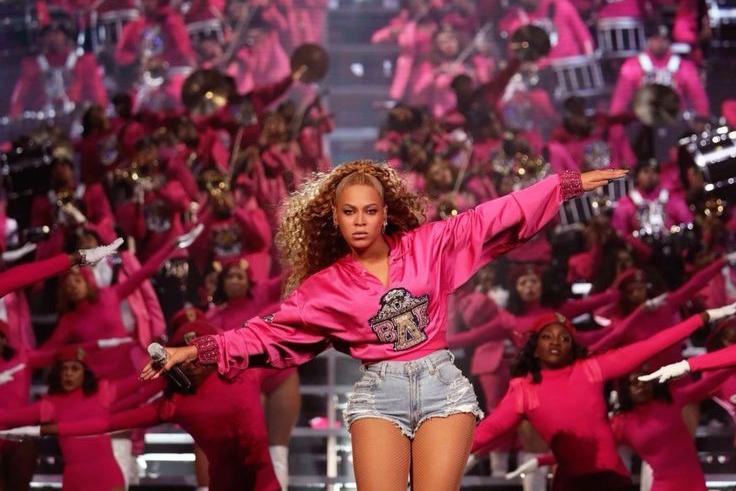
In 2018, Beyoncé became the first Black woman to headline Coachella and delivered a performance so culturally significant that the festival was unofficially renamed “Beychella.” The show was a massive, two-hour celebration of Black excellence and the history of Historically Black Colleges and Universities, featuring a full marching band and over a hundred dancers. Every detail of the production, from the Nefertiti-inspired costumes to the complex arrangements of her hits, was designed to honor Black culture and womanhood. It was a meticulously choreographed spectacle that pushed the physical and creative boundaries of what a festival headline set could actually be.
The performance was much more than a pop concert because it was a profound statement of power and cultural pride that resonated around the world. Beyoncé’s vocal stamina and dancing were flawless throughout the entire grueling set, proving once again that she is in a league of her own as an entertainer. The show included a surprise Destiny’s Child reunion and a dance-off with her sister Solange, making it a true family affair and a career-spanning triumph. Beychella set a new and almost impossibly high bar for all future live performances because it combined technical perfection with a deep and meaningful narrative.
BTS – Wembley Stadium Fan Sing-Along (2019)
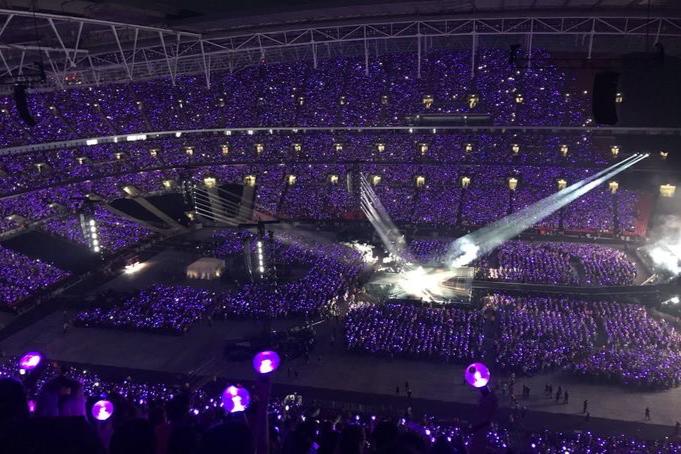
When the South Korean boy band BTS performed two sold-out nights at London’s Wembley Stadium in 2019, they reached a milestone that few artists in history have achieved. The most emotional moment of the residency occurred during the final night when the fans, known as ARMY, surprised the group by singing the song Young Forever back to them. Over ninety thousand people sang the lyrics in unison, creating a wall of sound that was so powerful it moved several members of the group to tears on stage. It was a rare moment where the boundary between the performers and the audience completely disappeared.
This event was significant because it symbolized the global reach of K-pop and the intense, almost spiritual bond that BTS shares with their supporters. The sing-along was organized entirely by fans through social media, showing the incredible organizational power of modern fanbases. For the members of BTS, it was a profound acknowledgement of their hard work and a sign that their message of self-love had truly resonated across language barriers. The image of the members crying while the stadium glowed with thousands of lightsticks became an iconic symbol of their career. It proved that music has the power to create a universal community that transcends nationality and culture.
Shakira & Jennifer Lopez – Super Bowl Halftime (2020)
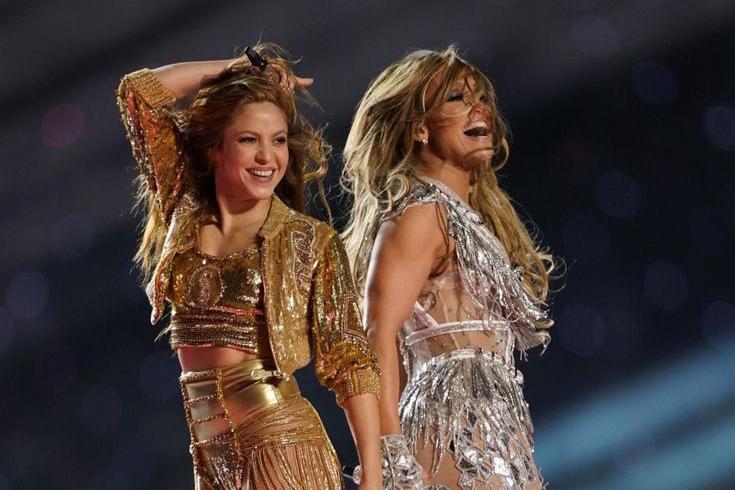
The 2020 Super Bowl halftime show featured a high-energy co-headlining performance by Shakira and Jennifer Lopez that celebrated Latin culture on a massive global scale. The show was a non-stop medley of their greatest hits, featuring incredible choreography, vibrant costumes, and guest appearances from stars like J Balvin and Bad Bunny. It was a historic moment because it marked the first time two Latina artists had headlined the event together, and they used the platform to highlight the richness and diversity of the Latinx community. The energy was infectious and represented a vibrant, bilingual vision of modern pop music.
Beyond the spectacular dancing and singing, the performance included subtle but powerful political messages regarding the treatment of immigrants and the pride of Puerto Rico. The sight of Lopez’s daughter singing alongside her mother while a children’s choir stood in light-up cages was a poignant commentary on the issues of the day.
Travis Scott – Astroworld Crowd Incident (2021)
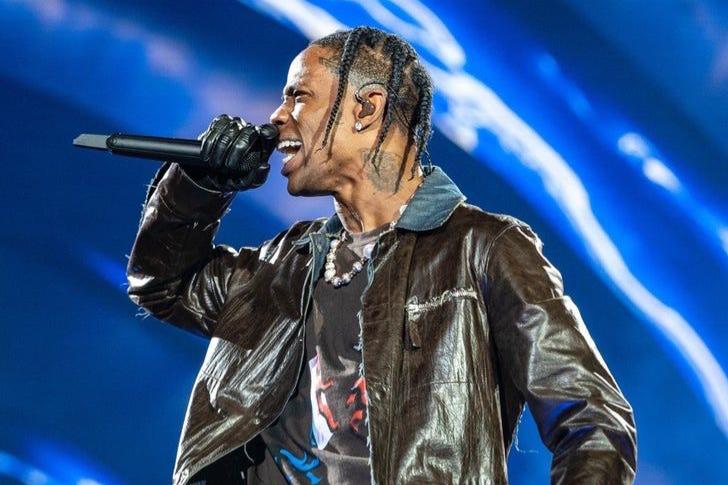
The 2021 Astroworld Festival in Houston, headlined by Travis Scott, became one of the most tragic and somber chapters in the history of live music. During Scott’s performance, a massive and uncontrolled crowd surge occurred, leading to the deaths of ten people and hundreds of injuries among the tens of thousands in attendance. The event was captured in real-time by thousands of cell phone cameras, showing the chaos and the desperate attempts of fans to escape the crush. It was a terrifying reminder of how quickly a celebratory atmosphere can turn into a life-threatening disaster when safety protocols are not properly managed.
The fallout from the Astroworld tragedy led to a global re-evaluation of concert safety and crowd management policies for large-scale events. It sparked intense legal and public debates regarding the responsibility of performers, promoters, and local authorities in ensuring the well-being of attendees. For the music industry, it was a wake-up call that prompted many artists to pause their shows more frequently to check on fan safety. This moment is not remembered for the music but for the devastating loss of life and the permanent changes it forced upon the live entertainment world.
Adele Stops Concert To Defend Fan (2023)
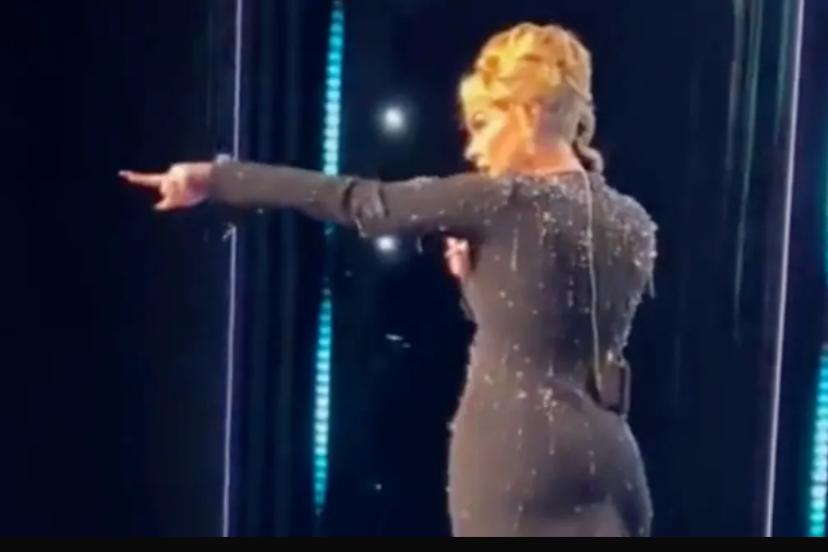
During a 2023 concert in Mexico City, Adele proved why she is one of the most beloved and grounded superstars in the world when she halted her performance to protect a fan. While singing, she noticed that security guards were being overly aggressive with a young man in the crowd who was simply trying to stand up and enjoy the music. Adele immediately stopped the band and pointed directly at the guards, telling them to leave the fan alone and let him enjoy the show. This spontaneous act of kindness and authority was met with a massive roar of approval from the thousands of people in attendance.
This moment went viral because it highlighted her genuine connection with her audience and her refusal to let corporate rules dampen the spirit of her concerts. It was a refreshing display of authenticity in an industry that can often feel distant and overly managed by security protocols. By standing up for one individual, Adele sent a message to all her fans that their experience was her top priority. Her reputation for being “real” grew even further after the incident, as it showed she was watching her fans just as closely as they were watching her.
Rihanna – Super Bowl Pregnancy Reveal (2023)
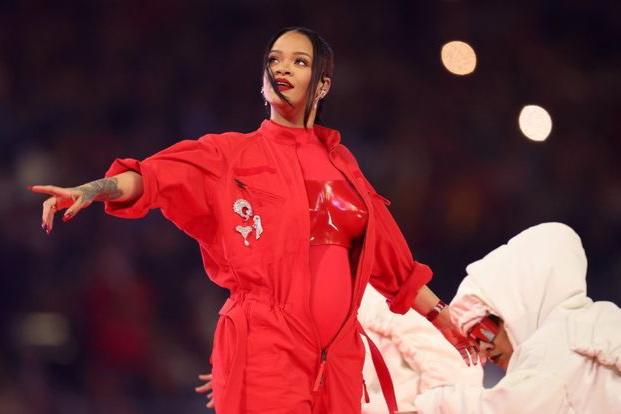
Rihanna’s return to the live stage at the 2023 Super Bowl halftime show was one of the most anticipated musical events in years, and she did not disappoint. Performing on a series of floating platforms high above the field in Glendale, Arizona, she ran through a hit-heavy set while dressed in a striking all-red outfit. However, the real headline came within the first few seconds when she subtly revealed her pregnancy to the world by rubbing her stomach. This revelation immediately dominated social media and became one of the most talked-about moments in the history of the event, turning her musical comeback into a celebration of motherhood.
The performance was notable for its cool and confident vibe, as Rihanna opted for a smooth and effortless delivery rather than high-intensity choreography. She allowed her massive catalog of hits to do the talking, reminding the world of her status as one of the most successful pop stars of the 21st century. The floating platforms provided a visually stunning backdrop that made the entire show feel like a grand, cinematic experience. By revealing her pregnancy in such a public way, she redefined the idea of a “working mother” on the world’s biggest stage. It was a masterclass in how to command global attention with poise and style. The moment remains a high point in Super Bowl history.
Like this story? Add your thoughts in the comments, thank you.


